



Singapore & Bangkok: 10-Day Southeast Asia Itinerary (2026)
18 min read

Author
SHARE BLOG
TABLE OF CONTENTS
- Split your time as 4 days in Singapore, 5 days in Bangkok, and 1 travel day for the inter-city flight — this balance gives you depth in both cities without rushing.
- Direct flights between Singapore and Bangkok take roughly 2.5 hours, with fares starting around SGD 100 / USD 75 one-way on budget carriers like Scoot and AirAsia.
- A combined 10-day budget ranges from USD 80–250 per day depending on travel style — Bangkok pulls the average down significantly.
- November to March offers the best weather overlap, with lower humidity in Bangkok and drier conditions in Singapore.
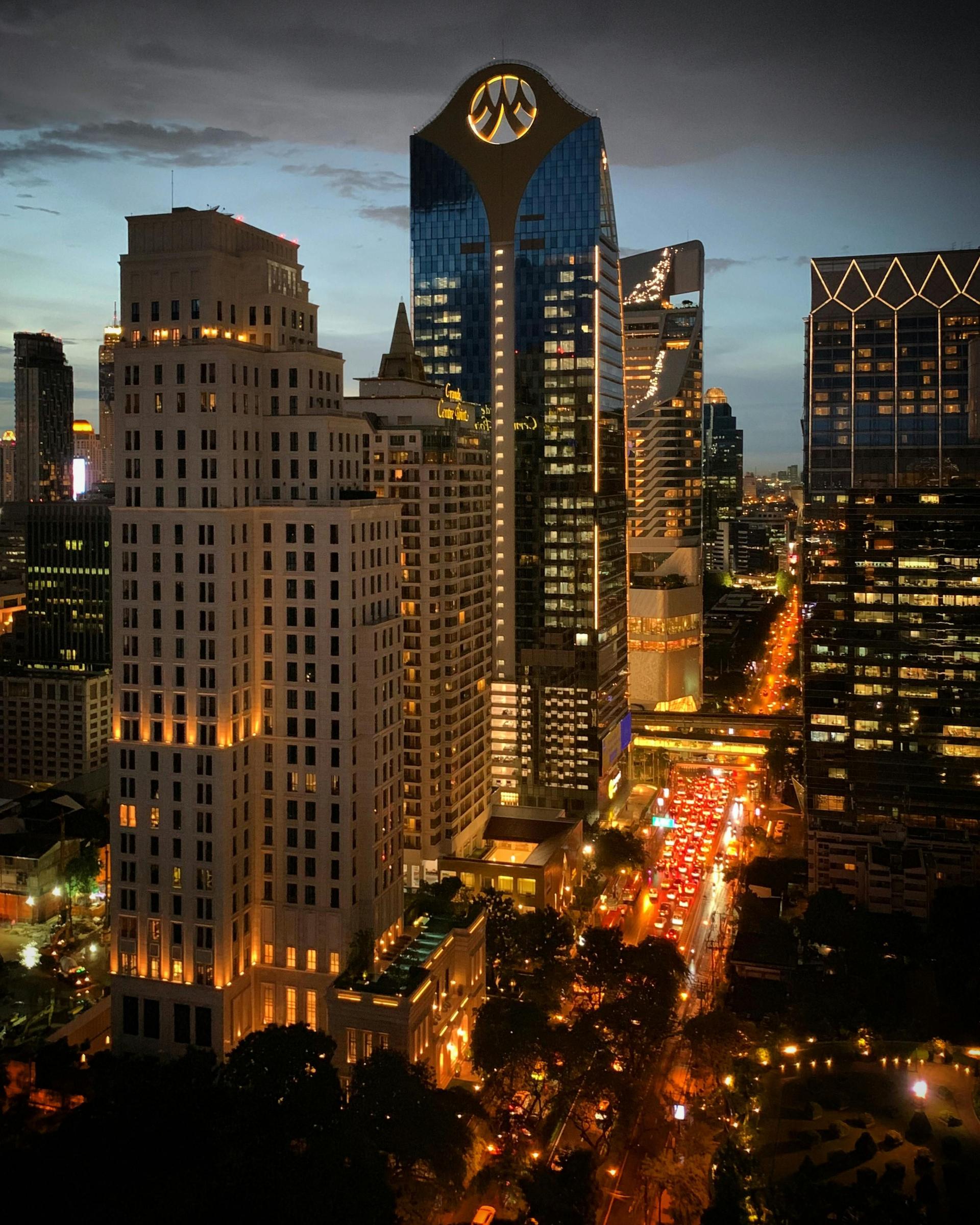
A 10-day Singapore and Bangkok itinerary gives you two of Southeast Asia's most rewarding cities without the scramble of a five-country whirlwind tour. Singapore is compact, hyper-efficient, and loaded with world-class food and green spaces you can cover in four focused days. Bangkok sprawls wider — its temples, markets, river life, and day-trip options need a bit more time to absorb properly. Together, the two cities deliver a contrast that makes the trip feel far longer than 10 days: glass-and-steel futurism one week, gilded spires and canal-side street food stalls the next.
Most "Southeast Asia itineraries" online try to squeeze in Malaysia, Vietnam, and Cambodia alongside these two. That works if you have three weeks. If you have 10 days, depth beats breadth. This guide gives you a ready-to-follow day-by-day plan, honest cost figures in three currencies, and specific adjustments for couples, families, and solo travellers — so you can stop researching and start booking.

How to Split 10 Days Between Singapore & Bangkok
The single biggest planning decision for a Singapore and Bangkok trip is how you divide your days. Get this right and everything else falls into place. Get it wrong and you either rush through one city or waste downtime in the other.
Why 4 Days Singapore + 5 Days Bangkok Works Best
Singapore is a city-state that measures just 50 kilometres across, as highlighted by the Singapore Tourism Board. Its top attractions cluster tightly around Marina Bay, Sentosa, and the cultural districts — all reachable within 20–30 minutes by MRT. Four full days let you cover the major sights, eat your way through multiple hawker centres, and still have time for a half-day on Sentosa without feeling like you are ticking boxes.
Bangkok, by contrast, spreads across a much larger footprint. According to the Tourism Authority of Thailand, the city covers over 1,500 square kilometres. The Old Town temple circuit, the modern shopping districts along the BTS line, and the weekend markets sit in different parts of the city. Add at least one day trip (floating markets or Ayutthaya), and five days starts to feel like the minimum for a satisfying visit rather than a generous allowance.
Alternative Splits and When They Make Sense
A 3+6 split works if you have already visited Singapore before and want to focus on Bangkok, or if you plan to add a beach side trip (Koh Samet or Pattaya) at the end. A 5+5 split makes sense for families with young children who want a full day at Universal Studios Singapore plus a recovery day — kids slow the pace, and that is fine.
Which City to Visit First — And Why It Matters
Start in Singapore. Its airport (Changi) consistently ranks among the world's best, immigration is fast, signage is in English, and the MRT runs directly into the city centre. After a long-haul flight, Singapore's order and efficiency help you ease into Southeast Asia without sensory overload. Save Bangkok — louder, more chaotic, and arguably more exciting — for the second half of the trip when you have found your travel rhythm.
There is also a practical reason: departing from Bangkok's Suvarnabhumi Airport gives you access to cheaper last-minute shopping at MBK or CentralWorld on your final day, and Bangkok's departure taxes are already included in your ticket price.
Days 1–4: Your Singapore Itinerary
Four days in Singapore is enough to cover the city's highlights without resorting to a dawn-to-midnight schedule. The key is grouping attractions by geography so you spend your time exploring, not commuting.
Day 1 — Marina Bay, Gardens by the Bay & the Waterfront
Start at the Merlion Park waterfront for the classic Singapore skyline photo, then walk across to Marina Bay Sands for the SkyPark observation deck (SGD 26 / USD 19 for adults). Cross the Helix Bridge and spend the afternoon at Gardens by the Bay — the two conservatories (Flower Dome and Cloud Forest) take 2–3 hours combined.
Return to Gardens by the Bay at 7:45 PM for the free Garden Rhapsody light-and-sound show at the Supertree Grove. It runs nightly and lasts about 15 minutes.
- Flower Dome + Cloud Forest combo ticket: SGD 53 / USD 39 for adults, SGD 40 / USD 30 for children (3–12)
- MBS SkyPark: SGD 26 / USD 19 adults, SGD 20 / USD 15 children (2–12)
- Getting there: MRT to Bayfront Station (Circle or Downtown Line) — direct access to both MBS and Gardens by the Bay
- Time needed: Full day (10 AM–9 PM with the evening light show)
Day 2 — Cultural Districts: Chinatown, Little India & Kampong Glam
Singapore's cultural quarters sit within walking distance of each other, making it possible to visit all three in a single day. Start in Little India in the morning — the Sri Veeramakaliamman Temple and Tekka Centre (for a roti prata breakfast) are within the same block. Walk or take one MRT stop to Kampong Glam for the Sultan Mosque and the independent boutiques on Haji Lane.
After lunch, head to Chinatown. The Buddha Tooth Relic Temple is free to enter and worth 45 minutes. End the afternoon at the Chinatown Complex Food Centre — the largest hawker centre in Singapore with over 200 stalls across two floors.
- Tekka Centre breakfast (roti prata + teh tarik): SGD 4–6 / USD 3–4
- Chinatown Complex hawker meal: SGD 5–10 / USD 4–7 per person
- Getting between districts: MRT from Little India to Bugis (1 stop), then Bugis to Chinatown (2 stops on the Downtown Line)
Day 3 — Sentosa Island or Universal Studios
Sentosa is Singapore's resort island, connected to the mainland by a short monorail, cable car, or boardwalk. If you are travelling with children or enjoy theme parks, dedicate the full day to Universal Studios Singapore — it is smaller than its American counterparts, which means you can realistically cover all zones in one day without a park-hopper pass.
If theme parks are not your thing, split the day between Sentosa's beaches (Palawan Beach is the most family-friendly), the S.E.A. Aquarium, and the Skyline Luge.
- Universal Studios Singapore: SGD 83 / USD 62 adults, SGD 63 / USD 47 children (4–12)
- S.E.A. Aquarium: SGD 46 / USD 34 adults, SGD 36 / USD 27 children (4–12)
- Sentosa monorail (from VivoCity): SGD 4 / USD 3 per trip
- Alternative for Day 3: Skip Sentosa entirely and visit the Night Safari (opens at 6:15 PM, SGD 55 / USD 41 adults) combined with a morning at the Singapore Botanic Gardens (free entry, UNESCO World Heritage Site)
Day 4 — Hawker Food Crawl, Tiong Bahru & Departure Prep
Use your last morning for a food-focused crawl through Tiong Bahru Market — one of Singapore's most photogenic hawker centres set in a 1950s housing estate. Try the chwee kueh (steamed rice cakes with preserved radish) at Jian Bo Shui Kueh, a stall that has been operating here for decades.
Spend the early afternoon walking Tiong Bahru's low-rise streets — independent bookshops, specialty coffee roasters, and pre-war shophouses give this neighbourhood a slower pace than Marina Bay. Head back to your hotel by 3–4 PM to pack and transfer to the airport for your evening flight to Bangkok.
Singapore at a Glance
- Best area to stay: Marina Bay or Bugis — both are central and well-connected by MRT
- Getting around: MRT and bus network cover the entire island; rides cost SGD 1–3 / USD 0.75–2.25
- Tipping: Not expected — most restaurants add a 10% service charge automatically
- Power sockets: Type G (UK-style three-pin); voltage 230V
- Language: English is the primary working language — signage, menus, and transport are all in English
Getting from Singapore to Bangkok
The Singapore-to-Bangkok flight is one of the most well-served routes in Southeast Asia, with multiple daily departures on both full-service and budget carriers. A direct flight takes approximately 2 hours 30 minutes.
Flight Options, Airlines & What to Expect
Budget carriers Scoot (Singapore Airlines' low-cost arm) and AirAsia run several daily flights, with one-way fares typically ranging from SGD 100–200 / USD 75–150 depending on how far ahead you book. Singapore Airlines and Thai Airways offer full-service options from SGD 250–400 / USD 185–300 one-way, including checked luggage and meals.
Book at least 3–4 weeks in advance for the best fares. Evening departures (6–8 PM) from Changi work well — you arrive at Bangkok's Suvarnabhumi Airport around 8–10 PM local time (Thailand is one hour behind Singapore), check into your hotel, and wake up fresh for a full first day in Bangkok.
Booking Tips and Transit Logistics
- Singapore Changi Airport: MRT runs directly to Terminals 1–3 via the East-West or Thomson-East Coast Line; journey from the city centre takes 30–40 minutes
- Bangkok Suvarnabhumi Airport: The Airport Rail Link runs to Phaya Thai station (connected to BTS Skytrain) in about 30 minutes; fare is THB 45 / USD 1.30
- Taxi from Suvarnabhumi to central Bangkok: THB 300–500 / USD 9–14, including tolls; use the official taxi queue on Level 1 and insist on the meter
- Alternative airport: Some budget carriers (especially Thai AirAsia) use Don Mueang Airport — located further north, with no rail link to the BTS. Factor in a THB 200–400 / USD 6–12 taxi or the A1/A2 bus (THB 30 / USD 0.85) to Mo Chit BTS station
Days 5–9: Your Bangkok Itinerary
Five days in Bangkok lets you cover the essential temple circuit, major markets, at least one day trip, and still leave room for the unplanned discoveries — a street food stall someone recommends, a canal-side temple you stumble into, or an extra hour at a rooftop bar watching the sun drop behind the Chao Phraya River.
Day 5 — Grand Palace, Wat Pho & Wat Arun (Old Town)
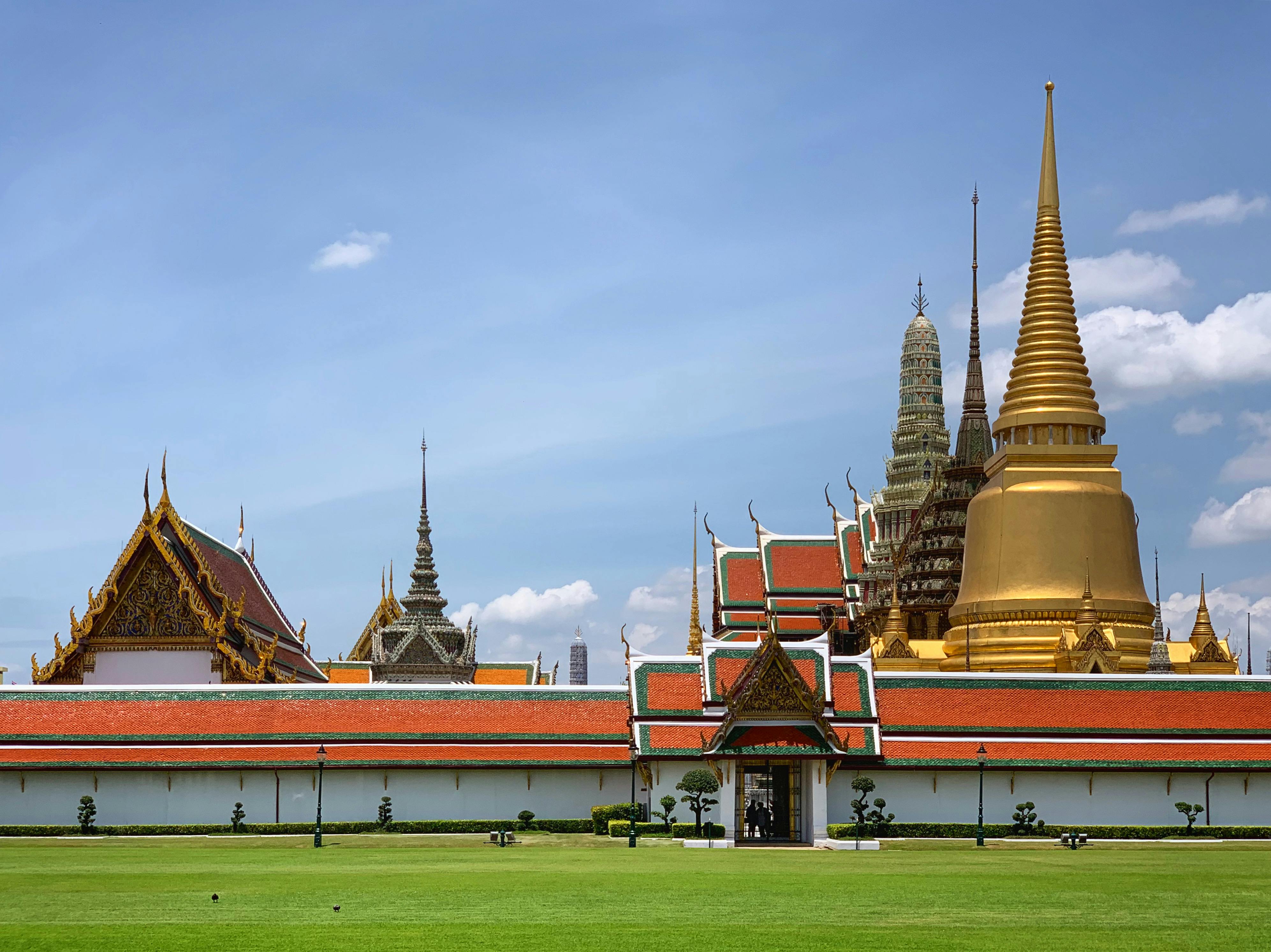
Start early. The Grand Palace complex opens at 8:30 AM and the morning hours are significantly less crowded. Budget 1.5–2 hours for the palace grounds and the Temple of the Emerald Buddha (Wat Phra Kaew) inside the same compound. Dress code is strictly enforced — long trousers or skirts below the knee, covered shoulders, and closed-toe shoes.
Walk five minutes south to Wat Pho for the 46-metre Reclining Buddha and one of Bangkok's best traditional Thai massage schools (THB 350–500 / USD 10–14 for a one-hour massage). After lunch, take the cross-river ferry (THB 4 / USD 0.12) to Wat Arun — climb the steep central prang for panoramic river views.
- Grand Palace entry: THB 500 / USD 14 (includes Wat Phra Kaew)
- Wat Pho entry: THB 300 / USD 8.50
- Wat Arun entry: THB 100 / USD 2.85
- Getting there: Chao Phraya Express Boat to Tha Tien or Tha Chang pier, or MRT to Sanam Chai station (5-minute walk to Wat Pho)
- Time needed: Full morning to mid-afternoon (8:30 AM–3 PM)
Day 6 — Chatuchak Market, Jim Thompson House & Rooftop Bars
If Day 6 falls on a Saturday or Sunday, head straight to Chatuchak Weekend Market — over 15,000 stalls spread across 35 acres, selling everything from vintage furniture to handmade ceramics to coconut ice cream. Arrive by 9 AM to beat the midday heat. If it is a weekday, Chatuchak runs a smaller daily section, or you can swap this for the Jodd Fairs night market in the evening instead.
In the afternoon, visit the Jim Thompson House Museum (THB 200 / USD 5.70) — a beautifully preserved traditional Thai teak house that tells the story of the American silk merchant who revived Thailand's silk industry. End the day at a rooftop bar. Octave at the Bangkok Marriott Sukhumvit or Sky Bar at Lebua are among the city's best — expect cocktails in the THB 400–600 / USD 11–17 range.
Day 7 — Floating Markets & Maeklong Railway Market (Day Trip)
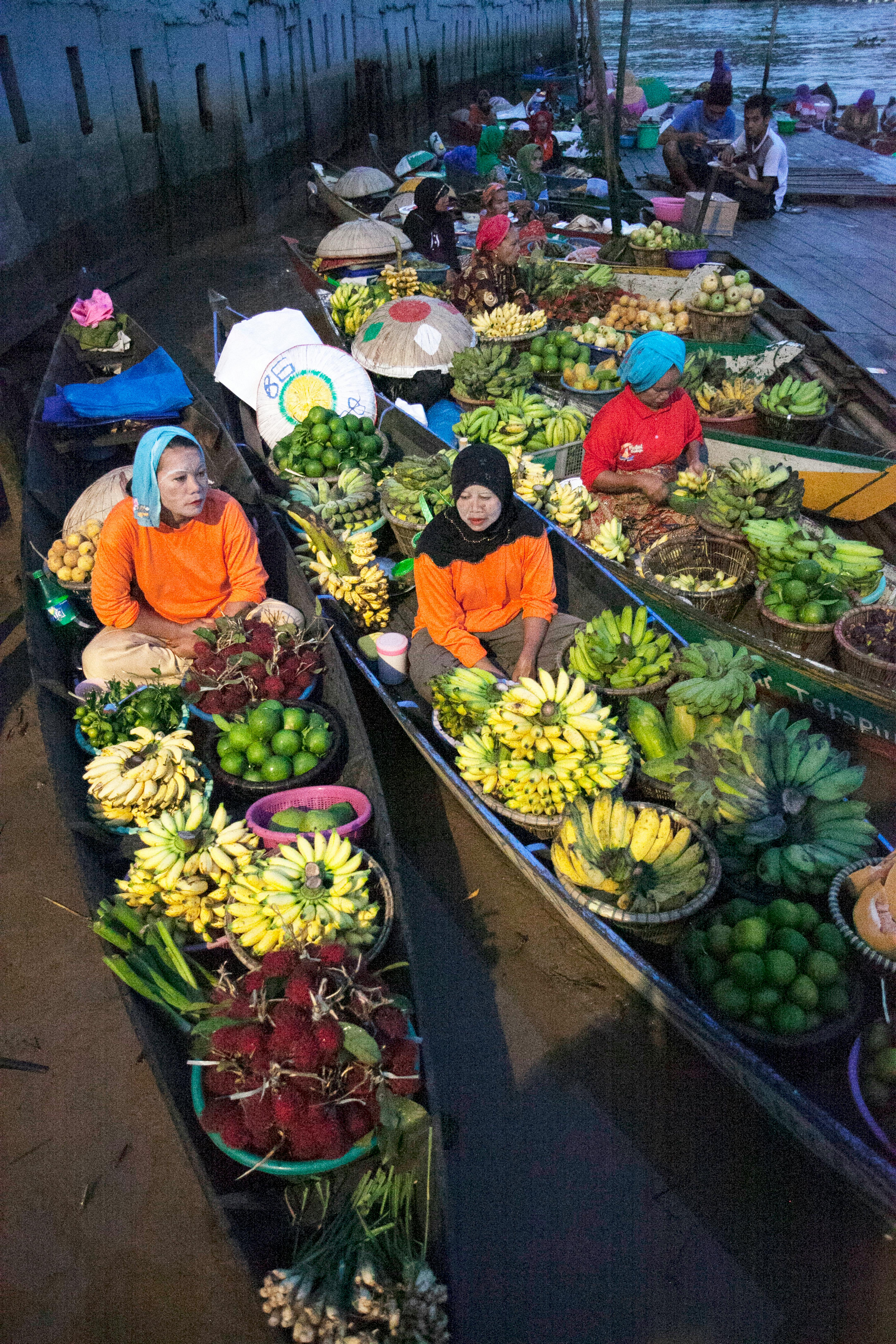
This is the day trip that defines a Bangkok visit for many travellers. The Damnoen Saduak floating market sits about 100 kilometres southwest of Bangkok. Most guided tours combine it with the Maeklong Railway Market — where vendors fold their stalls inward seconds before a train passes through. The combination takes a full day (typically 6 AM pickup, return by 3–4 PM).
If you prefer something less touristy, the Amphawa Floating Market (open Friday–Sunday evenings) is smaller, more local, and comes alive with firefly boat tours after dark. For history enthusiasts, a day trip to Ayutthaya Historical Park — the UNESCO-listed ruins of the former Siamese capital — is a strong alternative.
- Floating market + Maeklong guided day trip: THB 1,200–2,500 / USD 34–71 per person (including hotel pickup and lunch)
- Ayutthaya day trip (private car + guide): THB 3,000–5,000 / USD 85–142
- Train to Ayutthaya (independent): THB 20–345 / USD 0.60–10 depending on class; journey takes 1.5–2 hours from Krung Thep Aphiwat Central Terminal
Day 8 — Chinatown Food Walk, Temples & River Cruise
Bangkok's Yaowarat (Chinatown) district transforms after 5 PM when the street food stalls roll out along the main road. But the morning is worth visiting too — the Wat Traimit (Temple of the Golden Buddha) houses a 5.5-tonne solid gold Buddha statue, and the surrounding lanes of Sampeng Market sell everything from fabric bolts to dried seafood at wholesale prices.
In the evening, consider a Chao Phraya dinner cruise — the river perspective at night reveals the illuminated temples and modern skyline simultaneously, and it is one of the better ways to spend a final Bangkok evening. Cruises typically run 7–9 PM and range from THB 1,200–2,800 / USD 34–80 per person including dinner.
Day 9 — Spa Day, Shopping & Last-Night Night Market
Bangkok is one of the most affordable cities in Asia for high-quality spa treatments. A two-hour traditional Thai massage and aromatherapy session at a mid-range spa like Divana Spa costs around THB 2,500–4,000 / USD 71–114 — less than half the price of the same treatment in Singapore or Hong Kong.
Spend the afternoon at CentralWorld or ICONSIAM — Bangkok's newest riverside mall with a ground-floor Thai street food hall that replicates floating market stalls indoors. If you still have energy, Jodd Fairs runs nightly and is walkable from the MRT — grilled seafood, craft cocktails, and live music until midnight.
Bangkok at a Glance
- Best area to stay: Sukhumvit (near BTS Asok or Nana) for convenience, or Riverside (near Saphan Taksin BTS) for atmosphere
- Getting around: BTS Skytrain and MRT cover the modern city; Chao Phraya Express Boat serves riverside and Old Town temples. Single rides cost THB 17–62 / USD 0.50–1.75
- Tipping: Not mandatory but appreciated — rounding up the bill or leaving THB 20–50 / USD 0.60–1.40 is common at sit-down restaurants
- Power sockets: Types A, B, C, and O; voltage 220V. Most modern hotels accept universal plugs
- Language: Thai is the primary language. English is widely understood in tourist areas, hotels, and BTS/MRT signage
Singapore & Bangkok Budget Breakdown for 10 Days
The two cities sit at very different price points, which is part of what makes this combination work so well. Singapore is one of Asia's pricier destinations for accommodation and dining out, while Bangkok offers exceptional value — especially for food, transport, and spa treatments. Here is what to expect across three spending levels.
Daily Costs by Category
| Category | Singapore (per day) | Bangkok (per day) |
|---|---|---|
| Budget accommodation | SGD 80–150 / USD 60–112 | THB 800–1,500 / USD 23–43 |
| Mid-range accommodation | SGD 200–350 / USD 149–261 | THB 2,500–5,000 / USD 71–142 |
| Food (3 meals) | SGD 30–80 / USD 22–60 | THB 300–1,200 / USD 8.50–34 |
| Transport | SGD 8–20 / USD 6–15 | THB 100–400 / USD 2.85–11 |
| Activities (1–2 per day) | SGD 30–100 / USD 22–75 | THB 300–1,500 / USD 8.50–43 |
Budget vs Mid-Range vs Premium Spend
A budget traveller spending carefully on hawker food in Singapore and street food in Bangkok, staying in hostels or budget hotels, and using public transport exclusively can manage the full 10 days for USD 800–1,200 (excluding flights to and from home).
A mid-range traveller staying in 3–4 star hotels, eating a mix of hawker food and sit-down restaurants, and booking a few guided tours should budget USD 1,800–2,800 for 10 days.
A premium traveller in 5-star hotels, dining at upscale restaurants, and booking private guides and spa treatments will spend USD 3,500–5,500 or more — with Singapore accounting for the larger share.
Money-Saving Tips
- Eat at hawker centres in Singapore (SGD 4–8 / USD 3–6 per meal) rather than restaurants — the food is often better, and two hawker centres hold Michelin stars
- In Bangkok, street food along Yaowarat and at markets like Or Tor Kor costs a fraction of restaurant prices — expect THB 40–80 / USD 1–2.30 per dish
- Buy a Singapore Tourist Pass for unlimited MRT and bus rides (SGD 22 / USD 16 for 3 days)
- In Bangkok, purchase a Rabbit Card (THB 100 / USD 2.85 deposit) for the BTS Skytrain to avoid queuing for single-trip tickets
- Book your Singapore-to-Bangkok flight 3–4 weeks ahead — fares can double within the last 10 days
Tailoring This Itinerary by Traveller Type
A 10-day Singapore and Bangkok trip works for almost any traveller, but the day-by-day details shift depending on who you are travelling with. Here are the key adjustments.
For Couples — Romance-Forward Swaps
In Singapore, swap Sentosa's theme parks for a sunset cocktail at CÉ LA VI on the MBS rooftop (no entry fee if you buy a drink) and a dinner at one of the fine dining restaurants along Club Street or Duxton Hill. In Bangkok, upgrade the dinner cruise to a private long-tail boat ride along the canals at dusk, and book a couples' spa session at Harnn Heritage Spa — the aromatherapy packages use Thai-grown botanicals and start at THB 3,500 / USD 100 for two.
For Families — Kid-Friendly Adjustments
Give Universal Studios Singapore the full day — younger children will want to repeat rides, and the queues during school term are manageable if you arrive at opening (10 AM). In Bangkok, replace the floating market day trip with a visit to Safari World or Dream World (both offer air-conditioned sections for heat breaks), and move the temple circuit to late afternoon when temperatures drop.
One important note: Bangkok's Grand Palace enforces a strict dress code that applies to children too. Pack lightweight long trousers and sleeved tops for the temple day to avoid having to buy overpriced cover-ups from vendors outside the entrance.
For Solo Travellers — Social & Off-Beat Additions
Singapore's Tiong Bahru and Ann Siang Hill neighbourhoods are packed with independent cafés where it is easy to settle in and meet other travellers. In Bangkok, join a guided food tour through Chinatown or the Old Town — group food tours (THB 1,000–1,800 / USD 28–51) are among the best ways to meet people. For nightlife, Khao San Road remains the social hub for backpackers and solo travellers, though the bars along Sukhumvit's Thonglor district attract a more local crowd.
Best Time to Visit Singapore & Bangkok Together
The best time for a Singapore and Bangkok itinerary is November through February. Bangkok's cool season (November–February) brings lower humidity and temperatures around 25–32°C, according to the Thai Meteorological Department, making all-day temple visits and market walks far more comfortable. Singapore has no true "season" — temperatures hover at 27–33°C year-round — but November to January sees slightly less rainfall.
Avoid Bangkok in April if you can. It is the hottest month (regularly hitting 38–40°C), and the Songkran water festival (13–15 April) shuts down transport and many businesses for three days. March and October are shoulder months with occasional rain but thinner crowds and lower hotel rates in both cities.
Start Planning Your Singapore & Bangkok Trip
Ten days, two cities, one flight in between. That is the framework. The specific restaurants, temples, and rooftop bars you choose within it are yours to decide — but the structure here gives you a pace that avoids burnout while covering the sights that actually matter.
If you want to dig deeper into either destination, explore Singapore and explore Bangkok on Travjoy — the activities, tours, and experiences listed there have been selected after extensive research and reviewed by local experts, so you can spend less time second-guessing and more time enjoying the trip. You can also browse the top 20 Singapore experiences and top 20 Bangkok experiences for a shortlist of the best each city has to offer.

.svg&w=1920&q=75)