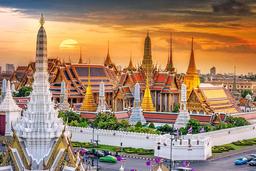



Bangkok: Wat Arun (Temple of Dawn)
Operating Hours:Monday - Sunday: 08:00 - 18:00
The Vibe:Sunrise gilds the riverside spires 🌅
A riverside beacon in Bangkok’s old capital quarter, this temple’s mosaic-covered spire glitters at sunrise. Steeped in Thai history, it stands as a symbol of new dawns and enduring craftsmanship.
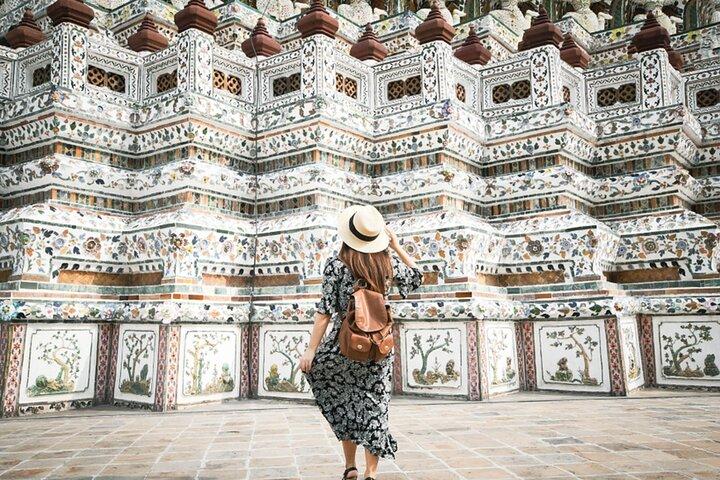
River breezes carry the scent of incense across the temple grounds. Sunlight dances off countless porcelain mosaics, and footsteps echo on ancient steps under the watchful gaze of towering prangs.
- TripAdvisor Travelers' Choice top 3 landmark in Thailand
- Featured on Thailand’s 10-baht coin
- Visitors rave about its sunset silhouette 🌇
Persona Fit
- 👨👩👧 Families: Plenty of space to explore; exciting climb for older kids (steep steps need supervision)
- 💕 Couples: Romantic river views at dawn and dusk, serene spots to take in the beauty together
- 👵 Seniors: Flat grounds and ferry access make it manageable; enjoy vistas without needing to climb the prang
- 📸 Photographers: Golden-hour mosaics and river panoramas – wide-angle lens recommended for the towering spire
Highlights
- Climb the steep central spire — panoramic river and city views from the top
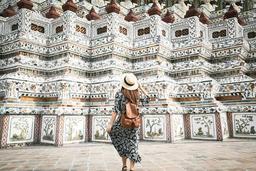
- Admire the intricate porcelain mosaics up close — glimmering floral patterns in the sun
- Step inside the Ordination Hall — golden Buddha shrine and vivid wall murals
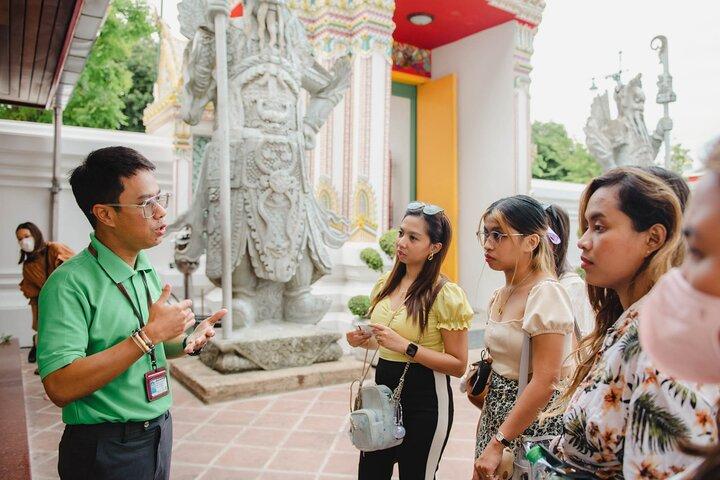
- Pose with the giant guardian statues — iconic gatekeepers from Thai legend
- Try a fortune-telling stick ritual — Hidden Gem — fun insight into your luck
2 Curated Booking Options
Starts From
(Per Person)

Tom Vater
Our Bangkok Local Expert
Table of Contents
Things To Do Nearby
Grand Palace & Wat Phra Kaew – the city’s majestic royal palace and Emerald Buddha temple (across the river, easily reached via ferry and short walk)
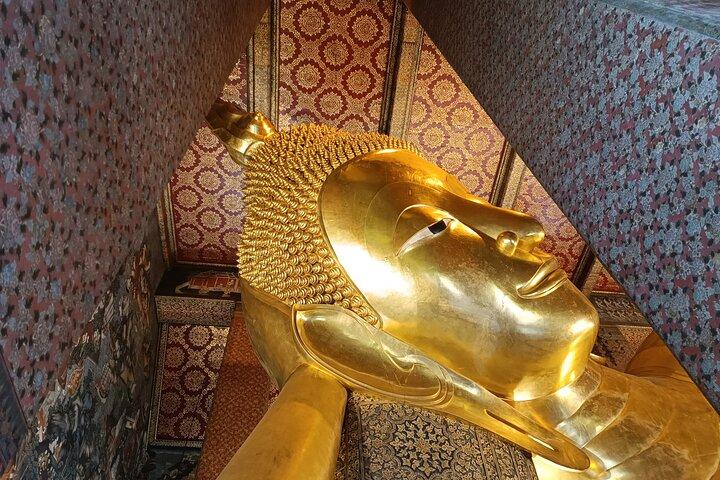
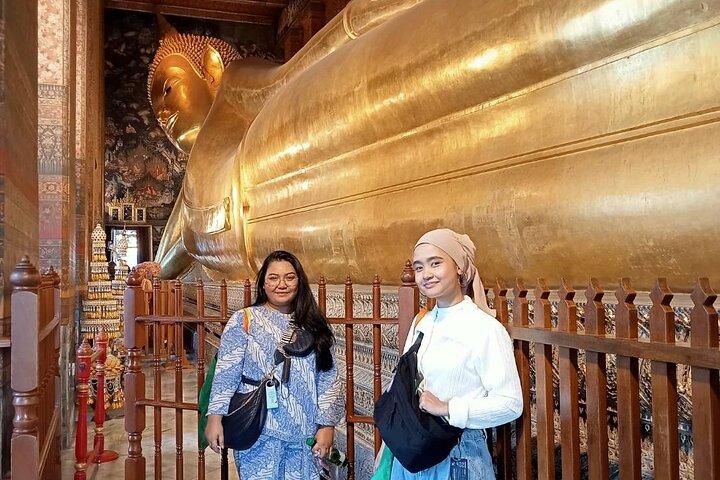
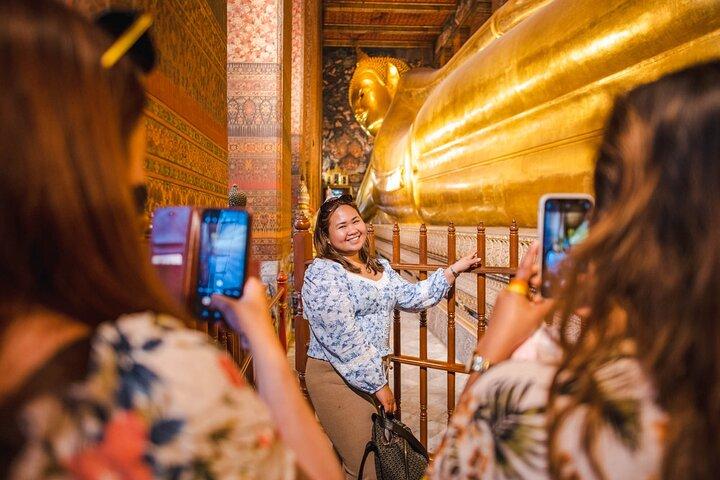
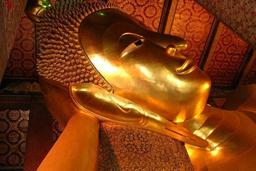
Wat Pho – home of the Reclining Buddha and traditional massage school (just a 5-minute ferry ride back across the river)
Thonburi canal tour – hop on a longtail boat near Wat Arun to explore historic canals and riverside communities in old Bangkok
Grand Palace & Wat Phra Kaew – the city’s majestic royal palace and Emerald Buddha temple (across the river, easily reached via ferry and short walk)
Wat Pho – home of the Reclining Buddha and traditional massage school (just a 5-minute ferry ride back across the river)
Thonburi canal tour – hop on a longtail boat near Wat Arun to explore historic canals and riverside communities in old Bangkok
TJ's Guide - Wat Arun (Temple of Dawn)
Know Before You Go
Insider Tips
• Arrive at opening (8:00 AM) or near sunset to enjoy Wat Arun with fewer crowds and gentler heat.
• Wear shoes with good grip – the central prang’s ancient steps are extremely steep and narrow.
• For memorable photos, rent a Thai traditional costume from shops near the entrance – many visitors dress up here.
• Use the cross-river ferry from Tha Tien (Wat Pho side) for a quick 4-baht ride straight to Wat Arun.
• Arrive at opening (8:00 AM) or near sunset to enjoy Wat Arun with fewer crowds and gentler heat.
• Wear shoes with good grip – the central prang’s ancient steps are extremely steep and narrow.
• For memorable photos, rent a Thai traditional costume from shops near the entrance – many visitors dress up here.
• Use the cross-river ferry from Tha Tien (Wat Pho side) for a quick 4-baht ride straight to Wat Arun.
Know Your Facts
- • Easiest way: Take the ferry from Tha Tien Pier (near Wat Pho) directly to Wat Arun – it’s fast and avoids road traffic.
- • By car/taxi: Head to Wat Arun via Arun Amarin Road on the Thonburi side. Limited parking is available near the temple if you drive.
- • The main entrance and ticket booth are right by the riverside pier. Entry for foreigners is 200 THB (tickets sold until about 5:30 PM).
- • Last admission is at 17:30 (the grounds close by 18:00), so plan to arrive well before then for a comfortable visit.
Once You Reach
Internal Navigation
• Layout: The tall central prang is your landmark. Four smaller prangs sit at each corner around it, and you can stroll freely in a circle around these towers.
• Ordination Hall: Off to one side (northwest of the prang). Look for the entry to the "Ubosot" to see the serene golden Buddha and murals inside (remember to remove shoes).
• Pathways: The complex is open-air and not very large. Simply follow the paved paths around the prang and to the riverside pavilions; signage is minimal but the structures are obvious.
• Climbing: You can ascend the main prang partway – stairs are extremely steep, so use the handrails. Most other areas are ground level and easy to walk.
• Exiting: Exit through the same gate by the river where you entered (near the ferry dock). From there you can easily catch the ferry or a taxi for your next destination.
Food & Coffee Shops
• Right outside the temple exit, local vendors offer cold coconuts, ice cream and snacks – a perfect quick refreshment after your climb.
• For a sit-down break, take the ferry back across to Tha Tien: the market area there has street-food stalls and cafes (try a fresh juice or pad thai at one of the riverside shophouses).
• Right outside the temple exit, local vendors offer cold coconuts, ice cream and snacks – a perfect quick refreshment after your climb.
• For a sit-down break, take the ferry back across to Tha Tien: the market area there has street-food stalls and cafes (try a fresh juice or pad thai at one of the riverside shophouses).
Photography Tips
• Best full temple shots are from across the river – morning sunlight illuminates the temple, while at dusk you get a stunning silhouette.
• Bring a wide-angle lens to capture the entire spire. Climb up to the mid-terrace for unique panoramic views of the Chao Phraya River and Bangkok skyline.
• Tripods aren’t practical on the prang’s tight steps, so steady your camera by hand for close-ups of the mosaic details (shoot during daylight for best results).
• Best full temple shots are from across the river – morning sunlight illuminates the temple, while at dusk you get a stunning silhouette.
• Bring a wide-angle lens to capture the entire spire. Climb up to the mid-terrace for unique panoramic views of the Chao Phraya River and Bangkok skyline.
• Tripods aren’t practical on the prang’s tight steps, so steady your camera by hand for close-ups of the mosaic details (shoot during daylight for best results).
Explore Deeper
The Temple of Dawn isn’t just photogenic — it’s rich with symbolism and royal connections. Here are some deeper insights into Wat Arun’s significance:
• Cosmic design
Wat Arun’s layout represents Mount Meru, the mythic center of the universe in Buddhist cosmology. The main spire symbolizes Meru, with surrounding towers as lesser mountains.
• Porcelain mosaics
Much of the temple’s sparkle comes from broken Chinese porcelain plates and teacups used as mosaic tiles. These colorful pieces were repurposed from trade ships’ ballast in the 19th century.
• Emerald Buddha link
After the fall of Ayutthaya, King Taksin arrived at this site at dawn and later enshrined the Emerald Buddha here briefly (giving Wat Arun its “dawn” renown) before it was moved to the Grand Palace.
• Royal legacy
Wat Arun was patronized by King Rama II, who renovated it; his ashes are interred under the principal Buddha image in the Ordination Hall, marking it as a royal temple.
• Cosmic design
Wat Arun’s layout represents Mount Meru, the mythic center of the universe in Buddhist cosmology. The main spire symbolizes Meru, with surrounding towers as lesser mountains.
• Porcelain mosaics
Much of the temple’s sparkle comes from broken Chinese porcelain plates and teacups used as mosaic tiles. These colorful pieces were repurposed from trade ships’ ballast in the 19th century.
• Emerald Buddha link
After the fall of Ayutthaya, King Taksin arrived at this site at dawn and later enshrined the Emerald Buddha here briefly (giving Wat Arun its “dawn” renown) before it was moved to the Grand Palace.
• Royal legacy
Wat Arun was patronized by King Rama II, who renovated it; his ashes are interred under the principal Buddha image in the Ordination Hall, marking it as a royal temple.
Did You Know?
• Name Origin – “Wat Arun” is named after Aruna, Hindu god of the dawn, which is why it’s known as the Temple of Dawn.
• Thonburi Capital – Wat Arun served as the royal temple when King Taksin established Thonburi as Siam’s capital (1768) before Bangkok era; it was the most prominent temple of that short capital period.
• 10-Baht Coin – The temple’s silhouette is featured on Thailand’s 10฿ coin – look closely and you’ll see its famous spire on the currency.
• Steep Stairs – Wat Arun’s central prang has some of the steepest temple stairs in Thailand. They’re intentionally steep to symbolize that reaching enlightenment (heaven) is not an easy task.