




Singapore Vibe
A Glimpse into the Past
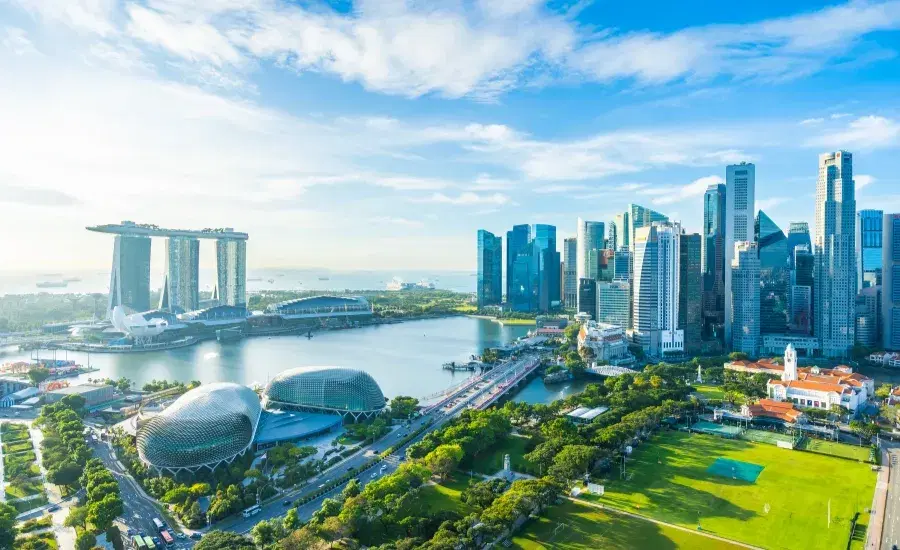
Two centuries ago, Singapore was a small Malay fishing village until Sir Stamford Raffles established it as a British trading post in 1819. Colonial rule brought commerce and diverse communities, laying the groundwork for today’s multicultural society. After gaining independence in 1965, this once modest port rapidly transformed into one of Asia’s most modern and prosperous city-states.
Interesting Titbit
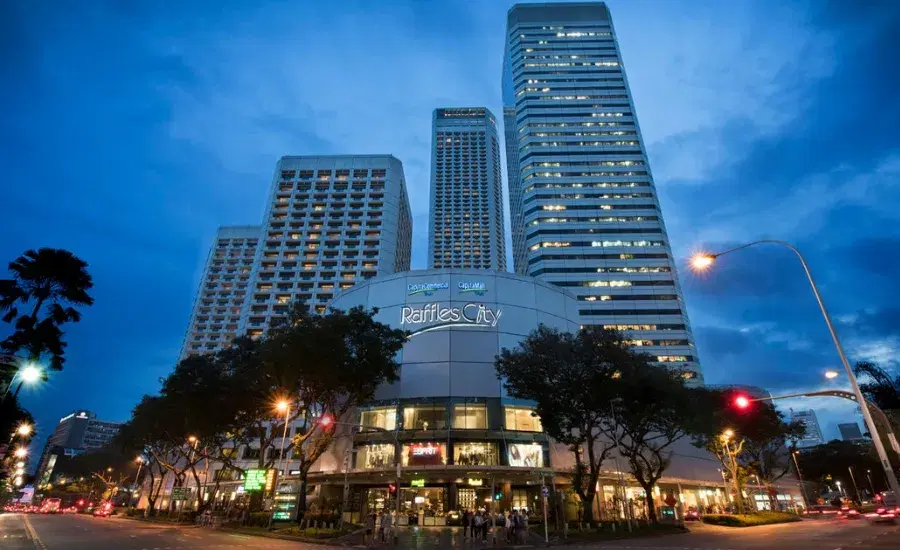
The last tiger in Singapore was killed in 1902 right under the billiards table of the upscale Raffles Hotel. That’s right—a live tiger had wandered into the hotel and was shot under a pool table. It’s a famous anecdote that shows how far Singapore has come—from wild jungle outpost to ultra-urban metropolis.

Recommended Days
Spend 3 to 4 days here to comfortably explore Singapore’s iconic landmarks, diverse food scene, and even include a fun day on Sentosa Island.
Top Interests
Food and Beverages
Singapore is a paradise for food lovers, famed for its hawker centres and diverse street food. You can sample Chinese, Malay, Indian and Peranakan dishes all in one city – from chicken rice and chilli crab to laksa and satay, the flavours are unforgettable., We’ve listed multiple food experiences and guided tasting tours, which are a great way to discover local favourites. Don’t miss a visit to popular hawker hubs like Maxwell Food Centre or Lau Pa Sat. If you're feeling adventurous, you can even join a cooking class with a local chef – check our food and dining section for options.
Art & Heritage
Despite its modern skyline, Singapore proudly preserves pockets of history and culture. Stroll through districts like Chinatown, Little India and Kampong Glam to find centuries-old temples, colorful shophouses, and vibrant street art. You’ll see Sri Mariamman Temple’s ornate gopuram, the Sultan Mosque’s golden dome, and heritage shophouses turned trendy cafés., Museums and galleries here blend East and West – the National Museum and Asian Civilisations Museum showcase regional heritage, while the National Gallery houses Southeast Asian art in a restored colonial building. For a deeper dive, consider a guided heritage walking tour (we have several listed in our Guided Tours) to uncover the stories behind Singapore’s historic sites.
Shopping
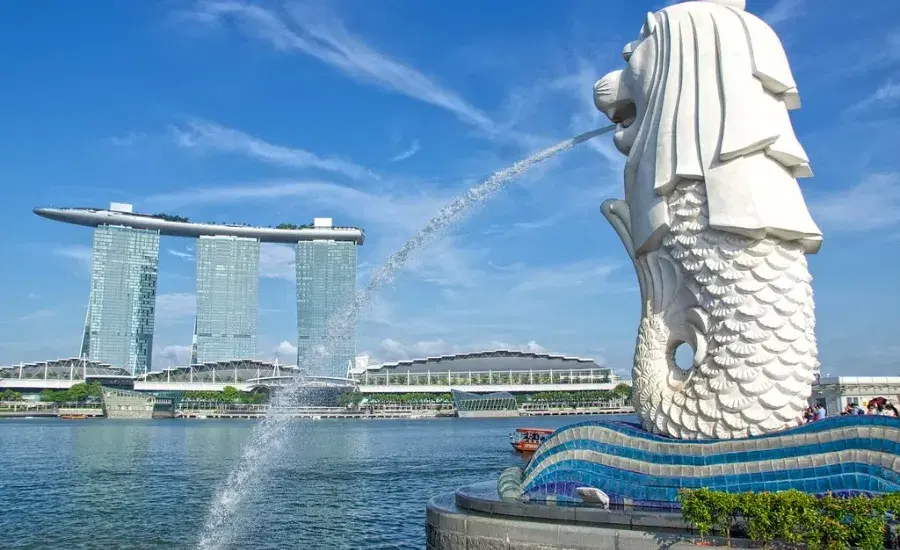
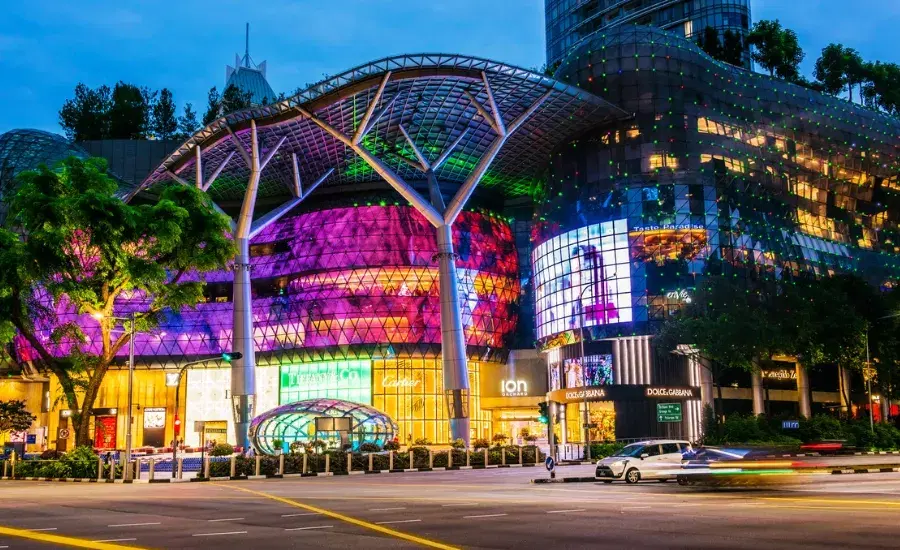
Shopping is almost a national pastime in Singapore. Orchard Road is the city’s retail heart, lined with gleaming malls from ION Orchard to Ngee Ann City – perfect for fashion, electronics, and luxury brands. For a modern twist, don’t miss The Shoppes at Marina Bay Sands, where high-end boutiques sit alongside canal gondolas and a view of the skyline., For a more local shopping adventure, explore the street markets and independent shops. Bargain hunt at Bugis Street Market, sift through spices and textiles in Little India’s Mustafa Centre, or pick up souvenirs in Chinatown’s street bazaars. We’ve also curated shopping tours and market visits in our activities section if you’d like a guided retail therapy experience.
Nature & Parks
Known as a 'City in a Garden', Singapore offers plenty of green escapes. The iconic Gardens by the Bay – with its towering Supertrees and climate-controlled conservatories – is a must-see blend of nature and innovation. Equally enchanting is the Singapore Botanic Gardens (a UNESCO World Heritage site), where you can stroll through tropical flora and the famous National Orchid Garden., Wildlife encounters are another highlight. The Singapore Zoo and its Night Safari are world-renowned for letting you observe animals in lush, open habitats after dark. Bird lovers can head to the new Bird Paradise park, and marine life enthusiasts will enjoy S.E.A. Aquarium on Sentosa. Check our listings for skip-the-line tickets and nature tours – they’re a great way to experience Singapore’s wild side without leaving the city.
Best Neighborhoods to Stay
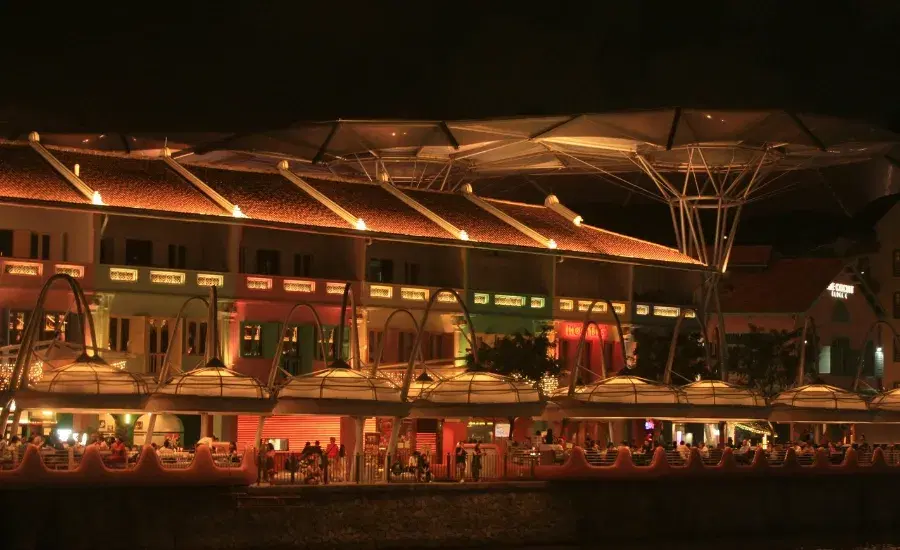
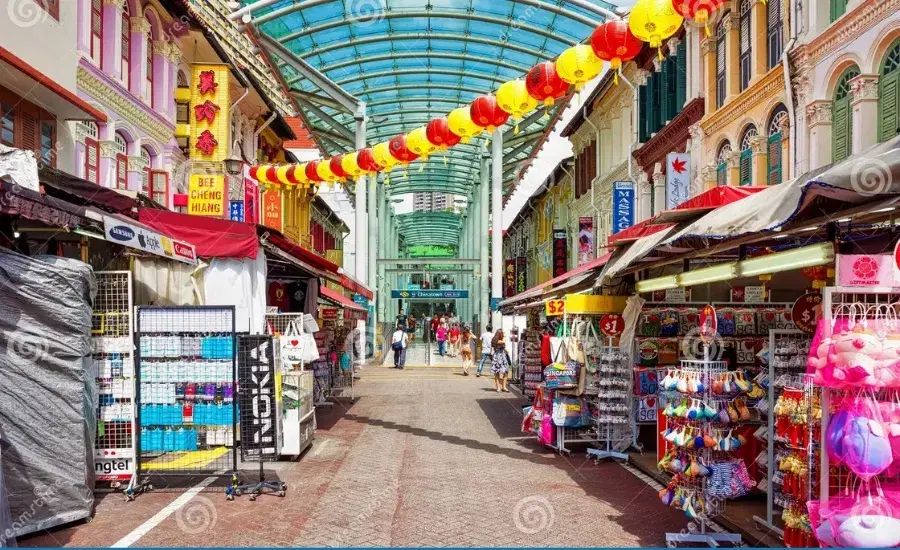
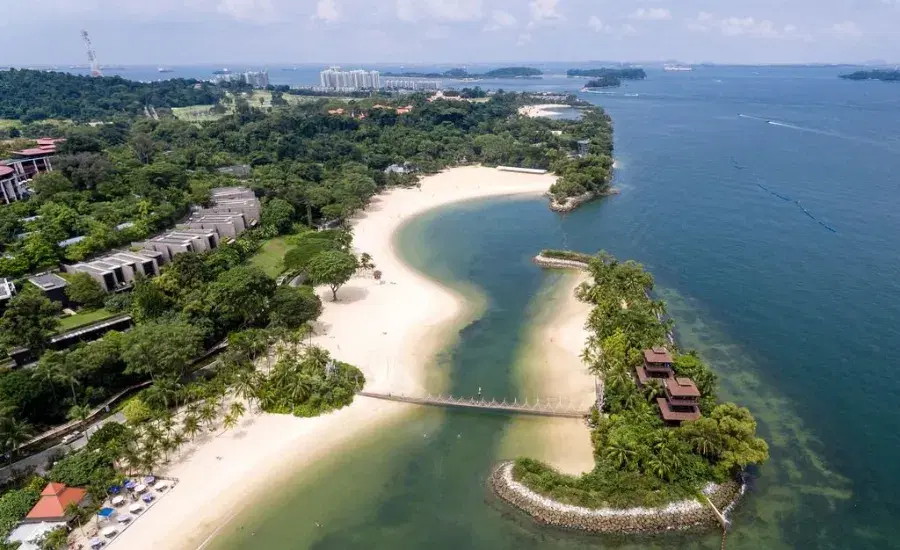
Our Singapore Specialist...

Adeline Ee

Adeline is a Singapore-based travel writer and former tourism marketing professional with over a decade of experience. She brings a local, experience-led perspective to Singapore’s food culture, neighbourhoods, green spaces, and coastal life. With a strong interest in sustainability, wildlife, and the outdoors, Adeline focuses on clear, thoughtful storytelling that helps travellers see Singapore beyond its headline attractions.
Adeline is a Singapore-based travel writer and former tourism marketing professional with over a decade of experience. She brings a local, experience-led perspective to Singapore’s food culture, neighbourhoods, green spaces, and coastal life. With a strong interest in sustainability, wildlife, and the outdoors, Adeline focuses on clear, thoughtful storytelling that helps travellers see Singapore beyond its headline attractions.
Travel Tips
Local Transport
Car Rentals or Sharing
Car rentals are available at Changi Airport and downtown, but not usually necessary given Singapore’s great public transit. If you do rent, remember they drive on the left and watch for Electronic Road Pricing (ERP) toll charges on major roads., App-based car-sharing services (like BlueSG for electric vehicles) exist but cater mainly to residents with local accounts. Tourists generally find it easier to rely on public transport, taxis, or ride-hailing instead of short-term car shares.
Ride Hailing Apps
Grab – The most popular ride-hailing app in Singapore (Uber isn’t available here). Grab offers private car rides and even taxi bookings; it’s widely used for its convenience and cashless payment., Gojek – Another app-based ride service operating similarly to Grab. It’s a useful alternative if you want to compare fares or if demand is high on one app., Local Taxi Apps – Traditional taxi companies like ComfortDelGro have their own apps to book rides. Taxis can also be flagged down easily on streets or at stands, and are reliable with regulated fares.
Travel Cards
EZ-Link Card – A reloadable smart card for public transport. Tap in and out on MRT and buses; it deducts the fare automatically. You can buy one at MRT stations or convenience stores and top it up as needed., Singapore Tourist Pass – A special transit pass offering unlimited rides for 1, 2, or 3 days. It’s cost-effective if you plan to take multiple trips a day and is available at TransitLink ticket offices in major stations.
Google Maps
Google Maps is very accurate in Singapore, providing real-time public transport timings and directions. It's an excellent tool for navigation, whether you're finding the quickest MRT route or walking through city streets.
Payments
Pro Insights
Head Up!
Safety
-
General Safety: Singapore is exceptionally safe for tourists, including solo travelers. Violent crime is extremely rare, and it’s usually fine to walk around cities and neighborhoods even late at night.
-
Petty Theft: While uncommon, keep an eye on your belongings in crowded places like busy malls, markets, or during big events. Pickpocketing isn’t a big problem, but basic precautions are always wise.
-
Local Laws: The city’s strict laws (against vandalism, drugs, littering, etc.) contribute to safety. For example, drug offenses have severe penalties and even chewing gum is restricted to keep public spaces clean. Tourists should be mindful to follow regulations (like no smoking in prohibited areas) to avoid fines.
-
Emergencies: Dial 999 for police or 995 for ambulance/fire services. Police presence is strong and helpful, so don’t hesitate to reach out if you need assistance.
Apps
Blocked Apps None – all major social media and VoIP apps are accessible in Singapore
VAT Refunds (GST Refunds)
-
Tourists can claim a refund on Singapore’s Goods and Services Tax (GST, currently 8%) for eligible purchases.
-
Ensure you shop at stores that participate in the Tourist Refund Scheme (look for a “Tax-Free Shopping” sign). You usually need to spend at least S$100 in a single store to qualify – the shop will provide a digital or paper refund slip linked to your purchase.
-
At Changi Airport (or cruise terminals) when leaving, use the refund kiosks or counters before departure. Present your passport and the refund slips (and occasionally the items, if requested). Once verified, you can get your GST refunded, typically to your credit card or in cash.
Local Etiquettes
-
Dress modestly when visiting religious sites – for example, cover your shoulders and knees at temples, mosques, and churches.
-
Remove your shoes before entering someone’s home or places of worship like Hindu temples and mosques (it’s a sign of respect).
-
Public behavior: Singapore is very orderly – always queue in line (cutting is a big no-no) and avoid littering, spitting, or chewing gum in public (the latter is restricted by law). Also, eating or drinking is not allowed on MRT/buses, so save that snack for later to avoid a fine.
-
Public displays of affection are generally modest. Holding hands is fine, but overly affectionate behavior in public might draw unwanted attention in this relatively conservative society.
-
Be mindful in conversation – avoid sensitive jokes or comments about religion, race, or Singapore’s politics. Locals value harmony and such topics are approached with care.
Weather
-
Year-round climate: Singapore is tropical with consistent weather all year. Expect daily highs around 30–34°C with high humidity, and warm nights around 25–27°C. Light, breathable cotton clothing is suitable anytime.
-
Wet Season (Nov–Jan): The Northeast Monsoon brings the heaviest rains. Sudden downpours or thunderstorms are common (often in afternoons). Pack an umbrella or light rain jacket and waterproof footwear if visiting during these months, but note that showers are usually short-lived with sunshine in between.
-
Drier Months (June–August): Slightly less rainfall occurs in mid-year, though “dry” is relative – it can still rain. These months can feel extra hot, and occasionally a haze (smog from regional forest fires) can affect air quality. Wear sunscreen, a hat and stay hydrated. This is a good time for outdoor activities, just avoid the midday sun if possible.
-
Air Conditioning: Everywhere in Singapore, from malls to museums, the air-con is strong. It’s wise to carry a light sweater or shawl for indoors if you easily get cold, since the contrast from the outdoor heat can be stark.
Health
Tap water in Singapore is safe to drink, so staying hydrated is easy without relying solely on bottled water. The food standards are generally very high, but if you’re not used to spicy or street foods, ease in gradually to let your stomach adjust. In the tropical heat, remember to rest and drink plenty of fluids to avoid heat exhaustion (carry a small bottle and refill when you can). Apply sunscreen and wear a hat to prevent sunburn. While Singapore is very clean, mosquitoes can carry dengue fever in this region – use insect repellent, especially if you visit parks or nature reserves. No special vaccinations are required beyond routine ones, but travel insurance is recommended as healthcare is world-class but expensive for visitors.
Connectivity
-
Mobile Prepaid SIM cards are easy to get at the airport or any telecom shop (Singtel, StarHub, M1). Tourist SIM packages offer data, local calls, and texts for durations like 7 or 30 days (you'll need your passport to register). Coverage is excellent island-wide, and 4/5G service provides very fast internet speeds.
-
Wi-Fi Wi-Fi is abundant. Hotels, cafes, restaurants, and shopping malls almost always provide free Wi-Fi for customers. There’s also a free public Wi-Fi program (Wireless@SG) at many public areas – you can log in via a one-time phone verification. Overall, internet speeds are high, so staying connected is easy.
Festivals & Events
Interesting Extras
Scams
