



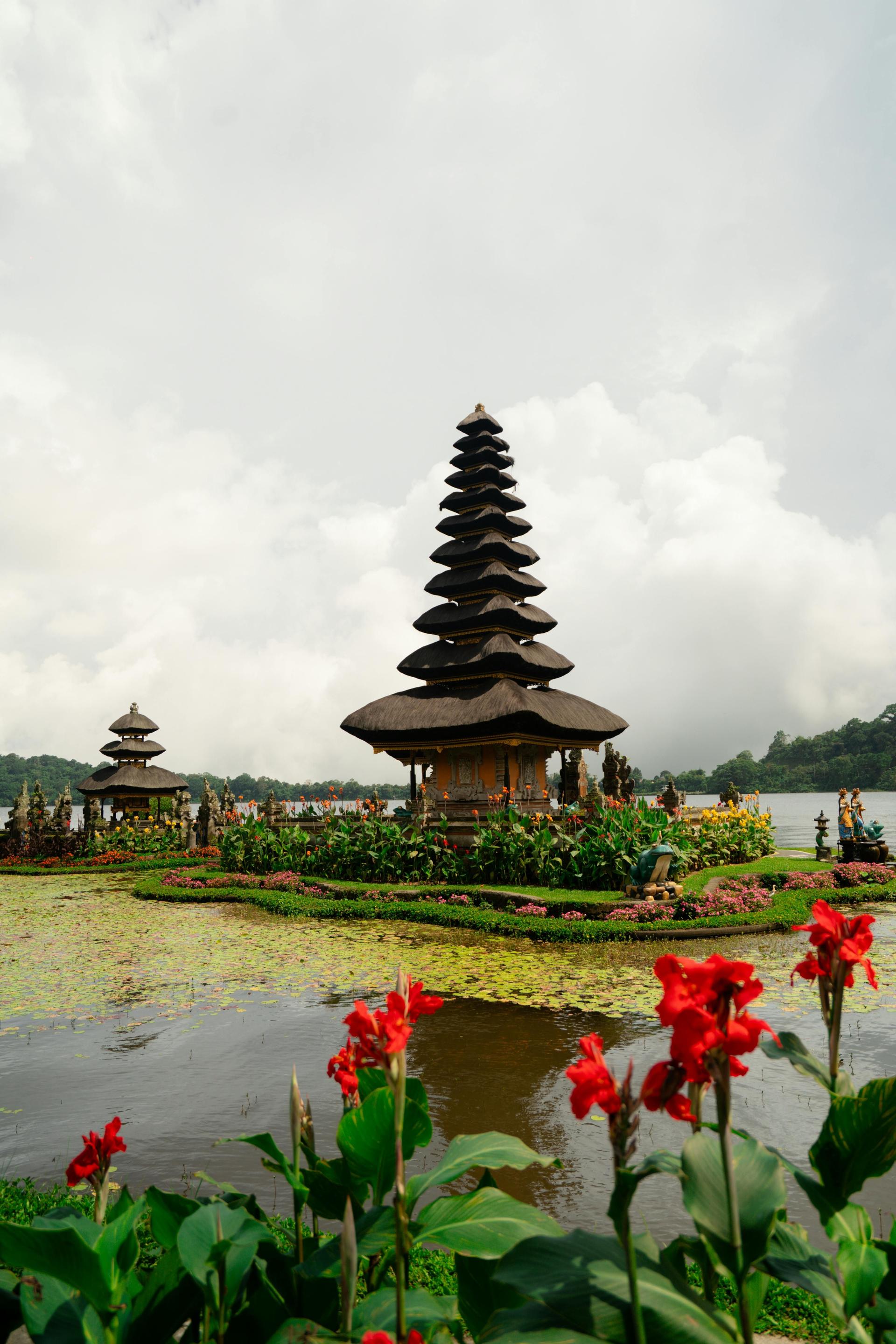
Bali Travel Guide 2026: Everything You Need to Know Before You Go
10 min read
Raj Varma
Author
Travel & Tourism Expert Ex-Thomas Cook, Kuoni, Times of India & Travel Triangle.
SHARE BLOG
TABLE OF CONTENTS
Key Takeaways
- Most visitors enter Bali on an e-VoA (IDR 500,000 / ~USD 35), applied for online before departure — plus a mandatory tourist levy of IDR 150,000 (~USD 10) paid separately.
- Dry season (May–September) brings the best weather but the biggest crowds; shoulder months like April and October offer a solid middle ground.
- Your choice of area matters more than your choice of hotel — Ubud, Seminyak, Canggu, Uluwatu, and Nusa Dua each suit different travel styles and budgets.
- A realistic mid-range daily budget sits around USD 100–150 per person, covering a comfortable hotel, mixed dining, transport, and one or two activities.
- Bali rewards preparation: sorting your visa, e-Arrival Card, and tourist levy before you fly saves hours at the airport and sets the tone for the whole trip.
Bali remains one of the most complete island destinations in Southeast Asia for 2026. A Bali travel guide 2026 needs to cover entry logistics, realistic budgets, area selection, transport, and the experiences that justify the flight — and this one does. Whether you have five days or three weeks, and whether you are travelling solo, as a couple, or with children, the advice below is built to help you plan a trip that fits your pace, your priorities, and your wallet.
You have booked the flights. Now you are staring at a mess of open tabs — visa forms, tourist levies, currency converters, and three conflicting blog posts about whether Canggu is "over." Sound familiar? Bali is generous with options but ruthless with scattered information, and most guides either skip the logistics entirely or bury the practical details under generic superlatives.
This Bali travel guide for 2026 pulls everything into one place: the entry process step by step, where to base yourself (with honest trade-offs per area), how much you will actually spend in IDR and USD, how to move around the island without overpaying, and which experiences are worth carving time for. By the time you finish reading, you will have a planning framework — not just a wish list.
Entry Requirements and Visa Process for Bali in 2026
Getting into Bali is simple if you prepare the three digital steps before you board your flight. Skip them, and you will spend your first hour in a queue instead of in a taxi. Here is exactly what to do.
Visa on Arrival vs e-VoA — Which to Choose
Citizens from 97 countries can enter Indonesia on a Visa on Arrival, valid for 30 days and extendable once for another 30. The cost is IDR 500,000 (~USD 35) regardless of whether you apply online or at the airport counter.
The smarter option is the electronic Visa on Arrival (e-VoA), applied for online through the official Indonesian immigration portal before your flight. The e-VoA lets you skip the manual visa counter entirely and use the automated e-gates at Ngurah Rai Airport — a difference of five minutes versus potentially two hours during peak arrival times.
- e-VoA cost: IDR 500,000 (~USD 35) per person, payable online by credit card
- Processing time: Usually approved within 24–48 hours
- Validity: 30 days, single entry, extendable once to 60 days total
- Extension cost: Approximately IDR 500,000 plus agent fee (~USD 70 total if using an agent)
If you did not arrange the e-VoA before departure, you can still purchase it at the airport counter. Have a credit card or cash in USD, EUR, AUD, or GBP ready. ASEAN passport holders from 13 countries enjoy visa-free entry for stays up to 30 days — though this cannot be extended.
The All Indonesia e-Arrival Card
As of 2025, Indonesia replaced its separate customs, health, and immigration declaration forms with a single digital form called the All Indonesia e-Arrival Card. This is mandatory for all international arrivals, including children and infants.
Complete it online within 72 hours before your arrival through the official All Indonesia portal or app (available on iOS and Android). You will receive a QR code to present at immigration. While it is technically possible to fill it in at the airport, the Wi-Fi is unreliable during busy arrival windows, and the queues for manual processing are long.
Pre-Departure Checklist — Do These Before You Fly
- Apply for your e-VoA at evisa.imigrasi.go.id (at least 48 hours before departure)
- Pay the Bali tourist levy of IDR 150,000 (~USD 10) at the Love Bali portal — save the QR code
- Complete the All Indonesia e-Arrival Card within 72 hours of arrival — save the QR code
- Confirm passport validity (at least 6 months from arrival date, undamaged, two blank pages)
- Have a confirmed return or onward flight ticket — immigration and airlines check this
- Screenshot every QR code to your photo gallery — do not rely on airport Wi-Fi to load them
Bali Tourist Levy — IDR 150,000 (~USD 10)
Since February 2024, all international visitors pay a one-time tourism levy of IDR 150,000 (~USD 10) to support environmental and cultural preservation on the island. Pay it online before arrival through the official Love Bali portal to receive a QR code. Pre-paying also unlocks the faster "scan and go" lanes at the airport.
If you forget to pay before landing, you can settle it at the airport, but expect an additional wait. The levy is separate from your visa fee — budget for both.
Passport and Other Documents to Prepare
Your passport must be valid for at least six months from your arrival date and in clean, undamaged condition — even a small tear on the photo page can result in denied boarding. Airlines and immigration officers also require proof of onward travel (a confirmed flight departing Indonesia within your visa validity). Keep both printed and digital copies of your visa, levy receipt, and e-Arrival Card confirmation.
If you plan to rent a scooter, bring both your national driving licence and an International Driving Permit (IDP). Police checkpoints are increasingly common in 2026, and riding without an IDP invalidates your travel insurance.
Best Time to Visit Bali — Month-by-Month Breakdown
Bali has two seasons: dry (May–September) and wet (October–April). Daily temperatures stay consistent year-round at 26–32°C, so the real variable is rainfall, crowd levels, and pricing. The best month depends on what you are optimising for.
Dry Season (May–September)
This is peak season for a reason. Skies are clear, humidity is lower, and the ocean conditions are best for surfing and island-hopping to Nusa Penida. July and August are the busiest months, with the highest accommodation rates and the longest queues at popular temples.
- Best for: Beach days, water sports, temple visits without rain interruptions, Nusa Penida day trips
- Trade-off: Higher prices (20–40% above low season), crowded attractions, and hotels book out weeks in advance in Ubud and Uluwatu
Wet Season (October–April)
Rain arrives in short, heavy afternoon bursts — rarely all-day downpours. Mornings are usually clear, making this a perfectly workable travel window if you plan outdoor activities before lunch. January is the wettest month. Prices drop noticeably, and popular spots like Tegalalang Rice Terrace feel less like a photo queue and more like an actual landscape.
- Best for: Budget travellers, couples wanting quieter temples, photographers chasing greener landscapes
- Trade-off: Some boat services to Nusa Penida reduce frequency, occasional road flooding in low-lying areas, and surf conditions shift to the east coast
When to Go for the Best Balance
If you want good weather without peak-season prices and crowds, aim for April, May, or September–October. These shoulder months offer dry days, lower accommodation rates, and a noticeably calmer atmosphere at the major attractions.
At a Glance — Best Months by Priority
- Best weather: June, July, August
- Best value: January, February, October, November (25–40% lower prices)
- Best balance (weather + crowds + cost): April, May, September
- Avoid if crowd-sensitive: July, August, late December
Where to Stay in Bali — Area-by-Area Guide
Choosing the right base is the single most impactful decision for your Bali trip. Each area has a distinct personality, price point, and set of trade-offs. Staying close to your main interests reduces travel fatigue — Bali's roads are slow, and a "30-minute drive" on Google Maps often takes an hour in reality.
Ubud — Culture, Rice Terraces, and Wellness
Ubud is Bali's cultural centre, set inland among rice paddies, river valleys, and forested ravines. It is the best base for travellers drawn to temple visits, traditional dance performances, art galleries, yoga studios, and the Tegalalang Rice Terrace. The dining scene is strong, with everything from IDR 35,000 nasi campur at family warungs to plant-based tasting menus at elevated restaurants.
- Best for: Couples, wellness travellers, culture-focused first-timers, solo travellers
- Trade-off: No beach access (nearest coast is 45+ minutes), traffic congestion on the main road through central Ubud
- Accommodation range: IDR 400,000–3,000,000/night (USD 25–190) for mid-range to upscale villas
Seminyak — Dining, Shopping, and Beach Clubs
Seminyak is polished and walkable by Bali standards. It draws travellers who want upscale dining, boutique shopping, sunset beach clubs, and easy access to the coast — all without the backpacker energy of Kuta next door. Evenings are the highlight here, with rooftop cocktails and restaurant-hopping along Jalan Petitenget.
- Best for: Couples, food-focused travellers, anyone who enjoys nightlife without club culture
- Trade-off: Higher prices across the board, beach quality is average compared to Uluwatu or Nusa Dua, traffic chokes the main roads at peak hours
- Accommodation range: IDR 600,000–5,000,000/night (USD 38–315) for boutique hotels and private villas
Canggu — Surfing, Cafés, and Digital Nomad Energy
Canggu has grown rapidly and now functions as Bali's most internationally flavoured neighbourhood. It is spread out across rice fields, surf breaks, and a dense strip of cafés, coworking spaces, and fitness studios. If you want to surf in the morning, work from a laptop at noon, and eat a bowl of poke at sunset, Canggu is built for that rhythm.
- Best for: Solo travellers, remote workers, surfers, younger couples
- Trade-off: Traffic congestion is among the worst on the island, prices have climbed close to Seminyak levels, and the area can feel congested during peak season
- Accommodation range: IDR 350,000–3,500,000/night (USD 22–220) for hostels through to pool villas
Uluwatu — Cliff Temples, Dramatic Coastline, and Quieter Luxury
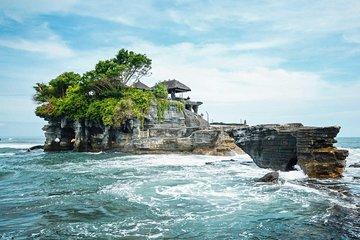
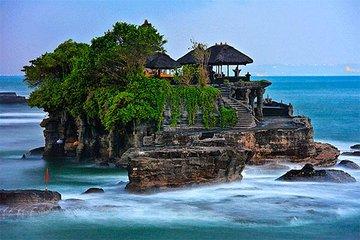
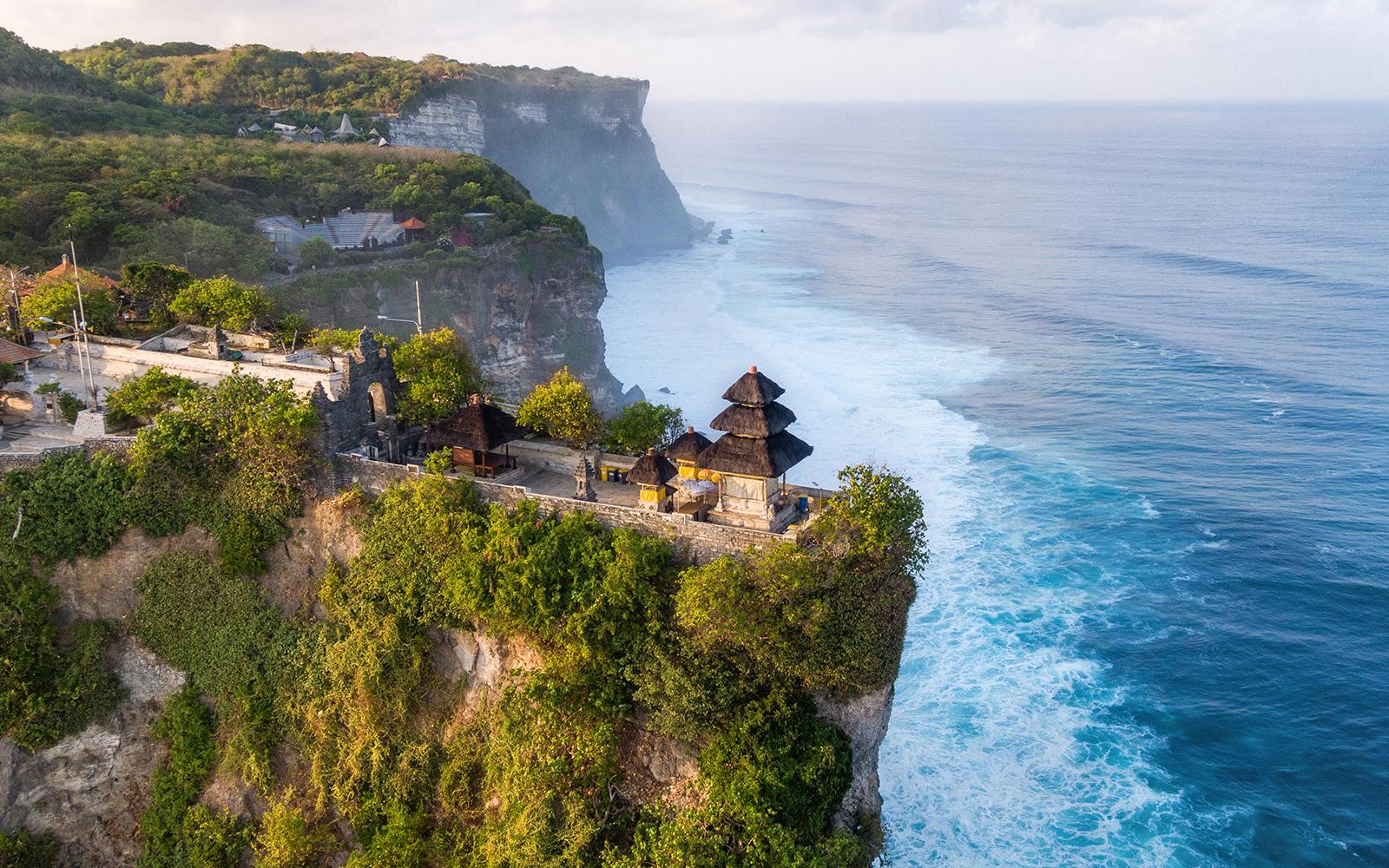
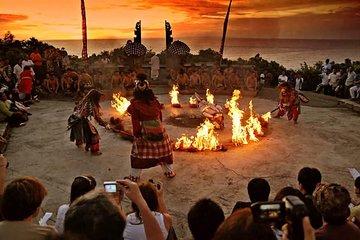
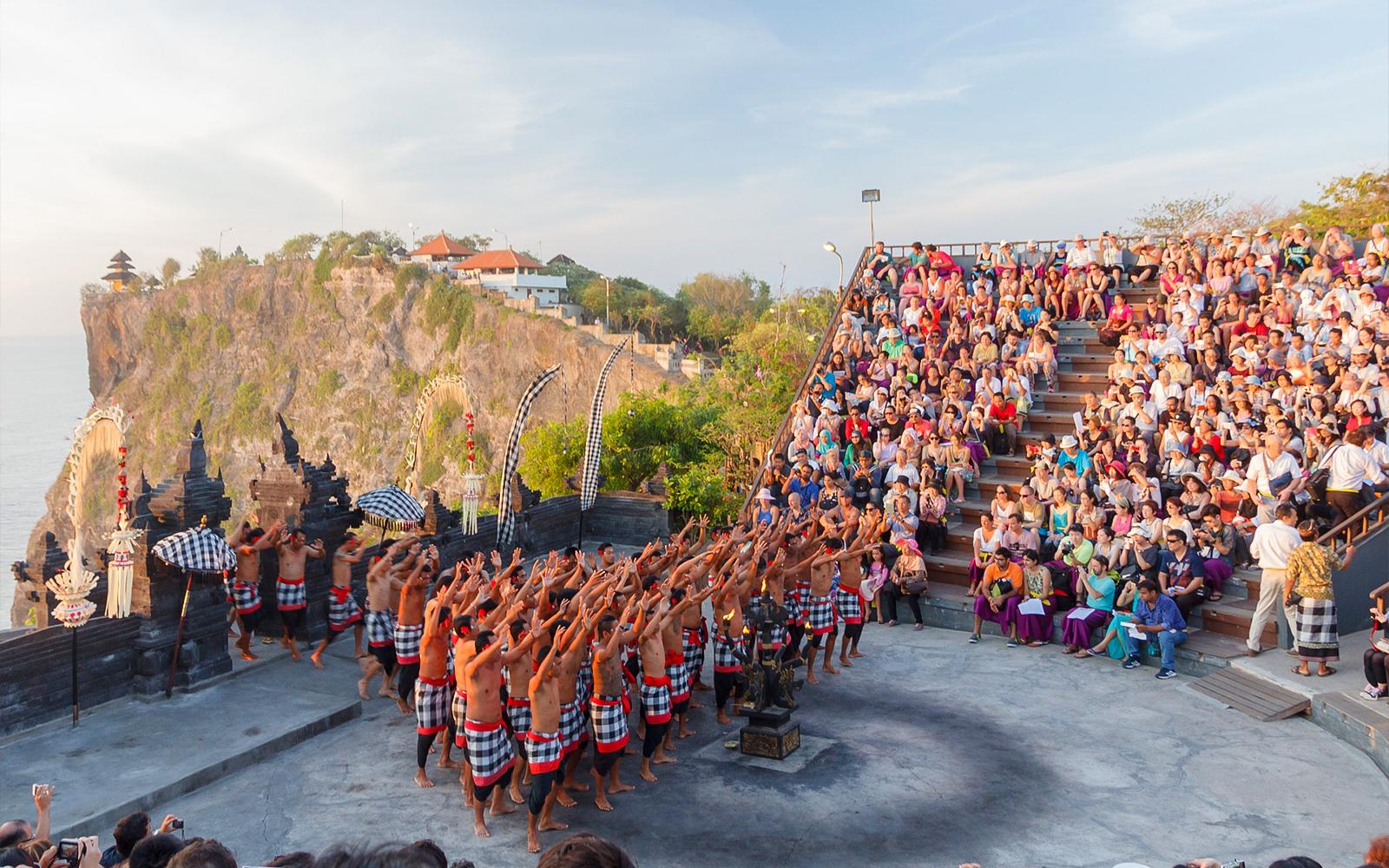
The Bukit Peninsula in Bali's far south is where the landscape shifts to limestone cliffs, hidden cove beaches, and wide Indian Ocean views. Tanah Lot sits on the west coast, while Uluwatu's clifftop temple hosts the nightly Kecak fire dance at sunset. The area suits travellers who want dramatic scenery and a quieter pace, with a growing collection of boutique resorts and surf-friendly guesthouses.
- Best for: Couples, surfers, travellers seeking a quieter luxury feel, honeymooners
- Trade-off: Most remote from Ubud (1.5–2 hours), limited nightlife, a scooter or driver is essential for getting around
- Accommodation range: IDR 500,000–7,000,000/night (USD 32–440) for guesthouses to clifftop resorts
Nusa Dua and Sanur — Calm Beaches, Family-Friendly, and Quiet
Nusa Dua is a gated resort enclave on Bali's southeastern coast with calm, shallow waters and manicured grounds — purpose-built for families and travellers who prefer organised comfort. Sanur, just north, has a similar calm-water coastline but with a more local, walkable village atmosphere and lower prices. Both areas are good launch points for fast boats to Nusa Penida and Nusa Lembongan.
- Best for: Families with young children, seniors, travellers who prefer resort-style stays
- Trade-off: Limited dining and nightlife beyond hotel restaurants (especially Nusa Dua), fewer cultural attractions within walking distance
- Accommodation range: IDR 500,000–6,000,000/night (USD 32–380) for Sanur guesthouses to Nusa Dua five-star resorts





How Much Does a Trip to Bali Cost in 2026?
Bali is not cheap or expensive by default — your daily spend is shaped almost entirely by where you stay, how you eat, and how you get around. A realistic mid-range budget for 2026 sits at USD 100–150 per person per day, excluding international flights. Here is how that breaks down.
Daily Budgets — Budget, Mid-Range, and Luxury
These ranges reflect what travellers actually spend per person per day in 2026, based on accommodation, food, transport, and one or two activities.
| Travel Style | Daily Budget (IDR) | Daily Budget (USD) | What It Gets You |
|---|---|---|---|
| Budget | IDR 750,000–850,000 | USD 47–53 | Guesthouse or hostel, warung meals, scooter rental, free attractions |
| Mid-range | IDR 1,600,000–2,400,000 | USD 100–150 | Boutique hotel or private villa room, mixed local and international dining, private driver for day trips, one paid activity |
| Luxury | IDR 4,500,000+ | USD 280+ | Five-star resort or private pool villa, fine dining, tailored experiences, spa treatments |
If you are travelling as a couple and sharing drivers and accommodation, your per-person cost drops noticeably. Solo travellers tend to spend slightly more since many costs — private drivers, villa rooms — are easier to split.
Accommodation Ranges by Area
Ubud and Sanur offer the best value for mid-range travellers. Canggu and Seminyak have climbed to near-Western prices in trendy pockets, while Uluwatu and Nusa Dua cover the widest range from surf guesthouses to clifftop five-stars.
- Budget (hostels and guesthouses): IDR 150,000–400,000/night (USD 10–25)
- Mid-range (boutique hotels, small villas): IDR 400,000–1,800,000/night (USD 25–115)
- Luxury (five-star resorts, private pool villas): IDR 2,000,000–7,000,000+/night (USD 125–440+)
Food and Dining — Warungs vs Mid-Range vs Fine Dining
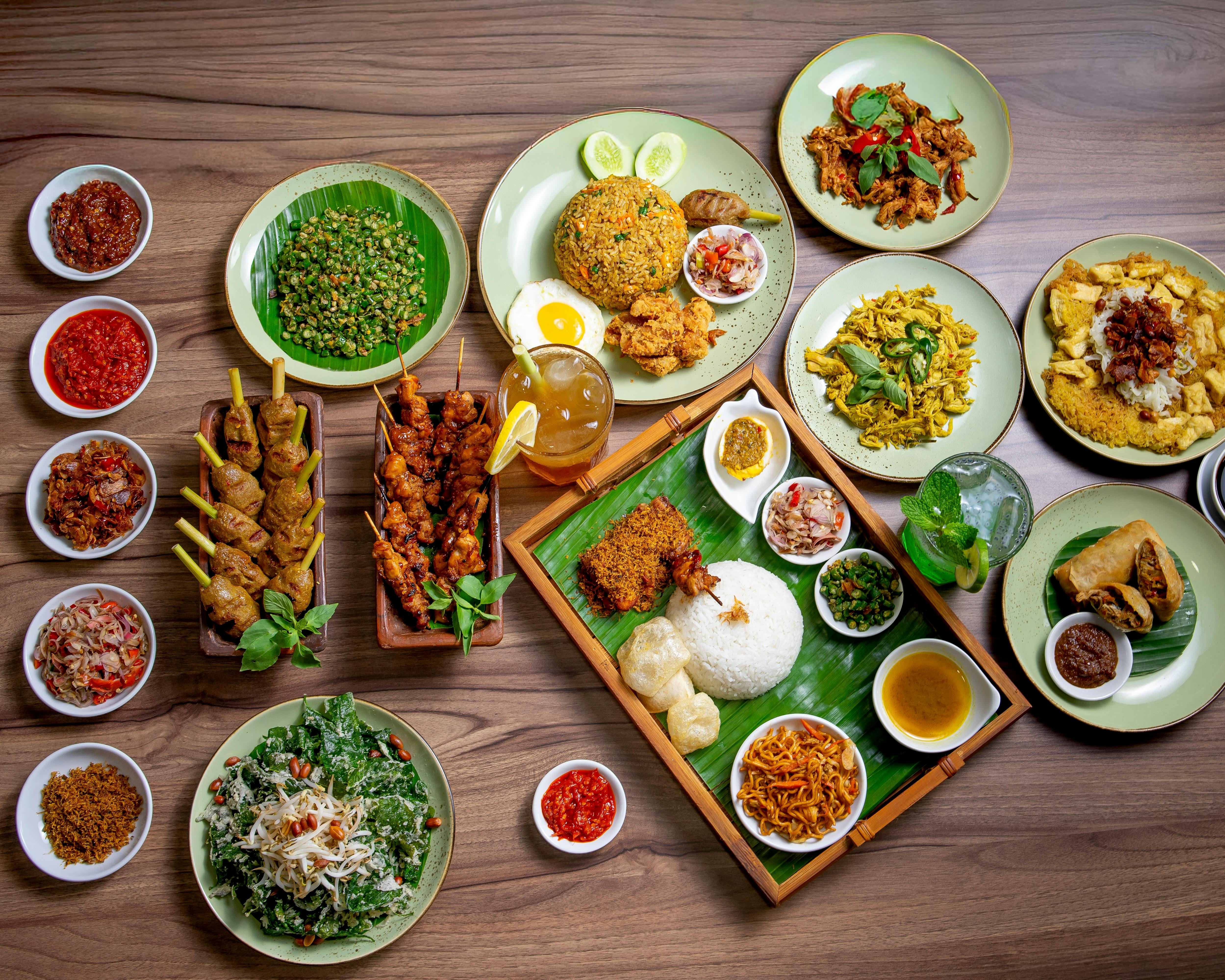
Eating is one of Bali's strongest value propositions, especially if you lean into local food. A plate of nasi campur or mie goreng at a family-run warung costs IDR 25,000–50,000 (USD 1.50–3). Mid-range cafés serving international menus run IDR 80,000–150,000 (USD 5–10) per dish. Fine dining in Seminyak or Ubud starts at IDR 400,000 (USD 25) per person for a multi-course meal.
One trend worth knowing in 2026: "elevated warungs" — local restaurants keeping traditional recipes and pricing but upgrading the setting slightly — are increasingly popular and offer the best quality-to-cost ratio on the island.
Hidden Costs to Budget For
Several smaller expenses quietly add up over a week. Build a 15% buffer above your planned daily budget to absorb these.
- Restaurant tax and service charge (PB1): 10–21% added to most restaurant bills — not always shown on the menu price
- ATM withdrawal fees: IDR 50,000–75,000 (~USD 3–5) per transaction at most ATMs
- Temple entrance fees and donations: IDR 20,000–50,000 per site — adds up to USD 20–40 over a week of temple visits
- Sarong and sash rental at temples: IDR 10,000–25,000 per visit (or bring your own)
- Imported alcohol: Beer at a bar costs IDR 40,000–70,000 (USD 2.50–4.50); wine and spirits are heavily taxed and significantly more expensive than at home
Getting Around Bali — Transport Options That Actually Work
Bali does not have a functional public transport system for most visitors. How you move around directly affects your daily spending, your energy level, and how much of the island you can realistically see. Here are the four main options, ranked by practicality.
Private Drivers — The Default for Day Trips
Hiring a private driver for a full day (8–10 hours) costs IDR 500,000–700,000 (USD 32–44) and is the most comfortable way to cover ground, especially for sightseeing days that involve multiple stops across different areas. Your driver waits at each location while you explore. This is particularly good value for couples, families, and small groups since the cost is per car, not per person.
Grab and Gojek — Convenient but Not Universal
Ride-hailing apps work well for short trips in Seminyak, Canggu, Denpasar, and Sanur, with fixed prices displayed before you book. However, some tourist zones — particularly Ubud's central area, Uluwatu, and parts of Nusa Dua — restrict app-based pickups due to agreements with local taxi cooperatives. Check before relying on them as your only transport option.
Scooter Rental — Cheap but with Caveats
Renting a scooter costs IDR 70,000–150,000/day (USD 4.50–10) and is the cheapest way to get around, offering full flexibility on narrow roads and through rice-field shortcuts. However, in 2026, police checkpoints are common and enforced. Without an International Driving Permit and a valid motorcycle licence from your home country, your insurance is void and you face on-the-spot fines. If you are not a confident rider, the combination of Bali traffic, unpredictable road conditions, and occasional livestock on the road makes this a genuine safety consideration.
The Kura-Kura Bus — Budget Option Between Tourist Hubs
The Kura-Kura shuttle bus connects Kuta, Seminyak, Ubud, and Nusa Dua on a fixed schedule with fares from IDR 20,000–80,000 (USD 1.30–5). Buses are air-conditioned with Wi-Fi. The downside: services stop around 8pm, routes are limited, and frequency is low. It works best as a supplement rather than your primary transport.
What to Do in Bali — Experiences Worth Your Time
Bali's range of experiences runs from sacred water temples and volcanic sunrise treks to beach club afternoons and hands-on cooking classes. Rather than a list of everything you could do, this section focuses on what consistently delivers — and what to expect when you get there. For a ranked selection of the island's top activities, see Bali's top 20 experiences on Travjoy.
Temples and Culture
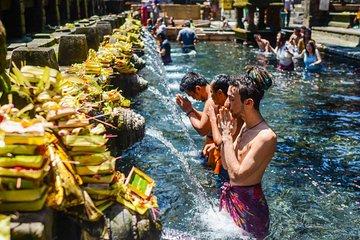
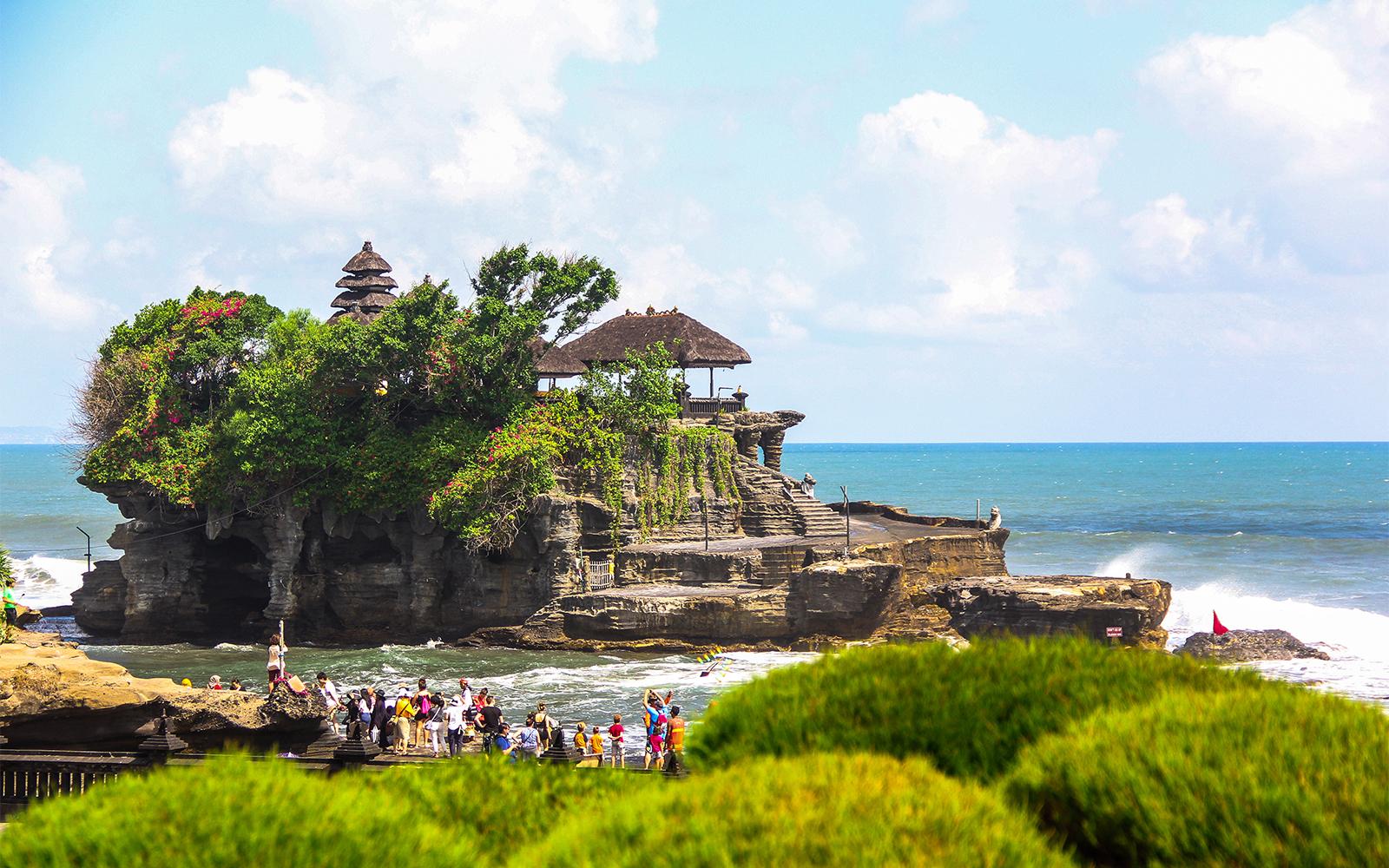
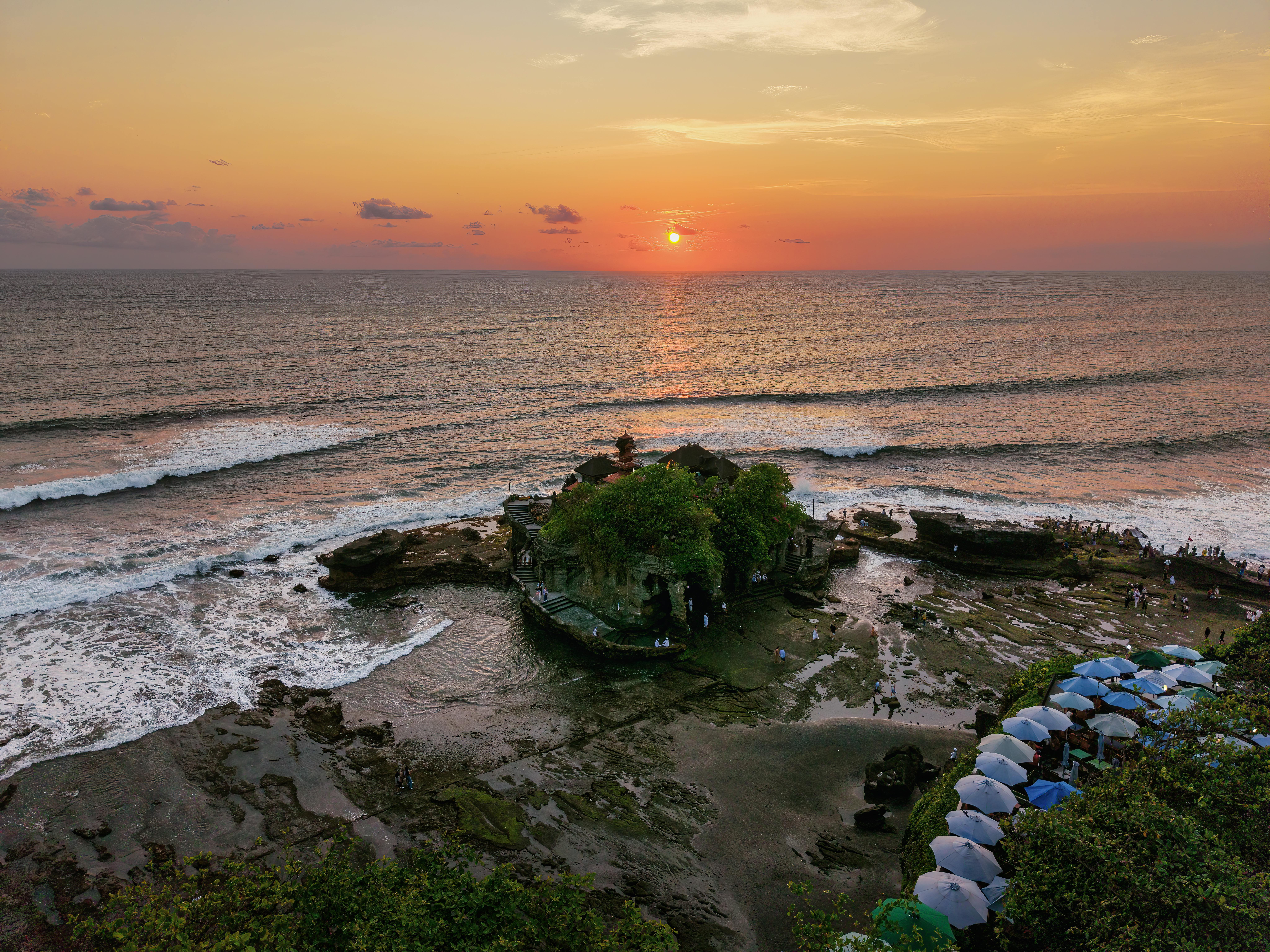
Tanah Lot is Bali's most photographed sea temple, perched on a rock formation off the southwest coast. Arrive an hour before sunset to get a decent vantage point — the temple faces west and the light does most of the work. Tirta Empul Temple near Ubud offers a different kind of experience: a purification ritual at a spring-fed water temple where visitors can participate respectfully alongside Balinese worshippers. Wear a sarong and sash (available at the entrance), follow the sequence of fountains from left to right, and avoid the two furthest-right spouts, which are reserved for funeral purification rites.
Uluwatu Temple's Kecak fire dance runs every evening at sunset on a clifftop stage overlooking the ocean. Tickets cost around IDR 150,000 (USD 10), but seating is limited — arrive at least 30 minutes early to secure a spot with a clear sightline.
Nature and Outdoors
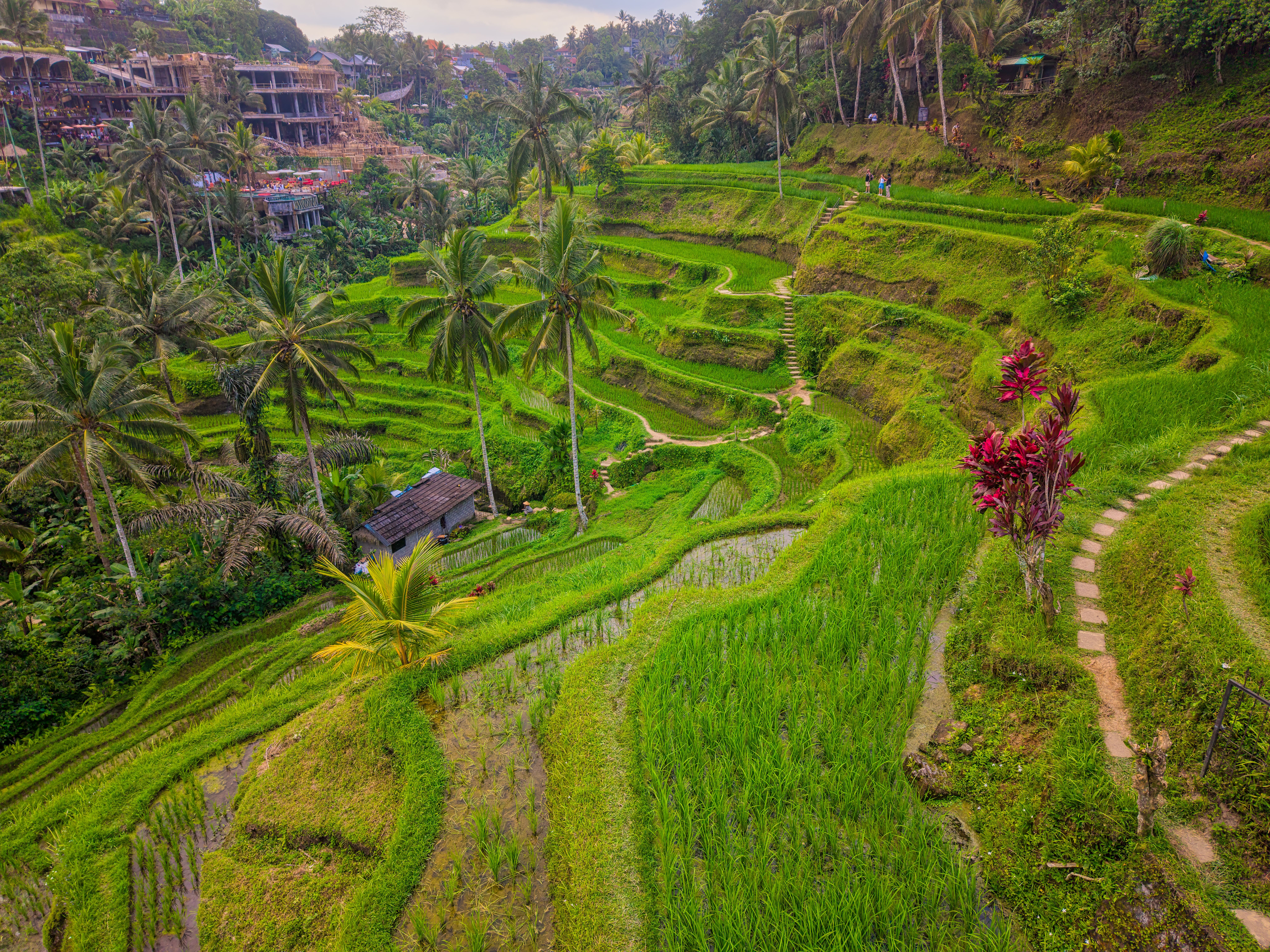
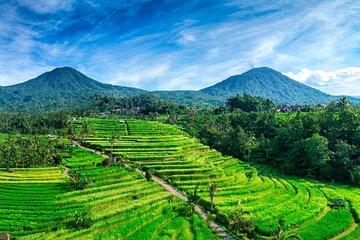
The Tegalalang Rice Terrace is Bali's most visited natural landscape — and most rewarding before 9am when the light is soft and the crowds have not arrived. The Mount Batur sunrise trek starts at around 3:30am and reaches the summit by dawn for views across the caldera lake. It is a moderate hike (about two hours up), and most tours include breakfast cooked over volcanic steam at the top. Expect to pay IDR 500,000–800,000 (USD 32–50) for a guided trek including transport.
Bali's waterfalls are worth the drive. Tegenungan is the most accessible from Ubud (20 minutes), while Banyumala Twin Waterfall in the north is quieter and more scenic — budget an hour each way from Ubud.
Beaches and Water Sports
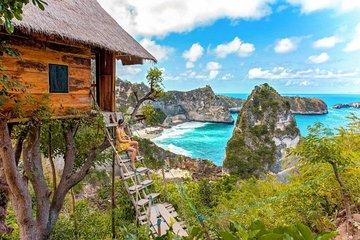
Nusa Penida is a 45-minute fast boat from Sanur and delivers Bali's most dramatic coastal scenery — Kelingking Beach, Broken Beach, and Crystal Bay. A day trip costs IDR 400,000–700,000 (USD 25–44) including boat transfer, driver, and entrance fees. Go in dry season for calmer crossings.
Back on the mainland, Padang Padang Beach in Uluwatu is a sheltered cove reached through a narrow rock passage — compact but picturesque. Jimbaran Beach is the better option for families, with gentle waves and seafood grills lining the sand at sunset. For surfing, Canggu's Echo Beach and Batu Bolong draw beginners and intermediate riders, while Uluwatu's reef breaks are best left to experienced surfers.
Food Experiences
A Balinese cooking class typically starts with a guided market visit followed by 3–4 hours of hands-on cooking — you will learn to make base gede (the Balinese spice paste foundation), satay lilit, and lawar. Classes run IDR 350,000–600,000 (USD 22–38) per person. Food tours through Ubud or Denpasar are another way to eat widely without guesswork — expect to visit 5–8 local warungs and stalls in a single evening.
Cultural Etiquette — The Quick Essentials
Bali is a Hindu-majority island in a Muslim-majority country, and daily religious practice is visible everywhere — from temple offerings on pavements to ceremonial processions that temporarily close roads. A few practical norms to respect:
- Temple dress code: Cover your shoulders and knees. Sarongs and sashes are available at every temple entrance (IDR 10,000–25,000 rental), or bring your own.
- Offerings on the ground: Small woven trays with flowers and incense are placed on streets and doorsteps daily. Step around them, not over or on them.
- Tipping: Not obligatory, but appreciated. IDR 10,000–20,000 for small services; 5–10% at restaurants where service charge is not included.
- Nyepi (Day of Silence): Bali's most important Hindu holiday falls in March or April. The entire island shuts down for 24 hours — no flights, no driving, no leaving your hotel. If your trip coincides, plan around it.
- Photography at ceremonies: Ask before photographing worshippers. Keep a respectful distance and never position yourself higher than a priest or shrine.
Travjoy's Bali experiences — from temple visits and cooking classes to island-hopping day trips — are selected after extensive local research and reviewed by on-the-ground experts, so you can book with confidence that you are choosing options that respect the island and deliver on their promise.
Plan Your Bali Trip
Bali in 2026 rewards the traveller who does the groundwork before landing. Sort your e-VoA, tourist levy, and e-Arrival Card in advance, and you will breeze through the airport instead of watching others queue. Pick an area that matches your pace — Ubud for culture, Uluwatu for coastline, Canggu for surf and cafés, Nusa Dua for family-friendly calm. Budget realistically in IDR and USD so there are no surprises when the restaurant tax hits.
The island delivers on its reputation, but it delivers best when you arrive with a plan rather than a wish list. Whether you have five days or three weeks, spend time on the preparation now and your days in Bali will go to the rice terraces, the temple courtyards, and the sunset dinners — not the logistics.
Start planning your Bali trip on Travjoy — browse activities, tours, and experiences selected by local experts to help you make the most of every day on the island.












.svg&w=1920&q=75)