


Bali: Tegalalang Rice Terrace
Operating Hours:Monday - Sunday: 07:00 - 18:00
The Vibe:Emerald steps carved into the soul of Bali 🌾
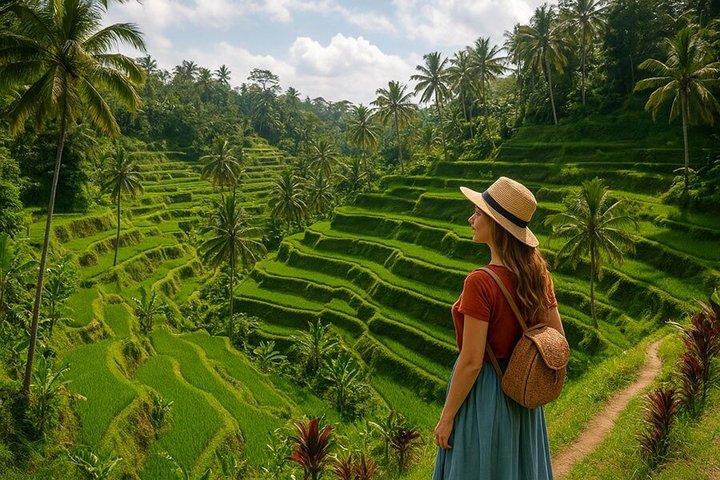
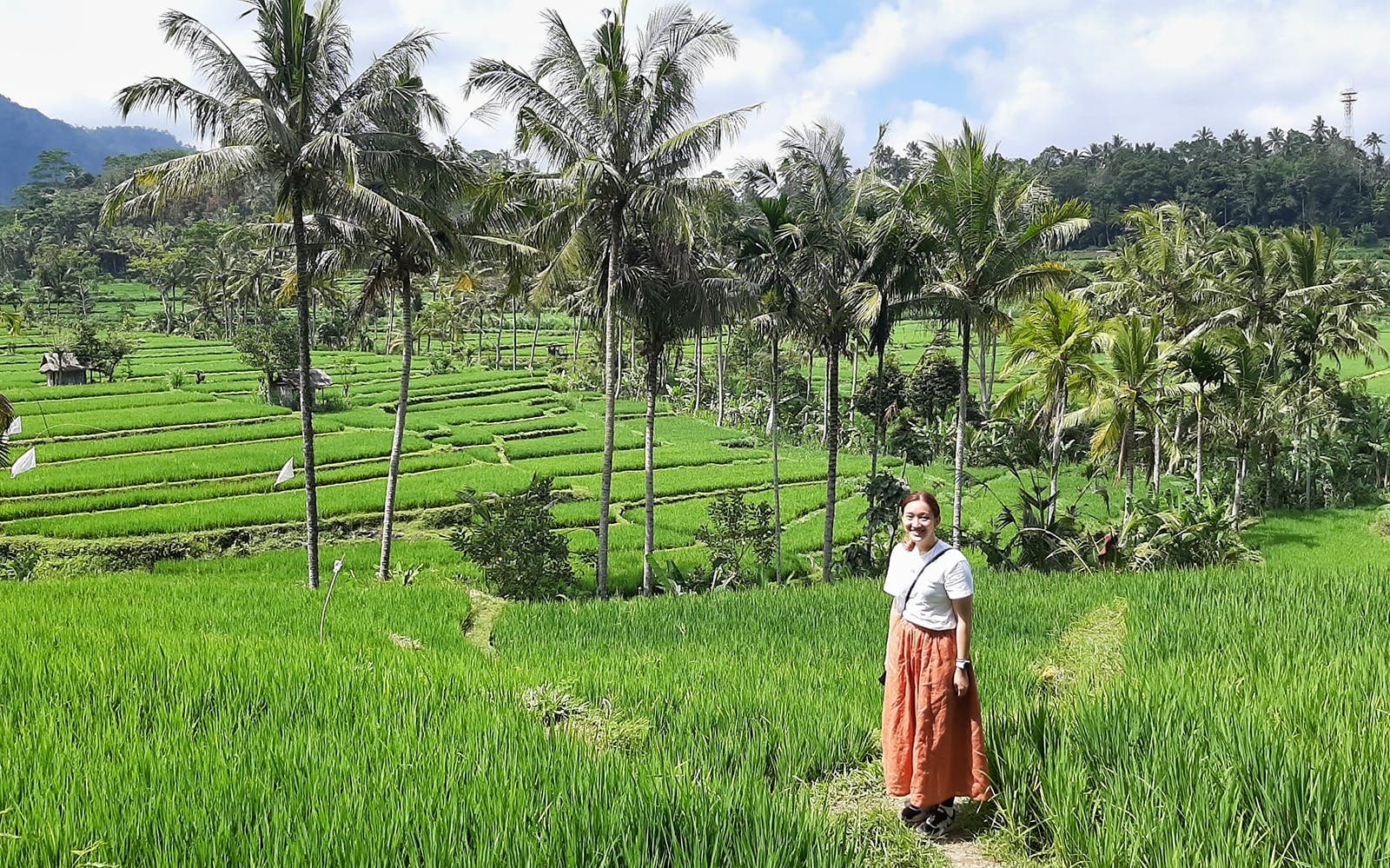
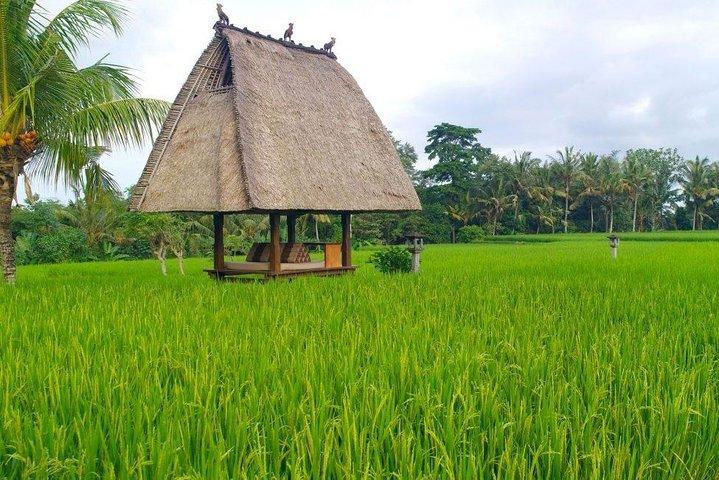
Just 20 minutes north of Ubud, these cascading rice paddies carved into a deep valley showcase the ancient subak irrigation system recognised by UNESCO. They remain one of the most photographed landscapes in all of Indonesia and a living symbol of Balinese agricultural harmony.
Roosters crow as water trickles through narrow channels between emerald tiers. Palm fronds sway overhead and the earthy fragrance of wet soil fills the valley morning air.
- • UNESCO World Heritage Site (as part of Bali's subak system)
- • One of Bali's most photographed and Instagrammed landscapes
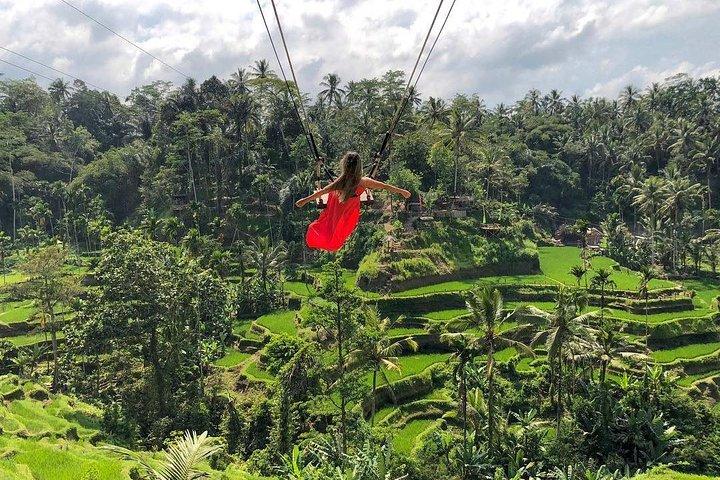
- • Visitors praise the lush green valley views and swing experiences 🌿
- • 4.1 rating on Tripadvisor with thousands of reviews
Persona Fit
- 📸 Photographers: Layered terrace compositions and dramatic valley-swing shots at golden hour.
- 💕 Couples: Swing over the valley, share a coconut at a cliffside café, and walk the quieter back trails together.
- 🏃 Active travellers: Trek through the terraces via narrow paths, bamboo bridges, and stone steps.
- 👨👩👧 Families: Older children enjoy swings and ziplines; younger kids will need careful supervision on steep, uneven paths.
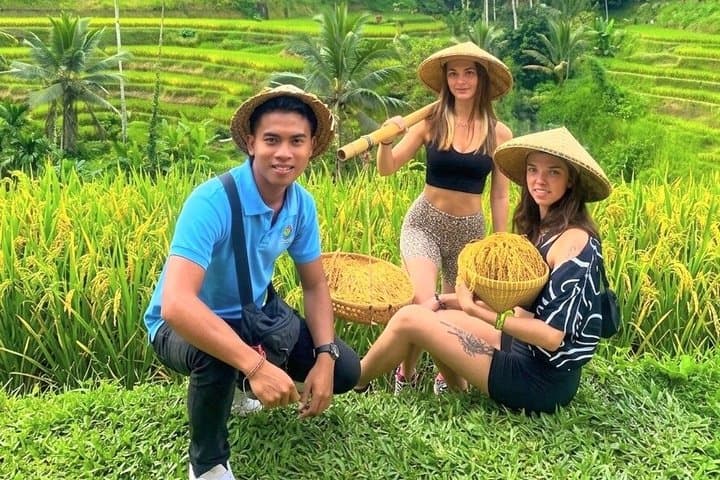
- 🧘 Culture seekers: Speak with local farmers about centuries-old subak irrigation and rice cultivation.
Highlights
- Valley panorama viewpoints — Multiple elevated platforms along the road and within cafés offer sweeping views of the layered green steps.
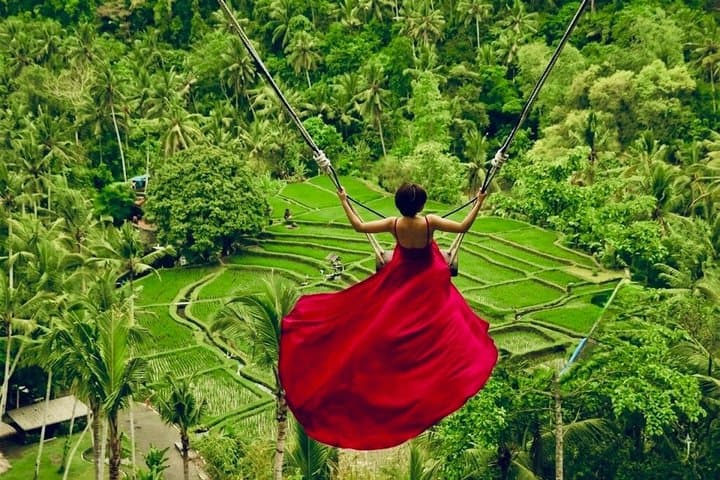
- Bali swing experience — Soar above the rice terraces on one of several commercial swing platforms scattered across the valley.
- Subak irrigation channels — Walk alongside the centuries-old hand-built water management system that sustains the terraces.
- Trekking the terraces — Follow narrow paths across bamboo bridges and stone steps through the heart of the rice paddies.
- Mupu Rice Terrace — A donation-based, farmer-guided walk on the quieter eastern edge with a free swing and no crowds — Hidden Gem.
- Luwak coffee tasting — Several nearby plantations offer Balinese coffee and herbal tea tastings with terrace views — Hidden Gem.
3 Curated Booking Options
Starts From
(Per Person)
Aura Salsa Dila
Our Bali Local Expert
Table of Contents
Things To Do Nearby
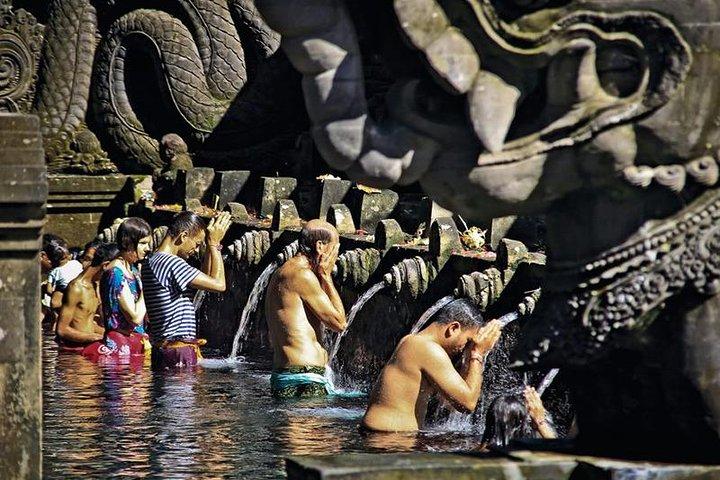
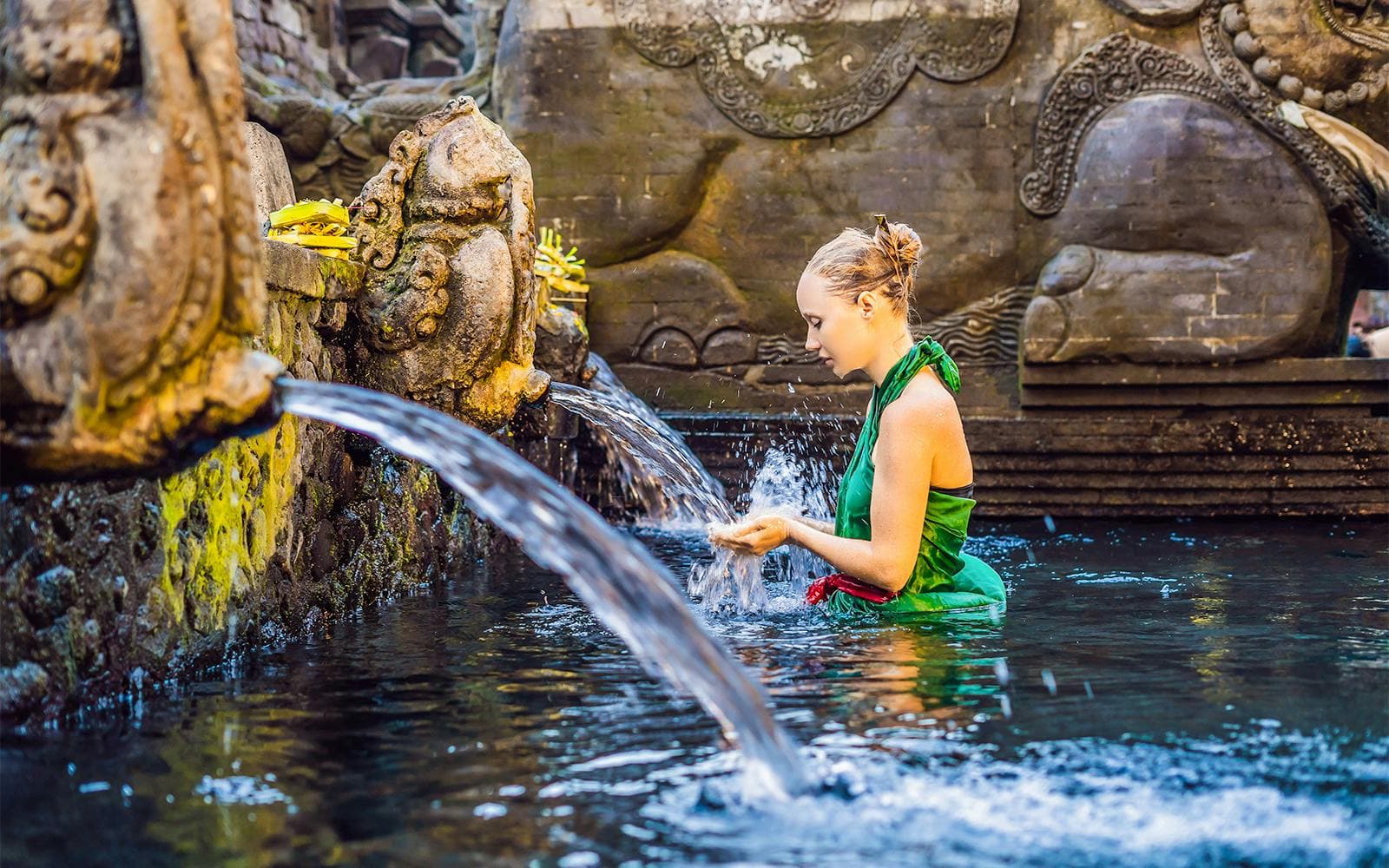
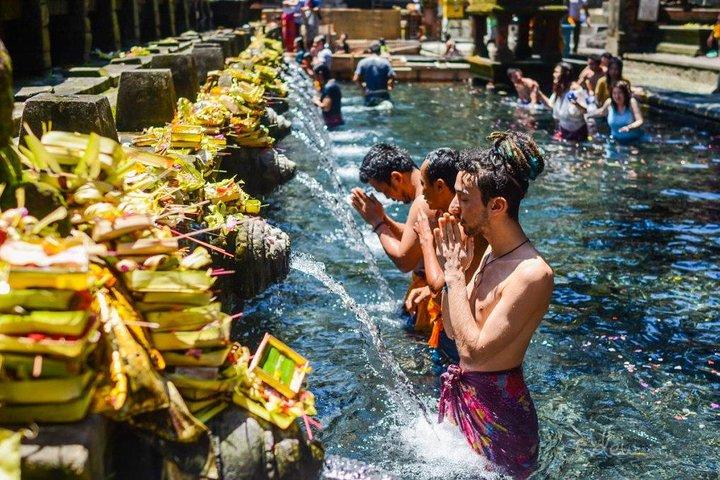
Tirta Empul Temple — A sacred water purification temple where visitors can join the ritual cleansing, about 15 minutes north.
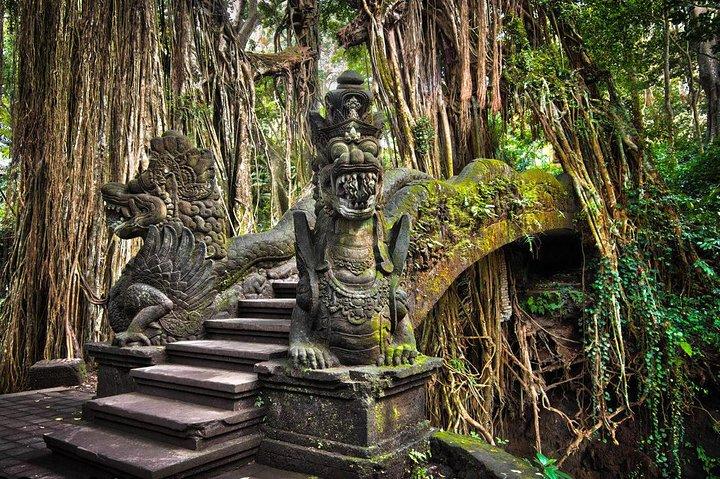
Ubud Monkey Forest — Bali's famous monkey sanctuary set within a lush ancient forest, about 20 minutes south.
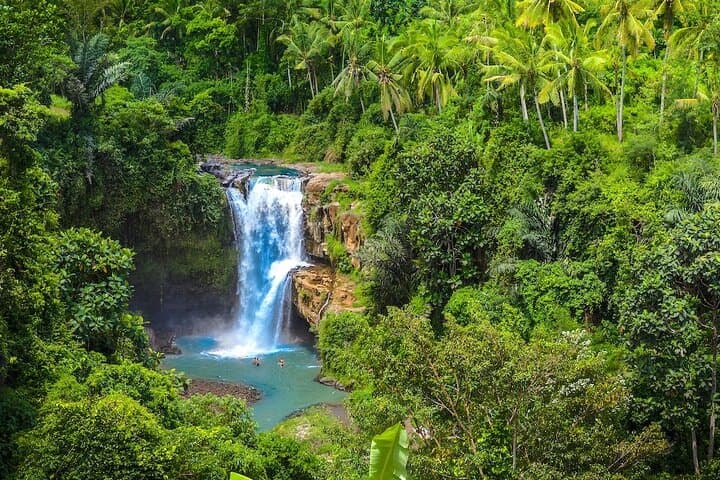
Tegenungan Waterfall — A powerful and accessible waterfall surrounded by tropical jungle, about 30 minutes south.
Ubud Art Market — A bustling market for handmade Balinese crafts, paintings, and textiles, in the heart of Ubud town.
Tirta Empul Temple — A sacred water purification temple where visitors can join the ritual cleansing, about 15 minutes north.
Ubud Monkey Forest — Bali's famous monkey sanctuary set within a lush ancient forest, about 20 minutes south.
Tegenungan Waterfall — A powerful and accessible waterfall surrounded by tropical jungle, about 30 minutes south.
Ubud Art Market — A bustling market for handmade Balinese crafts, paintings, and textiles, in the heart of Ubud town.
TJ's Guide - Tegalalang Rice Terrace
Know Before You Go
Insider Tips
Best time hack: Arrive at sunrise (06:30–07:00) via the Kebon Road entrance for magical light, birdsong, and near-empty terraces.
Avoid midday (10:00–14:00) when the heat is intense and crowds peak at the main road-side viewpoints.
Swing pricing: Commercial swings range from IDR 100,000–400,000 depending on the platform and package. Negotiate before committing.
Free alternative: Mupu Rice Terrace on the eastern edge offers a farmer-guided walk and free swing on a donation basis.
Combine wisely: Pair with Tirta Empul and Gunung Kawi for a full Ubud-north day trip.
Best time hack: Arrive at sunrise (06:30–07:00) via the Kebon Road entrance for magical light, birdsong, and near-empty terraces.
Avoid midday (10:00–14:00) when the heat is intense and crowds peak at the main road-side viewpoints.
Swing pricing: Commercial swings range from IDR 100,000–400,000 depending on the platform and package. Negotiate before committing.
Free alternative: Mupu Rice Terrace on the eastern edge offers a farmer-guided walk and free swing on a donation basis.
Combine wisely: Pair with Tirta Empul and Gunung Kawi for a full Ubud-north day trip.
Know Your Facts
- By scooter or car: About 20 minutes from central Ubud along Jalan Raya Tegallalang. Parking is available roadside (IDR 5,000–10,000).
- Two main entrances: The main road (Jl. Raya Tegallalang) entrance is the most popular. The Kebon Road entrance on the east side is quieter and more immersive.
- By Grab/Gojek: Easy pickup from Ubud but arrange a return ride in advance, as ride-hailing availability can be limited in this area.
- First-time tip: If entering from the main road, walk downhill through the terraces and exit via the eastern paths for a full loop experience.
Once You Reach
Internal Navigation
Trail network: There is no single path. Multiple narrow trails weave through the paddies, crossing bamboo bridges and irrigation channels.
Main viewpoints: Roadside platforms and café terraces offer elevated views without requiring a descent.
Valley descent: Steps (some steep) lead down from the road level into the heart of the terraces. The descent is easier than the climb back up.
Eastern loop: Enter via Kebon Road for a west-to-east walk that ends at the main road cafés — a natural and scenic circuit.
No formal maps: Navigation is intuitive. Follow water channels downhill and café signs uphill.
Food & Coffee Shops
Tis Cafe — An infinity-pool café perched on the terrace edge with stunning valley views and a Western-Indonesian fusion menu.
Bali Coffee Club — Near the main road exit, offering specialty coffee with a panoramic terrace and pool bar.
Tis Cafe — An infinity-pool café perched on the terrace edge with stunning valley views and a Western-Indonesian fusion menu.
Bali Coffee Club — Near the main road exit, offering specialty coffee with a panoramic terrace and pool bar.
Photography Tips
The Kebon Road (east side) entrance captures the best sunrise compositions with light raking across the terrace layers.
Use the elevated café terraces along Jalan Raya Tegalalang for sweeping panoramic shots without descending into the terraces.
Dress rental is available at swing platforms for flowing-dress terrace shots — popular for couples and solo travellers.
Bring a wide-angle lens; the valley is deep and layered, and wider perspectives capture the full scale.
The Kebon Road (east side) entrance captures the best sunrise compositions with light raking across the terrace layers.
Use the elevated café terraces along Jalan Raya Tegalalang for sweeping panoramic shots without descending into the terraces.
Dress rental is available at swing platforms for flowing-dress terrace shots — popular for couples and solo travellers.
Bring a wide-angle lens; the valley is deep and layered, and wider perspectives capture the full scale.
Explore Deeper
Tegalalang is a living classroom for Bali's ancient subak irrigation philosophy. The terraces are not just farmland — they represent a sacred relationship between water, community, and the divine.
The subak system dates to at least the 8th century and distributes water from surrounding rivers through hand-built channels shared cooperatively among farmers.
The system follows the Tri Hita Karana philosophy — harmony with God, harmony with nature, and harmony with fellow humans — recognised by UNESCO in 2012.
Rice harvesting occurs roughly three times per year. Planting and harvest schedules are coordinated through water temple rituals, not calendars.
Local farmers still maintain the terraces by hand, using traditional tools and techniques passed down through generations.
The subak system dates to at least the 8th century and distributes water from surrounding rivers through hand-built channels shared cooperatively among farmers.
The system follows the Tri Hita Karana philosophy — harmony with God, harmony with nature, and harmony with fellow humans — recognised by UNESCO in 2012.
Rice harvesting occurs roughly three times per year. Planting and harvest schedules are coordinated through water temple rituals, not calendars.
Local farmers still maintain the terraces by hand, using traditional tools and techniques passed down through generations.
Did You Know?
UNESCO recognition — Tegalalang's subak landscape was inscribed as a UNESCO World Heritage Site in 2012, alongside Jatiluwih and three other subak areas.
Living irrigation — Water flows from terrace to terrace through gravity alone. Farmers share the supply through an ancient cooperative system governed by water-temple priests.
Three harvests per year — Unlike many rice-growing regions, Bali's warm climate and reliable water supply allow up to three annual rice cycles.