





Bali Vibe
A Glimpse into the Past
Bali’s identity comes from a long Hindu-Balinese tradition shaped by kingdoms, temple networks, and village customs. Dutch colonial rule arrived later than in parts of Indonesia and left administrative traces. Modern tourism grew fast from the late 20th century and reshaped coastal towns.
Interesting Titbit
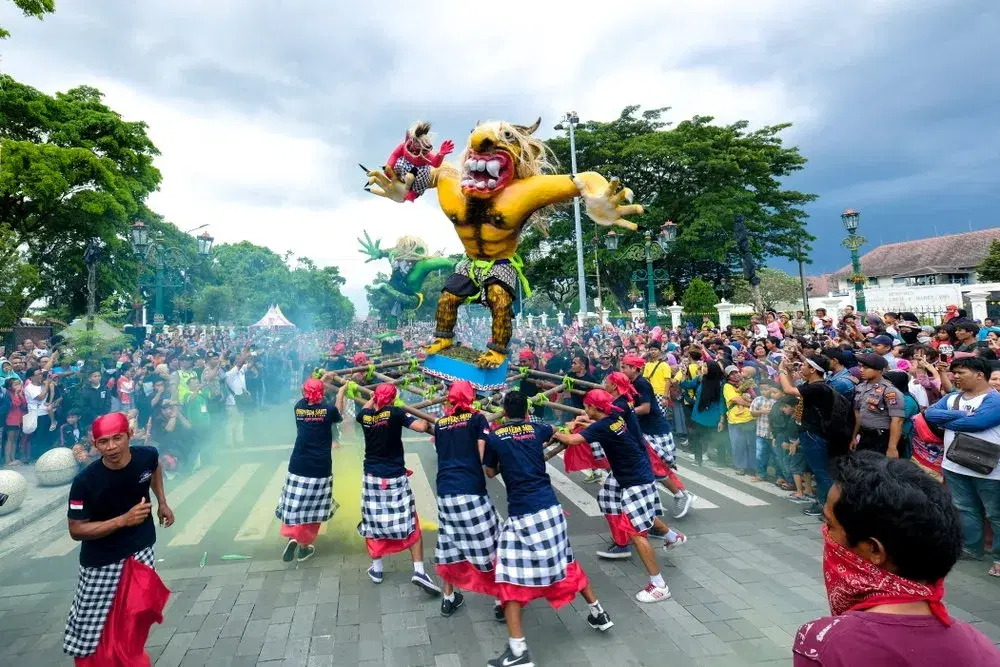
Nyepi, the Balinese Day of Silence, pauses the island for a full day. Roads empty, shops close, and the airport stops operations. Travellers plan around it because movement is restricted.


Recommended Days
Spend 5–7 days to cover a temple-and-terrace inland loop, a beach stretch, and at least one day trip by water or road.
Top Interests
Icons
Bali’s headline sights revolve around temples, viewpoints, and signature landscapes. Plan a route that mixes coastal icons with inland stops, rather than chasing everything in one day. See our "Tourist icons" and "City Tours, Tourist Icons" sections for curated highlights.
Adventure
Adventure here is built around volcano mornings, swings and viewpoints, and high-energy day activities. Timing matters for comfort and crowds, especially for early starts and outdoor sections. Check our "Adventure Activities" and "Day Trips / Adventure" listings for bookable options.
Cruising & Watersports
Coastal days include boat trips, snorkelling-focused excursions, and water-based activities from the south and nearby islands. Choose operators that match your pace, since some itineraries prioritise many stops over time in the water. See our "Water-sports" and "Boating & Cruises" categories for the strongest coverage.
Art & Heritage
Bali’s heritage is visible in temple architecture, ritual spaces, and local craft traditions. Guided tours help because etiquette and context shape what you see and how you behave. Explore our "Places of Worship", "Museums", and "Art Galleries" sections, plus "City Tours" for guided formats.
Best Neighborhoods to Stay





Aura Salsa Dila

Aura S is a travel writer and hospitality professional who specialises in creating clear, practical travel guides for first-time visitors. With experience in tourism partnerships and destination planning, she focuses on helping travellers understand where to go, how to organise their time, and what to realistically expect when visiting a destination. Her work centres on well-structured, easy-to-follow guides that balance inspiration with practical planning, making it simpler for travellers to explore new places.
Aura S is a travel writer and hospitality professional who specialises in creating clear, practical travel guides for first-time visitors. With experience in tourism partnerships and destination planning, she focuses on helping travellers understand where to go, how to organise their time, and what to realistically expect when visiting a destination. Her work centres on well-structured, easy-to-follow guides that balance inspiration with practical planning, making it simpler for travellers to explore new places.
Travel Tips.
Local Transport
Car rentals / drivers / scooters
Self-drive car rentals are available, but road conditions and traffic can be demanding for new drivers. Many travellers hire a private car with driver for day trips, priced by hours or a full day. Scooter rentals are widespread, but helmet use and licensing checks vary by area.
Ride-hailing apps
Grab Gojek Bluebird (taxi app in many areas)
Travel cards
There is no city-wide tourist travel card that covers most transport needs. Cashless payments inside ride-hailing apps are common, but cash options still exist.
Google Maps
Google Maps works well for routing and ETAs, but timing can be off in heavy traffic.
Payments
Pro Insights
Head Up!
Safety
Road safety is the main risk, especially on scooters. Use a helmet and avoid night riding on unfamiliar roads. Watch bags and phones in crowded areas and on scooters, since snatch theft can happen. Use licensed taxis or ride-hailing apps to reduce fare disputes. Be cautious with currency exchange and avoid unclear rate offers. Keep distance from monkeys at temple areas and do not feed them.
VAT refunds
VAT refunds may be available for eligible tourist purchases under Indonesia’s tax-refund scheme. Ask for the required tax paperwork at the store at the time of purchase. Claim procedures are typically handled at the airport with passport and invoices.
Local etiquette
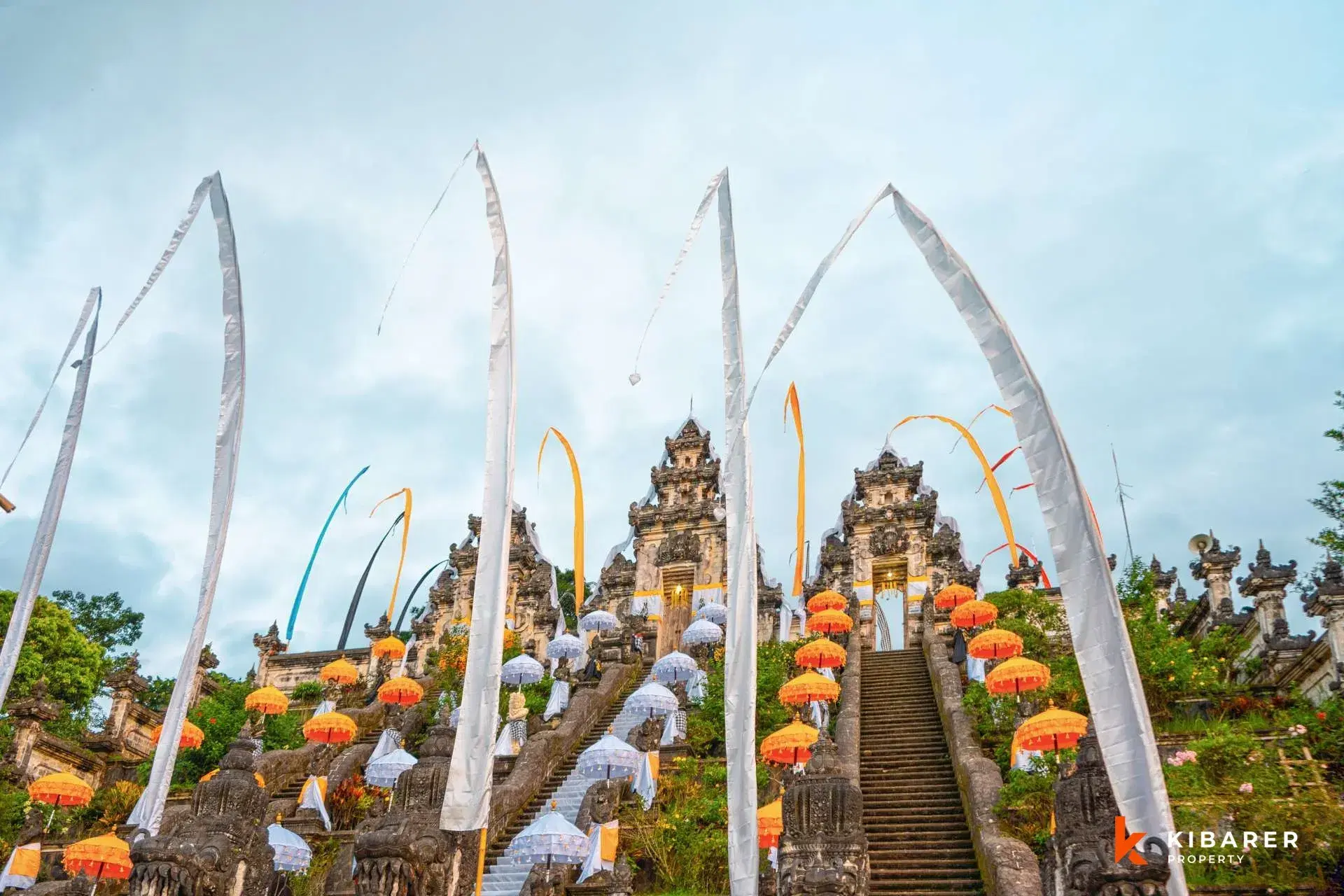
Wear a sarong or modest clothing when entering temples and religious sites. Do not step on offerings placed on pavements or at doorways. Keep voices low during ceremonies and follow local signs and guidance. Ask permission before photographing people during rituals. Avoid touching people’s heads, which can be considered disrespectful.
Weather
Dry season is roughly April to October, with clearer days for beaches, volcano starts, and boat trips. Pack light layers for early mornings and sunscreen for daytime. Wet season is roughly November to March, with heavy showers and humidity. Pack a compact rain jacket, quick-dry clothes, and waterproof footwear. Shoulder months can shift between sun and rain. Carry a small poncho and plan outdoor activities earlier in the day.
Health
Drink bottled or filtered water and carry rehydration salts for hot days. Use mosquito repellent at dusk and near rice fields. Use sunscreen and a hat for midday exposure. Avoid handling animals and keep an eye on minor cuts in humid weather.
Connectivity
Mobile Tourist SIMs and eSIMs are widely available at the airport and local telecom stores, with passport registration. Coverage is strong in the south and around Ubud, but can drop in remote areas. Wi-Fi Wi-Fi is standard in hotels, cafés, and coworking spots. Speeds vary by property and peak usage times.
Festivals & Events
Interesting Extras

Scams
