


Bali: Mount Batur
Operating Hours:Sunrise treks: 02:00 - 04:00 pickup; summit by 06:00. Viewpoints and area: Open daily
The Vibe:Dawn breaks over lava, and Bali wakes below 🌋
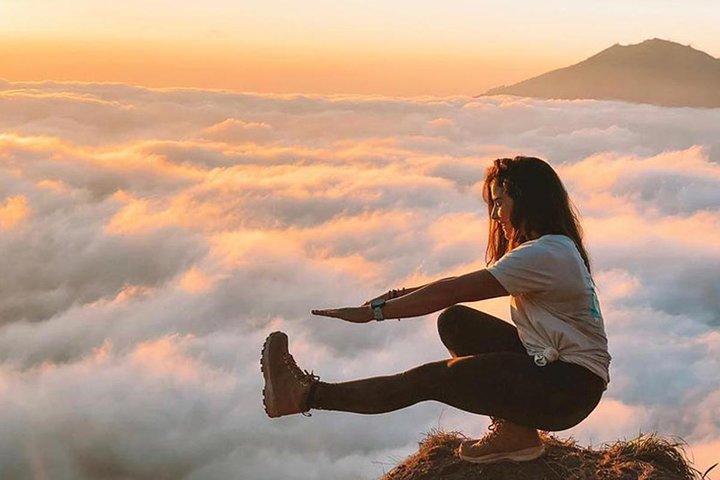
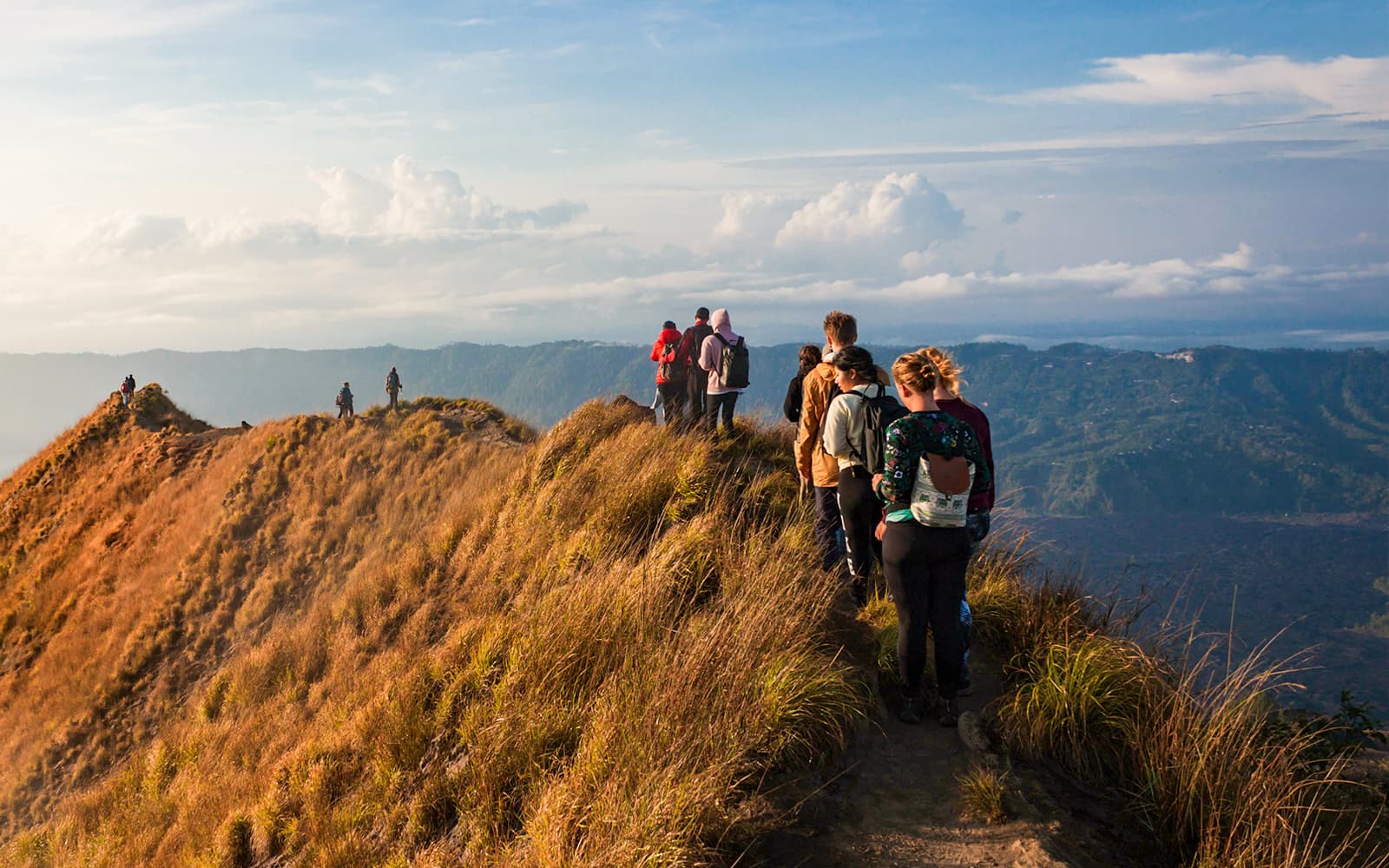
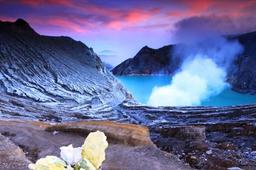
Rising 1,717 metres from the centre of a vast caldera in northeast Bali, this active volcano offers one of the island's most sought-after experiences: a pre-dawn trek to the summit to watch sunrise paint the sky above Lake Batur and Mount Agung. It last erupted in 2000, and steam still curls from its crater rim.
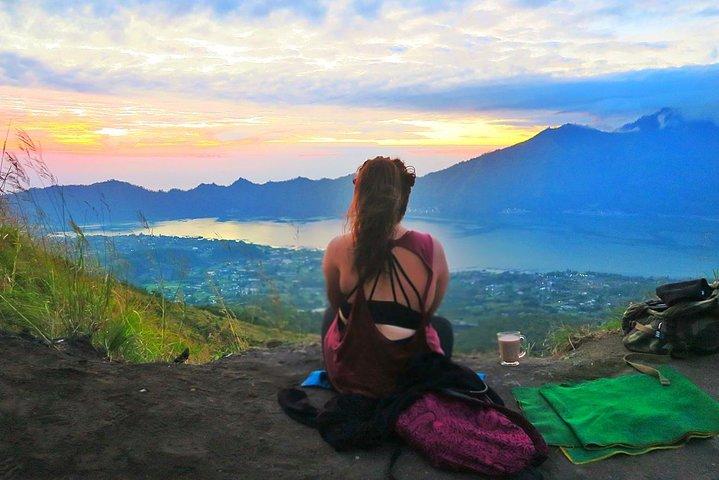
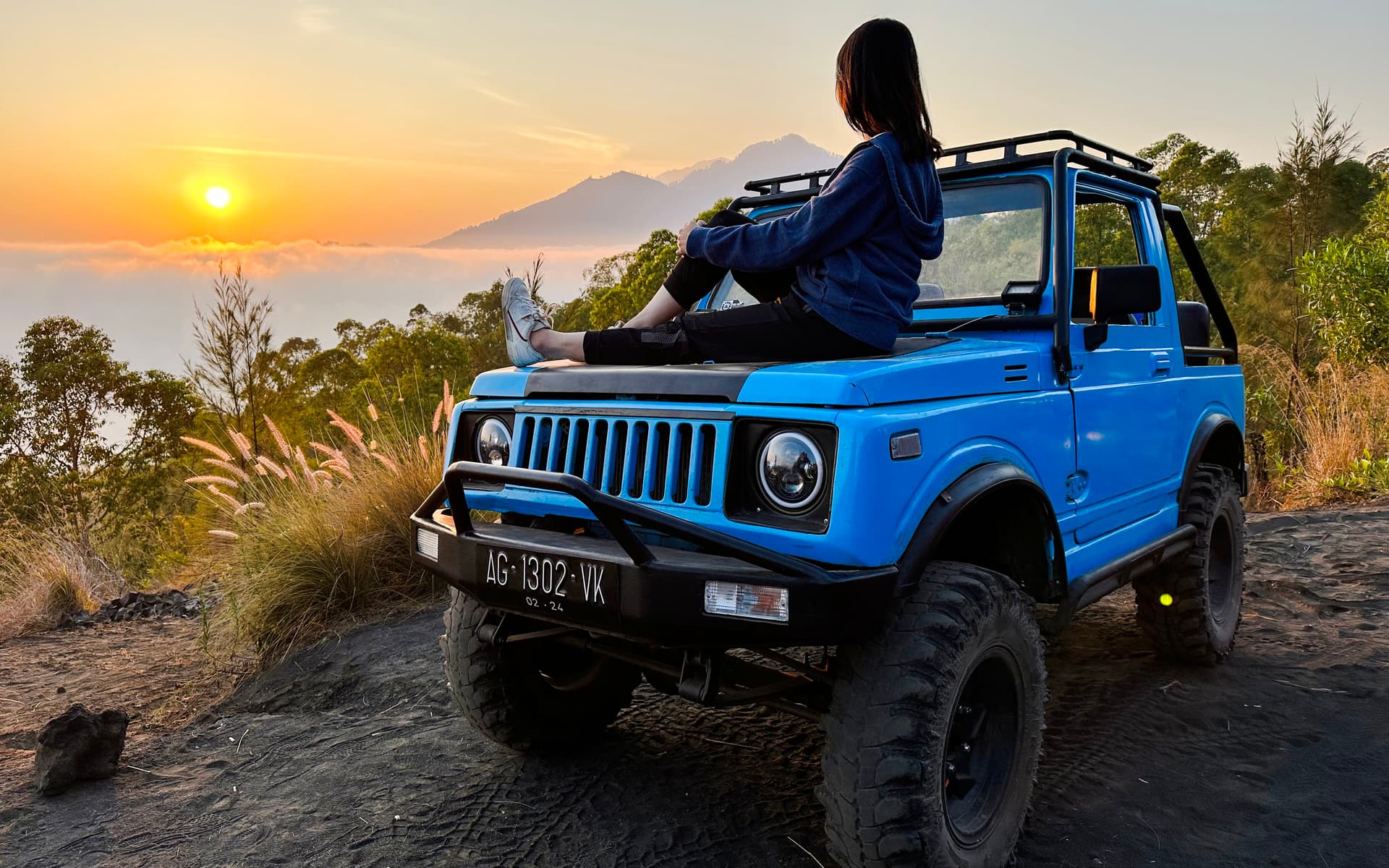
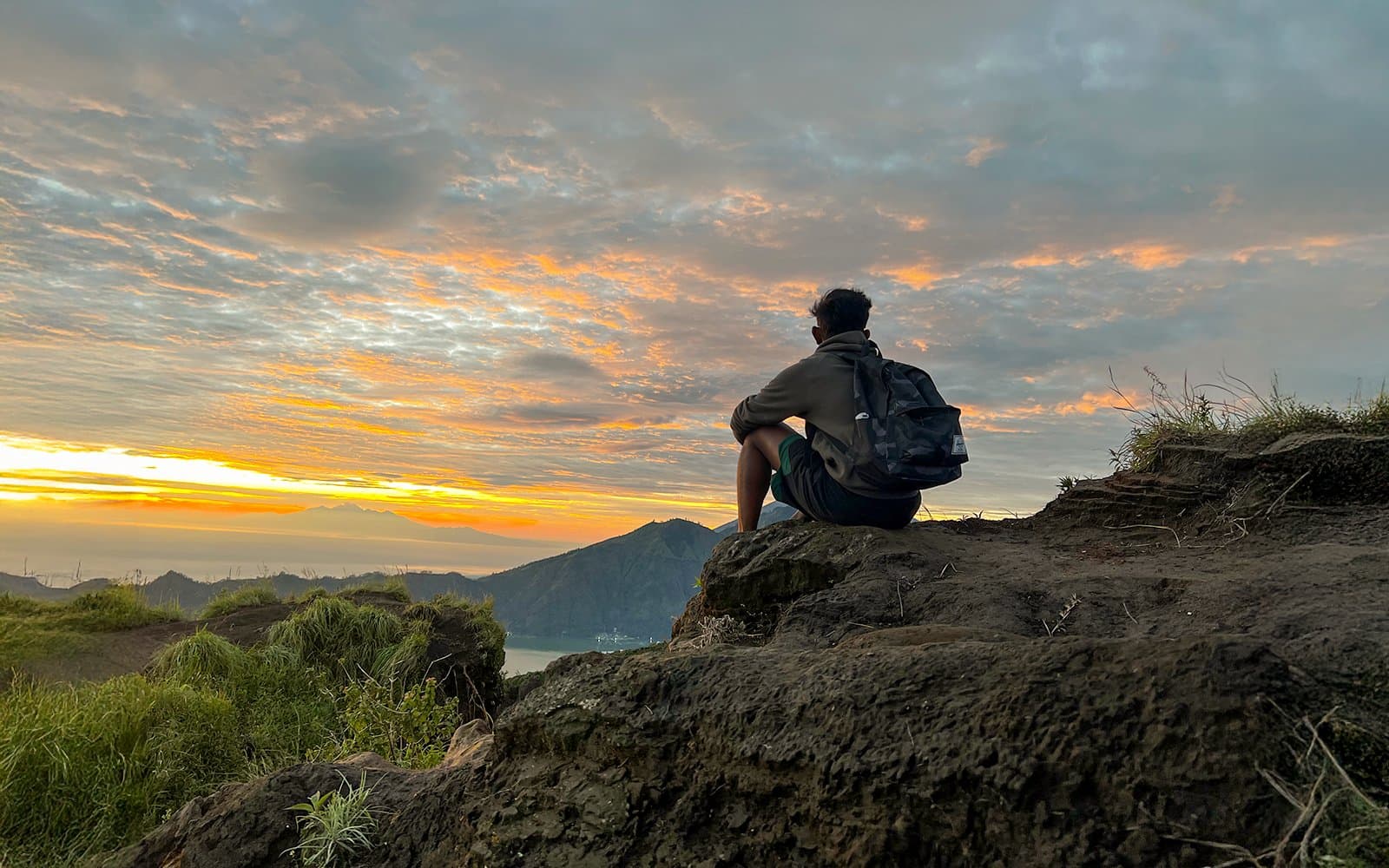
Boots crunch across loose volcanic gravel in torchlight silence. At the summit, a cold wind gives way to warmth as the first amber glow breaks behind Mount Agung, illuminating the caldera, the glassy lake, and distant ocean.
- • One of Bali's most popular and highest-rated outdoor activities
- • 4.8/5 average rating across major booking platforms
- • Featured in global travel lists as a bucket-list sunrise experience 🌅
- • Visitors call it the most rewarding early-morning wake-up of their trip
Persona Fit
- 🏃 Active travellers: A challenging-but-achievable pre-dawn climb with volcanic terrain and caldera views.
- 💕 Couples: Watching sunrise together from a volcano summit is a genuinely unforgettable shared experience.
- 📸 Photographers: Sunrise light, volcanic landscapes, mist, Lake Batur — compositions change by the minute.
- 🌍 Adventure seekers: Steam vents, lava fields, and an active crater make this more than a simple hike.
- 👨👩👧 Families with older children: Suitable for fit teenagers; the 2 AM wake-up and loose gravel trail require preparation.
Highlights
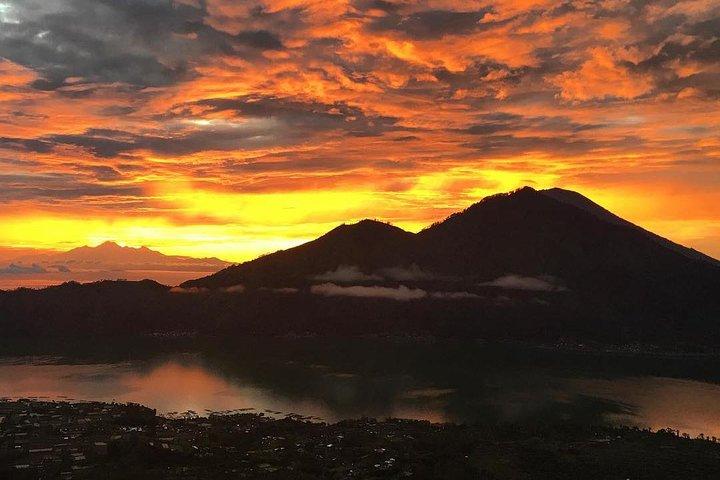
- Summit sunrise — Watch the sun rise behind Mount Agung from 1,717 metres, illuminating the caldera, lake, and distant Lombok across the sea.
- Active crater steam vents — Feel volcanic heat rising from the earth just metres from the summit trail.
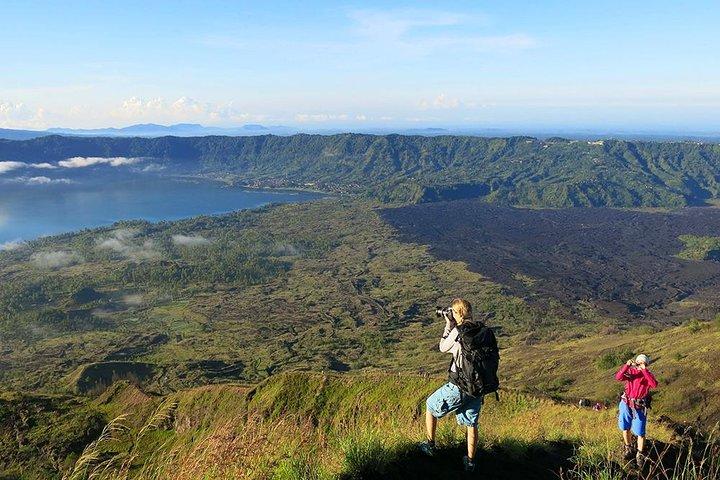
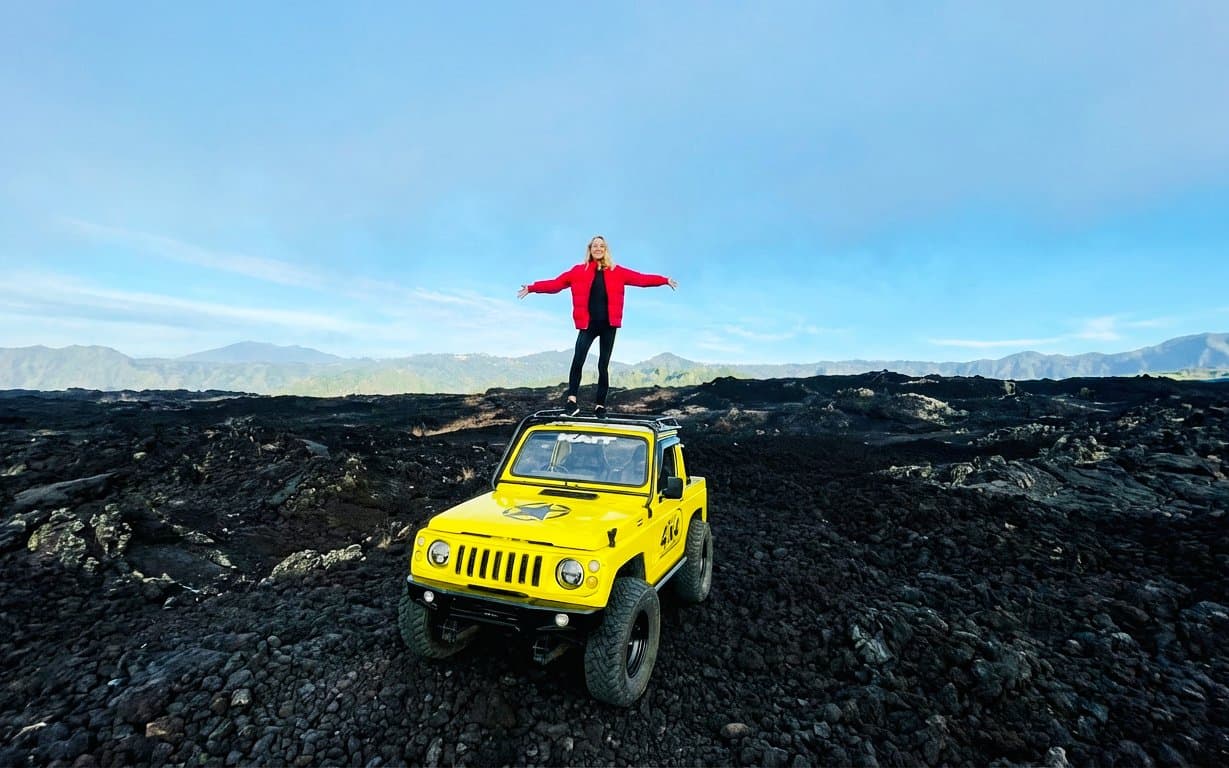
- Black lava fields — Walk through the stark, otherworldly landscape left by the 1963 and 2000 eruptions.
- Lake Batur panorama — The vast caldera lake stretches below the summit, reflecting dawn colours.
- Breakfast at the summit — Most tours include eggs cooked using volcanic steam and sandwiches at the peak — Hidden Gem.
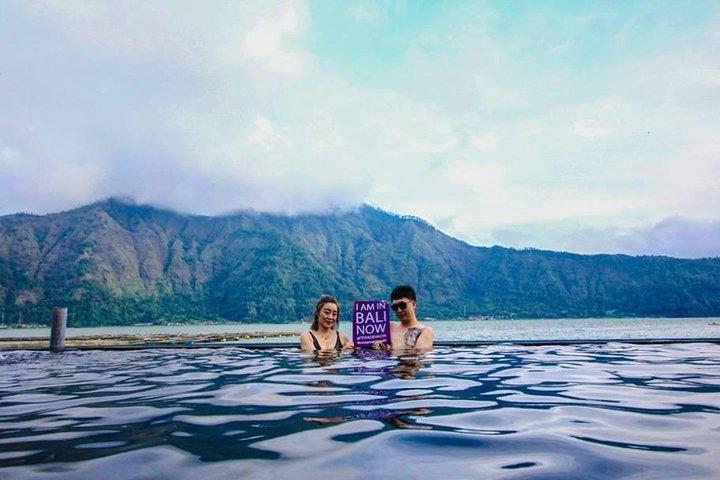
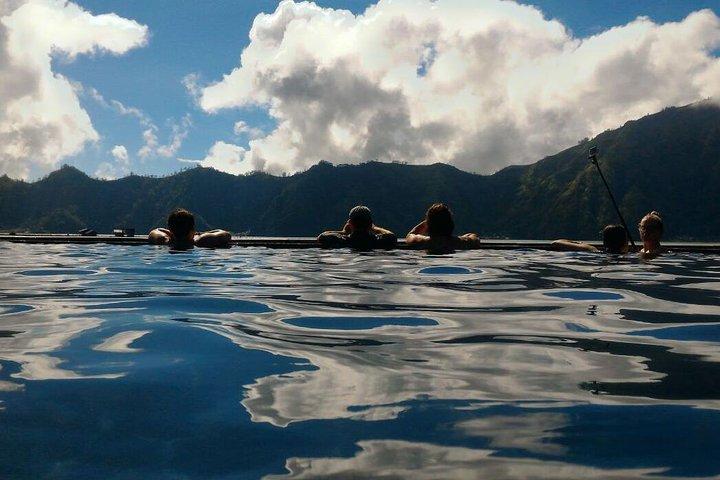
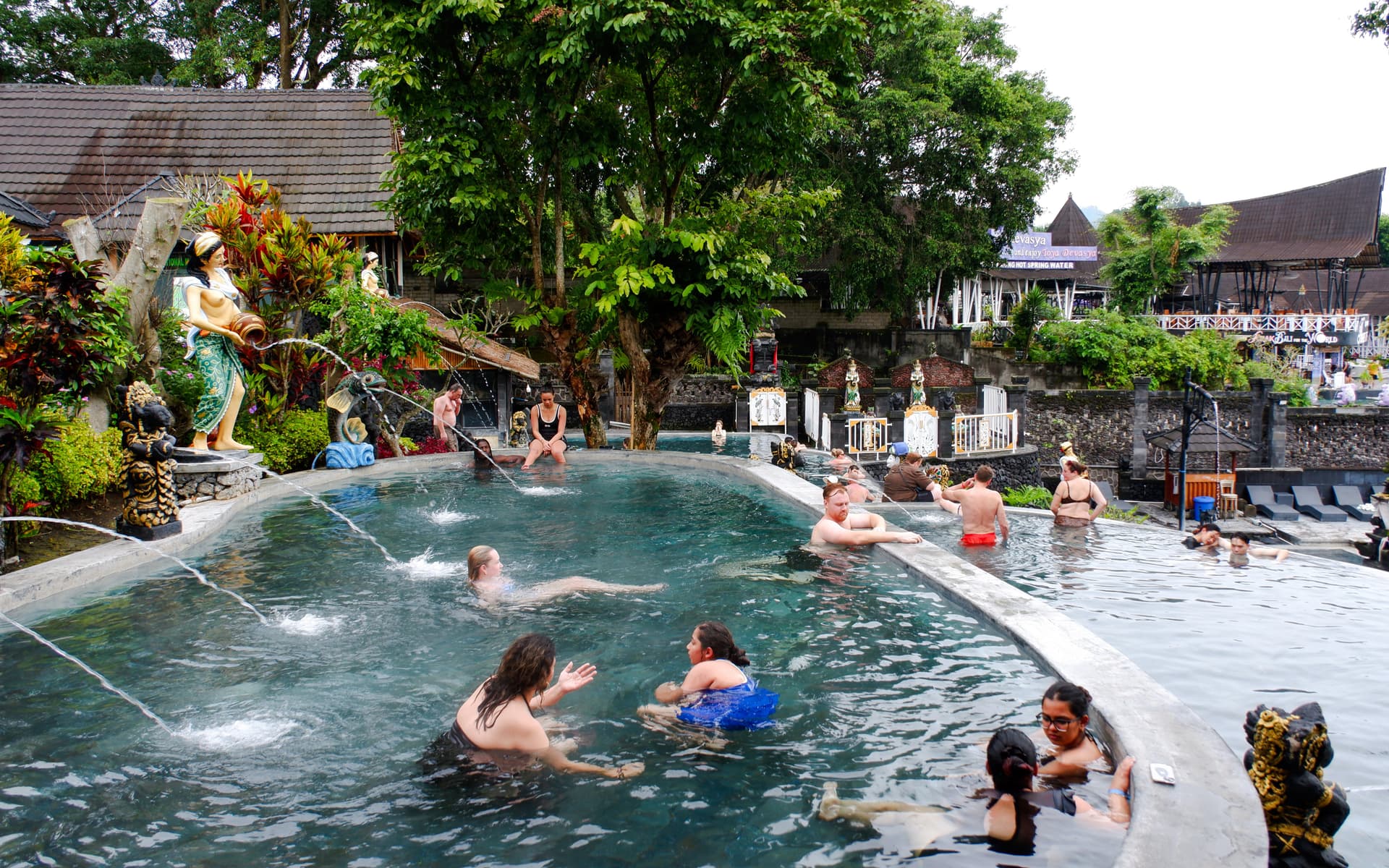
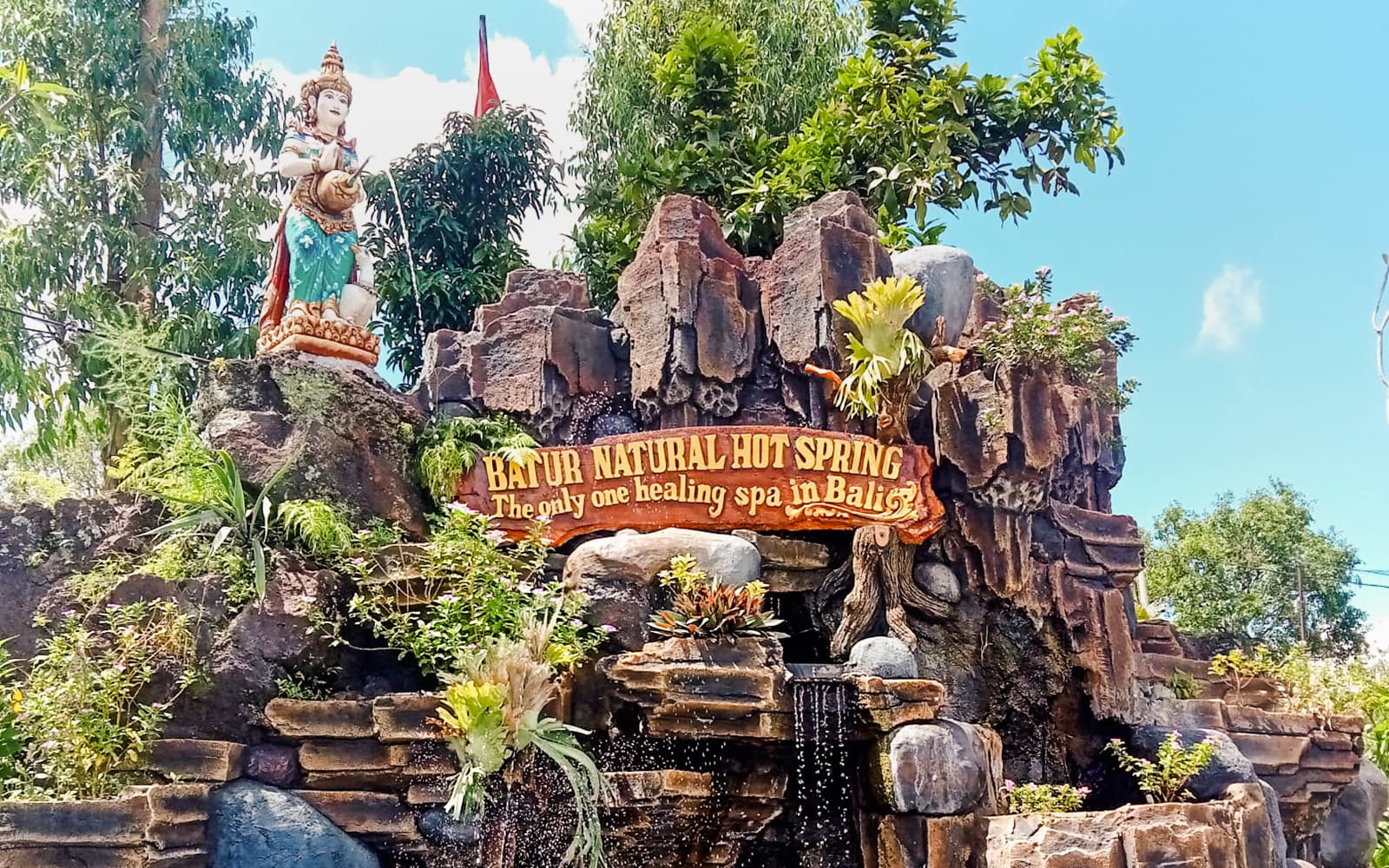
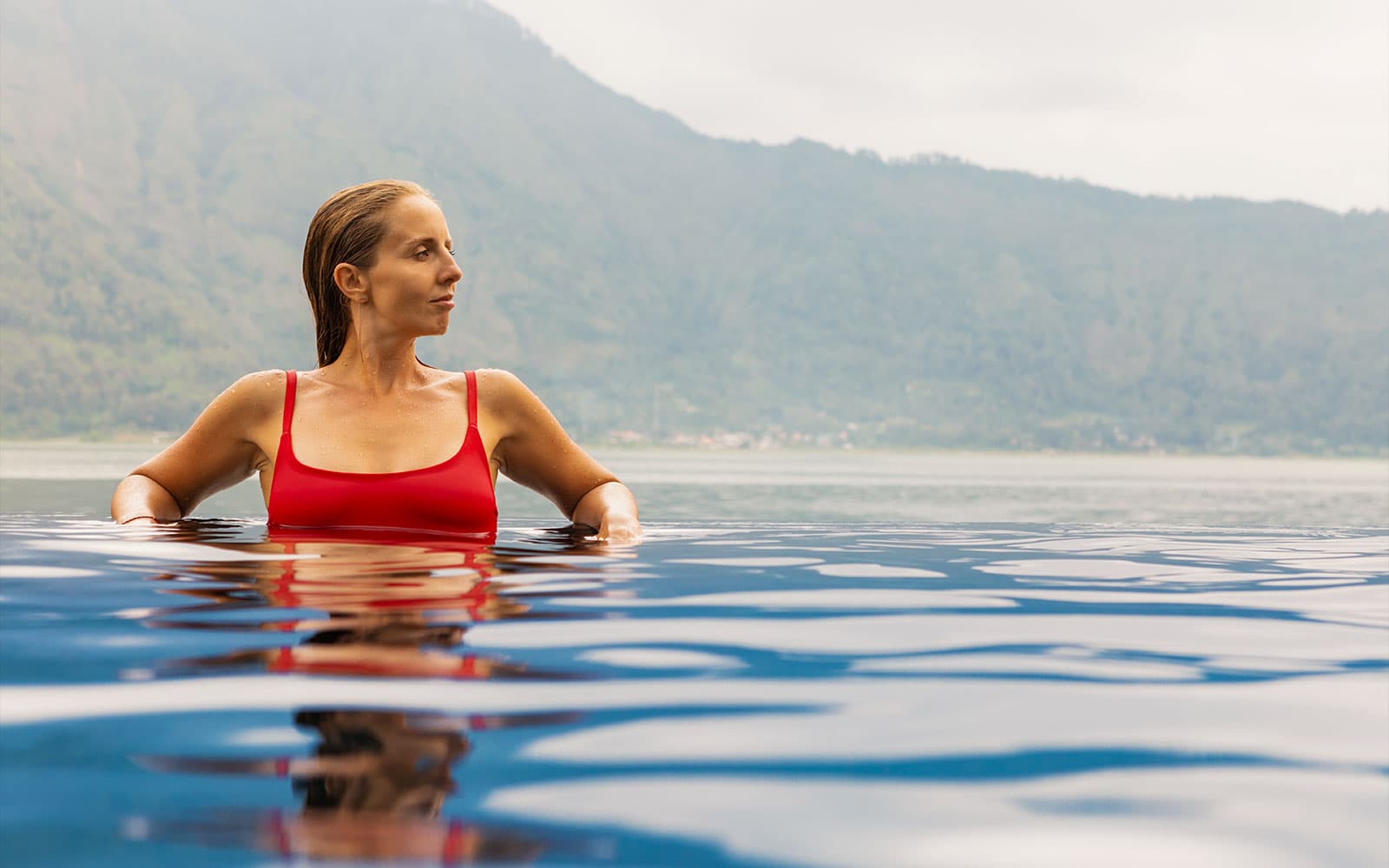
- Batur Natural Hot Spring — A post-trek soak in natural thermal pools overlooking Lake Batur — Hidden Gem.

2 Curated Booking Options
Starts From
(Per Person)
Aura Salsa Dila
Our Bali Local Expert
Table of Contents
Things To Do Nearby
Batur Natural Hot Spring — Thermal pools overlooking Lake Batur, the perfect post-trek recovery stop, just minutes from the base.
Lake Batur — A vast caldera lake ideal for kayaking and peaceful lakeside walks.
Kintamani viewpoint cafés — Restaurants perched on the caldera rim serving coffee and local food with panoramic volcano-and-lake views.
Tirta Empul Temple — A sacred spring water temple in nearby Tampaksiring, about 40 minutes south.
Batur Natural Hot Spring — Thermal pools overlooking Lake Batur, the perfect post-trek recovery stop, just minutes from the base.
Lake Batur — A vast caldera lake ideal for kayaking and peaceful lakeside walks.
Kintamani viewpoint cafés — Restaurants perched on the caldera rim serving coffee and local food with panoramic volcano-and-lake views.
Tirta Empul Temple — A sacred spring water temple in nearby Tampaksiring, about 40 minutes south.
TJ's Guide - Mount Batur
Know Before You Go
Insider Tips
Book a private trek (not group) if you want to control the pace. Group treks move at the slowest member's speed, which can mean missing the best sunrise window.
Dry season (April–October) offers the clearest summit views. Rainy season treks are still possible but expect cloud cover and slippery trails.
Stay near Kintamani or Ubud the night before to minimise the 2 AM pickup drive. From Seminyak, the transfer alone takes 2+ hours.
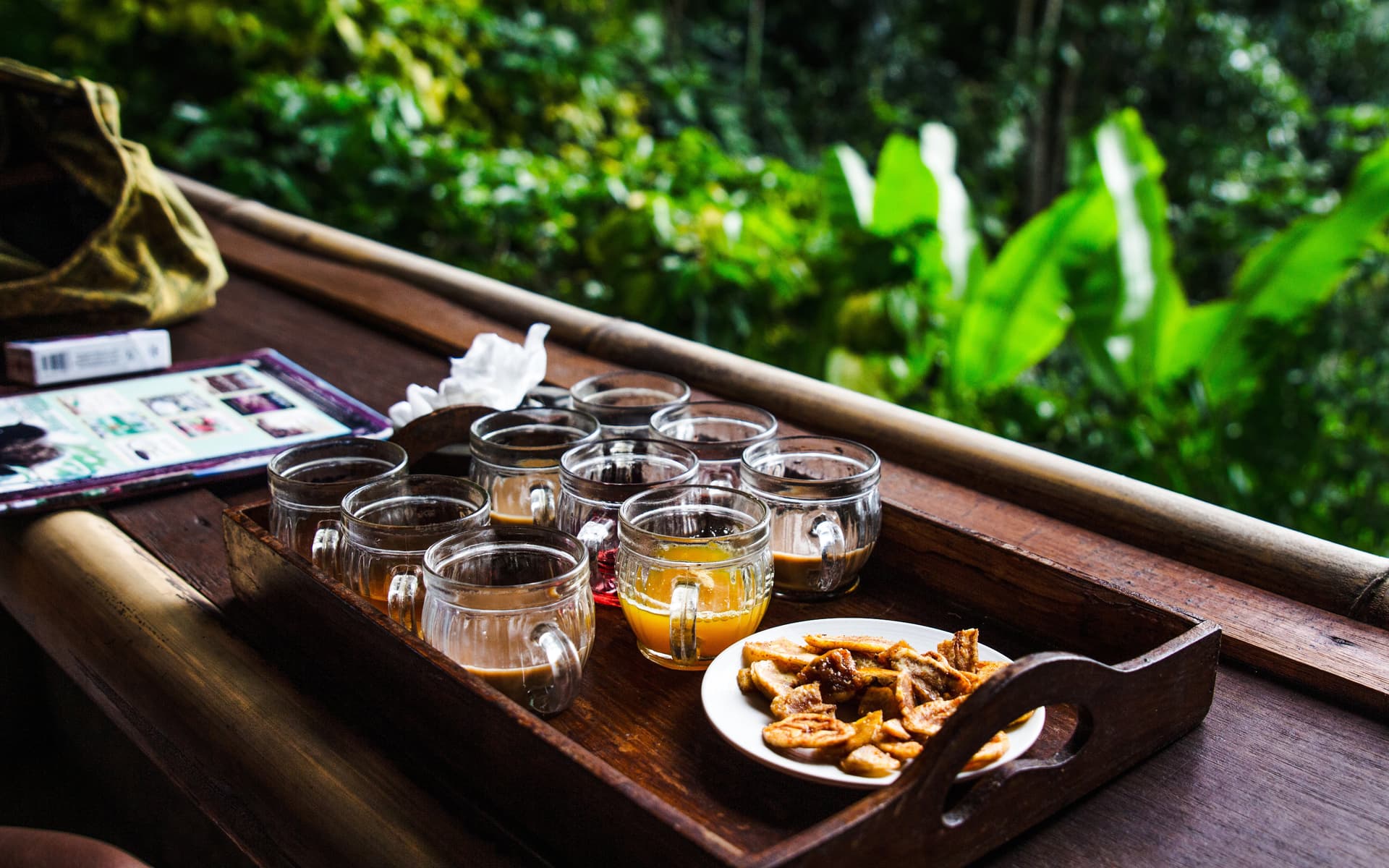
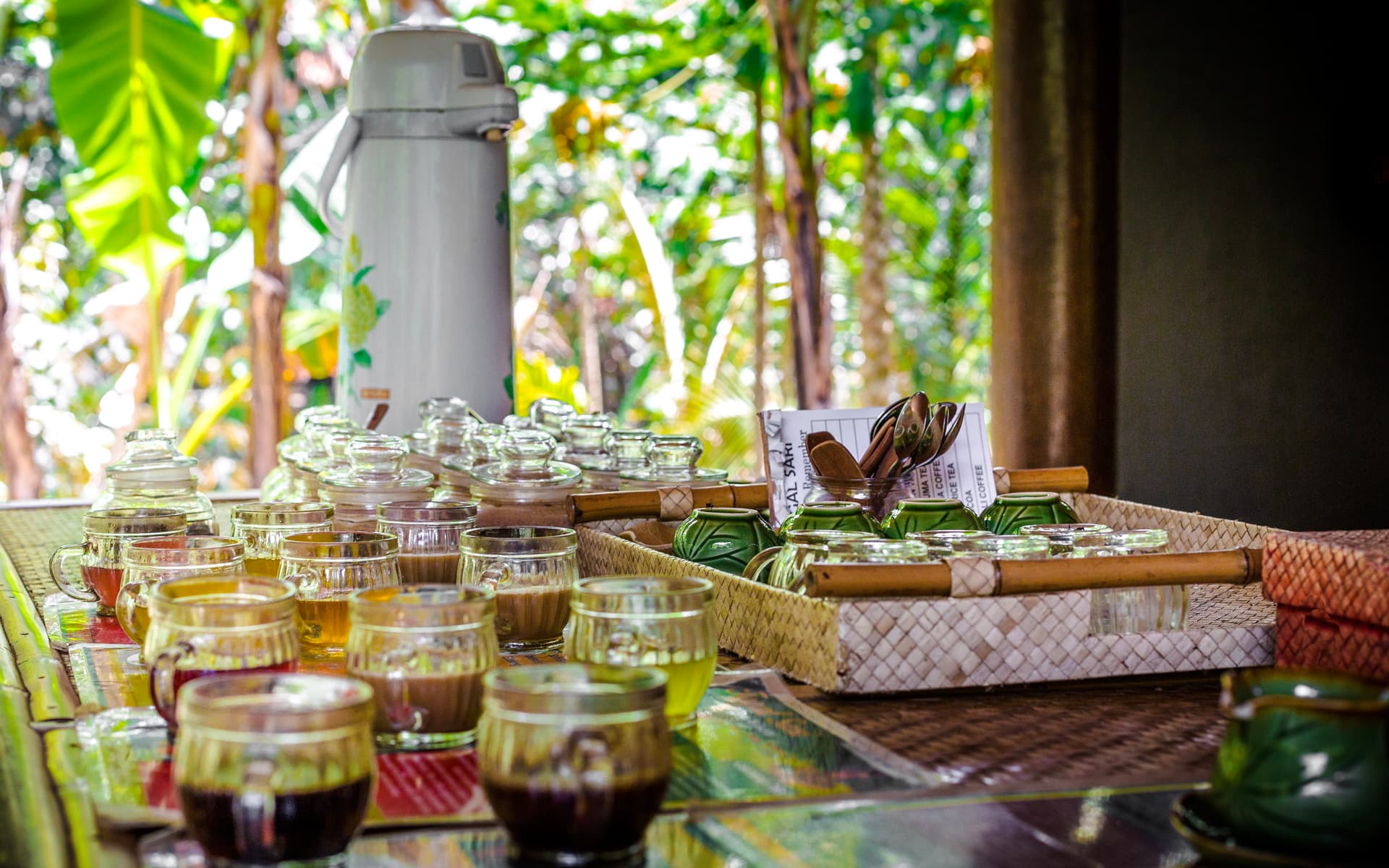
Post-trek combo: Add Batur Hot Springs and a Luwak coffee plantation stop on the way back for a richer half-day experience.
Carry cash: Guide tips, hot spring entry, and coffee tastings are all cash-only.
Book a private trek (not group) if you want to control the pace. Group treks move at the slowest member's speed, which can mean missing the best sunrise window.
Dry season (April–October) offers the clearest summit views. Rainy season treks are still possible but expect cloud cover and slippery trails.
Stay near Kintamani or Ubud the night before to minimise the 2 AM pickup drive. From Seminyak, the transfer alone takes 2+ hours.
Post-trek combo: Add Batur Hot Springs and a Luwak coffee plantation stop on the way back for a richer half-day experience.
Carry cash: Guide tips, hot spring entry, and coffee tastings are all cash-only.
Know Your Facts
- By private car: About 1.5 hours from Ubud, 2–2.5 hours from Seminyak/Kuta. Most tour operators provide hotel pickup in a private vehicle.
- Trek starting point: Tours typically begin from a staging area near Pura Jati or Serongga Village. Your guide handles all logistics.
- Mandatory guide: Independent trekking is not permitted. All visitors must be accompanied by a licensed local guide.
- Kintamani entry fee: A small regional fee (approximately IDR 50,000) may be collected at the area checkpoint.
Once You Reach
Internal Navigation
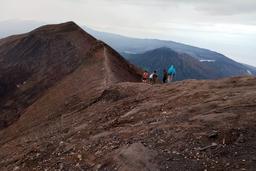
Ascent trail: The standard route follows a well-worn path from the staging area through forest before hitting open volcanic terrain. Follow your guide's torchlight.
Summit plateau: A flat viewing area at 1,717 metres where most visitors watch sunrise. Guides set up breakfast spots here.
Crater rim: A short extension from the summit leads to steaming vents and views into the active crater interior. Ask your guide for access.
Black lava fields: Some tours include a post-descent detour through the solidified lava flows from previous eruptions.
Descent: The return follows the same or a parallel trail. Loose gravel makes the downhill trickier than the ascent — take it slowly.
Food & Coffee Shops
Summit breakfast — Most guided tours include bread, boiled eggs, fruit, and steamed banana cooked using volcanic steam. Hot tea and coffee are also served.
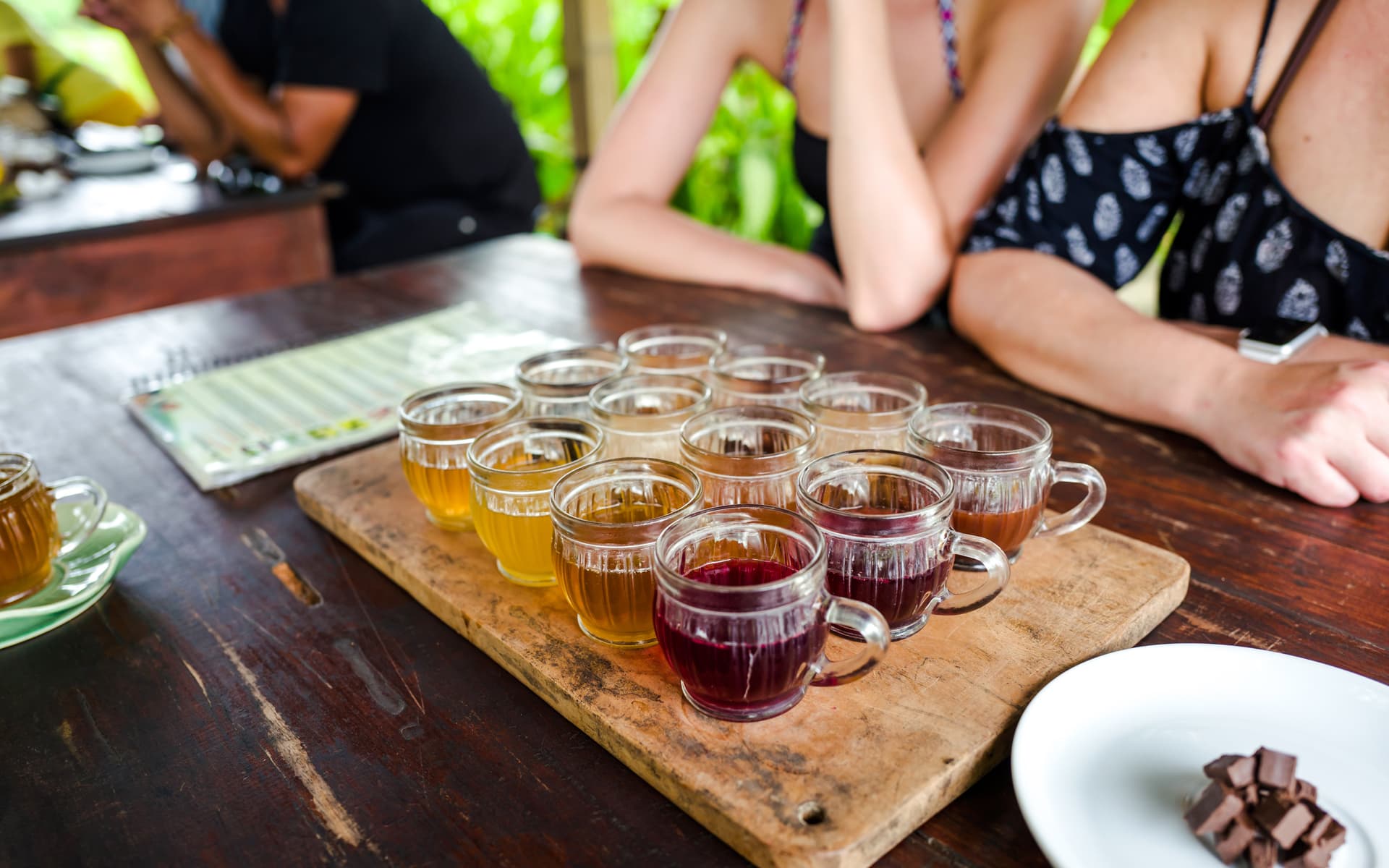
Kintamani viewpoint cafés — On the return journey, stop at a caldera-rim restaurant for a proper meal with sweeping volcano-and-lake views.
Summit breakfast — Most guided tours include bread, boiled eggs, fruit, and steamed banana cooked using volcanic steam. Hot tea and coffee are also served.
Kintamani viewpoint cafés — On the return journey, stop at a caldera-rim restaurant for a proper meal with sweeping volcano-and-lake views.
Photography Tips
Bring a tripod for long-exposure star shots before dawn and the gradual colour change of the sunrise itself.
Mount Agung is directly east of the summit — position yourself to frame the sunrise emerging behind its silhouette.
The mist layer over Lake Batur shifts quickly. Be ready to shoot when gaps in the cloud reveal the lake's glassy surface.
Drone flying requires a permit and is restricted over the caldera area. Check current regulations before flying.
Bring a tripod for long-exposure star shots before dawn and the gradual colour change of the sunrise itself.
Mount Agung is directly east of the summit — position yourself to frame the sunrise emerging behind its silhouette.
The mist layer over Lake Batur shifts quickly. Be ready to shoot when gaps in the cloud reveal the lake's glassy surface.
Drone flying requires a permit and is restricted over the caldera area. Check current regulations before flying.
Explore Deeper
Mount Batur is more than a sunrise viewpoint. Sitting within a vast double caldera formed by prehistoric eruptions, this active volcano has shaped the landscape, ecology, and spiritual life of northeast Bali for millennia.
The outer caldera is approximately 13.8 km across, formed by two massive eruptions roughly 29,300 and 20,150 years ago.
Mount Batur has erupted more than 20 times since 1804. The most recent eruption in 2000 produced lava flows visible along the trek route today.
Lake Batur, filling the caldera floor, is the island's largest natural lake and a vital freshwater source for surrounding farming communities.
The mountain is considered sacred by Balinese Hindus. Pura Ulun Danu Batur, a major water temple, was relocated to the caldera rim after being engulfed by lava in 1926.
Mount Batur's caldera was recognised as a UNESCO Global Geopark in 2012 for its geological and ecological significance.
The outer caldera is approximately 13.8 km across, formed by two massive eruptions roughly 29,300 and 20,150 years ago.
Mount Batur has erupted more than 20 times since 1804. The most recent eruption in 2000 produced lava flows visible along the trek route today.
Lake Batur, filling the caldera floor, is the island's largest natural lake and a vital freshwater source for surrounding farming communities.
The mountain is considered sacred by Balinese Hindus. Pura Ulun Danu Batur, a major water temple, was relocated to the caldera rim after being engulfed by lava in 1926.
Mount Batur's caldera was recognised as a UNESCO Global Geopark in 2012 for its geological and ecological significance.
Did You Know?
UNESCO Geopark — Mount Batur and its caldera were designated a UNESCO Global Geopark in 2012, recognising the site's outstanding geological heritage.
Volcanic breakfast — Guides cook eggs and bananas using the natural steam escaping from the summit's fumaroles, a tradition unique to this trek.
Lava trail — The solidified black lava fields crossed during some tours originate from eruptions in 1963 and 2000, creating an otherworldly moonscape just minutes from the summit.