


Ubud Wellness Guide: Yoga, Meditation & Healing in Bali's Spiritual Hub
6 min read

Sandeepa K
Author
Long-term traveller and AI Expert.
SHARE BLOG
TABLE OF CONTENTS
Key Takeaways
- Ubud is Bali's spiritual and wellness centre, packing yoga, meditation, sound healing and traditional Balinese healing into one small town.
- Drop-in yoga classes start at around IDR 165,000 (about USD 10) — you don't need a week-long retreat to practise here.
- The four core practices are yoga, meditation and silent retreats, sound healing, and Balinese healing rituals.
- A Melukat purification ceremony at Tirta Empul (entry IDR 75,000 in 2026) is the most accessible traditional healing experience near town.
- Three to five days is enough for a meaningful reset; a single afternoon is enough to sample the scene.
Ubud is Bali's wellness hub, with everything from drop-in yoga classes (from around IDR 165,000, about USD 10) to multi-day silent retreats, sound-healing sessions and traditional Balinese purification ceremonies. You don't need to book a packaged retreat to experience Ubud wellness — most studios and centres welcome walk-ins, so you can practise for one session or a full week.
Ubud sits inland from Bali's beaches, wrapped in rice terraces, river gorges and temple courtyards, and it has spent decades earning its name as the island's spiritual centre. Walk its lanes and you pass yoga shalas, meditation gardens, sound-healing domes and offering-strewn shrines within a few hundred metres of each other. That density is what makes the Ubud wellness scene unlike anywhere else in Southeast Asia.
Most guides treat the topic as a list of retreats to book for a week. This one doesn't. You can practise here for a single afternoon, drop into a class between sights, sit a silent retreat, or build a full reset around it — and this guide covers all of it: yoga, meditation, sound healing and Balinese healing, with current costs and the places worth your time.
Whether you have one morning or ten days, you'll finish this guide knowing what each practice involves, what it costs, and how to fit it around the rest of your trip to Bali.

Why Ubud is Bali's wellness hub
Ubud is Bali's wellness hub because it pairs a deeply spiritual local culture with a settled community of teachers, healers and studios that has grown over more than thirty years. Unlike the beach-club energy of Seminyak or the surf-and-café crossover in Canggu, Ubud's pull is inward — temples, rice fields and river valleys rather than nightlife.
The setting carries much of the appeal. The town sits among the terraced paddies of central Bali, with the Ayung and Wos rivers cutting green gorges on either side. Many studios and retreats are built into those slopes, so a morning class often comes with mist rising off the fields and the sound of water below.
Balinese Hinduism runs through daily life here. Small palm-leaf offerings (canang sari) appear on doorsteps and shrines each morning, temple ceremonies fill the calendar, and the idea of keeping body, mind and spirit in balance is local custom rather than a marketing line. Indonesia's official tourism board points to Ubud as the cultural heart of the island, and that living context is what the modern wellness scene grew up inside.
The 2010 film Eat Pray Love sent a wave of seekers to Ubud, but the infrastructure predates it — and the town has since matured well beyond that moment into a serious centre for practice at every level, from casual drop-ins to teacher training.
How Ubud compares to Canggu and Seminyak
- Ubud — yoga, meditation, healing and quiet; best if you want depth, nature and a slower pace.
- Canggu — younger and more fitness-led, with a surf-and-café crossover; good for energetic flow classes and community, less for traditional ritual.
- Seminyak — spa-and-luxury focused, strong on pampering treatments but light on the spiritual side.
Yoga in Ubud: studios, styles and drop-in costs
Ubud has more yoga studios per square kilometre than anywhere else in Bali, and almost all of them welcome drop-ins, so you can practise without committing to a package. Styles run from gentle Yin and Hatha to strong Vinyasa, plus crossover sessions like ecstatic dance and movement.
The anchor of the scene is The Yoga Barn, a multi-shala complex in the centre of town running more than 180 classes a week across eight studios, with a garden café and an on-site healing centre. It also hosts the annual BaliSpirit Festival. A single drop-in class costs around IDR 165,000 (about USD 10), while workshops and special events can run up to roughly IDR 300,000 (about USD 19).
Close behind are Radiantly Alive, in the town centre with more than 60 drop-in classes a week and a strong teacher-training reputation, and Intuitive Flow, a long-running hillside studio in nearby Penestanan with rice-field views and a quieter feel. Between the three you can find a class at almost any hour of the day.
Drop-in, class pass or full retreat?
- Single drop-in class: around IDR 165,000 (about USD 10) — best if you're sightseeing and want to slot in one or two sessions.
- Multi-class passes / weekly unlimited: noticeably better value if you're staying several days and plan to practise daily.
- Workshops and special events: up to around IDR 300,000 (about USD 19) for longer or specialist sessions.
- Residential retreats: from a few hundred USD for a weekend to several thousand for a full week, with accommodation, meals and treatments bundled in.
Which yoga setup suits you
If you want flexibility and you're combining yoga with temples, markets and rice terraces, buy a drop-in or a short class pass and stay in central Ubud. If you want a structured reset with no decisions to make, a residential retreat outside town earns its price. First-timers do well starting with a Gentle or Hatha class before trying a stronger Vinyasa flow.
Meditation and silent retreats in Ubud
Meditation in Ubud ranges from single guided sits you can join for an hour to multi-day silent retreats that reset your whole nervous system. If you've never meditated formally, a guided group session is the easiest entry point; if you want to go deep, a silent retreat is where the real shift happens.
For drop-in practice, both The Yoga Barn and Pyramids of Chi run regular guided meditations and breathwork sessions alongside their other classes, usually priced similarly to a yoga class. These are ideal for travellers who want to try meditation without clearing their schedule.
For something more immersive, the Samyama Meditation Center on the edge of Ubud runs a well-regarded three-day silent retreat built around the Hridaya (Spiritual Heart) method, with daily yoga, meditation and talks held in silence and simple vegetarian meals included. Accommodation isn't always part of the package, but the centre sits within walking distance of plenty of guesthouses.
Who each format suits
- Guided group sit (1 hour): first-timers, the curious, and anyone short on time.
- Half- or full-day meditation workshop: travellers who want technique they can take home.
- Multi-day silent retreat: experienced or determined practitioners ready to switch off their phone and not talk for days.









Sound healing in Ubud
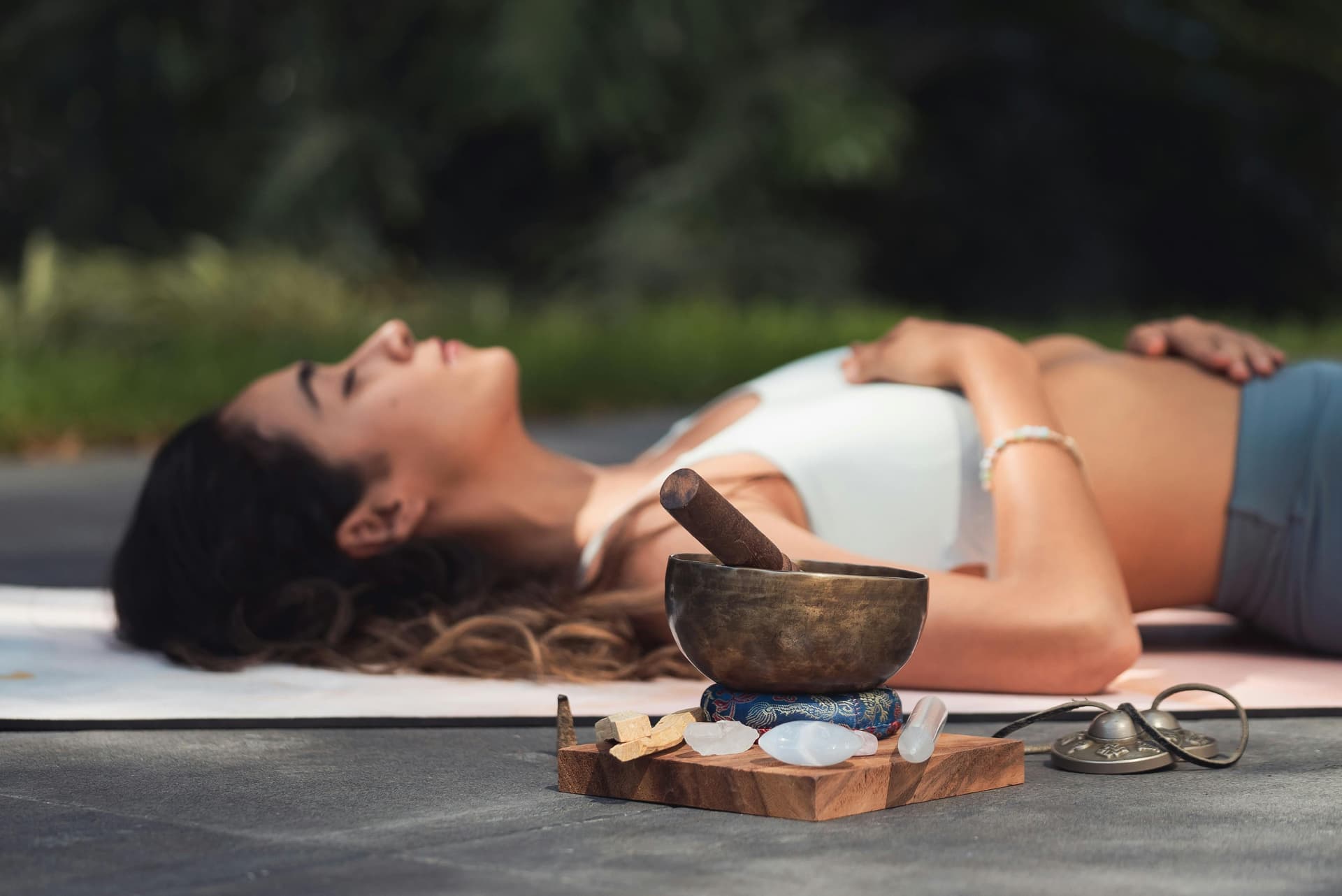
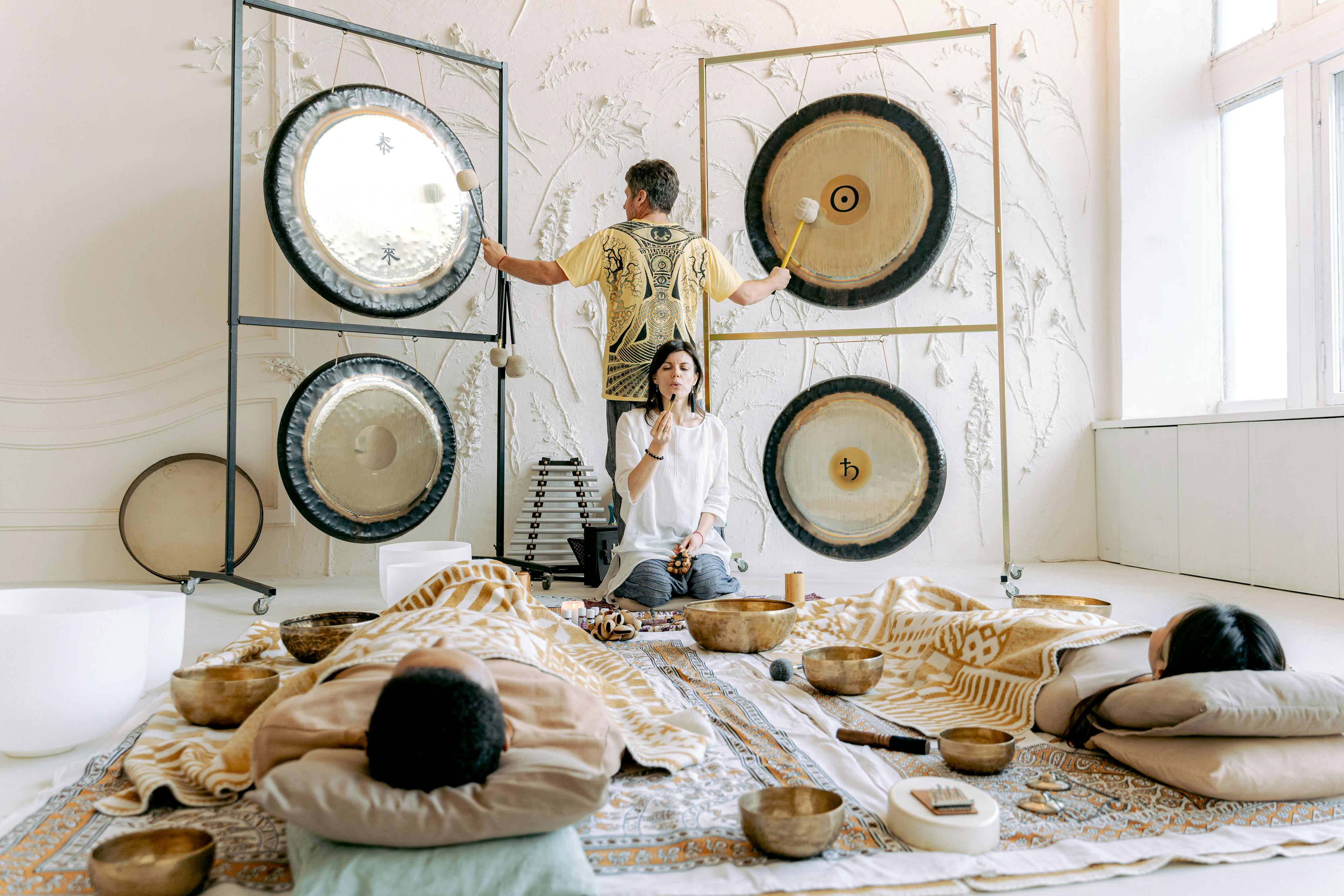
Sound healing is a session where you lie down, close your eyes and let the tones of gongs, singing bowls and other instruments wash over you for around an hour. There's no effort required — the practice is simply to relax and let the vibration do the work. Ubud is one of the best places in the world to try it, with daily sessions across several centres.
The best-known venue is Pyramids of Chi, just north of town, where Ancient Sound Healing sessions run inside a pyramid built to a 1:16 scale of the Great Pyramid of Giza. Sessions last about 90 minutes, are suitable for ages 12 and up, and can be bought as single tickets or money-saving multi-passes. The on-site café serves organic vegan food for afterwards.
The Yoga Barn also runs regular sound baths as part of its weekly schedule, often easier to combine with a yoga class on the same visit. Either way, these Ubud wellness sessions are among the most beginner-friendly experiences in town — you don't need any prior practice to feel the effect.
How to prepare for a sound healing session
- Hydrate well and eat only a light meal beforehand.
- Avoid caffeine and alcohol on the day of your session.
- Wear loose, comfortable clothing — and dress respectfully (no swimwear).
- Arrive early so you're settled before the opening gong.
- Afterwards, drink water, take it slow, and consider journaling to let the experience land.
Balinese healing and the Melukat ceremony
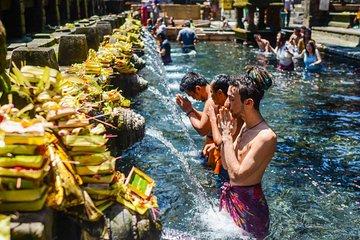
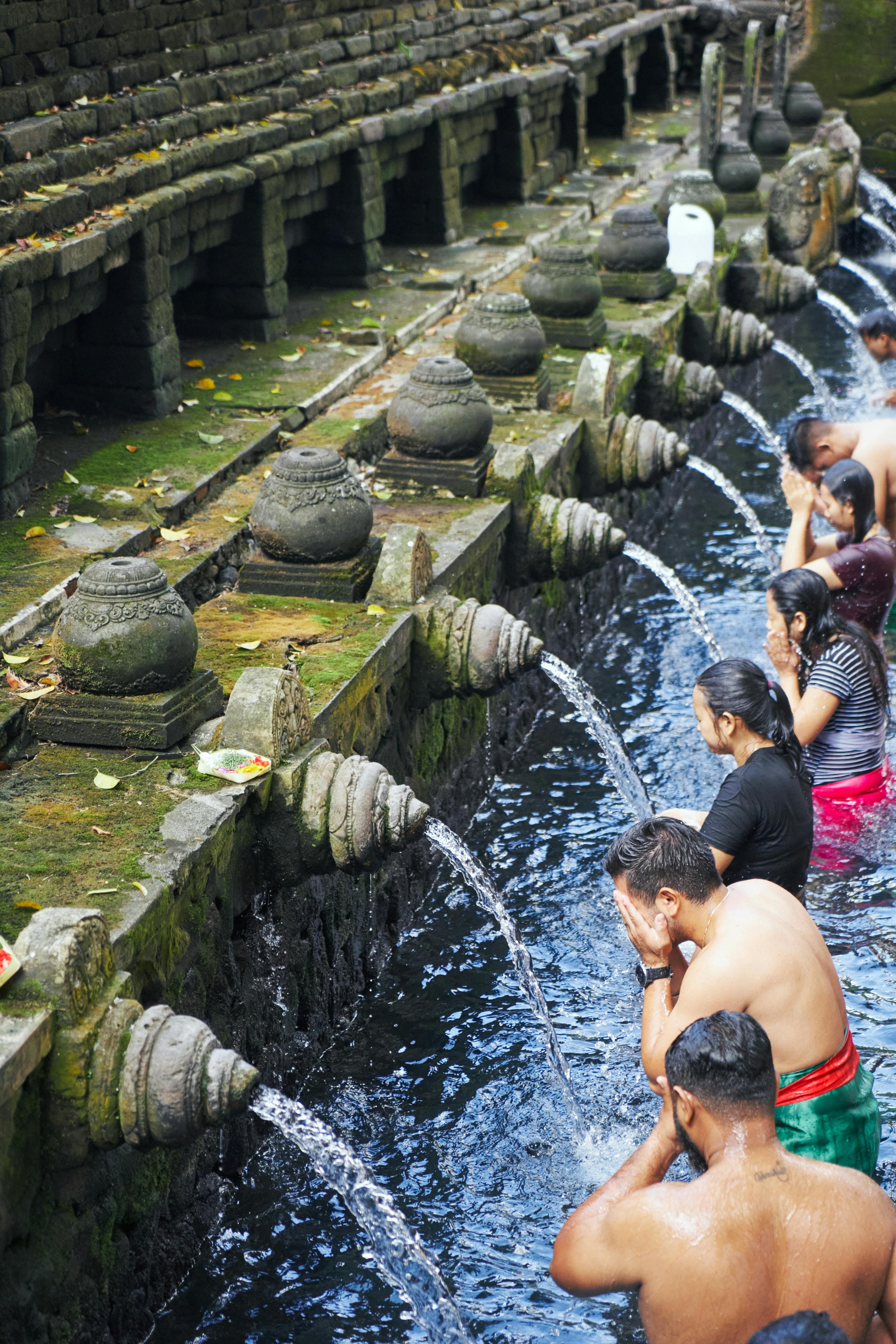
The most authentic strand of Ubud wellness is traditional Balinese healing, and its most accessible form for visitors is Melukat — a Balinese Hindu water purification ritual meant to cleanse body, mind and spirit of negative energy. You move through a sequence of carved spouts at a holy spring, letting the water flow over you, after an opening prayer and offering.
The best-known site for this is Tirta Empul Temple, a holy spring temple founded around 926 AD and still active today, about 15 km (roughly 30–40 minutes) north of Ubud. It's a working place of worship, not a show, so go with the intention to take part respectfully rather than to photograph.
Visiting Tirta Empul: the practical details
- Entrance fee (2026): IDR 75,000 (about USD 5) for adults, IDR 50,000 for children; under-fives free.
- Opening hours: roughly 7am to 5pm daily — go early to beat the crowds and the midday heat.
- What's provided: a sarong and sash to enter the temple, included with the entry fee; a separate ceremonial cloth for the bathing ritual is sometimes a small extra.
- Etiquette: follow the spout sequence in order, skip the spouts reserved for priests, and stay quiet in sacred areas. Menstruating women are asked not to enter the temple.
- Duration: allow 1–2 hours for the ceremony and a look around the grounds.
If you'd rather avoid the crowds, two quieter temples near Ubud also offer Melukat: Mengening Temple, a short drive from Tirta Empul with a calmer atmosphere, and Gunung Kawi Sebatu, a pretty garden temple with its own purification pools. Guided Melukat tours from Ubud, which bundle transport, a priest's blessing and the offerings, typically run from around USD 29 to USD 80 per person depending on how private the experience is.
Beyond Melukat, Ubud is also home to traditional healers known as balian, who work with energy, massage and herbal medicine. Genuine balian work within their own community and ceremony, so the respectful route is through a trusted local guide or your accommodation rather than treating a healer as a tourist attraction.
Which Ubud wellness experience suits you, and how to plan
The right choice depends on how much time you have and what you're after — gentle relaxation, a physical practice, or a deeper spiritual reset. Use the table below to match the format to your trip, then build around it.
| Experience | Typical duration | Price (IDR / USD, 2026) | Best for |
|---|---|---|---|
| Drop-in yoga class | 60–90 min | ~IDR 165,000 / ~USD 10 | Sightseers wanting a quick practice |
| Guided meditation / sound bath | 60–90 min | ~IDR 150,000–300,000 / ~USD 9–19 | First-timers and the time-poor |
| Melukat ceremony (Tirta Empul) | 1–2 hrs | IDR 75,000 entry / from ~USD 29 guided | Cultural and spiritual seekers |
| Spa ritual / Balinese massage | 60–120 min | ~IDR 250,000–600,000 / ~USD 16–38 | Pure relaxation and pampering |
| Silent meditation retreat | 3 days | From ~USD 200–400 | Experienced or determined practitioners |
| Residential wellness retreat | 3–10 days | From a few hundred to several thousand USD | A full structured reset |
If/then: matching the trip to you
- If you have one afternoon, do a drop-in yoga class or a sound bath.
- If you have a day, pair a morning Melukat ceremony at Tirta Empul with an afternoon class or spa ritual.
- If you have three to five days, mix daily yoga, one sound healing session and a Melukat ceremony — enough for a real reset without locking into a residential package.
- If you have a week or more, a residential retreat outside town gives you structure, meals and treatments with nothing to organise.
How many days, and where to base yourself
Three to five days is the sweet spot for a wellness-focused Ubud stay — long enough to feel a shift, short enough to keep within a wider Bali trip. Stay in or near central Ubud if you want to walk to studios and the market; pick Penestanan or the Ayung River fringe if you want quiet and views and don't mind a short scooter or taxi ride to class.
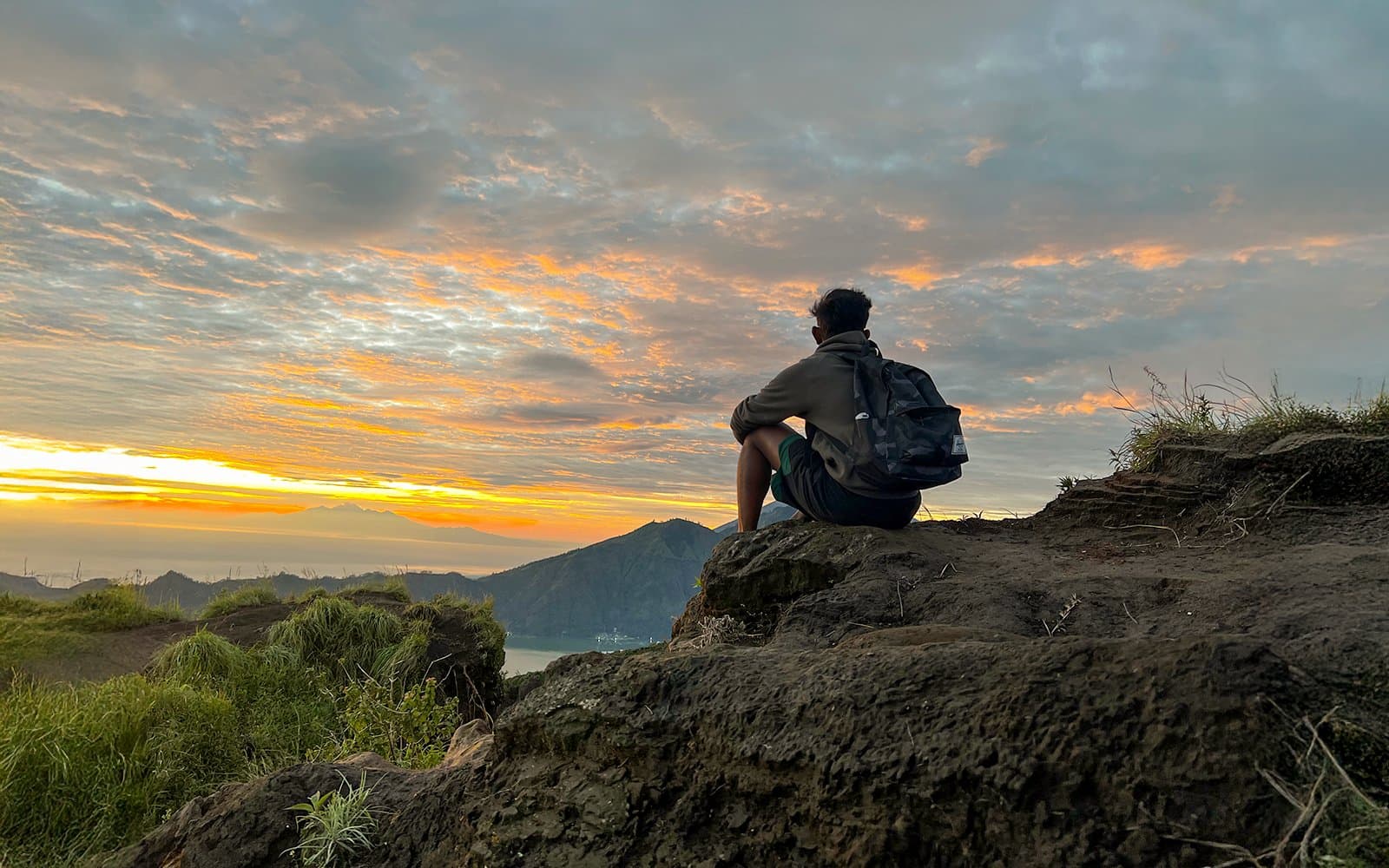
Leave room to do more than practise. A dawn walk along the Campuhan Ridge is free and clears the head, and the central Monkey Forest Sanctuary and Ubud's craft markets sit minutes from most studios. When you want to fold wellness into a fuller island itinerary, our top 20 Bali experiences show how the spiritual side of Ubud fits alongside the beaches, temples and rice terraces elsewhere on the island. Every experience on Travjoy is researched and reviewed by local experts, so you can book with confidence rather than second-guessing each option.
Plan your Ubud wellness trip
Ubud earns its reputation as Bali's spiritual hub by making real practice accessible at every level. You can drop into a yoga class for the price of a nice lunch, lie down for a sound bath with no experience at all, take part in a centuries-old purification ritual at Tirta Empul, or commit to a multi-day retreat — and most of it is walkable from a single base in town.
The simplest plan is to pick one anchor experience, build a couple of lighter sessions around it, and leave space to walk the rice fields and ridges between practices. Start planning your Ubud wellness trip on Travjoy's Bali pages, where every experience is researched and approved by local experts so you can spend less time comparing options and more time switching off.







.svg&w=1920&q=75)