



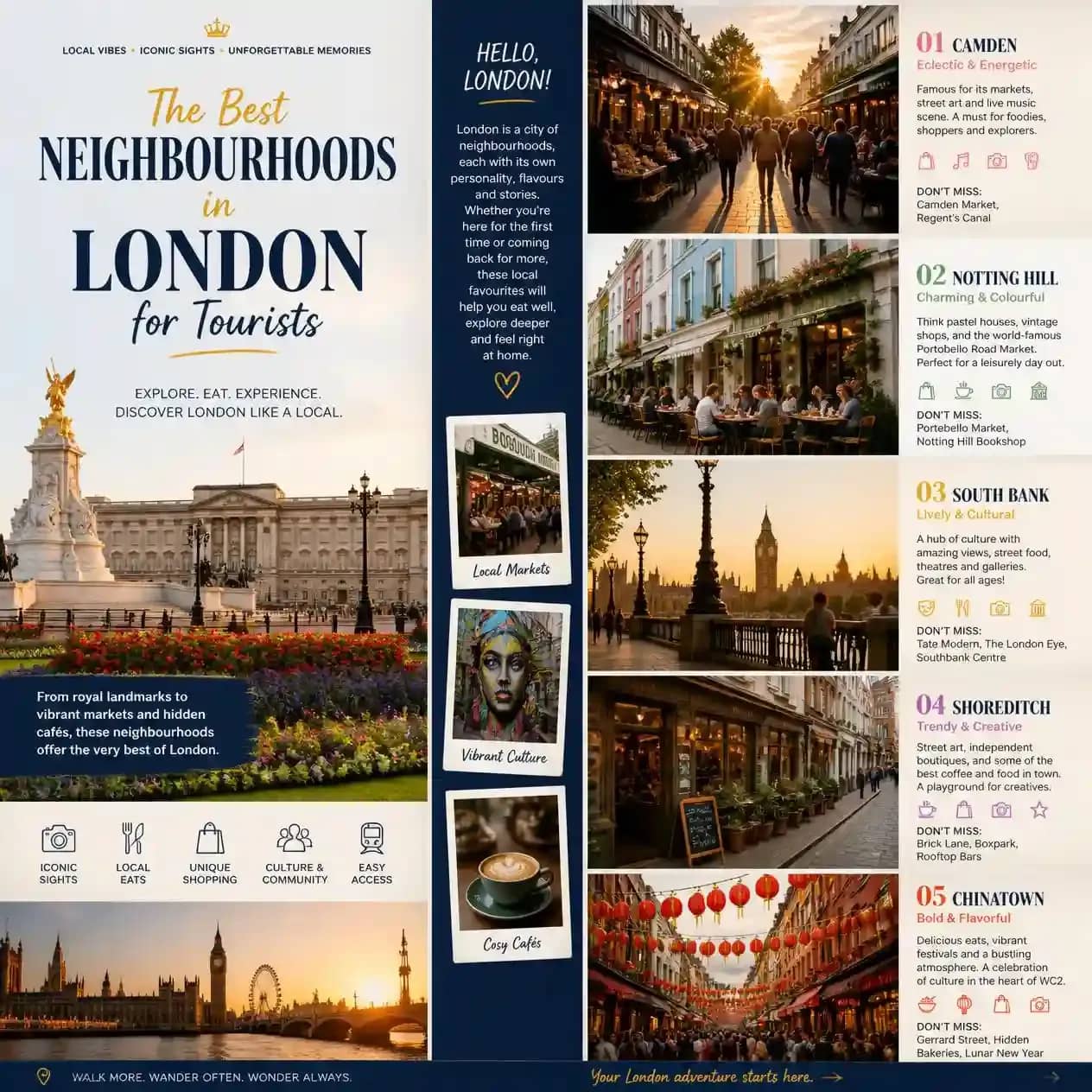
The Best Neighbourhoods in London for Tourists: A Complete Guide to Each Area's Character and What's on Your Doorstep
8 min read
Key Highlights
- Central London is compact, but your base still shapes the trip — most areas of interest sit north of the Thames within Zones 1 and 2, a short Tube ride apart.
- The core roster for most visitors is the West End and Covent Garden, Mayfair and Westminster, South Kensington, the City and South Bank — each with a distinct pace and a different set of sights on its doorstep.
- Match the area to your trip, not the other way round: theatre and dining point to the West End; landmarks to Westminster; museums to South Kensington; local character to Shoreditch, Camden or Greenwich.
- Rotate rather than exhaust — pick two or three areas across a trip and see each properly, and London stops feeling overwhelming.
- Arrival logistics matter: Paddington suits Heathrow, Victoria suits Gatwick, and King's Cross St Pancras suits the Eurostar and the north.
The best neighbourhoods in London for tourists are the central areas that put the sights you actually came for within walking distance or a short Tube ride: the West End and Covent Garden for theatre and dining, Mayfair and Westminster for grand landmarks, South Kensington for museums, and the City and South Bank for history and the river. Choose your base by what you plan to do each day rather than by which name sounds most central, and London becomes a far easier city to move through.

London is not one city but a patchwork of districts, each with its own rhythm. The mistake most visitors make is booking whatever reads as "central" and then spending half the trip on the Tube reaching everything they wanted to see. The city rewards a little planning here more than most.
The good news is that the map is friendlier than it looks. Almost everything a visitor comes for sits north or just south of the river within Zones 1 and 2, and the areas worth basing in are a handful. Once you know the character of each — the calm ones, the loud ones, the ones that empty out after dark — the choice becomes obvious.
This guide walks through the areas by what they feel like and what sits on their doorstep, so you can pick the base that fits your trip. Every attraction, market and table mentioned links to its Travjoy page, where the experiences have been researched and approved by local experts, so you can see exactly what each area puts within reach before you commit.
How to Choose Your London Neighbourhood
Choose your London base by answering three questions before you compare hotels: how long you are staying, what you most want to do, and who you are travelling with. A short first trip built around the headline sights wants a central West End or Westminster base; a longer or repeat trip can trade a little convenience for the character of an area like Shoreditch or Greenwich. The area sets the tone of the whole trip, so it is worth getting right.
The three questions that decide it
- Trip length: Two or three nights? Stay dead central so walking replaces the Tube. A week or more? A slightly quieter, better-value area a few stops out pays off.
- Trip style: Theatre, shopping and dining point to the West End; landmarks and royal London to Westminster; museums and garden squares to South Kensington; nightlife and independent scenes to Soho, Shoreditch or Camden.
- Who's with you: Couples lean to Mayfair, Notting Hill or the South Bank; families to South Kensington or Greenwich for space and museums; a solo or repeat visitor to Bloomsbury or the East End for local life.
Rotate, don't exhaust
London is too layered to see from a single base in one go. The travellers who enjoy it most pick two or three areas per trip, do each one properly, and leave the rest for next time. A repeat visit is not a fallback here — it is how the city is meant to be seen, which is why choosing an area you will want to walk around in the evening matters as much as proximity to the sights.
Where you arrive shapes the first night
- Heathrow: the Elizabeth Line and Heathrow Express both run into Paddington and across the centre, so a base near Bond Street, Tottenham Court Road or Farringdon keeps the transfer short.
- Gatwick: the Gatwick Express runs to Victoria, convenient for Westminster and Belgravia.
- Eurostar or the north: you arrive at King's Cross St Pancras, on the doorstep of King's Cross and a short hop from Bloomsbury and Camden.
At a glance: London's areas compared
The table below sets the central areas side by side — their character, who each suits best, the headline sights on the doorstep, and an indicative nightly rate for a comfortable four-star-plus room in 2026. Treat the rates as directional benchmarks to sense-check against live prices for your dates, not fixed quotes.
| Area | Character | Best for | On your doorstep | Indicative night (2026) |
|---|---|---|---|---|
| West End & Covent Garden | Busy, walkable, theatrical | Theatre, dining, short trips | Covent Garden, Soho | £300–600 ($400–800) |
| Mayfair & St James's | Polished, quiet, grand | The elevated address, shopping | Bond Street, Fortnum & Mason | £450–900+ ($600–1,200+) |
| Westminster & Belgravia | Stately, calm after dark | Landmarks, royal London | Buckingham Palace, St James's Park | £300–600 ($400–800) |
| South Kensington & Chelsea | Elegant, residential, leafy | Museums, families, garden calm | Natural History Museum, Harrods | £280–550 ($375–740) |
| The City & South Bank | Historic, riverside, quiet weekends | History, galleries, food markets | Tower of London, Borough Market | £220–450 ($295–600) |
| Shoreditch, Camden & Greenwich | Independent, local, characterful | Repeat visits, nightlife, markets | Shoreditch, Camden Market | £150–380 ($200–510) |
The West End and Covent Garden: London's Front-Row Base
The West End and Covent Garden are the easiest answer for a first trip and one of the best neighbourhoods in London for tourists who want to walk more than they ride. From here you can reach the theatres, Trafalgar Square, the National Gallery and half the restaurants you have bookmarked on foot. The trade-off is crowds and price — this is the busiest, most touristed slice of the centre — but the convenience is hard to beat on a short stay.
Covent Garden and the theatre district
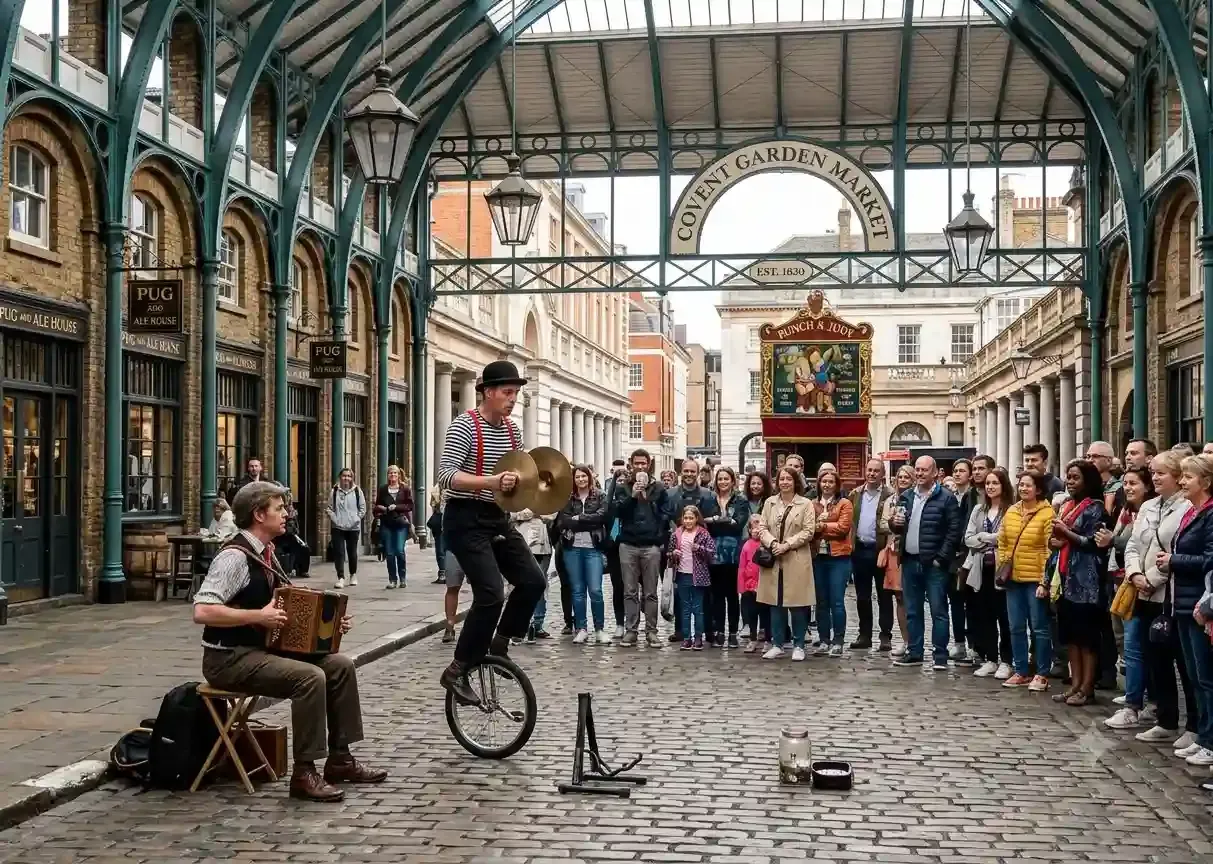
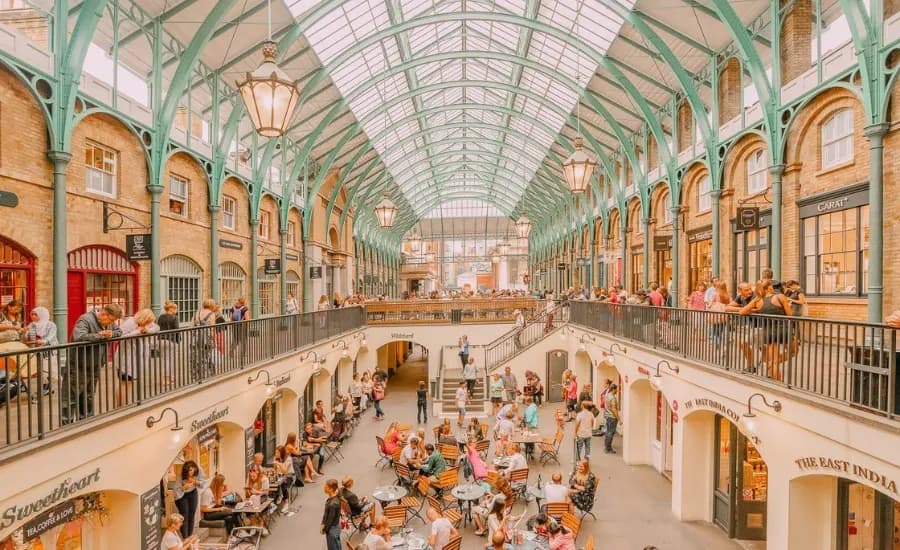
Covent Garden is the pedestrianised heart of it: the neo-classical piazza, the covered market, street performers and a dense ring of theatres within a few minutes' walk. If your London runs on matinees and dinner reservations, being able to stroll back after a show rather than queue for a cab is the whole point of staying here. The National Gallery and Trafalgar Square sit at the western edge, free to enter and open late one evening a week.
Soho for the evening crowd
Soho is the city's liveliest evening quarter — restaurants, bars, independent record shops and the heart of London's LGBTQ+ scene around Old Compton Street. It is central, fun and very walkable, but it stays loud late, so it suits people who want to be out in it rather than sleeping early. For the same central position with more quiet, look a little north to Fitzrovia or east into Bloomsbury, whose leafy garden squares stay residential and calm while keeping the West End a ten-minute walk away.
Stay in the West End if…
- It is a short trip and you want to walk to theatres, dining and the main sights.
- Evenings out matter more to you than an early, quiet night.
- You would rather pay for the postcode than lose time on the Tube.
Mayfair, St James's and Westminster: The Grand Central Address
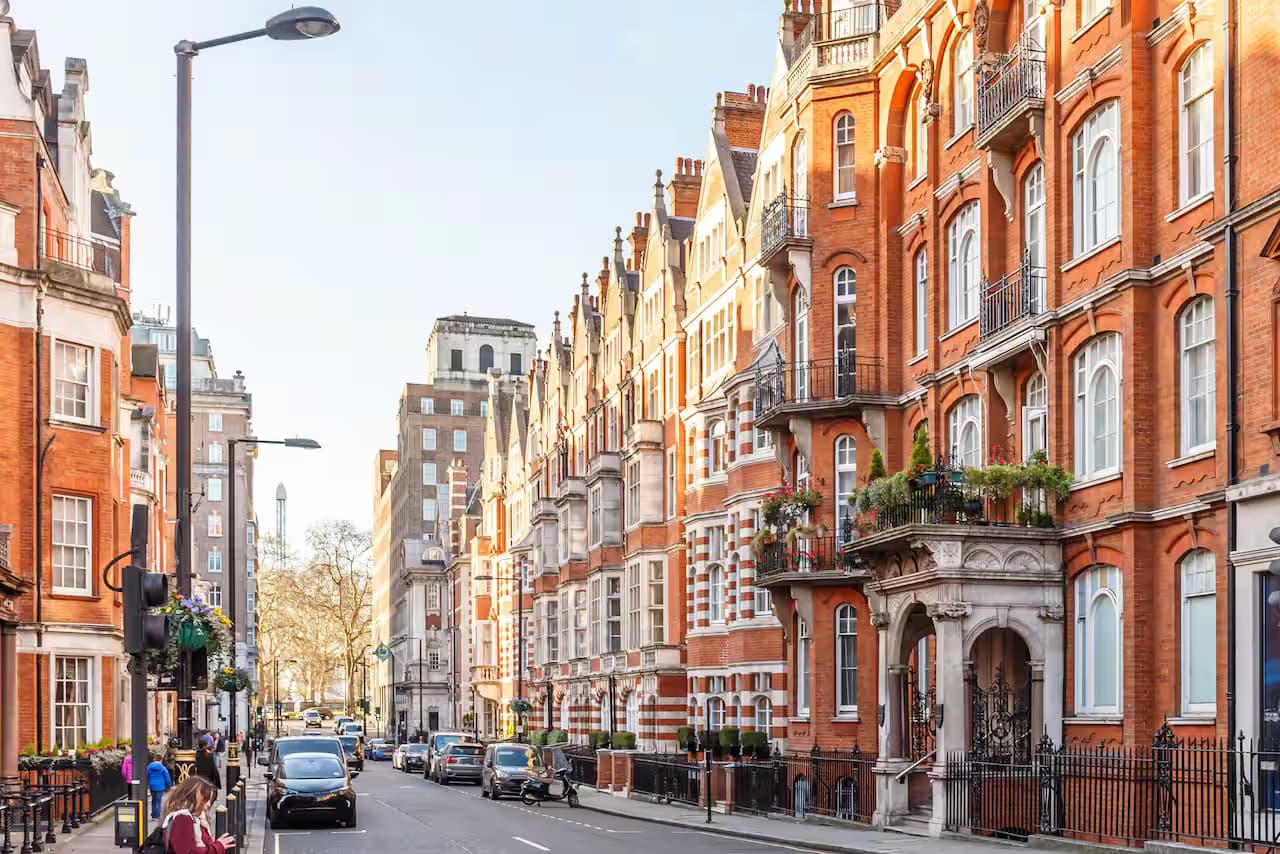
Mayfair, St James's and Westminster are where London keeps its grandest hotels and its headline landmarks, making this stretch the natural base for a traveller who wants the elevated address and royal London on the doorstep. Mayfair and St James's are polished and quiet; Westminster is stately and landmark-dense but empties out after office hours. Together they cover the classic picture-postcard version of the city.
Mayfair and St James's: the elevated option
Mayfair is London's traditional luxury district — designer flagships, private members' clubs, and some of the city's most sought-after rooms — while neighbouring St James's carries the same calm, moneyed air with fewer crowds. Shopping runs from the tailors of Savile Row to the windows of Bond Street, and afternoon tea at Fortnum & Mason is an institution rather than a novelty. Green Park and St James's Park bracket the area, so you are never far from grass and quiet.
Westminster and Belgravia: the landmark core
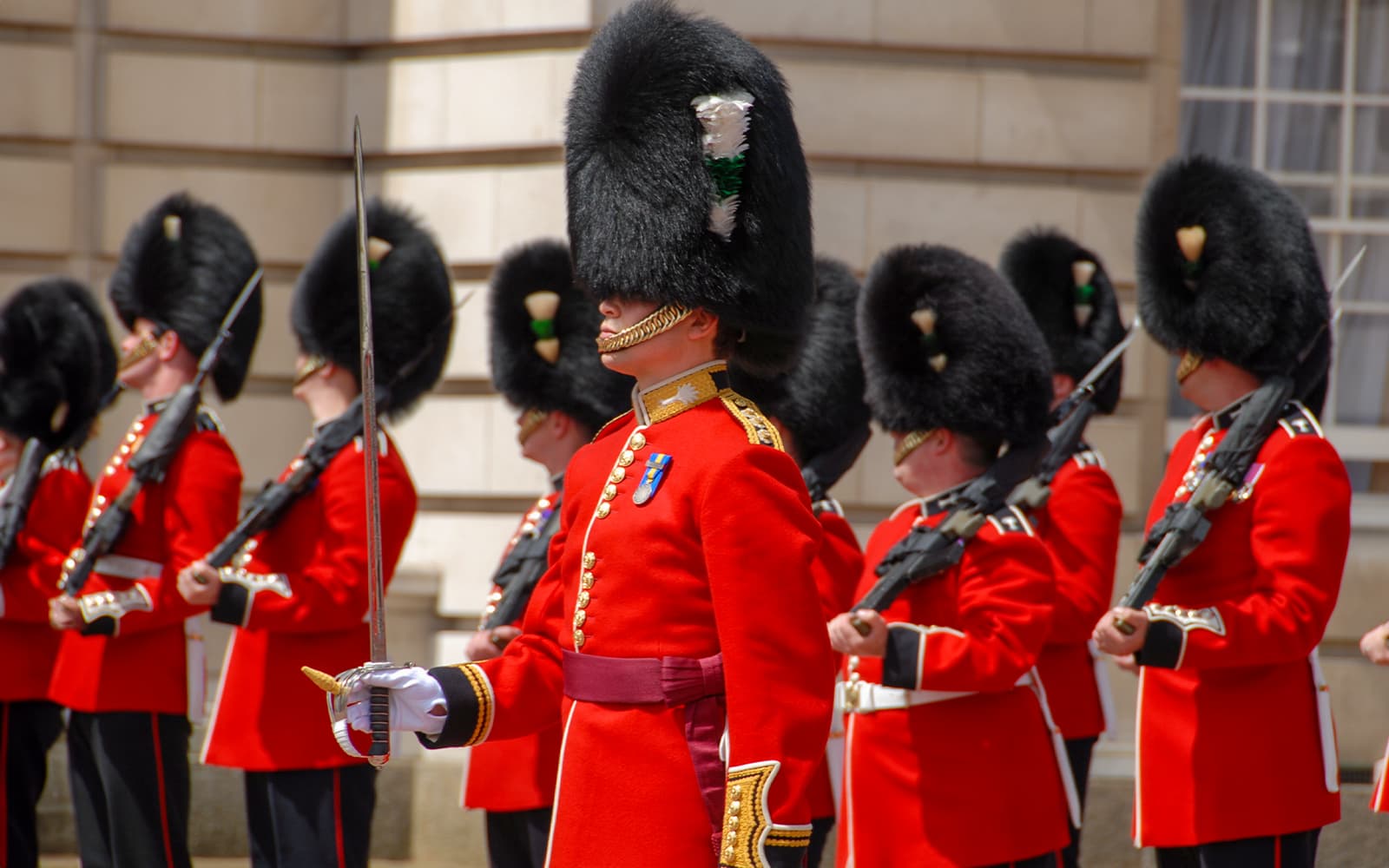
Westminster puts the biggest sights within a short walk of each other — Buckingham Palace, Big Ben, the Houses of Parliament and Westminster Abbey, a coronation church since 1066 that rewards more time than most people give it. The honest caveat: this is largely a working and governmental district, so the streets go quiet in the evening and dining is thinner than in the West End. St James's Park, free and often walked straight through, is the area's overlooked pleasure — the view from the bridge across the lake to the palace is among the best in the city. Belgravia, just west, offers the calm and elegance without the daytime crowds.



South Kensington, Chelsea and Notting Hill: Museums, Garden Squares and Village Calm
South Kensington, Chelsea and Notting Hill make up London's elegant west — residential, leafy and one of the best areas to stay in London for museums, families and a quieter evening. South Kensington puts three of the city's great museums within three minutes of each other, Chelsea adds garden squares and the King's Road, and Notting Hill brings a village feel and a famous market. You trade a little late-night energy for calm and space.
South Kensington: the museum quarter
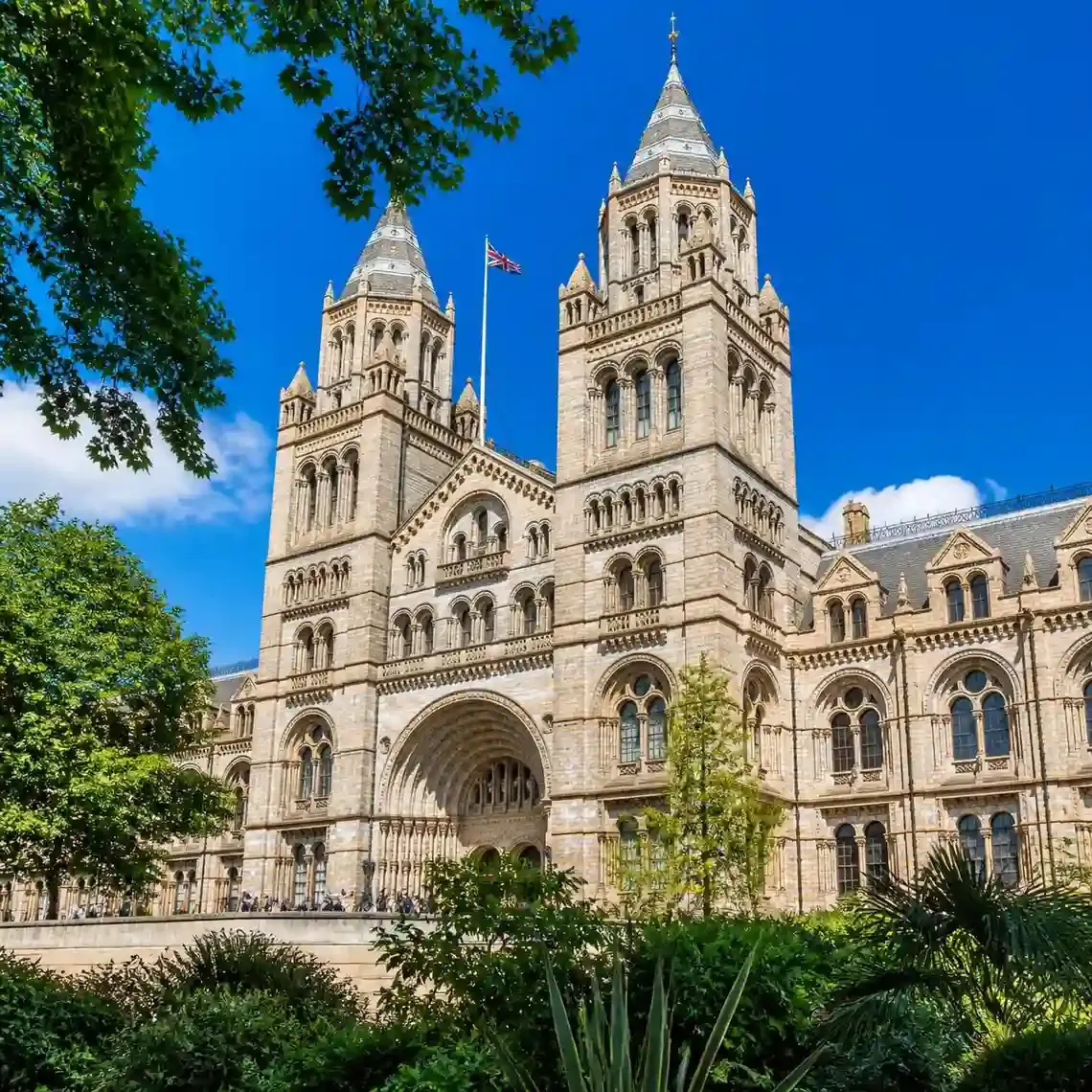
Exhibition Road is unusual — the Natural History Museum, the Victoria and Albert Museum and the Science Museum stand within a short walk of one another, and all three are free to enter. You cannot do them justice in a day, so pick one, go properly, and save the others for the next trip. Because the museums themselves cost nothing, this is one of London's better-value areas for a full day out, even though the restaurants around them are not cheap. The Royal Albert Hall and Kensington Gardens are minutes away.
Chelsea and Notting Hill: garden-square London
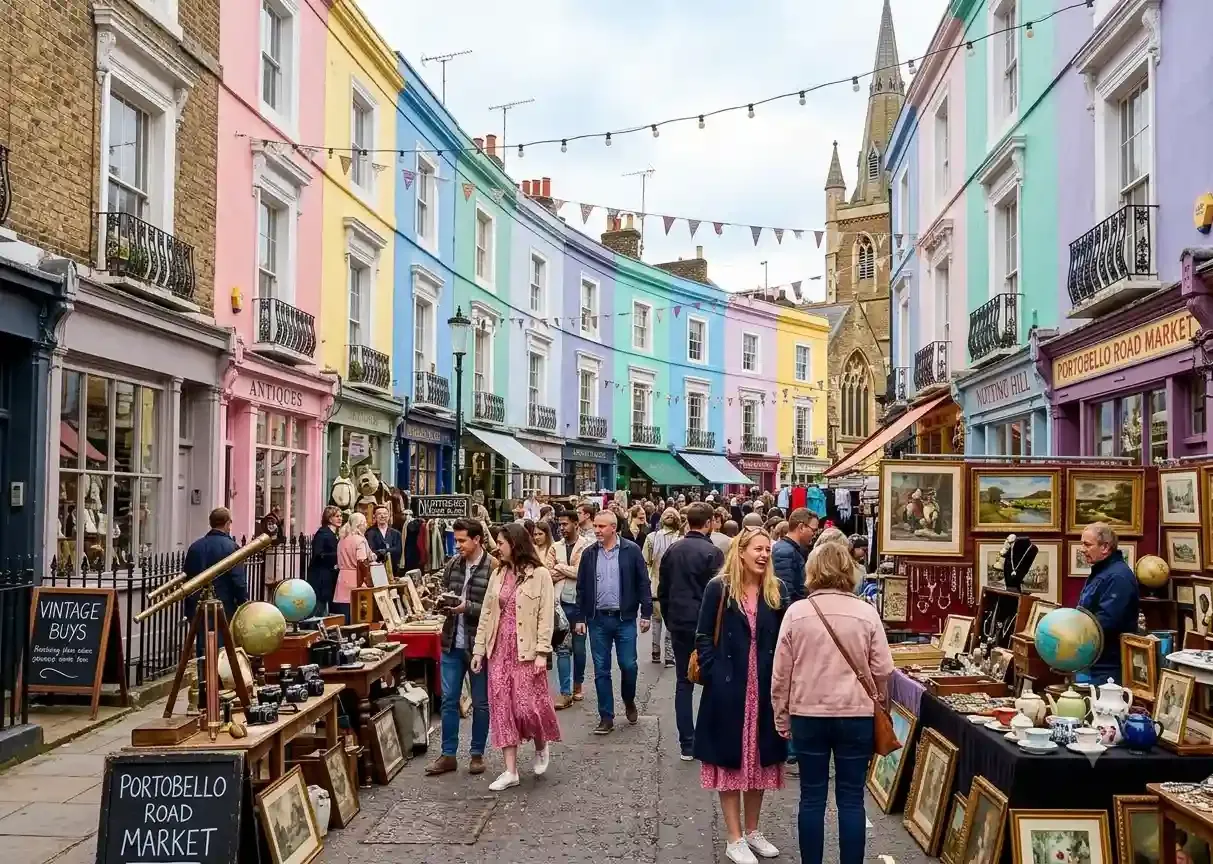
Chelsea is polished and residential, with the boutiques of the King's Road and easy reach of Harrods in neighbouring Knightsbridge. Notting Hill, a little further west, trades grandeur for a village feel: pastel terraces, garden squares and the antiques stalls of Portobello Road Market, busiest and best on a Saturday morning. Both suit couples and families who want to come home to somewhere calm after a day among the sights.
The City and South Bank: Historic Core Meets Riverside Culture
The City and the South Bank face each other across the Thames and together cover London's oldest and most cultural stretch — the ancient core on the north bank, the galleries and food markets on the south. This is a strong base for history and the river, with the useful quirk that the City empties at weekends, making Saturday and Sunday the calmest, most walkable time to be there.
The City: London's Square Mile
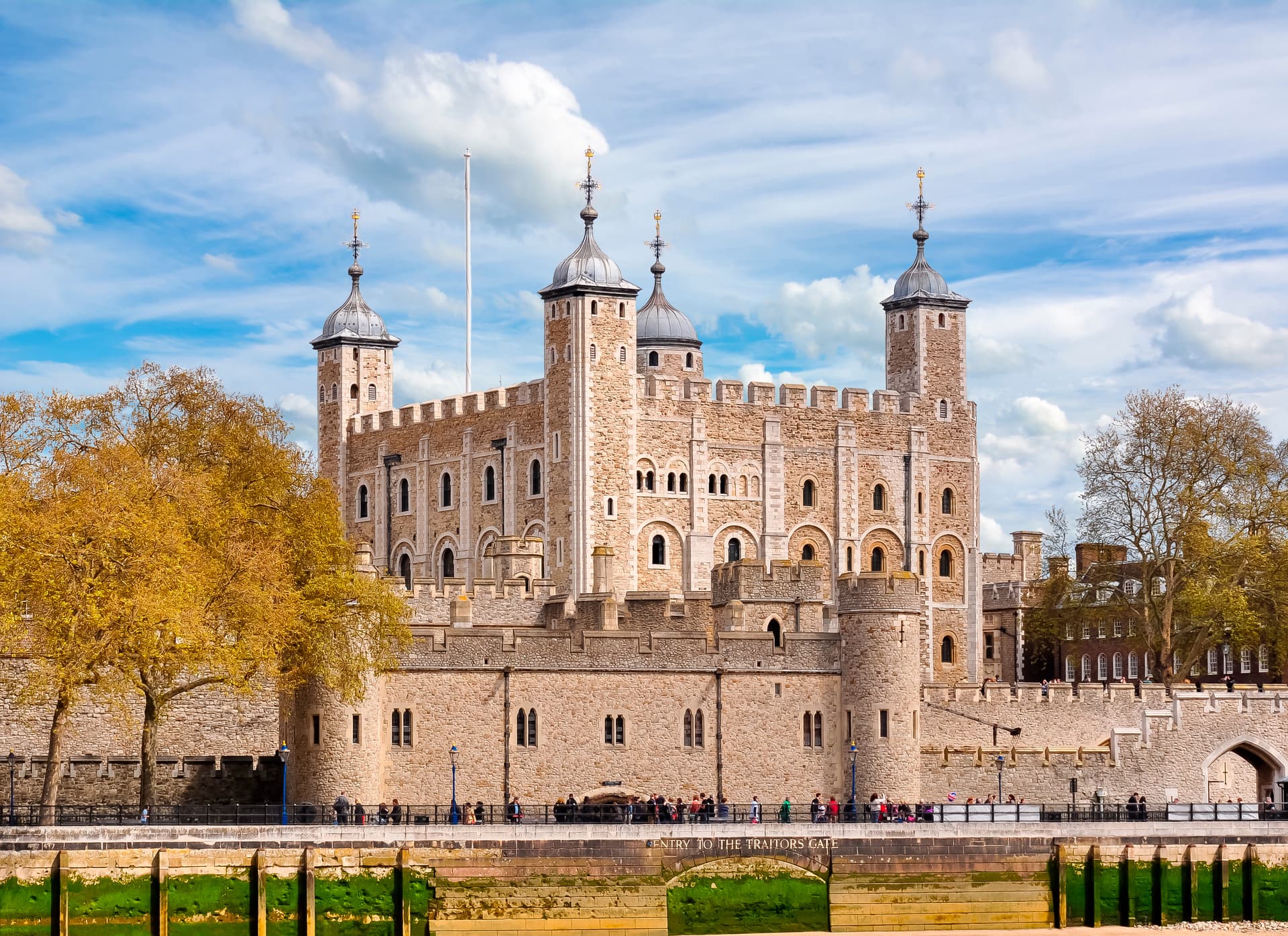
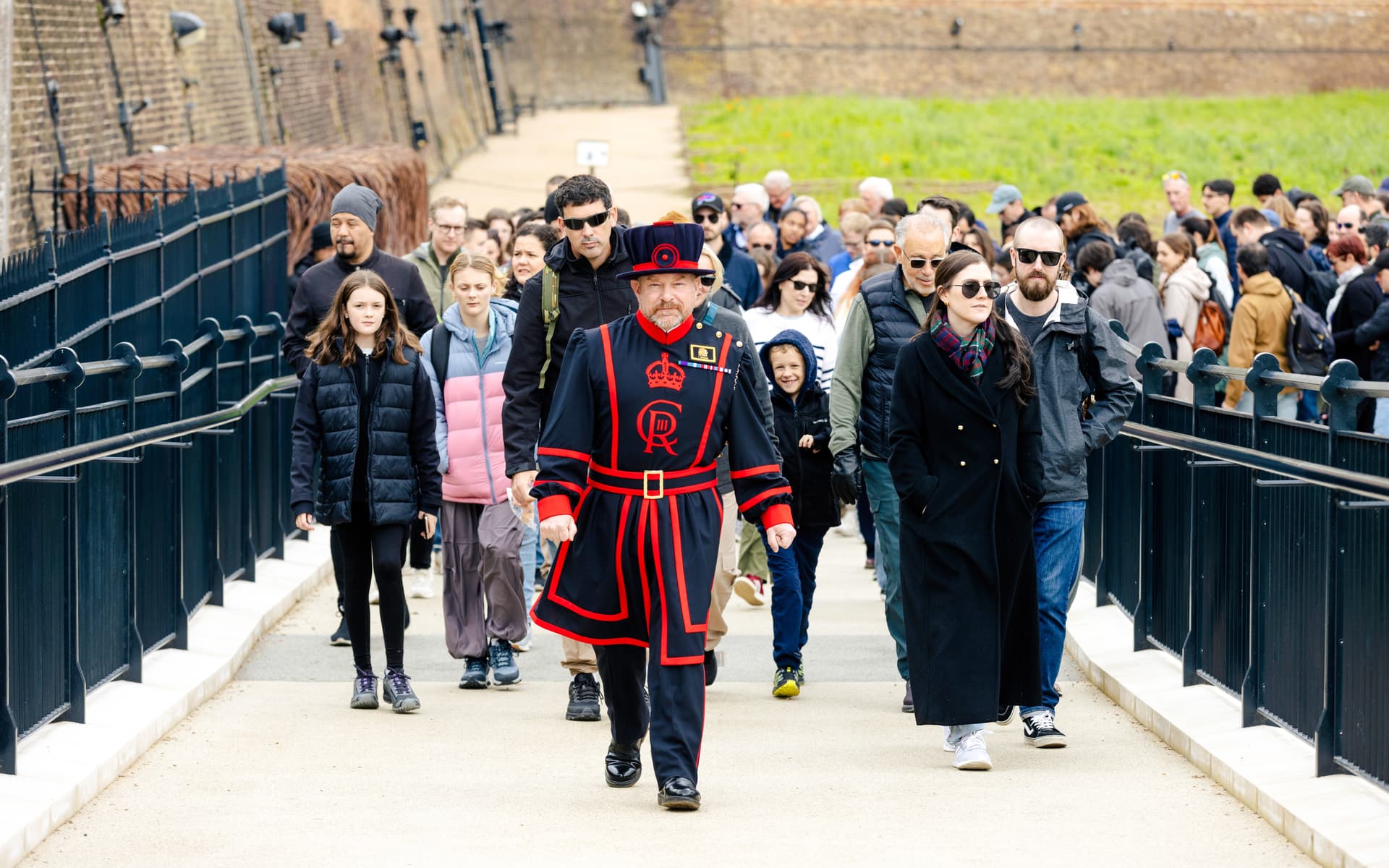
The City is where the Romans founded Londinium, and the layers are still visible — the Tower of London and Tower Bridge at its eastern edge, St Paul's Cathedral rising over the middle, and the Victorian ironwork of Leadenhall Market tucked among the towers. On weekdays it hums with office workers and quietens sharply at night; on weekends it is one of the more peaceful central areas to wander, which is worth knowing when you plan your days.
South Bank: the river's cultural strip
Across the water, the South Bank is a walkable run of culture: Tate Modern in the old power station, Shakespeare's Globe beside it, the London Eye further west, and the view from The Shard above it all. For eating, Borough Market is the standout — one of the country's best food markets, ideal for a long, grazing lunch. The riverside path stays lively into the evening yet the side streets behind it stay quiet, a balance families and couples both appreciate.
London's Characterful Alternatives: Shoreditch, Camden and Greenwich
For a repeat visitor or anyone who wants local life over landmarks, Shoreditch, Camden and Greenwich are among the best neighbourhoods in London for tourists ready to trade a few Tube stops for character. These areas sit outside the tourist core, so expect fewer hotels and more apartment rentals, and a short ride to the headline sights — but the pay-off is a version of London that feels lived-in rather than staged.
Shoreditch and the East End
East of the City, Shoreditch is London's creative edge — street art, independent design, and a nightlife that runs late. Around it, Old Spitalfields Market and Brick Lane Market carry the area's layered immigrant history, and Sunday brings the flower stalls of Columbia Road and the food and vintage of Broadway Market in nearby Hackney. It suits travellers who want the current city rather than the historic one.
Camden and King's Cross
North of the centre, Camden Market and Camden Town keep their music-and-markets heritage — canalside stalls, live venues and street food, with Regent's Park and Primrose Hill for green space and city views a short walk away. Neighbouring King's Cross has been rebuilt around Coal Drops Yard, a former rail depot now full of shops and restaurants, and its station puts the Eurostar and fast trains north on your doorstep.
Greenwich: maritime London with room to breathe
Southeast on the river, Greenwich is the calmest of the three and the best for families — Greenwich Park sloping up to the Royal Observatory, the National Maritime Museum, the covered Greenwich Market, and the climb Up at The O2 for anyone who wants the view earned rather than bought. The riverboat back into town is a sight in itself and turns the commute into part of the day.
Choosing Your Base and Booking It
The best neighbourhoods in London for tourists all share one thing: they put the version of the city you came for within easy reach. The short version: stay central for a first or short trip and pick the area by what you most want to do — the West End for theatre and dining, Westminster for landmarks, South Kensington for museums, the City and South Bank for history and the river. For a longer or repeat visit, trade a few Tube stops for the character of Shoreditch, Camden or Greenwich. And whatever you choose, plan to rotate between two or three areas rather than see one and stop.
Once you have settled on an area, the next step is matching it to the right hotel tier and the experiences on its doorstep — and every attraction, market and table above has been researched and approved by local experts on Travjoy, so you can book with confidence rather than guesswork. Start planning your trip and browse what each area puts within reach on the London city page, or see the city's headline experiences in our Top 20 for London.





.svg&w=1920&q=75)