




Is Bali Worth Visiting in 2026? An Honest Review
10 min read

Raj Varma
Author
Travel & Tourism Expert Ex-Thomas Cook, Kuoni, Times of India & Travel Triangle.
SHARE BLOG
TABLE OF CONTENTS
Key Takeaways
- Bali remains one of Southeast Asia's most rewarding destinations in 2026, but the experience depends heavily on where you stay and when you go.
- TripAdvisor ranked Bali the #1 destination worldwide for 2026, and tourism infrastructure has improved — but so have crowds and costs in the popular south.
- Emerging areas like Sidemen, Amed, and Penglipuran offer the quieter, culture-rich Bali that repeat visitors say the south coast has lost.
- Budget for IDR 150,000 (~USD 10) per person for the mandatory tourist levy, plus roughly USD 50–250 per day depending on your travel style.
- Bali is worth visiting if you plan with intention — choose the right region, travel in shoulder season, and book key experiences in advance.
Is Bali worth visiting in 2026? Yes, for most travellers — provided you plan around the overtourism hotspots and travel with realistic expectations. The island offers an unmatched mix of temple culture, volcanic landscapes, world-class dining, and accommodation at every price point. The key is choosing the right region and season: south Bali is busier and pricier than ever, while central and east Bali still deliver the quieter, culturally immersive experience most first-timers imagine.
Scroll through any travel forum and you'll find two versions of Bali. In one, it's terraced rice paddies, temple smoke, and open-air dinners overlooking jungle valleys. In the other, it's bumper-to-bumper scooters in Canggu, plastic washing up on Kuta Beach, and Instagram queues at every waterfall. Both versions are real. The question isn't whether Bali is beautiful — it is — but whether the island still delivers enough to justify the flight, the planning, and the expectations that come with one of the most hyped destinations on earth.
This review breaks down exactly what Bali looks like in 2026: what has changed, what still works, what might disappoint you, and how to plan a trip that's actually worth your time and money. No vague superlatives, no sponsored hotel lists — just a practical framework for deciding whether Bali belongs on your itinerary this year.
What Has Actually Changed in Bali for 2026
Bali in 2026 is not the same island it was five years ago. Tourism has fully rebounded from the pandemic-era slowdown, infrastructure has caught up in some areas, and the government has introduced new rules that affect every visitor. If you're returning after a gap or visiting for the first time, these are the practical changes you need to know.
Tourism Is Back — and Then Some
Post-pandemic recovery hit Bali fast. International arrivals have surged past pre-2020 levels, and the island's tourism infrastructure has expanded to match — more restaurants, better English signage outside tourist zones, faster logistics for tours and transfers. TripAdvisor named Bali the #1 destination worldwide in its Best of the Best awards for 2026, analysing millions of reviews to reach that ranking.
The flip side: Ubud is packed by mid-morning, Canggu traffic has its own personality, and Seminyak at sunset feels more like a queue than a neighbourhood. If you visited Bali before 2020 and thought it was busy, 2026 will require recalibrating your expectations for the south and central zones.
The Tourist Levy — What It Costs and How to Pay
Every international visitor to Bali now pays a mandatory tourist levy of IDR 150,000 (~USD 10 / ~INR 850) per person, per trip. This applies to all ages, including infants — there's no family discount or age threshold. The levy has been active since February 2024, but enforcement tightened noticeably in 2026, with tourism police conducting spot checks at popular attractions like Uluwatu and Tanah Lot.
- How to pay: Through the official Love Bali portal (lovebali.baliprov.go.id) before departure — or at the payment kiosk at Ngurah Rai Airport on arrival
- Scam warning: Several unofficial websites charge triple the real rate by mimicking the government portal. Only use the official Love Bali site
- Compliance rate: Only around 35% of eligible visitors have been paying, which is why enforcement has increased — expect random checks at temples and resort areas
- Proposed increase: A jump to IDR 300,000 has been discussed at government level but is not confirmed for 2026
Stricter Cultural Rules and Enforcement
Bali is done tolerating disrespectful tourist behaviour. Temples now enforce stricter dress codes, sacred sites have better protection, and public conduct that previously drew a warning now leads to fines or deportation. This is a positive shift for travellers who want to experience Balinese culture respectfully — and a non-issue if you behave like a considerate guest.
In practical terms: cover your shoulders and knees at temples, never climb sacred structures for photos, and follow the instructions of local guides. The cultural expectations haven't changed — the enforcement has.
The Slow-Travel Shift — Emerging Destinations
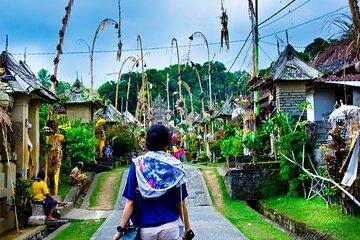
The most interesting change in 2026 is where travellers are heading. Visitors are choosing quieter, culturally rich, nature-focused destinations beyond the usual south-Bali circuit. Amed, a peaceful coastal village in east Bali, draws divers and budget travellers with black-sand beaches and sunrise views. Sidemen Valley offers rice terraces and volcano views without the Ubud crowds. Penglipuran Village — one of the cleanest in Indonesia — gives a window into traditional Balinese community life that's hard to find in the tourist belt.
This slow-travel trend means first-timers have a genuine choice: spend a few days in the popular south for convenience and nightlife, then head east or north for the Bali that repeat visitors keep coming back for.
The Honest Case for Visiting Bali
Bali is worth visiting for reasons that go well beyond beach selfies. The island packs an unusual density of natural and cultural experiences into a compact geography — volcanoes, rice terraces, temple ceremonies, and world-class food within an hour's drive of each other. Here's what still makes it exceptional.
Landscapes That Justify the Flight
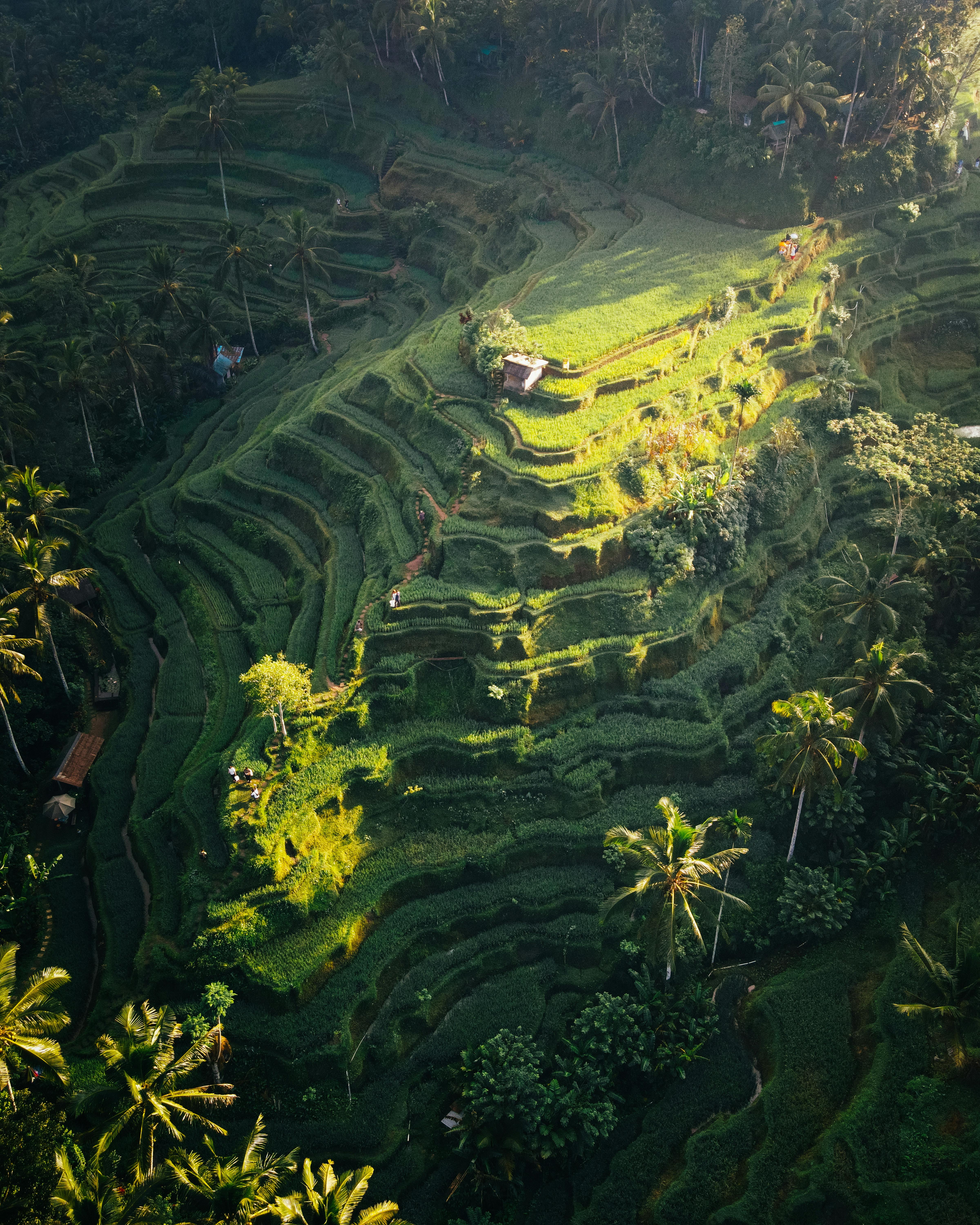
Bali's natural range is hard to match anywhere in Southeast Asia. The Tegallalang Rice Terrace north of Ubud remains one of the island's most iconic sights — stepped paddies carved into a river valley, still maintained using the traditional Subak irrigation system (a UNESCO-recognised cultural landscape). Mount Batur offers a pre-dawn trek to catch sunrise above the cloud line, with views across Lake Batur and the volcanic caldera.
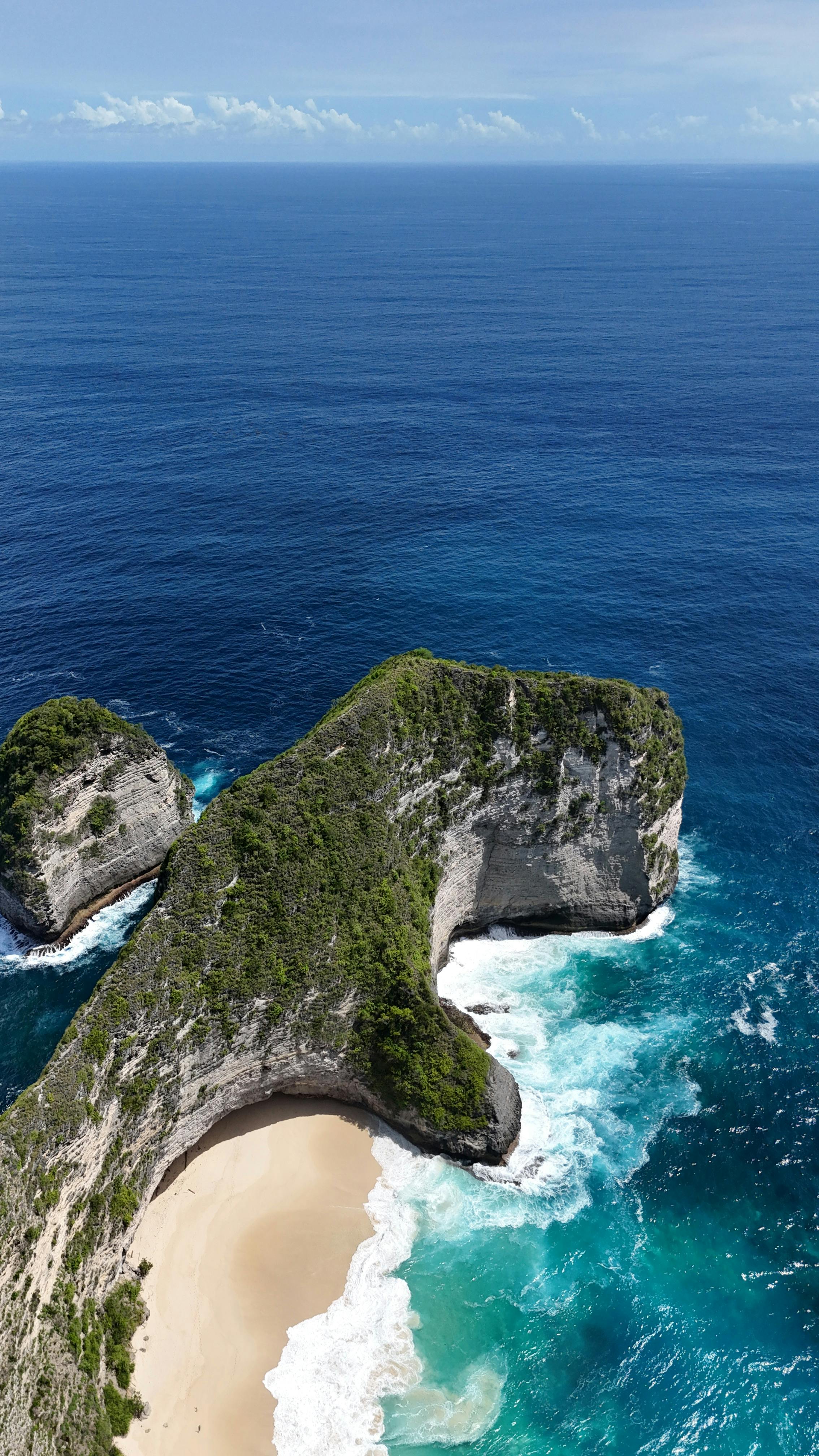
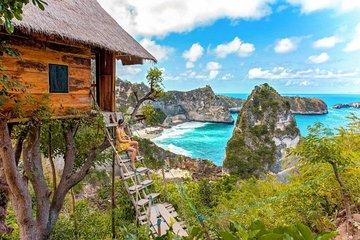
Off the main island, Nusa Penida delivers the dramatic coastal scenery — Kelingking Beach and its T-Rex-shaped headland, turquoise water against limestone cliffs, and manta ray snorkelling that ranks among the best in Indonesia. North Bali's waterfalls — Sekumpul, Banyumala, Gitgit — cut through dense jungle with far fewer visitors than the south.
Culture You Cannot Replicate Elsewhere
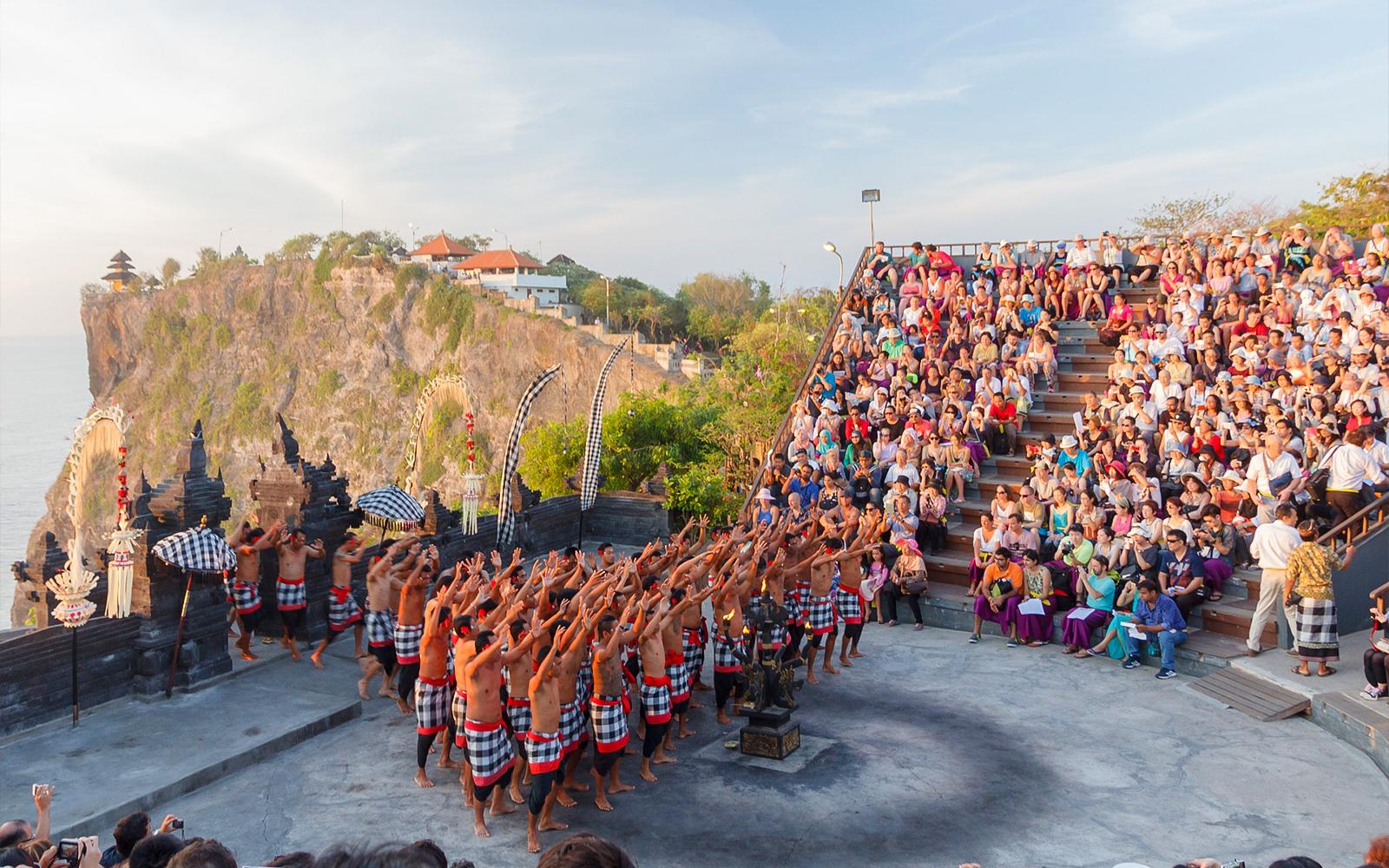
Bali's Hindu culture is woven into daily life in a way that feels distinct from anywhere else in Indonesia — or Southeast Asia. Every morning, women lay small canang sari (flower and incense offerings) on doorsteps, temples, and even ATMs. Full-scale temple ceremonies regularly take over streets with processions, music, and elaborate offerings. The Kecak fire dance performed at Uluwatu Temple — with barefoot dancers moving around open flames while a chorus of 50+ men chant in unison — is theatrical and unforgettable, even if you've read about it a dozen times.
This isn't packaged-for-tourists culture. Balinese ceremonies happen on their own schedule, for their own community, and visitors are welcome to observe respectfully. That access to living tradition is one of the strongest reasons Bali continues to stand apart.
Value for Money — What Things Actually Cost
Bali's reputation as a cheap destination needs updating, but it still offers strong value compared to most international alternatives — especially outside the inflated tourist hubs. Here's what a realistic daily budget looks like in 2026:
| Expense | Budget (USD/day) | Mid-Range (USD/day) | Luxury (USD/day) |
|---|---|---|---|
| Accommodation | USD 15–30 | USD 50–120 | USD 200–500+ |
| Meals (3 per day) | USD 5–10 | USD 15–30 | USD 50–100+ |
| Transport | USD 5–8 (scooter) | USD 15–30 (Grab/driver) | USD 40–60 (private driver) |
| Activities | USD 10–20 | USD 25–50 | USD 60–150+ |
| Daily Total | USD 35–70 | USD 105–230 | USD 350–800+ |
A warung meal — nasi goreng or mie goreng from a family-run kitchen — still costs IDR 25,000–40,000 (USD 1.50–2.50). A Seminyak brunch spot serving smoothie bowls will charge ten times that. The price gap between local and tourist economies is wide, and where you eat and stay determines your budget more than any other factor.
The Honest Case Against — What Might Disappoint You
No destination is perfect, and Bali's drawbacks are well-documented. Ignoring them leads to the kind of disappointed trip reports that fuel the "Bali is overrated" narrative. Here's what to prepare for honestly.
Overtourism in the South and Centre
Canggu, Seminyak, and parts of Ubud have shifted from Balinese towns with tourist amenities to tourist zones with traces of local life. The pace of development is rapid — new cafes, spas, and co-working spaces open every week, and some long-term visitors report that favourite spots from two years ago are now unrecognisable. At popular attractions like the Gates of Heaven (Lempuyang Temple), queues of an hour or more for a single photo are routine during peak season.
This is not a reason to skip Bali entirely. It's a reason to be strategic about which areas you prioritise and how much time you allocate to the tourist-heavy zones.
Traffic and Transport Limitations
There are no trains in Bali. Buses are limited and slow. Most visitors rely on scooters, Grab (ride-hailing), or hired private drivers. In south Bali — particularly around Canggu, Seminyak, and the Uluwatu turn-offs — a five-kilometre drive can take 45 minutes during peak hours. Traffic isn't just an inconvenience; it reshapes your daily schedule.
- Scooters: The cheapest option (IDR 70,000–100,000/day, ~USD 4.50–6.50), but Bali traffic is chaotic and road rules are loosely observed. Only rent if you're an experienced rider
- Grab: Convenient for short trips, though availability drops in rural areas and prices surge during rain
- Private driver: The best option for full-day exploration (IDR 500,000–800,000/day, ~USD 32–52). Drivers know back roads, avoid bottlenecks, and double as informal guides
Beach Pollution and Waste
Bali's waste management has not kept pace with its tourism growth. Plastic pollution on beaches — particularly along the west and south coast — is a recurring issue, worse during the rainy season (November–March) when rivers flush debris to the shore. Kuta, Legian, and parts of Seminyak are the most affected.
This does not mean every beach in Bali is dirty. Padang Padang, Pandawa Beach, and the beaches of Nusa Penida are noticeably cleaner. East Bali's black-sand coastline around Amed and Candidasa sees less plastic. But if your image of Bali is powder-white sand and crystal water everywhere, adjust expectations — and choose your beaches deliberately.
Rising Prices in Tourist Hubs
The "Bali is cheap" narrative applies less and less in the areas most visitors gravitate toward. Seminyak, Canggu, and central Ubud have seen sharp price increases driven by demand and the influx of remote workers willing to pay Western-adjacent prices. A smoothie bowl in Canggu costs more than a full meal in a traditional warung five minutes away.
The solution is simple: step outside the tourist bubble. Denpasar, Sanur, Sidemen, and Amed still operate at local price points, and the food is often better for it.









Who Should Visit Bali in 2026 — And Who Should Skip It
Bali is worth visiting for a wide range of travellers, but it rewards some travel styles more than others. Rather than a blanket "yes, go" recommendation, here's a framework for deciding if the island fits what you're looking for.
Worth It If…
Bali delivers its best experience for these profiles:
- First-time Southeast Asia travellers: The island is more tourist-friendly than most alternatives in the region — English is widely spoken, infrastructure is solid, and the learning curve is gentle
- Couples and honeymooners: TripAdvisor ranked Bali the #1 honeymoon destination for 2026. Clifftop villas, jungle retreats, and candlelit dinners overlooking rice paddies are readily available at a fraction of what they'd cost in the Maldives or Fiji
- Wellness seekers: Ubud's yoga studios, meditation centres, and spa retreats are world-class. Bali's wellness scene is more established and diverse than almost anywhere else in Asia
- Food lovers: From IDR 25,000 warung meals to USD 100+ tasting menus at Locavore, Bali covers every price point and cuisine — Balinese, pan-Indonesian, Japanese, Italian, and creative fusion
- Families with older kids (5+): Water parks like Waterbom Bali, the Monkey Forest Sanctuary in Ubud, and snorkelling day trips to Nusa Penida give kids plenty to do between temple visits
- Digital nomads: Canggu and Ubud remain two of the best remote-work bases in Asia, with fast Wi-Fi, co-working spaces, and a built-in community
Skip It If…
Bali may not be the right fit if your priorities lean toward:
- Pristine, uncrowded beaches: Bali's beaches are not its strongest feature — if white sand and empty coastline are your primary draw, Lombok, the Gili Islands, or Flores offer better options
- A fully off-grid experience: Even Bali's quieter areas have tourist infrastructure. If you want genuine isolation, the island is too developed for that
- Tight schedules with no flexibility: Traffic, weather, and temple ceremony closures can disrupt fixed plans. Bali works best when you build in buffer time
- Discomfort with scooter-heavy traffic: If you're not comfortable navigating dense motorbike traffic — as a rider or a pedestrian — south Bali's roads can be stressful
Best Alternatives If Bali Is Not Your Fit
If the drawbacks outweigh the appeal, consider these destinations that address specific gaps:
- Lombok: Bali's quieter neighbour. Better beaches, fewer crowds, similar temple culture — but less developed nightlife and dining
- Flores and Komodo: Dramatic landscapes, traditional villages, and Komodo National Park — for travellers seeking raw, undeveloped Indonesia
- Phuket: Better beaches and cleaner water than south Bali, with strong tourism infrastructure — but less cultural depth
- Sri Lanka: Temples, surf, tea country, and wildlife at a similar price point — with fewer crowds and more varied geography
How to Plan a Bali Trip That Is Actually Worth It
The gap between a disappointing Bali trip and a memorable one usually comes down to three decisions: when you go, where you base yourself, and what you book ahead. Here's how to get each one right.
When to Go — Month-by-Month Quick Guide
Bali has two main seasons, and your timing shapes everything from weather to pricing:
- Dry season (April–October): Clear skies, lower humidity, best conditions for outdoor activities. July–August is peak tourist season with highest prices and biggest crowds
- Shoulder months (April–May, September–October): The sweet spot. Good weather, manageable crowds, and better accommodation rates
- Wet season (November–March): Afternoon downpours are common but rarely all-day. Hotel prices drop 30–50%. February and March offer the lowest rates. Best for budget travellers who don't mind carrying an umbrella
Rain in Bali is typically short and heavy — a 90-minute tropical burst, then sunshine. It shouldn't rule out a wet-season visit, but it will limit sunrise treks and full-day outdoor plans on some days.
Where to Base Yourself
Choosing the right base matters more than any single activity on your itinerary. Each area delivers a different version of Bali:
- Ubud: Bali's cultural centre. Rice terraces, temples, yoga studios, art galleries, and the best wellness scene on the island. Busy by mid-morning but quieter in the surrounding villages. Best for culture, wellness, and nature
- Uluwatu: Clifftop temples, world-class surf breaks, and some of Bali's best sunset views. More spread out than the north, which means less foot traffic. Best for surfers, couples, and anyone who wants coast without Seminyak's density
- Seminyak: The food and nightlife hub. High-end restaurants, beach clubs, and boutique shopping — but also the most expensive and congested area. Best for short stays focused on dining and nightlife
- Canggu: The digital-nomad capital. Surf breaks, co-working spaces, and organic cafes — but traffic is a constant irritation. Best for longer stays and remote workers
- Amed / Sidemen: East Bali's quiet side. Black-sand beaches, rice terraces, volcano views, and local-price warungs. Minimal tourist infrastructure — which is the appeal. Best for slow travel and returning visitors
Insider Tip: Transport Strategy
- Hire a private driver for full-day exploration (IDR 500,000–800,000/day). They know back roads and shortcuts that save hours in traffic
- Use Grab for short hops within a single area, but don't rely on it for cross-island trips — coverage drops fast outside the south
- If you rent a scooter, get an International Driving Permit before you leave home. Bali police check for them, and riding without one voids most travel insurance policies
Booking Strategy — What to Pre-Book vs. Wing It
Bali rewards a mix of planning and flexibility. Pre-book the experiences that sell out or require logistics; leave room for spontaneous warung discoveries and temple visits.
- Pre-book: Mount Batur sunrise trek, Nusa Penida day trip, Uluwatu Kecak dance tickets, cooking classes, and any hotel during July–August peak season
- Keep flexible: Warung meals, local transport, beach days, market visits, and temple explorations (though check ceremony schedules to avoid closures)
- Use a vetted platform: Travjoy's Bali activity options are reviewed and approved by local experts, which saves the research time and booking anxiety that comes with sorting through hundreds of options independently. Browse the top 20 things to do in Bali for a starting point
Final Verdict — Is Bali Worth Visiting in 2026?
Yes — with intention. Bali in 2026 is busier, pricier in the tourist belt, and more regulated than at any point in its recent history. It's also better connected, better serviced, and still home to the volcanic landscapes, living Hindu culture, and extraordinary food scene that made it famous in the first place. The island rewards travellers who choose their region carefully, travel in shoulder season, and balance popular highlights with quieter east-Bali escapes.
If you go in expecting an untouched paradise, you'll be disappointed. If you go in expecting a complex, culturally rich island that has something for almost every travel style — and plan accordingly — Bali delivers more than most destinations in the region.
Ready to start planning? Explore Bali on Travjoy for experiences reviewed and approved by local experts, so you spend less time researching and more time on the trip itself.








.svg&w=1920&q=75)