




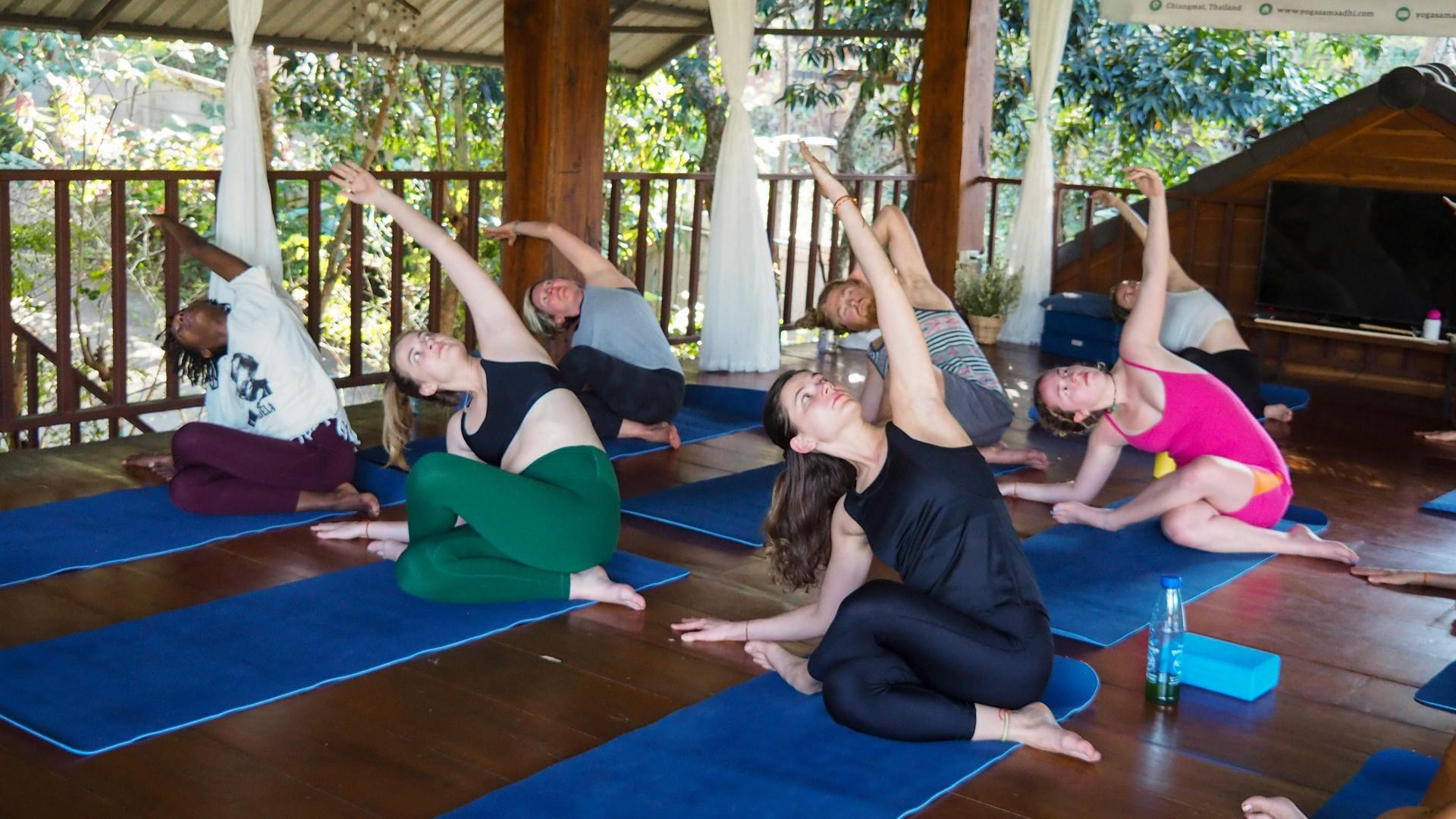
Bali Yoga Retreats: The Best Options for Every Budget
7 min read

Raj Varma
Author
SHARE BLOG
TABLE OF CONTENTS
- Key Takeaways
- Is a Bali yoga retreat worth it?
- What a Bali yoga retreat costs in 2026
- Tier 2 — Mid-range retreats (USD 640–1,500 per week)
Key Takeaways
- A seven-night Bali yoga retreat costs USD 320 at budget ashrams and goes past USD 5,000 at luxury sanctuaries — most travellers land in the USD 640–1,500 mid-range tier.
- Ubud suits traditional practice and meditation; Canggu and Uluwatu pair yoga with beach and surf; Sidemen and Munduk work for silent retreats and serious meditators.
- Mid-range (USD 640–1,500/week) is the right tier for most first-timers — premium and luxury are usually wasted spend on a first retreat.
- Verify group size, instructor experience, exact meal inclusions, and cancellation policy in writing before paying any deposit.
- If you want flexibility, skip the package — rent a villa and drop in to studios for USD 8–12 per class instead.
Bali yoga retreats range from USD 320 per week at budget ashrams in Tabanan and rural Ubud to over USD 5,000 per week at luxury sanctuaries with private pavilions and one-on-one instruction. The right tier depends on whether you want structure or flexibility, group community or privacy, and how much retreat-format travel you've done before. Mid-range options at USD 640–1,500 per week suit most first-time retreaters.
Bali's reputation as the world's yoga capital is well earned. The island hosts hundreds of retreats, from village ashrams that cost less than a long weekend elsewhere in Southeast Asia to private-pavilion programmes that match five-star resorts. The catch: that range makes choosing exhausting. A USD 350 retreat and a USD 3,500 retreat both promise daily yoga, organic meals and a personal reset — but what you actually get for the money is wildly different.
This guide breaks the market into four honest budget tiers, with dual-currency pricing, the trade-offs at each level, and which retreats suit first-timers versus experienced practitioners. We'll also cover where to base yourself (Ubud isn't always the answer), how to read between the lines of a retreat brochure, and the questions worth asking before you pay a deposit. By the end, you'll know which tier matches your goals — and which to skip.
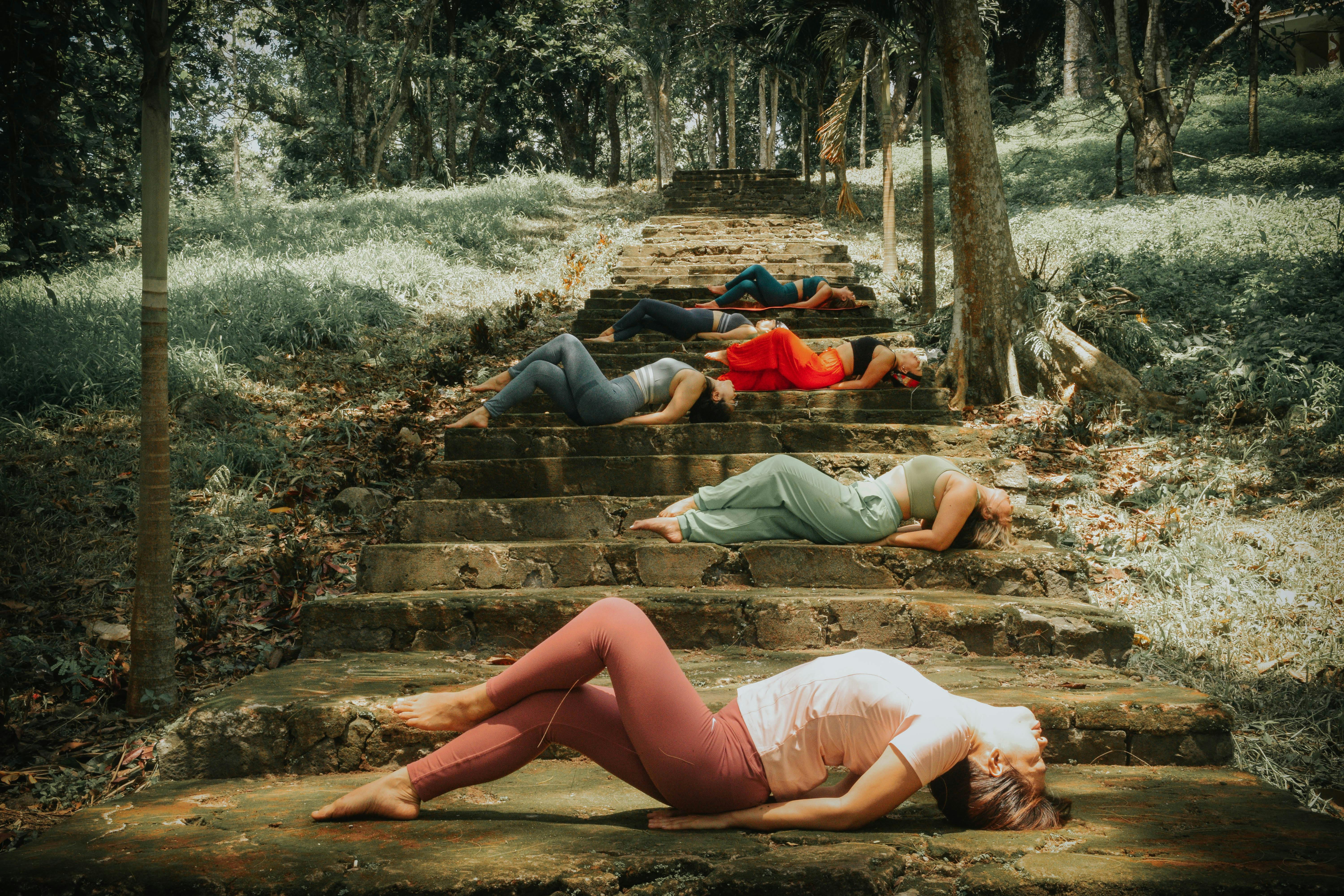
Is a Bali yoga retreat worth it?
For most travellers, yes — Bali offers a price-to-quality ratio that's hard to find anywhere else. A week of daily yoga, accommodation, meals and spa work that would cost USD 2,500 in California or Costa Rica often runs USD 800–1,200 in Ubud. The teaching quality is high because international instructors base themselves in Bali year-round, drawn by the climate, the wellness scene, and the affordable cost of living that lets them work part-time while still living well.
Worth it if you're:
- A first-time retreater who wants structure, group accountability, and zero decisions about food or schedule for a week
- Recovering from a major life transition (career change, divorce, burnout) and need a real reset, not a beach holiday
- Travelling solo and want built-in community without the awkwardness of hostel life
- An experienced practitioner who wants to deepen practice under specific named teachers based in Bali
Not ideal if you're:
- Looking for a beach holiday with one yoga class a day — rent a villa in Canggu and drop into The Yoga Barn or local studios at USD 8–12 per class instead
- Easily bored by repetitive schedules — most retreats run a fixed daily structure for five to seven nights
- Travelling with non-yoga partners who'll resent the format — the all-inclusive structure rarely accommodates "we'll skip today" without awkwardness
What a Bali yoga retreat costs in 2026
Prices sort into four clear tiers. The figures below are for a seven-night stay, all-inclusive of accommodation, daily classes and standard meals.
| Tier | Price per week (IDR) | Price per week (USD) | Typically includes | Best for |
|---|---|---|---|---|
| Budget | IDR 5,000,000–10,000,000 | USD 320–640 | Shared or basic private room, group classes, vegetarian meals | First-timers testing the format, long-stay travellers |
| Mid-range | IDR 10,000,000–24,000,000 | USD 640–1,500 | Private room, two daily classes, some spa, one excursion | Most first-time retreaters, couples, solo travellers |
| Premium | IDR 24,000,000–55,000,000 | USD 1,500–3,500 | Boutique villa, small groups, named teachers, full board | Experienced yogis, anniversary trips, deep resets |
| Luxury | IDR 55,000,000+ | USD 3,500+ | Private pavilion, one-on-one sessions, chef, full wellness | Wellness travellers seeking privacy and personalisation |
Pricing is for the 2026 calendar year. Peak season (July–August, December) runs 20–40% above these ranges; rainy season (November–March) can dip 15–20% below.
Tier 1 — Budget retreats (USD 320–640 per week)
Budget retreats sit at IDR 5,000,000–10,000,000 (USD 320–640) for seven nights. You sleep in a shared dorm or a simple private room with a fan and a cold-water bathroom, eat three vegetarian meals a day in a communal dining room, and join group classes of 15–25 people in an open-sided shala. The teaching is often solid — many budget retreats use the same Indonesian and international instructors who freelance at premium properties — but the schedule is fixed and the extras are minimal.
This tier works well for two profiles. The first is the first-time retreater who isn't sure structured wellness travel is for them and doesn't want to commit USD 1,500 to find out. The second is the long-stay traveller — a month or more in Bali — who treats the retreat as a base camp between solo exploration days. For both, the lower price reduces the cost of experimenting with the format.
The best-value pockets sit outside the main yoga districts. Penarungan and Tabanan (midway between Ubud and Canggu), Sidemen Valley in east Bali, and the southern fringe of Ubud all host ashram-style centres where a full week with meals comes in around IDR 5,500,000–7,000,000 (USD 350–450). Canggu's budget options are pricier because of the area's overall cost base.
Reality check: what budget pricing actually buys
- Cold-water bathrooms at the lowest end (USD 320–400 range) — air-conditioning starts around USD 450+
- Photos usually flatter the reality — a "swimming pool" can mean a shared dipping pool used by 30 guests
- Yoga mats are sometimes bring-your-own — confirm at booking
- Lunch is sometimes an upsell at the cheapest properties — verify what "three meals" actually means
Tier 2 — Mid-range retreats (USD 640–1,500 per week)
Mid-range Bali yoga retreats are the sweet spot for most travellers. You get a private air-conditioned room, two daily yoga classes in smaller groups (usually 8–15), three meals with vegan and vegetarian options, two or three spa treatments included, and at least one cultural excursion — a temple visit, a rice-paddy walk, or a Balinese cooking class.
Properties in this band feel like boutique hotels with a wellness programme bolted on. Pools are common, jungle or rice-paddy views are the norm, and the food moves beyond healthy buffet into proper farm-to-table cooking. Programmes typically run five to seven nights and follow a vinyasa or hatha base with sound healing, breathwork, or evening meditation layered in. Some operators in Canggu and Uluwatu offer surf-yoga combinations — two yoga sessions plus a daily surf lesson — for travellers who want both.
This tier suits travellers who want a real wellness experience without the cost of named-instructor branded retreats. It's the right call for a first dedicated retreat, for couples doing this together, and for solo travellers who want built-in community without dorm life. Studios like Alchemy Yoga and Meditation Center in Ubud and Uluwatu and Taksu Yoga and Wellness Centre in Ubud sit at this same price-quality point if you want to assemble your own retreat schedule from drop-in classes instead of booking a fixed package.
Reality check: what "all-inclusive" actually means
The phrase covers very different things at each price point.
- Budget: Room, classes, two vegetarian meals — lunch may cost extra
- Mid-range: Three meals and two to three spa treatments included; alcohol, advanced workshops, and laundry are upsells
- Premium / Luxury: Almost everything included, but airport transfer is often a paid add-on (USD 25–50 each way)
Always request the full inclusion list in writing before paying a deposit.
Best Quality Experiences for Bali








View more Experiences

Tier 3 — Premium retreats (USD 1,500–3,500 per week)
Premium retreats are where named instructors, signature programmes and boutique-villa accommodation enter the picture. Pricing runs from IDR 24,000,000 to 55,000,000 (USD 1,500–3,500) per week. Group sizes drop to six to ten, instructors are usually the same throughout the retreat rather than rotating, and programmes are often themed — women's circles, surf and yoga combinations, detox and cleansing intensives, or Ayurvedic immersions.
Properties at this tier — names like Soulshine, Fivelements Retreat Bali, Oneworld Retreats and Escape Haven — own purpose-built shalas, infinity pools and on-site spas. Meals are chef-designed rather than cook-prepared, often plant-based with farm-to-table sourcing from on-site permaculture gardens. Excursions are private rather than group, with options like a sunrise hike up Mount Batur or a private temple blessing with a Balinese priest. Expect six to eight nights as standard; some premium operators run 10- and 14-night formats for deeper resets.
This tier rewards experienced practitioners who want refined teaching and small-group attention, couples celebrating an anniversary or honeymoon, and anyone using the retreat to reset around a life transition. First-timers can over-buy here: a mid-range retreat usually delivers 80% of the experience for half the cost. Save premium for your second or third retreat, when you know what teaching style and format you actually respond to.
Tier 4 — Luxury retreats (USD 3,500+ per week)
Luxury sits at IDR 55,000,000 and up (USD 3,500+) per week, with the upper end reaching USD 8,000–10,000 for fully bespoke programmes. You get a private pavilion or villa with a plunge pool, one-on-one instruction with a senior teacher, a personal chef tailoring meals to dietary requirements and wellness goals, and a full programme of spa, healing therapies, sound work and excursions.
Most luxury retreats run 7 to 14 nights. Some are private buy-outs — you and a partner or small group rent the entire property — while others operate as small-group retreats capped at six guests. This tier suits travellers using retreat time as a medical or psychological reset, or those for whom the cost difference between premium and luxury is immaterial against the privacy and personalisation gain.

Where to base yourself
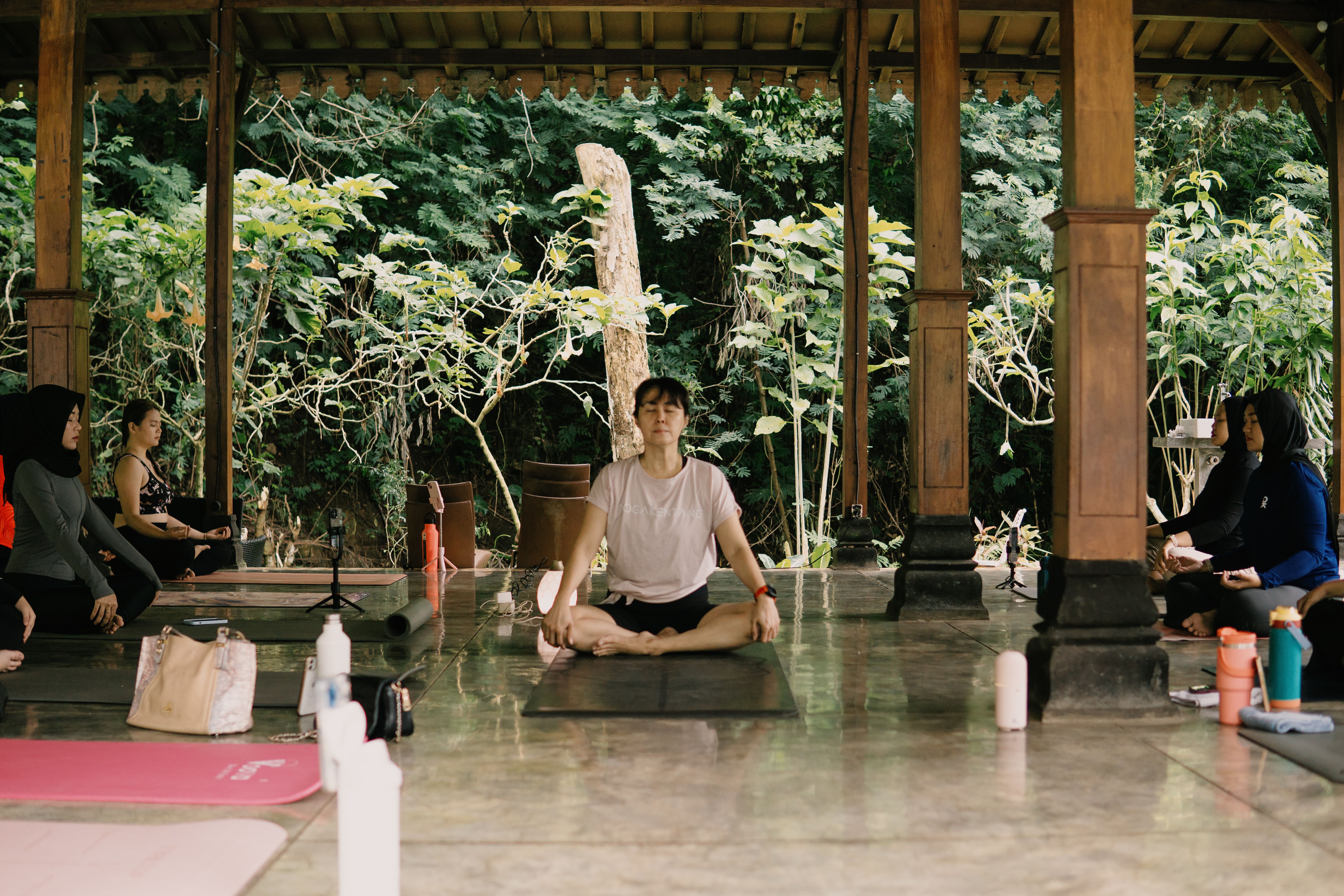
Bali's yoga geography is more nuanced than the default "Ubud" answer. Each area shapes the practice differently.
Ubud — traditional practice and meditation
The spiritual and wellness centre of the island. Jungle setting, daily temple ceremonies in the background, the deepest concentration of teachers and studios. Best for traditional vinyasa, hatha, kundalini and meditation work. Downside: traffic in the centre and a sometimes-precious wellness scene. The strongest mid-range option for first-time Bali yoga retreats.
Canggu — beach, surf and community
Beach-meets-yoga, with a young expat community. Studios mix yoga with HIIT, Pilates and surf training. Best for travellers who want active days and social evenings. Downside: traffic on the main roads and party noise in some areas.
Uluwatu — cliffs and surf focus
Clifftop setting on the southern Bukit peninsula. Yoga shalas overlook surf breaks, and most retreats combine practice with intermediate-level surf. Best for fitness-focused travellers and surfers. Downside: spread-out and scooter-dependent.
Sidemen and Munduk — silence and altitude
Rural east and northern highlands. Cooler temperatures, fewer tourists, real silence. Best for serious meditators and silent retreats. Downside: limited dining and social options; most properties are small. The Sidemen Valley area in particular has emerged as a quiet alternative to Ubud for those wanting a deeper retreat from the wellness crowd.
Seminyak and Sanur — beach holiday with yoga layered in
Beach areas with boutique studios and a calmer pace than Canggu. Best for travellers who want a beach holiday with yoga layered in rather than the other way around.
Reality check: peak-season pricing and overbooking
July, August and December run 20–40% above shoulder-season rates, and the best properties book out four to six months ahead. Some operators run a "guaranteed group" policy where retreats go ahead even if numbers are low — your daily class might have three people in it rather than ten, which can either feel intimate or thin depending on what you're after. Confirm minimum group size at booking, not after arrival.
Which Bali yoga retreat should you choose?
The tier-and-area combination depends on who you are and what you're after. Five common profiles:
- First-timers → Mid-range retreat in Ubud, five to seven nights. Avoid silent retreats and 14-night programmes; you don't know yet what you respond to. Drop in to The Yoga Barn if you want to sample first.
- Experienced practitioners → Premium retreat with a named instructor whose style you already know, or a 200-hour teacher training programme if you want structured development.
- Solo women travellers → Women-only mid-range retreats give built-in community and a safer feel. Sanur, Seminyak and Ubud all have options.
- Couples → Premium retreats with partner-friendly schedules. Canggu and Uluwatu suit couples who want activity; Ubud suits those who want quiet.
- Long-stay digital nomads → Skip the package retreat. Rent a villa in Canggu or Ubud and drop in to studios for USD 8–12 per class. Far cheaper and far more flexible.
If you'd rather skip the legwork of vetting individual properties, Travjoy's top picks for Bali are reviewed after extensive research and approved by local experts — useful for cross-checking which retreats and wellness venues are worth the booking.
Booking strategy: what to verify before you pay
Bali retreat marketing is well-polished. The same five photos appear on different operators' websites; phrases like "transformational journey" and "ancient wisdom" describe nothing concrete. Before you pay a deposit, get written answers to these questions:
- Maximum group size for yoga classes — not the maximum guest count at the property
- Which instructors teach which sessions, and their experience (look for 500-hour certifications or ten-plus years of teaching)
- Exact meal inclusions, including whether lunch is part of full board or a separate charge
- Cancellation policy — most retreats hold 30–50% of the deposit if you cancel inside 60 days
- Airport transfer cost — almost always separate, USD 25–50 (IDR 400,000–800,000) each way
- Substitution policy if the named instructor is sick or absent
Book three to six months ahead for July–August and December peak weeks; one to two months is fine the rest of the year. Avoid Nyepi (Bali's day of silence, March) unless you specifically want a literally silent retreat — flights are restricted and the island shuts for 24 hours.
Reality check: vegetarian and vegan claims
Almost every retreat advertises plant-forward menus, but the execution varies. Some properties source from on-site permaculture gardens; others bulk-buy from supermarkets. If diet is central to your decision, ask for a sample week's menu before booking. Drop-in options at Ubud's many vegan restaurants mean you can always supplement if the retreat food disappoints.
Plan your trip
The retreats that suit you exist at every price point in Bali; the harder work is knowing which price point fits your actual goal. Run the three filters: is this your first retreat (mid-range, Ubud), are you after a wellness experience or a deeper reset (mid-range versus premium), and how much do shared experiences versus privacy matter (shared = budget/mid-range; privacy = luxury). Land in one tier, book inside that band, and ignore the rest.
Start planning your Bali yoga retreats shortlist on Travjoy's Bali destination page — explore wellness venues, day-trip excursions, and the practical logistics that turn a week of yoga into a properly planned trip.
Best Quality Experiences for Bali








View more Experiences
Plan Your Visit (FAQ's)

.svg&w=1920&q=75)


POWERED BY REAL EXPERTS
Aura Salsa Dila
Local Expert -

Planning Your Bali trip? TravJoy Recommends the Best for You


