



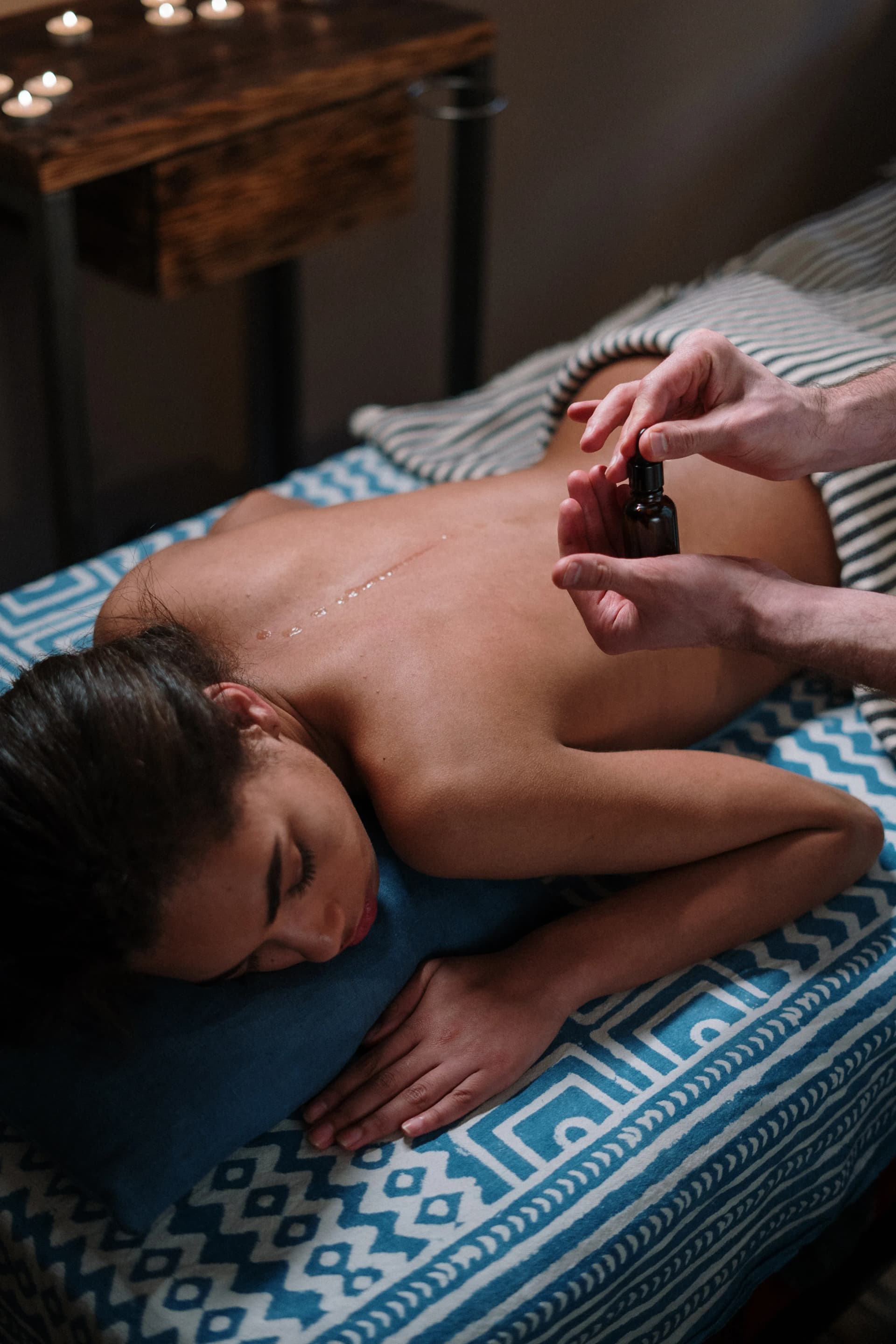
Balinese Massage: The Complete Guide to This Ancient Healing Art
7 min read

Sandeepa K
Author
Long-term traveller and AI Expert.
SHARE BLOG
TABLE OF CONTENTS
Key Takeaways
- A Balinese massage is a full-body, oil-based treatment that blends long strokes, acupressure, reflexology and gentle stretching to ease tension and restore the body's energy balance.
- It draws on more than a thousand years of healing tradition, shaped by Ayurvedic, Chinese and Southeast Asian influences.
- Pressure is medium-to-firm by default — more involved than a Swedish massage, less stretch-driven than Thai. Tell your therapist your preference at the start.
- Expect to pay IDR 90,000–150,000 (about USD 6–10) at local spas, IDR 150,000–500,000 (USD 10–32) at mid-range day spas, and IDR 1,000,000+ (USD 65+) at five-star resorts in 2026.
- Cheap isn't always worse, but avoid anything under IDR 90,000 — quality drops sharply and add-on scams are common.
A Balinese massage is a traditional full-body treatment from Bali that combines long flowing strokes, skin rolling, acupressure, reflexology and gentle stretching with aromatic oils to relieve muscle tension and rebalance the body's energy. A standard session runs 60 to 90 minutes and costs roughly IDR 90,000 to IDR 2,500,000 (about USD 6 to USD 160) in 2026, depending on whether you choose a local spa or a five-star resort.
Walk down any street in Ubud, Seminyak or Canggu and you'll pass a dozen spa boards within five minutes, most of them advertising the same thing: a Balinese massage. It's the island's signature treatment, offered everywhere from open-air pavilions in the rice fields to cliffside resort spas above the Indian Ocean. But the version you get at an IDR 100,000 walk-in and the one at a five-star sanctuary can feel like different treatments entirely — and the price gap rarely tells the full story.
This guide covers what a traditional Balinese massage actually is, where it comes from, and how it differs from Thai, Swedish and deep-tissue work. You'll find the techniques a good therapist uses, the real benefits, a clear breakdown of 2026 prices in both rupiah and US dollars, and practical advice on choosing a spa that's worth your time — and spotting one that isn't.
Whether it's your first massage in Bali or your tenth, you'll know exactly what to expect before you lie down.
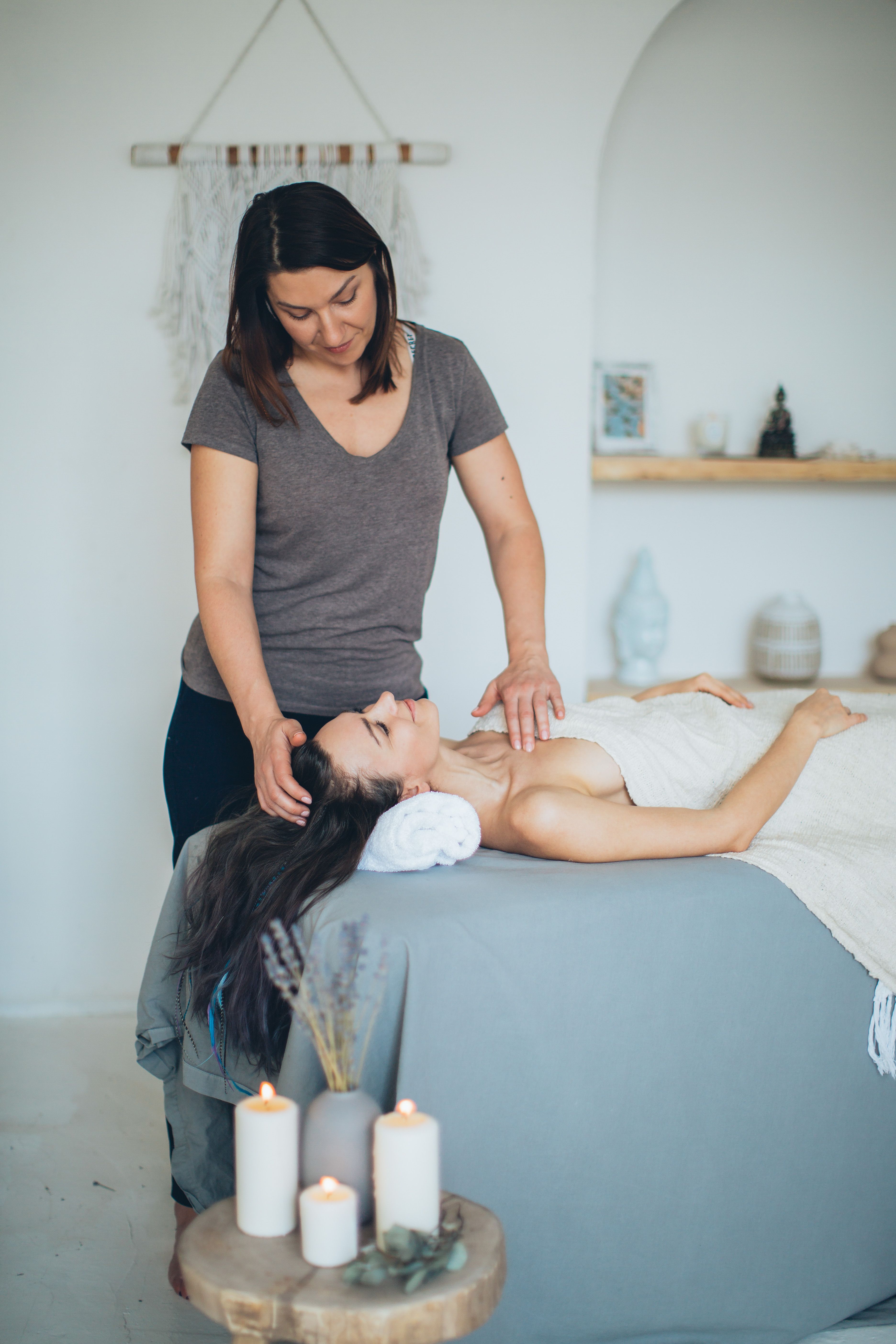
What Is Balinese Massage?
A Balinese massage is a full-body treatment that combines several bodywork styles into one continuous session, using warm aromatic oil throughout. Rather than sticking to a single method, the therapist moves between long gliding strokes, kneading, skin rolling, thumb and palm pressure, and gentle joint stretches — shifting the rhythm from slow and calming to firmer and more active as the session goes on.
A blend of techniques, not a single method
What sets it apart from a standard relaxation rub is that it works on more than surface muscle. The aim is to improve blood and oxygen flow, release knotted tissue, and restore what Balinese tradition calls the body's energy balance. It borrows from several Asian bodywork systems and folds them into one fluid treatment, which is why no two therapists perform it in quite the same way.
A traditional Balinese massage adapts to the person on the table — there's no fixed routine. That flexibility is part of the appeal, but it also means the skill of the individual therapist matters more than the label on the door.
How firm is the pressure?
The pressure is typically medium-to-firm — noticeably more involved than a light Swedish massage, but more fluid and less stretch-heavy than Thai massage. The session moves between slow, soothing passages and firmer, more vigorous work, so most people leave relaxed rather than half-asleep. If you prefer a gentler touch, say so before the therapist begins; the default leans firm.
The Roots of an Ancient Healing Art
Balinese massage didn't start as a spa treatment. It grew out of a healing tradition that goes back more than a thousand years, when massage was used in homes, villages and temples to treat illness and maintain wellbeing — long before it appeared on any resort menu.
The balian and Bali's healing tradition
At the centre of this tradition are the balian — traditional Balinese healers who combine physical therapies with spiritual practice. In Balinese belief, health depends on the balance of the body's life energy, and a healer's job is to keep that energy moving freely. Massage was one tool toward that end, alongside herbal medicine and ritual.
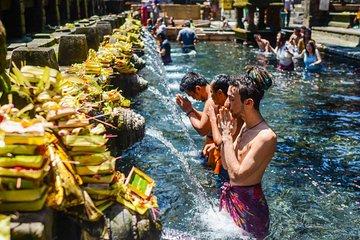
This idea of balance runs through Balinese culture more widely, expressed in the philosophy of Tri Hita Karana — harmony between people, nature and the spiritual world. Water-purification rituals at temples such as Tirta Empul come from the same worldview: the sense that wellbeing is physical and spiritual at once.
A meeting of Ayurvedic, Chinese and local methods
The techniques themselves are a layering of influences. From around the 8th and 9th centuries, Hindu and Buddhist ideas reached the Indonesian archipelago through traders and priests from India, bringing Ayurvedic principles of healing through touch, oil and energy flow. Chinese merchants later introduced acupressure and reflexology, which were absorbed into local practice. What emerged was a distinctly Balinese method that draws on all of them without copying any one exactly.
From village ritual to spa menu
The wider world first took notice in the 1930s, when Dutch physicians and anthropologists documented Balinese healing methods. As Bali grew into a major destination through the 1970s and 80s, massage became one of its defining experiences, and resorts began putting it at the heart of their spa offerings. The settings changed — floor mats gave way to padded tables, oils became more refined — but the underlying approach stayed recognisable.
The Techniques Behind a Balinese Massage
A Balinese massage works through a sequence of hands-on techniques layered over a base of warm oil. A skilled therapist doesn't just repeat one motion; they read the body and shift between methods to target tension where it sits.
The hands-on methods
These Balinese massage techniques usually appear in a single session:
- Long, flowing strokes to warm the muscles and spread the oil
- Kneading and skin rolling to loosen tight tissue and boost circulation
- Acupressure — firm thumb and palm pressure on specific points to release blocked energy
- Reflexology on the feet, hands and sometimes ears, working points linked to the rest of the body
- Gentle stretching of the limbs and joints to improve mobility
- Deeper, concentrated pressure on stubborn knots when you want it
The session moves between slow, calming passages and firmer, more vigorous work, which is why it leaves most people loose and relaxed but still alert.
The oils and aromatherapy
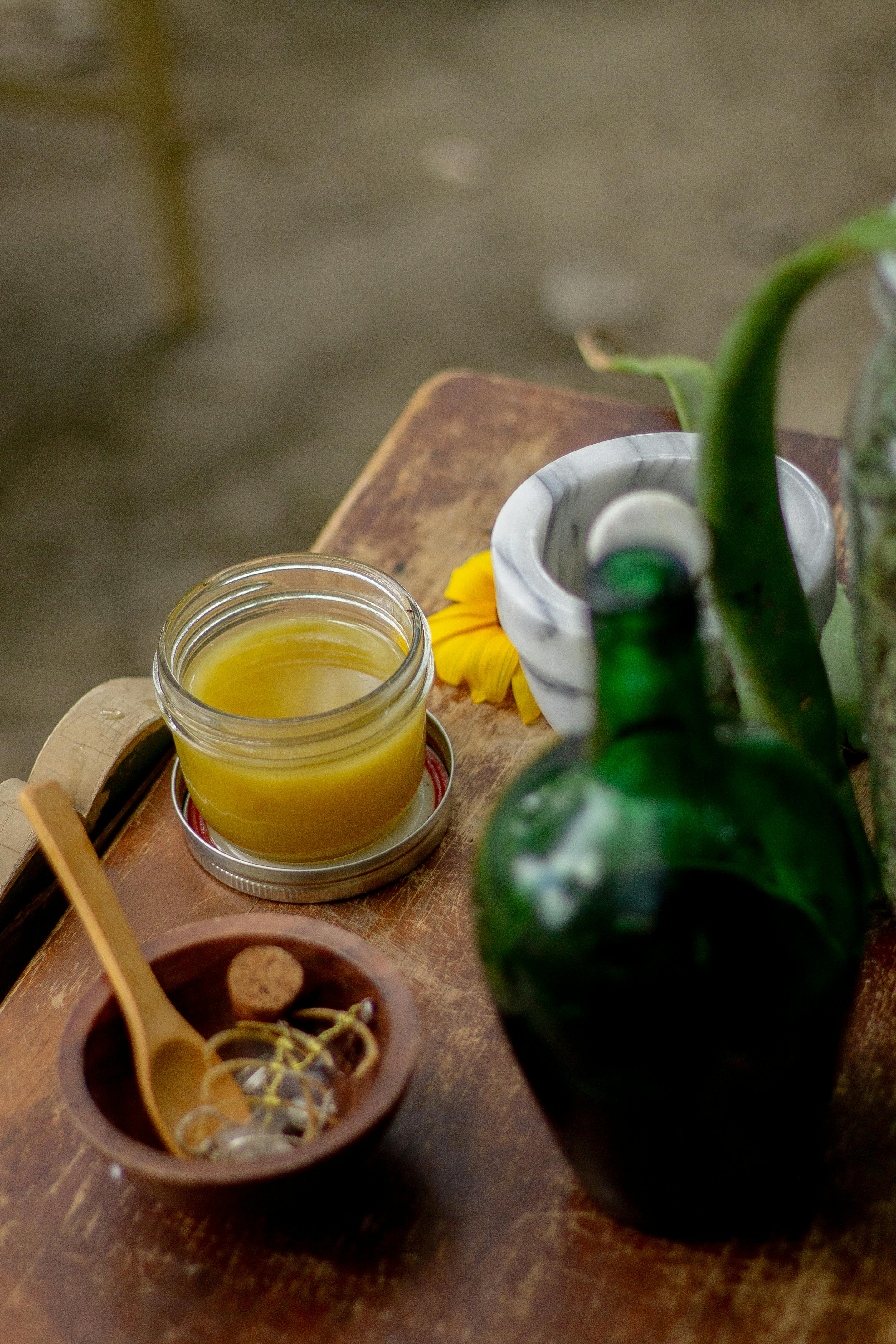
Aromatherapy is part of the treatment, not an add-on. The base is typically natural coconut oil, often infused with local botanicals:
- Frangipani — Bali's signature scent, used for its mood-lifting quality
- Jasmine and sandalwood — grounding, calming aromas
- Lemongrass and ginger — warming and refreshing
The oil does double duty: the scent settles the mind while the slip of it lets the strokes flow without dragging on the skin. According to Indonesia's national tourism board, coconut oil and traditional herbs have long been central to Indonesian massage.











The Benefits of Balinese Massage
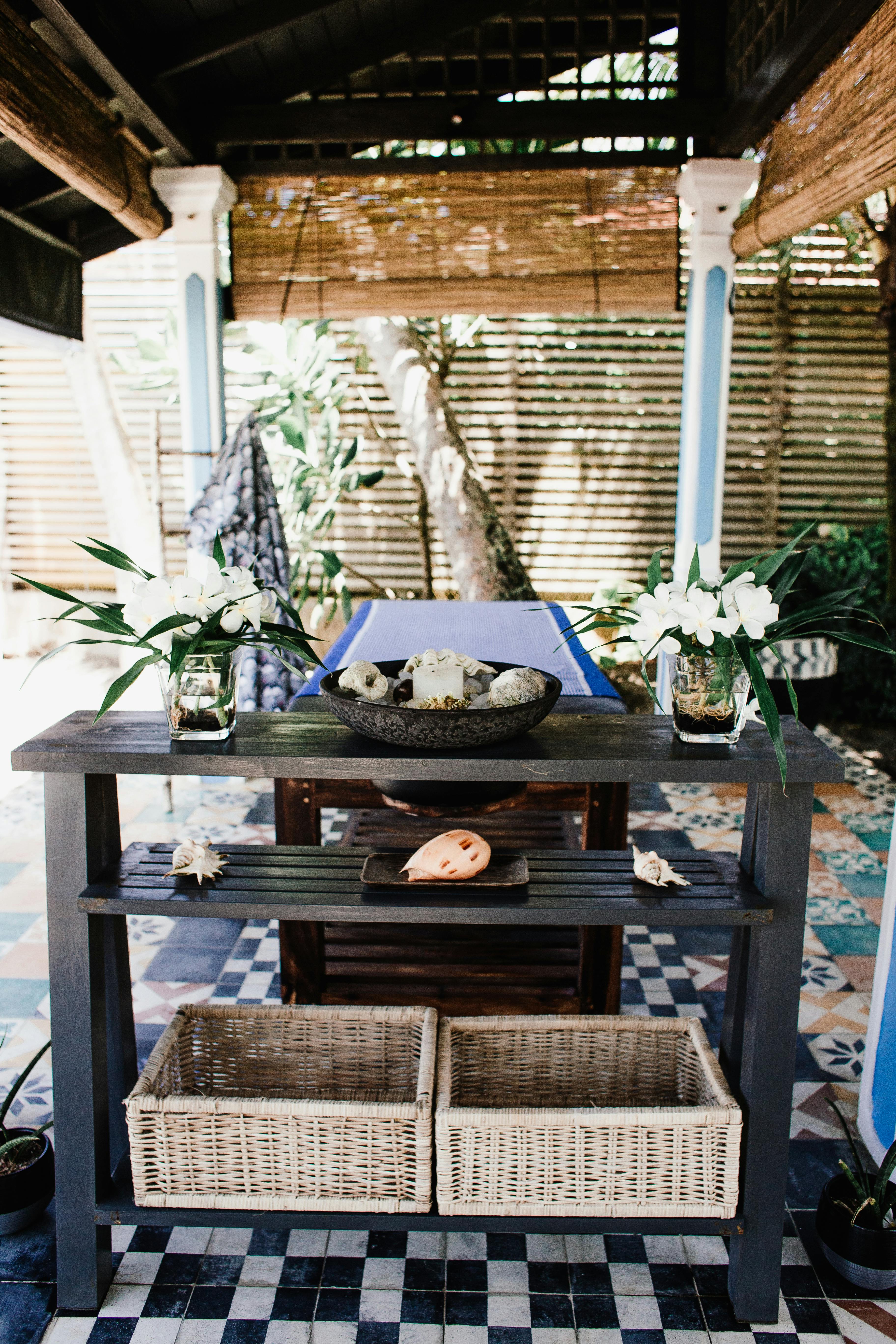
The benefits of Balinese massage are both physical and mental, which is the main reason it has stayed popular for so long. A single session eases tight muscles and calms the mind at the same time; a short series over a week can produce longer-lasting gains in mobility and stress levels.
Physical benefits
- Relief from muscle tension and stiffness — useful after long flights, surfing or a packed sightseeing day
- Better blood and oxygen circulation
- Improved flexibility from the stretching elements
- Faster recovery for sore or overworked muscles
Mental and emotional benefits
- Lower stress and a calmer nervous system
- Better sleep, especially after an evening session
- A mental reset that the aromatherapy reinforces
Who it's best for
Balinese massage suits most people, which is part of why it's the default recommendation for first-timers. It's best for travellers who want one treatment that does a bit of everything — relaxation, tension relief and a light energy lift — rather than a single narrow goal. If you only want to switch off completely, a gentler Swedish-style massage may suit you better; if you're chasing a specific chronic knot, deep tissue is more targeted. For a first massage in Bali, though, Balinese is the natural starting point.
What to Expect — and What It Costs in Bali (2026)
A Balinese massage runs 60 to 90 minutes as standard, with 120-minute options at higher-end spas. You'll be looked after from the moment you arrive, and a good spa checks your preferences before anything begins.
What happens during a session
The usual flow looks like this:
- A short consultation about pressure, problem areas and any injuries or health conditions
- A welcome footbath at mid-range and luxury spas
- You undress to your comfort level; disposable underwear is provided and you're draped with a sheet or sarong, with only the area being worked on exposed
- The massage itself, moving across the full body with warm oil
- A finish that often includes herbal or ginger tea to rehydrate and ease you back into the day
Speak up about pressure at any point — Balinese therapists expect it, and a good one adjusts without taking offence. Tell them at the start if you'd prefer lighter or firmer work, since the default leans firm.
How much you'll pay
Prices vary widely by setting. These are typical 2026 ranges for a standard 60–90 minute treatment:
| Spa type | What you get | Price (60–90 min) | USD (approx) |
|---|---|---|---|
| Local / street spa (Kuta, Legian, villages) | Simple room, basic oils, no frills | IDR 90,000–150,000 | USD 6–10 |
| Mid-range day spa (Seminyak, Ubud, Canggu) | Footbath, better oils, tea, calm setting; scrub add-ons available | IDR 150,000–500,000 | USD 10–32 |
| Five-star resort spa (Ayana, Bulgari, COMO, Maya Ubud) | Signature treatments, premium oils, spa facilities, dramatic settings | IDR 1,000,000–2,500,000 | USD 65–160+ |
USD figures are approximate at 2026 exchange rates and prices change — confirm when you book. As a rule, avoid anything under IDR 90,000: quality falls off fast and the cheapest walk-ins are where add-on charges tend to appear.
If you'd rather not gamble on a street board, the spa and wellness experiences listed on Travjoy are reviewed by local experts before they appear, so you can book a session knowing it has been vetted rather than picked at random.
Where to go — Ubud, Seminyak, Canggu or Uluwatu
Region shapes the experience as much as price:
- Ubud — Bali's wellness heartland, with jungle and rice-field spas and the widest range of traditional treatments
- Seminyak and Canggu — polished day spas and beach-club spa menus, easy to combine with shopping or surfing
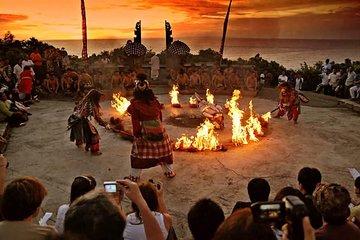
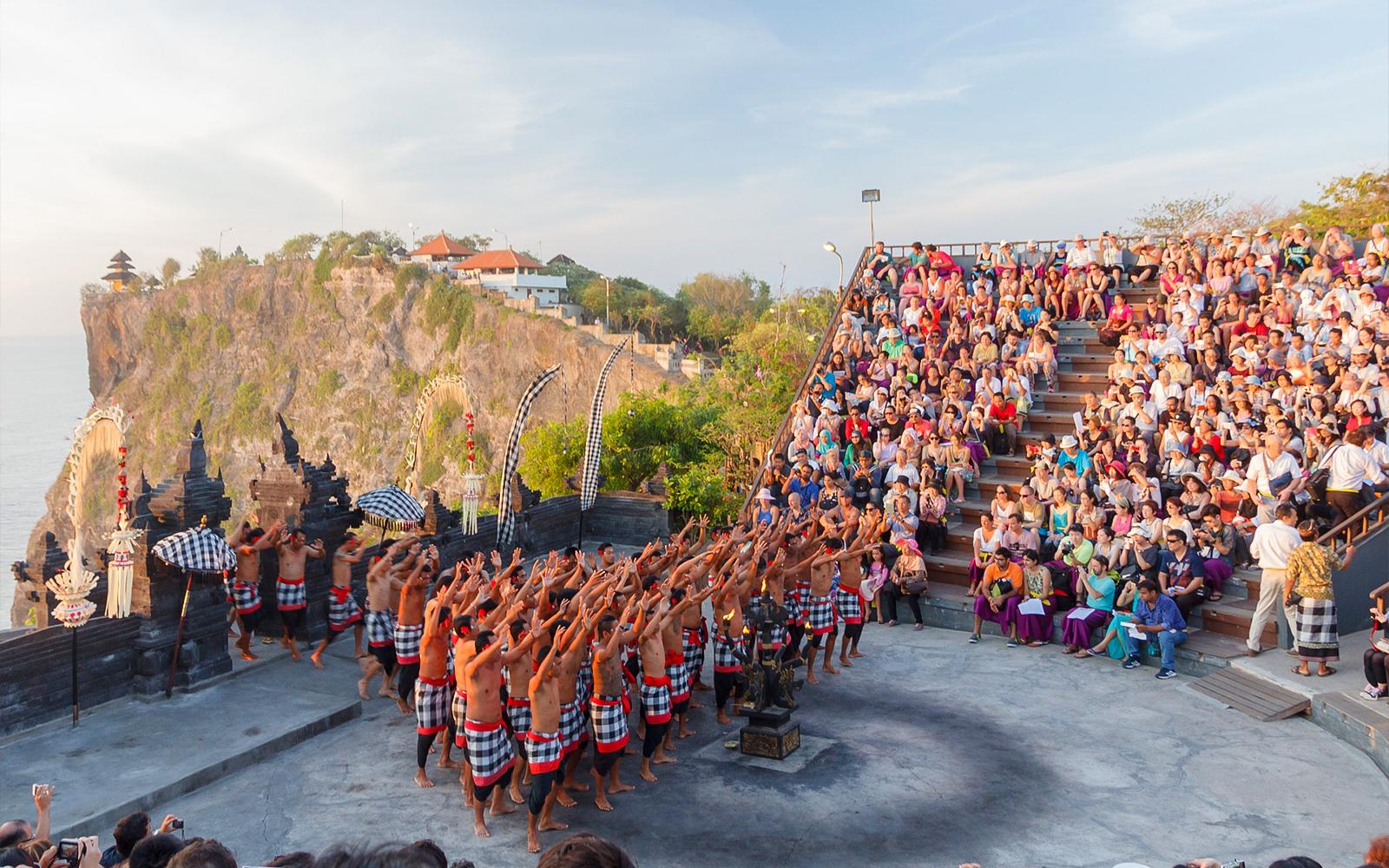
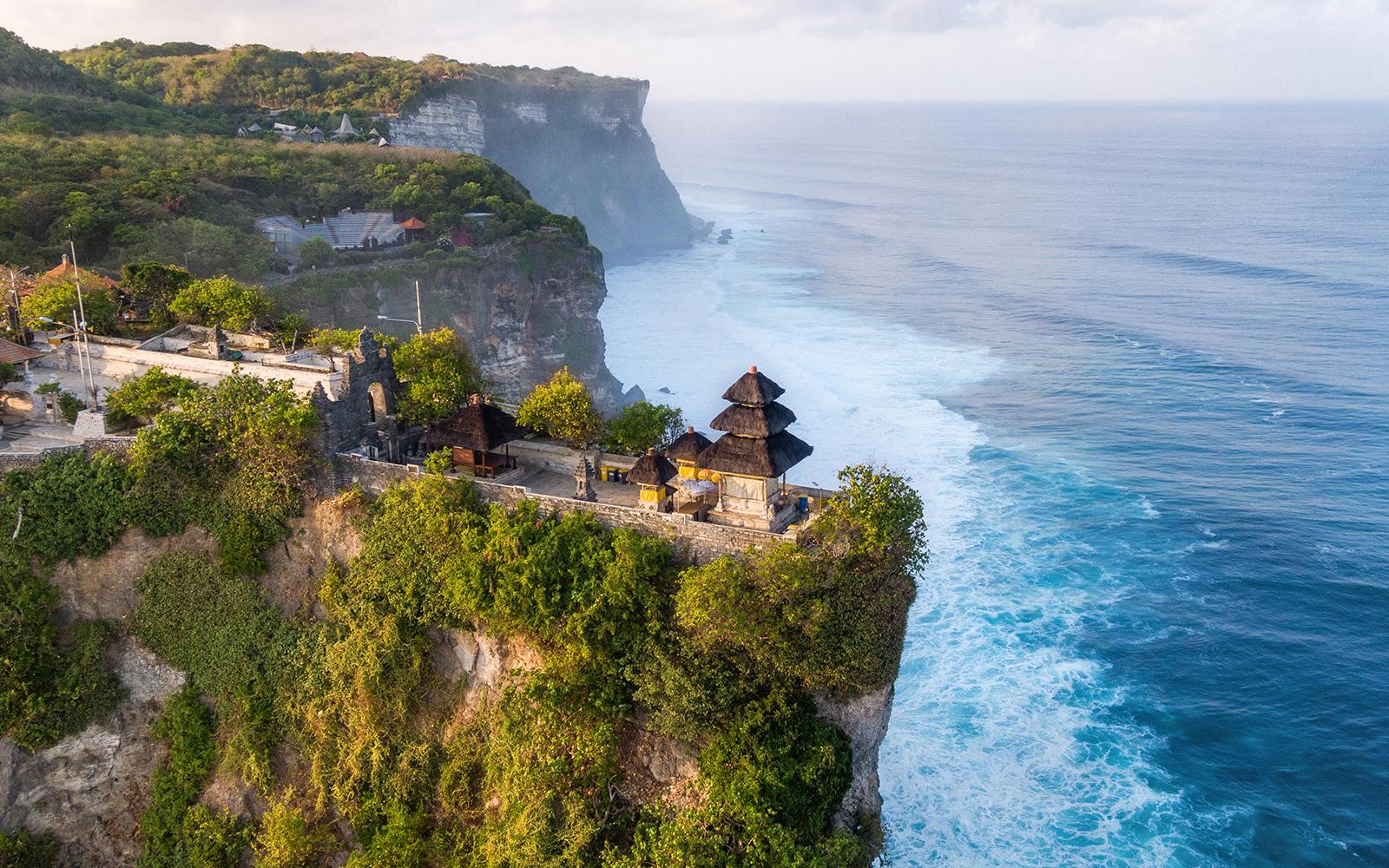
- Uluwatu and the Bukit — cliffside resort spas with ocean views, paired well with a sunset visit to Uluwatu Temple
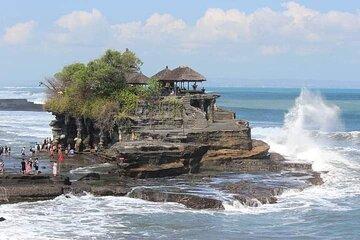
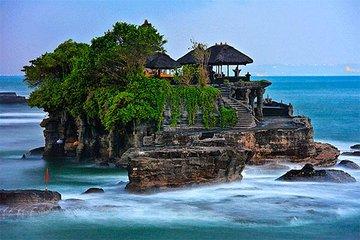
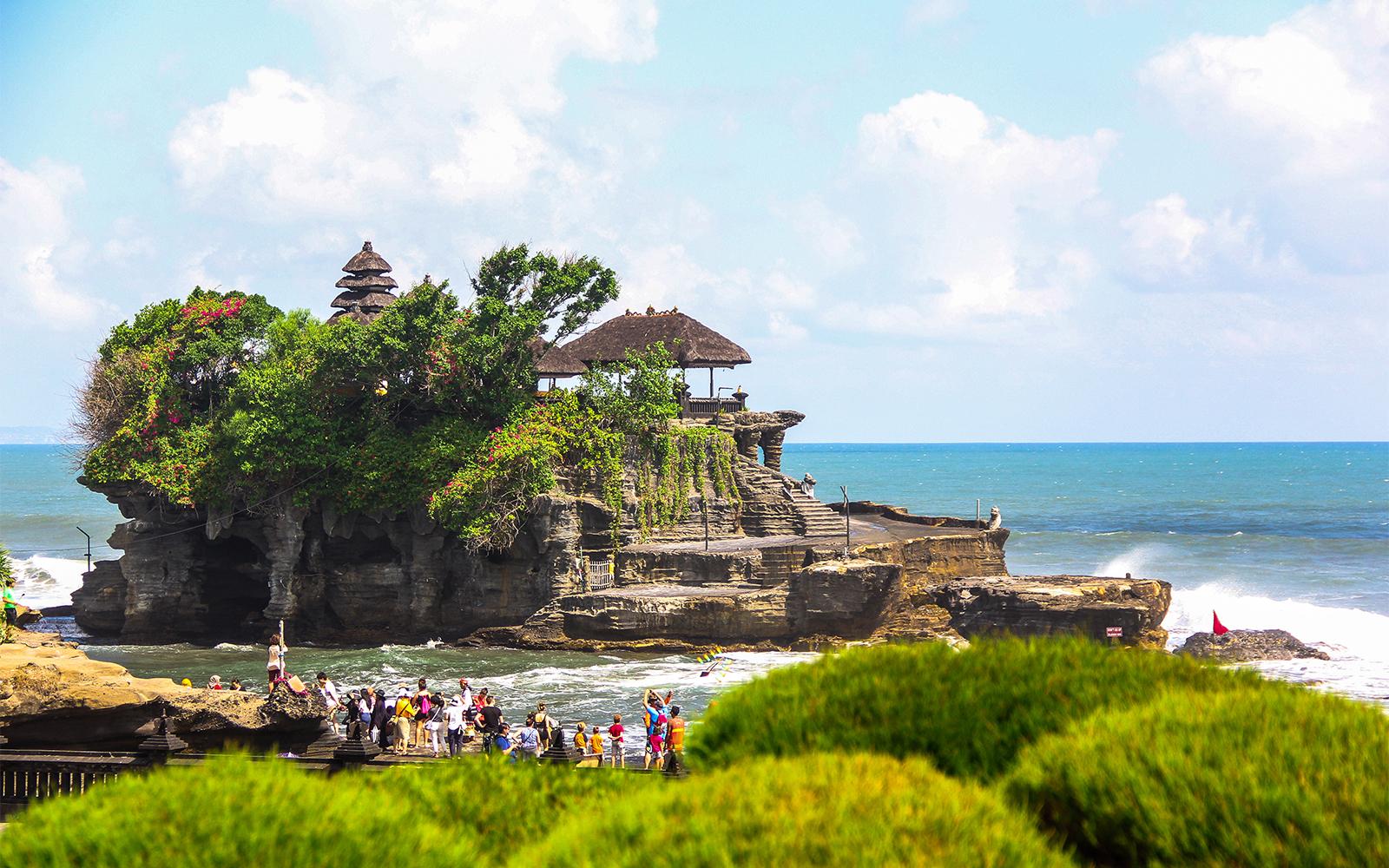
- Sanur and the west coast — quieter, often better value, and within reach of landmarks like Tanah Lot
For a first-timer wanting the most traditional setting, Ubud is the easy pick; for convenience alongside a beach holiday, Seminyak or Canggu make more sense. A massage pairs naturally with the island's headline sights — see our top 20 Bali experiences to build a day around it.
Balinese vs Thai, Swedish and deep tissue
If you're choosing between styles, here's how a Balinese massage compares to the other options on most Bali spa menus:
| Style | Oil? | Key methods | Pressure | Best for |
|---|---|---|---|---|
| Balinese | Yes | Strokes, acupressure, reflexology, light stretching | Medium–firm | A first massage, or one treatment that does a bit of everything |
| Thai | No (clothed) | Assisted stretching, compression along energy lines | Firm, active | Stiffness, flexibility, people who like an active session |
| Swedish | Yes | Long gliding strokes, kneading | Light–medium | Pure relaxation; anyone sensitive to pressure |
| Deep tissue | Yes | Slow, concentrated pressure on deep muscle layers | Firm, intense | Specific chronic knots and sports recovery |
How to Choose a Good Spa (and Avoid a Bad One)
The quality of a Balinese massage depends far more on the therapist than on the price or the décor. Bali has thousands of spas, and while plenty of cheap ones are excellent, the gap between a great session and a forgettable one is real.
Signs of a good spa
- Clear, posted pricing with no vague "from" figures that balloon later
- A consultation about pressure and problem areas before you start
- Clean linens, disposable underwear and proper draping
- A calm, private room rather than a curtained-off corner
- Therapists who adjust pressure when you ask
Red flags to avoid
- Prices under IDR 90,000 for a full hour — quality is unreliable at that level
- Street touts offering a cheap rate, then adding charges for "extras" afterwards
- No questions asked about your health or preferences
- Anywhere that feels less like a spa and more like a sales pitch
Insider tips for a better session
- Book late afternoon or evening so you can relax afterwards rather than rush to your next stop
- Drink water before and after — massage stimulates circulation and you'll feel thirsty
- Skip a heavy meal in the hour beforehand
- A short series of three to five sessions over a week deepens the benefits more than one long treatment
Tipping, aftercare and who should be cautious
Tipping isn't mandatory in Bali, but 10–15% is customary for good service and appreciated by therapists. Afterwards, take it easy — drink water, avoid strenuous activity, and don't be surprised by mild soreness the next day if the work was deep; that's a normal part of the muscles releasing.
A few people should take extra care. If you're pregnant, choose a spa that offers a proper prenatal massage with a trained therapist, since standard deep pressure and certain acupressure points are avoided in pregnancy. If you have a chronic condition, a recent injury, or you're unsure, check with a doctor first and always tell your therapist before the session begins.
Plan Your Bali Wellness Escape
A Balinese massage is one of the simplest, best-value pleasures Bali offers — an hour or two that connects you to a healing tradition more than a thousand years old, for anywhere from a few dollars to a five-star splurge. You now know what the treatment involves, how it differs from Thai, Swedish and deep-tissue work, what fair 2026 prices look like, and how to tell a good spa from one to skip.
The rest is easy: decide whether you want a rice-field pavilion in Ubud or a cliffside room above the ocean, tell your therapist how you like your pressure, and let the frangipani oil do the work. Start planning your Bali wellness escape on Travjoy.






.svg&w=1920&q=75)