



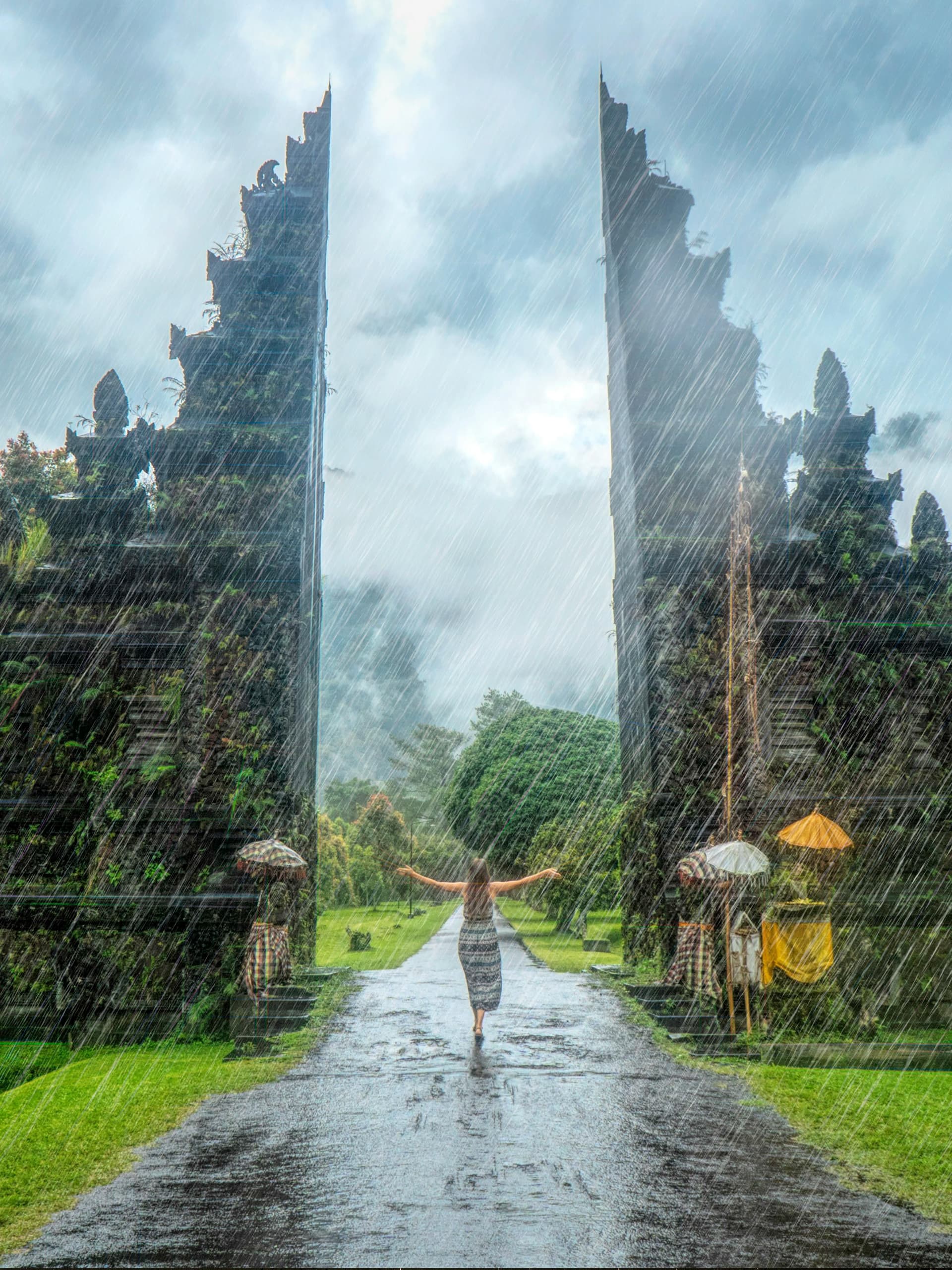
Bali in April: Temples, Waterfalls and What to Expect
7 min read

Raj Varma
Author
Travel & Tourism Expert Ex-Thomas Cook, Kuoni, Times of India & Travel Triangle.
SHARE BLOG
TABLE OF CONTENTS
Key Takeaways
- April is Bali's wet-to-dry transition: rainfall drops to roughly 70–120 mm over 6–12 wet days, daytime temperatures sit at 28–31°C, and most days stay sunny with only short afternoon showers
- Waterfalls are at their best now — still full from the wet season, but on trails that have started to dry out and firm up
- Temple weather is comfortable and the island is green; sea temples like Tanah Lot and Uluwatu peak at sunset (around 6:15 pm), while water and mountain temples reward an early start
- April 2026 is light on island-wide ceremonies — Nyepi already passed on 19 March and Galungan falls in June — so temples stay open and accessible all month
- Entry fees are small: temples run IDR 30,000–150,000 (USD 2–9.50) and waterfalls IDR 15,000–30,000 (USD 1–2), with a private driver the most practical way to chain sites
Bali in April is one of the best months to pair temples with waterfalls. The wet season has mostly ended, so waterfalls still run at full flow while trails firm up, daytime temperatures sit at a comfortable 28–31°C, and prices run 20–25% below the July–August peak. With Nyepi already past and Galungan not until June, no island-wide ceremony closes the temples in April 2026.
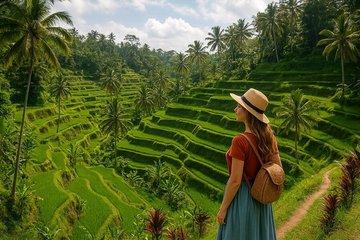
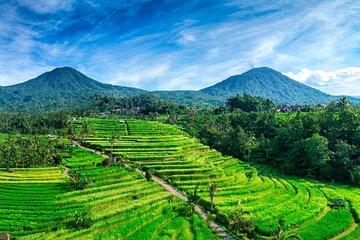
That combination is what makes the month work. The heavy wet-season rain has cleared, but the rivers and waterfalls are still running high, and the rice terraces and jungle are at their greenest. You get full-flow waterfalls, comfortable temperatures for temple-hopping, and a green island before the dry-season browning sets in.
April is the start of Bali's dry season, though it is a transition month rather than a fully dry one. Locals call this shifting period pancaroba: mornings are reliably bright, while afternoons can still bring a short, sharp shower before the sun returns. That rhythm suits temples and waterfalls — green, full landscapes with weather settled enough to enjoy them.
This guide covers what Bali is actually like in April, which temples and waterfalls are worth your time, how to behave and what you'll pay, and how to pair the two into sensible days without spending your trip in the car.
What Bali in April Is Actually Like
Bali in April is one of the best-value months of the year to visit. The wet season has largely ended, rainfall drops sharply from the January–February peak, and the island is still lush and green before the dry-season browning sets in. Crowds and prices are moderate — busier than the quiet of January, calmer than the July–August high season.
Weather and the wet-to-dry transition
Expect warm, mostly sunny days with the occasional brief afternoon downpour. Rain when it comes is usually short and passes quickly, rather than the all-day rain of December and January. The highlands around Ubud and Bedugul — where most waterfalls and several temples sit — run a few degrees cooler and can have misty mornings.
- Rainfall: around 70–120 mm across 6–12 wet days, dropping through the month
- Daytime temperature: 28–31°C on the coast; 23–26°C in the highlands
- Humidity: around 70–80%, noticeably more comfortable than February or March
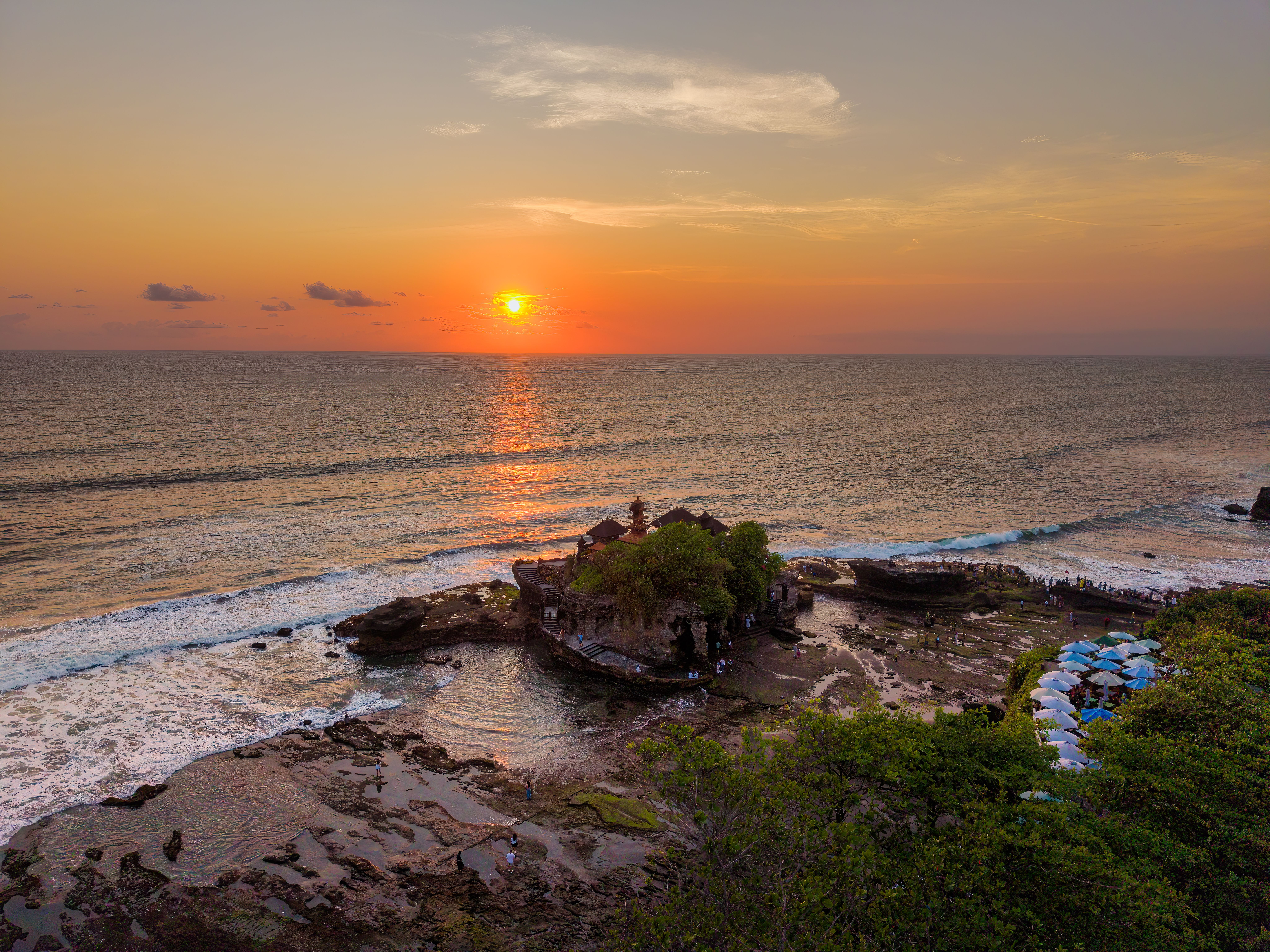
- Sunset: roughly 6:15 pm — long golden-hour afternoons for sea-temple visits
- Sea conditions: southeast winds begin favouring the west-coast surf breaks at Uluwatu and Canggu
One caveat worth planning around: during the transition, the Indonesian weather agency notes that afternoons can still produce sudden thunderstorms or strong winds, especially in the first half of the month, before conditions stabilise after mid-April. It rarely ruins a day, but it shapes how you sequence waterfalls — more on that below.
Crowds, prices, and the Easter bump
April sits in the gap between the end of the rains and the start of high-season pricing, which is good news for your budget. Accommodation runs roughly 20–25% below the July–August peak, and you'll often find villa upgrades and discounts. Attractions are lively without being shoulder-to-shoulder.
The one busy window is Easter. In 2026 the Easter weekend falls on 18–21 April, which brings a short spike in family travel and hotel occupancy in the 65–70% range across south Bali. If your dates are flexible, the first or last week of the month is quieter. For a broader month-by-month view of how April compares, see our top experiences in Bali to anchor your shortlist before you book.
Bali in April at a glance
- Vibe: green, fresh, and settling into dry season — the "just right" month
- Best for: waterfalls at full flow, comfortable temple visits, fewer crowds than peak
- Pack: light layers, sun protection, a packable rain shell, sturdy sandals or trail shoes, a sarong
- Watch for: short afternoon showers and slippery waterfall steps; start outdoor sites early
Bali's Temples in April
April is one of the easier months to visit Bali's temples: the weather is comfortable, the backdrops are green, and there is no island-wide religious holiday closing things down. Group temples by type and region — sea, water, mountain — and you can see four to six of the major ones across a week without backtracking.
Sea temples at sunset — Tanah Lot and Uluwatu
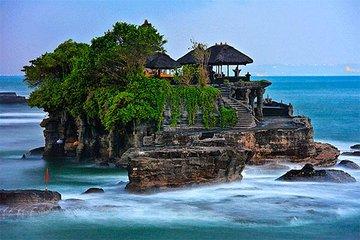
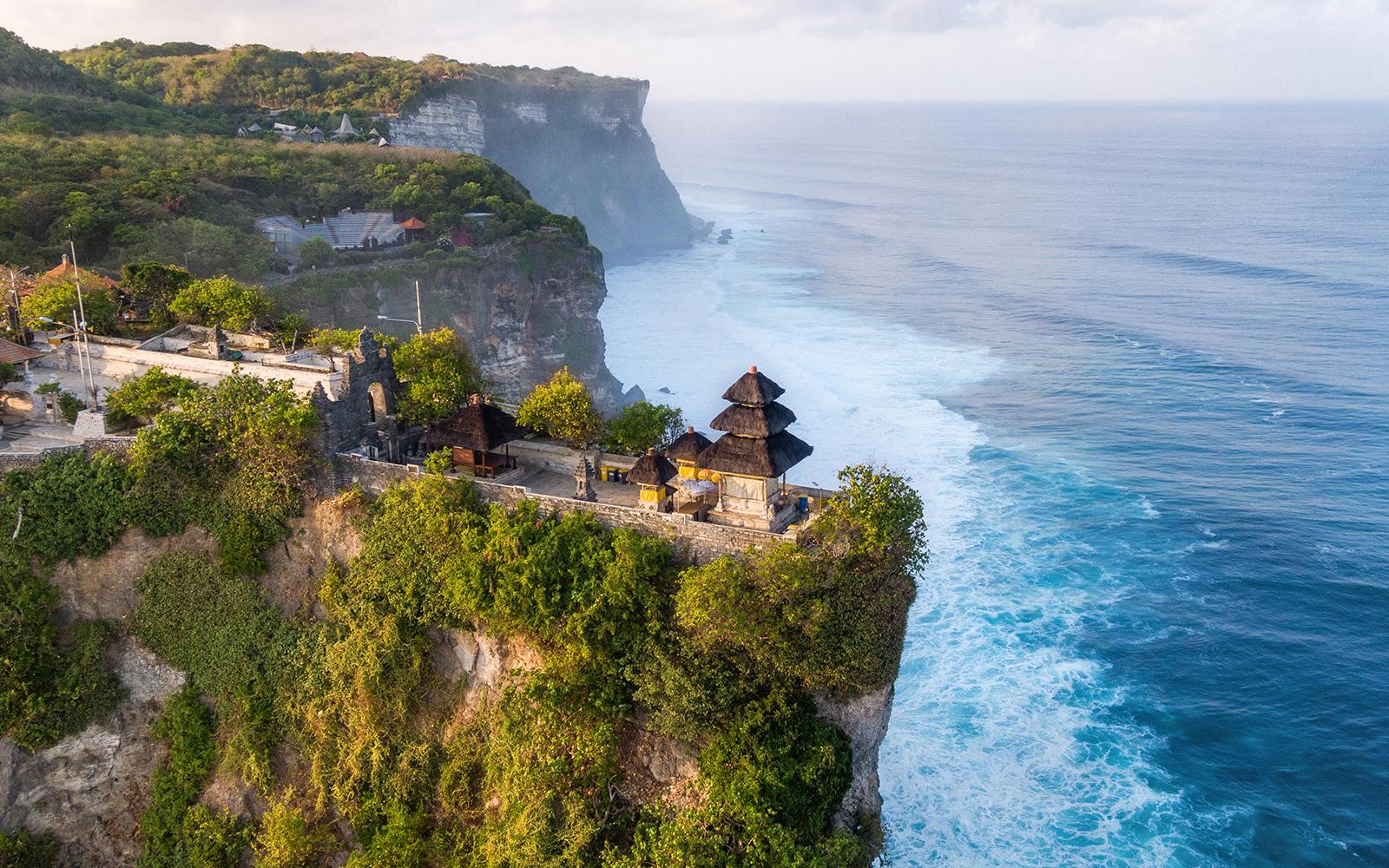
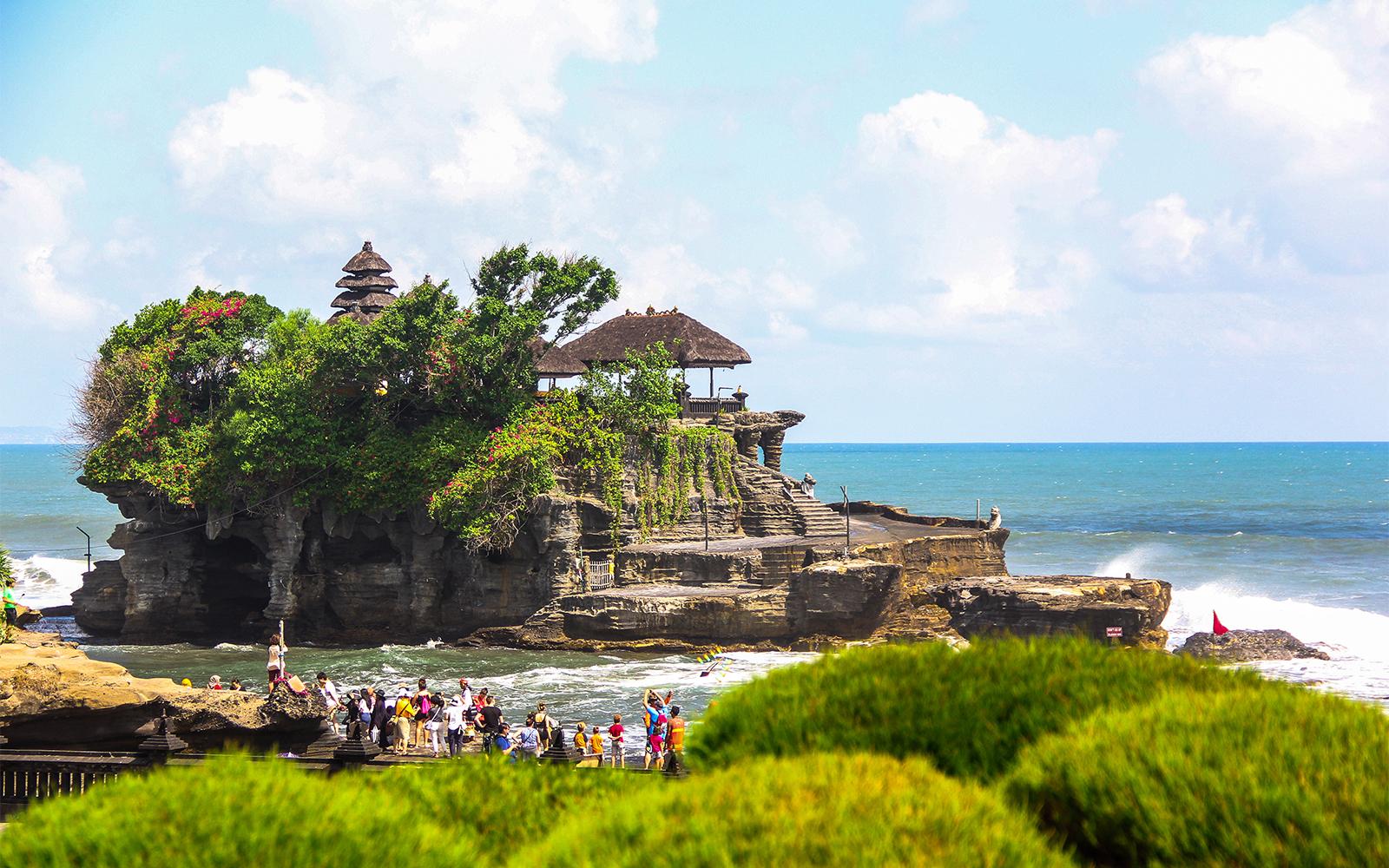
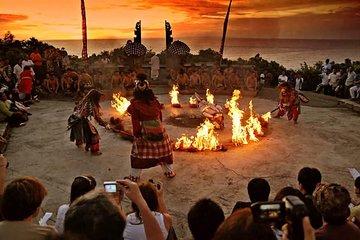
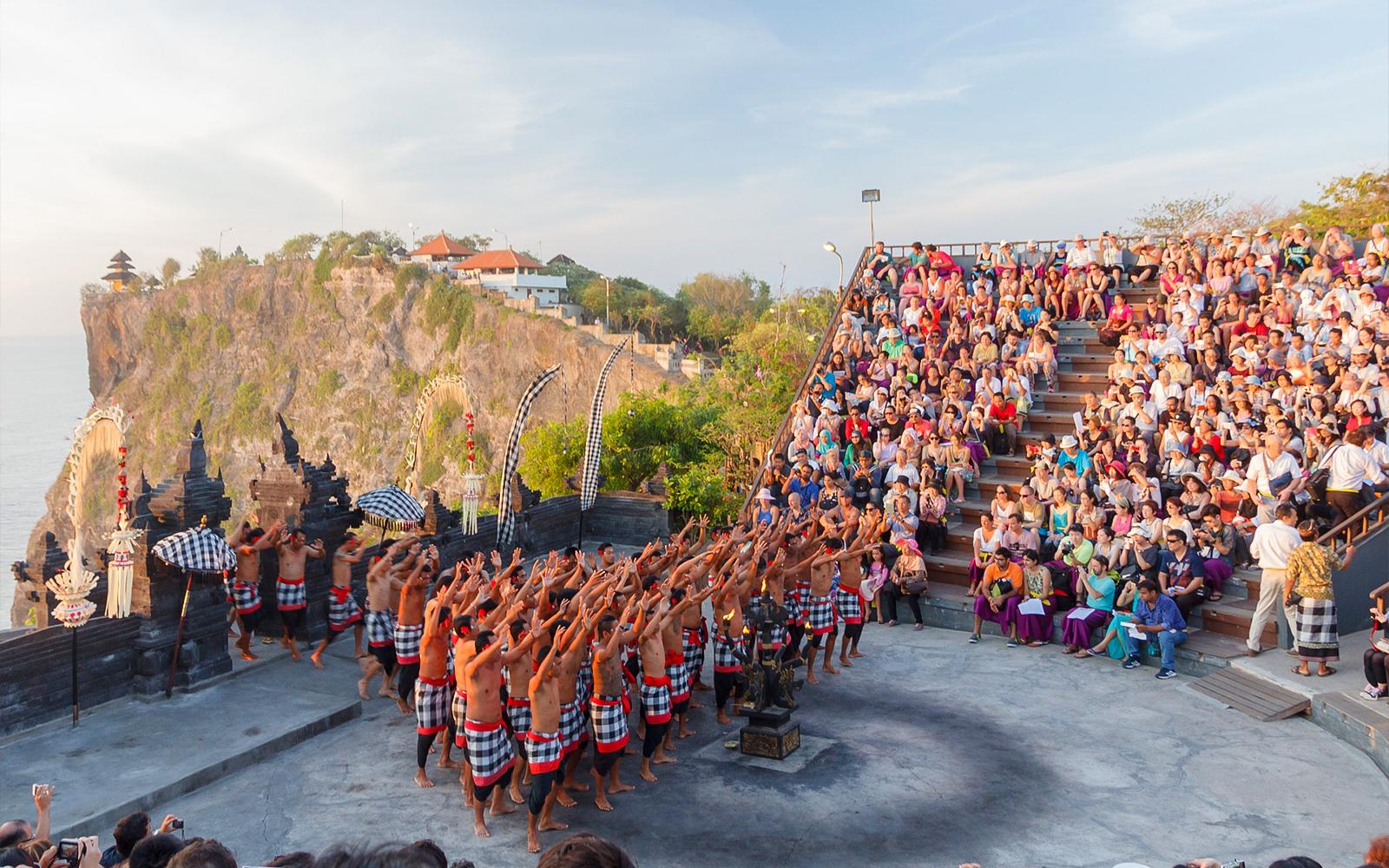
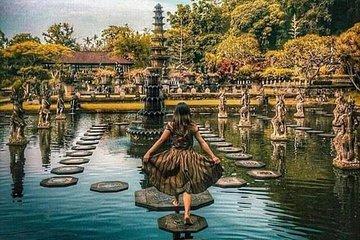
Bali's two most photographed temples are both sea temples, and both are at their best in the late-afternoon light that April's settled evenings deliver. Tanah Lot Temple sits on a tidal rock off the southwest coast and is built around the sunset view; arrive 90 minutes before dark to walk the site before the crowd thickens. Uluwatu Temple perches on a 70-metre clifftop on the Bukit Peninsula, with a Kecak fire dance performed at sunset most evenings. Keep an eye on your belongings — the resident macaques at Uluwatu are practised thieves.
Mountain and water temples — Lempuyang, Tirta Empul and beyond
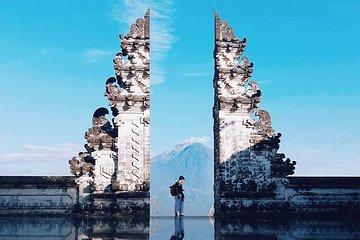
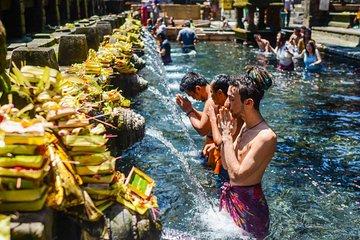
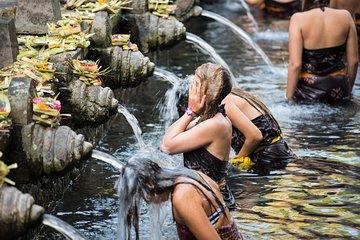
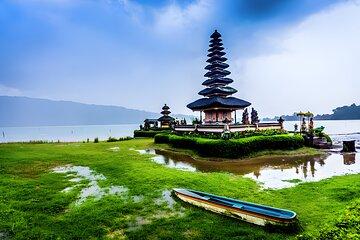
Inland and uphill, the temples trade sunsets for atmosphere and ritual. Pura Lempuyang Luhur in East Bali is the source of the famous "Gates of Heaven" view framing Mount Agung — go early, both for clear morning skies and to beat the long photo queue. Tirta Empul near Ubud is a working water temple where you can take part in the melukat purification ritual in its spring-fed pools; bring a change of clothes and a sarong for the water. Bali's Besakih Temple, the island's largest and holiest complex on the slopes of Mount Agung, and the lakeside Pura Ulun Danu Beratan at cool, misty Bedugul round out the must-sees — the latter part of the UNESCO-listed subak water system that has shaped Balinese landscapes for centuries.
Dress, fees, and etiquette
A sarong and sash are mandatory at every temple — bring your own or rent at the gate, usually included in the entry fee. Keep shoulders covered, behave quietly in prayer areas, and don't stand higher than a priest during ceremonies. By Balinese custom, menstruating women and anyone with an open wound are asked not to enter the inner temple, a rule of sebel (ritual impurity) that visitors are expected to respect.
- Entry fees (2026): IDR 30,000–75,000 (USD 2–4.75) at most temples; up to IDR 150,000 (USD 9.50) at Besakih
- Opening hours: typically 7:00 am–6:00 pm daily
- Dress: sarong + sash required; shoulders covered; modest clothing
- Best timing: sea temples late afternoon; water and mountain temples early morning
Ceremonies and festivals in April
April 2026 is quiet on the major-ceremony front, which works in a visitor's favour. Nyepi, the Day of Silence that shuts the entire island down (airport included), already passed on 19 March. Galungan and Kuningan — the next big temple festivals — fall in June 2026, not April. That leaves the month free of island-wide closures, while smaller Pawukon-calendar observances and temple-specific odalan anniversaries still happen throughout. Ubud's Bali Spirit Festival, a yoga and world-music gathering, also typically lands in this April–May window. If you do come across a ceremony, you're usually welcome to watch respectfully from the edges in temple dress.





Bali's Waterfalls in April — Full Flow, Firmer Trails
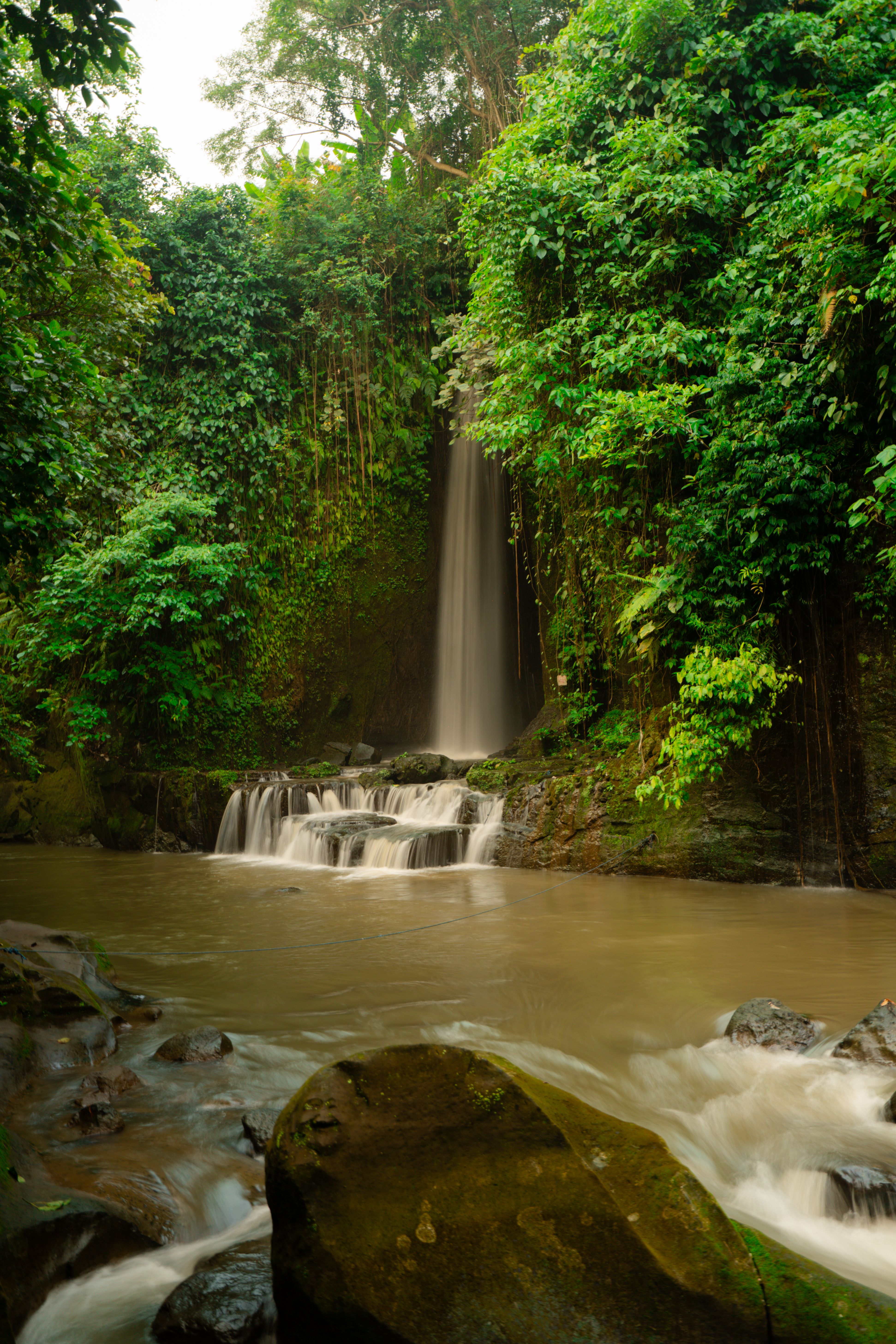
April is arguably the single best month for Bali's waterfalls. They're still carrying the volume built up over the wet season, so the falls are powerful and the jungle around them is vivid green — but the trails have begun to dry and firm up, so the muddy, slippery scrambles of January and February are easing. You get the drama of the wet season with much of the footing of the dry.
Most of the island's best waterfalls sit inland, within 30 minutes to 2.5 hours of Ubud, and entry fees are tiny — usually IDR 15,000–30,000 (USD 1–2). A few are easy strolls; others involve hundreds of steep steps. Choose by how much effort you want and group them by region.
The waterfalls worth your time
- Sekumpul — widely rated Bali's most spectacular: twin cascades dropping around 80 metres into a jungle gorge. A 2–2.5 hour drive from south Bali and a 30–45 minute scramble down; a local guide is useful and sometimes required. Entry around IDR 20,000 (USD 1.30) plus guide fees.
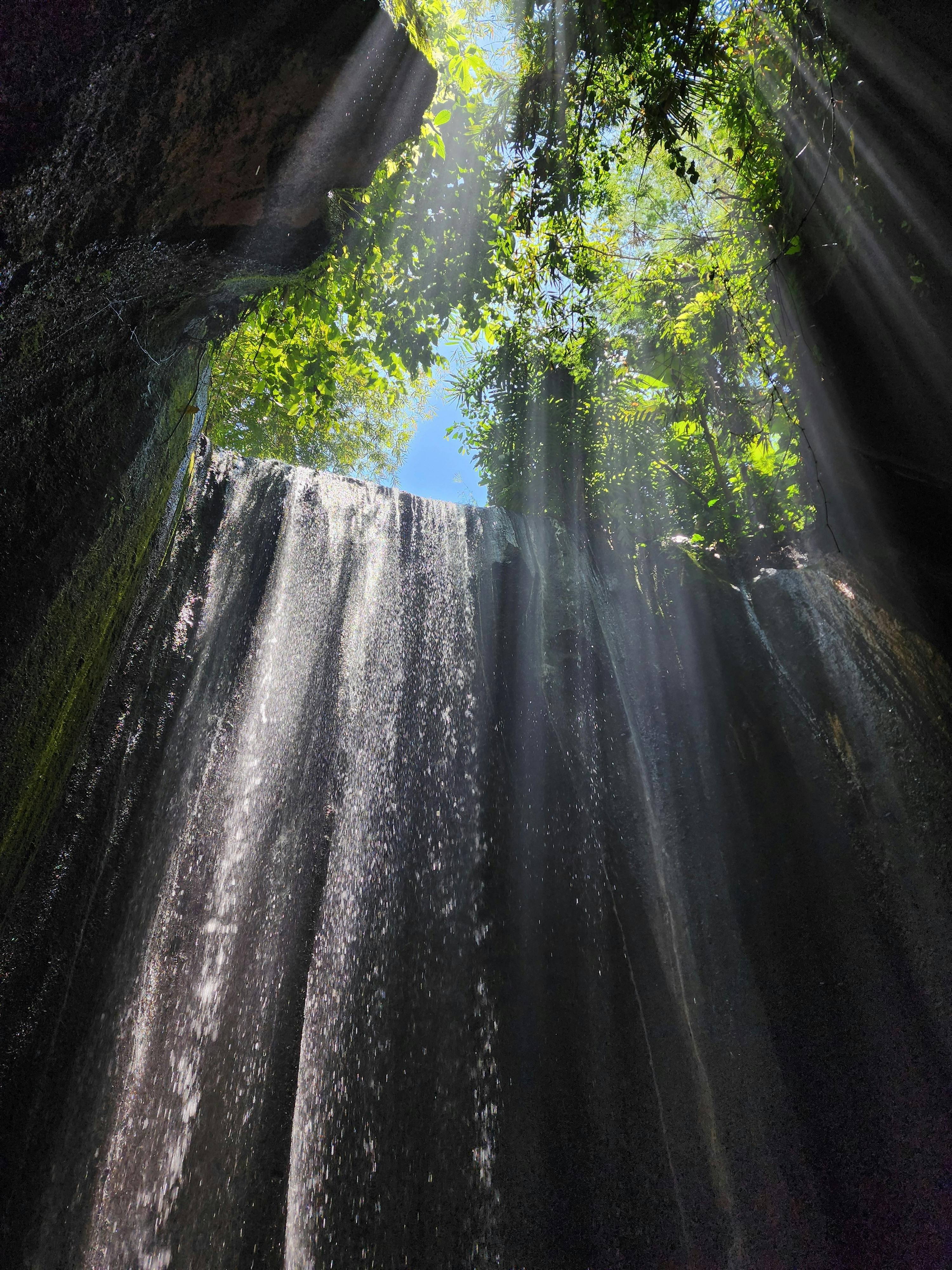
- Tukad Cepung — a cave waterfall near Bangli where sunbeams pour through the canyon roof. The light window is roughly 9:30–11:00 am on clear days. Entry IDR 20,000–30,000 (USD 1.30–2), with a steep 20-minute descent and some river wading.
- Tegenungan — the most accessible, about 10 km from Ubud, with a wide swimmable pool. Busy and commercial, but an easy half-day with minimal walking.
- Tibumana — a gentle single curtain into a calm pool, an easy 30-minute drive from Ubud and good for swimming. A quieter alternative to Tegenungan.
- Aling-Aling — the adventure option in the north, with guided cliff jumps and natural slides (guide mandatory for the jumps).
- Nungnung — a powerful 70-metre fall reached by 500+ steps; the most demanding of the popular falls.
- Banyumala and Gitgit — northern twin-fall and jungle cascades, both swimmable and scenic, often paired with Sekumpul.
- Kanto Lampo — a photogenic tiered fall near Gianyar, an easy add-on close to Ubud.
Because so many falls cluster near Ubud, this part of Bali rewards a base in the interior. If you're still mapping your trip, our Bali destination guide lays out experiences by region so you can see which waterfalls and temples line up on the same day.
Two waterfall day routes
A single day, with an early start and a private driver, comfortably covers two to three falls in one region. Trying to chain falls from opposite ends of the island is the classic mistake — the driving eats the day.
- Ubud / south cluster (easier): Tibumana (08:00) → Tukad Cepung (09:30, in time for the light beam) → Kanto Lampo (11:30), then lunch at a warung. Short drives between each.
- Northern cluster (for keen hikers): leave south Bali by 07:00, Sekumpul first (arrive ~09:30) → Banyumala (12:00) → Aling-Aling (14:30). A longer, more committing day covering Bali's biggest falls.
Waterfall safety in the transition season
The wet-to-dry transition is the main thing to respect. The rocks and steps stay slippery, particularly after a shower, and canyon waterfalls carry a real flash-flood risk in heavy rain. Tukad Cepung, set inside a narrow canyon, is the one to skip if it has been pouring — choose an open fall like Tegenungan instead.
- Start early — most falls are calmest and clearest before 9:00 am, and afternoons are when transition showers build
- Wear sturdy sandals or trail shoes with grip; the stone steps are unforgiving barefoot
- Carry a waterproof bag for phones and cameras, plus water and insect repellent
- Hire a local guide for Sekumpul and for any cliff jumping at Aling-Aling
- If a canyon fall has had hours of rain upstream, change your plan — flow can rise fast
How to Plan Temples and Waterfalls Together in April
The trick to combining temples and waterfalls in April is to pair by region, not by checklist. Most temples and waterfalls sit in the central highlands and east, so a single base near Ubud puts the majority within a 30–90 minute drive — and lets you fold a temple and a waterfall into the same day rather than crossing the island twice.
Pair by region, not by a checklist
East Bali combines neatly: Pura Lempuyang's Gates of Heaven in the morning pairs with Tukad Cepung's light-beam window and a stop at Tirta Empul on the way back toward Ubud. The Ubud area links Tibumana and Kanto Lampo with the Sacred Monkey Forest and a Tegallalang rice-terrace stop. Save the southwest coast — Tanah Lot and Uluwatu — for sunset days when you're not chasing morning light inland.
A sample April day
- 06:30 — leave Ubud with a private driver, heading east
- 08:00 — Pura Lempuyang Luhur, early for clear Mount Agung views and a shorter queue
- 10:00 — Tukad Cepung waterfall, in time for the cave light beam
- 12:30 — lunch at a roadside warung (IDR 40,000–70,000 / USD 2.50–4.50 per dish)
- 14:00 — Tirta Empul on the route home, for the purification ritual
- 16:30 — back in Ubud, with the afternoon free before any rain
Practical planning
A private driver-guide for a full day runs IDR 600,000–900,000 (USD 38–57), shared across your group, and is the most efficient way to combine temples and waterfalls without navigating Bali's traffic and narrow back roads yourself. Self-driving a scooter is cheaper but requires an international driving permit, which police check routinely in tourist zones.
- Tourist levy: all foreign visitors pay a one-time IDR 150,000 (USD 9.50) levy — pay online before you fly via the official Love Bali portal to skip airport queues
- Cash: bring small notes for temple and waterfall entry, parking, and tips
- Pack for the day: sarong, sun protection, a rain shell, grippy footwear, a waterproof bag
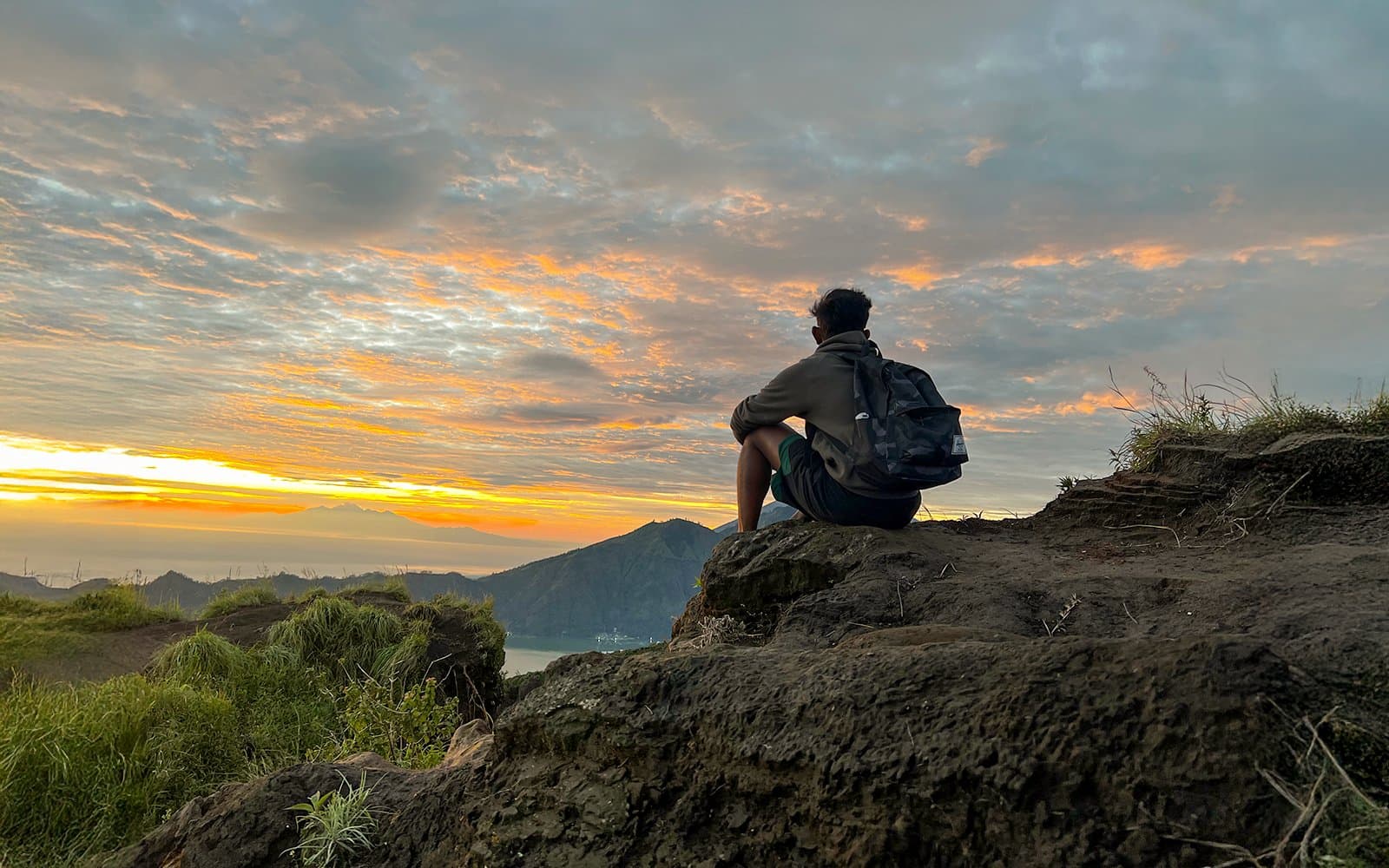
- Book ahead: sunrise treks and guided day tours fill up — the experiences listed on Travjoy are vetted and reviewed by local experts, so you can lock in a reliable operator rather than gambling on the ground
Plan Your April Trip
April rewards travellers who want Bali at its most photogenic without the peak-season prices. The waterfalls are full and the trails are drying out, the temples are comfortable to visit and free of island-wide closures, and the green wet-season landscape hasn't yet faded. Base yourself near Ubud, pair a temple with a waterfall by region rather than racing across the island, start your outdoor days early, and keep a rain shell handy for the odd afternoon shower. Do that, and a week in Bali in April covers both headline experiences at an easy pace. Start planning your trip on Travjoy's Bali guide, where every experience is mapped by region and reviewed by local experts.







.svg&w=1920&q=75)