


Culture and Heritage Guide to Singapore


Clan Temples • Peranakan Shophouses • Kopitiam Mornings • Colonial Façades • Mosque Courtyards • Street Murals • Hawker Rituals • Kampong Lanes • Waterfront Icons



KEY DATES IN
Singapore'S History
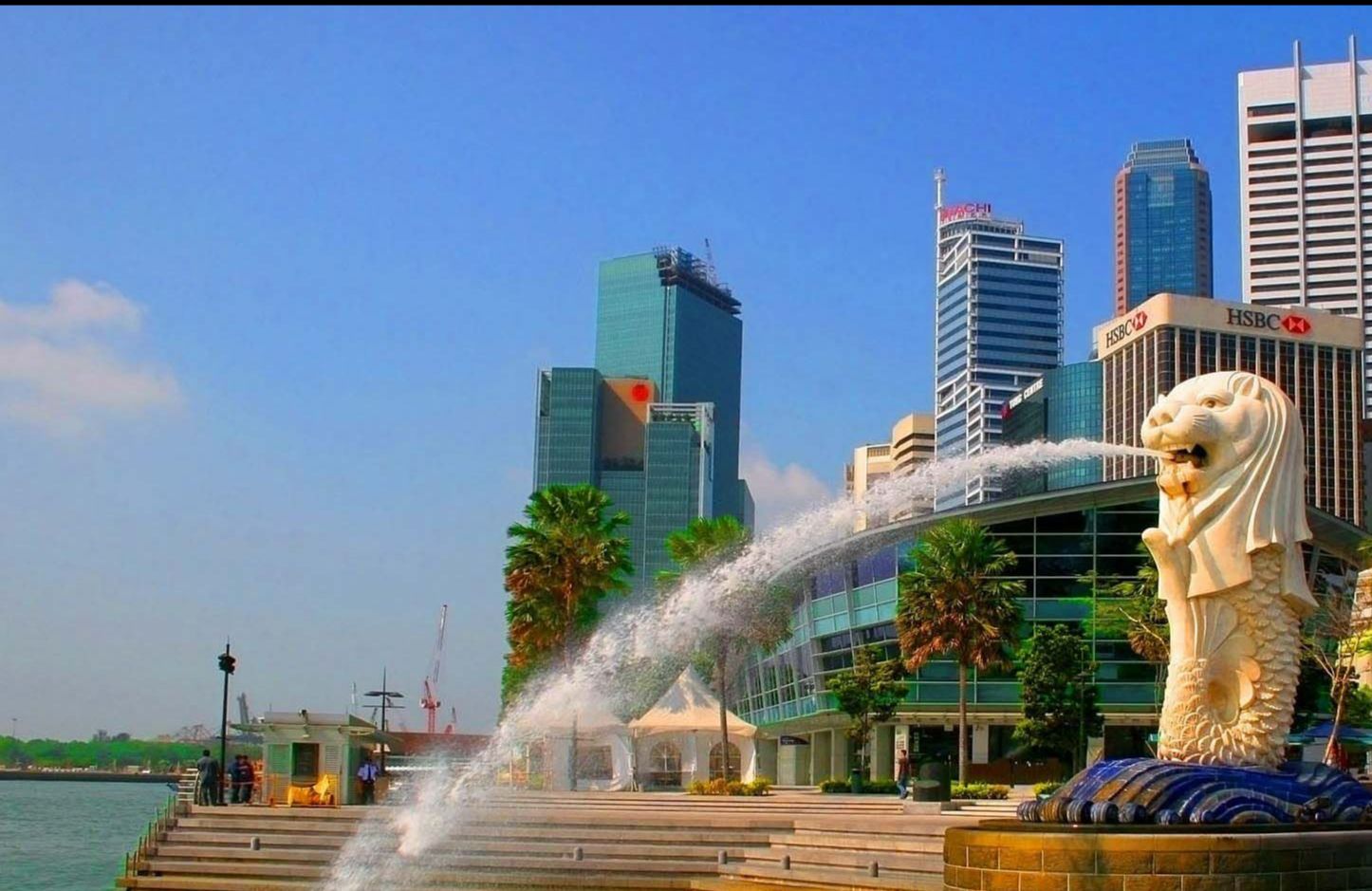
Sang Nila Utama spots what he believes is a lion and names the island Singapura — "Lion City." The name stuck for seven centuries.
Sir Stamford Raffles signs a treaty with the local sultan, turning a quiet fishing village into a British free port. Migrants from China, India, and the Malay world pour in.
Japanese forces occupy Singapore. Three brutal years reshape the island's identity and fuel the push for self-rule.
Singapore separates from Malaysia and becomes an independent republic. Lee Kuan Yew begins the rapid transformation from port town to global city.
Singapore Botanic Gardens becomes the country's first UNESCO World Heritage Site. Heritage preservation becomes national policy, not afterthought.
EVERYDAY Singapore QUIRKS

🧻 Tissue Packet Diplomacy: Singaporeans reserve hawker centre tables by placing a tissue packet on the seat or table. It's an unwritten social contract — and everyone respects it.
☕ Kopi Has Its Own Language: Coffee orders come in Hokkien-Malay shorthand. "Kopi-C siew dai" means evaporated milk, less sugar. "Kopi-O kosong" means black, no sugar. Learn three words and you sound local.
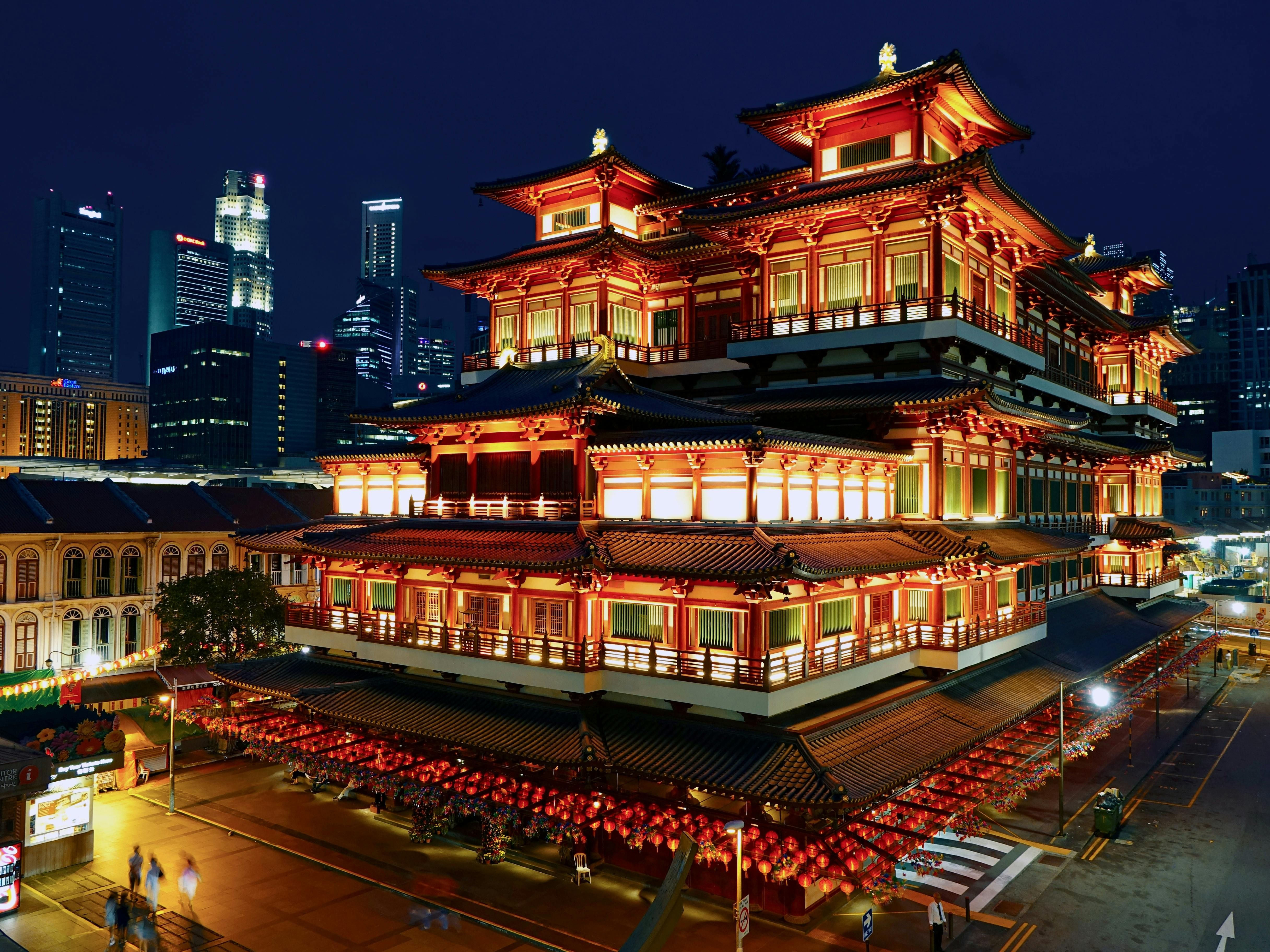
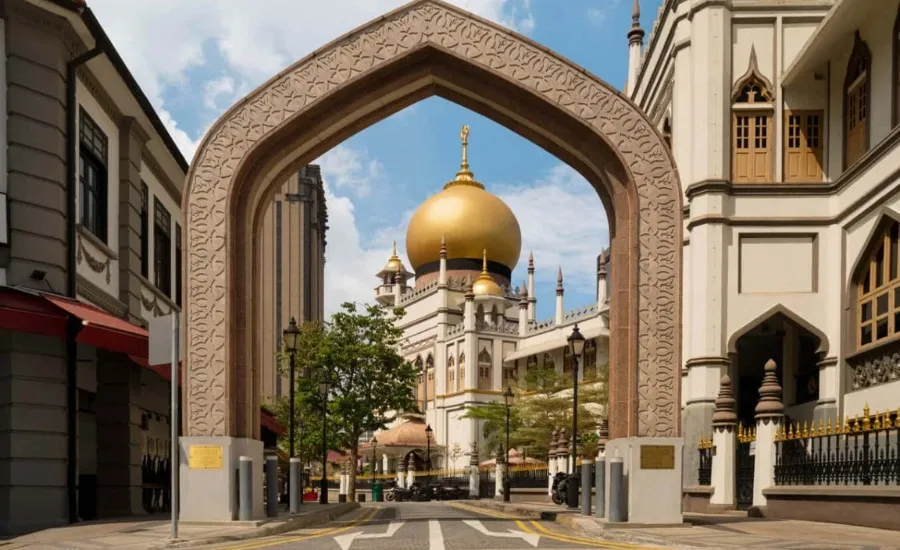
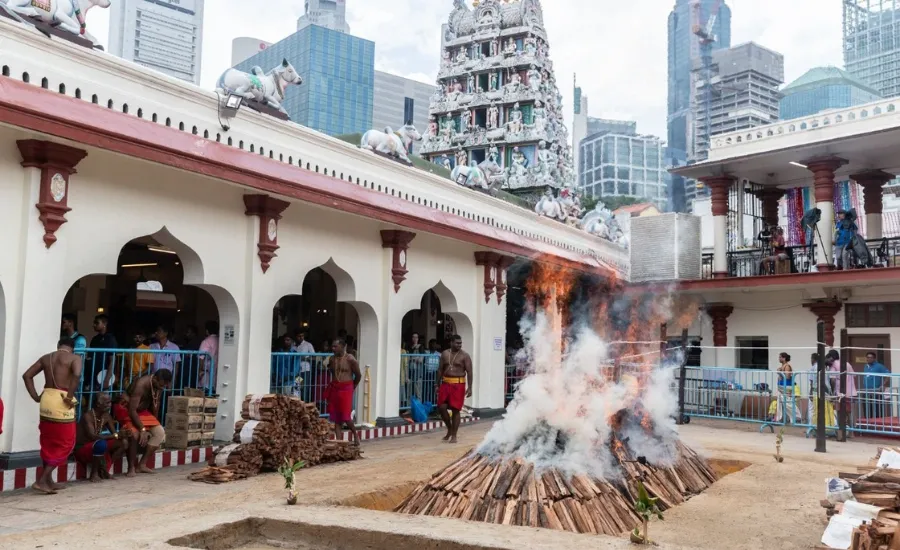
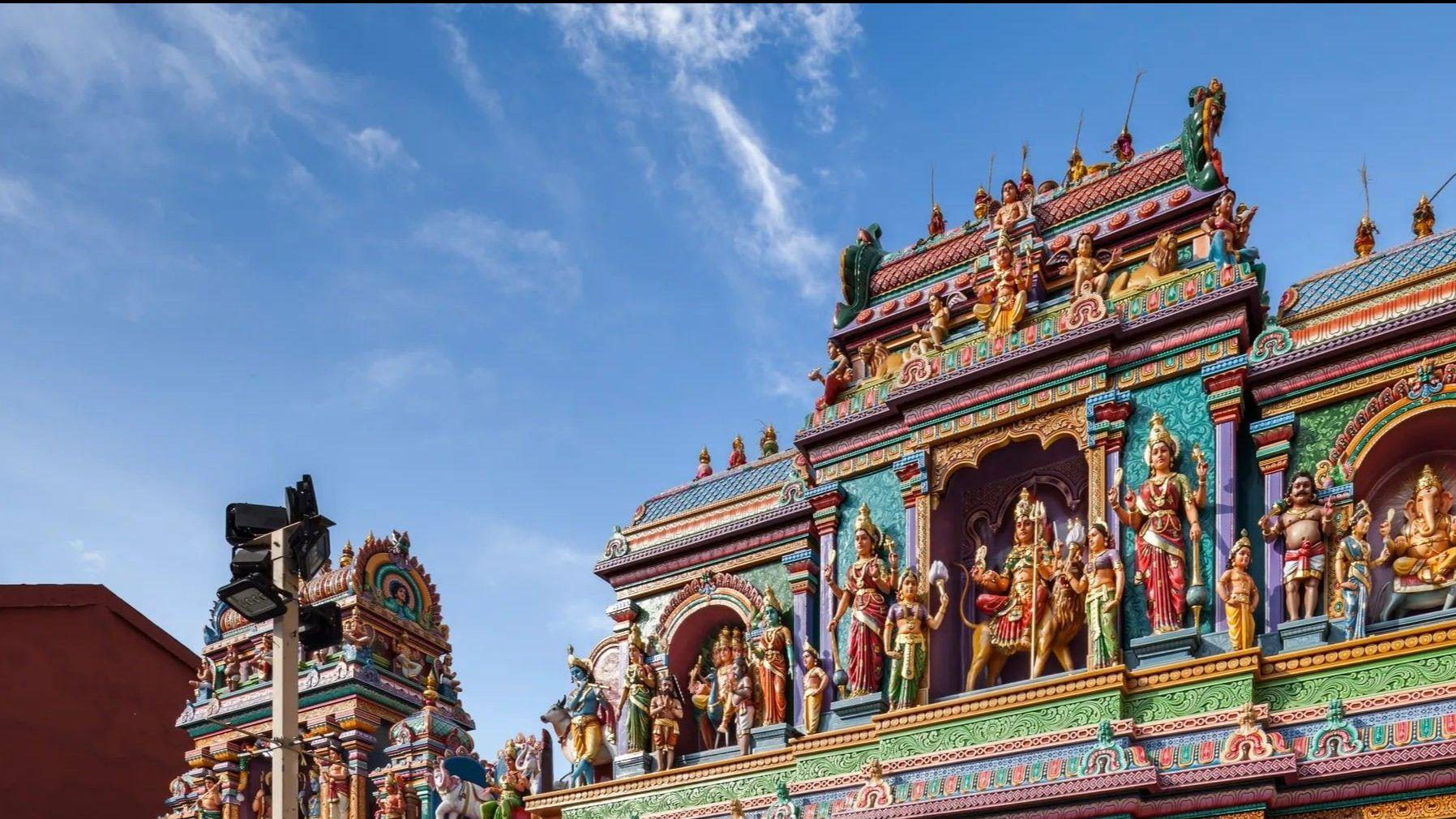
🕌 Three Faiths, One Street: You'll see a mosque, a Hindu temple, and a Chinese temple within a single block — especially in Chinatown. No one blinks. That's just how the city is built.
👟 Flip-Flops Are Formal Enough: Locals wear flip-flops to hawker centres, malls, and even casual dinners. It's 33°C year-round — comfort wins every time.
🗣️ Singlish Ends With "Lah": English is the working language, but Singlish — a mix of English, Malay, Hokkien, and Tamil — runs every casual conversation. "Can" means yes. "Cannot lah" means absolutely not.
🏠 HDB Is the Real Singapore: Over 80% of Singaporeans live in government-built flats. Every block has ethnic quotas, so Chinese, Malay, and Indian families live side by side — by design, not accident.