


Key Information Guide


Share

INTRODUCTION
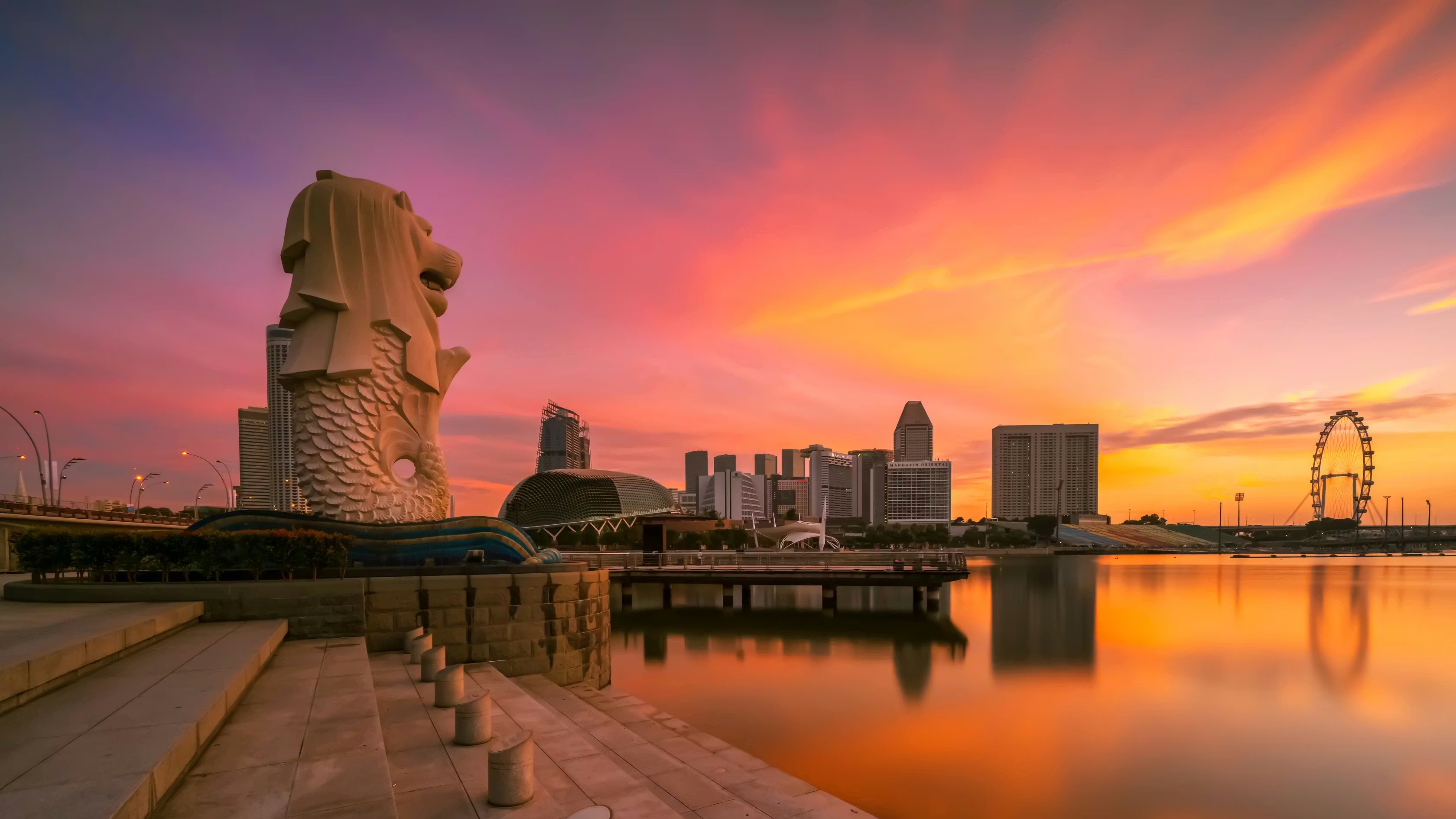
Singapore is a compact city-state where neighbourhoods change fast over a short distance. One hour can cover a waterfront walk, a museum stop, and dinner at a hawker centre.
The city works well for first-time visitors who want clear logistics, and for repeat travellers who prefer neighbourhood-led exploring.
Plan your days by theme. Use the centre for skyline viewpoints, galleries, and riverside dining. Use the heartlands for food courts, local markets, and community parks. Use the islands and coastal parks when you want a slower pace.
Public transport makes these shifts simple, which helps you stack experiences without losing time to long transfers.

Getting There
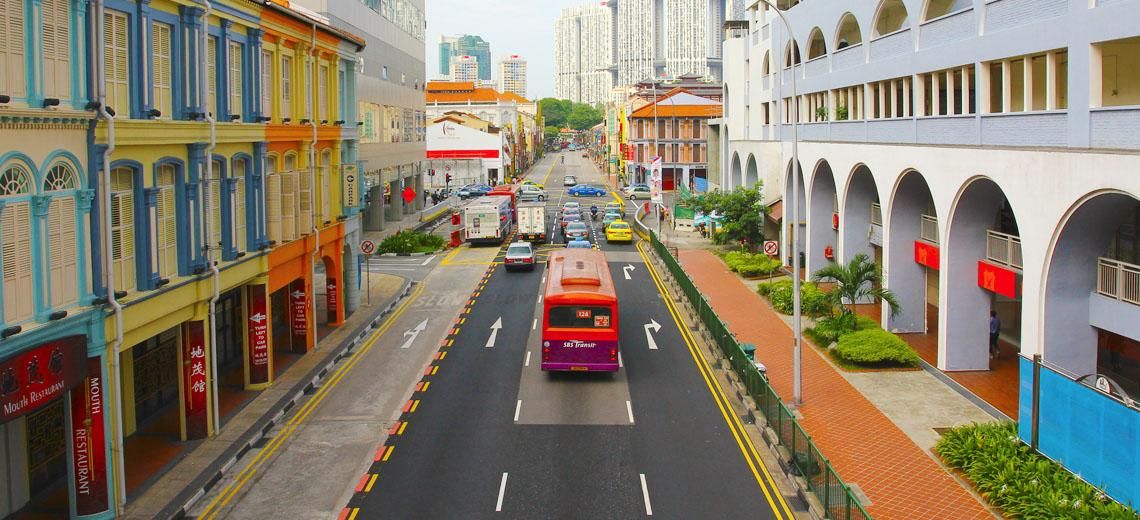

Local Transport
- Metro (MRT) & LRT
The MRT covers all major tourist zones across six lines, including the Thomson-East Coast Line. Trains run from around 5:30 AM to midnight, with frequencies of 2–5 minutes at peak times. Stations connect directly to malls and underpasses, which helps during heavy rain. You can pay with a contactless Visa or Mastercard via SimplyGo, or use an EZ-Link card. - Buses
Buses fill the gaps between MRT lines and work well for neighbourhood hopping. Stops are frequent and routes show clearly in mapping apps. All buses are air-conditioned and wheelchair-accessible. Flag the bus down at stops or it may not stop. - Taxis
Taxis are regulated and metered. Flag-down fares start from around SGD 3.90–4.30, with surcharges for peak hours, CBD zones, midnight rides, and airport pickups. Use official taxi stands at airports, hotels, and malls. - Waterways
The Singapore River area has boat services focused on sightseeing. Use them as an evening activity rather than primary transport. Ferries run to Sentosa and the Southern Islands.