


Singapore: Sri Mariamman Temple
Operating Hours:Daily: 06:00 - 12:00; 18:00 - 21:00
The Vibe:Vibrant faith and history in one place
Singapore’s oldest Hindu temple, founded in 1827, stands as a vivid spiritual sanctuary amid Chinatown’s bustle.
Fragrant incense and flower garlands scent the air. Bells chime during prayers, and barefoot devotees move across cool temple floors under the gaze of ornate deities.
- Gazetted National Monument for its cultural significance
- Renowned for annual Fire-Walking festival (Thimithi) that draws thousands
- Visitors laud its intricate gopuram (tower) and peaceful aura
Fit For
- Families: A cultural learning stop – children will be awed by the colorful statues (ensure they respect the space and rituals)
- Couples: Experience a serene, enchanting side of Singapore together, especially beautiful during festivals with oil lamps lit
- Seniors: Benches in the courtyard offer rest; be mindful of steps at shrine entrances and the shoe-removing requirement
- Photographers: A feast of details – every corner bursts with color and craftsmanship, offering rich photo opportunities
Highlights
- Gopuram Entrance Tower — six-tiered tower brimming with carved Hindu deities, the temple’s most photographed feature
- Main Hall — houses deity Sri Mariamman, where priests perform puja ceremonies amid detailed pillars and ceiling frescos
- Side Shrines — dedicated to various gods (Ganesha, Durga, Shiva) each set in alcoves with their own ornate statues and offerings
- Ceremonial Courtyard — open-air central space used for large rituals (like fire-walking), often lined with oil lamps during festivals — Hidden Gem
Singapore Local Expert

Adeline Ee
10+ years of experience
Table of Contents
Things To Do Nearby
Chinatown Street Market — steps away, browse for souvenirs, snacks or traditional crafts in the bustling lanes
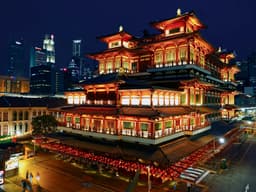
Buddha Tooth Relic Temple — another ornate temple (Buddhist) just down the street, known for its Tang-dynasty style and rooftop garden
Ann Siang Hill — a charming enclave of eateries and boutiques around the corner, perfect for relaxing after temple visits
Chinatown Street Market — steps away, browse for souvenirs, snacks or traditional crafts in the bustling lanes
Buddha Tooth Relic Temple — another ornate temple (Buddhist) just down the street, known for its Tang-dynasty style and rooftop garden
Ann Siang Hill — a charming enclave of eateries and boutiques around the corner, perfect for relaxing after temple visits
TJ's Guide - Sri Mariamman Temple
Know Before You Go
Insider Tips
• Peak times are during puja (prayer) sessions around 7am and 7pm; visit outside these times for a quieter experience
• If you visit during the fire-walking festival (Thimithi, usually Oct/Nov), arrive early in the evening to secure a good viewing spot
• Women in menstruation are traditionally advised not to enter temples in Hindu culture – though this is not enforced, it’s a cultural note to be aware of
• There is no entry fee, but consider a small donation in the donation box if you take photos or simply to support upkeep
• Peak times are during puja (prayer) sessions around 7am and 7pm; visit outside these times for a quieter experience
• If you visit during the fire-walking festival (Thimithi, usually Oct/Nov), arrive early in the evening to secure a good viewing spot
• Women in menstruation are traditionally advised not to enter temples in Hindu culture – though this is not enforced, it’s a cultural note to be aware of
• There is no entry fee, but consider a small donation in the donation box if you take photos or simply to support upkeep
Know Your Facts
- • MRT: Chinatown Station (NE4/DT19) is a 3-minute walk. Take Exit A, and the temple’s gopuram will be visible as you walk south on Pagoda Street to South Bridge Road
- • The temple entrance is hard to miss – a brightly colored tower gate facing the street. Remove your shoes and leave them on the shoe racks provided outside before you enter
- • During festivals, barricades may guide visitors through a specific entry/exit flow – just follow the signs or temple volunteers’ directions
- • First-time visitors can pick up a free pamphlet (when available) near the entrance explaining the temple’s history and deities to enrich your visit
Once You Reach
Internal Navigation
• The temple layout is straightforward: an open courtyard leading to the main shrine hall straight ahead, with smaller shrines lining the sides
• It’s customary to walk clockwise around the temple interior, pausing at each shrine – follow the flow of devotees if unsure
• Be mindful of sacred spaces: some areas just in front of deities are for devotees to stand or sit during prayers; observe from slightly back unless invited
• Feel free to respectfully ask temple staff or volunteers (if present) about any rituals or the meaning of statues – they are often happy to share
• If you’ve removed shoes, the floor can be cool or slightly wet (from ritual cleansing) – walk carefully to avoid slips
Food & Coffee Shops
• Right outside the temple, street vendors sometimes sell Indian snacks or flower garlands – trying a piece of coconut candy or buying a jasmine garland adds to the experience
• For a sit-down bite, there’s a popular vegetarian Indian restaurant around the corner on Mosque Street, perfect for a meal that complements the cultural visit
• Chinatown’s Smith Street Food Court is a 5-minute walk and offers a mix of local dishes if you want to grab food after temple-hopping
• Right outside the temple, street vendors sometimes sell Indian snacks or flower garlands – trying a piece of coconut candy or buying a jasmine garland adds to the experience
• For a sit-down bite, there’s a popular vegetarian Indian restaurant around the corner on Mosque Street, perfect for a meal that complements the cultural visit
• Chinatown’s Smith Street Food Court is a 5-minute walk and offers a mix of local dishes if you want to grab food after temple-hopping
Photography Tips
• The best exterior shot is from across the street to capture the full height of the gopuram (especially pretty with a deep blue evening sky behind it)
• Inside, photography is allowed but do be discreet. Use a fast lens or higher ISO rather than flash to capture dimly lit inner shrines
• Focus on the details: the vivid ceiling murals and close-ups of deity statues make for stunning shots rich with color
• If a ceremony is happening, you can photograph from the sidelines – zoom in on the priest lighting camphor or devotees making offerings for meaningful moments
• The best exterior shot is from across the street to capture the full height of the gopuram (especially pretty with a deep blue evening sky behind it)
• Inside, photography is allowed but do be discreet. Use a fast lens or higher ISO rather than flash to capture dimly lit inner shrines
• Focus on the details: the vivid ceiling murals and close-ups of deity statues make for stunning shots rich with color
• If a ceremony is happening, you can photograph from the sidelines – zoom in on the priest lighting camphor or devotees making offerings for meaningful moments
Explore Deeper
Sri Mariamman Temple is a cornerstone of Singapore’s heritage. Its story intertwines with the city’s immigrant history and religious tolerance.
• Founder’s Legacy: Built by Naraina Pillai, an Indian trader who came to Singapore with Sir Stamford Raffles, the temple started as a simple wood structure and grew as the Indian community expanded
• Marriage Hall: In the 19th century, this temple was the only place Hindu weddings could be officially solemnized in Singapore, giving it a central role in community life
• Multi-Religious Harmony: Standing in Chinatown since 1827, it has coexisted harmoniously beside Chinese clan houses and a nearby mosque
a physical reminder of Singapore’s long-standing religious harmony
• Artisans from Afar: The intricate sculptures you see are crafted by artisans from South India. Even today, when restoration is needed, specialists are flown in to upkeep the traditional artistry
• Founder’s Legacy: Built by Naraina Pillai, an Indian trader who came to Singapore with Sir Stamford Raffles, the temple started as a simple wood structure and grew as the Indian community expanded
• Marriage Hall: In the 19th century, this temple was the only place Hindu weddings could be officially solemnized in Singapore, giving it a central role in community life
• Multi-Religious Harmony: Standing in Chinatown since 1827, it has coexisted harmoniously beside Chinese clan houses and a nearby mosque
a physical reminder of Singapore’s long-standing religious harmony
• Artisans from Afar: The intricate sculptures you see are crafted by artisans from South India. Even today, when restoration is needed, specialists are flown in to upkeep the traditional artistry
Did You Know?
• National Monument - Sri Mariamman Temple was one of Singapore’s first structures to be declared a National Monument (in 1973), protecting it for future generations
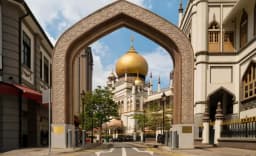
• Multi-Faith Street - Within one block, you’ll find this Hindu temple, the Jamae Mosque, and the Buddha Tooth Relic Temple – three different religions side by side
• Registry of Marriages - Up until the 1930s, Hindu marriages in Singapore were often registered at this temple, long before a civil registry existed for them