




Where to Stay in Bali: The Ultimate Area Guide for 2026
8 min read

Pratima Alvares
Author
SHARE BLOG
TABLE OF CONTENTS
- Key Takeaways
- Does the Bali area you choose really matter?
- Bali's main areas at a glance — the 2026 comparison
- South Bali's beach hubs — Seminyak, Canggu, Kuta, and Legian
Key Takeaways
- Bali isn't one destination — its eight main areas feel like different countries, and picking the wrong base can eat your trip in traffic.
- Most first-timers should split their stay between two areas; only consider three if you have ten or more nights.
- Seminyak and Canggu are the beach-and-dining hubs; Ubud is jungle and culture; Uluwatu is clifftop surf and luxury; Sanur and Nusa Dua are calm family bases.
- Skip Kuta unless you need a single airport-adjacent night — its appeal has thinned every year since 2019.
Most first-time Bali visitors should split their stay between two areas — typically Seminyak or Canggu for beaches and dining, plus Ubud for jungle and culture. Pick a single area only if you have fewer than five nights. Couples chasing clifftop sunsets should add Uluwatu; families wanting calm beaches should pick Sanur or Nusa Dua.
On a map, Bali looks pocket-sized. In reality, Ubud sits 35 km inland from the airport but takes two hours to reach in afternoon traffic. Canggu and Uluwatu are 25 km apart but feel like opposite islands. Pick the wrong base and you spend more time in a car than on the beach — and that's before you've started arguing about where to eat dinner.
This guide breaks down all eight areas worth knowing in 2026 — what each is good for, what each costs, and who shouldn't bother. By the end you'll know exactly where to stay in Bali for your trip type, how to split your nights if you have a week or more, and which areas to skip outright.
Does the Bali area you choose really matter?
Yes — for trips of five nights or fewer, where to stay in Bali is the single biggest decision after the dates themselves. For longer trips, splitting your stay across two or three areas takes most of the pressure off. The mistake first-timers make is treating Bali as one location, booking a hotel by name recognition (often Kuta), and then losing two days to inter-area transfers.
Bali's traffic congestion has worsened steadily since 2022, especially around Canggu, Seminyak, and the airport corridor. A 30 km drive that takes 45 minutes at 7 a.m. routinely takes two hours by 4 p.m. Choose a base that aligns with what you want to do most days, and you'll spend that time at beach clubs and rice terraces instead of behind a windscreen.
Worth obsessing about your area choice if
- You have five nights or fewer — there's no time to recover from a wrong pick
- You're travelling with elderly parents or young children — long transfers wear them out
- You want a specific style (surf, wellness, family resort, nightlife) — areas don't overlap as much as they look
- You're not comfortable on a scooter — areas like Uluwatu and Sidemen are scooter-dependent
Not worth obsessing about if
- You have seven nights or more and plan to split your stay across two bases
- You've budgeted for a private driver (around USD 45–55 per day) — this collapses Bali's distances
- You're a return visitor with a clear shortlist — at that point you already know what works
Bali's main areas at a glance — the 2026 comparison
The table below sums up the eight Bali areas that matter most to first-time and returning travellers. Use it as a shortlist before reading the deep-dive sections that follow. Drive times assume mid-morning departures from Bali Ngurah Rai International Airport (DPS); afternoon and evening times routinely run 30–60 minutes longer.
| Area | Vibe | Best for | Mid-range nightly (USD) | Drive from airport | Scooter-friendly? |
|---|---|---|---|---|---|
| Seminyak | Polished beach hub, dining, sunsets | Couples, foodies, first-timers | $80–180 | 30–60 min | Optional |
| Canggu | Surf, cafés, digital nomad energy | Surfers, remote workers, 20s–30s couples | $70–150 | 45–90 min | Yes |
| Ubud | Jungle, rice fields, wellness, culture | Wellness travellers, couples, culture-lovers | $80–220 | 90–150 min | Mostly no |
| Uluwatu / Bukit | Clifftop villas, surf breaks, sunsets | Surfers, luxury couples, honeymooners | $120–400 | 40–90 min | Essential |
| Nusa Dua | Gated resorts, calm beaches | Families, honeymooners, all-inclusive seekers | $150–350 | 25–40 min | Optional |
| Sanur | Quiet beach boardwalk, lo-fi family vibe | Families, seniors, return visitors | $60–130 | 25–40 min | Yes |
| Jimbaran | Bay seafood, mid-luxury resorts | Couples, families wanting beach + airport ease | $120–300 | 15–30 min | Yes |
| Kuta / Legian | Budget, party, traditional package tourism | Single airport night, surf-school beginners | $30–90 | 10–20 min | Yes |
Two notes on this table. First, the mid-range tier assumes a 4-star hotel or boutique villa with a pool — a step above guesthouse but not full luxury. Luxury rates climb to $500–1,500+ in any of these areas, while budget guesthouses often start at $20–30. Second, most listed prices are pre-tax — Indonesian hotels typically add 21% (10% government tax + 11% service) at checkout, so factor that into your real spend.
South Bali's beach hubs — Seminyak, Canggu, Kuta, and Legian
South Bali's western coast is where most beach-focused travellers base themselves, and the four main hubs each attract a distinct crowd. Seminyak draws couples and foodies, Canggu pulls surfers and remote workers, and Kuta and Legian sit at the budget end with a tourist-strip feel that has lost ground to its neighbours. Pick by what you value most — polish, energy, or price — and the choice gets simple.
Seminyak — polished beach base for couples and first-timers
Seminyak is the easiest place to land in Bali if you want a comfortable beach holiday without committing to a full resort. The area runs along a 4 km west-facing beach with reliable sunsets, and the inland streets pack in upmarket dining (Mejekawi, Sarong, La Lucciola), beach clubs (Potato Head, La Plancha), and boutique shopping. Mid-range hotels run $80–180 per night, with private pool villas from $200.
The crowd skews toward couples in their 30s–40s, honeymooners, and well-travelled solo women — there's a quieter, more residential feel than Canggu, and far less party energy than Kuta. Most visitors use Seminyak as their base for 3–5 nights and add Ubud or Uluwatu for contrast. The downside is that traffic on Jalan Petitenget and Jalan Kayu Aya gets dense from 5 p.m. onward — a 1 km dinner trip can take 25 minutes.
Insider reality check — Seminyak's beach
- The waves here are powerful year-round — fine for paddling and beginner surf, not for casual swimming with kids
- The sand strip is wide at low tide and almost gone at high tide — check tide times before booking a beachfront sunset
- Beach hawkers are persistent but not aggressive — a polite "no thanks" works after one or two attempts
Canggu — surf, cafés, and the rapid-growth trade-off
Canggu is best for surfers, digital nomads, and travellers in their 20s–30s who want a creative, laid-back base with strong cafés and beach bars rather than full-service hotels. The area splits into three sub-zones: Batu Bolong is the lively epicentre with Old Man's bar and the famous café strip; Berawa is more upscale with Finns Beach Club and luxury villas; Pererenan is quieter with rice fields and lower rental rates. Mid-range hotels run $70–150 per night.
The honest trade-off is traffic. Canggu's growth since 2020 has overrun its single-lane access roads, and Batu Bolong in the late afternoon can feel close to gridlock. A 2 km hop from your villa to dinner regularly takes 30–40 minutes by car — most longer-stay residents now do everything by scooter for that reason. If you don't ride confidently, Pererenan or northern Berawa give you more breathing room than central Batu Bolong.
Kuta and Legian — when to choose them in 2026
Kuta and Legian are the budget end of Bali and now serve a much narrower band of travellers than they did a decade ago. Mid-range hotels run $30–90 per night, the beach is wide and surf-friendly, and the airport is 10–20 minutes away. That's the case for staying. The case against is everything else — touts on the beach, persistent ATM-skimming risks on side streets, and a charm gap between Kuta and any other area on this list.
Stay in Kuta if you have a single early-flight night, you're on a tight budget, or you're booking surf school with a beginner-friendly board hire shop on the beach. For most other travellers, Seminyak (15 minutes north) or Canggu (30 minutes north) deliver the same beach with better dining and a far more pleasant evening.
Best Quality Experiences for Bali





View more Experiences

The Bukit, the resort coast, and Ubud — where to stay for calm, surf, or culture
The southern Bukit Peninsula and east-coast resort strip are where Bali shifts from busy beach hubs to calmer, more spaced-out stays — and Ubud, an hour inland, sits in a category of its own. These four sub-areas cover everything Seminyak and Canggu don't: clifftop drama, family-resort calm, and jungle wellness.
Uluwatu and the Bukit Peninsula — clifftop luxury and surf
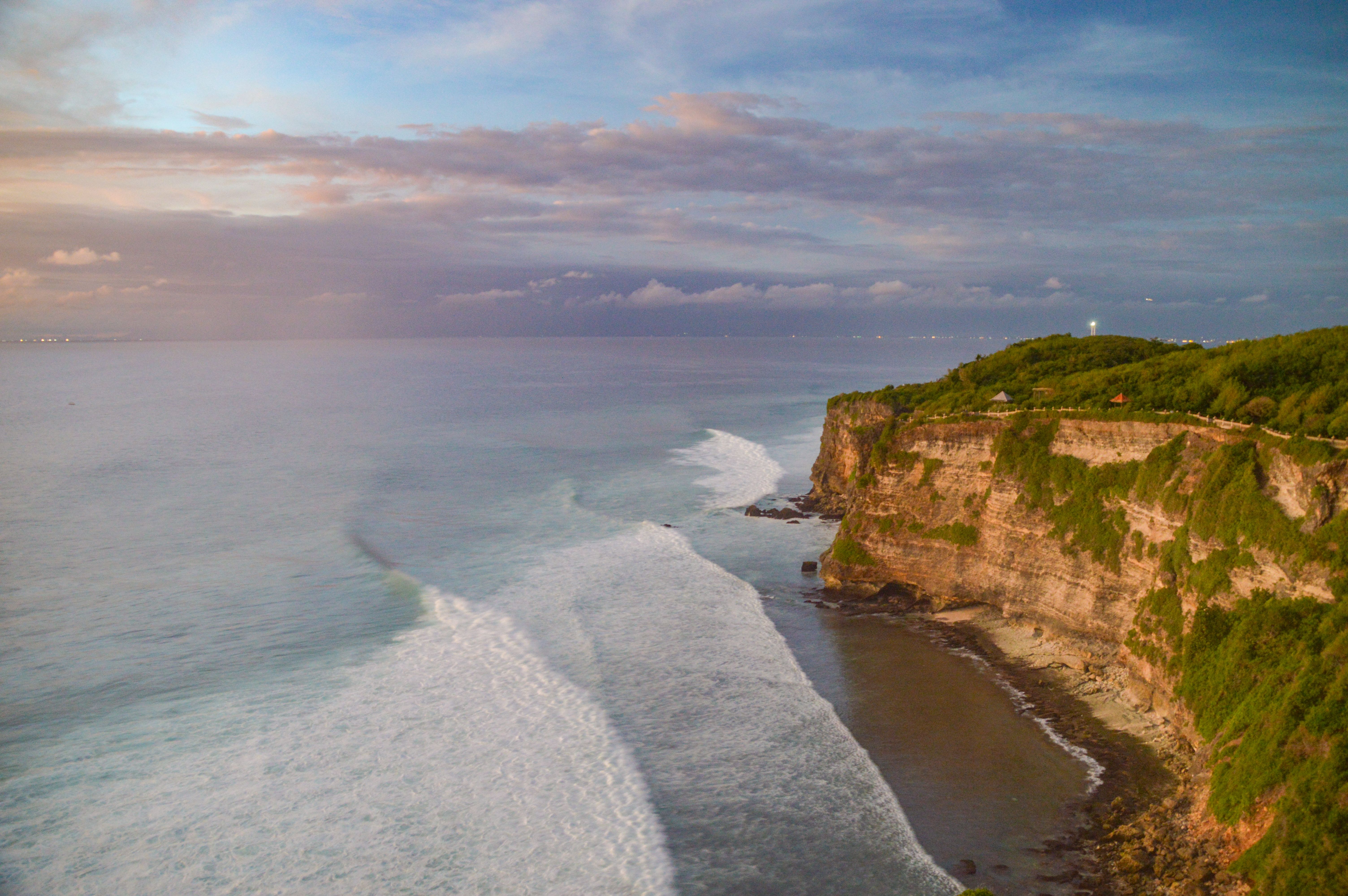
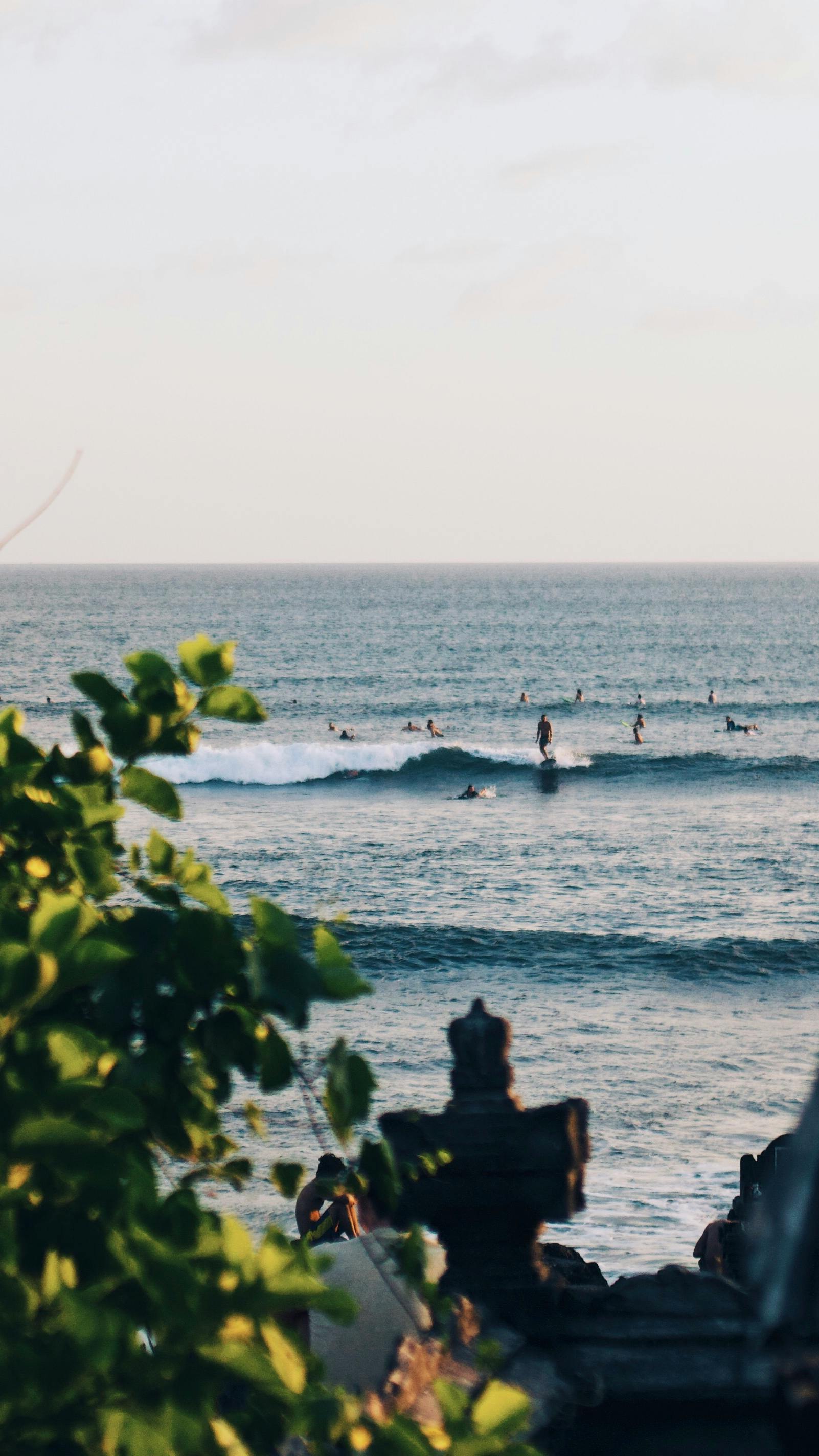
Uluwatu is best for luxury couples, surfers, and honeymooners who want clifftop villas with private pools and Indian Ocean panoramas. The Bukit Peninsula's southern edge is one continuous limestone cliff, and the architecturally striking properties here (Alila Villas, Bulgari, Six Senses) sit hundreds of feet above the surf. Mid-range to luxury hotels run $120–400 per night; pool villas climb past $700.
The catch is logistics. The area is spread across 15 km of clifftop, and there's almost nothing within walking distance of any hotel — every meal, every beach, every visit to Uluwatu Temple requires either a scooter or a driver. Sunset traffic to the temple complex builds fast from 4 p.m., so plan your evenings to arrive early and stay past dusk rather than fighting the queue.
Insider reality check — Uluwatu
- You need either scooter confidence or a daily driver budget ($45–55 USD per day) — there's no walkable cluster
- Beach access from clifftop hotels often involves long staircases — a problem if you have mobility issues or heavy beach gear
- The famous Bingin, Padang Padang, and Suluban beaches are tide-dependent — at high tide they nearly disappear
Jimbaran — bay seafood and mid-luxury resorts
Jimbaran sits in a calm, crescent-shaped bay 15–30 minutes from the airport and is best for couples and families wanting beach access without Bukit's logistical demands. The bay's signature is grilled-seafood dinner on the sand at sunset — long rows of plastic tables under fairy lights, with the catch chosen from the morning's market. Mid-luxury resorts (Four Seasons, Raffles, Ayana) run $200–500 per night.
The water here is calm and shallow at the south end of the bay, making it the most family-swim-friendly stretch in southern Bali outside Nusa Dua. The trade-off is that Jimbaran is residential — you get the bay itself, the seafood dinners, and your hotel, but you'll drive 20–40 minutes to anything else.
Nusa Dua and Sanur — the calm coast for families and seniors
Nusa Dua and Sanur are best for families with young kids, multi-generational groups, and travellers who want a relaxed beach base without the energy of Seminyak or Canggu. Both have calm, swim-safe water (rare in Bali), wide swimmable beaches, and short airport transfers. The two have different personalities, though, and the choice between them matters.
Nusa Dua is a gated resort enclave — large international brands (St. Regis, The Mulia, Westin), a pristine private beach, and almost everything happens inside the resorts themselves. Mid-range to luxury hotels run $150–350 per night. Sanur is a real Balinese town with a 5 km beach boardwalk, family-run boutique hotels, and a strong cycling culture. Mid-range hotels run $60–130. Pick Nusa Dua if you want resort-bubble convenience; pick Sanur if you want to walk to a warung for breakfast.
Ubud — jungle, rice fields, and wellness
Ubud is best for wellness travellers, couples, and culture-lovers who want jungle resorts, rice-paddy views, and easy access to temples, waterfalls, and yoga studios. The town is 35 km inland and 90–150 minutes from the airport, which puts off some travellers — but the payoff is a setting that feels like a different country from the south coast. Mid-range hotels run $80–220; jungle pool villas climb past $400.
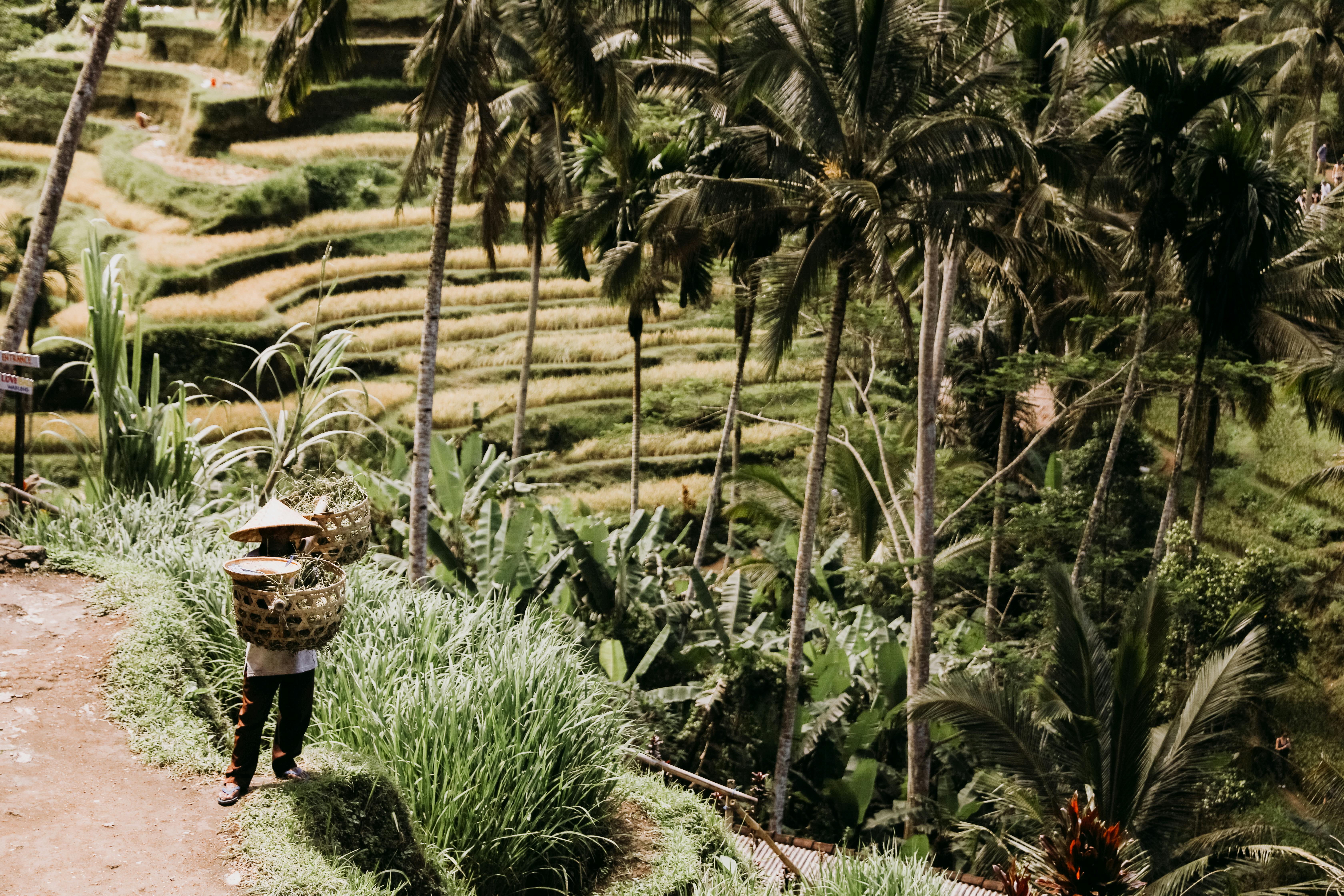
Where you stay within Ubud matters more than the headline name. Central Ubud (along Monkey Forest Road and Jalan Hanoman) puts you next to the cafés, the Sacred Monkey Forest, and the night market — convenient but congested. Outer-Ubud villages (Penestanan, Sayan, Campuhan) sit 5–15 minutes from the centre and trade walkability for proper jungle quiet, often at lower nightly rates. The Tegalalang rice terraces are 25 minutes north of central Ubud — close enough to visit at sunrise without basing yourself in the rice fields themselves.
How much should you budget per night in 2026?
Bali's nightly hotel rates in 2026 vary by area more than by season, with Nusa Dua and Uluwatu commanding 40–50% premiums over Sanur or Kuta for comparable quality. Most travellers underestimate the real spend because hotels usually quote pre-tax rates — Indonesia's mandatory 10% government tax and 11% service charge add 21% at checkout. A listed $100 night becomes $121 the moment you book.
The numbers below are average nightly rates for the most commonly searched areas to stay in Bali, drawn from major aggregator data for 2025–2026 stays. They're a useful starting frame; specific properties always vary.
- Nusa Dua — average $235 / night across all tiers; budget options are rare here
- Ubud — average $205 / night; outer-Ubud villas start lower at $80–120
- Seminyak — average $161 / night; mid-range boutique villas $100–200
- Uluwatu / Bukit — average $161 / night; cliffside luxury villas $300–700
- Canggu — average $119 / night; budget guesthouses $25–50, monthly villas from $800
- Kuta — average $97 / night; the cheapest of the southern hubs
- Sanur and Jimbaran — typically $80–150 / night for mid-range stays
What inflates your real Bali spend
- Tax and service: Most listings exclude 21% — confirm "tax inclusive" before assuming the headline rate is final
- Peak season surcharges: July–August and December–January push rates 30–50% above shoulder-season prices
- Tourist levy: Bali charges every visitor IDR 150,000 (~$10) on arrival — pay online before landing to skip the airport queue
- Private driver costs: Budget $45–55 per day for an air-conditioned car with driver if you plan day trips outside your area
If you're staying entirely inside Canggu, Seminyak, or Uluwatu — what travel writers call the "golden triangle" — expect food and drinks to run roughly 20–30% higher than in Sanur or Ubud, which still have a strong warung (local restaurant) presence at $3–5 per meal.
Which Bali area is right for you?
Match your trip type to the right area to stay in Bali, then plan your nights from there. Bali rewards trips that commit to one or two bases over scattering across four — every transfer day eats four to six hours you could spend at the destination itself. Travjoy's Bali top 20 picks are vetted by destination experts after extensive on-the-ground research, which means you can shortlist with confidence rather than spending hours filtering reviews.
Match your trip type to a Bali area
- First-time visitors → Split between Seminyak (3 nights) and Ubud (3 nights) — covers beach, dining, jungle, and culture in a single trip
- Couples and honeymooners → Uluwatu for clifftop luxury, or Ubud for jungle pool villas — both deliver the once-in-a-trip splurge experience
- Families with young kids → Nusa Dua for resort-bubble convenience, or Sanur for a real-town feel with calm swim-safe water
- Seniors with mobility needs → Sanur (flat, walkable, well-lit) or Nusa Dua (resort transfers handle everything)
- Surfers → Canggu for beginner-to-intermediate breaks, Uluwatu for advanced reef breaks
- Digital nomads and long-stay remote workers → Canggu (especially Pererenan and Berawa) for café-and-coworking density
- Wellness travellers → Ubud for the deepest yoga and retreat ecosystem in Southeast Asia
- Luxury travellers → Uluwatu for cliffside design hotels, Nusa Dua for service-led international brands
How many areas should you split your stay across?
Trip length is the single best predictor of how many bases make sense. The pattern below works for most travellers — adjust if you're committed to a single specialist activity (a yoga retreat in Ubud, a surf course in Canggu) that justifies staying put.
- 3 nights → One area only. Pick Seminyak or Sanur for the easiest landing
- 5 nights → One area, ideally with a long day trip. Two areas works if both are in the south (e.g. Seminyak + Uluwatu)
- 7 nights → Two areas. The classic split is Seminyak or Canggu (3 nights) + Ubud (4 nights), or Uluwatu (3) + Ubud (4)
- 10+ nights → Two or three areas. Add a third like Sanur, Sidemen, or Nusa Lembongan for contrast
- 14+ nights → Three or four areas, with a 1-night Nusa Penida or Gili island add-on for sea-and-snorkel time
One rule that holds across every trip length: don't transfer on the last night. Always end your trip somewhere within 30 minutes of the airport (Seminyak, Sanur, Jimbaran, Nusa Dua, or Kuta) so you're not racing two-hour traffic to a 6 a.m. flight from Ubud.
Plan your Bali stay with confidence
Where to stay in Bali in 2026 comes down to two things: trip length and travel style. Match a 3-night couples' weekend to Seminyak, layer Ubud onto a 7-night first trip, and book Uluwatu for the splurge view of your honeymoon. Avoid Kuta unless you have a specific reason, and plan your last night near the airport regardless of where the rest of the trip sat.
The eight areas in this guide cover every trip type from a 3-night couple's retreat to a two-week family holiday — pick the one that matches your style, layer in a second for contrast, and book the rest with the time you saved. Start planning your trip on Travjoy's Bali destination page, where every recommendation is vetted by destination experts who actually travel the island.
Best Quality Experiences for Bali










View more Experiences
Plan Your Visit (FAQ's)
.svg&w=1920&q=75)



POWERED BY REAL EXPERTS
Aura Salsa Dila
Local Expert -

Planning Your Bali trip? TravJoy Recommends the Best for You


