


Ubud Market: A Complete Guide to Bali's Most Famous Craft Market
7 min read
Raj Varma
Author
Travel & Tourism Expert Ex-Thomas Cook, Kuoni, Times of India & Travel Triangle.
SHARE BLOG
TABLE OF CONTENTS
- Key Takeaways
- What the Ubud Art Market actually is
- Visiting in 2026: what the fire means for your trip
- What to buy at the Ubud Art Market — and what is actually local
Key Takeaways
- Entry to the Ubud Art Market is free — you only pay for parking (IDR 2,000 scooter, IDR 10,000 car) and whatever you buy.
- It is two markets in one: the west side sells art, crafts and souvenirs, while the east side is an early-morning produce market for locals.
- Arrive between 8am and 10am for cooler air, calmer aisles and the best bargaining position before the tour buses land.
- Bargaining is expected — open at roughly 40–50% of the first quote and settle somewhere in the middle.
- The August 2024 fire damaged the basement and east wing, but the market never fully closed and trades daily in 2026.
The Ubud Art Market, known locally as Pasar Seni Ubud, is Bali's most famous craft market — a two-storey warren of stalls opposite the Ubud Palace selling sarongs, wood carvings, woven bags and paintings. Entry is free, it opens daily from around 8am, and despite a serious fire in August 2024 it remains open for business, with rebuilt sections and temporary stalls operating side by side.
You have probably already seen this market without knowing it. When Julia Roberts wandered through a maze of colourful stalls in Eat Pray Love, this is where she was. That single scene turned a working Balinese market into a fixed stop on nearly every Ubud day tour, and on a busy afternoon it can feel like the whole island has shown up at once.
That popularity is exactly why so many visitors leave slightly deflated — overpaying, jostling through midday crowds, or buying mass-produced trinkets they assumed were handmade. This guide fixes that. You will learn what the market actually is, what the 2024 fire means for your trip, what is worth buying, what a fair price looks like in both rupiah and dollars, and how to bargain without it feeling awkward.
What the Ubud Art Market actually is
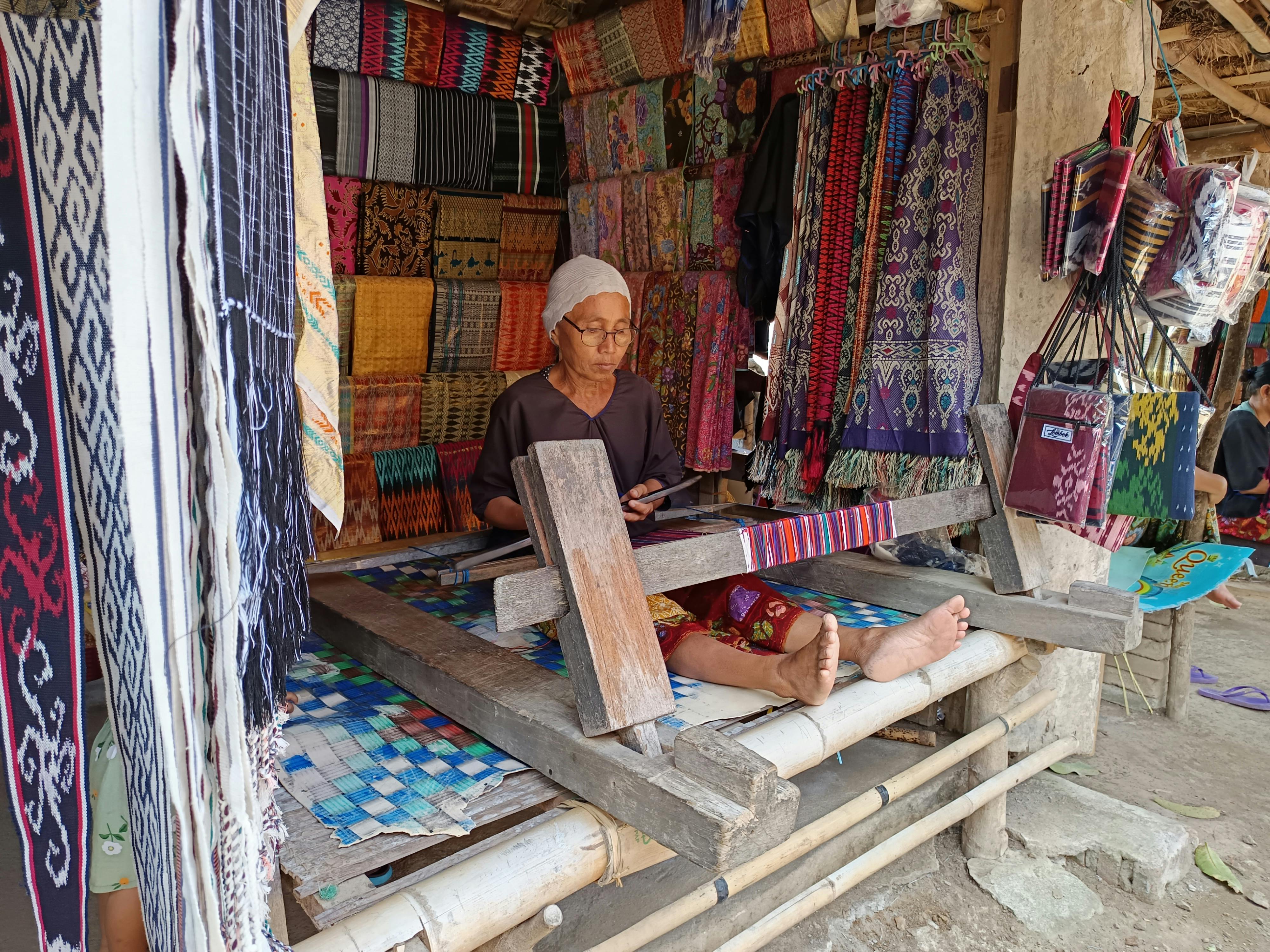
The Ubud Art Market is a traditional Balinese market that runs as two distinct halves under one name. The west side is the craft and souvenir market that tourists picture; the east side is a working produce market where locals buy vegetables, fruit, spices and ceremonial offerings. Most visitors only ever see the west.
It sits in the dead centre of Ubud, directly across Jalan Raya Ubud from the Puri Saren Ubud Palace and a short walk from the Saraswati Temple. That central location is half the appeal — you can fold a visit into a morning without booking anything or travelling far.
Two markets, two completely different moods
The split matters because the two sides keep different hours and serve different people. Knowing which one you want saves you time and gives you a far more interesting visit.
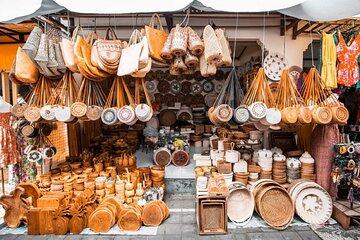
- West (the art market): sarongs, paintings, wood carvings, silver, rattan and ata bags, dreamcatchers, homeware and clothing. This is the souvenir-hunting half, busiest from late morning.
- East (the produce market): a genuine local wet market for fruit, vegetables, spices, snacks and daily offerings. The earliest traders start before dawn, and it is at its liveliest around 6am to 8am.
If you want photographs of everyday Balinese life rather than souvenir stalls, the east side at sunrise is the more rewarding half — and almost no day-tripper bothers with it.
The Eat Pray Love effect
The market's fame is inseparable from one film. Pasar Seni Ubud appeared in Eat Pray Love, and ever since it has carried a reputation far larger than its physical footprint. That fame is a double edge: it guarantees a buzzing atmosphere and a huge selection, but it also draws the crowds and the persistent vendors that put some visitors off. Going early sidesteps most of that.
A market with a history of fire
This is not the market's first rebuild. A fire damaged Block A back in 2016, prompting a full renovation that wrapped up in late 2023 — so the smart, spacious building most recent guidebooks describe had been open less than a year when disaster struck again. Understanding that backstory makes the current half-rebuilt state far less confusing when you arrive.
Visiting in 2026: what the fire means for your trip
The Ubud Art Market is open and worth visiting in 2026, even though reconstruction is still underway. A major fire on 17 August 2024 gutted the basement and the eastern section of the building, but the market never closed entirely — traders moved into temporary stalls and undamaged sections, and shopping continued throughout.
The fire began in the basement on Indonesian Independence Day and burned for more than ten hours, one of the worst Ubud had seen in decades. According to reporting on the restoration effort, close to 1,000 traders were affected and around 400 stalls on the basement and ground floors were destroyed. The east wing took the worst of it.
What you will actually find when you arrive
Expect a working market in transition rather than a polished mall. The west-facing and street-side stalls are trading normally, temporary gazebo stalls sponsored after the fire fill the gaps, and a portion of the building — chiefly the East Building — remains under repair, funded through the provincial budget rather than central government. On any given day a sizeable share of the original street-facing shops are operating.
None of this should put you off. The selection is still vast, prices are still negotiable, and the atmosphere is intact. If anything, the current layout pushes more trade onto the surrounding lanes, which makes for a more spread-out, less claustrophobic browse than the pre-fire crush.
Ubud Art Market at a glance
- Entry fee: Free
- Opening hours: Daily, roughly 8am–6pm (some west stalls open later; the east produce market starts before dawn)
- Best time to visit: 8am–10am for cool air, thin crowds and the keenest prices
- Parking: IDR 2,000 (around USD 0.15) for a scooter; IDR 10,000 (around USD 0.65) for a car
- Location: Jalan Raya Ubud, directly opposite the Ubud Palace
- Payment: Cash is king; some larger stalls accept QRIS
What to buy at the Ubud Art Market — and what is actually local
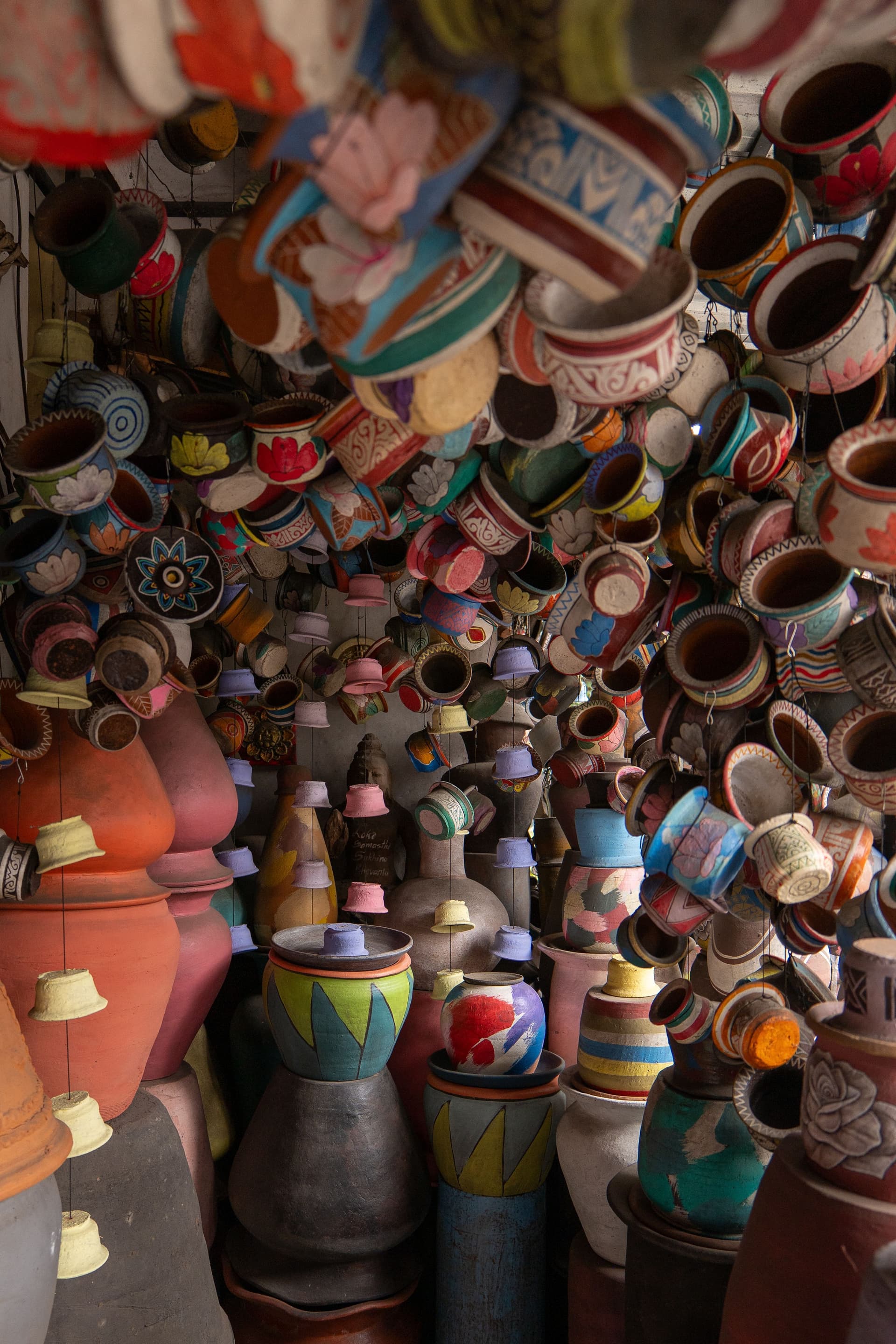
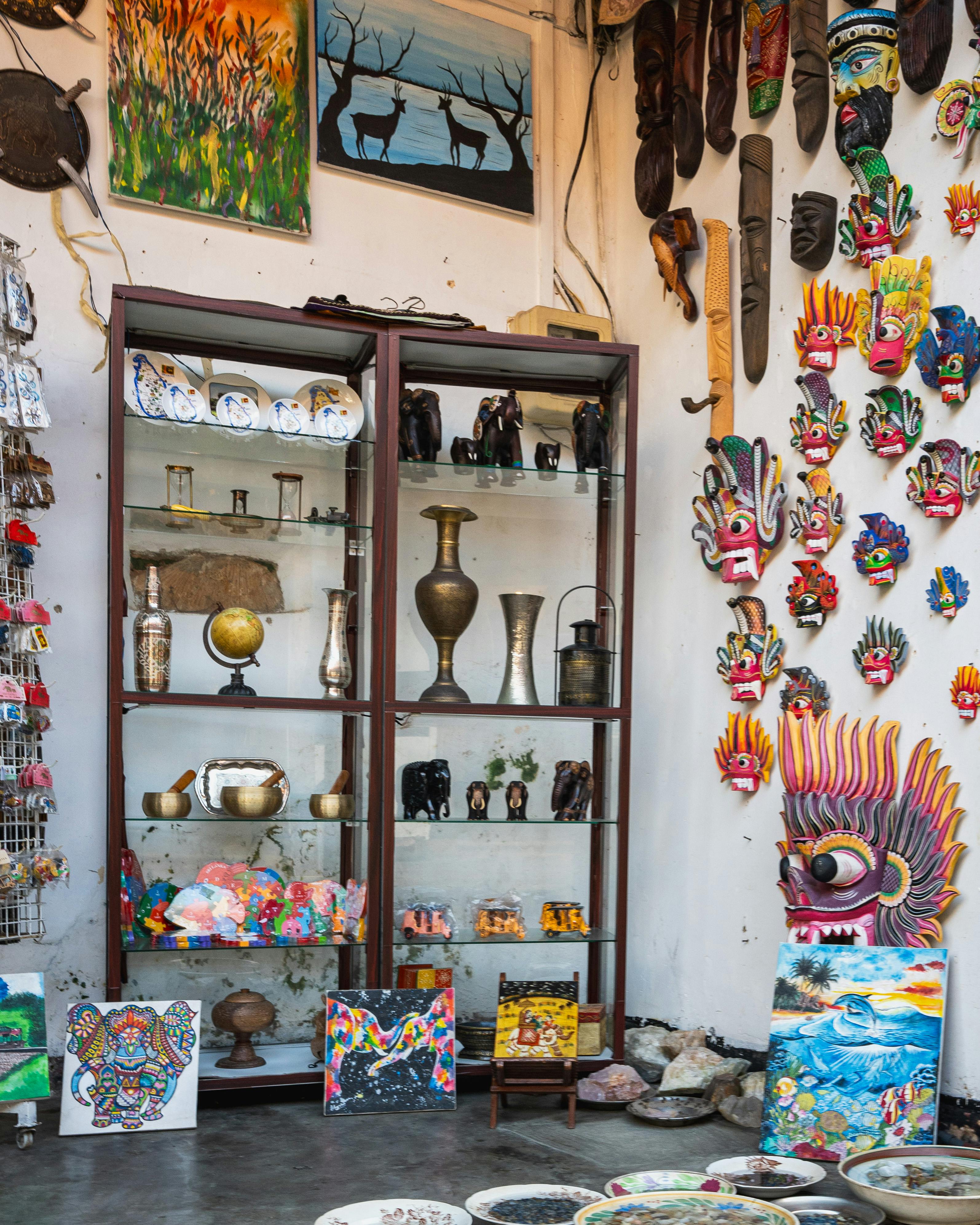
The best buys at the Ubud Art Market are the things made in the surrounding craft villages: hand-carved wood, woven ata and rattan bags, silver, and Balinese-style paintings. Plenty of stock is imported or mass-produced, so the trick is knowing which categories reward you and how to spot the genuine article.
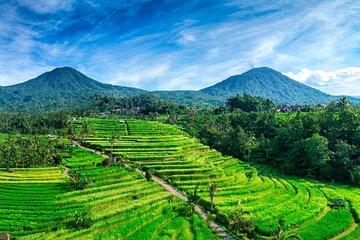
Goods here are sourced from villages that each specialise in one craft — paintings and carvings from Pengosekan, Mas and Tegallalang, silver from nearby Celuk. Buying the right item in the right place is how you come home with something worth keeping rather than another fridge magnet.
The categories worth your time
- Wood carvings: Mas village is Bali's woodcarving heartland. Look for crisp detail and a natural weight — overly light, perfectly identical pieces are usually machine-made imports.
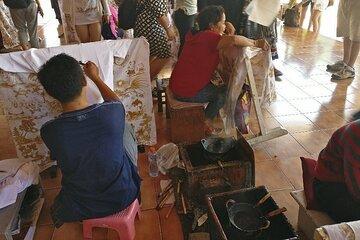
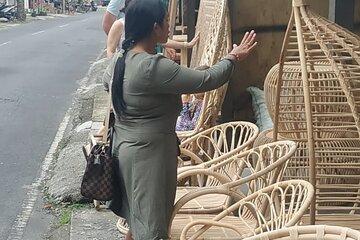
- Ata and rattan bags: Genuine ata bags are hand-woven and smoke-cured, which gives them a faint smoky smell and a tight, even weave. These are among the market's best-value handmade buys.
- Balinese paintings: The Ubud area has distinct painting schools. Originals carry visible brushwork and slight irregularities; stacks of identical canvases are prints.
- Silver: Celuk is the silver village. Ask for the 925 stamp, and be wary of suspiciously cheap "silver" that is really plated base metal.
- Textiles and clothing: Sarongs, kebaya tops and the famous "elephant pants" are cheap, light and easy to pack — fine for everyday souvenirs, rarely handmade.
- Dreamcatchers and homeware: Decorative and inexpensive, though much of it is produced for the tourist trade rather than traditionally Balinese.
If buying something authentically handmade matters to you, the options on guided shopping tours on Travjoy are vetted after research and approved by local experts, so you can be pointed straight to genuine artisan stalls rather than guessing. A quick browse of the Ubud Art Market page is a useful starting point before you go.










What things cost: a fair-price reference
Nothing at the Ubud Art Market has a fixed price, so the only way to avoid overpaying is to walk in with rough numbers in your head. The table below shows the typical opening quote you will hear versus a fair settled price, in both rupiah and US dollars (rates as of early 2026). Treat these as anchors, not absolutes — quality, size and the day's mood all move the needle.
| Item | Typical first quote | Fair settled price |
|---|---|---|
| Sarong | IDR 150,000 (USD 9.50) | IDR 50,000–80,000 (USD 3–5) |
| "Elephant pants" | IDR 120,000 (USD 7.50) | IDR 40,000–60,000 (USD 2.50–4) |
| Woven ata / rattan bag | IDR 350,000 (USD 22) | IDR 150,000–250,000 (USD 9.50–16) |
| Small wood carving | IDR 250,000 (USD 16) | IDR 100,000–150,000 (USD 6.50–9.50) |
| Small Balinese painting | IDR 500,000 (USD 32) | IDR 200,000–350,000 (USD 13–22) |
| Dreamcatcher | IDR 100,000 (USD 6.50) | IDR 35,000–60,000 (USD 2–4) |
As a rule of thumb, the first number a vendor says sits two to three times above what they will happily accept. The further you are from the main entrance and the earlier in the day you shop, the closer that first quote tends to start.
How to bargain at the Ubud Art Market
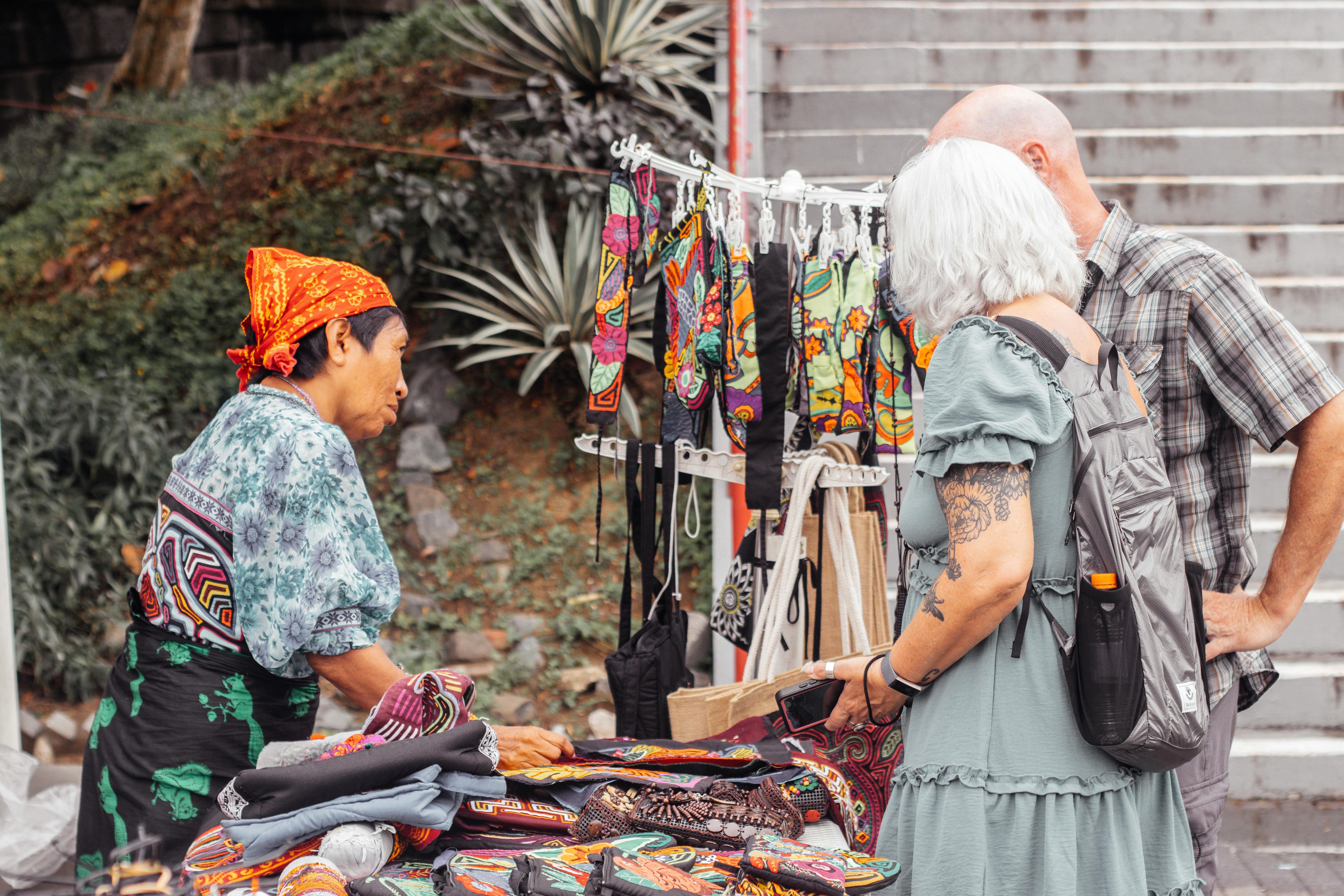
Bargaining at the Ubud Art Market is expected and friendly, not a fight — open at around 40–50% of the first quote, stay relaxed, and be willing to walk. Vendors price high precisely because they assume you will negotiate, so paying the sticker price helps no one and quietly distorts prices for the next traveller.
The method is simple once you have done it twice. Treat it as a short, good-natured back-and-forth rather than a stand-off, and it becomes one of the more enjoyable parts of the visit.
The four-step approach
- Open low, but not insulting: counter the first quote with roughly 40–50% of it. From there you each move toward the middle.
- Stay friendly and firm: smile, keep it light, and name your price more than once rather than nudging up in tiny increments.
- Use the walk-away: politely stepping away is the single most effective move. A genuine offer often follows you; if it doesn't, the price was already fair.
- Buy early: many vendors believe the first sale of the day sets the tone, so the morning "penglaris" sale often comes at a keener price.
Insider reality checks
- Bring small notes. "No change" is a common, gentle way to round a price up. Carrying IDR 20,000 and 50,000 notes keeps you in control.
- Cash beats card. Most stalls are cash-only; a growing number take QRIS, but you lose bargaining leverage the moment a card comes out.
- Buy in bulk for a better rate. Three sarongs from one stall will always beat three sarongs from three stalls. Vendors drop the per-item price fast for a multi-buy.
- Walk the aisles before you commit. The same item repeats across dozens of stalls, so a quick lap tells you the real ceiling before you start negotiating.
Fitting the Ubud Art Market into your day
The Ubud Art Market works best as one stop in a wider Ubud morning rather than a destination in itself — an hour here is plenty for most shoppers. Because it sits in the centre of town, you can string it together with Ubud's other landmarks on foot before the heat and crowds build.
A natural Ubud morning loop
- Start early at the market (8am–9am) while it is cool and quiet.
- Cross to the Ubud Palace directly opposite — free to enter and a five-minute look around.
- Walk to the Saraswati Temple nearby for its lotus-pond courtyard.
- Continue to the Sacred Monkey Forest Sanctuary, a ten-minute walk south down Jalan Monkey Forest.
- Drive out to Tegalalang Rice Terrace if you have a half-day and a driver.
If you want cheaper or more specialised shopping
The Ubud Art Market is convenient, not the cheapest. For better prices and a more local feel, head to the Sukawati Art Market, about 20 minutes south, where many Ubud vendors buy their own stock wholesale. For silver, the village of Celuk on the way to Sukawati is the source. Most of these can be combined in a single trip, and the options on Bali's top 20 experiences show how the market slots into a wider day.
Ubud Art Market vs Sukawati — quick call
- Choose Ubud if you want convenience, atmosphere and a one-hour browse on foot in central Ubud.
- Choose Sukawati if you want the lowest prices, are buying in quantity, or want to see where the souvenirs are wholesaled.
Plan your Ubud trip on Travjoy
The Ubud Art Market rewards travellers who arrive early, know roughly what things should cost, and treat bargaining as part of the fun. Go in the morning, head for the handmade buys from the craft villages, and fold it into a wider walk past the palace, the temples and the Monkey Forest. The 2024 fire changed the building, not the experience — it is still Bali's most famous craft market, and still very much open.
When you are ready to build the rest of your itinerary around it, start planning your Ubud trip on Travjoy's Bali pages, where every experience is researched and approved by local experts so you can spend less time second-guessing and more time enjoying the island.






.svg&w=1920&q=75)