



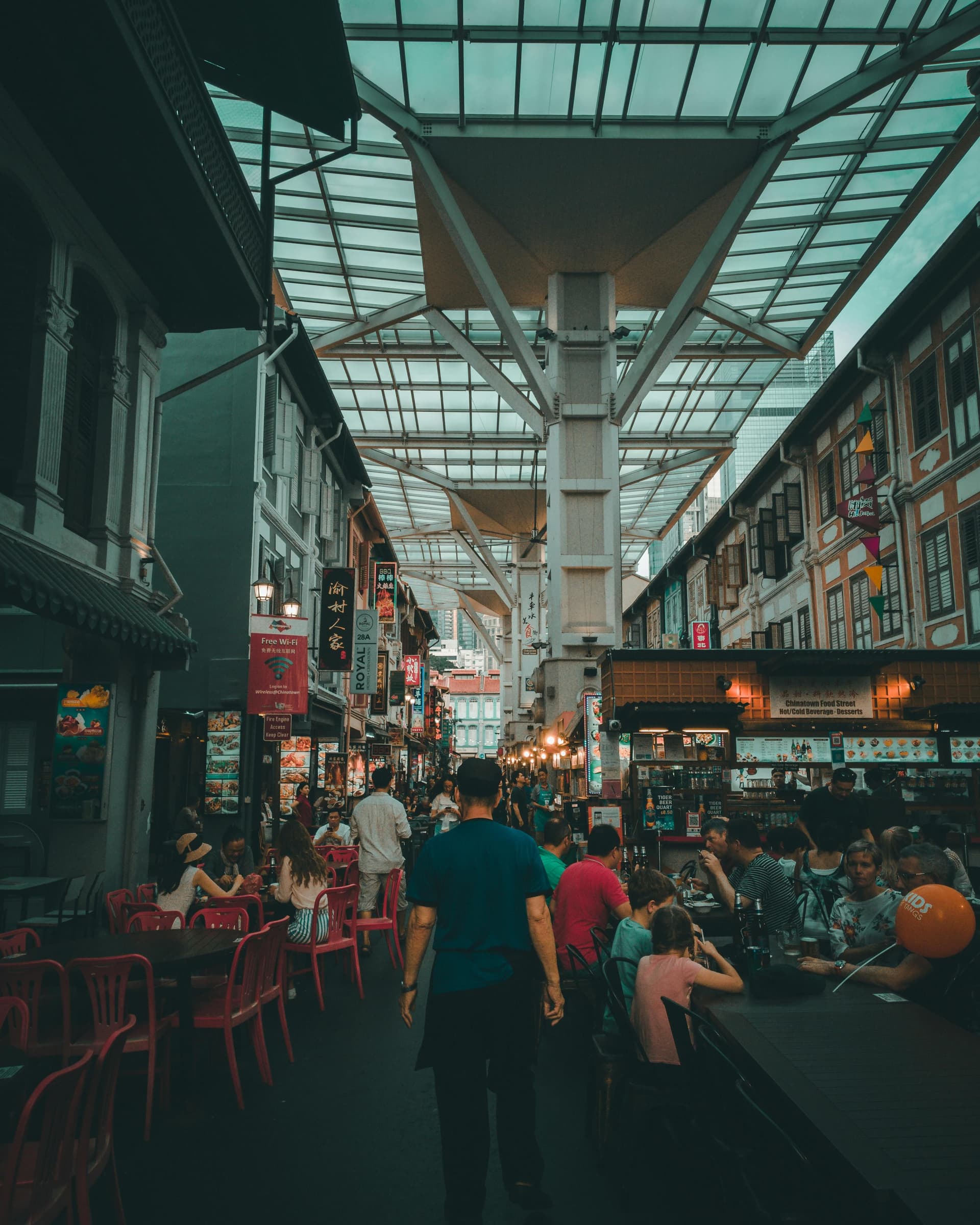
Singapore Food Tour: The Best 1-Day Eating Itinerary by Neighbourhood
17 min read

Author
SHARE BLOG
TABLE OF CONTENTS
- Four neighbourhoods, four flavour profiles — one well-paced day of eating
- Tiong Bahru for breakfast, Chinatown for lunch, Kampong Glam for afternoon bites, Lau Pa Sat or Newton for dinner
- Hawker meals range from SGD 3–12 per plate; budget SGD 40–60 for the full day
- All four stops are connected by MRT — no taxis, no ride-hailing required
- Arrive hungry: this itinerary covers 10+ dishes across four distinct culinary traditions
A self-guided Singapore food tour by neighbourhood gives you a structured way to eat through the city's most distinct culinary traditions in a single day. Organised by time of day and linked by MRT, this itinerary takes you from a Tiong Bahru breakfast to late-evening satay under the lights at Lau Pa Sat, with Michelin-recognised hawker stops and neighbourhood walks woven in between. No guide required — just a transit card and an empty stomach.
Singapore is a city that rewards early risers and punishes indecision at lunch. The number of hawker centres, the length of peak-hour queues at famous stalls, and the sheer range of what's on offer — Chinese, Malay, Indian, Peranakan, and hybrid variations of all four — can turn a simple meal decision into a 30-minute loop of second-guessing. The answer is a clear neighbourhood structure: one stop per quarter of the day, each with its own flavour identity, so you spend less time choosing and more time eating.
This itinerary is built for travellers who want to eat like a local without leaving things to chance. Every stop has a time window, a shortlist of what to order, specific stall names, and honest notes on crowds and trade-offs. Whether you have one full day or just want to anchor a longer trip around food, this is the plan.
How to Structure a Singapore Food Tour by Neighbourhood
A neighbourhood-by-neighbourhood approach works in Singapore because hawker culture is geographically anchored. Each ethnic enclave — Chinatown, Little India, Kampong Glam — developed its own stall traditions, ingredients, and opening rhythms. Tiong Bahru, though newer as a food destination, is now one of the best morning stops in the city. Structuring your day around these areas lets you move with the natural flow of the hawker calendar rather than against it.
Why neighbourhood order matters
Hawker stalls are not restaurants. Many open at 6am and close before 3pm. Others only come alive after dark. The sequencing of this itinerary accounts for those rhythms: breakfast-focused stalls at Tiong Bahru peak between 7am and 9am, Chinatown's lunch centres hit maximum quality (and maximum queues) from 11am to 1.30pm, and the Lau Pa Sat satay row only sets up after 7pm. Go at the wrong time and you may find the stall shuttered, the food already sold out, or the queue too long to justify.
The other factor is energy. Eating at hawker centres in Singapore's heat is physically demanding. Staying in the shade, moving between stops on MRT rather than on foot, and leaving the bigger evening meal for when temperatures drop makes the day significantly more comfortable.
MRT is your best friend — the transit logic
Every stop in this itinerary is within a short walk of an MRT station:
- Tiong Bahru Market: Tiong Bahru MRT (EW17), then an 8-minute walk
- Maxwell Food Centre / Chinatown Complex: Chinatown MRT (NE4/DT19), 5–7 minutes on foot
- Kampong Glam / Arab Street: Bugis MRT (EW12/DT14), 10-minute walk to Haji Lane
- Lau Pa Sat: Raffles Place MRT (EW14/NS26), 5-minute walk
- Newton Food Centre: Newton MRT (NS21/DT11), 3-minute walk
A stored-value EZ-Link card handles all fares. Journeys between stops cost SGD 1.20–2.00. Top it up at any MRT station before you start.
How much to budget for a full-day food tour in Singapore
One of the genuinely useful facts about doing a Singapore food tour independently is how affordable it is compared with any equivalent guided experience. A guided food tour with tastings typically runs SGD 100–200 per person. Self-guided, the same quality of food costs a fraction of that:
- Breakfast at Tiong Bahru: SGD 6–10 (kaya toast set + chwee kueh)
- Lunch at Chinatown: SGD 10–18 (chicken rice + one additional dish + drink)
- Afternoon bites at Kampong Glam: SGD 8–14 (murtabak + teh tarik + dessert)
- Dinner at Lau Pa Sat or Newton: SGD 15–25 (satay + one main + drink)
- Total day estimate: SGD 39–67 per person
Bring SGD 80 in cash to cover meals, drinks, and any impulse orders. Many hawker stalls still prefer cash, particularly at Tiong Bahru and the older Chinatown centres.
Stop 1 — Tiong Bahru: The Local's Breakfast (7am–9.30am)
Tiong Bahru is the right place to start a Singapore food tour by neighbourhood for two reasons: the hawker centre opens early, and it has none of the tourist volume that slows down breakfast in more central areas. The market itself sits in one of Singapore's most architecturally interesting precincts — a cluster of 1930s Streamline Moderne housing blocks that gives the neighbourhood a slightly different feel from the rest of the city.
Why Tiong Bahru is the ideal first stop
The Tiong Bahru Market Hawker Centre operates on two levels. The wet market occupies the ground floor; the hawker centre sits above it. By 7.30am on most mornings, the best stalls already have short queues. This is not a tourist spot — the clientele is almost entirely local, the prices are lower than at Chinatown's more famous centres, and the food quality is genuinely high. Several stalls here have received Michelin Bib Gourmand recognition, which means exceptional quality at a price point that most visitors find surprising.
What to eat at Tiong Bahru Market
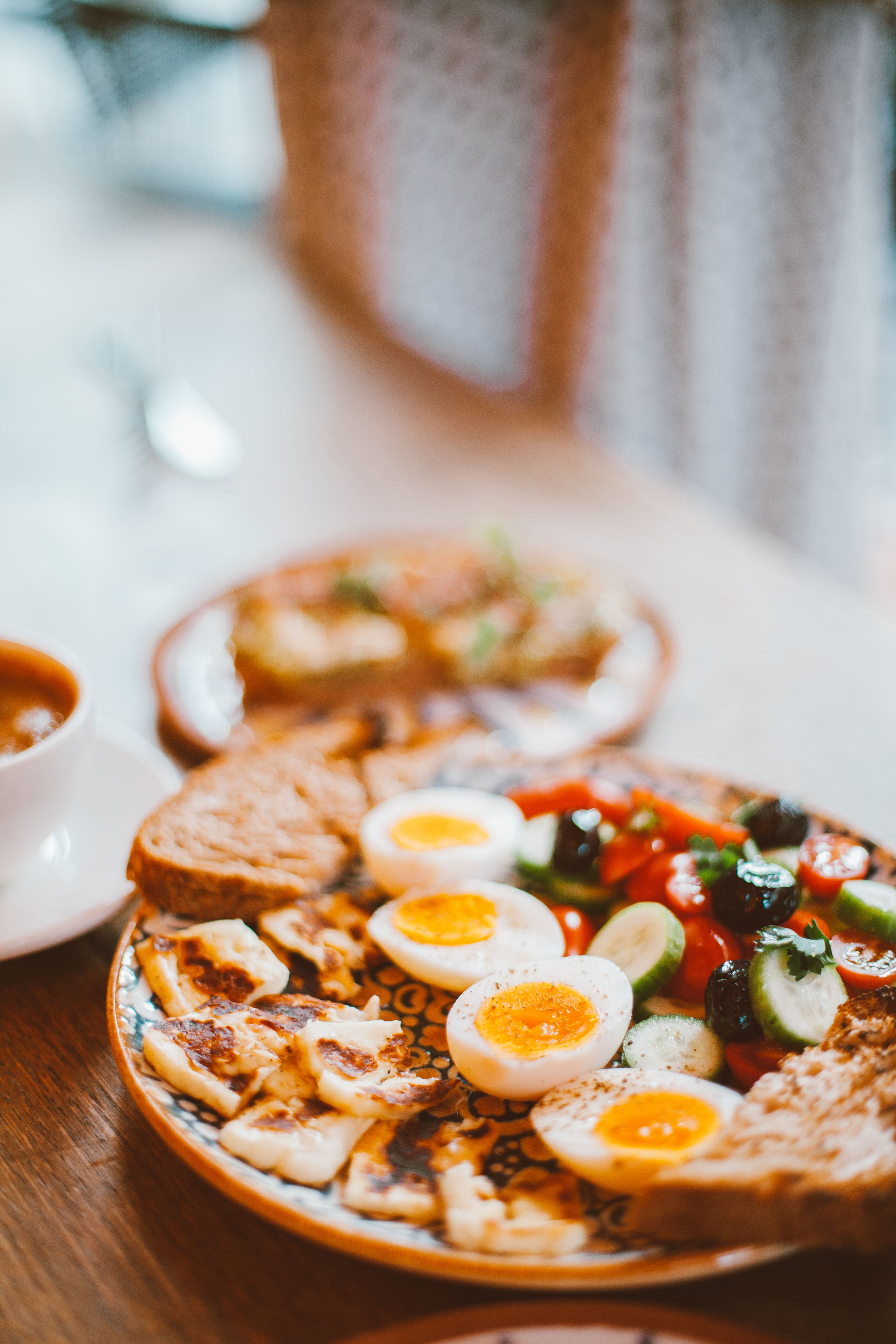
Your first order should be a kaya toast set. Kaya — a coconut-and-egg jam with a faintly caramelised sweetness — is spread on charcoal-toasted bread alongside a thick slab of cold salted butter. The set comes with two soft-boiled eggs and a cup of kopi (local coffee made with Robusta beans roasted with butter and sugar). This combination, eaten together, is the canonical Singapore breakfast.
After the toast set, move to Jian Bo Shui Kueh (stall #02-05) for chwee kueh — steamed rice cakes topped with chai poh (preserved radish) and chilli. The cakes are soft, the topping is savoury and slightly smoky, and the whole plate costs around SGD 2.80. This stall has been operating since 1958 and the recipe has not changed. Other recommended orders:
- Lor Mee 178 (#02-23): braised noodles in thick, dark gravy with pork and a boiled egg — open from 7am, usually sold out by 1pm
- Hong Heng Fried Sotong Prawn Mee (#02-01): Hokkien-style stir-fried noodles with squid and prawns, available from 10.30am if you prefer a larger first meal
- Tiong Bahru Pau (#02-18): char siew bao (barbecued pork buns) for something to carry out
Tiong Bahru Market — Key Details
- Address: 30 Seng Poh Road, Singapore 168898
- Opening hours: 6am–9pm (individual stalls vary; most breakfast stalls open 6–7am)
- Nearest MRT: Tiong Bahru (EW17), 8-minute walk
- Budget: SGD 6–10 for a full breakfast with coffee
- Cash or card: Mostly cash; bring small denominations
The neighbourhood walk after breakfast
Allow 20–30 minutes to walk Tiong Bahru before heading to Chinatown. Yong Siak Street and Eng Hoon Street are the two most interesting. The low-rise prewar blocks are covered in murals; a handful of independent cafes and boutiques have opened in the ground-floor units. BooksActually, a small independent bookshop at 9 Yong Siak Street, is worth a five-minute stop. By 9.30am, you should be heading back to Tiong Bahru MRT.
Stop 2 — Chinatown: Lunch at Singapore's Most Famous Hawker Centres (11am–1.30pm)
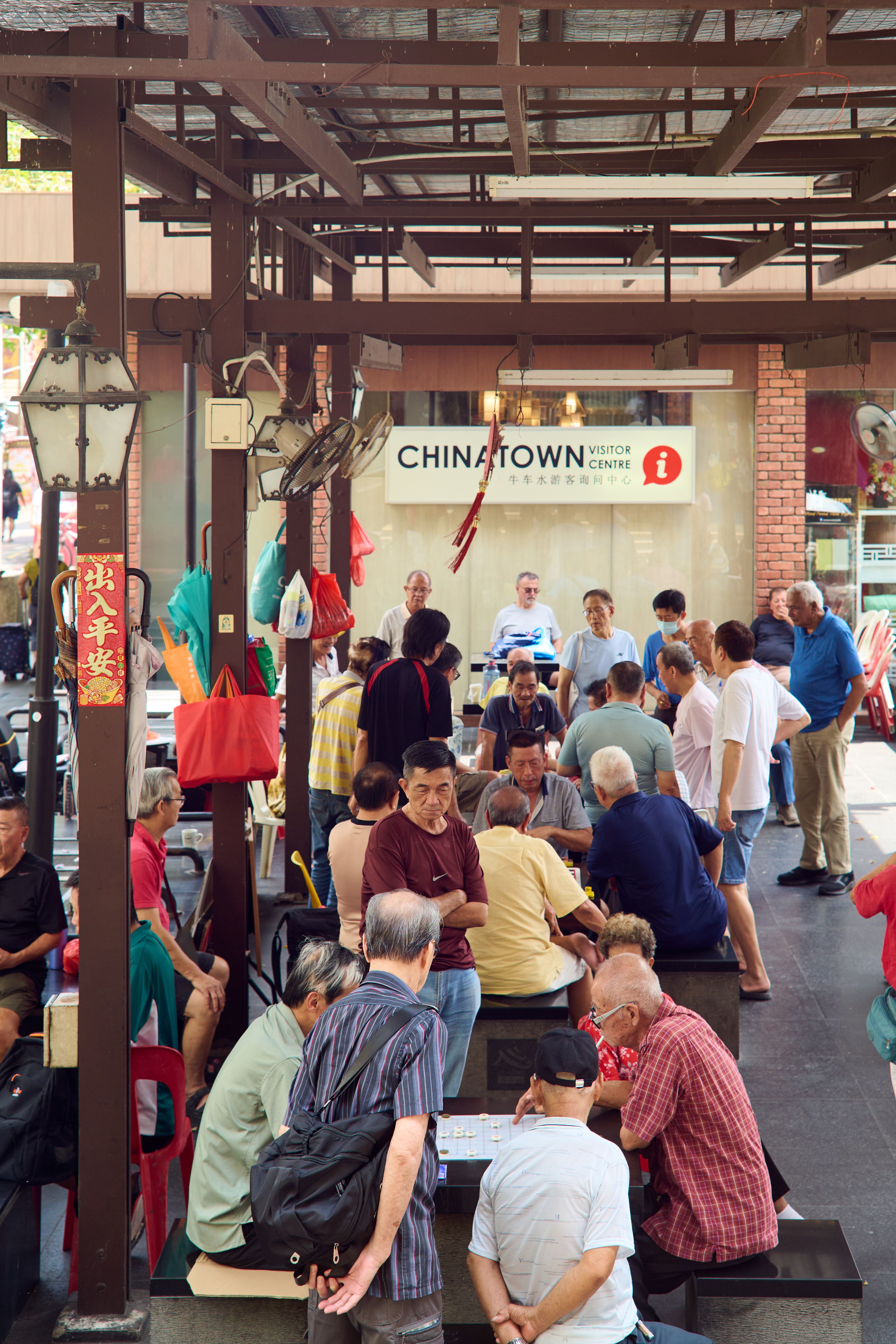
Chinatown is where most Singapore food itineraries place their biggest meal of the day, and for good reason. The area is home to two hawker centres — Maxwell Food Centre and Chinatown Complex Food Centre — within a ten-minute walk of each other, and between them they hold some of the most cited stalls in the city. Arrive before 11.30am if you want to eat without a substantial wait at the headline stalls.
Maxwell Food Centre — the Michelin queue and how to handle it
Maxwell Food Centre is the most internationally recognised hawker centre in Singapore, largely because of Tian Tian Hainanese Chicken Rice (stall #01-10). Anthony Bourdain visited it. The Michelin Guide has recommended it for multiple consecutive years. The chicken — poached to a specific texture, served with fragrant rice cooked in chicken broth, and accompanied by three sauces — is worth the reputation. The queue at peak hours is not. If you arrive before 11.15am, the wait is typically 10–15 minutes. After 12.30pm, expect 30–45 minutes.
The strategic move is to join the Tian Tian queue first, then send one member of your group to collect other dishes while you wait. Maxwell is a large centre with 100+ stalls and the variety extends well beyond chicken rice:
- Tian Tian Hainanese Chicken Rice (#01-10): SGD 5–12 (rice with chicken, half or whole), open 11am–8pm, closed Mondays
- Rojak, Popiah & Cockle (#01-56): rojak (fruit and vegetable salad in shrimp paste dressing) from SGD 4, and popiah (fresh spring roll), both around SGD 3–5
- Maxwell Fuzhou Oyster Cake (#01-05): a deep-fried oyster-stuffed cake that most food guides overlook, SGD 1.50 each
Chinatown Complex Food Centre — the locals' overflow
If you want to avoid the tourist concentration at Maxwell, or if you want a second stop for additional dishes, Chinatown Complex Food Centre is a five-minute walk away. It is the largest hawker centre in Singapore by number of stalls — over 260 — and significantly less visited by tourists. The clientele here skews local and elderly, the prices are slightly lower, and the range is broader.
Recommended dishes at Chinatown Complex:
- Lian He Ben Ji Claypot Rice (#02-198/199): charcoal-cooked claypot rice with lap cheong (Chinese sausage) and salted fish — queue from 3pm, served until sold out, open from 4pm
- Hong Lim Market's char kway teow alternatives: several stalls here replicate the wok-hei quality of more famous centres
- Carrot cake (chai tow kway): the white or black version, fried with egg and preserved radish, SGD 3–5
Note: Lian He Ben Ji's claypot rice is only available from 4pm onwards, so factor that in if you plan to return later in the day.
Between lunch stops — Chinatown Street
The Chinatown Street Market on Pagoda Street and Temple Street is worth a pass-through after eating, particularly for visitors who want to pick up tea, dried goods, or locally made snacks. The Chinatown Street Market runs daily and is at its most atmospheric in the afternoon when the heat drops slightly. The Buddha Tooth Relic Temple on South Bridge Road is directly on the walking route between the two hawker centres — worth a quick look from the outside if temples are part of your itinerary.
Stop 3 — Kampong Glam: The Afternoon Snack Trail (3pm–5pm)
By mid-afternoon, the right approach is not a full meal but a deliberate set of smaller bites. Kampong Glam — the Malay and Arab quarter centred around Sultan Mosque and Haji Lane — offers exactly that. The eating here is snack-paced: murtabak from a heritage stall, teh tarik at a corner table, pandan cake from a Malay bakery. It is also the most visually interesting stretch of the day, which makes the 2pm–5pm window feel less like eating and more like neighbourhood exploration with food attached.
Arab Street and Haji Lane as a food stop
Zam Zam Restaurant on North Bridge Road has been selling murtabak since 1908. The mutton murtabak — a thick, folded pancake stuffed with spiced minced meat and onion — is the order. It comes in small (SGD 7) or large (SGD 10) and is best eaten fresh off the griddle with a cup of teh tarik (pulled milk tea, frothed by pouring between two cups from height). Do not leave without the teh tarik: the flavour is not particularly complex but the ritual of watching it made is part of the experience.
Haji Lane itself, one block further in, runs between Arab Street and Baghdad Street and is lined with boutiques, murals, and a string of cafes that skew younger and more Instagram-facing. If you need a rest from the heat and want a cold drink, this is the right place. The lane is narrow, shaded by the shophouse overhangs on both sides, and genuinely cooler than the main road.
What else to eat in Kampong Glam
- Zam Zam Restaurant: 697-699 North Bridge Road — mutton murtabak SGD 7–10, open daily 8am–11pm
- Hjh Maimunah: 11–15 Jalan Pisang — Malay buffet-style rice with lauk (side dishes), highly regarded among locals, open for lunch and early afternoon only
- Bengawan Solo (multiple locations): the most respected Peranakan bakery in Singapore, sold at several Kampong Glam-adjacent outlets — pandan layer cake and kueh lapis are the signature items, SGD 3–6 per piece
Geylang Serai as an alternative for Malay food depth
If you have a particular interest in Malay cuisine and are willing to travel slightly further east, Geylang Serai market in Paya Lebar offers a deeper Malay food experience than Kampong Glam's more tourist-facing street. The wet market and hawker centre here serve a local clientele almost exclusively, and the variety of Malay dishes — nasi padang, sup tulang (bone marrow soup), kueh of all kinds — is broader. It adds 20 minutes to your transit but is worth the diversion if Malay food is a priority.
Stop 4 — Lau Pa Sat and Newton: Dinner Under the Lights (6.30pm–9pm)
The final stop of a 1-day Singapore food tour should involve either Lau Pa Sat in the CBD or Newton Food Centre near Orchard Road. Both operate as evening hawker destinations; the choice depends on what you want to eat and where you're staying. Either way, the aim is to arrive after 6.30pm when the temperature is lower and the atmosphere is at its best.
Lau Pa Sat — satay row and the Victorian market setting
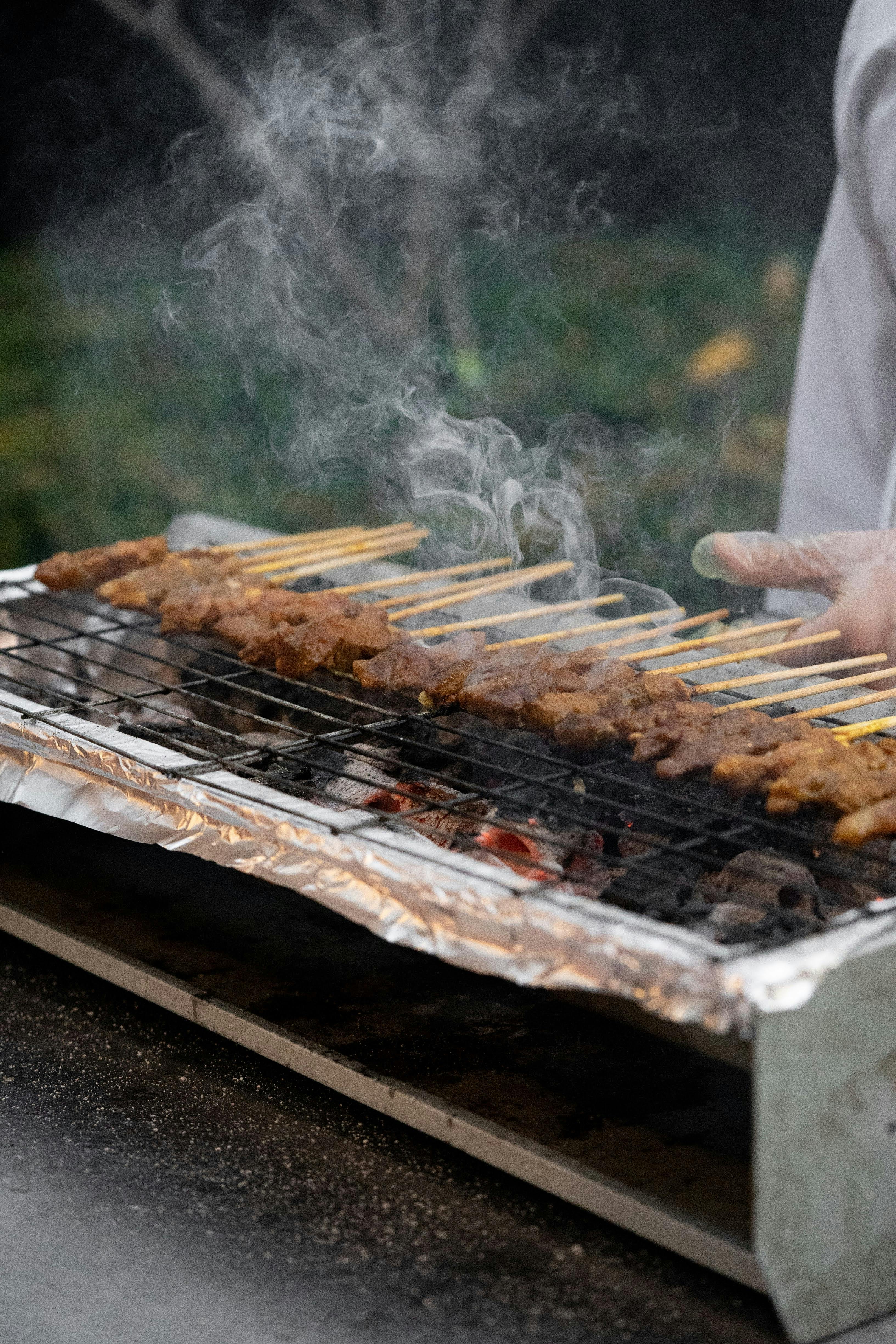
Lau Pa Sat (translated as "old market") is a cast-iron Victorian market building in the heart of Singapore's financial district. During the day it functions as a standard food centre. After 7pm, the street alongside it — Boon Tat Street — closes to traffic and transforms into Singapore's most atmospheric satay strip. Dozens of stalls line both sides of the blocked-off road, each with grills smoking over charcoal. The satay here is prawn, chicken, mutton, and beef, all served with peanut sauce and compressed rice cubes (ketupat). Price is typically SGD 0.70–0.90 per stick, with minimum orders of five or ten sticks.
Inside the market building itself, the seafood and zi char (Chinese-style stir-fry) stalls are strong. If chilli crab or black pepper crab is on your list, the prices here — while higher than the heartland — are more controlled than at dedicated seafood restaurants along East Coast Road. Expect SGD 50–80 for a medium crab, shared between two.
Newton Food Centre — the better option for chilli crab and oyster omelette
Newton Food Centre is the hawker centre made internationally famous by the film Crazy Rich Asians, which simultaneously raised its profile and, in the view of many regulars, created some stall-pricing inconsistency with tourists. That said, it remains a genuinely good evening destination with a broad menu. Alliance Seafood is the most recommended stall for chilli crab; come prepared to negotiate the price per kilogram before ordering. The oyster omelette stalls — multiple vendors compete here — serve chai tow kway-style egg pancakes loaded with fresh oysters and bean sprouts for SGD 8–12.
Newton is better than Lau Pa Sat if: you want chilli crab as your primary dish, you prefer a larger, more open eating environment, or your hotel is near Orchard Road. Lau Pa Sat wins if: the satay row atmosphere is a priority, you are already in the CBD, or you want a mix of satay and seafood zi char rather than a single centrepiece dish.
Lau Pa Sat vs Newton — Quick Comparison
- Lau Pa Sat: Victorian building, satay row from 7pm, CBD location, best for satay + seafood stir-fry
- Newton: Open-air, strong chilli crab, better for groups wanting variety, near Orchard Road
- Both: Open until at least 10pm, MRT-accessible, mix of cash and card stalls
- Budget for dinner: SGD 15–30 per person (without crab); SGD 35–60 with a shared crab
Singapore Food Tour Tips — Practical Details Before You Go
A few operational details separate a smooth eating day from one spent looking for an ATM or arriving at a famous stall fifteen minutes after it closes.
Cash vs card at Singapore hawker centres
Singapore is one of the more cashless economies in Southeast Asia, and most hawker stalls now accept PayNow, NETS, or major credit cards. However, the pattern is uneven. Older stalls run by a single hawker — often the best stalls — frequently still operate cash-only. The safest approach is to carry SGD 60–80 in cash for the full day and use card where accepted. ATMs are available at most MRT stations and within the market buildings themselves.
What to wear and when to arrive
Singapore's average temperature runs 28–32°C year-round. At hawker centres, the heat from cooking adds to the ambient temperature, so dress in light, natural fabrics. Most centres have overhead fans rather than air conditioning. Wear comfortable walking shoes — the floor at Maxwell and Chinatown Complex is often wet from cleaning.
For timing, the crowd and queue reality is:
- Tiong Bahru Market: arrive by 7.30am for the best stall selection and no queue
- Maxwell Food Centre: arrive before 11.15am or after 1.30pm to avoid the midday peak
- Kampong Glam: 3pm–5pm is the quietest window — most lunch crowds have cleared
- Lau Pa Sat satay row: the grills are set up from 7pm; 7.30–8.30pm is peak atmosphere
Best for different traveller types
If you want to skip the planning entirely and experience Singapore's food culture with expert context built in, the Food Tours available through Travjoy are curated by local experts who have filtered the city's best stops by neighbourhood and cuisine — a genuinely efficient shortcut if time is short. For those going self-guided:
- Solo travellers: hawker culture is inherently solo-friendly — tables are shared, portions are sized for one, and the pace is entirely your own
- Couples: order multiple small dishes and share — this itinerary is ideal for two people splitting four dishes at lunch and six at dinner
- Families with children: chicken rice, kaya toast, and satay are broadly crowd-pleasing; skip the chilli crab for younger children (the sauce has significant heat)
- Michelin seekers: Tiong Bahru Market and Maxwell Food Centre together hold more Michelin-recognised stalls than any other two-stop pairing in the city
Conclusion
Singapore's hawker culture earned its place on UNESCO's Intangible Cultural Heritage list in 2020 — not because the food is rare, but because the act of eating together at communal tables, across ethnic lines and economic brackets, is genuinely part of how the city functions. A Singapore food tour structured by neighbourhood lets you experience that at the pace it deserves: unhurried at breakfast, strategic at lunch, exploratory in the afternoon, and relaxed at dinner.
Four stops. Four flavour identities. One EZ-Link card. The logistics are simple enough that the food — which is very much the point — gets your full attention.
Ready to plan your trip around Singapore's best eating experiences? Start planning your Singapore itinerary on Travjoy and explore the full range of food, culture, and neighbourhood experiences the city has to offer.

.svg&w=1920&q=75)