


Singapore: Chinatown Street Market
Operating Hours:Monday - Sunday: 09:00 - 22:00
The Vibe:Lantern-lit lanes brimming with souvenirs and street bites
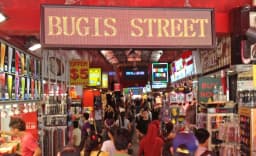
A lively maze of pedestrian streets in Chinatown, where stalls selling trinkets, snacks, and traditional crafts create a bazaar atmosphere amid heritage shophouses.
Bright red lanterns swing overhead. Vendors chatter and bargain in multiple languages. The air blends aromas of grilled satay and sweet pastries as you jostle through a cheerful crowd.
- 4★ rated on TripAdvisor with 600+ reviews as a must-do in SG
- Featured in numerous travel vlogs for its vibrant night ambiance
- Popular spot during festivals – crowds flock here especially at Chinese New Year
Persona Fit
- 👨👩👧 Families: Exciting for kids with all the colors and snacks; keep an eye on them in crowds, but it’s generally safe and pedestrian-only in the evenings.
- 💕 Couples: Strolling under lantern lights makes for a charming date – pick up quirky souvenirs or share a stick of candied fruit together.
- 👵 Seniors: Flat walking but can be crowded; daytime visits recommended for easier navigation.
- 🛍️ Souvenir Hunters: Your go-to for take-home gifts – from silk scarves to chopstick sets – all in one place at friendly prices.
Highlights
- Souvenir haven – endless stands with Singapore T-shirts, keychains, chopsticks, and handcrafted ornaments at bargain prices
- Street eats on the go – try Chinatown staples like bak kwa (BBQ pork slices) or dragon beard candy from carts
- Festive vibes – especially alive during Chinese New Year, with seasonal stalls and glowing decor
- Historic backdrop – stalls set against conserved shophouses, with temples (Buddha Tooth Relic, Sri Mariamman) at the market’s edges adding to charm — Hidden Gem

Adeline Ee
Our Singapore Local Expert
Table of Contents
Things To Do Nearby
Chinatown Heritage Centre – on Pagoda Street, a small museum inside old shophouses that recreates the living conditions of early immigrants (for a dose of history among the shopping)
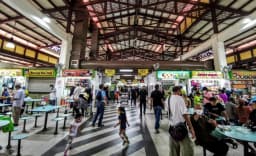
Maxwell Food Centre – just across South Bridge Road, an iconic hawker centre to sit down and eat if street snacks aren’t enough
Sri Mariamman Temple – at one end of the market (South Bridge Road), Singapore’s oldest Hindu temple, often emitting incense and temple music that add to the market’s atmosphere
Chinatown Heritage Centre – on Pagoda Street, a small museum inside old shophouses that recreates the living conditions of early immigrants (for a dose of history among the shopping)
Maxwell Food Centre – just across South Bridge Road, an iconic hawker centre to sit down and eat if street snacks aren’t enough
Sri Mariamman Temple – at one end of the market (South Bridge Road), Singapore’s oldest Hindu temple, often emitting incense and temple music that add to the market’s atmosphere
TJ's Guide - Chinatown Street Market
Know Before You Go
Insider Tips
• For the best experience, go in the evening around 7-8pm when the market is in full swing and beautifully lit, but not too late (some stalls start closing after 10pm).
• If visiting during Chinese New Year period, be prepared for dense crowds – it’s an experience with special festive stalls, but keep valuables secure and expect very slow walking.
• Bring cash in small bills. While some vendors may have QR e-pay, cash is quickest for small purchases and helps in bargaining.
• For the best experience, go in the evening around 7-8pm when the market is in full swing and beautifully lit, but not too late (some stalls start closing after 10pm).
• If visiting during Chinese New Year period, be prepared for dense crowds – it’s an experience with special festive stalls, but keep valuables secure and expect very slow walking.
• Bring cash in small bills. While some vendors may have QR e-pay, cash is quickest for small purchases and helps in bargaining.
Know Your Facts
- • MRT: Chinatown (NE4/DT19) – take Exit A for Pagoda Street; you will emerge directly into the heart of the street market.
- • By taxi: In the evening, roads are closed to vehicles. Get off at Eu Tong Sen Street or South Bridge Road near Chinatown Point and walk in.
- • The market streets include Pagoda St, Trengganu St, Sago St, and Smith St. They interconnect, so wander freely – you’ll end up roughly where you started due to the grid layout.
Once You Reach
Internal Navigation
• Pagoda Street: Main thoroughfare from MRT, lined mostly with souvenir and clothes stalls, tends to be busiest.
• Trengganu Street: Connects Pagoda to Sago; often has more food carts (skewers, roasted chestnuts) and street performers on occasion.
• Sago Street: Near the temple, features mainly knick-knacks and a few apparel stalls; by late evening this end is quieter – many stalls pack up a bit earlier here.
• Smith Street: Edges the food centre – by day it has stalls, by night it transforms into Chinatown Food Street (with tables and hot food). Navigate around diners if visiting at night.
Food & Coffee Shops
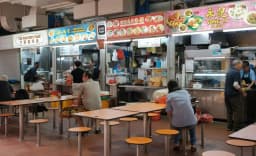
• Chinatown Food Street – outdoor dining court on Smith St (adjacent) for satay, chili crab and other local dishes in a lively setting.
• Mei Heong Yuen Dessert – on Temple Street nearby, offers cold treats like mango ice and hot dessert soups to recharge.
• Chinatown Food Street – outdoor dining court on Smith St (adjacent) for satay, chili crab and other local dishes in a lively setting.
• Mei Heong Yuen Dessert – on Temple Street nearby, offers cold treats like mango ice and hot dessert soups to recharge.
Photography Tips
• Night photography: Use the lanterns as a colorful ceiling in your shots – a wide-angle lens or panorama can capture the glowing canopy of lights on streets like Pagoda Street.
• Candid moments: capture vendors engaging with customers or a chef flipping snacks on a grill – these human elements show the market’s character.
• Temple contrast: At the South Bridge Road end, frame the bustling market scene with the imposing gopuram (tower) of Sri Mariamman Temple in the background for a striking cultural contrast.
• Night photography: Use the lanterns as a colorful ceiling in your shots – a wide-angle lens or panorama can capture the glowing canopy of lights on streets like Pagoda Street.
• Candid moments: capture vendors engaging with customers or a chef flipping snacks on a grill – these human elements show the market’s character.
• Temple contrast: At the South Bridge Road end, frame the bustling market scene with the imposing gopuram (tower) of Sri Mariamman Temple in the background for a striking cultural contrast.
Explore Deeper
These market streets are steeped in history – they weren’t created for tourists but evolved from genuine trading lanes of old. Knowing their backstory adds depth as you wander.
• Historic Street Names
Pagoda Street was named after the nearby temple’s former pagoda, and Sago Street got its moniker from the sago flour businesses once there (and later, it was known for funeral parlors, giving it the nickname 'Street of the Dead').
• Urban Transformation
In the 1990s, the area was slated for major redevelopment, but conservation efforts preserved the shophouses. The street market concept was introduced to keep the area economically vibrant while maintaining heritage facades.
• Community
Despite catering to tourists, many locals still shop here (especially at the wet market and for traditional items during festivals). It’s a living heritage district, not just a frozen-in-time attraction.
• Festival Epicenter
Chinatown Street Market is the epicenter for celebrations like Lunar New Year’s countdown bazaar and Mid-Autumn lantern light-ups, continuing a tradition of community gatherings and street festivities dating back generations.
• Historic Street Names
Pagoda Street was named after the nearby temple’s former pagoda, and Sago Street got its moniker from the sago flour businesses once there (and later, it was known for funeral parlors, giving it the nickname 'Street of the Dead').
• Urban Transformation
In the 1990s, the area was slated for major redevelopment, but conservation efforts preserved the shophouses. The street market concept was introduced to keep the area economically vibrant while maintaining heritage facades.
• Community
Despite catering to tourists, many locals still shop here (especially at the wet market and for traditional items during festivals). It’s a living heritage district, not just a frozen-in-time attraction.
• Festival Epicenter
Chinatown Street Market is the epicenter for celebrations like Lunar New Year’s countdown bazaar and Mid-Autumn lantern light-ups, continuing a tradition of community gatherings and street festivities dating back generations.
Did You Know?
• Ox-Cart Water – Chinatown’s Chinese name 'Niu Che Shui' literally means 'Bullock Cart Water', referencing how water was distributed by ox-drawn carts here in the 19th century.
• Multi-faith Corner – Within a 200m radius, you have a Chinese temple, a Hindu temple, and a mosque (Jamae Mosque) all coexisting beside the market streets – a testament to the cultural mosaic of the area.
• Haggling Etiquette – Locals know that some stalls mark up prices expecting tourists to bargain; a friendly 10-20% off is often achievable.
• Pop Culture – Scenes from 'Crazy Rich Asians' and other films showcased these very streets to capture Singapore’s vibrant heritage side.