



Shoulder Season in Bali: The Best Time to Visit for Fewer Crowds
9 min read

Raj Varma
Author
Travel & Tourism Expert Ex-Thomas Cook, Kuoni, Times of India & Travel Triangle.
SHARE BLOG
TABLE OF CONTENTS
- Key Takeaways
- What "Shoulder Season in Bali" Actually Means
- Why Shoulder Season Is the Sweet Spot for Most Travellers
- Weather in Bali Shoulder Season — What You're Actually Getting
Key Takeaways
- Shoulder season in Bali runs roughly late March to early June and September to late October — the two windows that sit either side of the July–August peak.
- May and September are the consistent sweet spots: dry-season weather, but crowds and accommodation prices around 25–40% lower than peak.
- A villa that lists near USD 480 (about IDR 7.8 million) a night in August often sits closer to USD 310 (about IDR 5 million) in May, with the same pool and staff.
- April–May favours lush landscapes, full waterfalls and cultural festivals; September–October favours surf, diving and reliable beach days.
- Late October and early November carry real shoulder risk as afternoon showers build — book refundable rates for those edge weeks.
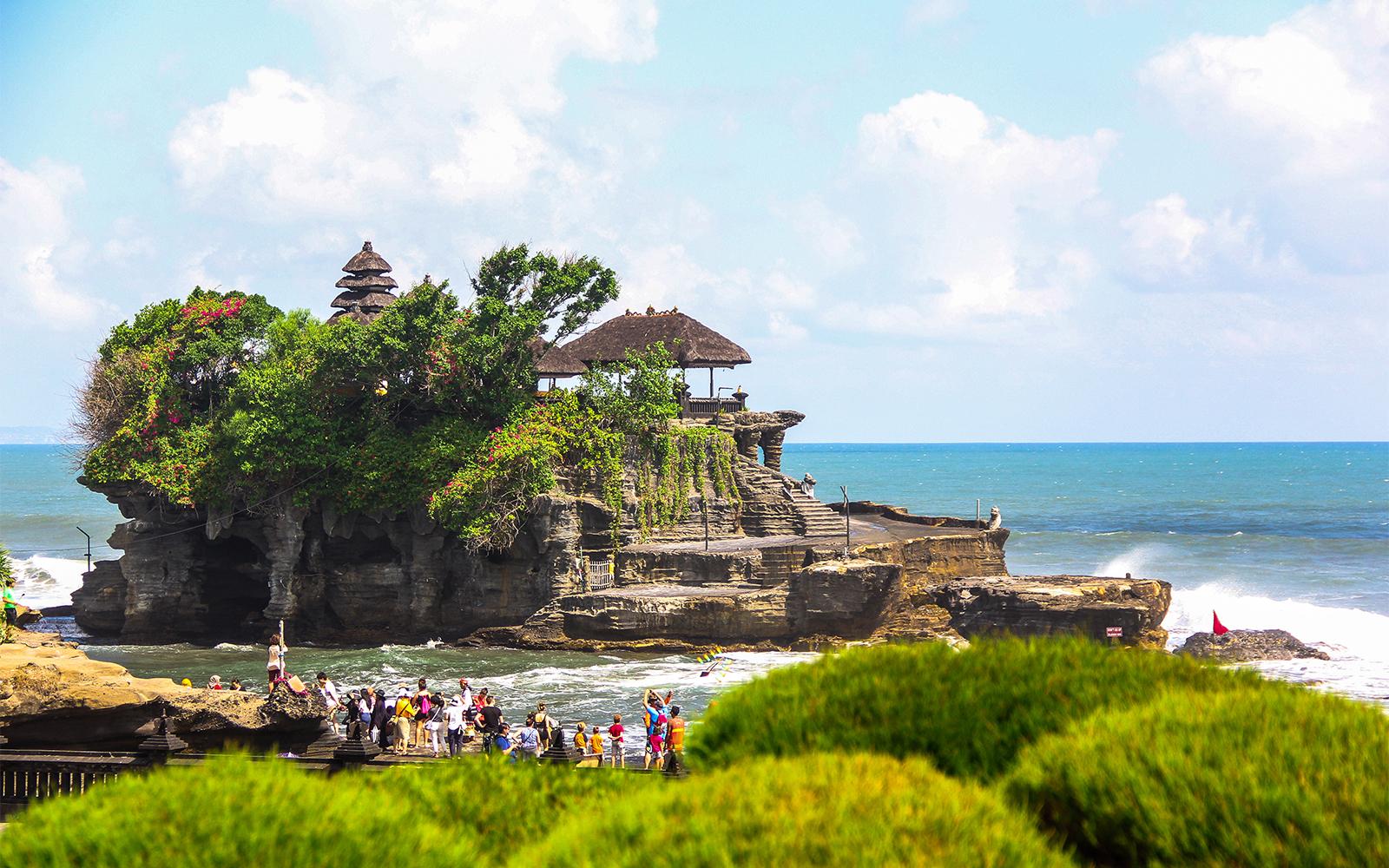
Shoulder season in Bali is the April–May and September–October stretch on either side of the July–August peak, with May and September the most reliable months to land. You get dry-season-style weather, accommodation roughly 25–40% cheaper than peak, and noticeably thinner crowds at headline sights like Uluwatu, Tanah Lot and Nusa Penida. It is the closest Bali comes to giving you peak conditions at off-peak prices.
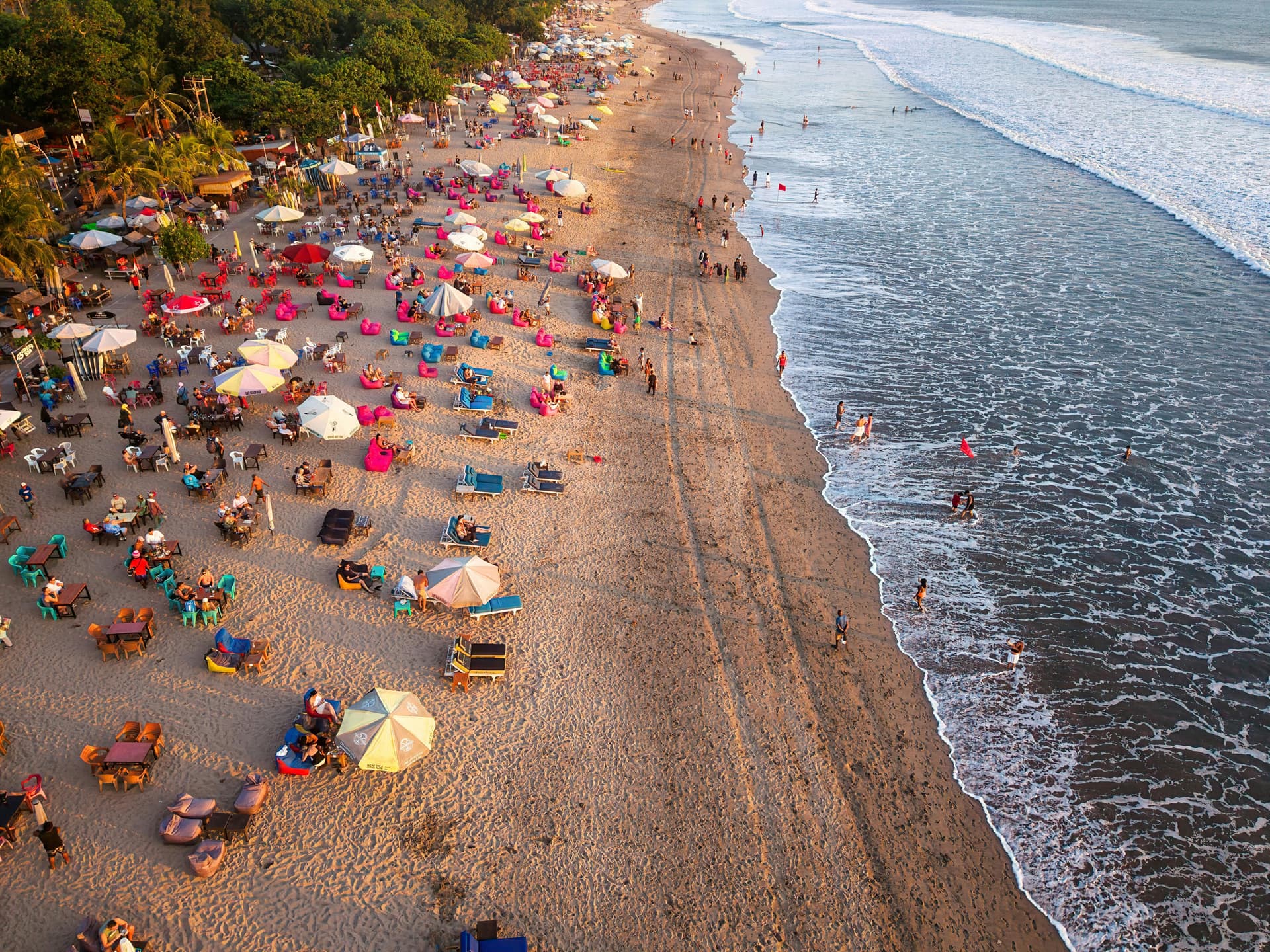
Picture the same Seminyak villa twice. In August it lists at around USD 480 a night, the pool deck is full by 10am, and Petitenget Beach at sunset is a wall of people. In May, that villa prices closer to USD 310, the same staff greet you, and the beach at golden hour is half as busy. The weather difference between the two months is marginal. The price and crowd difference is not.
That gap is what the shoulder season in Bali is really about. This guide breaks down exactly which weeks qualify, how much you actually save, what the weather gives you month by month, and which shoulder window suits which kind of traveller — so you can book the version of Bali you came for, without paying peak prices to share it with everyone else.

What "Shoulder Season in Bali" Actually Means
Shoulder season is the transition period between Bali's busy peak and its quiet low season — broadly April–May and September–October. These are the months when the weather still behaves like the dry season but the crowds and prices have not yet caught up, or have already eased off. Understanding where the edges sit is the difference between a smart booking and a gamble.
Bali's two-season climate, in one paragraph
Bali sits just south of the equator and has only two seasons: a dry season from roughly April to October and a wet season from November to March. Temperatures barely move across the year, hovering around 27–32°C (81–90°F) day to day. What changes is rainfall and humidity, and that single variable drives everything else — crowd levels, prices, sea conditions and which activities are at their best.
The shoulder windows, defined
There are two shoulder windows, and they feel quite different from each other. The first runs from late March through May, as the wet season winds down and the island dries out. The second runs from September through late October, as the dry season fades and the first showers return. Both share the same trick: dry-season-grade weather with a fraction of the peak-season pressure.
- Spring shoulder (late March – May): landscapes at their greenest, waterfalls full, crowds low, prices climbing slowly toward June.
- Autumn shoulder (September – late October): seas clear and calm, surf and diving at their best, crowds thinning fast after the August exodus.
Where the edges blur
The honest part most guides skip: the edges of each window are a trade-off, not a guarantee. Early April can still throw a wet-season afternoon at you, and late October brings the first reliable showers back. June drifts into peak pricing well before the July crowds arrive. These edge weeks are still excellent value — you just plan for them differently, which the booking section below covers in detail.
- Late March: wettest of the shoulder edges, but the lushest and cheapest — good for travellers who prioritise budget and scenery over guaranteed sun.
- Early June: weather is superb, but rates are already climbing toward peak; book early to lock in shoulder-style pricing.
- Late October / early November: the genuine risk zone, with afternoon showers building — refundable rates strongly advised.
Why Shoulder Season Is the Sweet Spot for Most Travellers
For the majority of travellers, shoulder season offers the best overall balance Bali has to give: weather close to peak, crowds well below it, and prices that drop 25–40% on the things that cost the most. Unless you are tied to school holidays or chasing a single specific condition, the shoulder months are the rational default.
Crowds — what 25–40% fewer visitors actually feels like
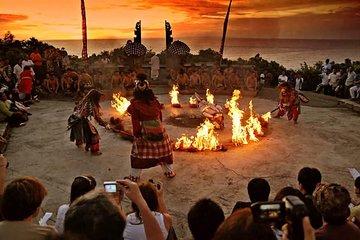
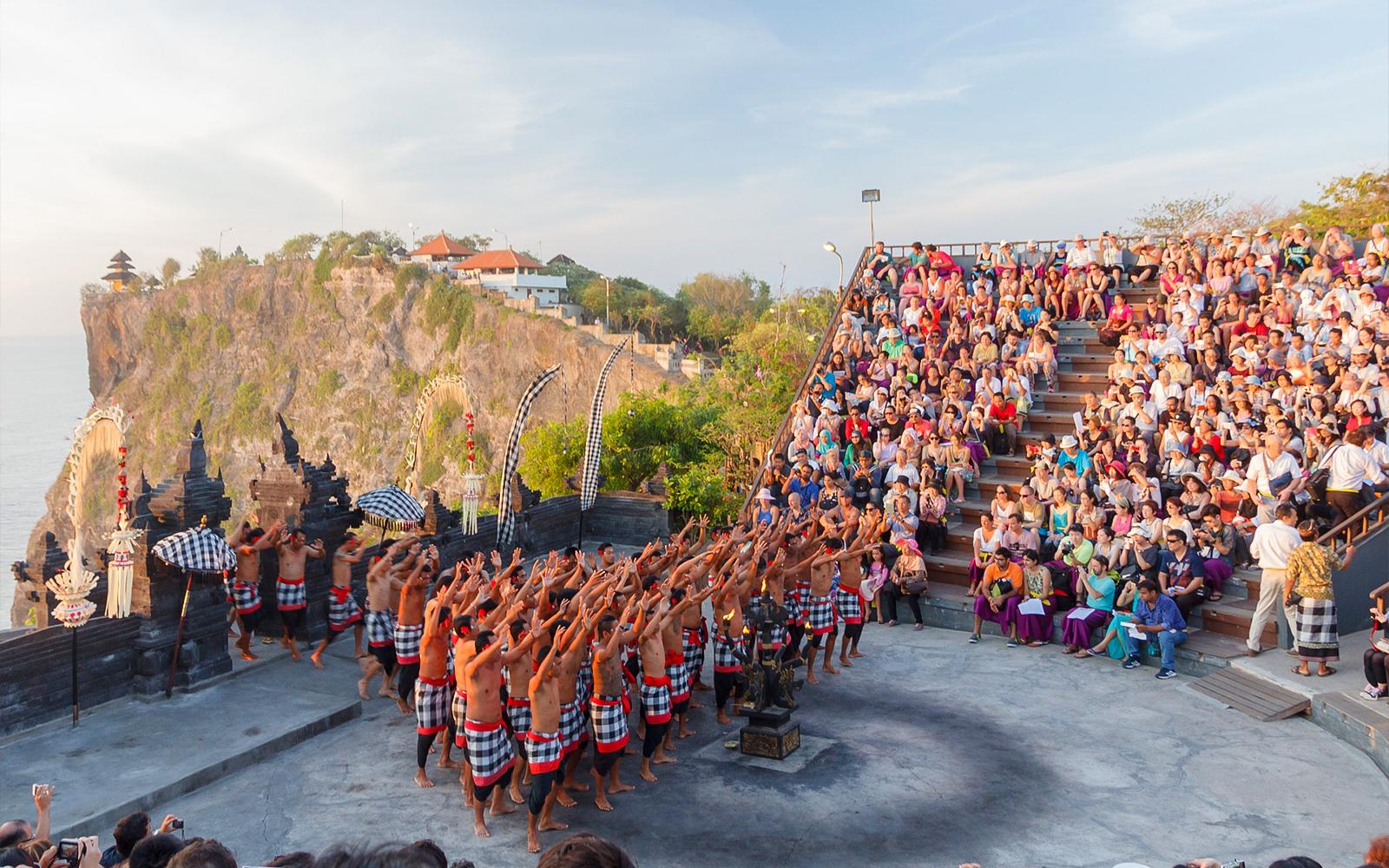
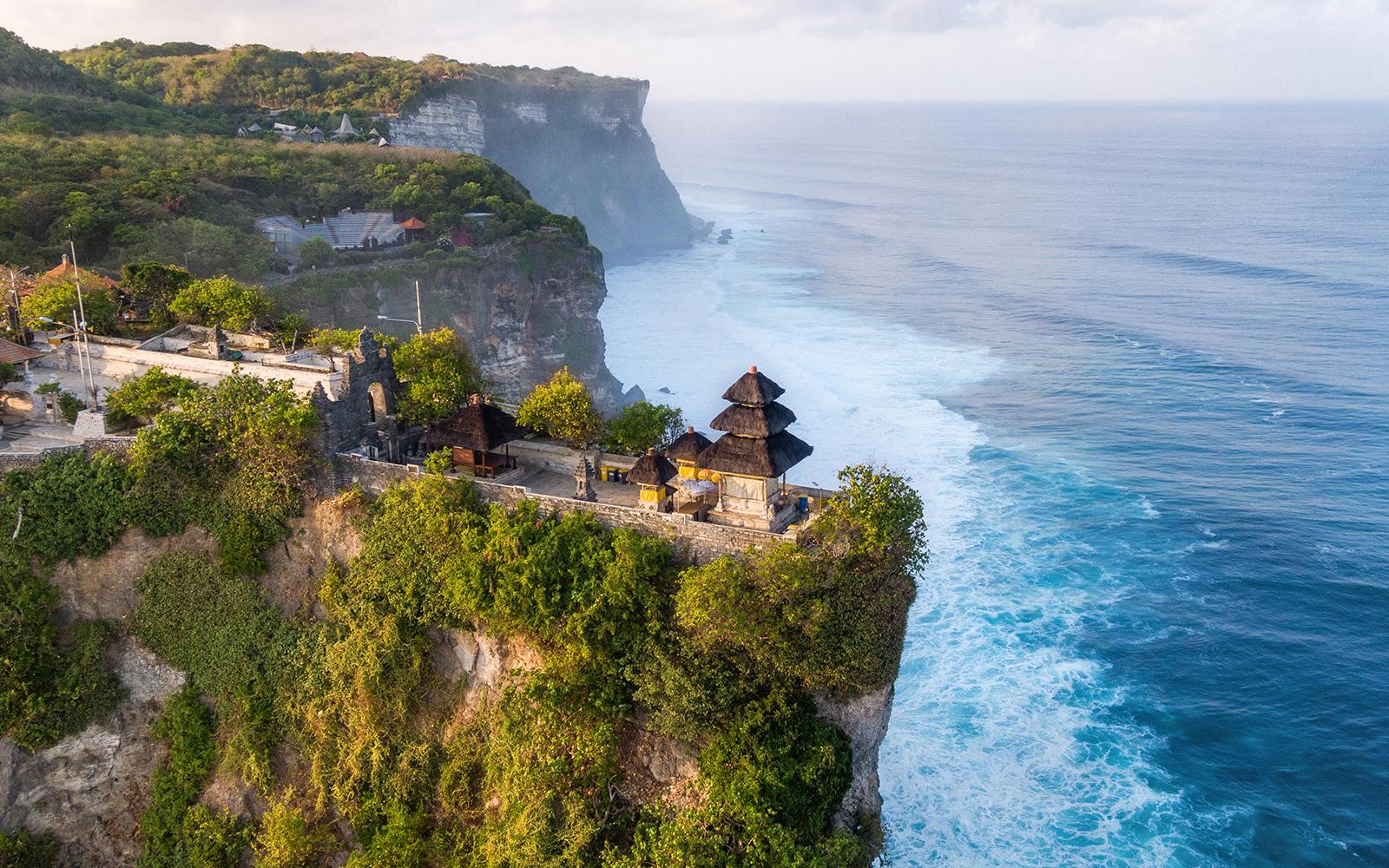
The crowd difference is most obvious at the island's headline sights. At the Tegalalang Rice Terrace, the famous swing-and-photo path that backs up for 30 minutes in August moves freely on a September weekday. Uluwatu's clifftop temple sunset, shoulder-to-shoulder in peak, gives you room to actually see the Kecak fire dance. On Nusa Penida, the single-lane road to Kelingking viewpoint that gridlocks in July clears noticeably in May.
Fewer people also changes the texture of a day. Restaurants seat you without a reservation, drivers are easier to book at short notice, and the popular day trips run with smaller groups. The island simply moves at a calmer pace.
Prices — where the real savings sit
Accommodation is where shoulder season pays for itself. Across mid-range hotels and private villas, expect rates roughly 30–40% below August in the popular hubs of Seminyak, Canggu and Uluwatu. Flights tend to run 15–20% cheaper than the July–August and Christmas peaks, especially if you fly midweek.
- Private villa (Seminyak/Canggu): approx. USD 300–340 (IDR 4.9–5.5 million) in shoulder vs USD 450–520 (IDR 7.3–8.4 million) in peak.
- Mid-range hotel room: approx. USD 55–80 (IDR 900,000–1.3 million) in shoulder vs USD 90–130 (IDR 1.5–2.1 million) in peak.
- Return flights: roughly 15–20% below peak fares; midweek departures save most.
- Private driver (full day): around USD 45–60 (IDR 730,000–980,000), broadly stable year-round, but easier to book on short notice.
Prices are indicative for 2026 and vary by property, location and how far ahead you book. The pattern, though, is consistent: the same trip costs meaningfully less in May or September than in August.
Availability — booking lead times that work
In peak season the best villas and most-booked tours sell out months ahead. In shoulder season the pressure eases: villas open up two to three months out rather than six, and day trips rarely sell out. That flexibility is part of the appeal — you can plan a little later and still get the property and the experiences you want. When you do book activities, Travjoy's Bali experiences are vetted by local guides, so you can lock in the tours that matter without second-guessing whether an operator is reliable in the quieter months.
Weather in Bali Shoulder Season — What You're Actually Getting
Shoulder-season weather is close enough to peak that most travellers will not notice the difference: warm days, comfortable evenings, and sea that is calm to moderate. The main variables are how much afternoon rain you might catch at the edges and which region you base yourself in, because Bali's micro-climates matter more than its calendar.
Month by month — what the weather gives you
April and May see rainfall tapering off, with May reliably dry across most of the island. September is dry and clear, and October stays mostly dry until showers begin building late in the month. Sea conditions are calmest and clearest from May through September, which is why diving and snorkelling peak in this window.
| Shoulder Month | Avg Temp | Rainfall | Sea Conditions | Crowds | Best For |
|---|---|---|---|---|---|
| April | 27–31°C | Moderate, easing (occasional afternoon showers) | Calming | Low | Lush scenery, waterfalls, culture |
| May | 28–31°C | Low, reliably dry | Calm and clear | Low–moderate | All-rounder; best overall balance |
| September | 28–31°C | Low, dry | Calm and clear (best visibility) | Low–moderate | Surf, diving, beach days |
| October | 27–32°C | Low early, building late month | Calm, turning later | Low | Value, last dry-season window |
Regional micro-climates — they matter more than the month
Bali is not one climate. The Bukit Peninsula in the south — Uluwatu, Ungasan, Nusa Dua — is meaningfully drier than the centre and can stay sunny while Ubud catches an afternoon downpour. Ubud and the central highlands are greener and wetter year-round, which is exactly why their rice terraces and waterfalls look so good. The east coast and Nusa Islands are drier still and best for water clarity.
- Drier and sunnier: Bukit Peninsula (Uluwatu, Nusa Dua), east coast (Amed, Sanur), Nusa Penida and Nusa Lembongan.
- Greener and wetter: Ubud and the central highlands, Munduk and the northern lakes.
- Practical takeaway: if you visit at a wetter shoulder edge (late March, late October), base yourself on the Bukit or east coast for the most reliable sun.
The afternoon-shower pattern, and how to plan around it
When rain does fall in shoulder season, it usually arrives as a short, heavy afternoon burst rather than all-day drizzle. The simple fix is to front-load your day: do temples, viewpoints, rice terraces and treks in the morning, and keep spas, long lunches and indoor experiences as afternoon backups. This single habit removes almost all the weather risk from an edge-week trip.
Pack list for shoulder-season Bali
- Light rain shell or compact umbrella (for April and late October especially)
- Reef-safe sunscreen — the sun is strong even on cloudy shoulder days
- Quick-dry clothing and sandals that handle a sudden downpour
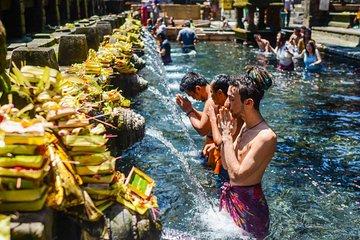
- A sarong and covered shoulders for temple visits
- A dry bag for boat transfers to Nusa Penida or the Gilis












April and May 2026 — The Green-to-Gold Shoulder
The spring shoulder is Bali at its lushest and quietest, with the wet season fading into reliably dry days through May. This is the window for travellers who want full waterfalls, electric-green rice terraces and a calendar of cultural festivals, all before the June price climb begins. May, in particular, is the month most seasoned visitors name as the island's best all-round time.
Early April — the lush, low-crowd edge
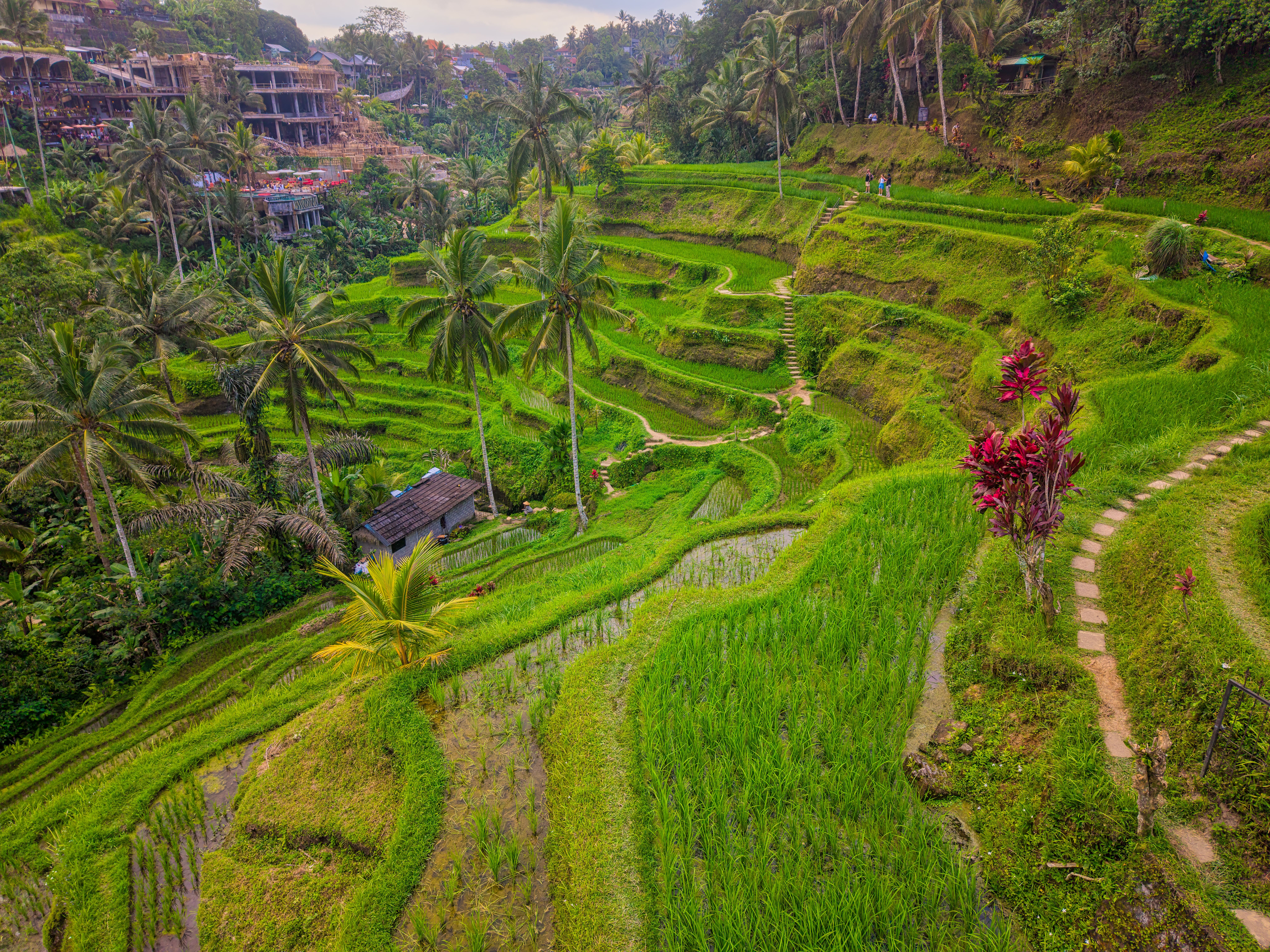
Early April still carries the tail of the wet season, so expect the occasional afternoon shower, especially inland around Ubud. The pay-off is scenery: rice paddies are vivid green, waterfalls like Tegenungan and Tibumana run at full force, and crowds stay low. The Tegalalang Rice Terrace is at its most photogenic now, and you will often have viewpoints close to yourself.
Mid-to-late April — weather settling, culture peaking
By mid-April the weather firms up and the cultural calendar gets interesting. Saraswati, the Balinese day honouring knowledge and learning, falls on 4 April 2026, and temples fill with offerings and ceremony. The Bali Spirit Festival, the island's big yoga, music and wellness gathering, runs in Ubud in the second half of the month, drawing a like-minded crowd without overwhelming the town.
May — the consensus sweet spot
May is the month to beat. Rainfall is low, humidity drops, the sea turns calm and clear, and crowds remain well below June and July levels. Waterfalls are still full from the wet season, the surf on the west coast is becoming consistent, and the late-May Ubud Food Festival gives food-focused travellers a reason to base themselves inland. If you can only pick one month from the entire shoulder season in Bali, May is the safest bet for weather, value and atmosphere together.
- In season now: rice terraces, waterfalls, river rafting, Ubud's cultural scene, early west-coast surf.
- Still warming up: the most consistent surf and the absolute clearest diving visibility — both peak slightly later, from June to September.

September and October 2026 — The Dry-to-Lush Shoulder
The autumn shoulder is the window for sun, surf and sea. September delivers some of the best conditions of the entire year — dry, clear and calm — just as the August crowds disperse, while October rides out the last of the dry season before the showers return. For ocean-focused travellers, this is the strongest shoulder window of the two.
September — the quiet dry-season peak
September is the quiet achiever. Weather is almost indistinguishable from August — warm, dry, low humidity — but once Australian and European school holidays end, visitor numbers drop sharply. Sea visibility is at its clearest, making it the consensus best month for diving and snorkelling around Nusa Penida day trips and Amed. If your priority is the ocean, September is hard to beat.
Early October — still dry, culture returning
Early October holds the dry-season line, with warm days and calm seas continuing. The Ubud Writers & Readers Festival lands in late October and pulls a literary, cultural crowd back to the highlands, giving the month a quieter, more reflective energy than the beach-club summer. It is a fine time to combine south-coast beach days with a few inland nights in Ubud.
Late October — the trade-off zone
Late October is where the autumn shoulder starts to bend toward the wet season. The first reliable afternoon showers return, humidity creeps up, and the sea begins to cloud. None of this ruins a trip — mornings stay clear and prices are excellent — but it is the point where refundable bookings earn their keep. Treat late October like early April: lush, cheap and quiet, with a weather asterisk.
- Peaking now: west-coast surf at Uluwatu and Padang Padang, diving visibility, sunset sessions at Tanah Lot.
- For the full beach rundown: see our guide to the best beaches in Bali by region.
Which Shoulder Window for Which Traveller
The best shoulder window depends entirely on what you came for. Both April–May and September–October beat peak season on crowds and price, but they reward different priorities. Use this as a quick decision filter before you book.
Best for couples and honeymooners
Choose late April to May. Quiet beaches, calm seas, fewer people at sunset spots and lower villa rates make romantic Bali feel private and unhurried. Spa days, sunset dinners and slow mornings all land better when the island is not at capacity, and villas with private pools are far more affordable than in August.
Best for surfers
Choose September to October on the west coast. The dry-season swell is still firing at Uluwatu, Padang Padang and Bingin, but the line-ups thin out as the peak crowds leave. You get the same waves with more room in the water.
Best for divers and snorkellers
Choose September. Sea visibility around Nusa Penida, Amed and Menjangan is at its annual best, and manta and mola-mola sightings near the Nusa Islands are most reliable in this window. Calm, clear water plus thinner boat traffic makes it the strongest month for anything underwater.
Best for families
Choose early September, before the late-October showers, for the easiest combination of stable weather and lower prices. April school-holiday weeks work well too, with lush scenery and gentle crowds, though rates sit a little higher than the deepest shoulder lulls. Browse the top picks in Bali to anchor a family itinerary around the sights that travel best with kids.
Best for cultural travellers
Choose April or late October. April brings Saraswati and the Bali Spirit Festival; late October brings the Ubud Writers & Readers Festival. Both put you in the cultural heart of the island — Ubud and the central highlands — when the events are on but the crowds are not at summer levels.
Best for budget travellers
Choose September, or push to the edges in late March or late October. September gives the best combined weather-and-price index of any dry month, while the edge weeks trade a little weather certainty for the lowest rates of the shoulder season. Either way, you are paying well below peak for conditions that are still mostly excellent.
How to Book a Shoulder-Season Bali Trip Without Getting Caught Out
Shoulder season is more forgiving than peak, but a little planning still protects you — especially around the edge weeks and the festival dates that briefly override the "shoulder equals quiet" rule. Here is how to time and sequence your booking.
When to book
Book flights three to four months ahead to lock in shoulder-season fares, and aim for midweek departures for the best prices. Villas and hotels open up two to three months out — far less pressure than the six-month lead times peak season demands. The exception is anything coinciding with a major festival, which fills early regardless of season.
What to pre-book versus what to sort on the ground
- Pre-book: airport pickup, your first two nights, and any signature day trip with limited spots (Nusa Penida boats, Mount Batur sunrise treks).
- Worth booking ahead: a full-day private driver, popular restaurants in Seminyak and Ubud, cooking classes.
- Fine to sort on arrival: warungs, beach clubs, last-minute spa treatments, additional driver days.
Refundable rates for the edge weeks
If you are travelling in late March, early April or late October, book refundable or flexible rates. The weather in these weeks is usually fine but not guaranteed, and a flexible booking lets you shift plans around an unexpected wet afternoon without losing money. It is cheap insurance for the lowest-priced weeks of the year.
Festivals that override the "shoulder equals quiet" rule
A handful of 2026 dates draw crowds and ceremony even in quiet months, and some affect logistics directly. Plan around them rather than being surprised by them.
- Nyepi (19 March 2026): Bali's Day of Silence — the airport closes for 24 hours and the entire island shuts down. Just outside the shoulder window, but critical if you arrive in mid-March.
- Saraswati (4 April 2026): a temple-focused day of offerings; atmospheric rather than disruptive.
- Galungan (17 June 2026) and Kuningan (27 June 2026): the island's most important celebration, with streets lined in penjor poles — beautiful, but it pushes June demand higher.
Plan Your Shoulder-Season Bali Trip
The case for shoulder season in Bali is simple: you get weather that rivals the July–August peak, crowds that sit 25–40% lower, and accommodation that costs meaningfully less — all at once. Choose April–May if you want lush landscapes, full waterfalls and cultural festivals; choose September–October if surf, diving and reliable beach days are the priority. May and September are the safest single-month picks for a balance of all three.
Watch the edge weeks in late March, early April and late October, book refundable rates when you do, and time your trip around the festival dates rather than into them. Do that, and you will experience the version of Bali most visitors only get a watered-down, overcrowded glimpse of in peak season. When you are ready to build the trip, explore experiences across Bali on Travjoy — every option is vetted by local guides who know exactly how each sight and activity changes with the seasons.









.svg&w=1920&q=75)