



Best Time to Visit London: A Month-by-Month Guide to Weather, Crowds and Events
8 min read
Key Highlights
- London's best weather runs May to September, with July and August the warmest at around 23–24°C.
- For the balance of decent weather and thinner crowds, aim for late April to June or September to October.
- Daylight is the real swing: roughly 16 hours in June against under 8 in December.
- November to March is the quietest and best value, with room rates well below the summer peak.
- December is the most festive but also the busiest and priciest winter month, so book early.
The best time to visit London is late spring (May–June) and early autumn (September–October), when you get mild, mostly dry days, long light and crowds below the summer peak. July and August are the warmest months with the fullest events calendar and the biggest queues, while November to March is coldest and quietest but the cheapest — and December brings the festive markets, lights and Winter Wonderland.
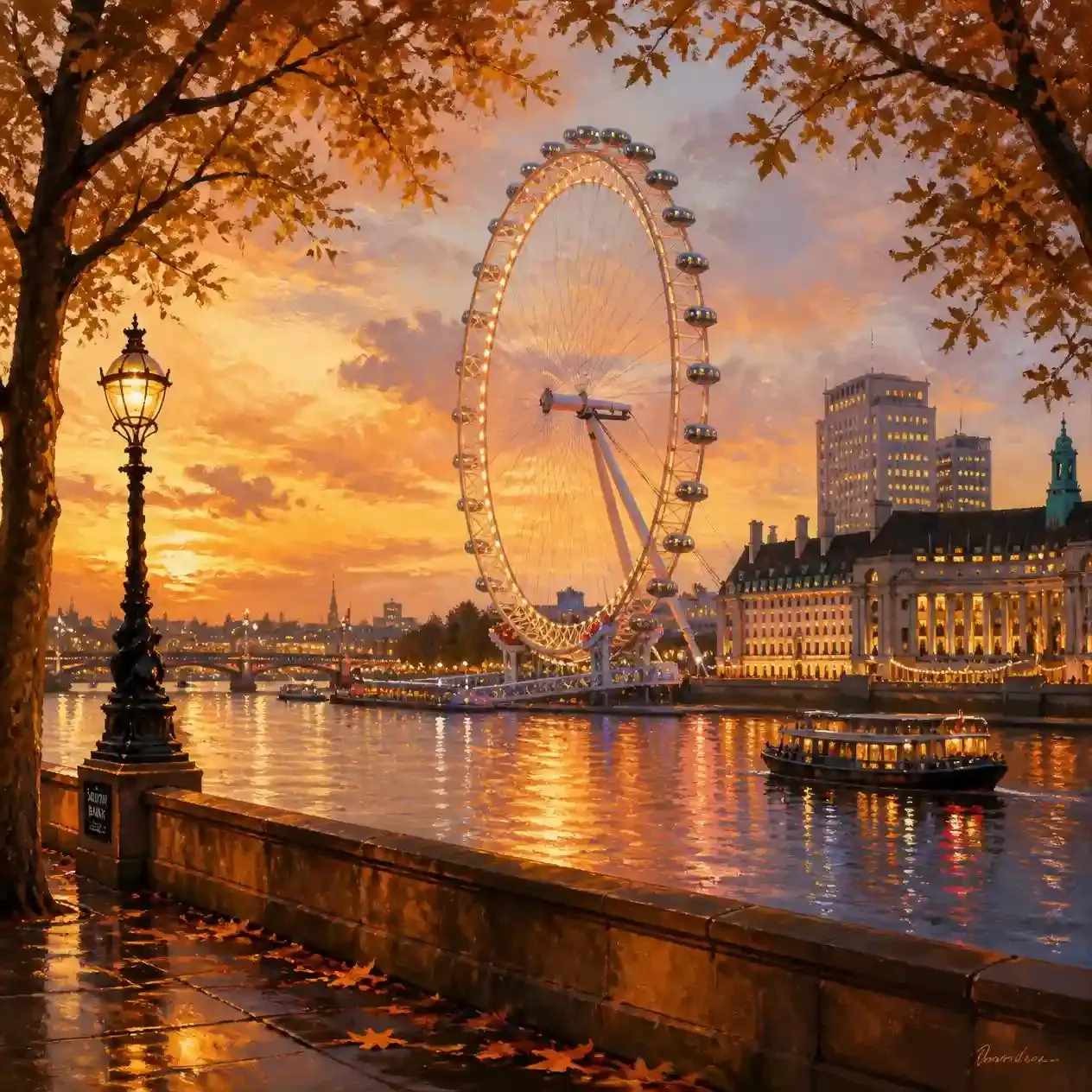
Ask ten Londoners when to visit and you'll get ten answers, because the city rebuilds itself every few weeks. The best time to visit London depends less on temperature — which rarely climbs above 25°C or drops below freezing — and more on daylight, crowds, price, and what's happening while you're here. A wet January morning gives you the British Museum almost to yourself; a June evening keeps you out on the South Bank past nine.
This guide breaks the year down two ways. First by season, so you can match your dates to the trip you want, then month by month, with the weather, the crowd and price signals, and the events worth building a trip around.
Whether you're back for a third time and after the quieter, richer version of the city, or timing a first visit around Wimbledon or the Christmas lights, you'll finish knowing exactly which window fits.
What Actually Changes Across London's Year
What changes most across London's year is not heat but light, rain and crowds. The city's maritime climate keeps temperatures mild and narrow — roughly 8°C in January to 24°C in July — so the real variables are how long the days run, how often it drizzles, and how many other people are sharing the queue.
London's Climate at a Glance
London has a deserved reputation for grey skies and an undeserved one for heavy rain: it records less annual rainfall than New York, Rome or Sydney. What it does deliver is unpredictability — light showers that appear and clear within the hour, and "four seasons in an afternoon" often enough that a compact umbrella earns its place year-round.
| Month | Avg High | Avg Low | Rainfall | Daylight | Feel |
|---|---|---|---|---|---|
| January | 8°C | 3°C | ~55mm | ~8 hrs | Cold, damp, very quiet |
| February | 9°C | 3°C | ~40mm | ~10 hrs | Cold, crisp |
| March | 11°C | 4°C | ~42mm | ~12 hrs | Cool, brightening |
| April | 15°C | 6°C | ~44mm | ~14 hrs | Mild, showery |
| May | 18°C | 9°C | ~49mm | ~15.5 hrs | Warm, driest month |
| June | 21°C | 12°C | ~45mm | ~16.5 hrs | Warm, long days |
| July | 24°C | 14°C | ~45mm | ~16 hrs | Peak warmth, busy |
| August | 23°C | 14°C | ~50mm | ~14.5 hrs | Warm, holiday crowds |
| September | 20°C | 11°C | ~49mm | ~12.5 hrs | Mild, settled |
| October | 16°C | 9°C | ~69mm | ~10.5 hrs | Cooler, wettest, golden |
| November | 11°C | 5°C | ~59mm | ~8.5 hrs | Cold, damp |
| December | 9°C | 3°C | ~55mm | ~8 hrs | Cold, festive |
- Warmest months: July and August, average highs of 23–24°C, with occasional short heatwaves above 30°C.
- Wettest month: October, around 69mm, though autumn rain tends to be persistent drizzle rather than downpours.
- Driest and among the sunniest: May, which is why it reads so well for outdoor days.
Why Daylight Matters More Than Temperature
At 51°N, London's daylight swings hard, and that single fact reshapes an itinerary more than any forecast. In June the sun is up for around 16 hours and light lingers past 9pm; in December you get under 8 hours and dusk settles by four.
- June–July: about 16 hours of daylight — long evenings for river walks, rooftop bars and outdoor theatre.
- December–January: under 8 hours — build days around museums, galleries and West End matinees that don't depend on light.
- Spring and autumn: 10–14 hours, enough for a full day out without the summer crush.
The Best Time to Visit London, by What You Want
There is no single answer here — the right window depends on whether you're chasing weather, quiet, value or a specific event. The best time to visit London for mild, dry days is late spring to early autumn, but each season trades off differently, and each suits a different traveller.
Spring (March–May): Blossom and the Driest Weeks
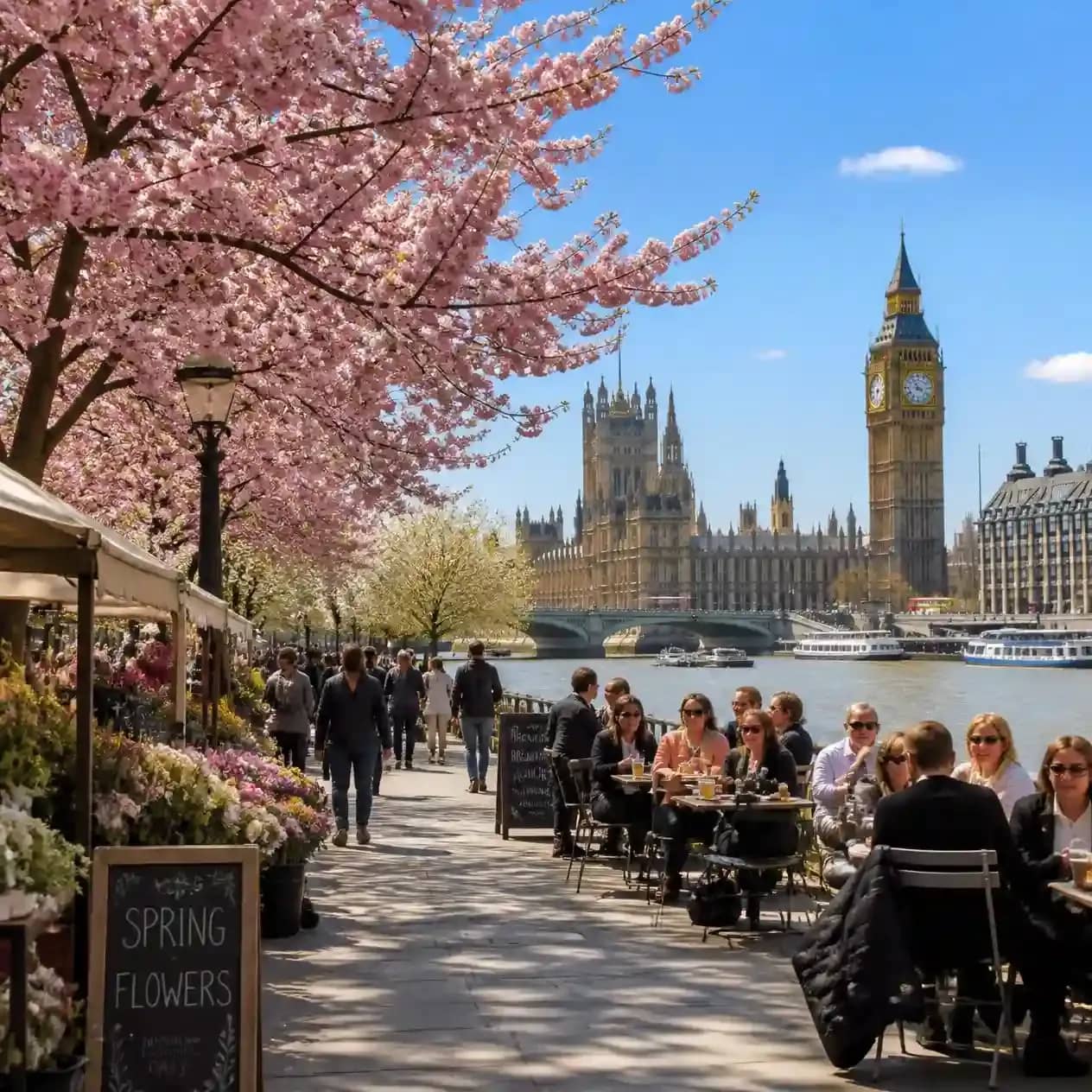
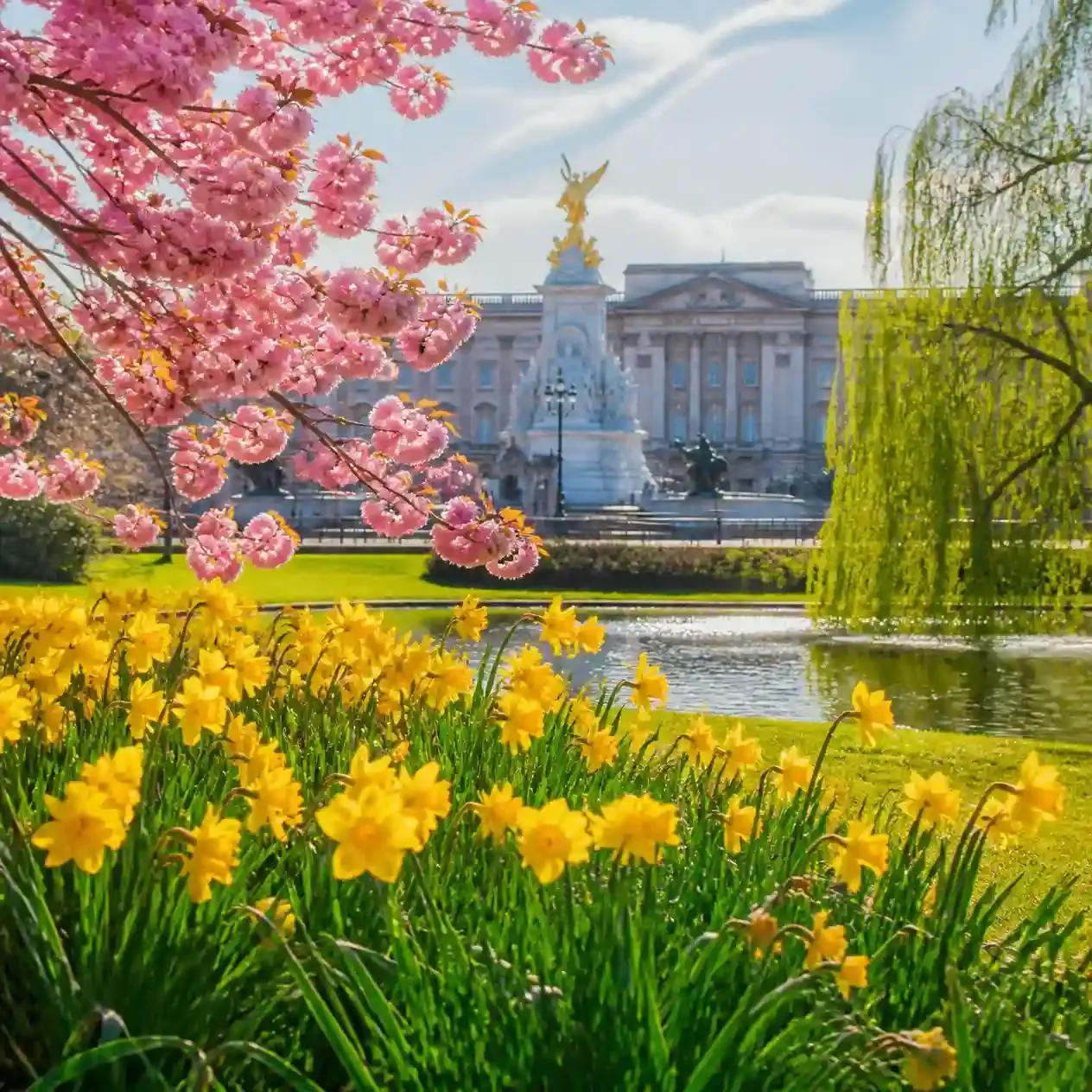
Spring is the season of colour and the driest stretch of the year. Temperatures climb from 11°C in March to 18°C by May, and London's royal parks fill with daffodils, magnolia and cherry blossom, with St James's Park at its best behind Buckingham Palace.
- Choose spring if you want blossom, gardens and comfortable sightseeing before the peak.
- Watch Easter week, when hotel rates spike; the rest of April and May sit at fair value.
Summer (June–August): Long Days, Full Calendar, Peak Crowds
Summer delivers the warmest weather, the longest light and the busiest streets. Highs sit at 21–24°C, evenings stretch past nine, and the events calendar runs at full tilt — from Wimbledon to open-air concerts in Hyde Park. It's also the priciest window, and timed tickets are worth arranging ahead.
- Choose summer if you want long evenings, outdoor events and the river at its liveliest.
- Expect the highest room rates and the longest queues, especially over the August bank holiday.
Autumn (September–October): The Insider's Pick
Autumn is the season London regulars quietly recommend. September holds near-summer warmth at 16–20°C, the parks turn gold, and crowds thin sharply once the school holidays end. The theatre, opera and concert seasons launch fresh programmes, and hotel rates ease from their summer highs. If you can visit only once, September is the strongest all-round choice.
Winter (November–February): Quiet, Cheap, Festive
Winter is cold and dark but rewarding on its own terms: the lowest room rates of the year outside the Christmas fortnight, museums without queues, and the city's West End shows at their cosy best. December is the exception — festive, beautiful and busy, with prices to match.
Which Season Suits You, in One Line
- Weather and long days: June to August.
- Weather with thinner crowds: late April to June, and September to October.
- Value and quiet: January to March.
- Festive atmosphere: late November to December.
London Month by Month: January to June
Here is London from January to June — the weather band, the crowd-and-price signal, and the events worth knowing about before you book.
January — Quiet, Cold, Best Value
January is the calmest and cheapest month. Days are short and skies often grey, but the winter sales fill Oxford Street and Bond Street, museums stay peaceful, and the New Year's Day Parade opens the year. Expect cold, damp days around 8°C and plan indoor-led itineraries.
February — Cold and Crisp
February stays cold but daylight starts to return. Chinese New Year brings colour and crowds to Chinatown, London Fashion Week energises pockets of the city, and Valentine's weekend lifts the restaurant scene. A quiet, good-value month with the first hints of spring by its end.
March — Brightening
March bridges winter and spring, with the first blossom and brighter mornings. St Patrick's Day brings a parade to Trafalgar Square, and the Oxford–Cambridge Boat Race draws crowds along the Thames late in the month. Prices remain transitional, making it fair value outside Easter.
April — Mild and Showery
April is one of London's most colourful months, with cherry blossom at its peak and the London Marathon filling the streets. Showers are frequent but brief. Easter week pushes hotel rates up sharply; the rest of the month offers a pleasant middle ground of weather and value.
May — Warm and Driest
May is statistically London's driest month and one of its sunniest, which makes it one of the best times to visit London for weather and value before the summer peak. The Chelsea Flower Show (late May) draws garden lovers from around the world and sells out months ahead, and the FA Cup Final closes the football season.
June — Long Days and the Season Opens
June brings the longest daylight of the year and a packed calendar: Trooping the Colour, Royal Ascot, and the start of Wimbledon in the last week. Weather is reliably warm at around 21°C. Crowds and prices begin their climb toward the July–August peak, so book headline sights ahead.





London Month by Month: July to December
Here is the second half of the year — July to December — the warmest weeks, the fullest events calendar, and the run into the festive season.
July — Peak Summer
July is London in full summer swing: warm days around 24°C, light past nine, and the calendar at its busiest. Wimbledon reaches its finals in the first fortnight, Pride in London fills the West End, and open-air concerts run in Hyde Park. It is the warmest month and one of the priciest, so timed tickets and dinner reservations reward advance planning.
August — Warm and Very Busy
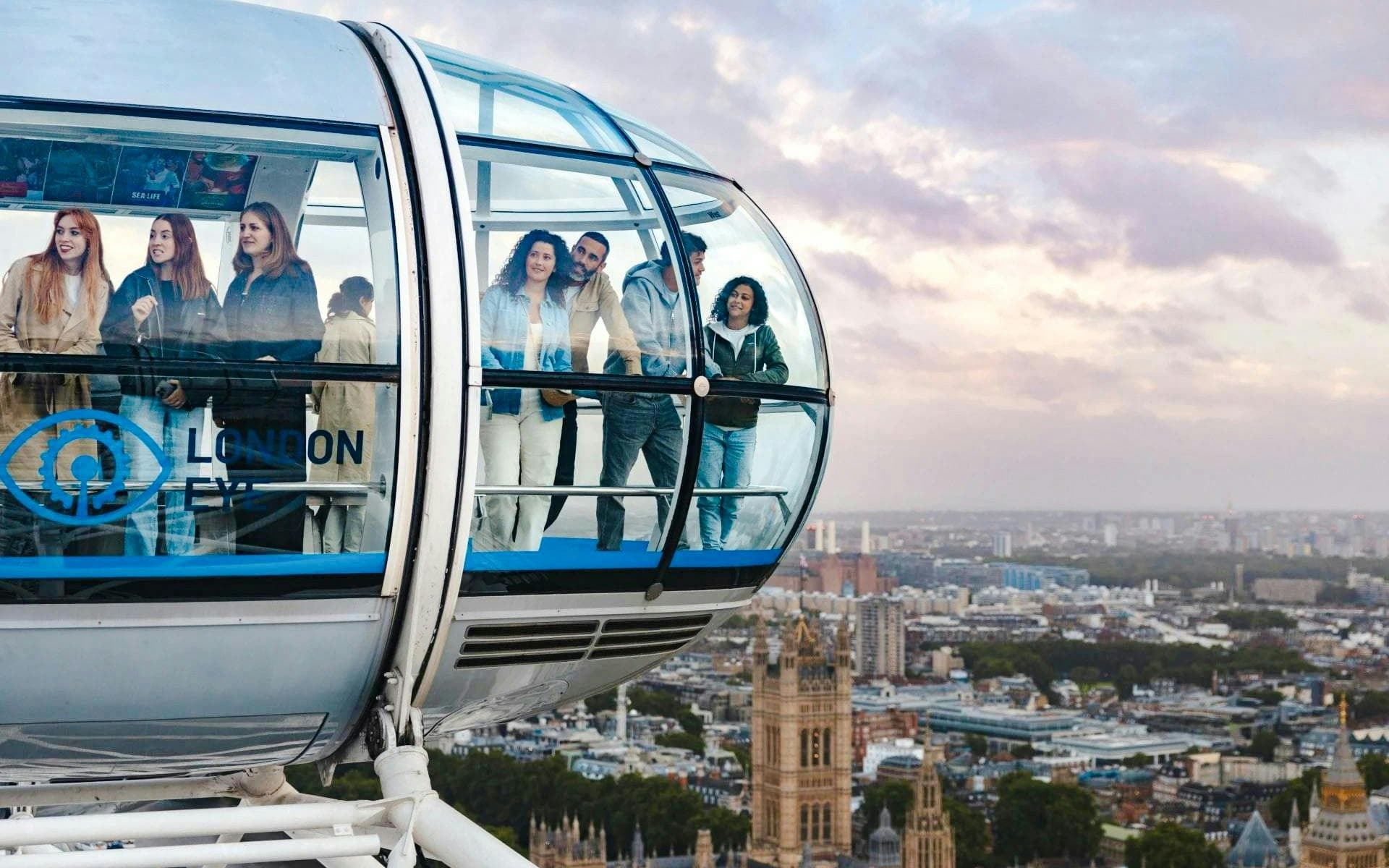
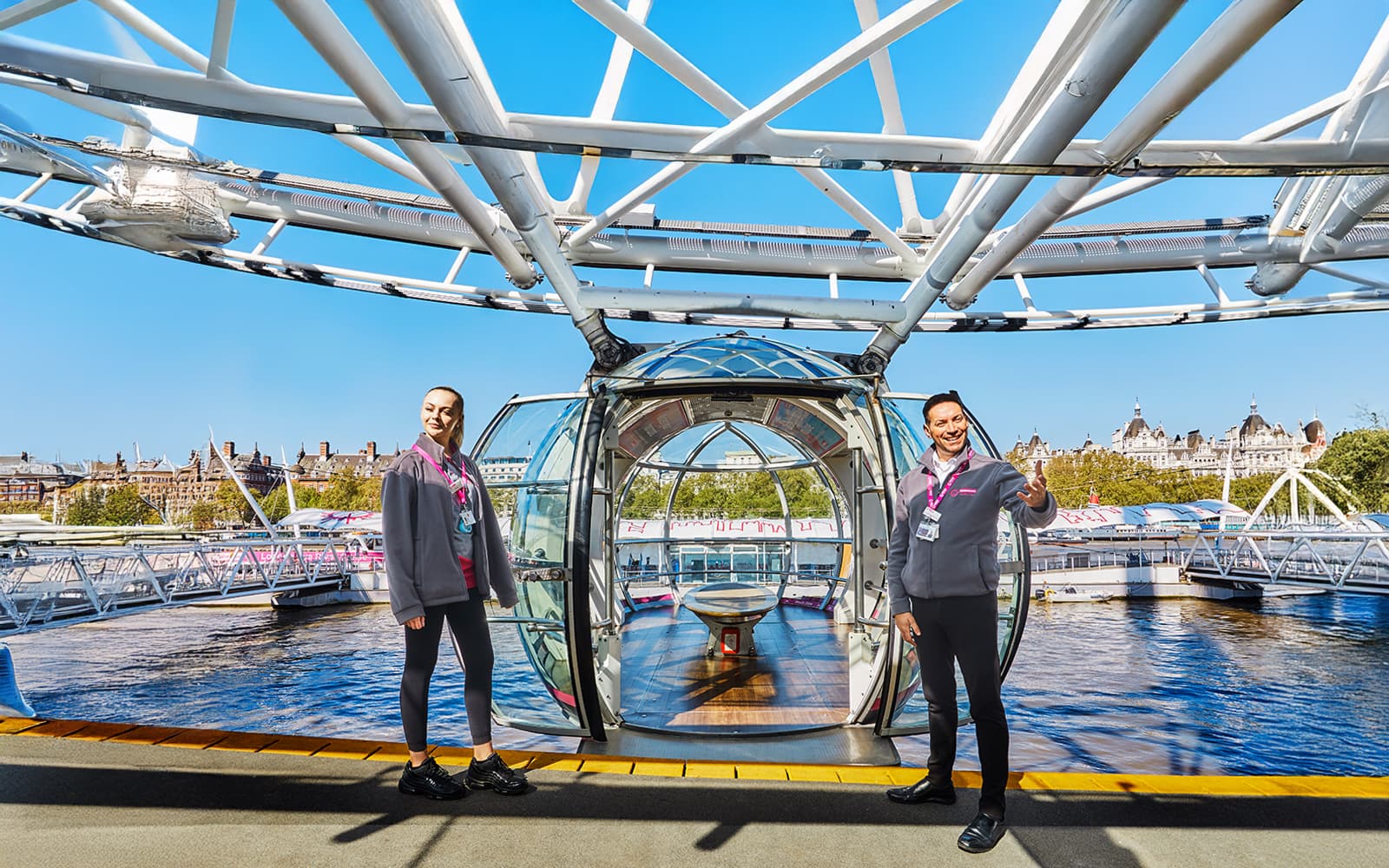
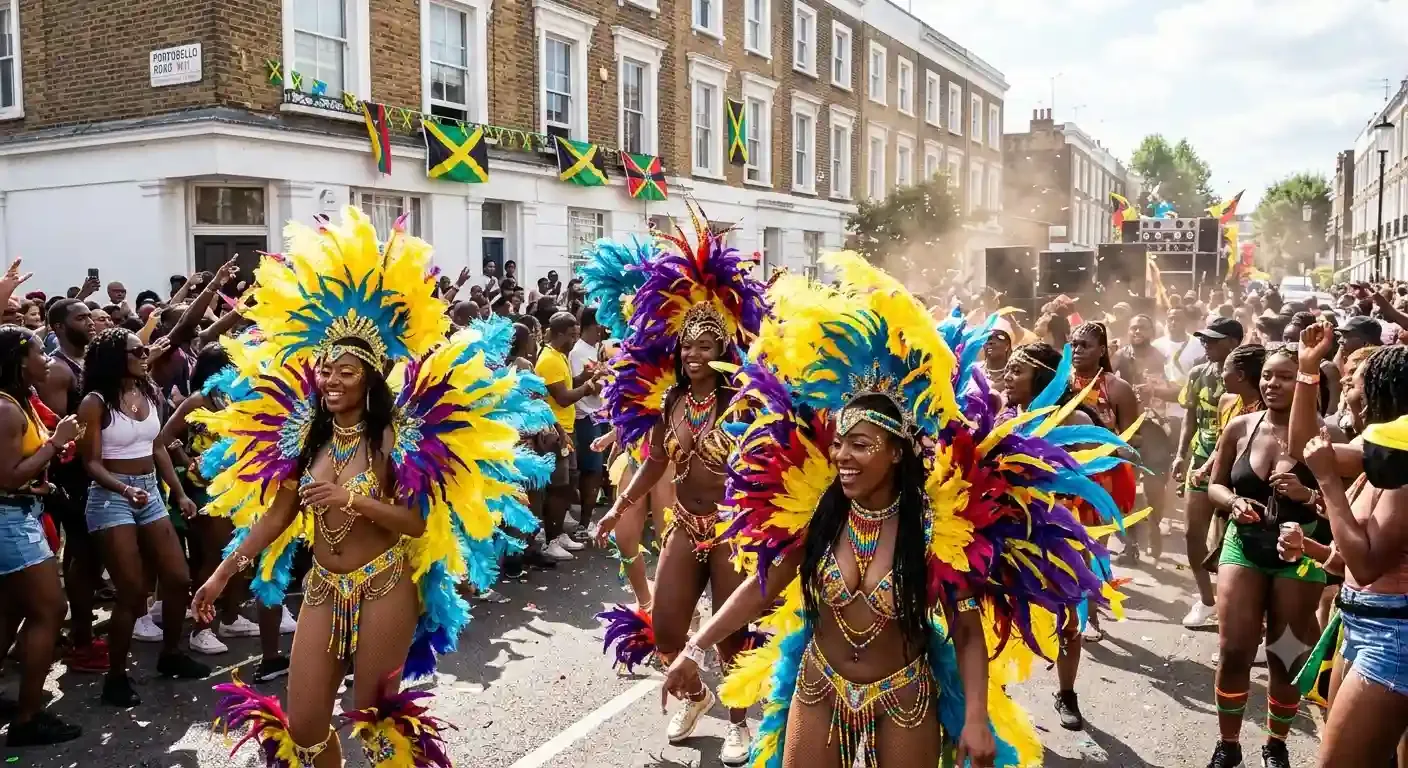
August stays warm and reaches its liveliest over the bank holiday weekend, when the Notting Hill Carnival takes over west London — Europe's largest street festival. The BBC Proms run at the Royal Albert Hall, and UK and overseas school holidays overlap, so queues at the London Eye and the Tower stretch well past an hour by midday.
- Notting Hill Carnival: the August bank holiday weekend (the last weekend of the month).
- Book timed tickets and tables ahead; early starts beat the midday crush.
September — The Strongest Single Month
September delivers near-summer weather with half the crowds, which is why it is many regulars' pick. Temperatures ease to a comfortable 16–20°C, families thin out as schools return, and the cultural season relaunches. Open House London opens hundreds of normally private buildings over one weekend, London Fashion Week returns, and Totally Thames animates the river all month.
October — Cooler, Wettest, Golden
October wraps the parks in gold and amber, and brings the year's heaviest rainfall at around 69mm — pack layers and a compact umbrella. The BFI London Film Festival takes over cinemas, Diwali is marked on Trafalgar Square, and half-term crowds return late in the month. Weather is cool but the atmosphere is at its cosiest.
November — Cold, Damp, and the Prices Slide
November dims toward winter with short days and frequent drizzle, but hotel prices begin their annual slide. Bonfire Night lights the sky on 5 November, the Lord Mayor's Show parades through the City on the second Saturday, and the Christmas lights switch on across Oxford and Regent Street. A strong month for museums and indoor culture.
December — Festive and Busy
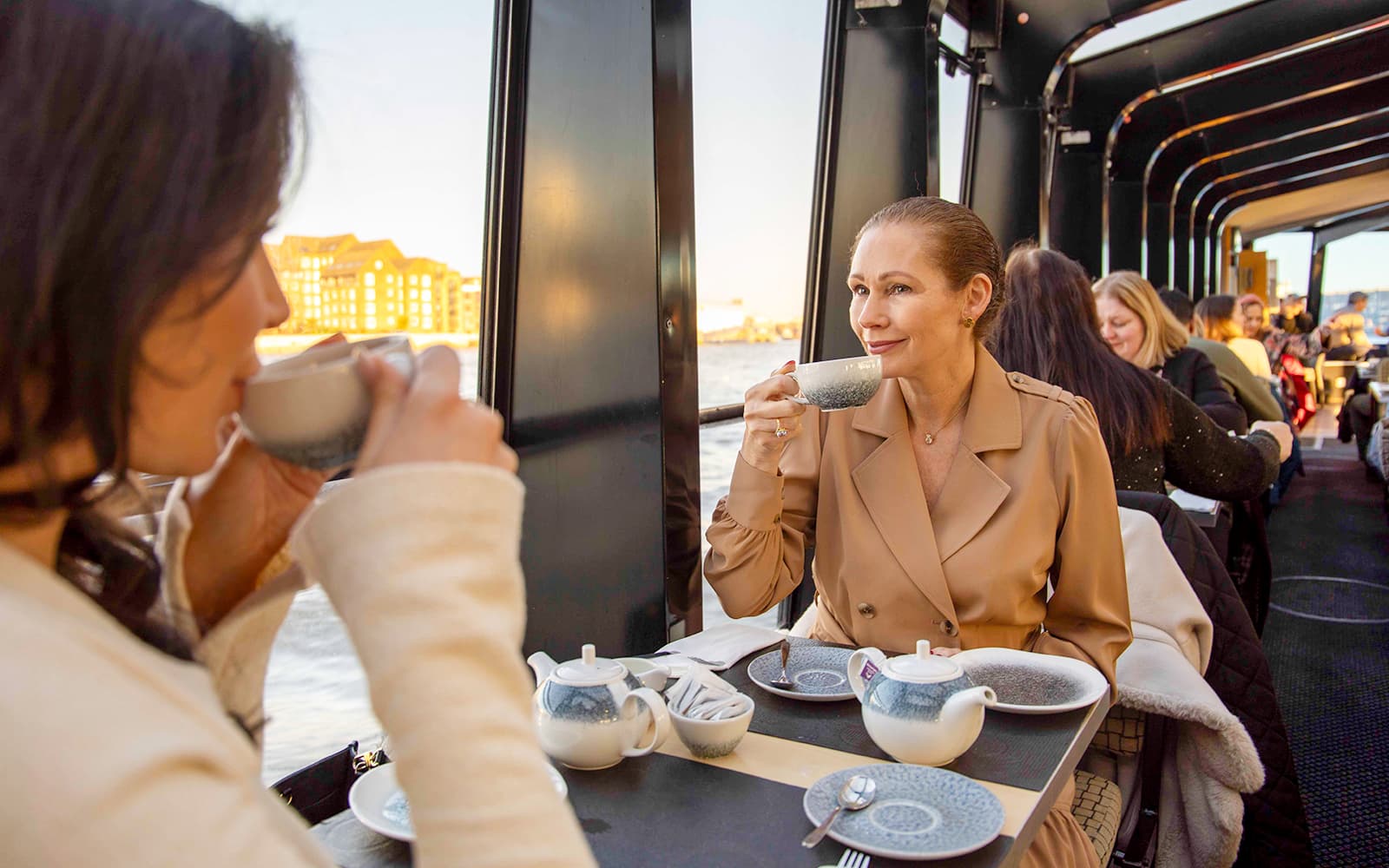
December brings London its full holiday glow: Winter Wonderland in Hyde Park, Christmas markets along the South Bank, and lights over every high street. It is the most festive month and one of the busiest, with rates climbing through the fortnight around Christmas and New Year. New Year's Eve closes the year with fireworks over the Thames — best watched from a dinner cruise on the river — for which tickets are ballot-allocated and sell out early.
London's Events Calendar Worth Timing Your Trip Around
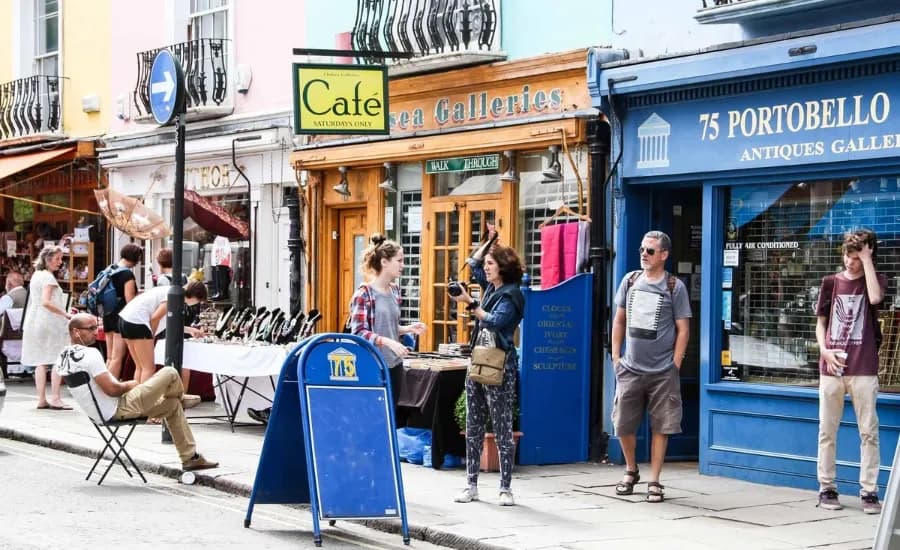
A handful of London events are worth building a trip around — and worth booking well ahead, because the best of them sell out months in advance. These are the fixtures that justify planning your dates around them rather than fitting them in.
Sporting Fixtures
London's sporting calendar anchors several months. Wimbledon (late June to mid-July) allocates most Centre and No.1 Court tickets by public ballot that opens the previous autumn, though grounds passes are available daily. The London Marathon fills the streets in April, Royal Ascot brings the June social season, and the Oxford–Cambridge Boat Race runs on the Thames in late March.
Culture and Ceremony
The ceremonial and cultural calendar is where London shows off. The Chelsea Flower Show (late May) is the horticultural event of the year and sells out early. Trooping the Colour marks the monarch's official birthday in June, the BBC Proms run from July to September, and the Notting Hill Carnival closes August. Open House London, over a single September weekend, opens hundreds of buildings free of charge.

The Festive Season
From mid-November, London leans fully into Christmas: the lights, the markets, and Winter Wonderland in Hyde Park, which runs to early January. New Year's Eve closes the year with fireworks over the Thames. When you're planning the best time to visit London around a specific event, it pays to book the right version early — every experience on Travjoy is researched and approved by local experts, so you can lock in your dates without second-guessing. Browse our top 20 London experiences to build the trip around what's on.
Crowds, Prices and What to Book Ahead
Timing changes what you pay and how you experience the city more than any single sight does. London runs on three broad pricing tiers, and knowing which one your dates fall into is the difference between value and a premium you didn't plan for.
Peak, Shoulder and Low Season — What the Spend Buys
Peak season (July–August and the Christmas fortnight) buys you the warmest weather, the longest light and the fullest calendar — but rates run 30–40% above the shoulder months and the headline sights are at their busiest. The shoulder seasons give you the best weather-to-value balance, and low season buys you the city at its calmest for the price of a light jacket.
- Peak (Jul–Aug, late Dec): highest rates, longest queues, best weather and events.
- Shoulder (Apr–Jun, Sep–Oct): mild weather, easing crowds, fair value — the sweet spot.
- Low (Jan–Mar, Nov): lowest rates, quietest sights, short days and cold.
What to Book Ahead
A few experiences sell out well in advance, and booking early also locks in the lower online price at ticketed sights.
- Months ahead: Wimbledon, the Chelsea Flower Show, New Year's Eve fireworks, and Buckingham Palace State Rooms in summer.
- Days ahead: Tower of London morning slots, the London Eye and the Shard at sunset, and Winter Wonderland's ticketed attractions.
- Always worth it: tables at the hard-to-book restaurants and West End premieres.
Packing for Changeable Weather
Whatever the month, London weather shifts within a day, so plan for layers rather than a single forecast.
- Year-round: a compact umbrella and comfortable, water-resistant shoes.
- Summer: light clothing plus a jacket for cooler evenings, even in July.
- Winter: a warm coat, gloves and layers for days that stay near 8°C.
How to Choose the Best Time to Visit London
The best time to visit London comes down to what you want from the trip. For the balance of good weather and thinner crowds, aim for late spring or early autumn — late April to June, or September to October. For long days and the fullest events calendar, take the summer peak and book ahead. For quiet streets, empty museums and the lowest rates, come between January and March; for the festive lights and markets, come in December and plan early.
Match your dates to your priorities and London rewards the choice in every season. When you're ready to build the itinerary, explore experiences across London on Travjoy — each one researched and approved by local experts who know how the city changes month to month.



.svg&w=1920&q=75)