




(6 Experiences)






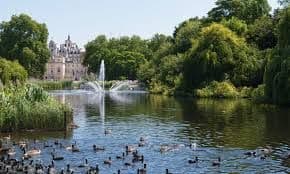

Nature and Parks in London: Royal Parks, Gardens and Wild Green Spaces
Quick Takeaways about Nature and Parks in London
- All eight of London's Royal Parks — including Hyde Park, Greenwich and Richmond — are free to enter, every day of the year.
- Deckchairs can be hired across the central Royal Parks from roughly March to October; outside that window, bring your own picnic rug.
- Kew Gardens, a UNESCO World Heritage Site, starts at £20/$27 on weekday tickets booked in advance, with under-4s free.
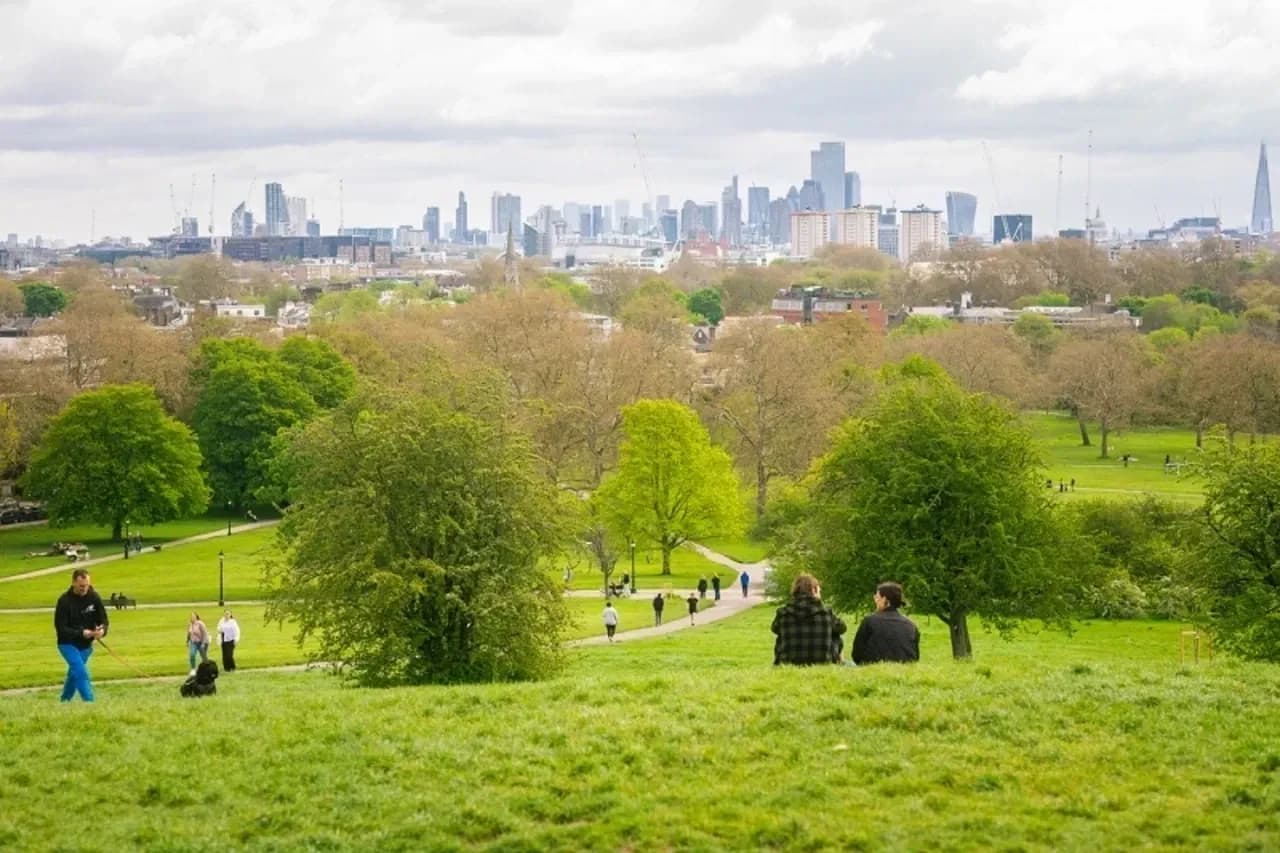
- Greenwich Park pairs the best free skyline view in southeast London with the Prime Meridian line and Royal Observatory at its summit.
- Autumn (September–October) brings the deer rut at Richmond and Bushy Park — stay at least 50 metres back and never get between the animals.
Nature and Parks in London: What to Know
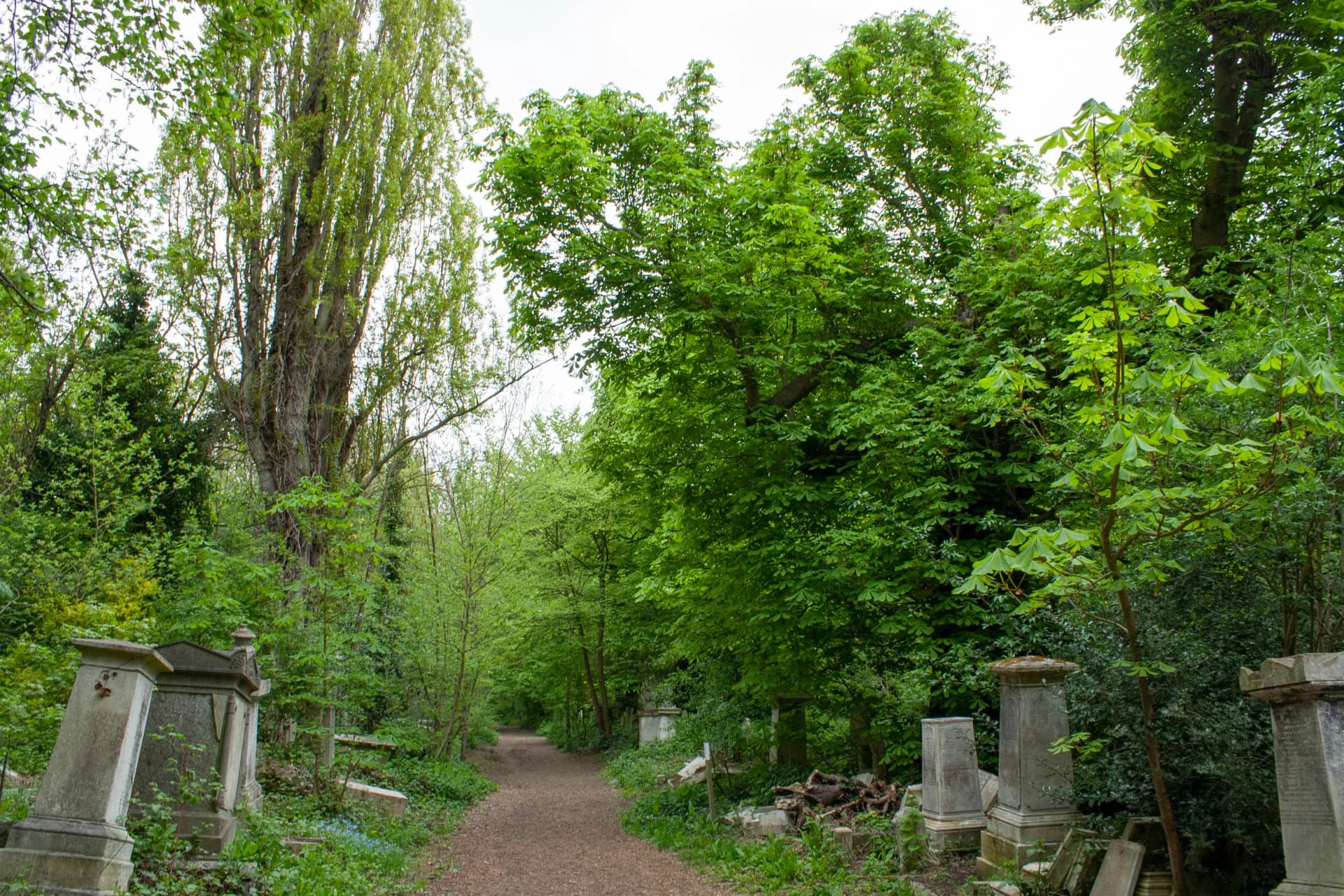
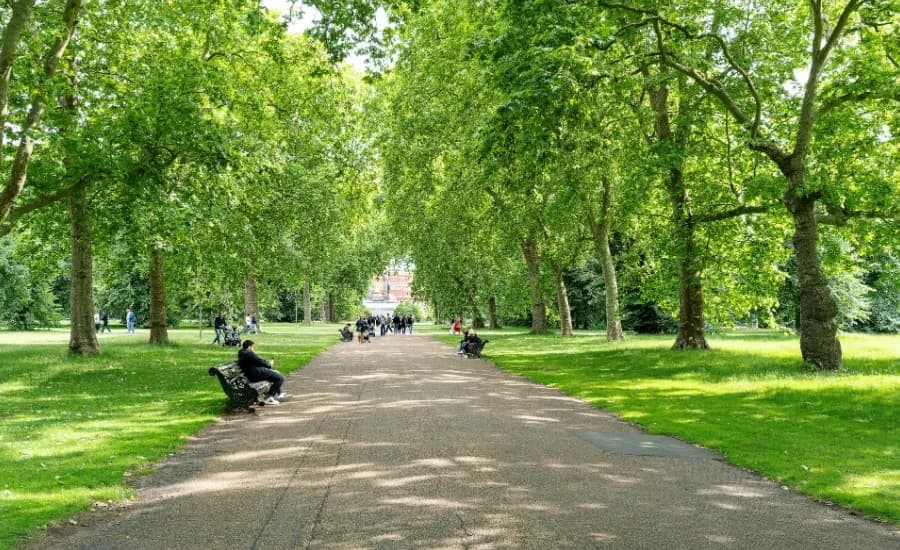
Around a fifth of London is green space, which is why nature and parks in London can carry an entire trip rather than just filling the gaps in one. The city holds roughly 3,000 parks, eight of them Royal Parks owned by the Crown, alongside botanic gardens, ancient heath, wetland reserves and a ring of Victorian cemeteries that have quietly become nature reserves. You can stand on a hill with a skyline view, walk through a tropical glasshouse, and watch herons fish a reedbed in the same city, often on the same day.
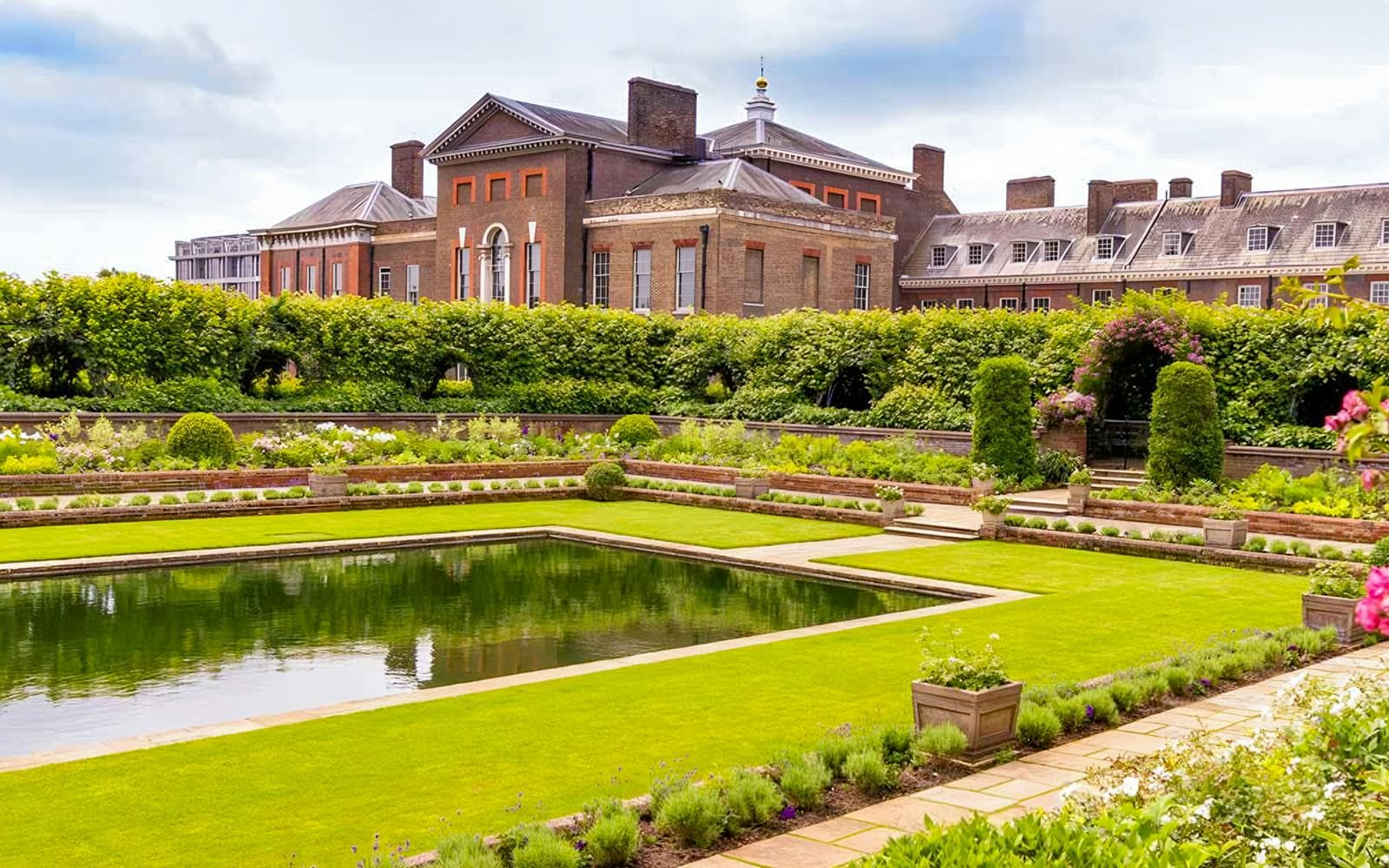
The useful way to think about it is by type, because each kind of space rewards a different mood and a different amount of time. The Royal Parks give you grand, central, mostly free green space within walking distance of the headline sights. Botanic and formal gardens reward a slower, ticketed visit. The wilder spaces — Hampstead Heath, the wetlands, the commons — are where Londoners actually go to escape the city. And the historic garden cemeteries offer something quieter and stranger. The sections below break down each, with the options on this page researched and approved by local experts so you can plan around what's worth the trip.
When to Go and How to Plan Your Green Spaces in London
Combining London's Parks with the Rest of Your Trip
Frequently Asked Questions
Planning Your Nature and Parks Trip in London
The choices come down to a few decisions: which type of green space fits your day, when in the year you are visiting, and how much you want to pair walking with ticketed attractions. For free, central, skyline-and-history days, the Royal Parks do the heavy lifting; for planting and glasshouses, Kew earns its ticket; for wild swimming and heathland, Hampstead Heath is the one. That is the real advantage of nature and parks in London — there is a right green space for almost any mood.
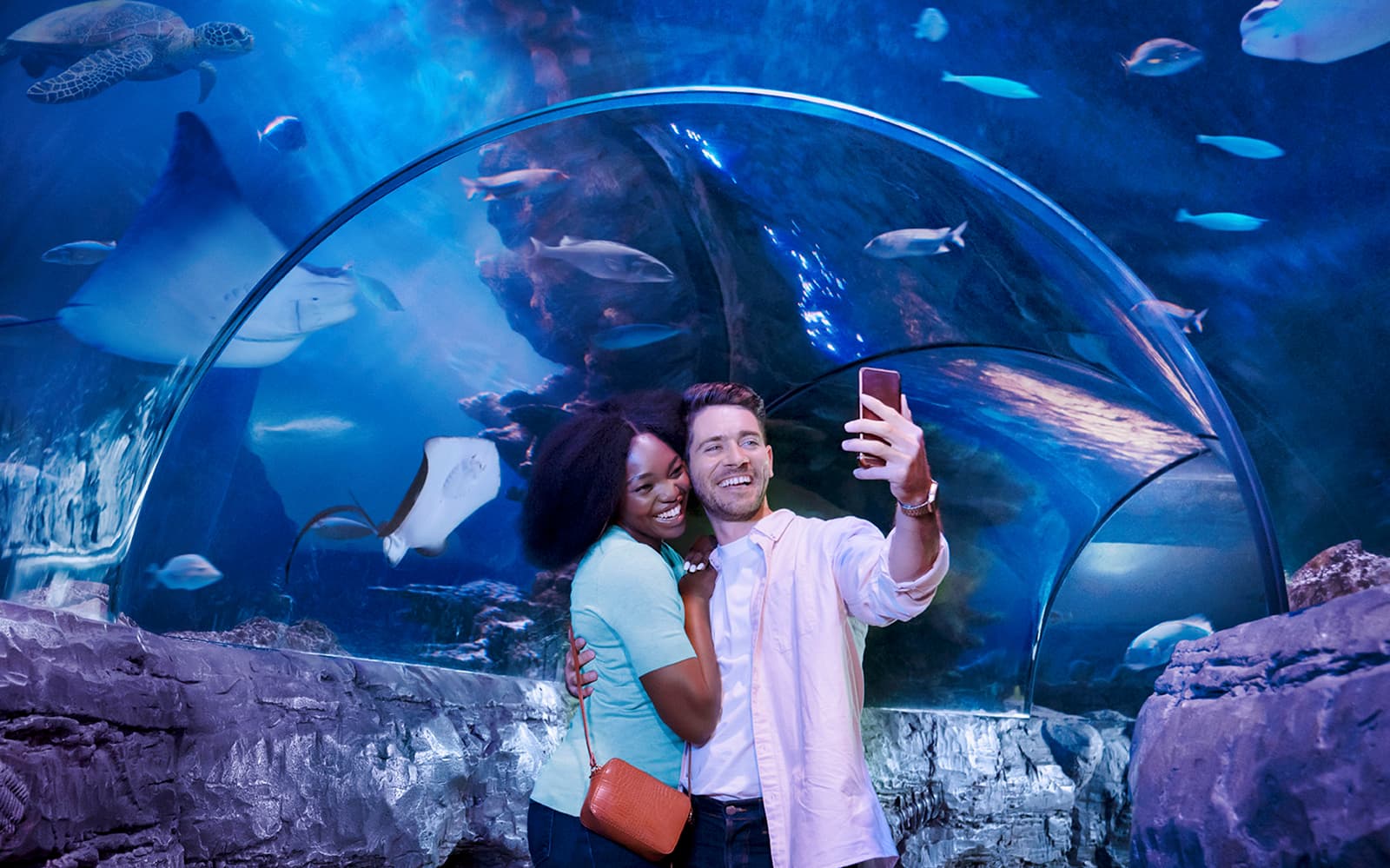
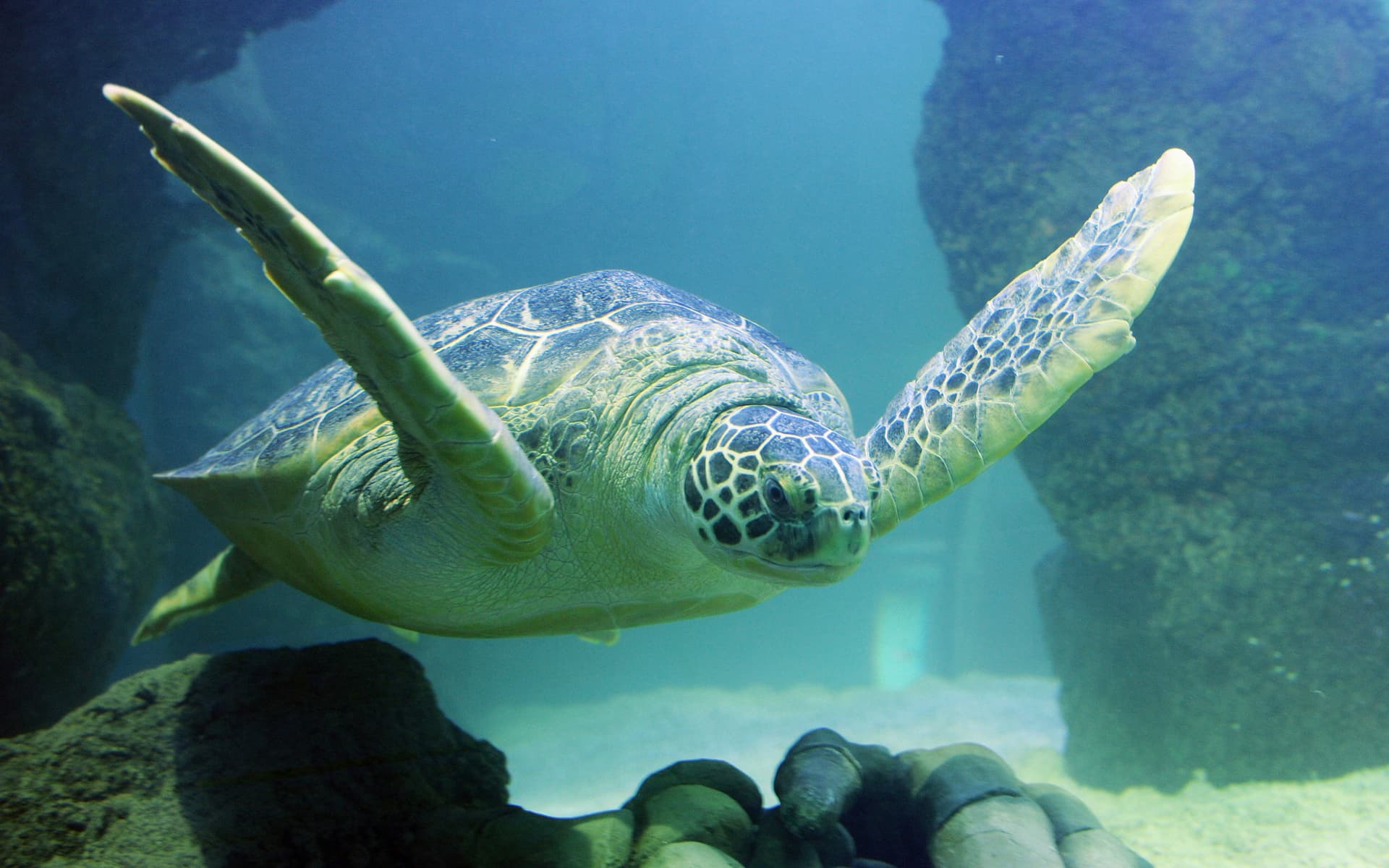
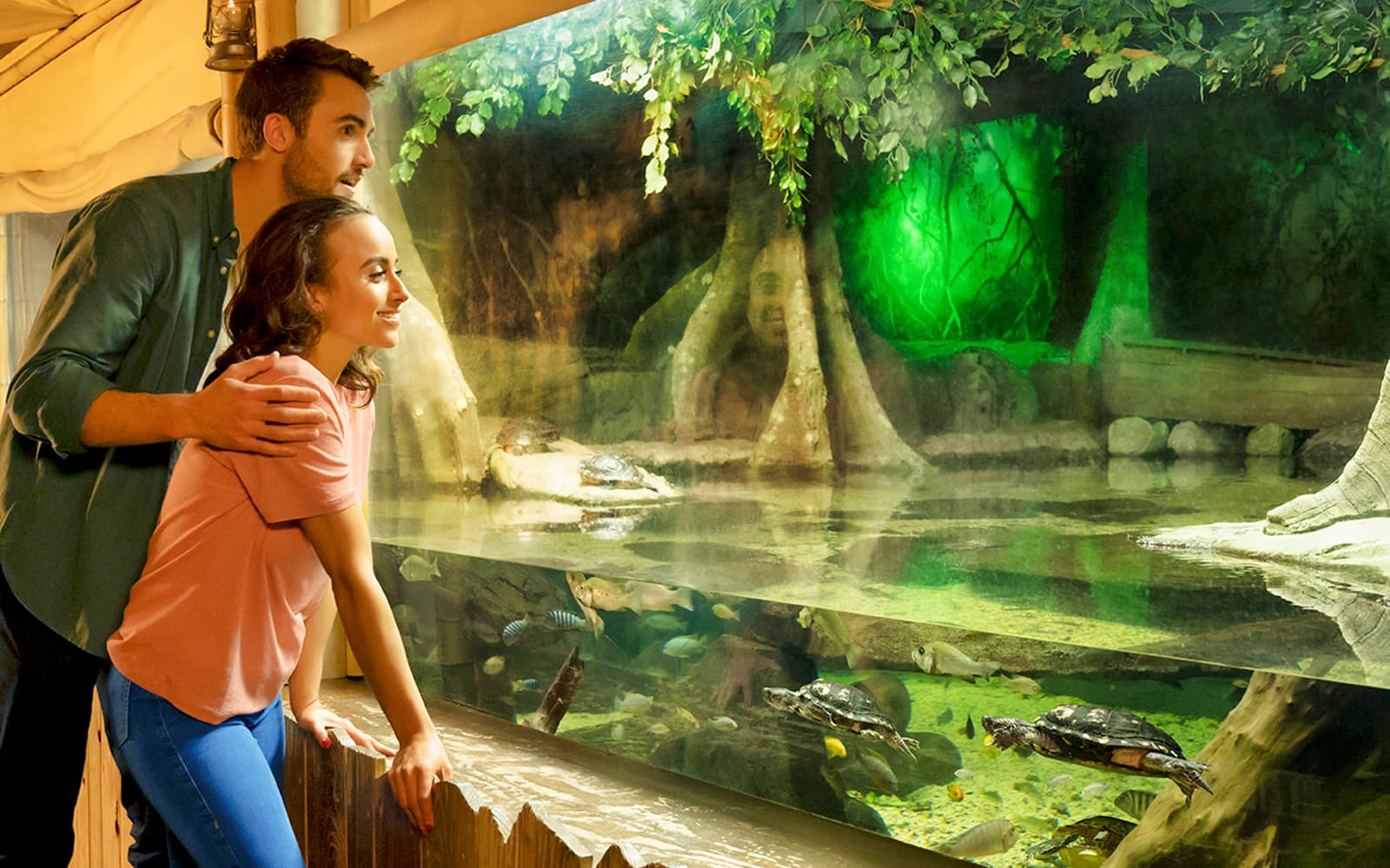
Browse the options above to see what is bookable right now, from guided park walks to the zoo and the aquarium, each researched and approved by local experts. If you are still shaping the wider trip, the London destination guide pulls these green spaces together with the rest of the city.
