



Barong Dance vs Kecak Dance: Which Bali Show Is Worth Watching?
6 min read
Pratima Alvares
Author
Leisure Travel Expert Ex- SOTC & Cox & Kings
SHARE BLOG
TABLE OF CONTENTS
- Key Takeaways
- Barong Dance vs Kecak Dance: the core difference in one minute
- What the Barong Dance actually is
- What the Kecak Fire Dance actually is
Key Takeaways
- Barong is a daytime masked drama with a live gamelan orchestra, staged mainly in Batubulan at 9:30 am for around IDR 100,000 (about USD 6.50).
- Kecak is a sunset performance built on a chanting male chorus and a fire finale, staged on the Uluwatu cliff at 6:00 pm for around IDR 150,000 plus temple entry.
- Barong tells the Calon Arang story of Barong versus Rangda; Kecak retells an episode from the Ramayana with no instruments at all.
- If you want one show only, pick Kecak for the setting and Barong for the costumes and storytelling — and you can fit both into a single day.
- Prices, show times, and the rainy-season risk for Kecak are all covered below, in IDR and USD, as of 2026.
In the Barong Dance vs Kecak Dance decision, the simplest split is time of day and mood. Barong is a morning theatre piece: ornate masks, a two-person lion-dragon costume, a full gamelan orchestra, and a good-versus-evil plot that ends in a trance scene with dancers pressing krises to their chests. Kecak is an evening ritual: 50 to 100 men chanting "cak-cak-cak" in concentric circles around a fire, with no instruments and a clifftop sunset behind them. Both are worth seeing; they just serve different evenings.
Most guides either list every Balinese dance at a glance or cover only the Uluwatu sunset show. This comparison does something narrower and more useful: it puts the two performances most travellers actually choose between side by side — story, music, setting, 2026 prices, and who each one suits. By the end you will know which to book, and how to see both in a single day without backtracking across the island.
Barong Dance vs Kecak Dance: the core difference in one minute
Barong and Kecak share the same moral spine — the Balinese belief in balance between good and evil — but almost nothing else. Barong is danced in daylight to live gamelan and centres on masks and costume; Kecak is danced at dusk to human voices and centres on rhythm, chant, and fire. That single contrast drives every other decision, from what time you leave your hotel to what kind of evening you end up with.
Here is the fast version before the detail:
- Story: Barong dramatises Calon Arang (Barong versus the witch Rangda); Kecak retells the Ramayana, where Hanuman helps Rama rescue Sita from Ravana.
- Music: Barong uses a live gamelan ensemble; Kecak uses no instruments — only a chanting male chorus.
- Setting: Barong is usually an open-air morning stage in Batubulan; Kecak is a clifftop amphitheatre at Uluwatu at sunset.
- Mood: Barong is theatrical, masked, and at times comic; Kecak is hypnotic, atmospheric, and built around a dramatic fire scene.
- Duration: both run about 60 to 70 minutes.
What the Barong Dance actually is
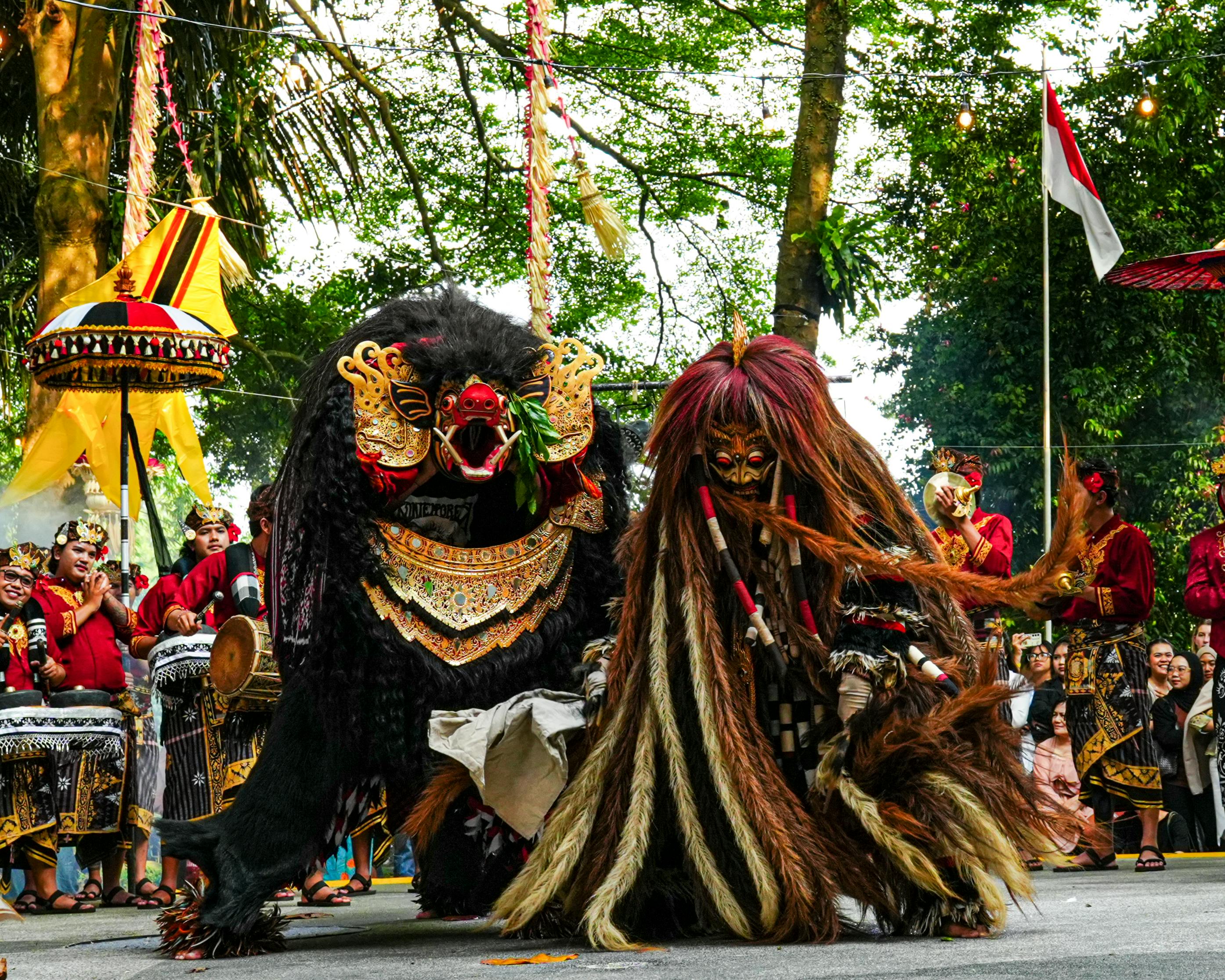
The Barong Dance is a masked dance-drama that stages the eternal contest between Barong, a benevolent lion-like guardian, and Rangda, the demon-witch queen. Crucially, it rarely ends in a clean victory — the point is balance, not conquest, which is why the same battle plays out daily without a final winner. Two dancers operate the elaborate Barong costume together, while a supporting cast plays Rangda, priests, and warriors.
The story and the trance finale
Most tourist performances dramatise the Calon Arang tale, in which the Barong protects a kingdom from Rangda's curse. The well-known climax is the kris (dagger) scene, where entranced male dancers turn their blades on themselves but are protected by the Barong's power. It reads as theatre, but its roots are ritual — Barong was traditionally performed to restore balance when a village believed sickness or misfortune had taken hold.
The masks, costume, and gamelan
The visual draw is the costume. The Barong Ket — a combination of lion, dragon, and shaggy beast — is carved, gilded, mirrored, and draped in fur, and it moves with surprising agility for a two-person rig. Behind it sits a live gamelan orchestra driving the tempo, with cymbals and gongs marking each shift in the drama. If masks, craft, and live percussion are what pull you to a show, Barong delivers more of that than Kecak.
Where and when to watch Barong
The reliable daily option is Batubulan, a village in Gianyar known for its frequent performances, roughly 20 kilometres from Ubud and 10 from Denpasar. Ubud itself stages Barong less predictably — Ubud Palace and the ARMA museum host it on certain evenings rather than every day. Details as of 2026:
- Batubulan (daily): performance 9:30–10:30 am; ticket around IDR 100,000 (about USD 6.50); open-air stage, arrive by 9:00 am for a good seat.
- Ubud Palace / ARMA (select evenings): around 7:00–7:30 pm; ticket around IDR 100,000; check the day's programme locally, as Barong alternates with Legong and Ramayana ballet.
- Duration: about 60 minutes.
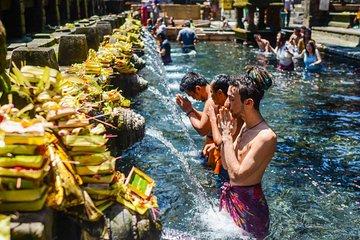
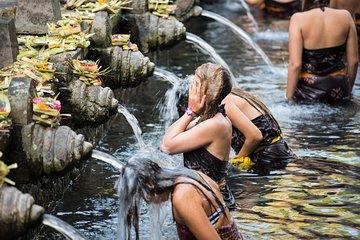
If you are already heading to a cultural cluster around Tirta Empul Temple or the Ubud art villages, a morning Barong slots neatly into the start of that day.
What the Kecak Fire Dance actually is
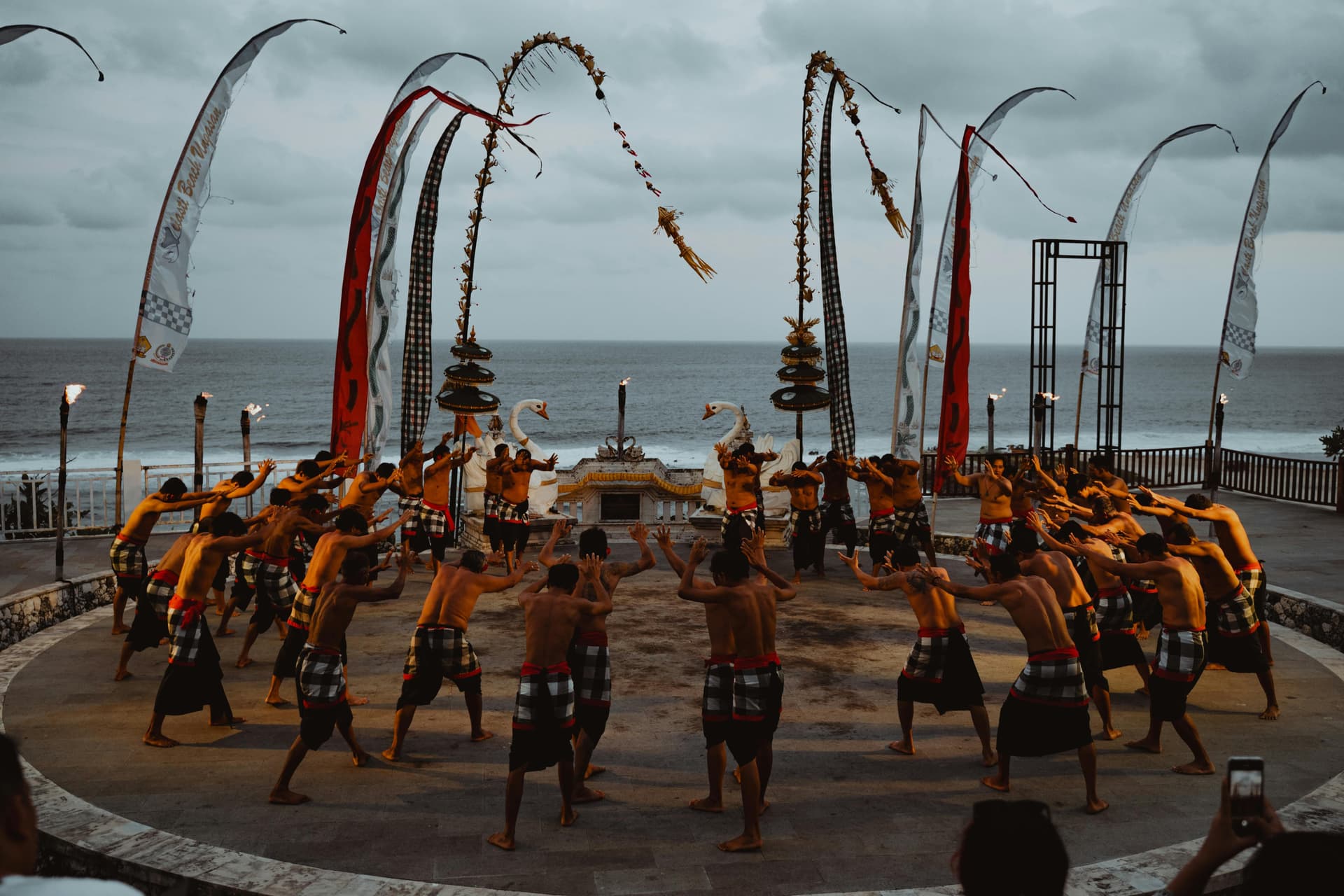
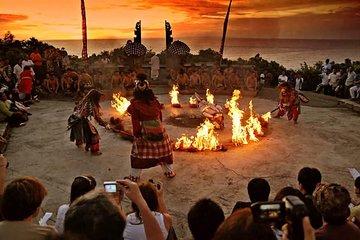
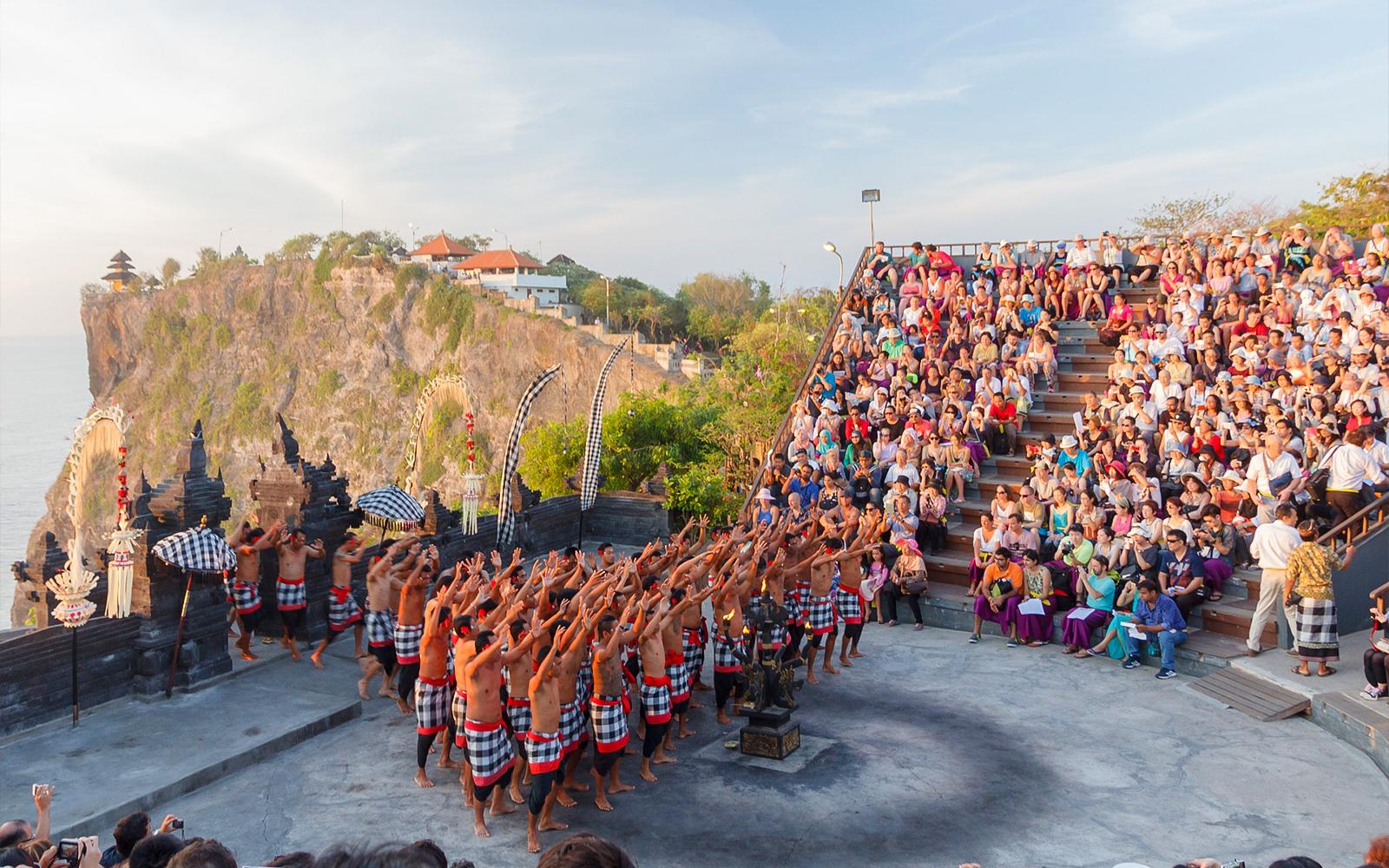
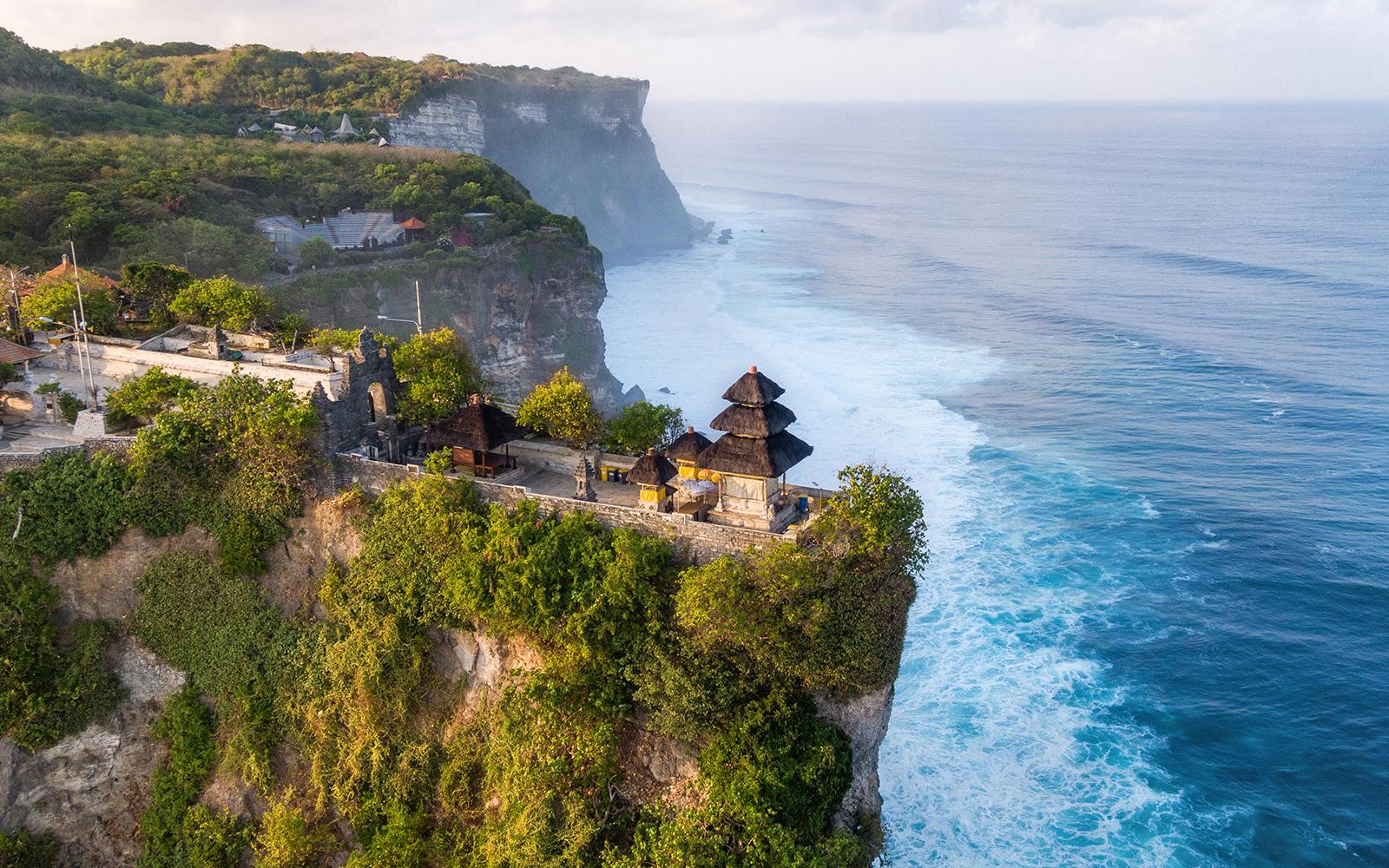
The Kecak Fire Dance is a vocal performance in which a chorus of 50 to 100 bare-chested men, seated in concentric circles, chant "cak-cak-cak" to drive the rhythm — there are no instruments at all. Around them, a small cast enacts an episode from the Ramayana, and the show builds to a fire scene where Hanuman moves through flames. At Uluwatu, all of this happens in an open amphitheatre on a 70-metre cliff above the Indian Ocean as the sun sets.
From sacred trance to sunset spectacle
Kecak grew out of the Sanghyang, a trance ritual, and was shaped into its current theatrical form in the 1930s. The chant itself is the instrument: layered, interlocking vocal patterns that create a hypnotic pulse no gamelan provides. It is the sound, not the costume, that people remember.
The Uluwatu setting
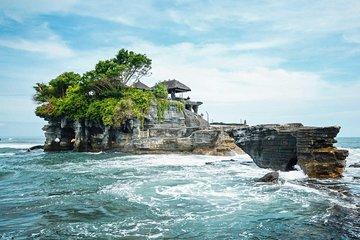
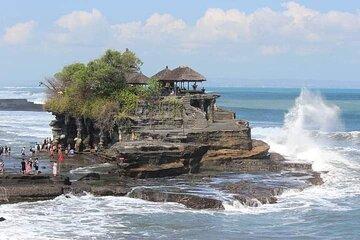
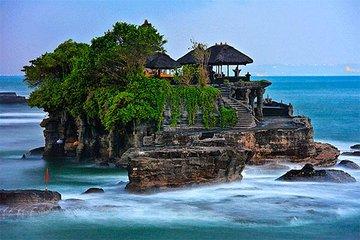
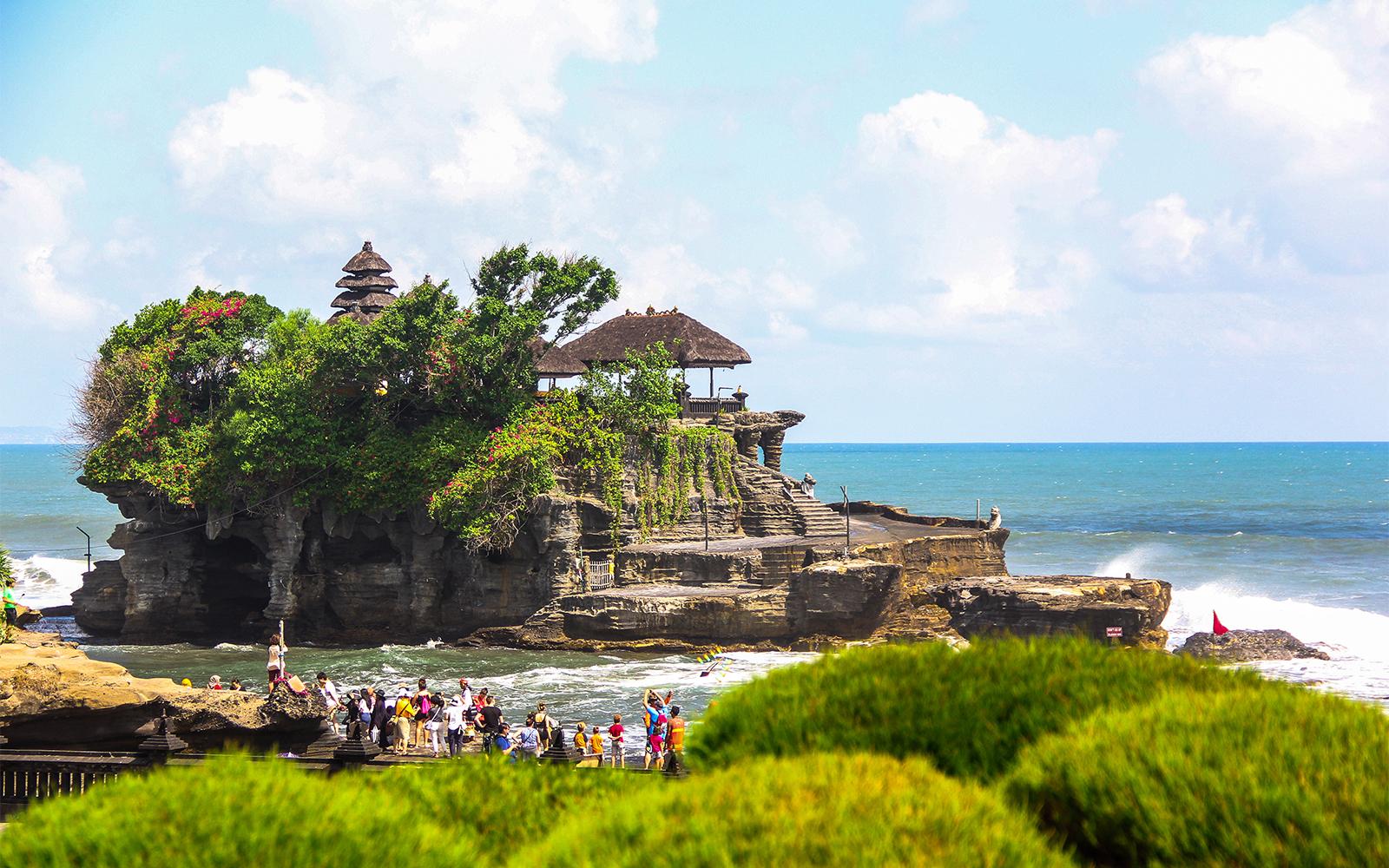
The reason Kecak tops most "must-see" lists is the venue. The clifftop stage at Uluwatu Temple turns the performance into a sunset event, with the ocean and sky doing half the work. A quieter sea-temple alternative exists near Tanah Lot Temple, and Ubud stages a more intimate, instrument-free version for travellers who want the chant without the southern crowds. For a full breakdown of venues, seating, and the monkey warnings specific to Uluwatu, see our dedicated Kecak Fire Dance guide.




Barong vs Kecak: full comparison and 2026 prices
The clearest way to settle the Barong Dance vs Kecak Dance question is to lay both shows out against the factors that change your day: when they run, what they cost, how big the crowd is, and what you actually come away remembering. The table below compares the two flagship versions most travellers book — Barong at Batubulan and Kecak at Uluwatu — with prices as of 2026.


| Factor | Barong Dance (Batubulan) | Kecak Fire Dance (Uluwatu) |
|---|---|---|
| Story | Calon Arang — Barong vs Rangda (good vs evil, balance) | Ramayana — Rama, Sita, Hanuman, Ravana |
| Music | Live gamelan orchestra | Male vocal chorus, no instruments |
| Setting | Open-air village stage | Clifftop amphitheatre over the ocean |
| Time of day | Morning, 9:30 am | Sunset, 6:00 pm (peak nights add a 7:00 pm show) |
| Duration | ~60 minutes | ~70 minutes |
| Price (2026) | ~IDR 100,000 (USD 6.50) | ~IDR 150,000 show + IDR 60,000 temple entry (USD 13–14 total) |
| Crowd level | Moderate | High — a 1,200-seat amphitheatre that fills fast |
| Best for | Masks, costume, live music, morning starts | Atmosphere, sunset, rhythm, the fire finale |
Barong pricing breakdown
- Batubulan ticket: around IDR 100,000 per person (about USD 6.50), same for adults and children.
- No separate entry fee beyond the show ticket at the village stage.
- Optional add-ons: some operators bundle a costume photo or set lunch (chicken betutu or crispy duck) for an extra fee.
Kecak pricing breakdown
- Kecak show ticket: around IDR 150,000 per adult, IDR 100,000 per child; booked online it is often closer to IDR 135,000.
- Uluwatu Temple entry (separate, cash only): IDR 60,000 per foreign adult, IDR 40,000 per child.
- All-in for one adult: roughly IDR 210,000 (about USD 13–14), more than double the Barong ticket.
Is each one worth it?
Both shows are worth the money for most visitors, but for different reasons — and each has a profile of traveller who will be underwhelmed. Be honest with yourself about what you want from an hour of Balinese performance before you book.
Barong — the verdict
- Worth it if: you love costume and craft, you prefer a morning activity, you are travelling with children who fade by evening, or you want a show with live music and a clear story.
- Not ideal if: you want a sunset experience, you are based in the far south near Uluwatu, or you find slower theatrical pacing dull.
Kecak — the verdict
- Worth it if: you want atmosphere over plot, you are chasing a Bali sunset, you respond to rhythm and chant, and you want the single most photographed cultural show on the island.
- Not ideal if: you dislike crowds, you visit in the wet season when shows can be cancelled, or you are unwilling to arrive early and wait for seating.
A few realities the listicles skip. Uluwatu's Kecak tickets frequently sell out by 17:00, so the casual "turn up and watch" plan fails on busy evenings. The temple's monkeys are notorious for snatching sunglasses and phones near the cliff edge — keep small items zipped away. And from November to March, heavy rain regularly cancels or relocates the open-air show, while a morning Barong under cover is far more weatherproof.
Which dance should you choose?
If you only have time for one, match the show to who you are travelling with and how your day is shaped. Here is the straight recommendation by traveller type.
- Couples → Kecak at Uluwatu. The cliff, the sunset, and the fire scene make the version most people remember years later. Book the 6:00 pm show and pair it with dinner at Jimbaran afterwards.
- Families with young children → Barong at Batubulan. A 9:30 am start suits children's energy, the masks and the comic moments hold attention, and the morning slot avoids the late-evening Uluwatu crowds.
- Culture-first travellers → see both, or add the Legong Dance Show for a third, more classical art form. Barong gives you masks and gamelan; Kecak gives you the vocal tradition; Legong completes the picture.
- Budget travellers → Barong, at roughly half the all-in cost of Kecak, with no separate temple fee.
- One evening, one show → Kecak, for the setting alone.
If you would rather not gamble on schedules and sell-outs, the dance shows listed on Travjoy are researched and approved by local experts before they appear, so you can book the right performance for your group with confidence rather than working it out at a roadside ticket booth. You can also see where dance fits among the island's headline experiences on the Bali Top 20.
Can you see both in one day?
Yes — and it is the move for anyone who can't choose. The two shows bookend the day naturally:
- Morning: Barong at Batubulan, 9:30–10:30 am, on your way up toward Ubud or the central villages.
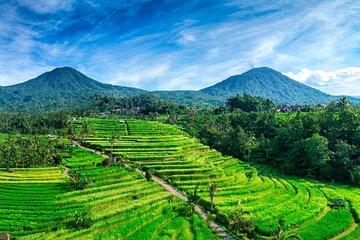
- Daytime: rice terraces, temples, or art villages around Ubud and Gianyar.
- Evening: drive south to Uluwatu for the 6:00 pm Kecak, arriving by 16:30 to secure tickets and seats.
The one catch is geography: Batubulan and Uluwatu sit at opposite ends of the tourist map, so a private driver for the day makes the bookending practical rather than rushed.
Getting there, dress code, and timing for both
The logistics differ as much as the shows. Barong is a low-friction morning stop; Kecak needs planning around tickets, traffic, and weather. Handle both with the notes below.
Dress code
- Barong (Batubulan): modest, respectful clothing; no temple sarong requirement at the village stage.
- Kecak (Uluwatu): a sarong and sash are mandatory to enter the temple grounds and are provided free at the gate; cover shoulders and knees.
Travel times to Uluwatu for the Kecak
- From Seminyak or Kuta: 45–60 minutes by car.
- From Nusa Dua or Jimbaran: 25–35 minutes.
- From Ubud: 90–120 minutes — the longest practical drive, which is why the same-day plan ends in the south.
Quick planning notes
- Bring IDR cash for the Uluwatu temple gate — card machines often fail.
- Arrive at Uluwatu by 16:30 in dry season; tickets can sell out by 17:00.
- Expect 30–60 minutes of crawling traffic leaving the Uluwatu car park after the show.
- In the November–March wet season, have a backup plan in case the Kecak is cancelled by rain.
Which Bali show should you book?
In the Barong Dance vs Kecak Dance choice there is no single winner — there is the show that fits your day. Barong gives you masks, gamelan, and a morning start at a gentle price; Kecak gives you a chanting chorus, a fire finale, and a clifftop sunset for roughly double the cost. Couples and one-show visitors lean Kecak; families and budget travellers lean Barong; culture-first travellers should see both, ideally on the same well-planned day. Whichever way you go, book ahead so a sell-out or a rained-out evening doesn't decide for you. Start planning your Bali trip, and the cultural shows worth your time, on Travjoy.









.svg&w=1920&q=75)