


Bali Silver & Gold Jewellery: Where to Buy Authentic Pieces
8 min read
Raj Varma
Author
Travel & Tourism Expert Ex-Thomas Cook, Kuoni, Times of India & Travel Triangle.
SHARE BLOG
TABLE OF CONTENTS
Key Takeaways
- Bali's jewellery heartland is Celuk village in Gianyar — silversmiths and goldsmiths have worked here for generations, and most of the island's "Celuk-made" pieces start in its back-lane workshops.
- Almost all real Balinese silver is 925 sterling (92.5% silver). Genuine pieces carry a "925" stamp, sit heavy in the hand, and do not stick to a magnet.
- "Gold" at silver showrooms is usually gold vermeil (thick gold over silver), not solid gold. Real solid gold is sold by weight at Denpasar's gold shops, priced at the daily rate.
- Plain pieces are priced by metal weight; detailed pieces are priced mostly for the workmanship — so the per-gram logic only applies to simple rings and chains.
- Buy at workshops or fixed-price design boutiques for confidence; treat street stalls selling "silver" with suspicion.
Authentic Bali silver and gold jewellery is best bought in Celuk village (for handmade 925 silver and custom work), at Denpasar's gold shops (for solid gold sold by weight), or at fixed-price boutiques in Seminyak and Ubud (for branded designer pieces). Look for a 925 stamp on silver, ask for a receipt stating the metal purity, and expect to pay by weight plus a workmanship charge.
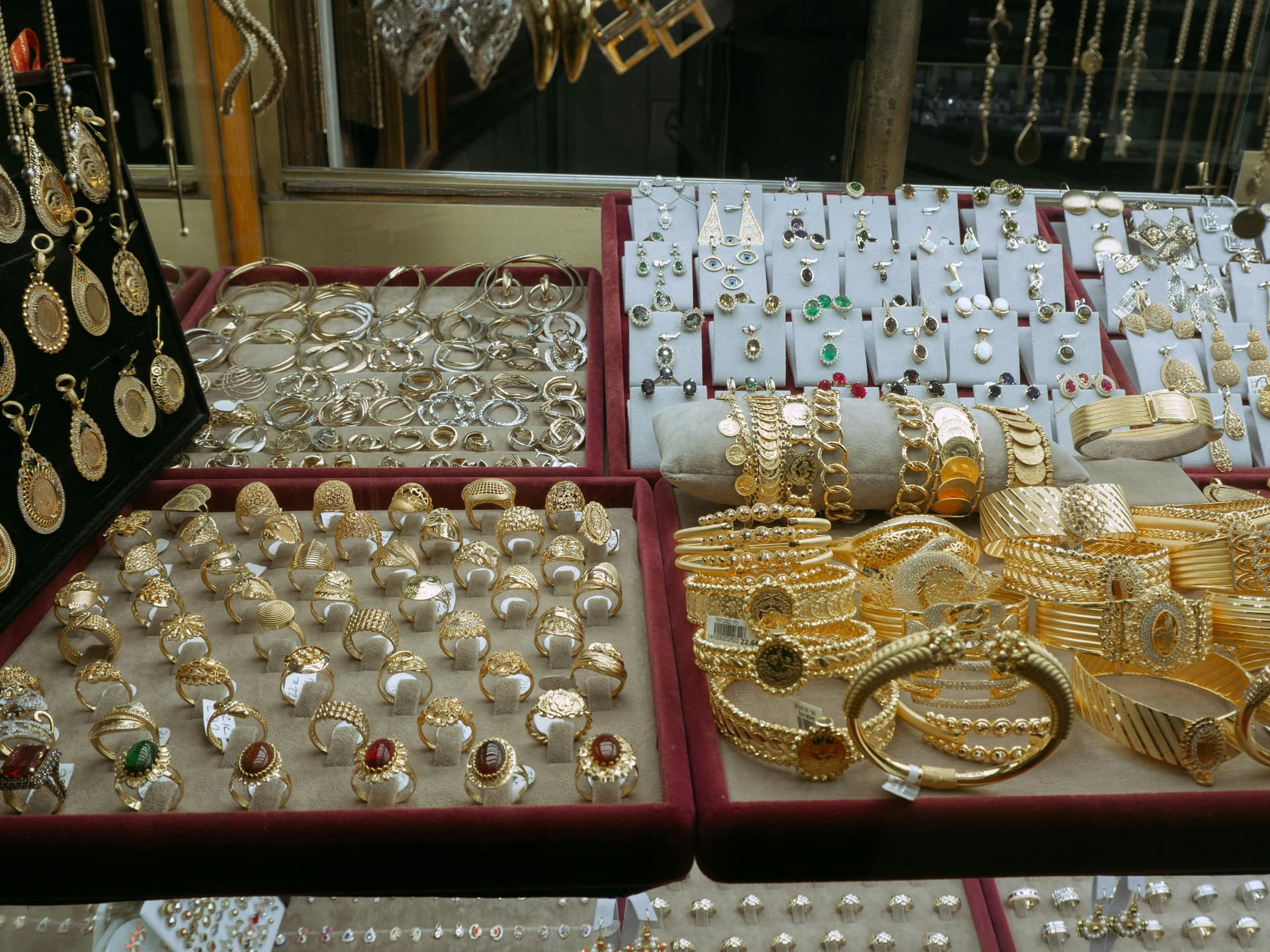
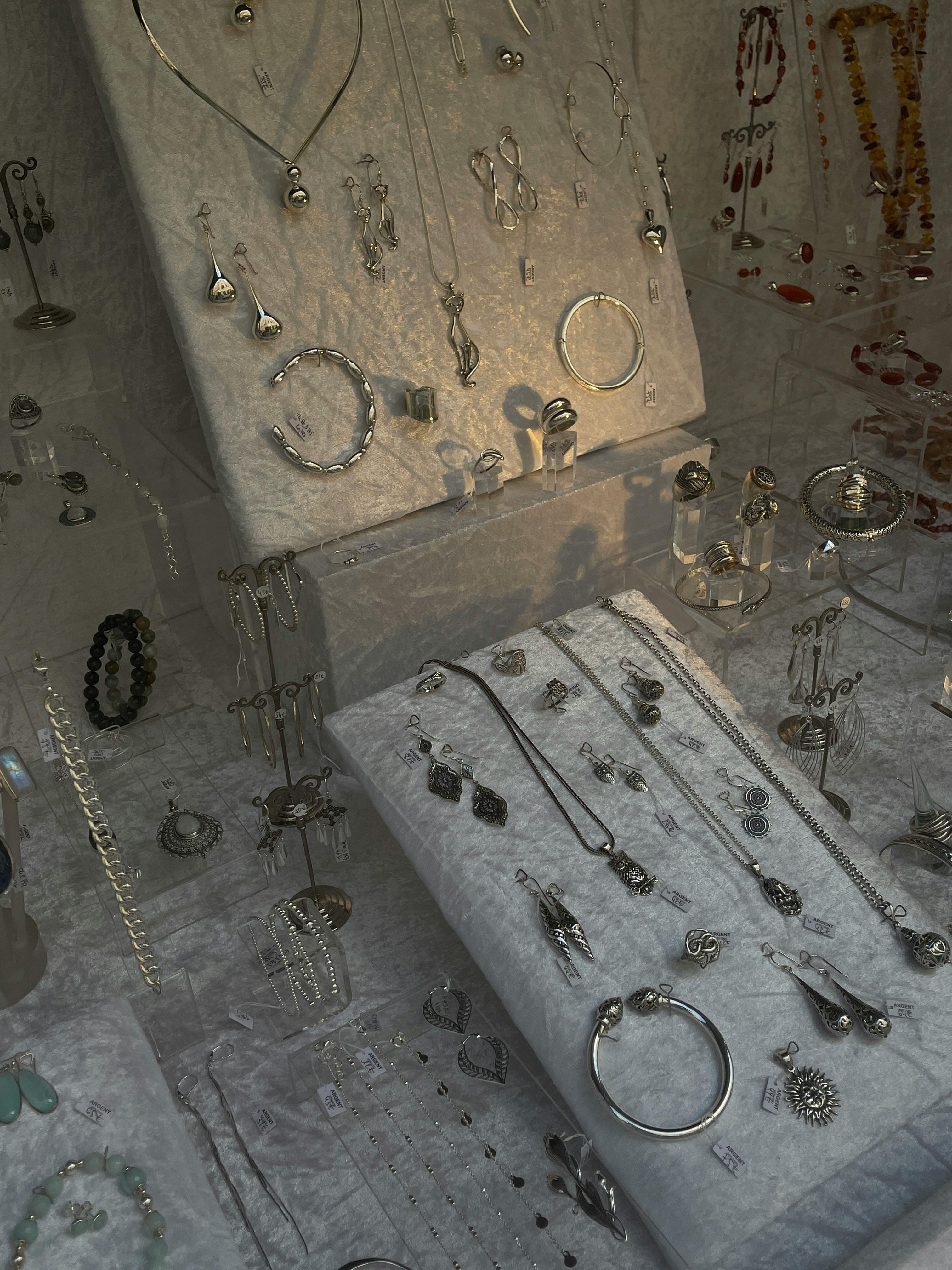
Walk down Jalan Raya Celuk and the shopfronts blur together: glass cases of rings, pendants, and bangles, each shop swearing its silver is the purest on the island. A few streets back, a smith taps a granulated pattern into a ring by hand. The same piece can cost three different prices within 500 metres, and the word "silver" gets stretched to cover everything from solid 925 to nickel alloy that will turn your finger green by the weekend.
This guide is about buying the real thing without overpaying. It covers where to go for silver versus gold, how to read a piece in ten seconds, what fair prices look like in 2026, and which source suits your kind of buyer — whether you want a USD 12 souvenir ring or an heirloom you will still wear in twenty years. Bali rewards people who know what they are looking at, and the checks are simpler than most sellers would like you to think.

Is buying silver and gold jewellery in Bali worth it?
For handmade silver, custom designs, and sterling at well below Western retail, Bali is worth it — Celuk's smiths produce work that would cost three to four times as much in a European or American shop. For certified, hallmarked investment gold with assay paperwork and brand resale value, it is less compelling: that market is thin, and you are usually better served at home. The deciding factor is whether you are buying craft and design, or buying a financial asset.
Bali's strength is the human hand. The island sits inside a craft circuit — the so-called golden pentacle of Batubulan, Celuk, Sukawati, Mas, and Ubud — where metalwork, carving, and painting have been village specialisms for centuries. Celuk is the metal node. That depth is why a detailed silver ring here can carry hand-built granulation work that a factory piece simply cannot match.
Worth it if…
- You want handmade 925 silver and are happy to pay for craftsmanship.
- You want a custom piece — bring a photo and a smith can usually reproduce it in a few days.
- You like the idea of buying where the work is actually made, not in a mall.
- You want sterling silver design at a fraction of home-country boutique prices.
Not ideal if…
- You want certified investment gold with assay documents and guaranteed resale.
- You need a branded fine-jewellery warranty or international service.
- You are buying purely as a store of value rather than something to wear.
- You will not do the basic authenticity checks — the market does have plated pieces sold as solid.
One honest caveat on the experience: the giant roadside showrooms in Celuk where tour buses and commission drivers stop are the least rewarding place to buy. The metal is fine, but the price carries the driver's cut. Walk past them into the smaller family workshops, or have a driver who is not on commission take you, and the same ring costs noticeably less.
Where to buy — five sources, matched to what you want
There are five realistic places to buy Bali silver and gold jewellery, and they are not interchangeable. Celuk workshops are best for handmade silver and custom work; Denpasar's gold shops are where solid gold is actually sold; Seminyak and Ubud boutiques are for fixed-price designer pieces; and street stalls are where most fake "silver" changes hands. Match the source to what you want before you spend.
| Source | Best for | Metal | How prices work | Haggle? |
|---|---|---|---|---|
| Celuk workshops | Handmade 925 silver, custom commissions | Mostly silver, some vermeil | Weight + workmanship | Yes, politely |
| Denpasar gold shops (toko emas) | Solid gold by weight, investment pieces | 18k–24k gold | Daily gold rate + small workmanship % | Little room |
| Seminyak / Ubud boutiques | Branded designer pieces, gifts | 925 silver, gold vermeil, some solid gold | Fixed price, design-led markup | No |
| Roadside Celuk showrooms | Convenience on a tour stop | 925 silver, vermeil | Weight + workmanship + driver commission | Yes, hard |
| Market and street stalls | Cheap costume pieces only | Often plated or nickel alloy | Per piece, vague | Yes, but verify metal |
Celuk village — the source for handmade silver
Celuk, about 8–10 km north of Denpasar on the road to Ubud, is the island's silversmithing centre and the right starting point for serious buyers. The main road is lined with galleries, but the value sits in the smaller workshops behind it, where you can watch a smith work and order something to your own design. Pieces are priced on metal weight plus workmanship, so a plain band is cheap and a hand-granulated cuff is not.
Denpasar gold shops — where real gold is sold
For solid gold, skip the silver villages and go to the gold shops (toko emas) clustered around Denpasar's central markets. These sell 18k to 24k gold by weight at the day's rate, with a modest workmanship charge on top, and they will buy gold back — which is the clearest sign you are dealing in the real metal. This is also the honest answer to "where do you buy gold in Bali": not at a Celuk silver showroom.
Boutiques, showrooms, and how to visit without the commission tax
Fixed-price design boutiques in Seminyak and around Ubud's galleries carry branded 925 silver and gold-vermeil collections — no haggling, higher markup, but reliable quality and design. If you would rather string Celuk, a gold shop, and a market into one day without the commission detours, a guided shopping route handles the driving; the Bali options on Travjoy are checked by local experts, so each stop earns its place rather than paying to be on the itinerary.
Silver vs gold in Bali — what you are actually buying
Most Balinese jewellery is 925 sterling silver, and most "gold" you see in silver shops is gold vermeil — a thick gold layer over sterling — not solid gold. Understanding the difference is the single biggest protection against overpaying, because a vermeil piece should cost a fraction of what solid gold costs. Knowing which metal is in front of you tells you both what to pay and where to buy it.
Silver: 925 sterling is the standard
Sterling silver is 92.5% pure silver mixed with a harder alloy (usually copper) for strength — pure silver is too soft to hold a setting. That is what the "925" stamp means. Balinese smiths are known for fine detailing: granulation (tiny silver beads, locally called jawan) and filigree that defines the island's traditional style.
- 925 sterling — the real thing; stamped, heavy, tarnishes slowly.
- Silver-plated — a thin silver skin over base metal; no reliable stamp, wears through.
- Nickel or "alpaca" silver — contains little or no actual silver despite the name; common in cheap stalls.
Gold: vermeil, plated, and solid are three different things
The word "gold" covers three very different products in Bali, and the price gap between them is enormous in 2026 now that gold trades near record highs.
- Solid gold — real gold throughout, sold as 18k, 22k, or 24k, priced by weight at Denpasar gold shops.
- Gold vermeil — a thick (usually 2.5-micron-plus) gold layer over 925 silver; priced like premium silver, not like solid gold.
- Gold-plated — a thin gold flash over base metal; cheap, and it wears off.
If a "gold" ring at a silver showroom costs a tenth of what solid gold would, it is vermeil or plated — which is fine if that is what you wanted, but never pay solid-gold money for it.












How to tell authentic from plated — the 10-second checks
You can verify a silver piece in about ten seconds with three quick checks: look for the 925 stamp, feel the weight, and test it against a magnet. No single test is foolproof — stamps can be faked and stones hide weight — but a piece that passes all three is almost certainly real sterling. Always ask for a receipt that states the metal and purity; an honest seller writes it without hesitation.
The checks, in order
- The stamp. Look on the inside of a ring, the clasp of a chain, or the back of a pendant for "925" (sterling) or a karat mark like "750" (18k gold). No mark at all on a "silver" piece is a warning sign.
- The magnet. Silver and gold are not magnetic. Carry a small magnet; if the piece jumps to it, the core is base metal and the silver is only a coating.
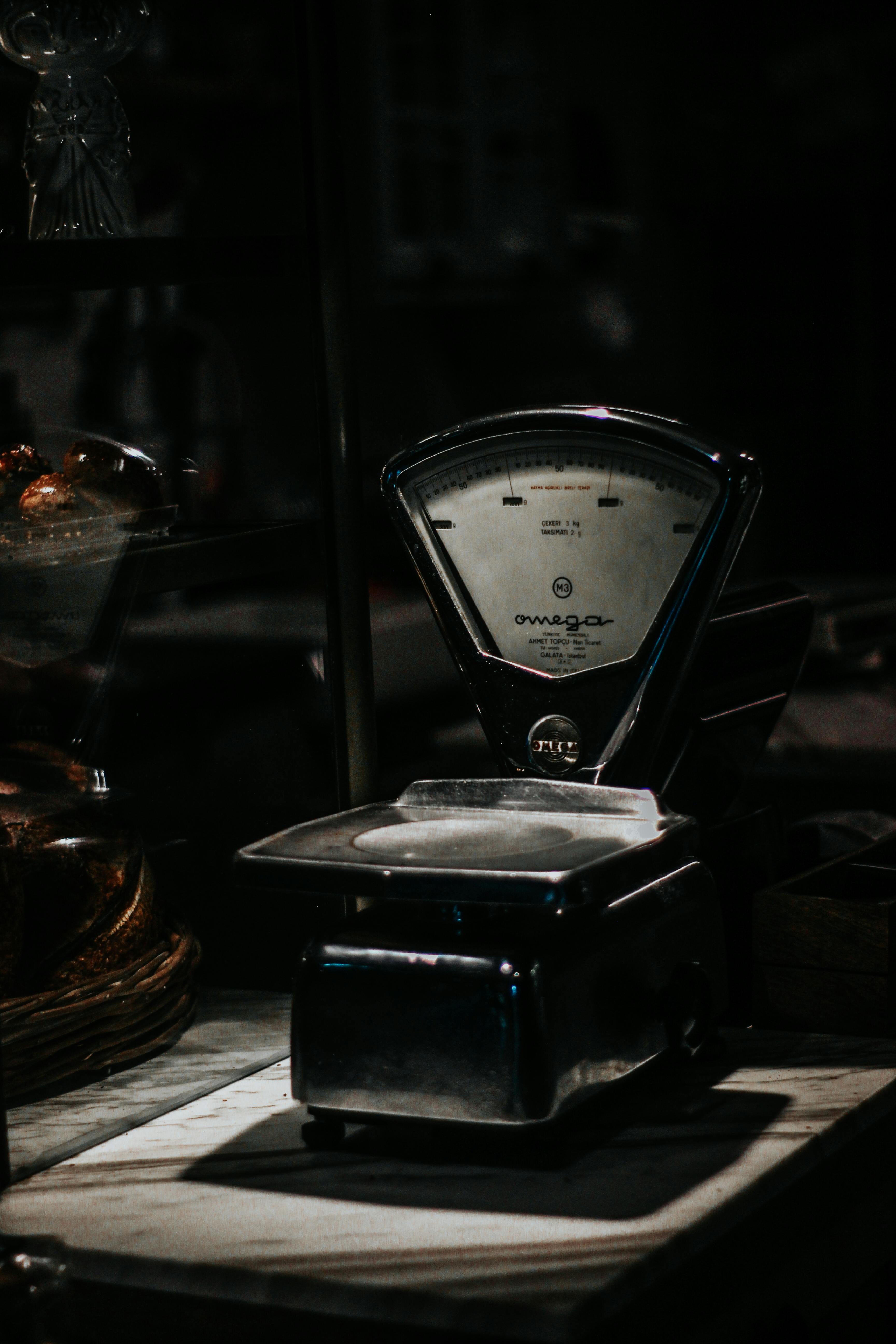
- The weight. Sterling feels dense and cool for its size. A ring that feels suspiciously light is probably plated over a hollow or low-density base.
- The tarnish. Real silver tarnishes slowly to a warm grey-black; plated pieces wear at the edges to show a different metal underneath.
- The receipt. Ask for the purity in writing. At Denpasar gold shops this is routine, and it is your evidence if you ever want to resell.
Insider reality checks
- A "925" stamp on its own can be punched into any metal. The stamp plus weight plus the magnet test together are far harder to fake than any one of them — never rely on the stamp alone.
- Stone-set pieces hide weight. A chunky "silver" ring built around a large stone may contain very little actual silver, so judge the metal, not the heft of the whole piece.
- On detailed Balinese work, the metal is the cheap part — most of the price is the granulation and filigree labour. Per-gram maths only helps you on plain bands and chains.
- Gold that a shop will not buy back is usually not solid gold. A toko emas that sells real gold also repurchases it; a showroom that only sells is a flag.
- The "today's special price" rush is a tactic, not a discount. Real workshops are happy for you to come back tomorrow.
What it should cost — fair prices in 2026
Plain 925 silver is priced by weight, while solid gold tracks the daily international rate, so jewellery prices in Bali move with the global metal markets. In 2026, with gold near record highs, the gap between a vermeil "gold" piece and real solid gold is wider than ever. The figures below are fair retail ranges at workshops and honest shops — designer boutiques run higher for the design and brand. Exchange rate used here is roughly IDR 16,500 to USD 1.
Silver — by piece
- Simple 925 ring or stud earrings: IDR 150,000–400,000 (USD 9–24)
- Detailed ring or pendant with granulation work: IDR 400,000–1,200,000 (USD 24–73)
- Statement cuff, heavy chain, or stone-set piece: IDR 1,200,000–5,000,000+ (USD 73–300+)
- Plain silver by weight (chains, plain bands): roughly IDR 20,000–35,000 per gram (USD 1.20–2.10), before workmanship
Gold — by weight at the daily rate
Solid gold is sold per gram at the day's rate plus a small workmanship charge. As an approximate 2026 guide:
- 18k gold: around IDR 1,870,000 per gram (USD 113)
- 22k gold: around IDR 2,290,000 per gram (USD 139)
- 24k gold: around IDR 2,490,000 per gram (USD 151)
- Gold vermeil piece (gold over silver): IDR 500,000–2,000,000 (USD 30–120) — priced as premium silver, not as solid gold
Check the live rate before you shop so you can sanity-check a gold quote on the spot. If a "solid gold" price comes in far below these per-gram figures, it is not solid gold.
Which should you choose? Buy or skip by traveller type
The right source depends entirely on what kind of buyer you are. A souvenir hunter, an heirloom collector, and a design-led shopper should each walk into a different shop. Here is the quick decision, matched to traveller type, so you spend your time and money in the right place.
- If you want an affordable souvenir, buy a simple stamped 925 ring or pendant at a Celuk workshop. Skip the street stalls — the small saving is not worth the plated-metal risk.
- If you are a serious or heirloom buyer, commission a custom piece in Celuk or buy solid gold by weight at a Denpasar gold shop, and get the purity on the receipt.
- If you are buying as a couple, a custom pair of rings made to your own design is the most personal option, and Celuk smiths turn these around in a few days.
- If you are a design-led shopper, the fixed-price boutiques in Seminyak and Ubud carry distinctive branded collections worth the markup.
- If you are travelling with kids, a short silver-making class is more fun than a showroom and sends everyone home with a piece they made.
That last option is a real one: a Celuk silver jewellery-making class runs about three hours for around USD 44 and includes the silver, so you leave with a ring or pendant you shaped yourself — no showroom markup involved. For the broader picture of where shopping fits into a trip, our top experiences in Bali set the highlights in context, and the Bali line-up on Travjoy is checked by local experts so you are choosing from options that have earned their place.
The custom commission route
Bali's best-value play is often a custom piece. Bring a photo or a sketch to a Celuk smith, agree the metal, weight, and workmanship, and collect it in a few days. You control exactly what you are buying, you watch it being made, and you avoid paying boutique design premiums on something off a shelf.
Buying with confidence in Bali
Buying Bali silver and gold jewellery comes down to three habits: know your metal, verify before you pay, and match the shop to what you actually want. Celuk for handmade silver and custom work, Denpasar's gold shops for solid gold by weight, and Seminyak or Ubud boutiques for fixed-price design — each has its place, and none of them is the market stall selling mystery "silver" at a price too good to be true.
Do the ten-second checks, ask for the purity in writing, and let the weight-plus-workmanship logic guide what you pay. Get that right and you will come home with a piece worth wearing for decades, not a green finger by the weekend. Start planning your shopping days and the rest of your trip to Bali on Travjoy.








.svg&w=1920&q=75)