



Bali Safety Guide: Is Bali Safe? What Every Traveller Needs to Know
12 min read
Pratima Alvares
Author
Leisure Travel Expert Ex- SOTC & Cox & Kings
SHARE BLOG
TABLE OF CONTENTS
Key Takeaways
- Bali is generally safe for tourists in 2026 — violent crime against visitors is rare and millions of people arrive each year without incident.
- The single biggest risk is scooter accidents, not crime; phone snatching from passing scooters is the most common petty offence.
- Ubud, Sanur, Seminyak, Nusa Dua, and Uluwatu rank as the safest areas to base in; Kuta nightlife and Canggu's main strips need extra caution after dark.
- Predictable scams cluster around money changers, taxis, scooter rentals, fake "sarong fees" at temples, and pushy trek guides at Mount Batur and Sekumpul.
- Save 112 (general emergency), 110 (police), 118/119 (ambulance), and the nearest BIMC or Siloam hospital number before you fly.
Is Bali safe for tourists in 2026? Yes, for most travellers — with the same level of awareness you would carry into any major tourist city. The largest real risk is scooter accidents; the most common crime is phone snatching. Bali's main tourist corridors — Ubud, Sanur, Seminyak, Nusa Dua, and Uluwatu — have strong infrastructure, ride-hailing access, and English-speaking medical care.
Bali's safety reputation runs in two directions at once. One feed shows wellness retreats and clifftop sunsets; the next shows scooter crashes and overcharged taxis. The reality sits between them — and almost every incident that does happen shares the same pattern: it was preventable.
Violent crime against tourists is statistically rare. Scooter density and tourism volume are the two things that actually shape day-to-day risk on the island, and both can be managed once you know the moves.
This guide covers the current 2026 safety picture, the real risks (and which ones the internet exaggerates), area-by-area safety guidance for choosing a base, the specific scams worth recognising on sight, and a five-minute pre-flight checklist of numbers and hospital contacts. Print the last section, screenshot it, or just save what matters before your flight lands.
Is Bali Safe in 2026? The Honest Answer
Yes — Bali is broadly safe for tourists in 2026. The island welcomes well over six million international visitors a year, and most trips are uneventful. The Indonesian Tourism Ministry, the UK Foreign Office, and Australian Smartraveller all describe Bali as safe with standard precautions.
That doesn't mean risk-free. The data behind Bali safety looks like this: violent crime against tourists is rare, but petty crime (phone snatching, opportunistic theft) is concentrated in the busier tourist zones, and road accidents — primarily scooter — are the dominant cause of serious injury for visitors.
What the crime picture actually looks like
Theft and scams make up the majority of reported tourist-related incidents. The single most common crime is phone snatching from passing scooters in busy parts of Kuta, Seminyak, and Canggu. Bag-snatching at beach clubs and night markets happens, but at a level comparable to similar destinations across Southeast Asia.
- Phone snatching: Most reports come from pedestrians near roads, or scooter passengers holding phones in their outer hand.
- Pickpocketing and bag theft: Concentrated in crowded markets, beach clubs, and nightlife venues — rare in restaurants and hotels.
- ATM skimming: Standalone ATMs (especially in alleyways or unattended kiosks) carry higher risk than ATMs inside bank branches.
- Violent crime: Statistically uncommon against tourists; most reported assaults are linked to alcohol-fuelled disputes in nightlife districts late at night.
How Bali compares to nearby destinations
For most travellers, Bali sits in a similar safety bracket to Thailand, Vietnam, and Malaysia — broadly safe, with the same expectation of common-sense awareness. Singapore and Japan rank higher on most safety indices because of lower crime and tighter traffic regulation. The Philippines and Cambodia tend to require more situational awareness, particularly outside main tourist areas.
The thing that makes Bali feel different to first-timers isn't crime — it's traffic density. Scooter volume in south Bali is higher than in most comparable destinations, and that's the variable that drives most actual incidents tourists report.
What current travel advisories say
Major Western governments treat Bali as part of broader Indonesia advisories. As of 2026:
- The US State Department rates Indonesia Level 2 — "Exercise Increased Caution" — the same level applied to France, the UK, and Germany.
- The UK Foreign, Commonwealth & Development Office describes Bali as broadly safe with petty-crime caveats and notes elevated rates of drink spiking in nightlife venues.
- Australian Smartraveller advises a high degree of caution for Indonesia overall, with specific attention to scooter safety, unregulated alcohol, and pre-trip travel insurance with medical evacuation cover.
None of these advisories single out Bali for any specific warning beyond standard practical guidance. They're the same advisories applied to dozens of other popular destinations.
The Real Safety Risks in Bali — Scooters Top the List
If you take away one practical point from this guide, make it this: traffic is the largest tourist safety risk in Bali, and scooter accidents account for the bulk of serious injuries. Most other risks are either preventable (food, water, scams) or statistically minor (natural disasters, violent crime).
Scooter accidents — the number one risk
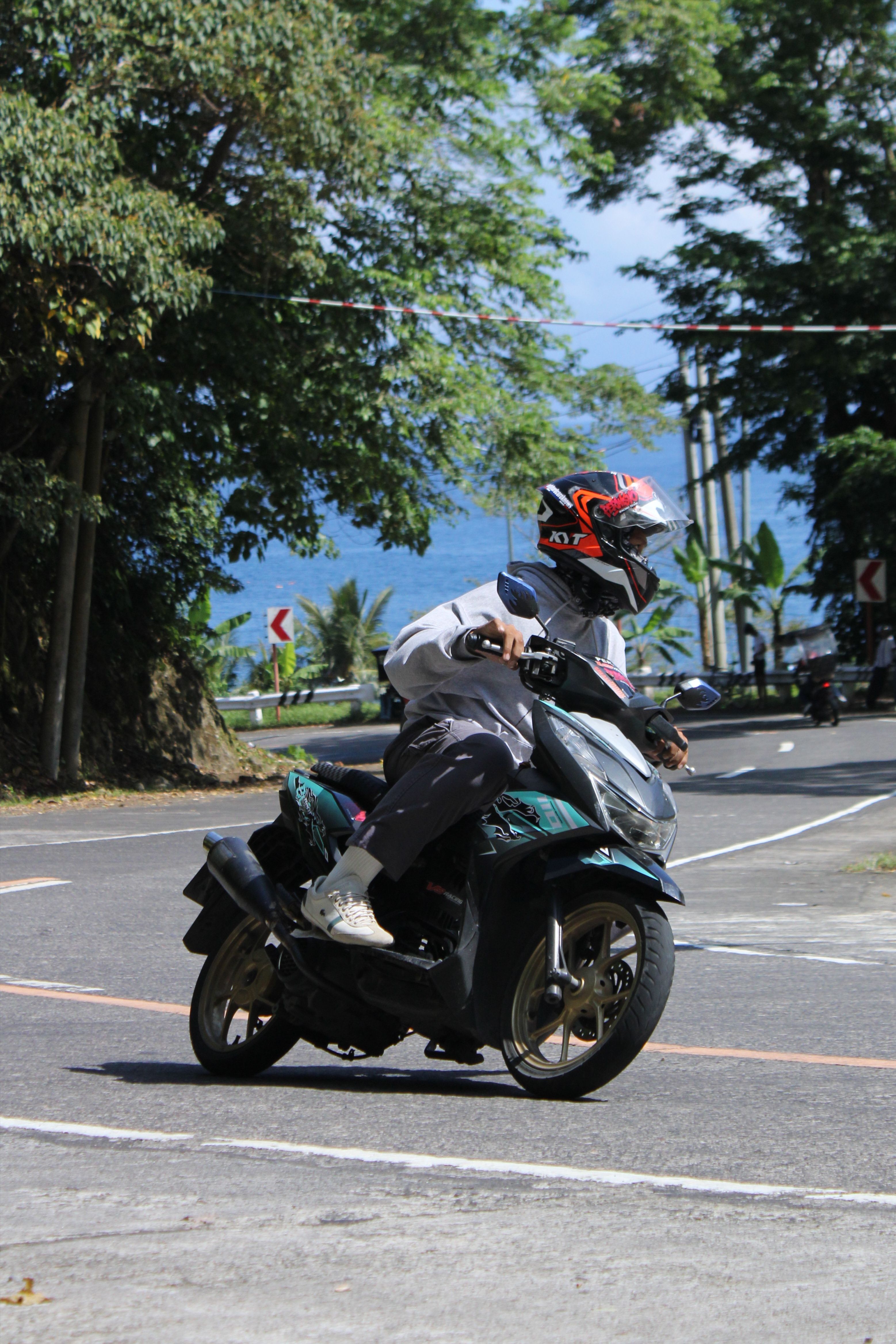
Scooter rental is everywhere in Bali. Shops hand over keys without checking for a licence. That ease is exactly what makes the roads dangerous for first-timers. Traffic moves at high density, road surfaces vary, sand from beaches makes corners slippery, and local riders weave through gaps in ways that can shock visitors used to Western road rules.
What actually matters:
- International Driving Permit (IDP) with motorcycle endorsement — required for legal riding. Without it, travel insurance will almost certainly deny any accident claim.
- Helmets are mandatory under Indonesian law and enforced more strictly than in past years. Rental helmets are often basic; if you're riding for more than a day, a proper helmet from a local shop costs around IDR 250,000 (~USD 16) and is a reasonable investment.
- Don't learn to ride in Bali. If you've never ridden a scooter before, this isn't the place to start. Take lessons at home or stick to drivers and ride-hailing apps.
- Avoid riding at night or in rain. Visibility drops, road grip drops, and the chance of unmarked potholes spikes.
- Photograph the scooter at pickup — every angle, every existing scratch. This prevents fake damage claims at return (a common scam, covered in the next section).
What the "Bali tattoo" actually means
- Local nickname for the exhaust-pipe burn or road-rash scar that scooter accidents leave on calves and legs
- Common enough that BIMC clinics have a standard dressing-and-antibiotic protocol for it
- Burns happen most often when passengers dismount carelessly — touch the right-side exhaust within 10 minutes of stopping and you'll learn the hard way
- Most affordable insurance against it: use ride-hailing apps (Grab, Gojek, Maxim) or a private driver for the day — both cost less than one ER visit
Phone snatching — the most common petty crime
The pattern is consistent across reports: pedestrian holds a phone in the hand closest to the road while walking near traffic, scooter passes, phone is gone in under a second. It happens most often in Kuta, Seminyak, and the busier parts of Canggu.
The fix is mechanical:
- Keep your phone in the hand away from the road when walking near traffic
- Use a phone strap or lanyard, especially on scooters
- Don't place phones on the outer edge of café tables that face the street
- If you're holding your phone while a scooter approaches, put it away — assume it's "in play" within five metres of the road
Ocean safety — rip currents and flag systems
Some Bali beaches have strong rip currents, particularly along the west coast (Echo Beach, Berawa, parts of Canggu, Kuta's main strip, and the Bukit Peninsula's beaches in wet-season swell). Drownings happen most often when swimmers assume any beach with sand is safe to swim.
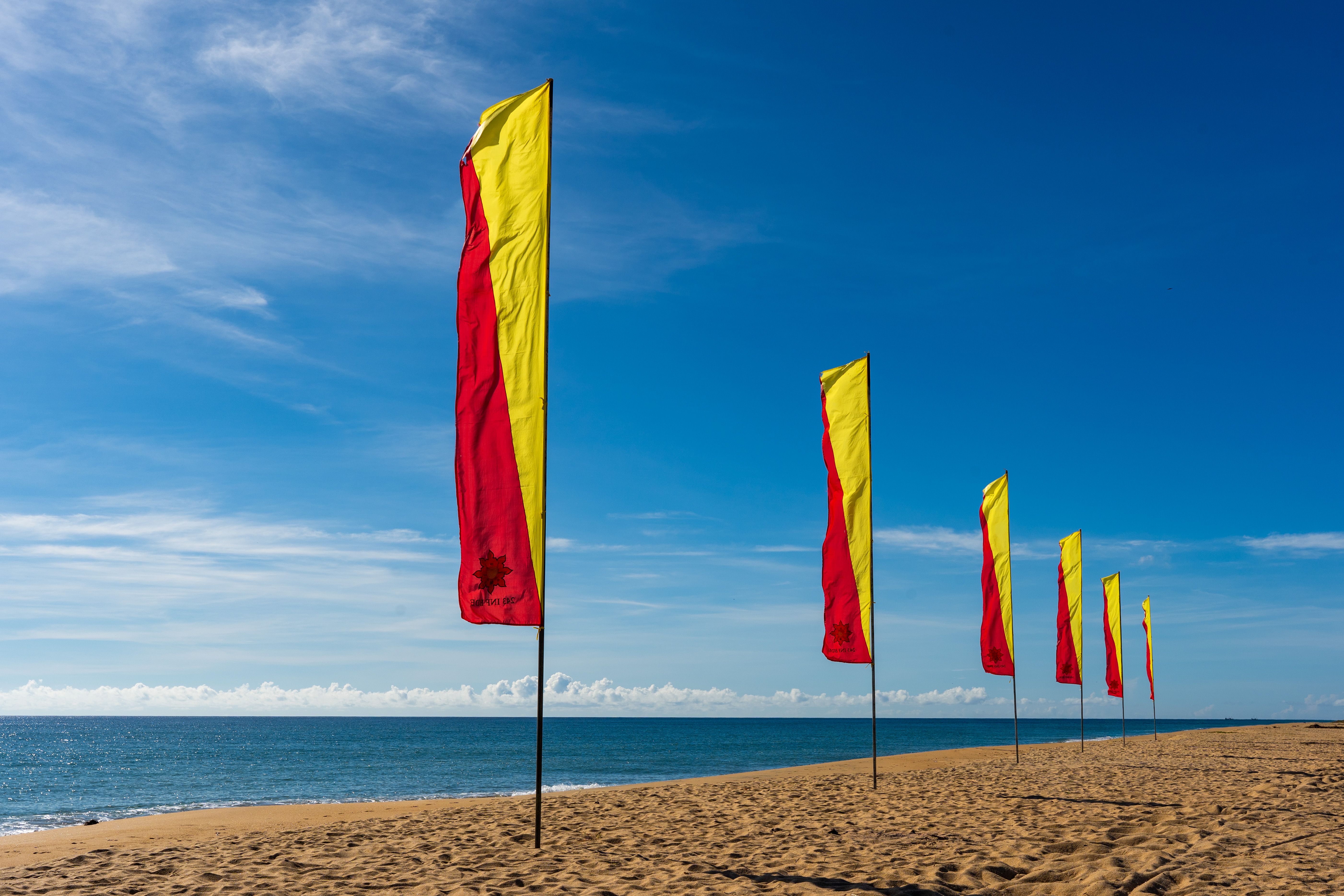
- Red flag: dangerous conditions — don't swim
- Yellow flag: caution — strong swimmers only, stay close to shore
- Green flag: safe for swimming
- Red and yellow together: lifeguard zone — swim between the flags
Calmer swimming spots include Sanur, Nusa Dua, and the east-coast beaches (Amed, Padangbai). Surf beaches on the west and south coasts are excellent for surfing but require respect — even strong swimmers get caught by rips.
Bali Belly, tap water, and food hygiene
"Bali Belly" is shorthand for traveller's diarrhoea, usually caused by bacterial contamination of water or food. It's unpleasant but rarely dangerous, and easily managed with rehydration salts and a bland-food day or two.
- Don't drink tap water — even locals don't. Stick to sealed bottled or filtered water. Most villas and hotels provide refill stations.
- Ice is usually fine at established restaurants and cafés (they use commercially filtered ice), but skip ice at roadside stalls if you're cautious
- Eat at busy places — high turnover means fresher food
- Pre-pack rehydration salts and basic stomach meds — they're harder to find on arrival and pricier
Volcanoes, earthquakes, dengue — the rarely realised risks
Bali sits on the Pacific Ring of Fire. Mount Agung and Mount Batur are both active, and earthquakes occur periodically. In practice, eruptions are rare, monitored closely by Indonesian authorities, and tend to disrupt flights rather than threaten tourists directly. Tsunami risk exists but is low; coastal hotels have evacuation procedures.
Dengue fever — spread by daytime-biting mosquitoes — increases during the wet season (November to March). Mosquito repellent and long sleeves in the evening manage the risk. Rabies is present in stray dogs and monkeys; avoid contact, and if bitten or scratched, seek immediate medical care for post-exposure vaccination.
Safest Areas in Bali — Where to Stay if Safety Is a Priority
Every major tourist area in Bali is broadly safe, but they vary on lighting, walkability, scooter density, and after-dark vibe. If safety is your top filter for choosing a base, here's how the main areas stack up — and where Bali safety feels strongest in practice.
Ubud — calmest base, wellness-oriented, walkable centre
Ubud is consistently rated the calmest and safest area to base in. The town centre is walkable, well-lit on main streets, and oriented around yoga, cafés, and craft markets rather than nightlife. Solo female travellers consistently rate Ubud the most comfortable area in Bali. The main thing to watch for: monkeys at the Sacred Monkey Forest in Ubud — they'll grab sunglasses, phones, and snacks if anything is visible.
Sanur — gentlest area for first-timers and families
Sanur is the lowest-key beach base in south Bali. A 7-kilometre paved beach boardwalk runs the length of the area, well-lit, with cafés open into the evening. The water is calm (it's on the east coast, sheltered from the main surf). It's the closest Bali gets to "you can walk anywhere, anytime" — and the strongest first-time-Bali pick for families. The newly opened Bali International Hospital is also in Sanur.
Seminyak and Nusa Dua — upscale, well-lit, strong infrastructure
Seminyak is the most polished hotel district in south Bali — wide, well-lit streets, established beach clubs with their own security, and a high concentration of expats and repeat visitors. Nusa Dua is a gated enclave of larger resorts; safest in the sense that you'll rarely leave the resort strip unless you choose to. Both are good picks if you want predictable, low-friction safety with full infrastructure.
Canggu and Pererenan — social, modern, but traffic is the concern
Canggu and Pererenan have grown into the digital-nomad heart of Bali. Cafés, coworking spaces, yoga studios, and surf schools sit on top of each other. The crime profile is low. The real safety concern here is traffic: the main strip (Batu Bolong) is now badly congested at peak times, and scooter density makes walking near the road riskier than in Sanur or Ubud.
Uluwatu — calm and scenic but scooter-dependent
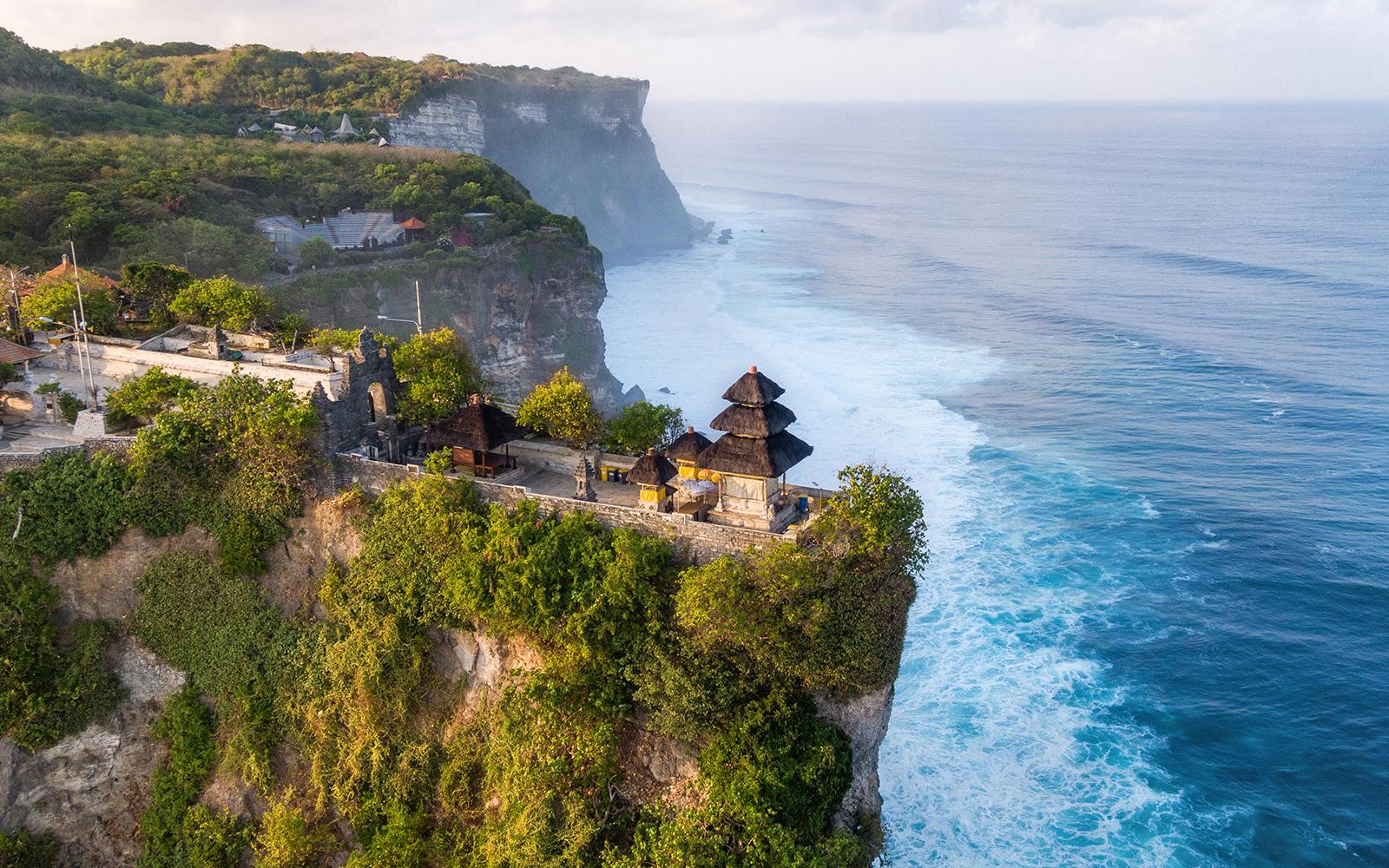
The Bukit Peninsula is cliffside, quiet, and beautiful. Uluwatu Temple and the surrounding villas offer a slower pace. The catch: distances between places are bigger, lighting on small roads is limited, and without a scooter or private driver, you'll find yourself ride-hailing constantly. Plan for transport cost and accept that walking after dark on rural lanes isn't the norm here.
Kuta and Legian — fine by day, more care at night
Kuta is Bali's oldest tourist district and where most of the headline-grabbing incidents happen — bar fights, drink spiking, aggressive vendors. By day, it's a busy commercial strip. By night, the bars on Jalan Legian draw a younger party crowd, and that's where most assault and drink-spiking reports come from. It's safe to stay in Kuta with normal precautions, but if safety is your top priority, base elsewhere and visit Kuta during the day.
| Area | Safety Feel | Best For | Main Watch-Out |
|---|---|---|---|
| Ubud | Highest | Solo travellers, wellness, first-timers | Monkeys at Monkey Forest |
| Sanur | Very high | Families, older travellers, first-timers | Quieter scene if you want nightlife |
| Seminyak / Nusa Dua | High | Upscale stays, couples, families | Some pushy beach vendors |
| Canggu / Pererenan | High | Digital nomads, surfers, longer stays | Traffic density on main strips |
| Uluwatu / Bukit | High | Couples, surfers, slower pace | Limited lighting on rural roads at night |
| Kuta / Legian | Moderate | Backpackers, party-oriented stays | Nightlife crowd, drink-spiking reports |






Bali Scams to Watch For — A Practical Guide
Bali isn't unusually scam-heavy compared to other Southeast Asia destinations, but a few specific patterns turn up often enough that they're worth recognising on sight. None of these scams are dangerous — they're financial, not physical — but they can sour a holiday and cost you more than you'd expect.
Money changer scams
Unofficial booths in Kuta, Legian, and parts of Seminyak advertise exchange rates noticeably better than banks. The catch is in the counting: a quick tap-and-fold motion at the end slips a few notes (often 100,000 IDR each) behind the counter or back into the operator's hand.
- Use only licensed money changers marked "Authorized" and registered with Bank Indonesia (e.g. PT Central Kuta)
- Count the cash yourself, slowly, before you leave the counter — don't accept "I've already counted it"
- Walk away from any booth without CCTV, fixed signage, or a receipt
- For larger sums, withdraw from ATMs inside major bank branches (BCA, Mandiri, BNI) instead
Taxi and transport scams
Three patterns turn up most often: meter "broken" requests for a flat fare, fake Bluebird taxi lookalikes (same blue colour, slightly different logo), and airport touts quoting inflated transfers.
- Use Grab, Gojek, or Maxim ride-hailing apps wherever possible — fares are fixed in advance and the driver and plate are verified
- If using a street taxi, only use authentic Bluebird (the URL is printed on the windshield, the driver wears a blue batik uniform, and the meter starts from zero)
- For airport pickup, book a transfer through your hotel in advance or use the official airport taxi counter at fixed rates — skip the touts in the arrivals hall
- For multi-day exploring, hire a private driver through your hotel; rates are around IDR 600,000–800,000 (~USD 38–51) for a full day with fuel, often less than two days of scooter mistakes
Scooter rental damage scams
The setup: you return a scooter and the rental shop "discovers" a scratch you don't remember causing — often a scuff that was there at pickup. With your passport held as deposit, you're leveraged for an inflated repair quote.
- Photograph and video the scooter from every angle at pickup — close-ups of every existing scratch, the speedometer, both side panels, the seat, the exhaust
- Refuse to leave your passport as a deposit. Offer cash (around IDR 500,000–1,000,000) or a copy of your passport instead
- Read reviews on the specific rental shop — high-volume shops with consistent recent reviews are far safer than unmarked roadside operators
- Use shops affiliated with your hotel or co-working space; reputation matters more here than the daily rate
Fake "sarong fees" at temples
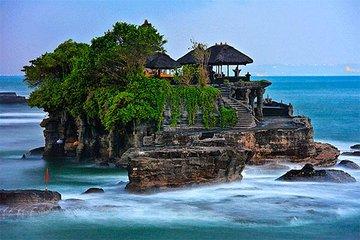
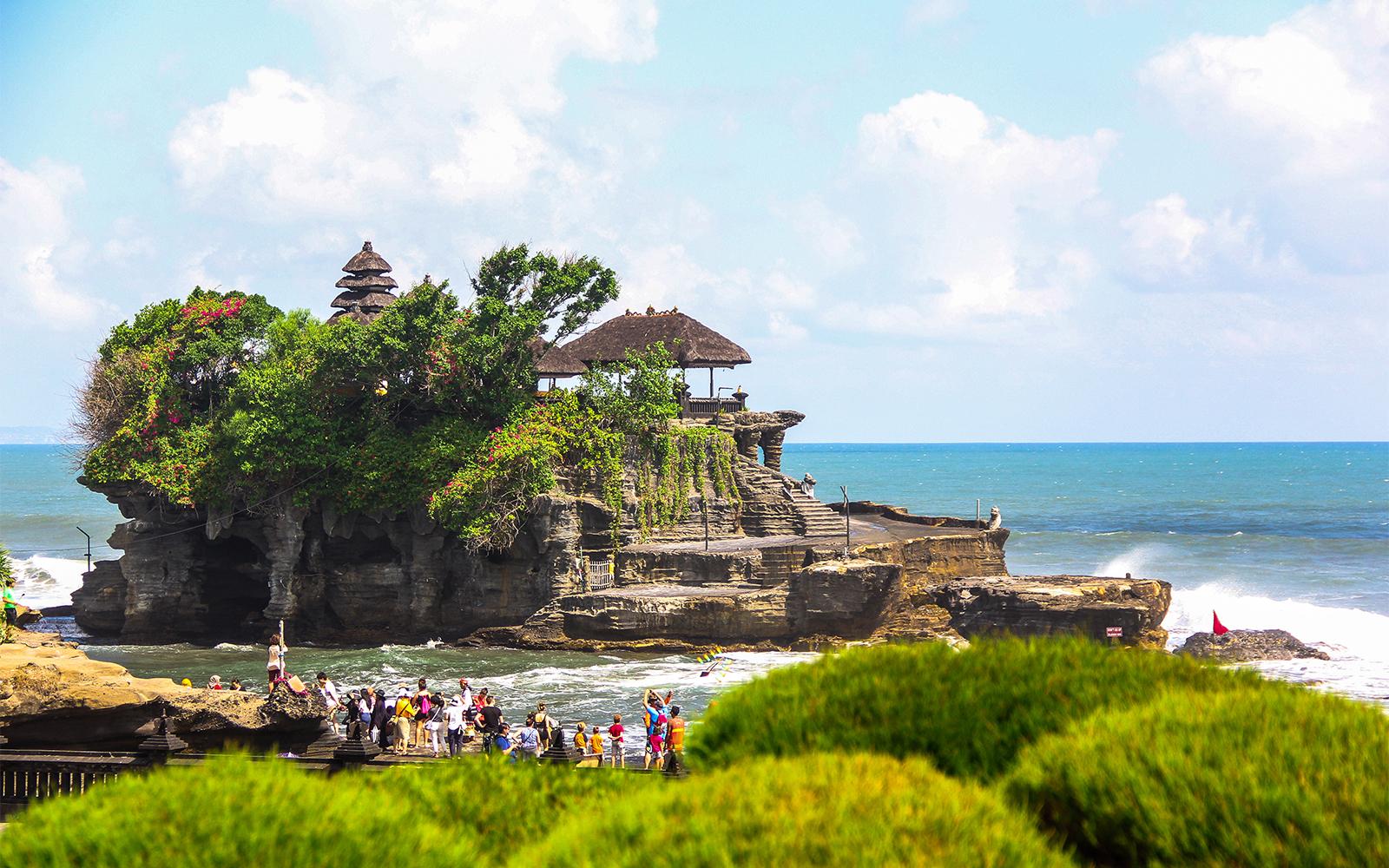
Men stationed outside the parking areas of Uluwatu Temple and Tanah Lot sometimes claim you need to rent a sarong from them for 50,000–100,000 IDR. You don't. Every major temple provides sarongs at the official ticket entrance as part of the admission fee.
- Walk past anyone offering sarongs or "entry help" outside the official ticket booth
- Pay only at the marked ticket counter — the official entry fee includes sarong rental where required
- The same applies to "donation" requests near temples and "spiritual blessing" offers — these are informal solicitations, not official charges
Hiking guide pressure at Mount Batur and Sekumpul Waterfall
Self-appointed "guides" at the trailheads for Mount Batur and Sekumpul Waterfall sometimes pressure visitors into hiring them, claiming the route is too dangerous, unmarked, or restricted without their help. The tactic ranges from persistent to actively intimidating.
- Pre-book your trek through a reputable operator (your hotel can usually recommend one) — having a confirmed booking removes the leverage
- For Mount Batur sunrise treks specifically, the official local guide cooperative does require visitors to use a registered guide; book in advance to avoid the touts at 3am
- For waterfalls and shorter trails, research the route ahead — many are well-marked enough that a guide isn't strictly necessary
Fake villa listings and timeshare lures
Two longer-running patterns: fraudulent villa rentals on social media that take a deposit and disappear, and "scratch card" or "free holiday" lures in Kuta and Nusa Dua that funnel you into pressured timeshare presentations.
- Book accommodation through established platforms (Airbnb, Booking, hotel websites) with verified reviews — never via Instagram DMs or one-off Facebook posts
- If a deal is significantly cheaper than equivalent listings, treat that as a red flag, not a deal
- Decline scratch cards, "you've won a free holiday" approaches, and any aggressive street offer — politely walk away
Bali Safety for Different Travellers
The headline safety picture is similar across traveller types, but the practical considerations shift depending on who's flying. Here's how it breaks down.
Solo female travellers — among the safest options in Indonesia
Bali consistently ranks as one of the most welcoming destinations in Southeast Asia for women travelling alone. Balinese Hindu culture is community-oriented and respectful, street harassment is comparatively low, and a large active community of solo female travellers — particularly in Ubud and Canggu — makes it easy to meet people without ever feeling isolated. For solo women, is Bali safe is one of the easier yes answers in the region.
What helps in practice:
- Base in Ubud, Sanur, Seminyak, or Canggu for the strongest infrastructure and largest solo-traveller communities
- Use Grab or Gojek after dark rather than walking unfamiliar streets alone
- In nightlife venues (Seminyak, Kuta, Canggu), watch your drink, never accept one you didn't watch being made, and skip cheap unlabelled spirits — methanol poisoning from unregulated arak has caused fatalities in past years
- Join Bali-focused Facebook groups before flying; they're useful for area meetups, safety updates, and on-the-ground recommendations
- If on a scooter, never hold a phone in your outer hand; phone-snatch incidents disproportionately target women on scooters
Families with kids
Bali is family-friendly with planning. Resorts in Nusa Dua and along Sanur are built around families, with kids' clubs, pools, and beach access that's calmer than Bali's west-coast surf beaches.
- For medical care, BIMC Hospital (Nusa Dua, Kuta, Ubud) handles paediatric cases and has English-speaking staff
- Watch monkey contact at the Sacred Monkey Forest in Ubud — monkeys carry the risk of bites and scratches, and rabies post-exposure protocols are precautionary but real
- Don't put kids on scooters as passengers, regardless of what you see locals doing — it's the highest-risk way to move them around
- Pack a basic medicine kit: rehydration salts, child paracetamol, anti-diarrhoeal for older kids, and mosquito repellent suitable for children
- For beach time, stick to Sanur, Nusa Dua, or Jimbaran for calmer water; surf beaches like Echo Beach and Kuta's main strip have rip currents that aren't suitable for small swimmers
First-timers — where to base for the lowest friction
If this is your first Southeast Asia trip and you're choosing where to land for the first few nights, Sanur or Ubud are the gentlest starting points. Both have calm, walkable centres, English-speaking staff at most restaurants, easy ride-hailing access, and limited night-out pressure. Seminyak works too if you want more polish and more options, with the trade-off that scooter traffic is heavier.
Avoid making Kuta your first base if you can — it's the loudest, busiest, and most aggressively touristed area. Better to visit during the day and move on.
LGBTQ+ travellers
Bali is one of the more relaxed parts of Indonesia for LGBTQ+ travellers, with a long-established expat community and several openly inclusive venues in Seminyak. Same-sex couples staying together at hotels is not flagged. Public displays of affection — same-sex or otherwise — attract less attention in Seminyak, Canggu, and Ubud than in more conservative parts of the country, but discretion is still common practice. Indonesia's national laws are conservative, but Bali's tourist areas operate with much greater openness in practice.
Emergency Numbers, Hospitals, and What to Do If Things Go Wrong
Most Bali trips never need these numbers. But the five minutes it takes to save them before you fly is the cheapest insurance you'll buy — and the most useful piece of Bali safety preparation you can do from home.
Save these before you fly
- 112 — General emergency (works like 911; coordinates police, ambulance, fire). Free to call without mobile credit.
- 110 — Police direct line
- 118 or 119 — Ambulance / medical emergency
- 113 — Fire
- Tourist Police hotline (Denpasar): +62 361 224 111
- Tourist Police Kuta: +62 361 784 5988
- Tourist Police Ngurah Rai Airport: +62 361 935 1023
- Tourist Police Nusa Dua: +62 361 7442 622
Top hospitals for tourists
Bali's main private hospitals are concentrated in the south and Denpasar. All have English-speaking staff and coordinate with major foreign travel insurers.
- BIMC Hospital Kuta — +62 361 761263 (24-hour emergency; closest to most south Bali tourist areas)
- BIMC Hospital Nusa Dua — +62 361 3000911
- BIMC Hospital Ubud — +62 361 2091030
- Siloam Hospital Denpasar — +62 361 779900 (large multi-specialty hospital)
- Kasih Ibu Hospital — +62 361 223036 (branches in Denpasar, Kedonganan, Saba)
- Bali International Hospital (Sanur) — newer facility, 24-hour emergency, partnership with Mayo Clinic
For minor issues, doctor-on-call services like Trishnanda Care Centre (around IDR 550,000 / ~USD 35 for a hotel visit) handle stomach upsets, minor injuries, and prescriptions without an ER trip.
Travel insurance — the non-negotiable line items
Standard travel insurance is essential for Bali. The specific cover items that matter most:
- Medical evacuation — Bali's hospitals are good for most needs, but serious cases may need transfer to Singapore or Jakarta. Air evacuation can cost USD 30,000+ uninsured.
- Scooter and motorcycle cover — read the fine print. Most basic policies exclude scooter accidents unless you hold a valid IDP with motorcycle endorsement and were wearing a helmet.
- Trip interruption and disruption — flight cancellations from volcanic activity or other disruptions have happened in past years.
- Lost or stolen valuables — useful but not the primary reason to buy insurance.
Lost passport, theft, embassy contacts
If you're robbed or lose your passport:
- File a police report at the nearest tourist police station — this is required for both insurance claims and passport replacement
- Contact your embassy or consulate in Jakarta (most countries don't have a Bali consulate, but they coordinate from Jakarta); Australia and the US both have a consulate in Denpasar
- Keep digital copies of your passport, visa, and travel insurance details in cloud storage and offline on your phone — replacing a passport is faster when you can produce the previous one's details
- Carry only what you need for the day; lock your passport, spare cards, and most of your cash in the hotel safe
Five-minute pre-flight checklist
- Save 112, 110, and 118 in your phone contacts
- Save BIMC Kuta (+62 361 761263) and one other hospital near your base
- Screenshot your travel insurance policy number and 24-hour assistance line
- Apply for an International Driving Permit at home before flying if you might ride a scooter
- Download Grab and Gojek apps before you land — they require local data once set up
- Pre-pay your IDR 150,000 Bali Tourist Levy on the official Love Bali website to skip the airport queue
- Pack rehydration salts and basic stomach meds
Travel Bali with Confidence, Not Fear
Bali is safe when you treat it like a real place — not a theme park, but not a danger zone either. The risks worth taking seriously are practical and predictable: skip the scooter unless you actually ride, keep your phone in the right hand, count your cash before you walk away from the booth, and respect the ocean flags. The travellers who do get into trouble are usually skipping one of those four things.
The harder part isn't safety. It's choosing where to go and what to do without losing days to bad operator picks and confusing pricing. Travjoy's options for Bali are vetted by local experts so you can book the right tour, transfer, or experience without second-guessing whether you're getting taken for a ride. Start planning your Bali trip on Travjoy — or browse the Bali top 20 to see the most popular picks first.




.svg&w=1920&q=75)