



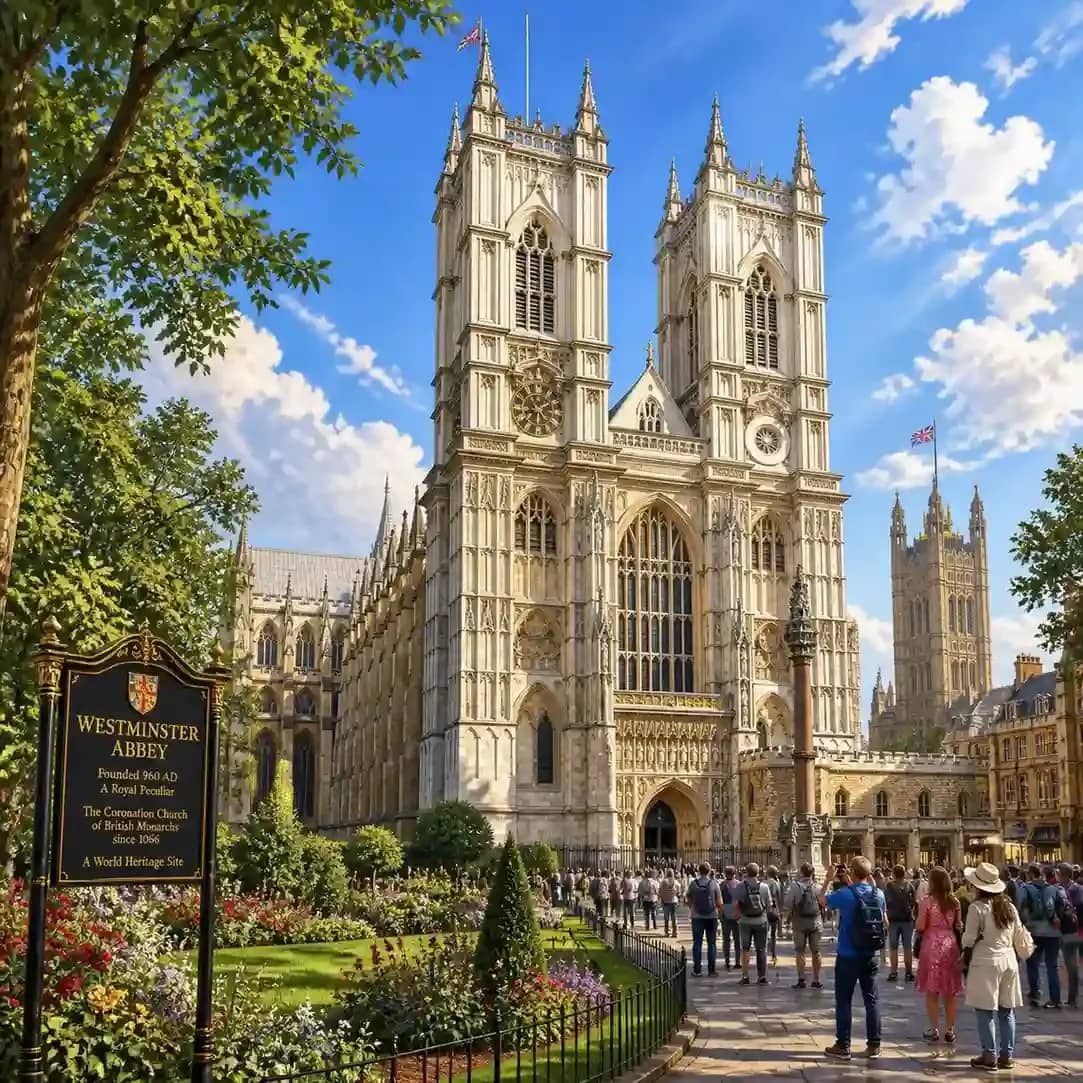
Westminster Abbey: A Complete Guide to Visiting London's Coronation Church — Tickets, Tours and What Not to Miss
9 min read
Key Highlights
- Westminster Abbey is the Anglican coronation church of Britain — every monarch since William the Conqueror in 1066 has been crowned here, most recently King Charles III in 2023.
- Adult entry in 2026 is £31 (about $41) online, with a multimedia guide included; a verger-led tour adds £10 (about $13) and reaches the Shrine of St Edward the Confessor, closed to general visitors.
- The Queen's Diamond Jubilee Galleries — the medieval triforium, 16 metres above the nave — are the strongest reason for a second visit, at £5 (about $7) on top of entry.
- Sundays are for worship only, and attending a service such as Choral Evensong is free on any day.
- Book your online ticket and it upgrades to a free annual pass — three visits within the year, no re-booking needed.
Westminster Abbey is the Anglican royal church in the City of Westminster where every English and British coronation since 1066 has taken place, and where more than 3,300 monarchs, poets and scientists are buried or commemorated. In 2026, adult entry costs £31 (about $41) booked online, the Abbey is open to visitors Monday to Saturday, and Sundays are reserved for worship — which anyone may attend for free.
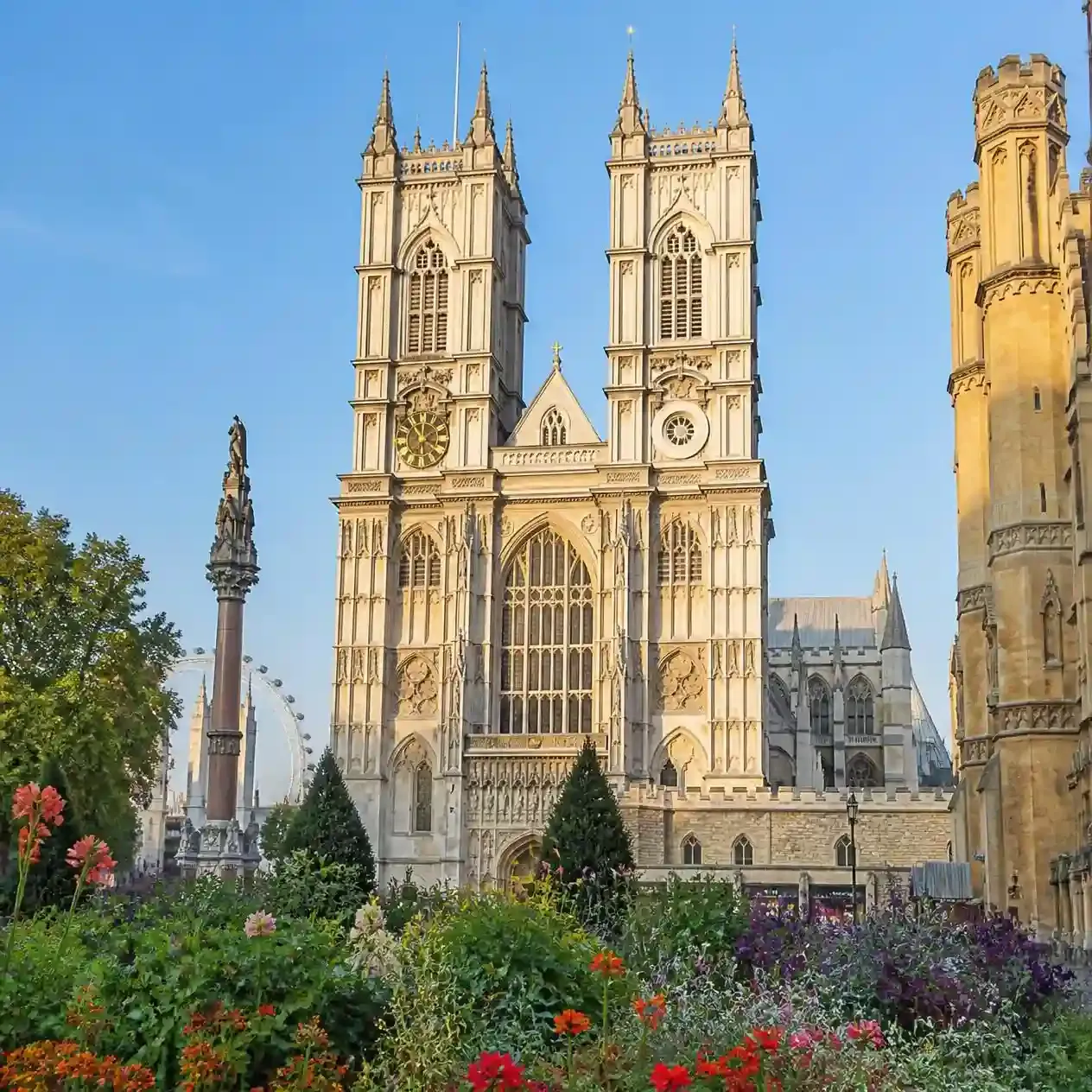
Most visitors give Westminster Abbey ninety minutes and follow the crowd down the nave. That is enough to see the headline monuments — and not nearly enough to understand why this building has anchored a thousand years of British ceremony. The Abbey is a working Church of England church first and a visitor attraction second: a royal peculiar that answers directly to the Sovereign, hosting daily services around the visitor route, closing sections at short notice for worship, and shutting to sightseeing entirely on Sundays.
That single fact shapes every planning decision — which ticket to buy, which day to come, whether to pay at all or attend Evensong for nothing. This guide sets out the full picture for 2026: what is actually inside, every way to visit compared with current prices, and how to fold the Abbey into a proper Westminster day. It rewards a return visitor too, because the best of the Abbey — the Shrine, the Galleries — sits beyond the standard route.
Is Westminster Abbey worth visiting?
Yes — Westminster Abbey is worth the £31 entry for anyone with even a passing interest in British history, and it justifies a second visit better than almost any paid landmark in London. No other building compresses so much of the national story into one room: the Coronation Chair, the grave of the Unknown Warrior, Poets' Corner and the tombs of seventeen monarchs all sit within a few minutes' walk of each other under a 31-metre Gothic vault.
Worth it if
- You care about royal history — this is the coronation church itself, not a museum about it, and the Cosmati Pavement where kings are crowned is on the visitor route.
- You have been to London before and skipped it, or rushed it — the verger tour and the Jubilee Galleries add a layer most visitors never see.
- You respond to literary and scientific heritage — Chaucer, Dickens and Hardy lie in Poets' Corner; Newton, Darwin and Hawking rest in Scientists' Corner.
- You enjoy sacred music — the Abbey choir at Evensong is among the finest in Europe, and hearing it costs nothing.
Not ideal if
- You are visiting on a Sunday and want the full visitor route — the Abbey is open for worship only, with no sightseeing access to the tombs or chapels.
- You have under an hour — security, the one-way route and the density of monuments make a meaningful visit in less time difficult; the exterior and Parliament Square may serve you better that day.
- Your interest is mainly photographic — interiors allow personal photography without flash, but the Shrine and the Jubilee Galleries prohibit it altogether.
Westminster Abbey or Westminster Cathedral?
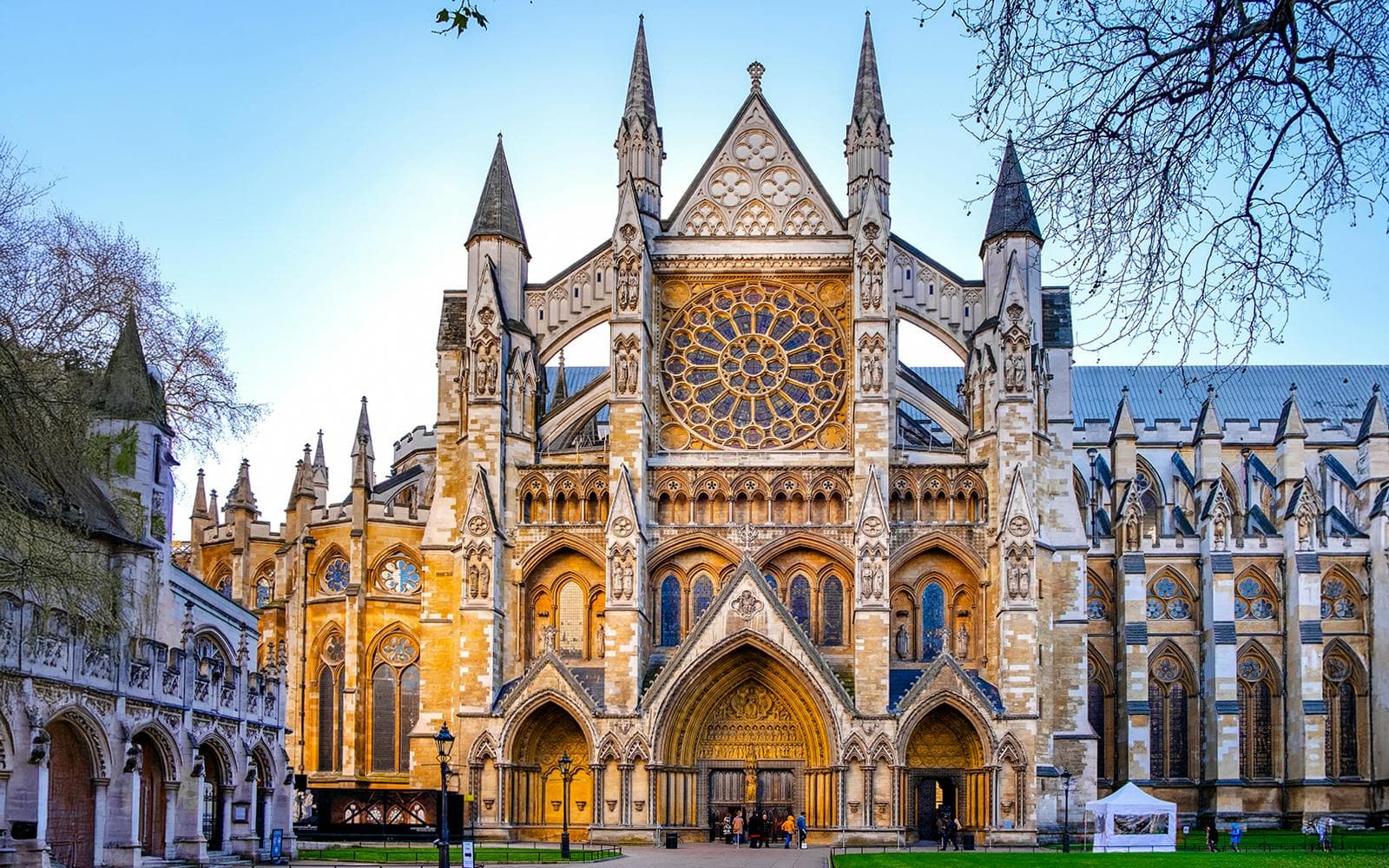
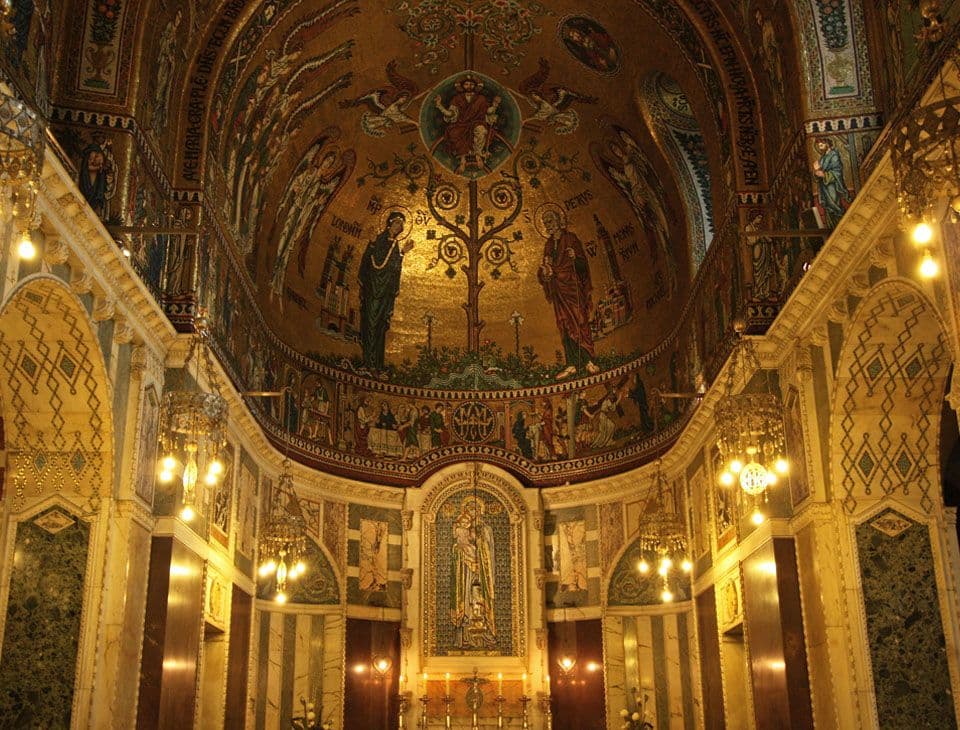
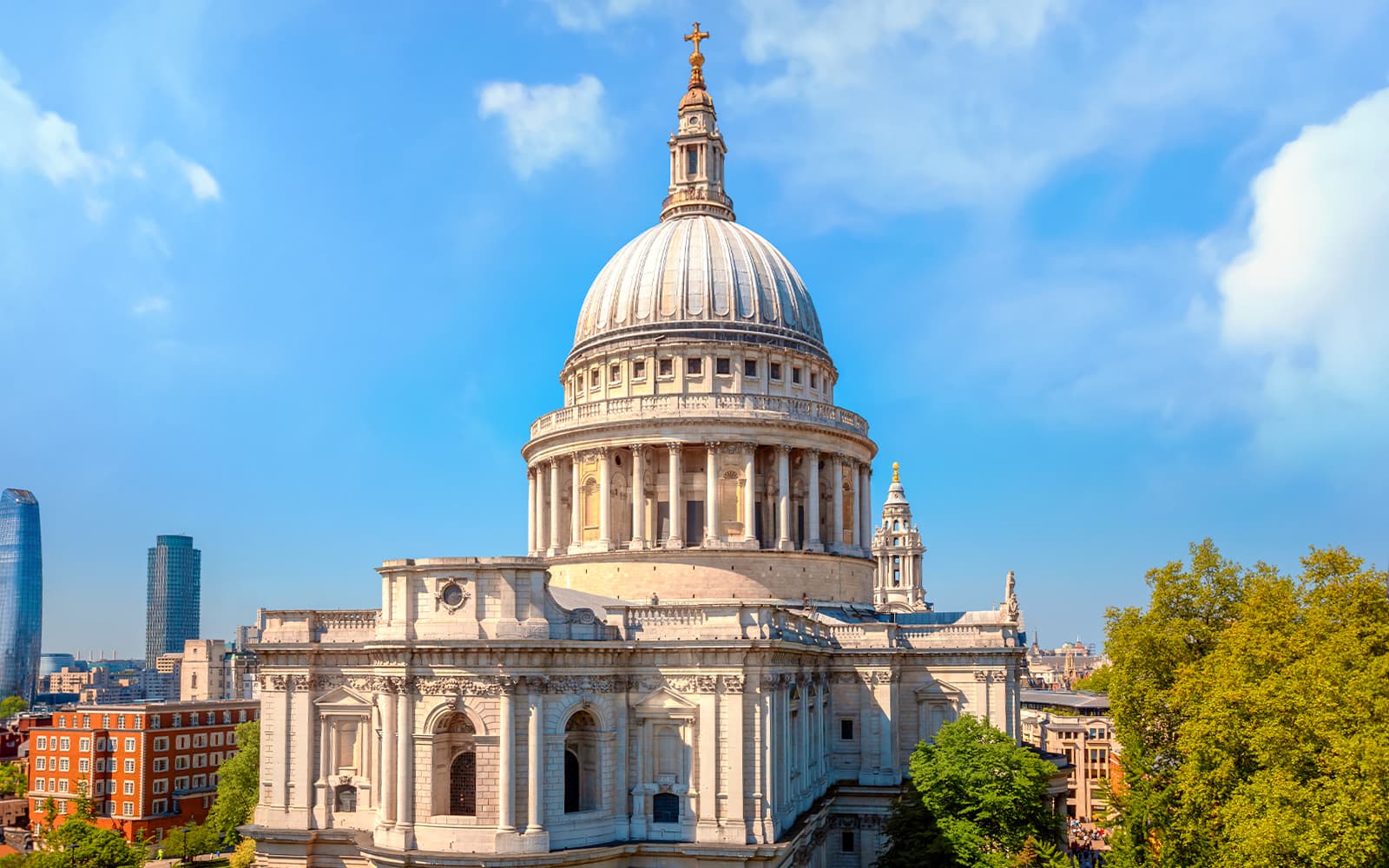
The two are different buildings, different denominations and different centuries — and the mix-up sends visitors to the wrong door every day. Westminster Abbey is the Gothic, Anglican coronation church on Parliament Square, begun in its present form under Henry III in 1245. Westminster Cathedral, fifteen minutes' walk away on Victoria Street, is the Roman Catholic mother church of England and Wales, built from 1895 in striped neo-Byzantine brick. The Cathedral is free to enter and its campanile viewing gallery is one of Westminster's quieter viewpoints — a worthwhile pairing, not a substitute.
Reality check: the Sunday mistake
- The most common planning error at Westminster Abbey is arriving on a Sunday expecting to sightsee — the church is open for services only.
- If Sunday is your only day, attend Sung Eucharist or Evensong instead: entry is free, the choir sings, and you experience the building doing what it was built for.
- You will not reach Poets' Corner or the royal tombs that way — plan a Monday-to-Saturday slot if the monuments matter to you.
What you'll see inside the coronation church
The visitor route through Westminster Abbey runs one way — nave, Quire, royal chapels, Poets' Corner, then out through the cloisters — and covers around 3,000 memorials in the space of a city block. The multimedia guide, included with entry in fourteen languages, keeps you on the route; what follows is what deserves your attention along it.
The nave and the Unknown Warrior
The nave is the tallest Gothic vault in England, and its most affecting monument is its simplest: the grave of the Unknown Warrior, an unidentified soldier brought from the battlefields of France in 1920 and buried among kings. It is the one grave in the Abbey nobody may walk across. Nearby, a green stone marks Stephen Hawking, whose ashes were interred between Newton and Darwin in 2018 — Scientists' Corner in three metres of floor.
The Quire, the Cosmati Pavement and the Coronation Chair
Beyond the organ screen, the gilded Quire leads to the Sanctuary and the Cosmati Pavement — the 13th-century Italian mosaic floor on which every coronation actually takes place, most recently King Charles III's in May 2023. The Coronation Chair itself, made for Edward I around 1300 and used at coronations since 1308, stands near the Great West Door: one of the oldest pieces of furniture in the country still doing its original job.
The Lady Chapel and the royal tombs
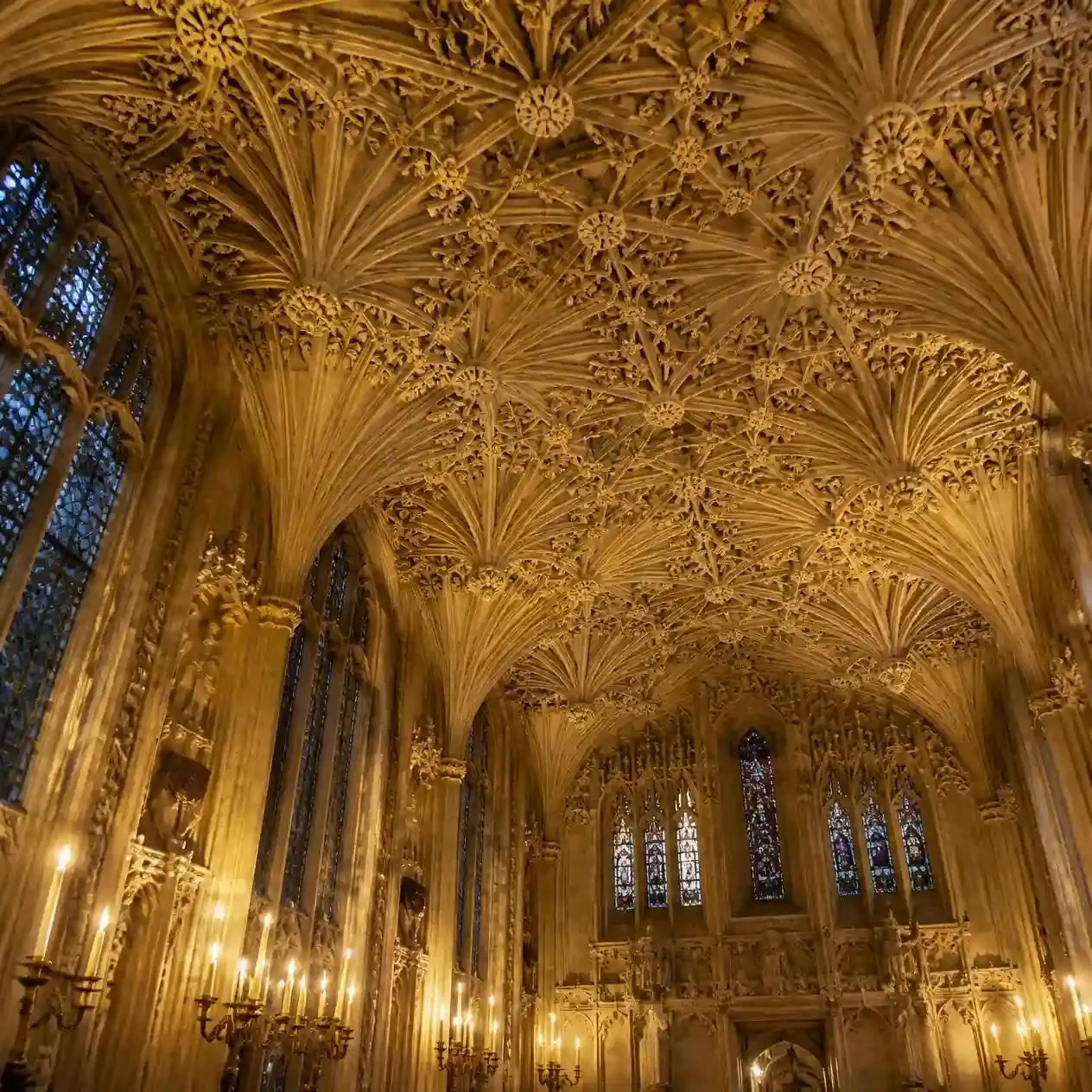
Henry VII's Lady Chapel, finished in 1519, is the architectural climax — a fan-vaulted ceiling so fine it reads as lace, above the tombs of Henry VII, Elizabeth I and Mary Queen of Scots. The banners overhead belong to the Knights of the Order of the Bath; the far end holds the Royal Air Force Chapel with its Battle of Britain window.
Poets' Corner, the cloisters and the Queen's Window
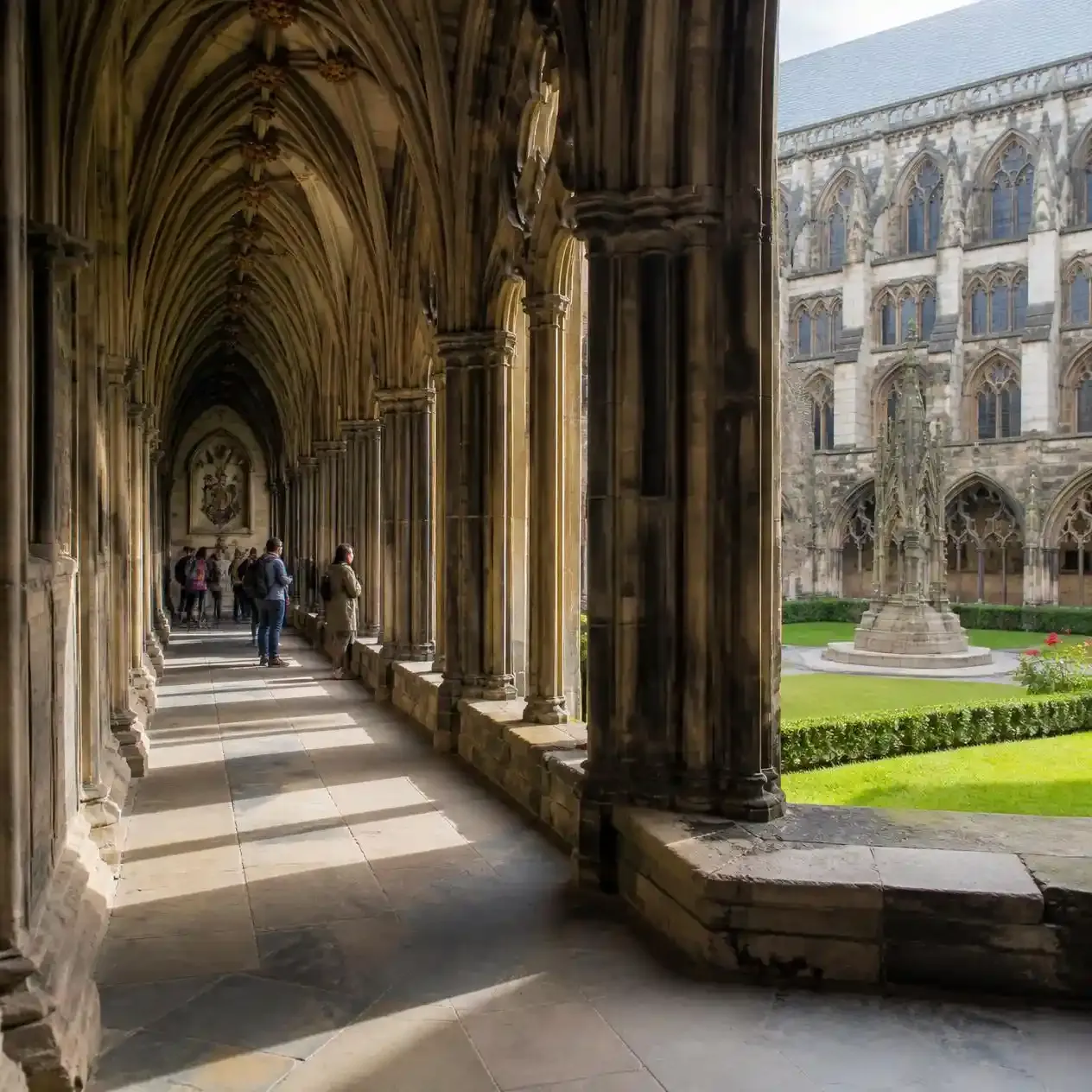
Poets' Corner grew by accident from Geoffrey Chaucer's burial in 1400 into the national shrine of English letters — more than a hundred writers are buried or commemorated here, from Shakespeare and Austen to Dickens, who was interred against his own wishes for a quiet funeral. The cloisters and the 13th-century Chapter House, with its medieval murals and one of Britain's oldest doors, close the loop; look also for David Hockney's Queen's Window, a country scene in stained glass marking Elizabeth II's reign, and the ten Modern Martyrs — Martin Luther King Jr among them — above the Great West Door as you leave.
The Queen's Diamond Jubilee Galleries — the second-visit layer
Seven storeys above the nave, the medieval triforium opened to visitors in 2018 as the Queen's Diamond Jubilee Galleries — the first major addition to the Abbey in over 250 years. Around 300 treasures are displayed here: the Liber Regalis, the 14th-century manuscript that still scripts coronations; the Westminster Retable, England's oldest surviving altarpiece; funeral effigies from Henry VII's lifelike death-mask head onwards; and the royal marriage licence of Prince William and Catherine Middleton. The view down the nave from 16 metres up is the best interior prospect in the building. Entry is by timed ticket at £5 (about $7) for adults on top of general admission — children 17 and under go free — and the space stays quiet even when the floor below is full.
Every way to visit Westminster Abbey, compared
There are six meaningful ways to experience Westminster Abbey in 2026, from free worship to a private tour of the empty church before the doors open. Standard entry with the multimedia guide covers most of what visitors come for; the upgrades exist to reach the parts it cannot.
| Option | Duration | Price (2026) | Best for |
|---|---|---|---|
| Standard entry with multimedia guide | 1.5–2.5 hours | £31 (about $41) adult online; £32 (about $43) at the door | Most visitors — covers the full one-way route at your own pace |
| Verger-led tour (entry + £10) | 90 minutes | £41 (about $54) adult all-in | Returning visitors and history-minded travellers — the only way into the Shrine of St Edward the Confessor |
| Queen's Diamond Jubilee Galleries add-on | +30 minutes | £5 (about $7) adult; under-17s free | Second visits and anyone who wants the triforium view and the coronation treasures |
| Wednesday Lates (evening entry) | About 1 hour | £13 (about $17) adult; £6 (about $8) child | Time-poor travellers — reduced route (no Galleries, Quire or High Altar) at a reduced rate |
| Before-hours private tour | 90 minutes | Premium rate; limited to 12 guests per tour | Those who want the Abbey empty — Shrine, Galleries and Coronation Chair before the doors open |
| Attend a service (Evensong, Matins, Eucharist) | 45–75 minutes | Free | Music lovers and Sunday arrivals — the Abbey as a working church, without the visitor route |
Reality check: what the verger tour actually buys
- The Shrine of St Edward the Confessor — the spiritual heart of the Abbey, holding the Confessor's tomb since 1269 — is closed to general visitors and opened only on verger-led tours and at certain services.
- Tours run Monday to Saturday, are capped at 20 people, and are sold on the day at the tour desk inside — they cannot be pre-booked online and often sell out by mid-morning.
- Book your entry slot around 30 minutes before the tour time you are aiming for, and head straight to the desk after security.





Westminster Abbey tickets and prices in 2026
Westminster Abbey entry in 2026 costs £31 (about $41) for adults booked online, with the multimedia guide included, and the full ladder of rates below applies through the year. Booking online rather than at the door saves £1 and — more usefully — locks in a timed slot on days when walk-up capacity runs out.
The full 2026 price ladder
- Adult: £31 (about $41) online; £32 (about $43) at the door
- Senior (65+) and students: £28 (about $37) with valid ID
- Child 6–17: £14 (about $19); children 5 and under enter free
- Family (1 adult + 1 child): £31 (about $41) — the child effectively travels free
- Family (2 adults + 2 children): £70 (about $93)
- Queen's Diamond Jubilee Galleries: +£5 (about $7) per adult, timed entry; under-17s free
- Verger-led tour: +£10 (about $13) on top of entry, sold at the Abbey only
- Wednesday Lates: £13 (about $17) adult, £6 (about $8) child — reduced route, no multimedia guide
What's included, and what isn't
Standard entry covers the whole visitor route — nave, Quire, royal chapels, Poets' Corner, cloisters and Chapter House — plus the multimedia guide in fourteen languages and British Sign Language. The Jubilee Galleries and the verger tour are the two paid extras; everything else inside is part of the ticket. Entry is single-admission with no re-entry, and tickets are non-refundable, though the Abbey will reschedule within six months if illness or transport strikes intervene.
Two quiet ways to get more from the same ticket
First, every ticket bought directly online can be upgraded on arrival to a free annual pass, allowing three visits within twelve months — ask at the desk as you enter. For anyone splitting the Abbey across a trip, or returning to London within the year, it turns one admission into a season of them. Second, from 25 June to 1 September 2026 the Government's summer VAT reduction trims full-price entry tickets across the season — the discount applies automatically to standard admission, though not to tours or extras.
Reality check: timing your slot
- The Abbey is busiest from May to September and around Easter and Christmas, with the heaviest crowds between 10am and 2pm.
- The 9.30am opening slot on a Tuesday, Wednesday or Thursday is the calmest full-route window of the week — you will have the Lady Chapel close to yourself for the first half hour.
- Saturdays close earlier than weekdays, so the morning fills fast; if a Saturday is unavoidable, book the first slot.
Which Westminster Abbey visit should you choose?
The right ticket depends on what you want the Abbey to be that day: monument, museum or church. The options below map cleanly onto traveller types — and each of the experiences surfaced alongside this guide on Travjoy has been researched and approved by local experts, so the version you book is a version worth having.
- If this is your first visit, take standard entry at 9.30am with the multimedia guide, and add the Jubilee Galleries ticket when you book — the two together fill an unhurried half day.
- If you have been before, build the visit around the verger tour: the Shrine of St Edward the Confessor is the one significant space the standard route never reaches, and the vergers' commentary outclasses any audio guide.
- If you are travelling with children, use the family ticket — one child enters free per paying adult — and let the effigies and armour in the Galleries carry the storytelling; under-17s enter the Galleries free.
- If sacred music is the draw, attend Choral Evensong — typically late afternoon on weekdays and mid-afternoon at weekends — and arrive 20 minutes early for a seat; it costs nothing.
- If your schedule is tight, the Wednesday evening rate covers the nave, the Coronation Chair and Poets' Corner in about an hour for less than half the day price — accept that the Quire, High Altar and Galleries sit outside it.
- If you want the building to yourself, the before-hours private tour — twelve guests in an empty Abbey, Shrine and Galleries included — is the elevated option, and the only way to photograph the nave without a soul in it.
Planning your visit — and making a Westminster day of it
Westminster Abbey sits on Parliament Square with the rest of ceremonial London arranged around it, so the practical questions — hours, doors, bags, dress — resolve quickly, and the day plans itself from there.
Hours, doors and getting there
- Opening hours: Monday to Friday 9.30am–3.30pm; Saturday 9.30am–3.00pm; Sundays open for worship only. As a working church, the Abbey occasionally closes at short notice for special services — check the day's calendar before you set out.
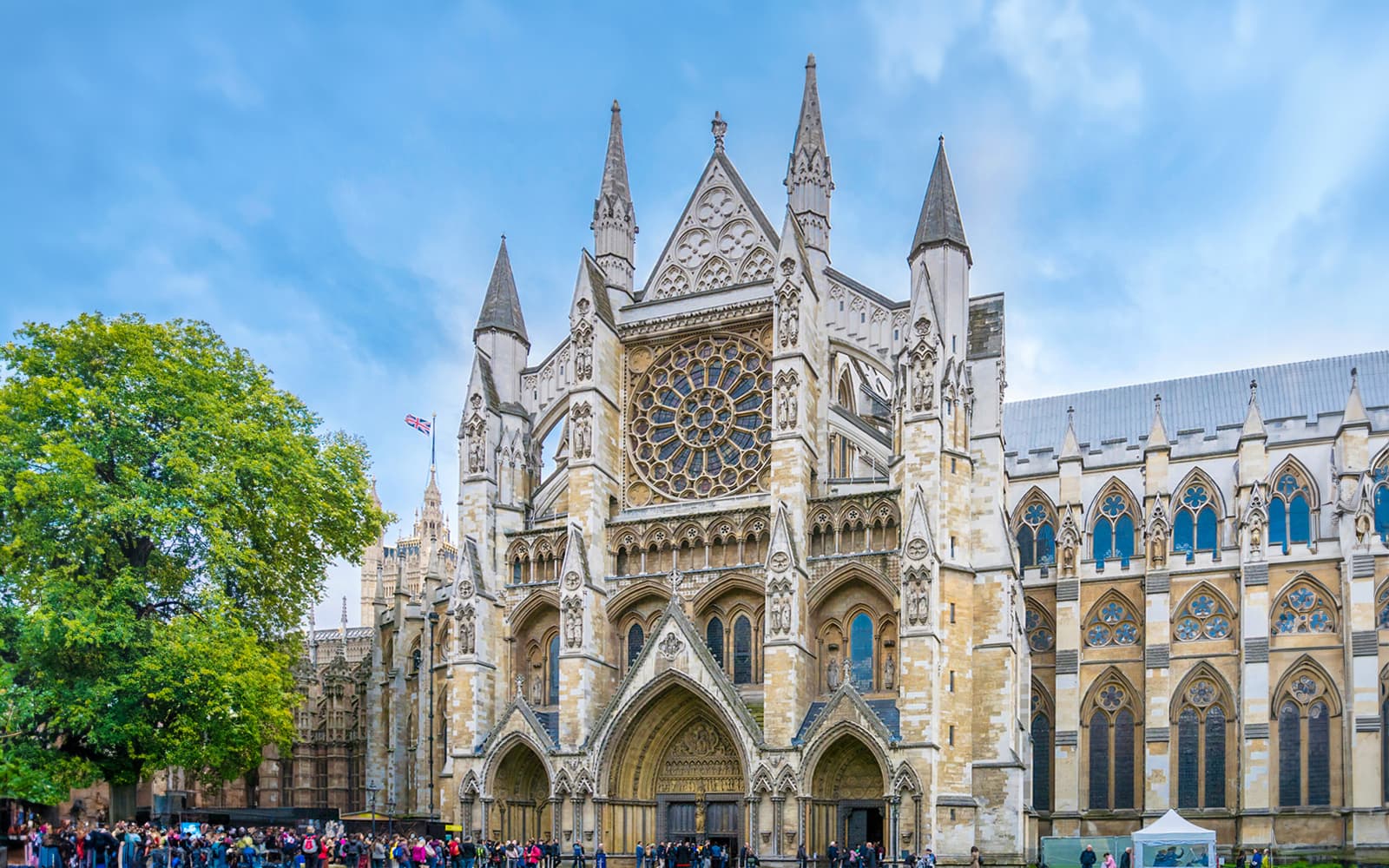
- Entrance: visitors enter by the North Door, facing Parliament Square, through an airport-style security check.
- Bags: nothing larger than 40cm × 30cm × 25cm is admitted, and there is no cloakroom — leave luggage at Victoria or Charing Cross station storage before you arrive.
- Nearest Tube: Westminster (Jubilee, Circle and District lines) is three minutes' walk; St James's Park station (Circle and District) is five.
- Time to allow: 1.5–2.5 hours for the full route; add 30 minutes for the Jubilee Galleries.
Moving through a working church
The Abbey asks the same fluency any great sacred building does. Dress with a little consideration — shoulders covered reads as respect rather than rule-following here. Personal photography is welcome through most of the church, without flash, tripods or selfie sticks; the Shrine and the Jubilee Galleries are photography-free, as are services. If a service begins while you are inside, sections such as the Quire may close temporarily — treat it as the building breathing rather than an obstruction, and let the choir reroute your visit for ten minutes.
Reality check: the queue you can't skip
- A timed online ticket bypasses the ticket-purchase line but not the security queue — everyone funnels through the same North Door check.
- Arriving 10–15 minutes before your slot is enough; arriving much earlier gains nothing, as early entry is not offered.
- Late arrivals are usually admitted within a window of the booked slot, but on capacity days this is not guaranteed — treat the slot time as real.
The Westminster circuit around the Abbey
Few landmarks reward pairing like this one. Big Ben and the Houses of Parliament stand directly across the square; St James's Park begins two minutes west and leads, in a ten-minute walk past the lake, to Buckingham Palace. A morning Abbey slot, lunch near the park, then the Palace front and the return through Whitehall makes one of London's great half-days on foot — and a guided walking tour threads the same ground with the stories attached. For the wider sweep of the city's heritage and monuments, or to see how the Abbey ranks among London's top 20 experiences, the map keeps unfolding from Parliament Square.

Reality check: what to combine — and what not to
- The Abbey plus Big Ben's exterior, St James's Park and Buckingham Palace fit comfortably in one day on foot.
- Do not stack the Abbey and the Tower of London in a single day if you want either done properly — the Tower of London needs three to four hours of its own, and both punish a rushed visit.
- Westminster Cathedral, by contrast, pairs easily — it is free, fifteen minutes away, and its bell-tower gallery makes a calm coda to an Abbey morning.
Plan your visit to the coronation church
Three decisions shape a visit to Westminster Abbey: come Monday to Saturday if the monuments matter, book the 9.30am slot online for the quietest route and the free annual-pass upgrade, and decide up front whether this is a standard-entry trip or the deeper version — the verger tour to the Confessor's shrine, the Jubilee Galleries above the nave. Whichever you choose, the Abbey repays attention the way few buildings anywhere can: a thousand years of coronations, burials and daily worship still running on schedule. Start planning your London trip on Travjoy, where every experience is researched and approved by local experts.



.svg&w=1920&q=75)