



Singapore Weekend Getaway: The Smart 48-Hour Itinerary
19 min read

Author
SHARE BLOG
TABLE OF CONTENTS
- Two days is enough to cover Marina Bay, the Gardens by the Bay conservatories, Sentosa, and two of Singapore's best heritage neighbourhoods.
- The MRT reaches almost everywhere — skip taxis for daytime sightseeing and save the Grab app for late nights.
- Book the Gardens by the Bay conservatories and the Wings of Time show in advance; walk-up queues on weekends can cost you 30–45 minutes.
- Hawker centres are where Singapore's food culture actually lives — know the three worth visiting and arrive before the lunch rush.
- Saturday morning is the best time to hit Marina Bay; Sunday afternoons on Sentosa get crowded fast.
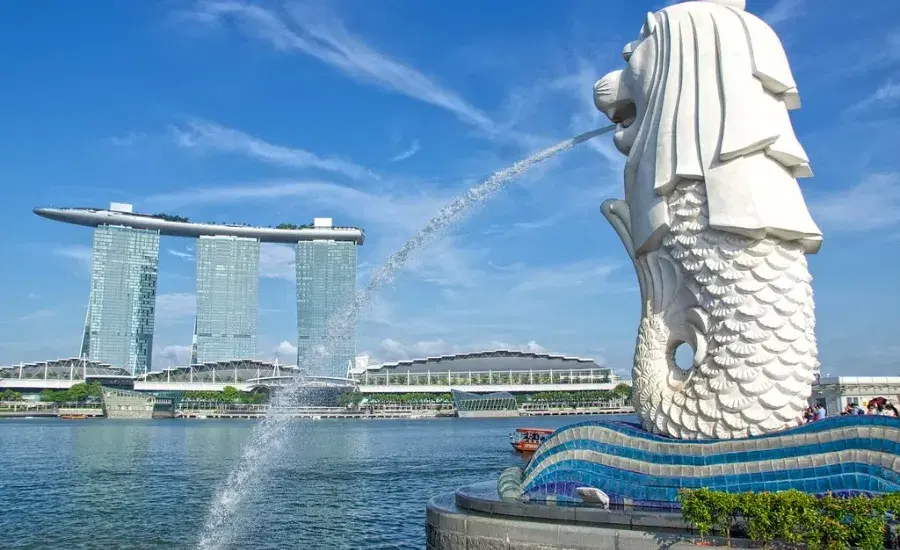
A Singapore weekend getaway gives you just enough time to cover the city's three defining layers — the glittering Marina Bay waterfront, Sentosa's beaches and theme parks, and the cultural shophouse districts of Chinatown and Kampong Glam. Two days works best when you front-load the big-ticket attractions on Saturday and use Sunday for slower neighbourhood exploration and food. Pre-book the Gardens by the Bay conservatories and Wings of Time to avoid losing time in queues you didn't plan for.
Singapore is one of the few cities in Asia where a weekend trip doesn't feel like a compromise. The MRT is fast and cheap, the top attractions sit within two or three stops of each other, and the food — whether you spend S$5 at a hawker stall or S$150 at a rooftop bar — is reliably excellent. The trap most first-timers fall into is trying to cover everything. This guide doesn't do that. It focuses on what actually works in 48 hours: a Saturday built around Marina Bay and Sentosa, a Sunday that moves through Singapore's best cultural neighbourhoods at a human pace, and specific food and timing advice throughout so you're not just consulting a list of attractions.
Why Singapore Works So Well as a Weekend Destination
Most cities that claim to be "easy for a weekend" overstate the case. Singapore doesn't. The island is small — you can cross it by MRT in under 45 minutes — and its infrastructure is built for short, efficient travel. There are no language barriers, no confusing transit systems, and no guesswork around safety. For visitors from South Asia, Southeast Asia, and the Middle East, it's also one of the easiest places in the region to get a visa.
A City Built for Short Stays
Singapore's attractions cluster sensibly. Marina Bay, Gardens by the Bay, and the Marina Bay Sands Skypark are all within a 20-minute walk of each other. Chinatown, Maxwell Food Centre, and the Buddha Tooth Relic Temple are a five-minute stroll apart. Kampong Glam and Haji Lane are two MRT stops from Little India. This geographic logic means you spend very little time in transit between the things you actually came to see.
The EZ-Link card — Singapore's reloadable transit card — covers buses and MRT. Top it up at any MRT station on arrival. A single MRT journey rarely costs more than S$2.50, and the trains run from around 5:30am to midnight daily.
Best Time of Year for a Weekend in Singapore
Singapore sits just one degree north of the equator, which means the temperature stays between 25°C and 33°C year-round. Rain is possible any month, but the wettest period runs from November to January. The most comfortable months for outdoor sightseeing are February through April, when humidity is lower and afternoon showers are less frequent. If you're visiting during a school holiday period — especially June and December — book Gardens by the Bay and Sentosa attractions at least a week in advance, as weekend crowds are significantly heavier.
What You Can Realistically Cover in 2 Days
In 48 hours, you can do Marina Bay (evening skyline walk and the Spectra light show), Gardens by the Bay (both conservatories and the Supertree Grove), Sentosa (one full evening or morning), Maxwell Food Centre, Chinatown, Kampong Glam, Sultan Mosque, and a hawker dinner at Lau Pa Sat. That leaves out the Singapore Zoo, Pulau Ubin, the National Museum, and the Botanic Gardens — all of which are worth a return trip. Trying to squeeze them into the same 48 hours means rushing everything and enjoying nothing.
Day 1: Marina Bay, Gardens by the Bay, and Sentosa
Saturday is for Singapore's big-ticket sights. The logic is simple: start at the Marina Bay waterfront, spend the late morning and afternoon at Gardens by the Bay, then head to Sentosa for the evening. This order keeps you moving with the sun rather than against it — you'll be inside the conservatories during the hottest part of the afternoon, and outdoors at the Supertrees once it cools down.
Morning — Jewel Changi Airport (If You're Arriving Saturday)
If your flight lands on Saturday morning, don't rush past Changi Airport on the way into the city. The Jewel Changi Airport is legitimately worth an hour of your time. The Rain Vortex — a 40-metre indoor waterfall that drops through the centre of the building — is the tallest indoor waterfall in the world, and the surrounding forest valley is free to walk through. Shops open at 10am; the Canopy Park on level 5 has paid attractions (the Hedge Maze and sky nets), but the Rain Vortex itself costs nothing to see. Keep baggage storage in mind — it runs S$6 to S$19 per 24 hours in the Jewel.
Mid-Morning to Afternoon — Gardens by the Bay and the Marina Bay Waterfront
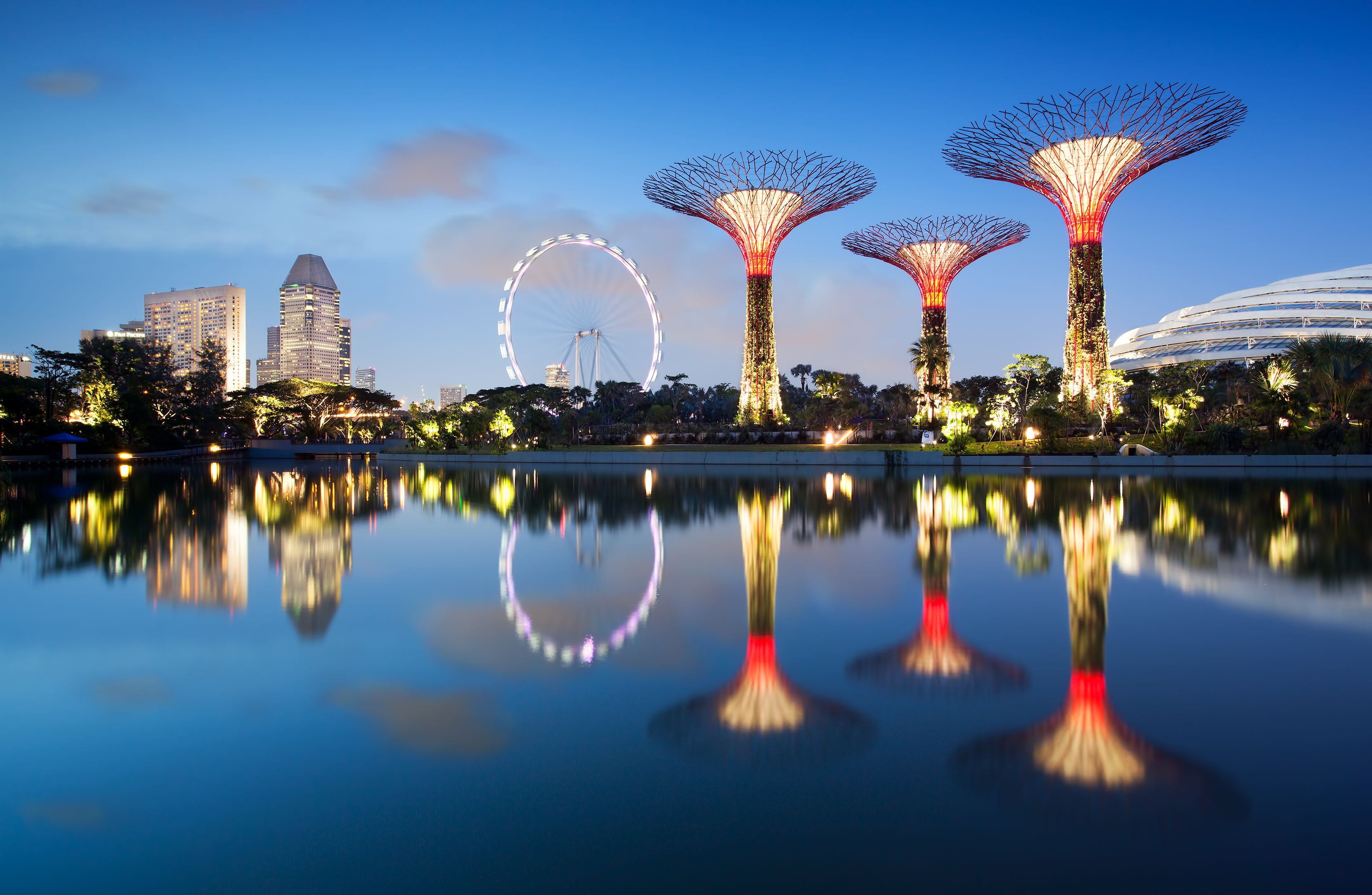
Take the MRT to Bayfront station (Circle or Downtown Line) and head to Gardens by the Bay first, before the afternoon crowds arrive. The outdoor Supertree Grove and the waterfront promenade are free. The two paid conservatories — the Flower Dome and the Cloud Forest — are where most visitors spend the majority of their time.
Gardens by the Bay — Key Facts (2025–2026)
- Flower Dome: Approximately S$28 for adults (individual ticket); holds the Guinness World Record as the world's largest glass greenhouse
- Cloud Forest: Approximately S$28 for adults; features a 35-metre indoor waterfall and the Jurassic World: The Experience exhibit (S$14 additional fee applies from May 2025)
- Combo ticket (both conservatories): Approximately S$48 for adults, S$28 for children
- Outdoor Supertree Grove and Garden Rhapsody light show: Free
- Garden Rhapsody show times: 7:45pm and 8:45pm nightly (check current schedule — Earth Hour and maintenance dates affect show availability)
- Opening hours: Conservatories open 9am–9pm; outdoor gardens open 5am–2am
- Getting there: Bayfront MRT, Exit B, then cross Dragonfly Bridge
The Cloud Forest is the more dramatic of the two conservatories — the mountain covered in living vegetation, the mist, and the waterfall are unlike anything else in Singapore. The Flower Dome is better for those who want to move at a slower pace through nine themed garden zones. If you only have time for one, pick the Cloud Forest. If you're with children, the Jurassic World exhibit inside the Cloud Forest makes it the clear choice. Allow 45 minutes to 1.5 hours per conservatory.
After the conservatories, walk the waterfront promenade toward the Marina Bay Sands Skypark observation deck. The views from the 57th floor take in the full sweep of Singapore's skyline, the Supertrees behind you, and the Strait on the far horizon. Tickets are approximately S$26 for adults. The infinity pool belongs exclusively to hotel guests — but the observation deck gives you most of the view without the room rate. Arrive around 5:30pm to catch the light shifting before the Spectra light show at 8pm.
The Spectra light and water show on the Event Plaza outside Marina Bay Sands runs at 8pm nightly (and at 9pm on Fridays and Saturdays). It's free, lasts around 15 minutes, and works best viewed from the waterfront promenade opposite the hotel. No tickets, no booking — just show up.
Evening — Sentosa
From Marina Bay, it's a short MRT ride (or a 15-minute Grab) to Sentosa. The island packs in beaches, Universal Studios, the SEA Aquarium, and multiple outdoor adventure attractions — more than you can do in one evening. Pick one anchor experience and build around it.
Sentosa — Choose Your Evening
- Best for couples: Wings of Time (outdoor laser, fire, and water show on Siloso Beach) — runs at 7:40pm and 8:40pm, tickets from S$23. Book ahead; it sells out on Saturday nights.
- Best for families: Universal Studios Singapore — closes at 9pm or 10pm depending on the day; check the schedule. Day tickets from S$83 for adults.
- Best if you're keeping it simple: Walk Siloso Beach at sunset, then dinner at one of the beachside restaurants on Palawan or Tanjung Beach.
Getting to Sentosa: take the MRT to HarbourFront and walk across via the Sentosa Boardwalk (free), or take the Sentosa Express monorail from VivoCity (S$4 return). The Sentosa Cable Car from Mount Faber is another option — the views are excellent, and it connects to various points on the island.
Day 2: Chinatown, Kampong Glam, and Little India
Sunday is for moving more slowly through Singapore's heritage neighbourhoods. These three districts — each shaped by a different immigrant community — sit within a few MRT stops of each other and reward the kind of unhurried street-level exploration that Day 1 doesn't leave room for. Start early to beat the midday heat and to catch hawker stalls before they run out.
Morning — Maxwell Food Centre and Chinatown
Start at Maxwell Food Centre by 9am, before the lunch crowd arrives. This is one of Singapore's most visited hawker centres — made more famous after Anthony Bourdain cited Tian Tian Hainanese Chicken Rice as his favourite place to eat in the city. Tian Tian (#01-10/11) holds a Michelin Bib Gourmand award and typically draws a queue by 11am; if you're there early, you'll walk straight up. A plate of chicken rice runs S$4–S$6. If the queue is already long, the stall next door — Ah Tai Hainanese Chicken Rice, run by a former Tian Tian head cook for over 20 years — is a worthy alternative with far shorter waits.
After breakfast, walk the five minutes from Maxwell to the heart of Chinatown. The Sri Mariamman Temple on South Bridge Road — a Tamil Hindu temple that dates to 1827 — is one of the most photographed buildings in the district and free to enter (remove shoes before stepping inside). The Buddha Tooth Relic Temple two minutes away is equally striking, with an elaborate roof garden on the fourth floor.
Mid-Morning — Kampong Glam and Haji Lane
Take the MRT two stops north to Bugis and walk into Kampong Glam. This is Singapore's Malay and Arab quarter — a district of restored shophouses, perfume traders, Arab Street textiles, and the gold-domed Sultan Mosque (Masjid Sultan). The mosque was built in 1824 and remains the most important Islamic site in Singapore. Non-Muslim visitors are welcome outside of prayer times (dress conservatively; robes are available at the entrance if needed).
Haji Lane, a narrow alley running parallel to Arab Street, has become one of Singapore's best streets for independent boutiques and coffee. It's best visited before noon on Sundays, when foot traffic is still manageable. Look for wall murals that tell different parts of the district's history.

Afternoon — Little India and Tekka Centre
From Bugis, it's one MRT stop or a pleasant 15-minute walk to Little India. The neighbourhood runs along Serangoon Road and is the most visually dense of Singapore's three heritage districts — temple garlands, spice shops, sari stores, and the smell of incense moving through the same narrow streets. The Sri Veeramakaliamman Temple on Serangoon Road has been at the centre of the community since 1855.
The Tekka Centre on the edge of Little India is a two-level market with a wet market below and a hawker food court above. It's one of the more local-feeling hawker centres in the city — fewer tourists, more neighbourhood regulars, and some of the best South Indian food in Singapore. Allauddin's Briyani (a Michelin-recommended stall) serves chicken briyani for around S$6. Go before 1pm before the better stalls sell out.
Evening — Tiong Bahru or Lau Pa Sat for Dinner
For a final dinner, you have two distinct options. Lau Pa Sat is the most famous hawker centre in the CBD — housed in a Victorian-era cast-iron market building from 1894, and one of Singapore's national monuments. It's busiest on weekday lunch hours (office crowds), so Sunday evenings are the ideal time to visit without fighting for a seat. From 7pm, Boon Tat Street directly outside closes to traffic and becomes Satay Street, where charcoal grills line the road and skewers of chicken, mutton, and prawn sell for under S$1 each. Try stalls #7 and #8 — they consistently draw the longest queues and the most repeat visitors.
If you'd prefer something quieter, take the MRT one stop to Tiong Bahru — Singapore's oldest housing estate, now home to a cluster of independent cafés and small restaurants in beautifully preserved 1930s Art Deco architecture. Tiong Bahru Market and Food Centre on the ground floor of the estate serves local dishes from early morning, and the surrounding streets have good dinner options at mid-range restaurant prices.
Singapore's Best Hawker Food — What to Order and Where
Hawker culture in Singapore is UNESCO Intangible Cultural Heritage — recognised in 2020 as an expression of the city's multicultural identity. These open-air food courts bring together dozens of specialist stalls under one roof, with dishes starting at S$3 and rarely exceeding S$10. Each centre has its own character, and the food quality at a good hawker stall is often better than what you'd find at a mid-priced restaurant. Knowing what to order before you arrive makes the difference between a memorable meal and standing in the wrong queue for 20 minutes.
The Three Hawker Centres Worth Planning Around
Maxwell Food Centre (Chinatown, open 8am–10pm) is the right first hawker centre for most visitors. The Hainanese chicken rice at Tian Tian is the anchor, but the centre's range — from Cantonese roast meats to Thai stir-fries to Fuzhou fishball noodles — means there's something for every palate at the same table. Go before 11am or after 2pm to avoid the worst queues.
Lau Pa Sat (CBD, open 24 hours for most stalls; Satay Street opens at 7pm) earns its reputation primarily in the evenings. The heritage building alone is worth the trip, but the real draw is Satay Street — a concentrated strip of charcoal grills and outdoor tables that doesn't exist anywhere else in Singapore quite like this. Avoid it for lunch on weekdays; the office crowds make it a different experience.
Tekka Centre (Little India, open from 6am) is the one hawker centre that feels most like a neighbourhood market rather than a tourist attraction. The South Indian and Malay food here is exceptional, and the Allauddin's Briyani stall is one of the few hawker venues that has earned repeated Michelin recognition. It's the best place in Singapore to have a proper South Indian breakfast — idli, dosa, and filter coffee — before the rest of the city wakes up.
Five Dishes Worth Ordering
- Hainanese chicken rice: Poached chicken over fragrant rice, served with ginger-chilli sauce and dark soy. Order at Tian Tian (Maxwell) or Ah Tai next door.
- Char kway teow: Flat rice noodles wok-fried with cockles, egg, bean sprouts, and dark soy. Smoky from high heat — look for stalls with a visible wok flame.
- Laksa: Spiced coconut broth with rice noodles, prawns, and cockles. Richer and heavier than most Southeast Asian noodle soups — it's a morning or early afternoon dish, not a late dinner.
- Satay: Charcoal-grilled skewers of chicken, mutton, or prawn with peanut sauce and compressed rice (ketupat). Lau Pa Sat's Satay Street from 7pm is the best setting in the city.
- Kaya toast with soft-boiled eggs: The classic Singapore breakfast — charcoal-grilled bread spread with coconut-pandan jam, served with eggs cracked into a bowl and seasoned with dark soy and white pepper. Available at most hawker centres from early morning.

Hawker Etiquette — What You Need to Know
Reserving a seat with a packet of tissue paper is not rude — it's the standard practice in Singapore. Place your tissue pack or any small item on a chair to hold your spot while you order from multiple stalls. Each stall operates independently; you order and pay at the stall, then carry your food to your table. Cash is often preferred, though cards are increasingly accepted. Most hawker centres are open-air, which means it's warm — find a seat with a fan if you can, dress light, and drink plenty of water.
Practical Tips for Your Singapore Weekend Trip
A well-planned weekend in Singapore doesn't require an expensive tour package or a bloated itinerary. What it does require is knowing how to move efficiently, where to stay, and what to budget. The decisions you make here — especially around transport and accommodation location — have the biggest impact on how much you actually enjoy the 48 hours you have.
Getting Around — MRT vs Grab
The MRT is the right call for 90% of daytime movement. Trains run every 3–5 minutes during peak hours, the signage is clear in English, and the network reaches every major attraction mentioned in this guide. An EZ-Link card (S$10, including S$5 stored credit) is the most efficient way to pay — tap in and out at the turnstiles without fussing with single-journey tickets.
Use Grab (Singapore's equivalent of Uber) for late-night travel, when you're carrying luggage, or when you're moving to Sentosa from the CBD. Fares between most central points run S$8–S$18 depending on time of day and demand. Surge pricing on Saturday nights in Clarke Quay and the Marina Bay area is common after 10pm.
What a Weekend in Singapore Costs
Singapore has a reputation as an expensive destination, and it can be — but the gap between a budget visit and a premium one is wide, and there's a sensible mid-point most visitors land at comfortably.
- Budget (S$120–180/day per person): Hostel dorm or budget hotel in Chinatown or Bugis. Three hawker meals. MRT for all transport. Free outdoor attractions plus one paid entry (e.g. Gardens by the Bay conservatories combo at S$48).
- Mid-range (S$250–400/day per person): A 3-star hotel in the CBD or Tanjong Pagar. Mix of hawker lunches and restaurant dinners. MRT plus one or two Grab rides. Two or three paid attractions per day.
- Premium (S$500–900+/day per person): A 5-star hotel in Marina Bay or Orchard Road. Rooftop bars, one or two fine-dining meals. Grab for most transport. Full attraction access including Marina Bay Sands Skypark, Universal Studios, and private tours.
Travjoy's curated selection of Singapore experiences has been put together with this range in mind — every option on the platform has been researched and vetted by local experts, so you're not spending time second-guessing what's worth booking.
Where to Stay by Neighbourhood
Location matters more in Singapore than hotel star ratings. The right neighbourhood puts you within walking distance of morning hawker visits and evening waterfront walks.
- Marina Bay / CBD: Walking distance to Gardens by the Bay, Lau Pa Sat, and the Marina Bay waterfront. Premium prices — mid-range hotels start at S$200/night. Best for: first-timers who want maximum access without relying on transport.
- Chinatown / Tanjong Pagar: Close to Maxwell Food Centre, the MRT to Sentosa, and the CBD. More character than the Marina Bay hotel strip; wider price range. Best for: travellers who want to walk out the door into Singapore's food culture.
- Kampong Glam / Bugis: Well-connected by MRT; close to Haji Lane and Arab Street. A good choice for travellers who want to be near the cultural districts without the premium of the waterfront.
What to Skip If You're Short on Time
The Singapore Flyer observation wheel is easy to romanticise, but on a short trip, the Marina Bay Sands Skypark gives you better value for the views. The Night Safari is excellent but adds a third venue to an already full Saturday — save it for a longer trip. Newton Food Centre is worth visiting, but it's further from the main sightseeing corridor and has historically attracted higher prices from hawker stalls that cater to tourists. If you're choosing between Newton and Maxwell, choose Maxwell.
Plan Your Singapore Weekend Getaway with Travjoy
Singapore rewards the traveller who plans — not obsessively, but with enough thought to get the timing right, book the conservatories before they sell out, and know which hawker stall to walk up to first. The attractions in this guide are all bookable and browsable on Travjoy's Singapore page, where you'll find everything from Gardens by the Bay tickets to river cruises and Sentosa experiences, each one hand-picked after thorough research and approval by local experts. Browse the Singapore Top 20 if you want a shortcut to the most-loved experiences before you build your own itinerary.
A 48-hour trip to Singapore isn't a compromise — it's one of the most efficient ways to experience a world-class city. Get the order right, eat at the right hawker centres, and you'll leave with a clear sense of what Singapore is and a list of reasons to come back longer next time.

.svg&w=1920&q=75)