



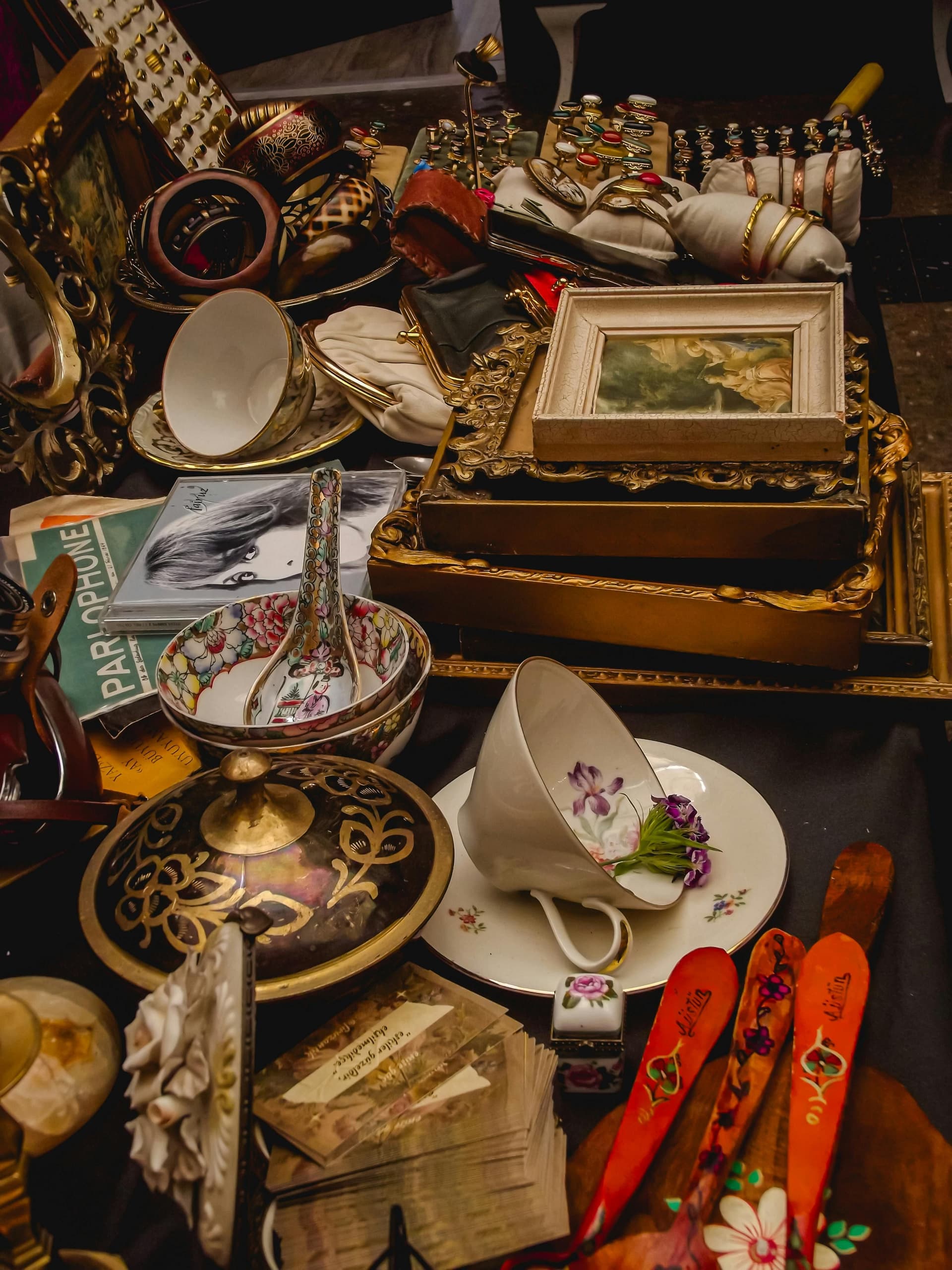
Singapore Flea Markets & Weekend Markets: A Local Guide
16 min read

Author
SHARE BLOG
TABLE OF CONTENTS
- Singapore has both permanent street markets (open daily) and rotating pop-up flea markets (mostly weekends) — plan around both for the best experience.
- Bugis Street Market and Chinatown Street Market are the two largest permanent markets, with items starting from SGD 1 (~USD 0.75).
- Recurring flea markets like Fleawhere and Katong Square Vintage Market run every weekend, while seasonal bazaars like the Geylang Serai Ramadan Bazaar draw massive crowds annually.
- Most flea markets are free to enter. Carry cash and PayNow for smaller vendors — not all stalls accept cards.
Singapore flea markets range from permanent covered bazaars with 800+ stalls to intimate weekend pop-ups where local sellers unpack vintage finds from a single suitcase. The best markets for visitors include Bugis Street for budget souvenirs, Katong Square for vinyl and collectibles, and Cosford Container Park for a combined food-and-flea experience — most are free to enter and accessible by MRT.
Singapore's mall culture gets most of the attention — and for good reason, with multi-storey complexes lining Orchard Road and Marina Bay. But step off the air-conditioned escalator, and you'll find a parallel shopping world that locals have always preferred on weekends. Flea markets, thrift fairs, vintage pop-ups, and neighbourhood pasar malam (night markets) offer something that no mall can: one-off finds, direct conversations with makers, and the particular energy of an outdoor market where the food is as much of a draw as the merchandise.
Whether you're after a pair of SGD 15 jeans at Bugis Street, a 1970s vinyl pressing at Katong Square, or handmade jewellery from a Sunday pop-up on Sentosa, this guide covers every type of market you'll find in Singapore — permanent, recurring, and seasonal — with the practical details you need to plan a visit.
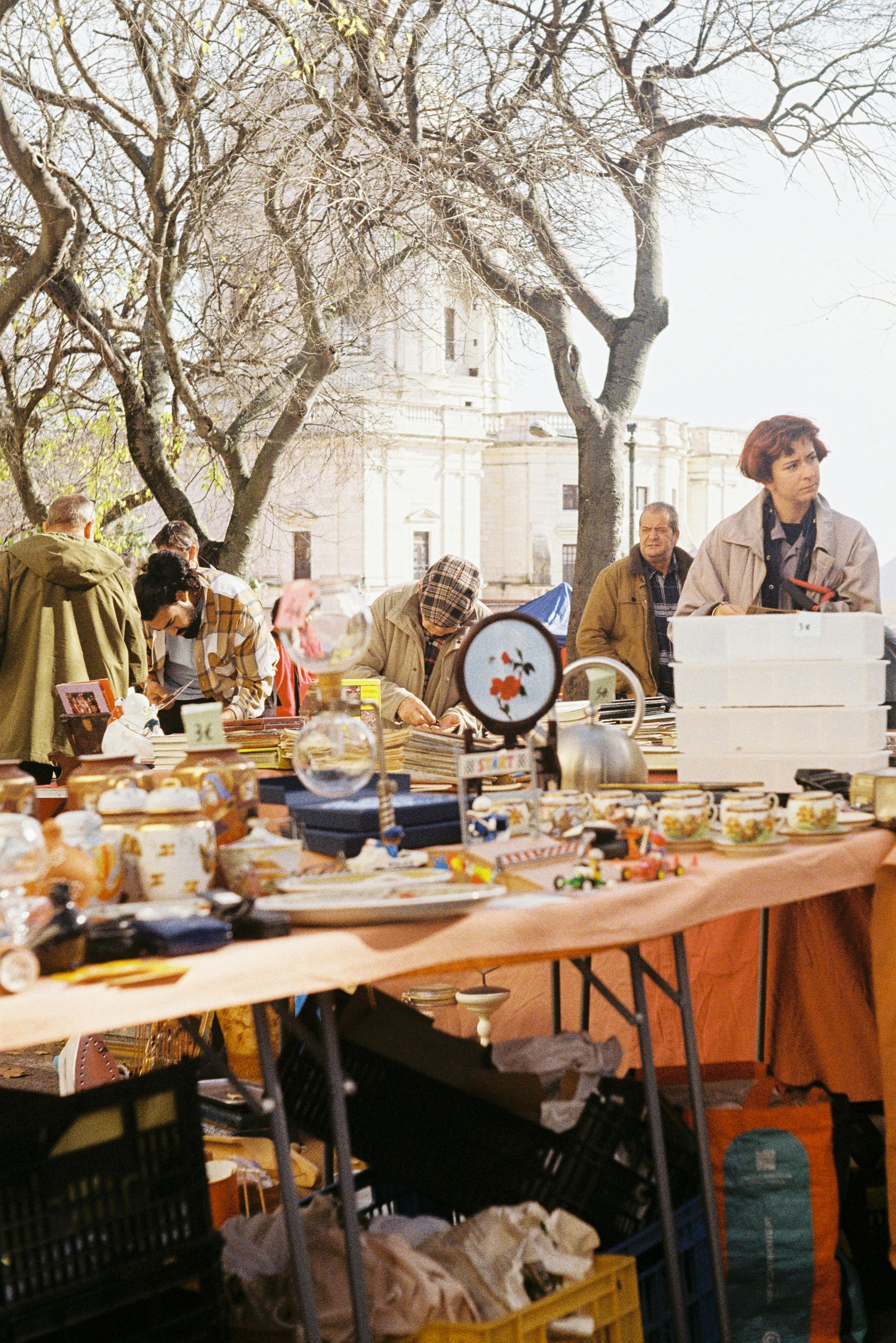
Permanent Street Markets You Can Visit Any Day
If your schedule doesn't line up with a weekend pop-up, Singapore's permanent street markets deliver a reliable market experience every day of the week. These are the city's established bazaars — covered, MRT-accessible, and open from morning until late evening.
Bugis Street Market
Singapore's largest street market packs more than 800 stalls into a covered, maze-like complex next to Bugis MRT station. The market is unapologetically budget-oriented — keychains from SGD 1 (~USD 0.75), T-shirts from SGD 10 (~USD 7.50), jeans from SGD 15 (~USD 11), and sunglasses from SGD 5 (~USD 3.75). It's the go-to spot for affordable souvenirs, trendy fast fashion, phone accessories, and cosmetics.
The covered layout means rain won't interrupt your shopping, and the adjacent Albert Centre hawker market serves full meals from around SGD 3.50 (~USD 2.60) when the browsing gets tiring. On weekends, an outdoor Art Lane hosts vintage clothing sellers and live music — a different feel from the main market's commercial bustle. Bugis Street was recently ranked among the top 10 night markets globally, recognition that says as much about its accessibility as its atmosphere.
- Address: 3 New Bugis Street, Singapore 188867
- Opening hours: Daily, 10 AM – 10 PM (some stalls open until 11 PM on weekends)
- Nearest MRT: Bugis (East-West Line / Downtown Line) — 3-minute walk
- Entry: Free
- Best for: Budget souvenirs, trendy fashion, first-time visitors
Explore the full range of things to do nearby at Bugis Street Market on Travjoy.
Chinatown Street Market
Spread across Pagoda Street, Trengganu Street, Sago Lane, and Smith Street near Chinatown MRT, this market doubles as a souvenir bazaar and an open-air food street. The area sits within Singapore's designated Chinatown Historic District, and the surrounding heritage shophouses add architectural character to the shopping experience. During the day, stalls sell Chinese silk, ceramic plates, calligraphy art, lacquered goods, and the usual tourist keepsakes. After sunset, the food stalls take over — hawker-style dishes like satay, roast duck, kway teow, and laksa go for around SGD 5–10 (~USD 3.75–7.50) per plate.
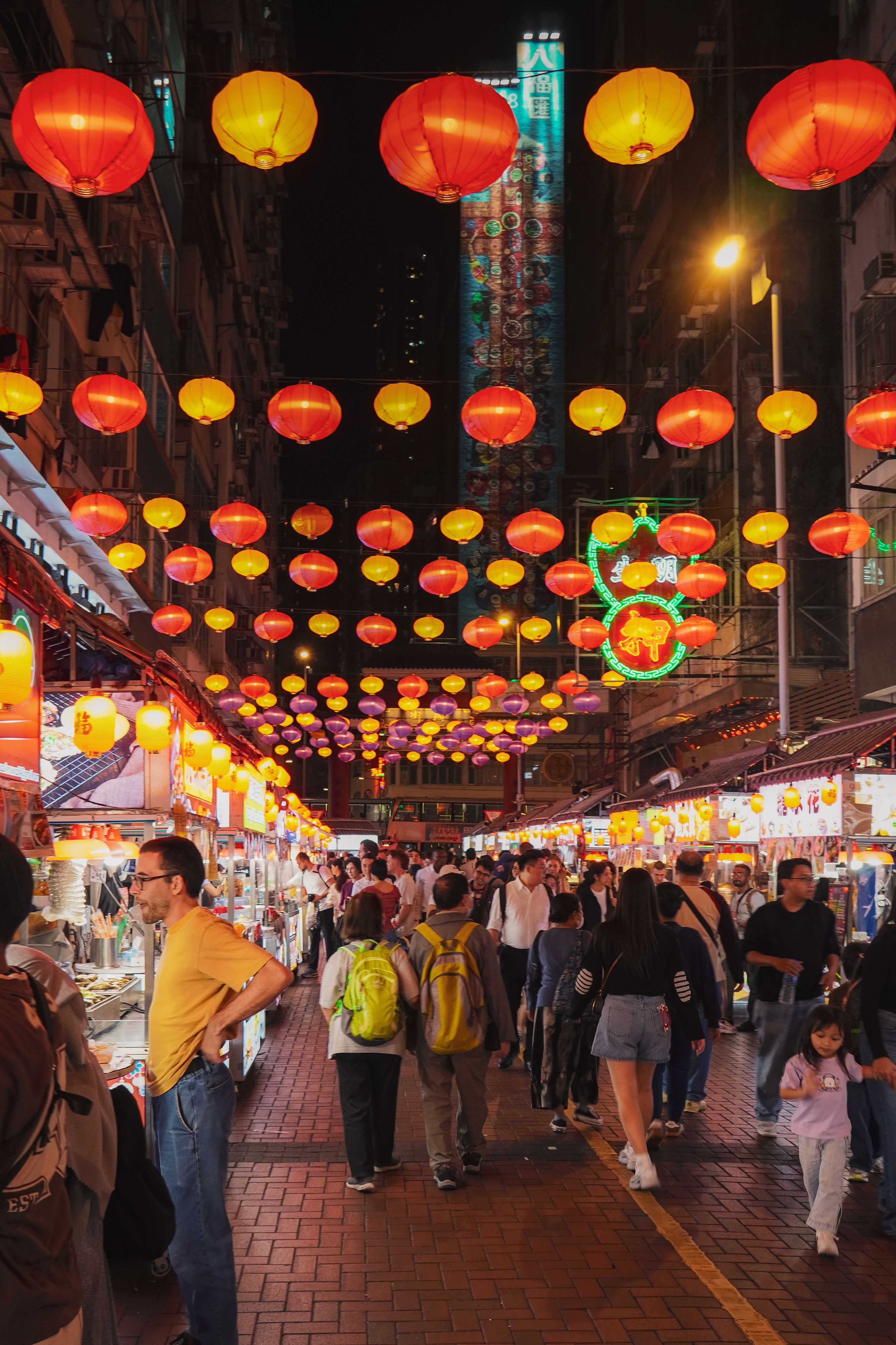
The evening atmosphere is the real draw. Bright lanterns light up the narrow streets, and the mix of food smoke and crowd noise gives Chinatown its signature energy. If you're visiting during Chinese New Year (January–February), expect festive decorations, special food vendors, and significantly larger crowds.
- Location: Pagoda Street, Trengganu Street, and surrounding lanes
- Opening hours: Daily, 8:30 AM – 11 PM (food stalls open until midnight)
- Nearest MRT: Chinatown (Downtown Line / North-East Line) — Exit A
- Entry: Free
- Best for: Souvenirs, street food, evening atmosphere
See the full visitor guide to Chinatown Street Market on Travjoy for more details.
Geylang Serai Market
This renovated two-storey market in the heart of Singapore's Malay quarter is less about trinkets and more about food and culture. The ground floor is a traditional wet market — fishmongers, butchers, and produce vendors serving the local Malay and Indian-Muslim community. The upper floor is a bustling hawker centre where you can eat nasi lemak, curry puffs, mee rebus, and goreng pisang at prices that rarely exceed SGD 5 (~USD 3.75) a plate.
For visitors, Geylang Serai offers an unfiltered look at everyday Singaporean market culture — far from the tourist-facing polish of Bugis or Chinatown. It's also the epicentre of the annual Ramadan Bazaar (more on that below), which transforms the surrounding streets into one of Southeast Asia's largest festive markets.
- Address: 1 Geylang Serai, Singapore 402001
- Opening hours: Daily, 6 AM – 10 PM (hawker centre stays open later)
- Nearest MRT: Paya Lebar (East-West Line / Circle Line) — 10-minute walk
- Entry: Free
- Best for: Authentic Malay cuisine, cultural immersion, food-focused visitors
Plan your visit at Geylang Serai Market on Travjoy.
Little India Arcade
Tucked into the heritage shophouses along Serangoon Road, Little India Arcade is an indoor market selling Indian textiles, silk shawls, spices, jewellery, incense, and Ayurvedic products. Henna tattoo parlours are scattered throughout, and the surrounding food stalls serve authentic South Indian dishes — dosas, biryanis, and roti prata at hawker prices. Because it's fully indoors, it's a comfortable browse in any weather.
- Address: 48 Serangoon Road, Singapore 217959
- Opening hours: Daily, 9 AM – 10 PM
- Nearest MRT: Little India (Downtown Line / North-East Line)
- Entry: Free
- Best for: Indian textiles, spices, cultural souvenirs, henna
Recurring Flea Markets and Pop-Up Weekend Markets
Singapore's pop-up market scene runs almost entirely on weekends. Unlike the permanent street markets, these rotating flea markets change vendors regularly, which means every visit turns up different finds. Most are free to enter and cluster in central, MRT-accessible locations.
Fleawhere @ Dhoby Ghaut
One of Singapore's largest recurring flea markets, Fleawhere runs every Saturday and Sunday at Staytion Lifestyle Centre near Dhoby Ghaut MRT. The focus is firmly on thrifted fashion — secondhand clothes, accessories, and lifestyle goods at prices that often start around SGD 5 (~USD 3.75). Vendors change weekly, so regular visitors rarely see the same stock twice. The indoor setting keeps things comfortable regardless of the weather.
- Address: 11 Orchard Road, B1-13 Dhoby Ghaut, Singapore 238826
- When: Every Saturday and Sunday, 12 PM – 6 PM
- Nearest MRT: Dhoby Ghaut (North-South Line / North-East Line / Circle Line)
- Entry: Free
Katong Square Lifestyle & Vintage Market
If you're drawn to vinyl records, retro cameras, antique watches, and vintage fashion, Katong Square on East Coast Road is the market to find. Vendors are mostly hobbyists and serious collectors, so the quality of finds tends to be higher — and the conversations more interesting — than at a typical thrift stall. The heritage Katong neighbourhood adds character, with Peranakan shophouses and old-school coffee shops within walking distance.
- Address: 88 East Coast Road, Singapore 423371
- When: First and third weekends of each month (Friday–Sunday, hours vary)
- Nearest MRT: Paya Lebar (East-West Line / Circle Line) — 15-minute walk or short bus ride
- Entry: Free
Cosford Container Park Weekend Market
Singapore's largest outdoor F&B container park doubles as a monthly weekend market venue, with themed editions that rotate between vintage fashion, handmade crafts, artisan food, and carnival-style activities. The industrial-chic setting — repurposed shipping containers, string lights, live music — makes it one of the more photogenic market spots in the city. Food vendors are a major draw on their own, and the park's proximity to Changi Airport means you can combine a market visit with a late-afternoon stop before a flight.
- Address: 30 Cosford Road, Singapore 499550
- When: Selected weekends monthly (typically Saturday and Sunday, 1 PM – 9 PM)
- Entry: Free

Night at Orchard
Singapore's prime shopping strip gets a flea market of its own on the last weekend of selected months. Night at Orchard runs along the pedestrian walkway between Wisma Atria and Ngee Ann City, with vendors selling jewellery, perfumes, fashion, pet accessories, and artisanal goods from 3 PM to 10 PM. The evening timing and Orchard Road setting give this market a distinctly different energy from daytime thrift fairs — it's more curated, more social, and better lit for a casual evening browse.
- When: Last weekend of selected months, 3 PM – 10 PM (check schedules as dates vary)
- Location: Orchard Road, between Wisma Atria and Ngee Ann City
- Nearest MRT: Orchard (North-South Line)
- Entry: Free
Sunday Social Market at Sentosa
For a beachside alternative, Sunday Social Market sets up along Palawan Beach Walk on Sentosa during the first weekend of most months. Around 25 local vendors sell sustainable fashion, beachwear, handmade accessories, and artisanal snacks. The sunset views and relaxed pace make it more of an afternoon outing than a serious shopping mission — though the craft quality tends to be high. Check their social media for confirmed dates, as scheduling can shift.
- When: First weekend of most months, 4 PM – 9 PM
- Location: Palawan Beach Walk, Sentosa
- Entry: Free (Sentosa island entry fees may apply)
Seasonal and Festive Markets Worth Planning Around
Some of Singapore's most memorable market experiences are tied to the cultural calendar. These seasonal bazaars draw tens of thousands of visitors, and if your trip overlaps with one, it's worth rearranging your itinerary to attend.
Geylang Serai Ramadan Bazaar
The largest Ramadan bazaar in Singapore runs for roughly five weeks between February and March each year, centred around Wisma Geylang Serai and the surrounding streets. In 2026, the bazaar ran from 14 February to 21 March with around 500 stalls — 150 dedicated to food and drinks, the rest selling Hari Raya clothing, accessories, and festive goods.
The food is the main draw. Expect traditional Malay fare like Ramly burgers, keropok lekor, vadai, and air kathira alongside Instagram-ready modern fusion stalls. All F&B vendors must be halal-certified or halal-consultant approved. The bazaar stays open from 10 AM until close to midnight daily, with extended hours on the eve of Hari Raya.
Geylang Serai Ramadan Bazaar — At a Glance
- When: Approximately mid-February to late March (dates shift annually with the Islamic calendar)
- Where: Geylang Serai Market area and surrounding streets, near Paya Lebar MRT
- Hours: 10 AM – midnight daily
- Entry: Free
- Don't miss: The Hari Raya Light-Up, which illuminates the streets with festive decorations from the bazaar's opening night
Kampong Glam Ramadan Bazaar
Running concurrently with Geylang Serai but in the Arab Quarter of Kampong Glam, the Kampong Glam bazaar spreads across Baghdad Street, Kandahar Street, and Sultan Gate Park. It's smaller and more neighbourhood-focused, with around 100 stalls, live music performances, and cultural workshops including Arabic calligraphy and storytelling sessions. The setting beside Sultan Mosque adds a layer of atmosphere that the larger Geylang Serai bazaar can't match. Walk over from Haji Lane in Kampong Glam to combine boutique shopping with bazaar browsing.
Pasar Malam — Singapore's Travelling Night Markets
The Malay term "pasar malam" translates to "night market," and in Singapore, these temporary bazaars rotate through HDB (public housing) neighbourhoods throughout the year. A pasar malam typically sets up for one to three weeks at a time in open fields or carpark areas near MRT stations, then moves on to the next location.
Stalls serve fried snacks, ramly burgers, muah chee, takoyaki, and sugarcane juice alongside non-food vendors selling household goods, clothing, and toys. Unlike the permanent markets, pasar malam schedules are published just weeks in advance — local sites like Ahboy.com maintain updated calendars. If one happens to be running near your hotel during your stay, it's worth the detour for a slice of heartland Singapore that most tourists never see.
What to Buy at Singapore's Flea Markets
The range across Singapore's flea markets and weekend markets is wider than you might expect. Here's what to look for at different types of markets:
- Vintage clothing and thrifted fashion: Fleawhere and The Luggage Market specialise in secondhand apparel. Expect prices from SGD 1–20 (~USD 0.75–15) per item. Katong Square leans toward curated vintage — slightly higher prices but better-quality finds.
- Vinyl records and retro collectibles: Katong Square Vintage Market and Resurrack Vintage Market (weekly at Bugis) are the main spots for vinyl, old cameras, retro toys, and pop culture memorabilia.
- Handmade jewellery and artisan crafts: Makers' Markets (rotating locations at Pasir Ris, Punggol, and other suburban malls) and the Me-You Market focus on independent designers and local creators.
- Budget souvenirs and trinkets: Bugis Street and Chinatown Street Market are the best-value options — keychains, magnets, postcards, and "I Love SG" merchandise from SGD 1 (~USD 0.75).
- Fresh produce and artisanal food: City Sprouts Gardeners' Market (second Saturday of each month) sells fresh vegetables, baked goods, and eco-friendly household products from local growers.
- Cultural and festive items: Ramadan bazaars for traditional Malay clothing and halal treats, Chinatown for Chinese silk and calligraphy art, Little India Arcade for Indian textiles and spices.
Practical Tips for Market Shopping in Singapore
A few details that make the difference between a comfortable market visit and a sweaty, confused one.
When to Go
Weekday mornings are quietest at the permanent markets — arrive before noon at Bugis or Chinatown for the best browsing experience. Weekend pop-ups typically run Saturday and Sunday only, with the widest vendor selection and biggest crowds between 2 PM and 6 PM. If you're visiting a night market or pasar malam, the sweet spot is between 7 PM and 9 PM — enough stalls are open, the heat has eased, and the atmosphere is at its liveliest.
How to Pay
Cash remains the safest bet at smaller stalls and pop-up flea markets. Carry SGD 50–100 in small denominations (SGD 2, 5, 10 notes). Many vendors also accept PayNow (Singapore's instant bank transfer system), which you can use if your bank supports QR-based transfers. Credit cards are accepted at larger permanent stalls and malls adjacent to market areas, but don't rely on them exclusively.
Getting There by MRT
Every major market in this guide sits within a 10-minute walk of an MRT station. Bugis, Chinatown, Little India, and Dhoby Ghaut stations are all on at least two MRT lines, making them easy to reach from anywhere in the city. For Katong Square, take the East-West Line to Paya Lebar and walk or grab a short bus ride east along East Coast Road.
What to Wear and Bring
Singapore's humidity sits above 80% year-round, so lightweight, breathable clothing and comfortable walking shoes are essential. Outdoor markets — especially pasar malam and Cosford Container Park — have no air conditioning, so plan accordingly. Bring a reusable bag (many flea market vendors don't provide carrier bags), sunscreen for daytime markets, and an umbrella for sudden rain showers.
Bargaining Etiquette
Bargaining is common at Bugis Street and Chinatown, especially for clothing, accessories, and souvenirs. A polite "can you do a better price?" usually gets a 10–20% discount, particularly if you're buying multiple items. At flea markets and pop-ups with independent sellers, prices are typically fixed — the items are already priced to sell. Don't bargain at food stalls or hawker centres; prices there are firm.
Which Markets Are Best for You?
With so many options, the right market depends on what you're after and how much time you have. Here's a comparison of the top Singapore flea markets and weekend markets by traveller type:
| Market | Type | Best For | Frequency | Price Range |
|---|---|---|---|---|
| Bugis Street Market | Permanent | Budget shoppers, souvenir hunters | Daily | SGD 1–50 (~USD 0.75–37) |
| Chinatown Street Market | Permanent | Evening atmosphere, food lovers | Daily | SGD 1–30 (~USD 0.75–22) |
| Geylang Serai Market | Permanent | Cultural immersion, Malay cuisine | Daily | SGD 3–10 (~USD 2.25–7.50) |
| Fleawhere @ Dhoby Ghaut | Recurring flea | Thrift fashion, sustainable shoppers | Every weekend | SGD 1–20 (~USD 0.75–15) |
| Katong Square Vintage | Recurring flea | Vintage collectors, vinyl lovers | 1st & 3rd weekends | SGD 5–200+ (~USD 3.75–150+) |
| Cosford Container Park | Monthly pop-up | Couples, foodies, photographers | Selected weekends | SGD 5–50 (~USD 3.75–37) |
| Night at Orchard | Monthly pop-up | Evening browsers, curated goods | Last weekend of select months | SGD 10–100 (~USD 7.50–75) |
| Geylang Serai Ramadan Bazaar | Seasonal | Festive food, cultural experiences | Feb–Mar annually | SGD 3–15 (~USD 2.25–11) |
If you're visiting for a long weekend, a practical combination would be Bugis Street or Chinatown on a weekday evening for permanent market energy, then a Saturday flea market like Fleawhere or Katong Square for one-off finds. If your visit happens to fall during Ramadan, the Geylang Serai and Kampong Glam bazaars are non-negotiable additions to your itinerary.
Best for families: Cosford Container Park (space, food variety, and activities for children) or Chinatown Street Market (wide walkways, food stalls, visual spectacle). Best for couples: Night at Orchard for a curated evening browse, or Sunday Social Market on Sentosa for a beachside afternoon. Best for solo travellers: Fleawhere for low-pressure thrifting, or Katong Square if you're a collector. Best for first-time visitors: Start with Bugis Street for the quintessential Singapore market experience — it's the biggest, the most accessible, and the most representative of what street-level shopping looks like in this city.
Make Singapore's Markets Part of Your Trip
Singapore's flea markets and weekend pop-ups sit at the intersection of culture, food, and the thrill of unscripted discovery. The permanent street markets give you a guaranteed experience any day of the week, while the rotating flea fairs reward visitors who time their trip around a specific weekend. Either way, a few hours at any market on this list will show you a side of Singapore that the malls and waterfront promenades don't — the side where locals actually shop, eat, and spend their Saturday afternoons.
Ready to build your Singapore itinerary around market hopping, hawker crawling, and neighbourhood exploring? Start planning your trip at Travjoy's Singapore guide — where every recommendation has been researched and approved by local experts so you can spend less time second-guessing and more time discovering.

.svg&w=1920&q=75)