



Things to See in London: A Complete Guide for Discerning Travellers
6 min read
Key Highlights
- London's headline sights cluster tightly along the Thames — the Tower of London, Tower Bridge and Westminster sit within one well-planned day.
- Most of the city's great museums — the British Museum, National Gallery, Natural History Museum and Tate Modern — are free to enter.
- Paid icons run roughly £27–£49 (about $34–$62) per adult in 2026; book timed-entry slots ahead for the Tower, the London Eye and Westminster Abbey.
- The best free skyline view is Sky Garden; the most photographed is The View from The Shard.
- Three unhurried days covers the icons, two world-class museums and one neighbourhood.
The essential things to see in London are the Tower of London, Tower Bridge, Westminster Abbey, Buckingham Palace and the London Eye — all within walking or short-Tube distance of the Thames. Most of the city's major museums, including the British Museum, the National Gallery and Tate Modern, are free, while paid icons cost roughly £27–£49 (about $34–$62) per adult in 2026. Three days is enough to cover the landmarks, two world-class museums and one neighbourhood at a comfortable pace.
London draws more than 30 million visitors a year, and most arrive with the same problem: a list far longer than the trip. The city rewards a plan. Its most famous sights are packed into a surprisingly walkable stretch along the river, which means the difference between a good day and a frustrating one is usually the order you do things in, not how much ground you cover.
This guide sorts the icons from the optional, tells you what each costs in 2026, and groups everything by area so your days flow rather than zig-zag. It is written for a second or third visit as much as a first — there are skyline alternatives to the obvious wheel, free viewpoints most lists skip, and a planning section that prioritises by who you are travelling with. If you want the shortlist version, our London icons collection gathers the marquee sights in one place.
The icons worth your first day
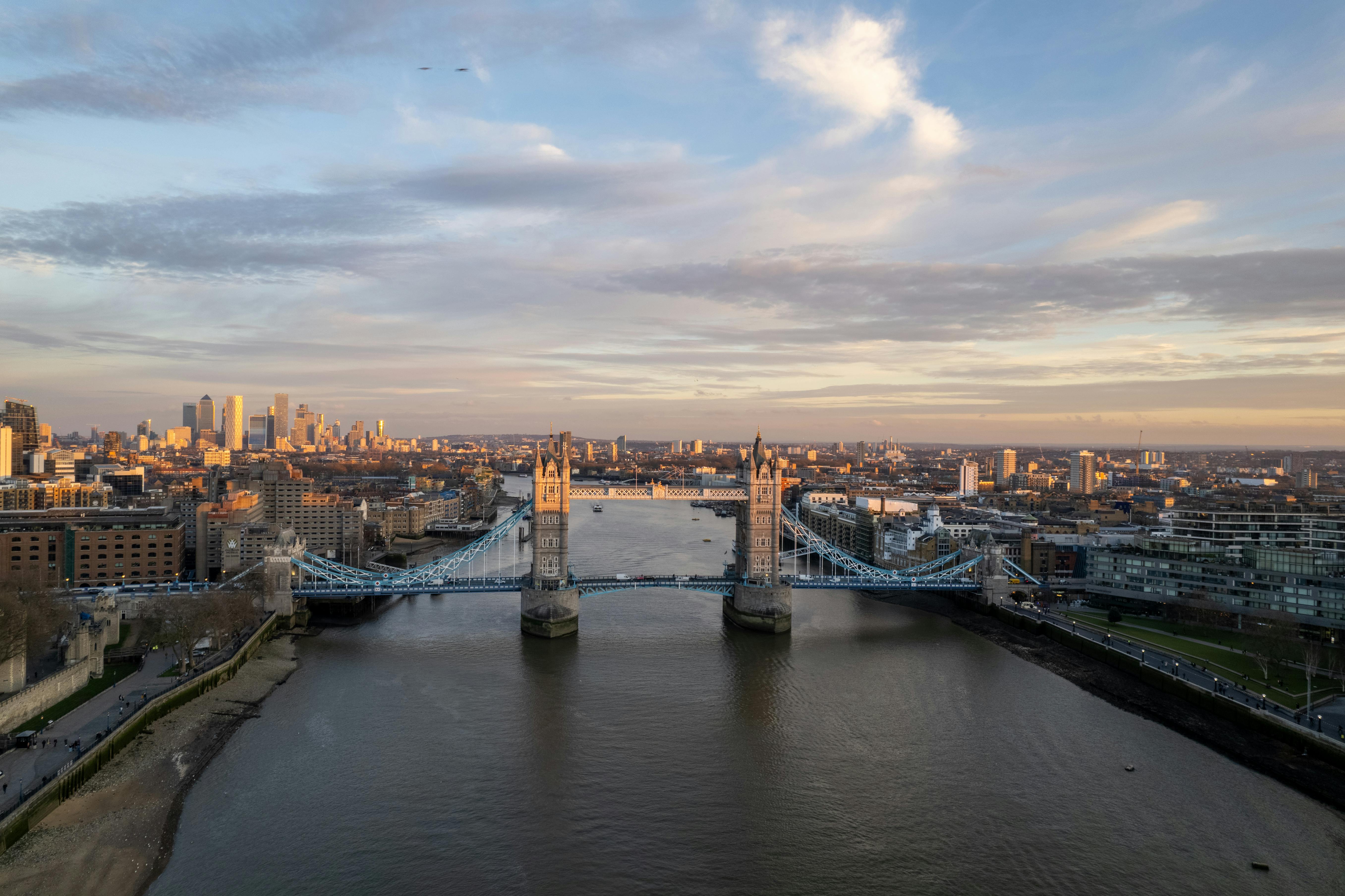
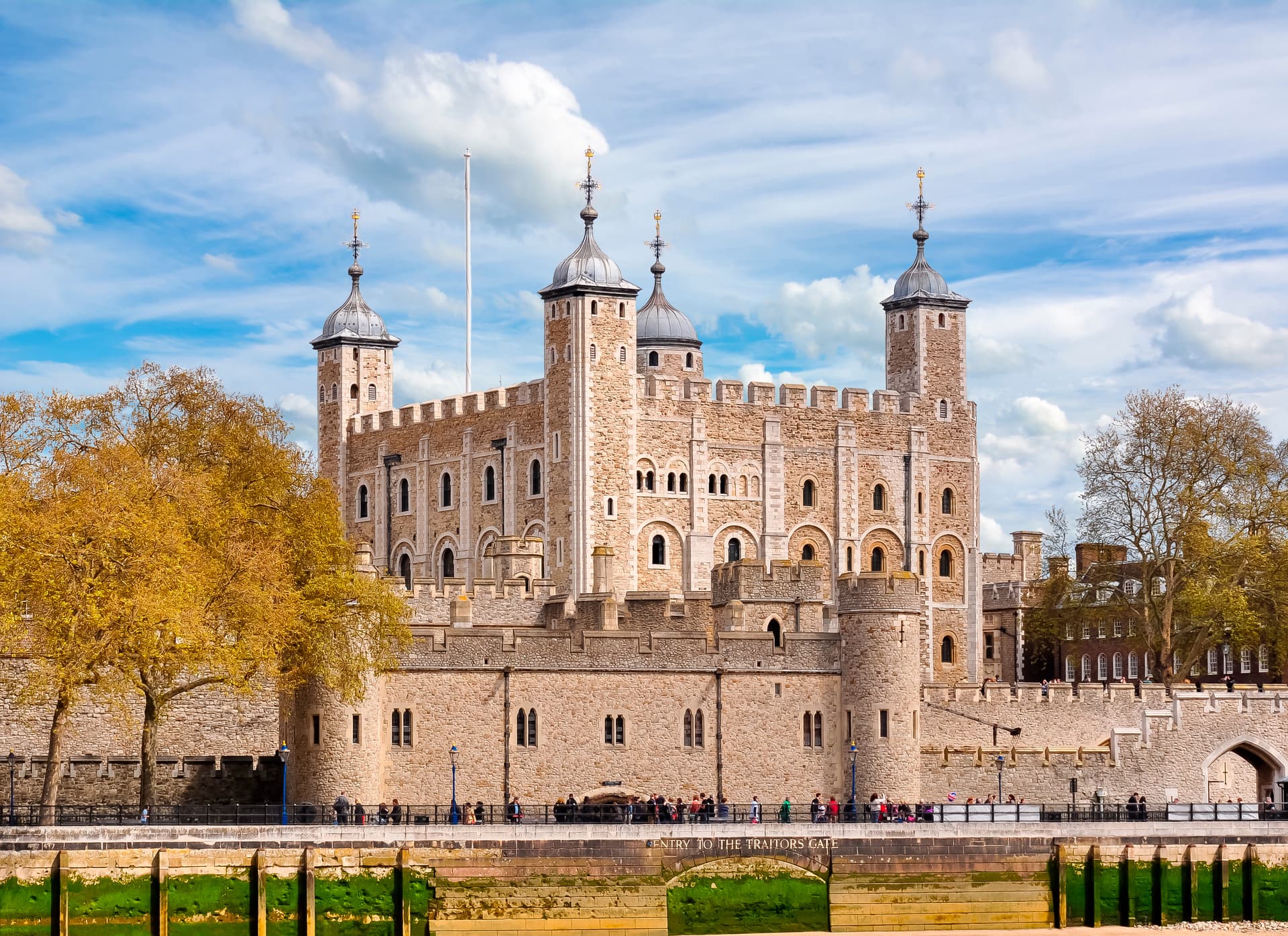
If you only have one day for landmarks, spend it on the eastern stretch of the Thames, where four of London's defining sights sit close together. Start at the Tower of London, the 900-year-old fortress that has been a palace, a prison and a treasury, and still guards the Crown Jewels. Cross the river on Tower Bridge — the Victorian bascule bridge people often mistake for London Bridge — and you are within easy reach of the City's skyline viewpoints.
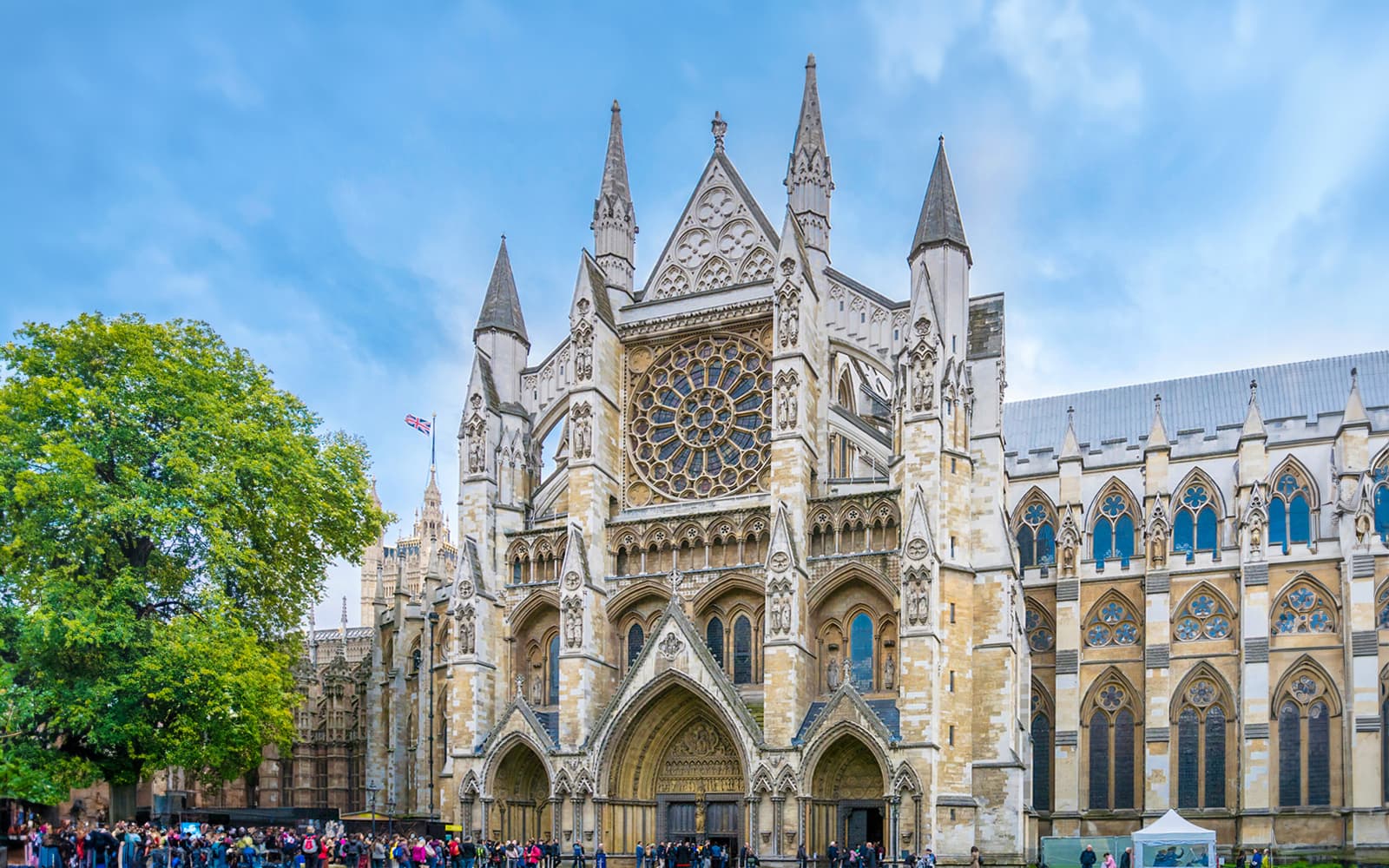
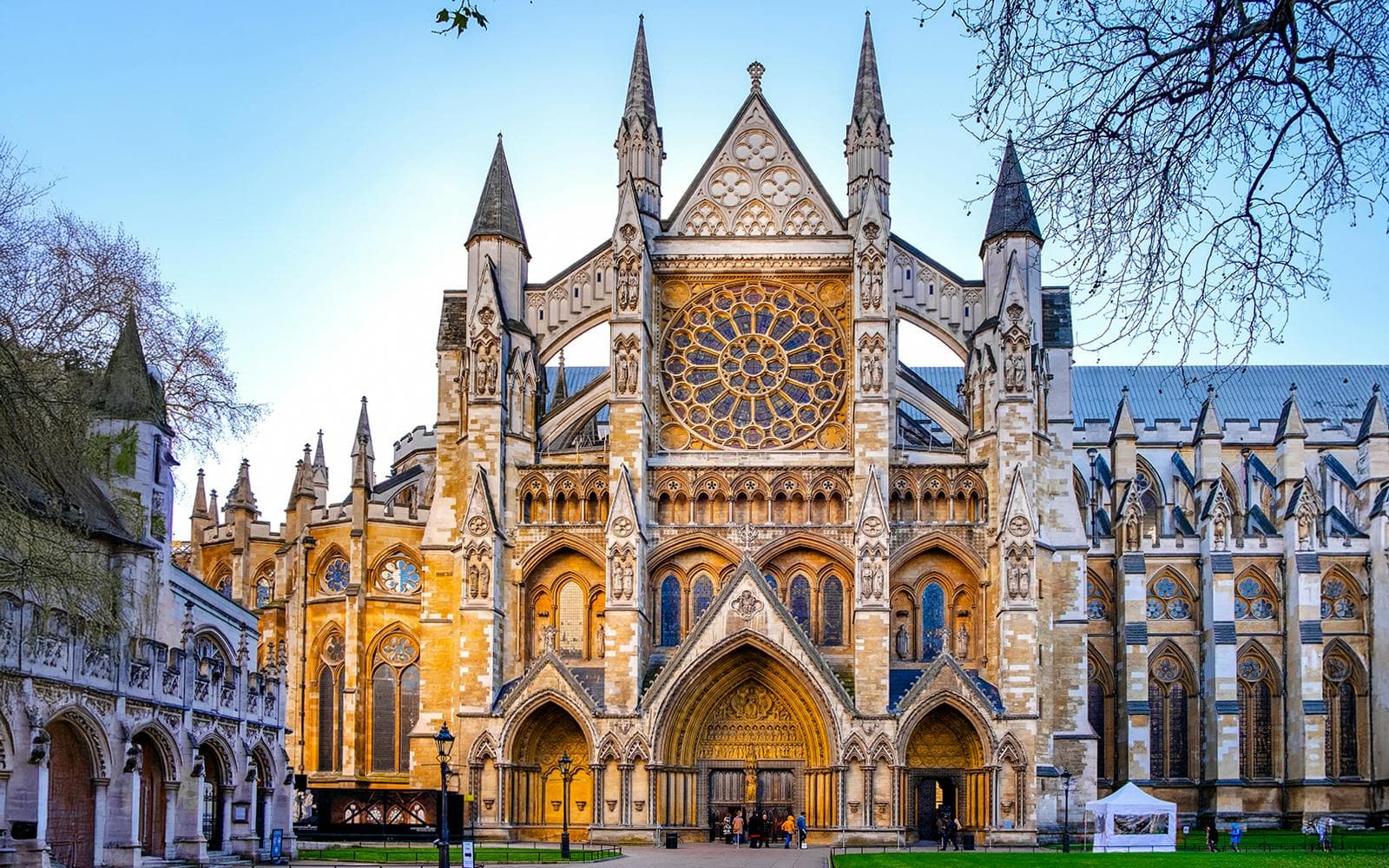
To the west, Westminster Abbey has crowned and buried English monarchs for nearly a thousand years; Big Ben and the Houses of Parliament stand just outside. Buckingham Palace, a ten-minute walk through St James's Park, hosts the Changing of the Guard — free to watch, but worth checking the schedule, as it does not run daily in winter.
What the icons cost in 2026
- Tower of London: from about £37 (around $47) per adult; allow 2.5–3 hours.
- Westminster Abbey: about £30 (around $38) per adult, multimedia guide included; allow 1.5 hours.
- Tower Bridge Exhibition: from about £13.40 (around $17) for the glass-floor walkway and engine rooms.
- Buckingham Palace State Rooms: open in summer only, from about £35 (around $44); the Changing of the Guard outside is free.
Getting between them
The eastern icons and Westminster sit on opposite sides of the centre, so do them as two clusters rather than crossing back and forth. The Tower and Tower Bridge are a five-minute walk apart; from there, the District or Circle line reaches Westminster in about fifteen minutes. A Thames Clipper river bus links the two ends directly and turns the transfer into a sightseeing leg in its own right.
The Changing of the Guard is the one fixed point worth planning around. It usually runs at 11am on selected days outside Buckingham Palace and takes about 45 minutes; arrive by 10:15 for a clear view along the railings, or watch the quieter handover at Horse Guards Parade instead. Check the official schedule the night before, as weather and ceremonial duties can cancel it at short notice.
Reality check: the Crown Jewels queue
- The Crown Jewels are the Tower's busiest spot. By late morning the line inside the Jewel House can run 30–45 minutes.
- Book the first entry slot of the day and walk straight to the Jewel House before anything else — you will often have it near to yourself.
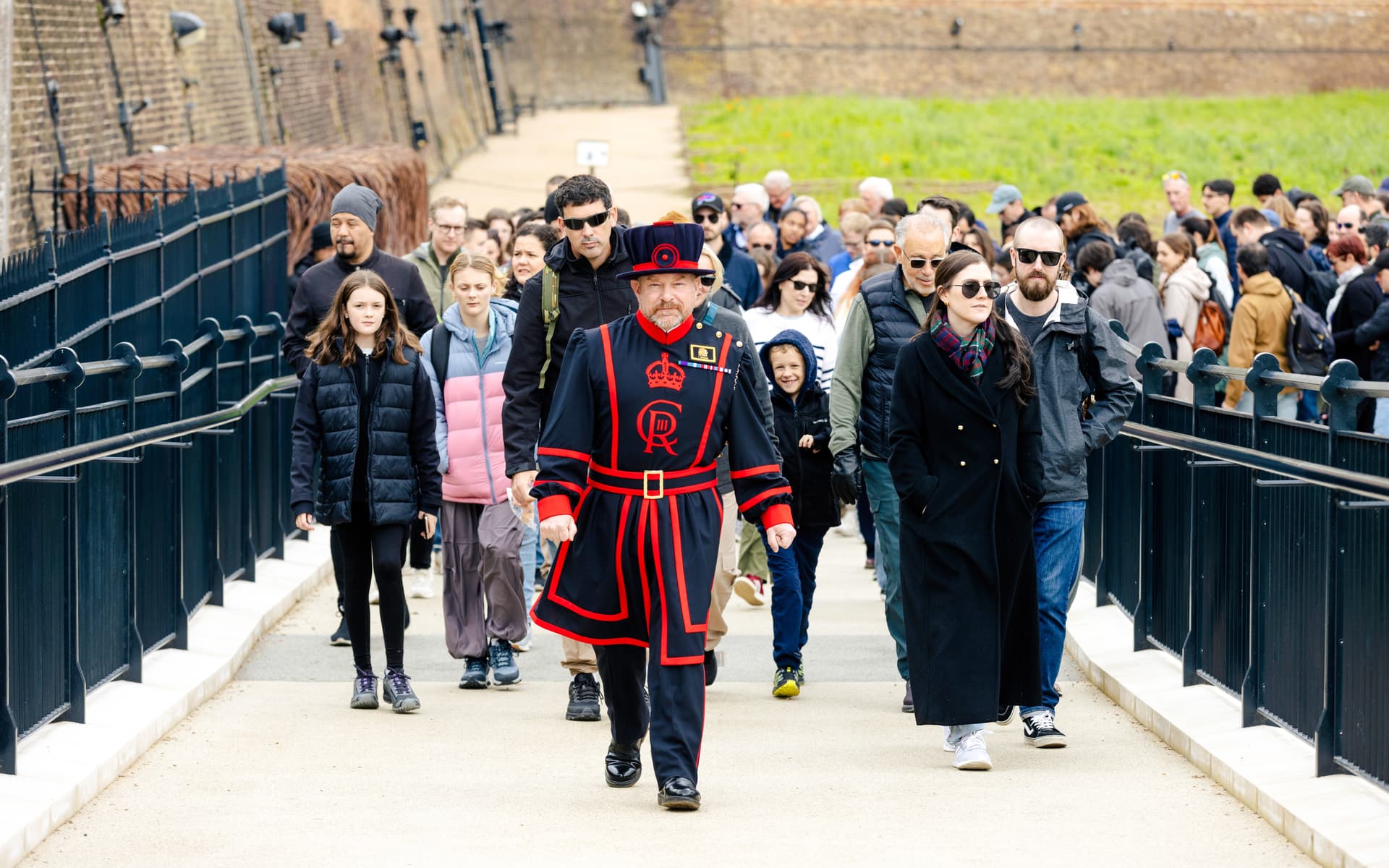
- Do the Yeoman Warder tour and the ravens afterwards, once the gates have opened to general admission.
The best views over London
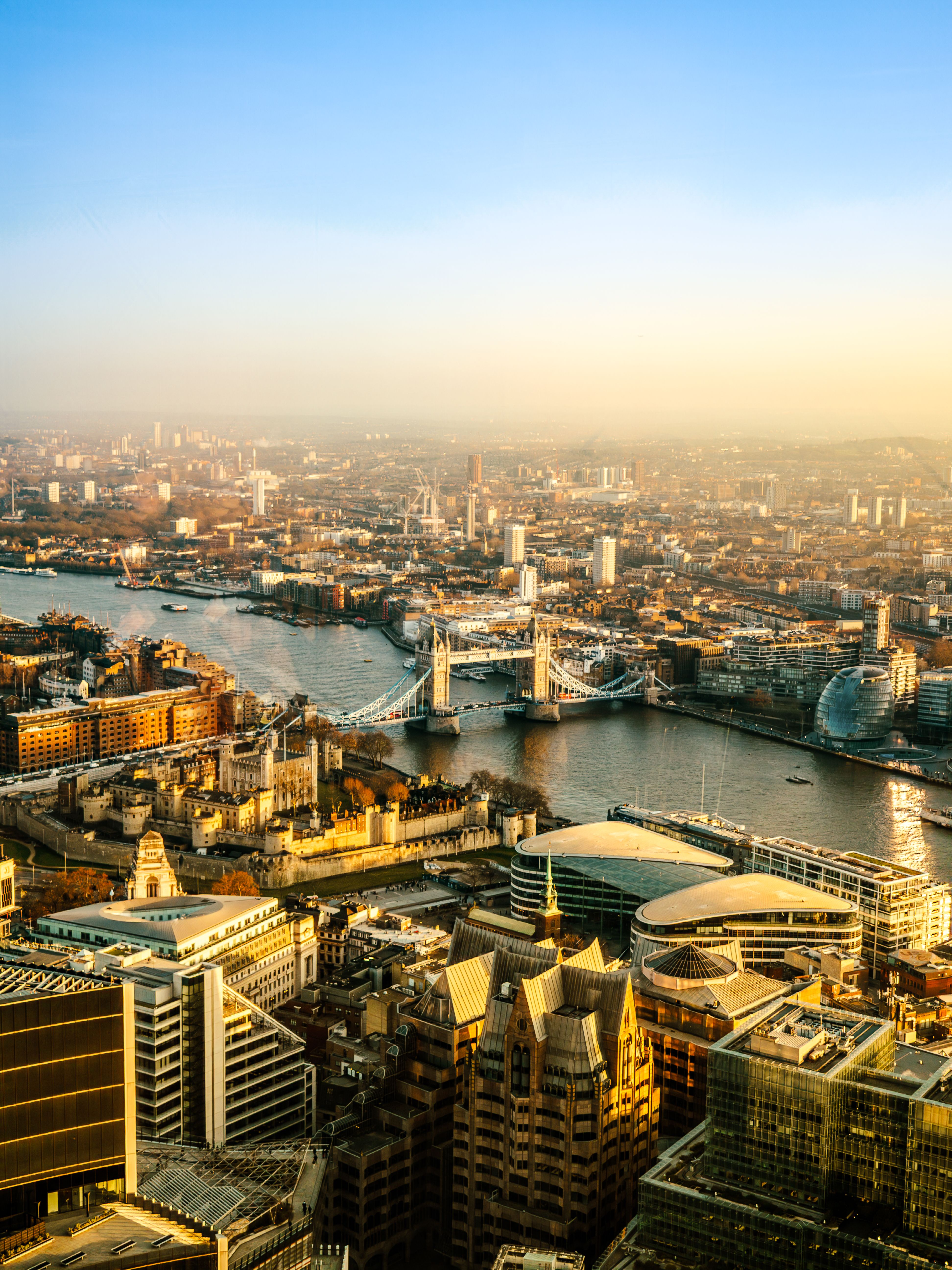
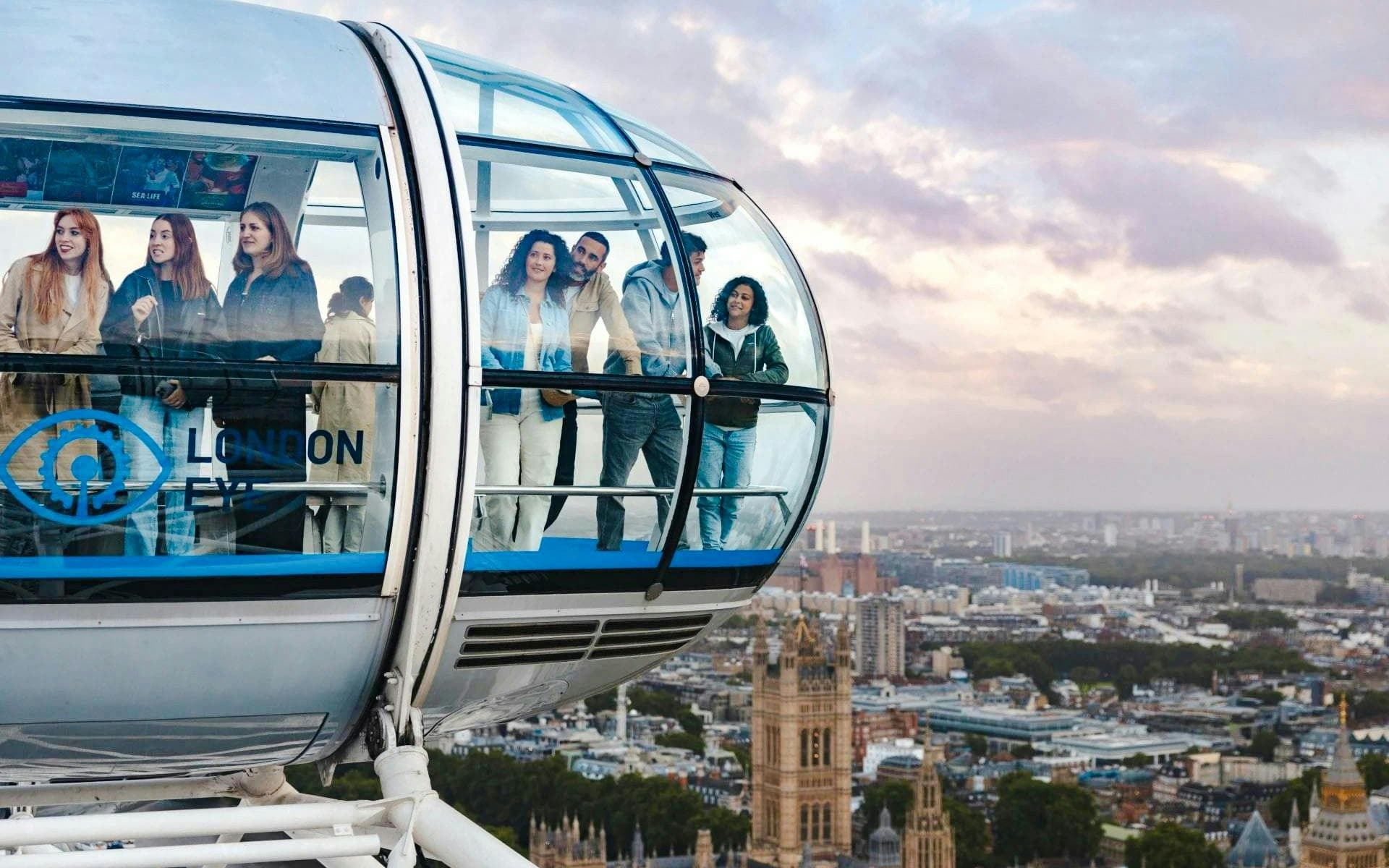
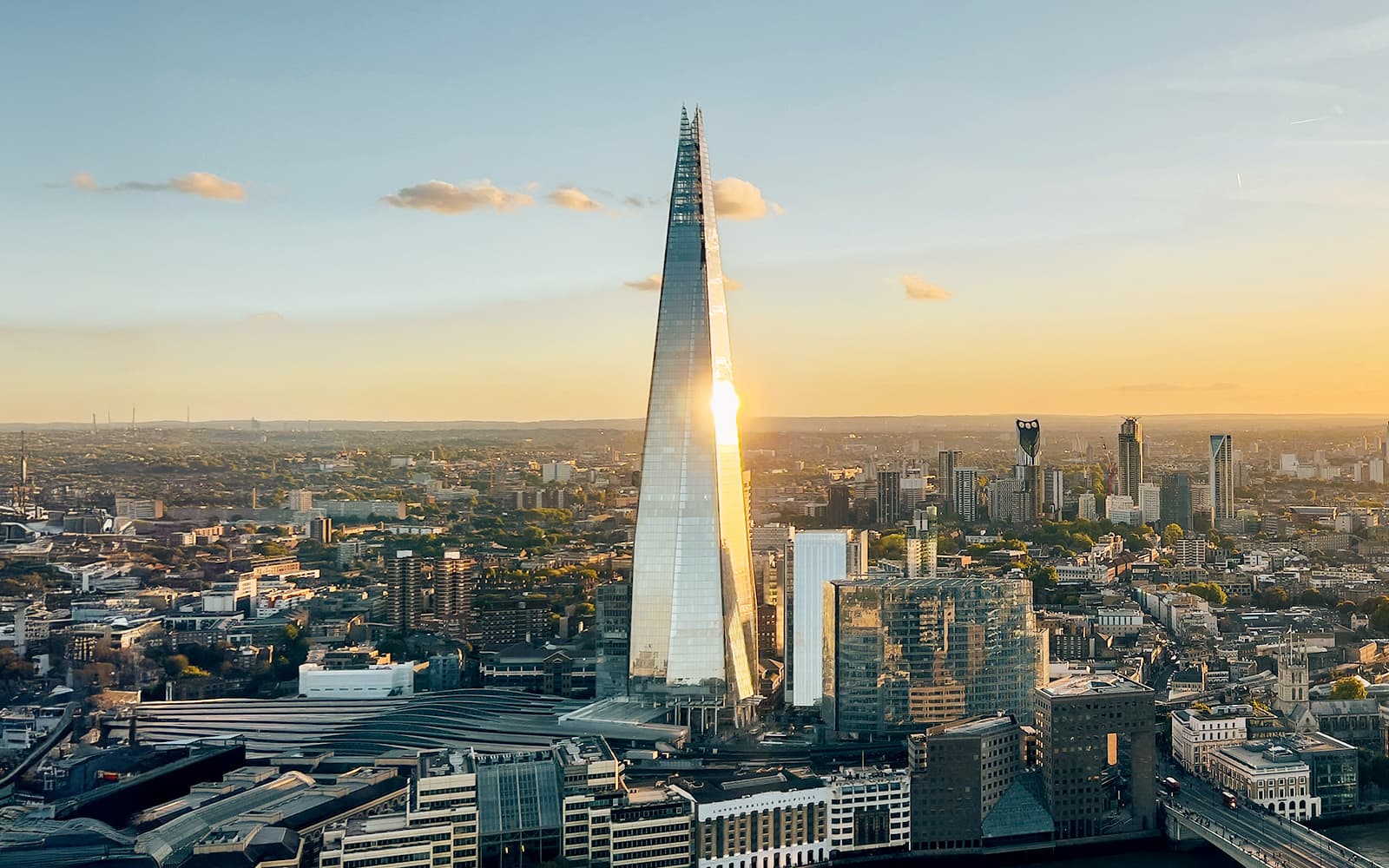
The best view over London depends on what you want from it. For a slow, moving panorama beside Westminster, the London Eye is the easy choice; for height and a cocktail, The View from The Shard looks down on everything else; and for a free alternative, Sky Garden's planted terraces give you the City skyline without a ticket.
Where to look out over the city
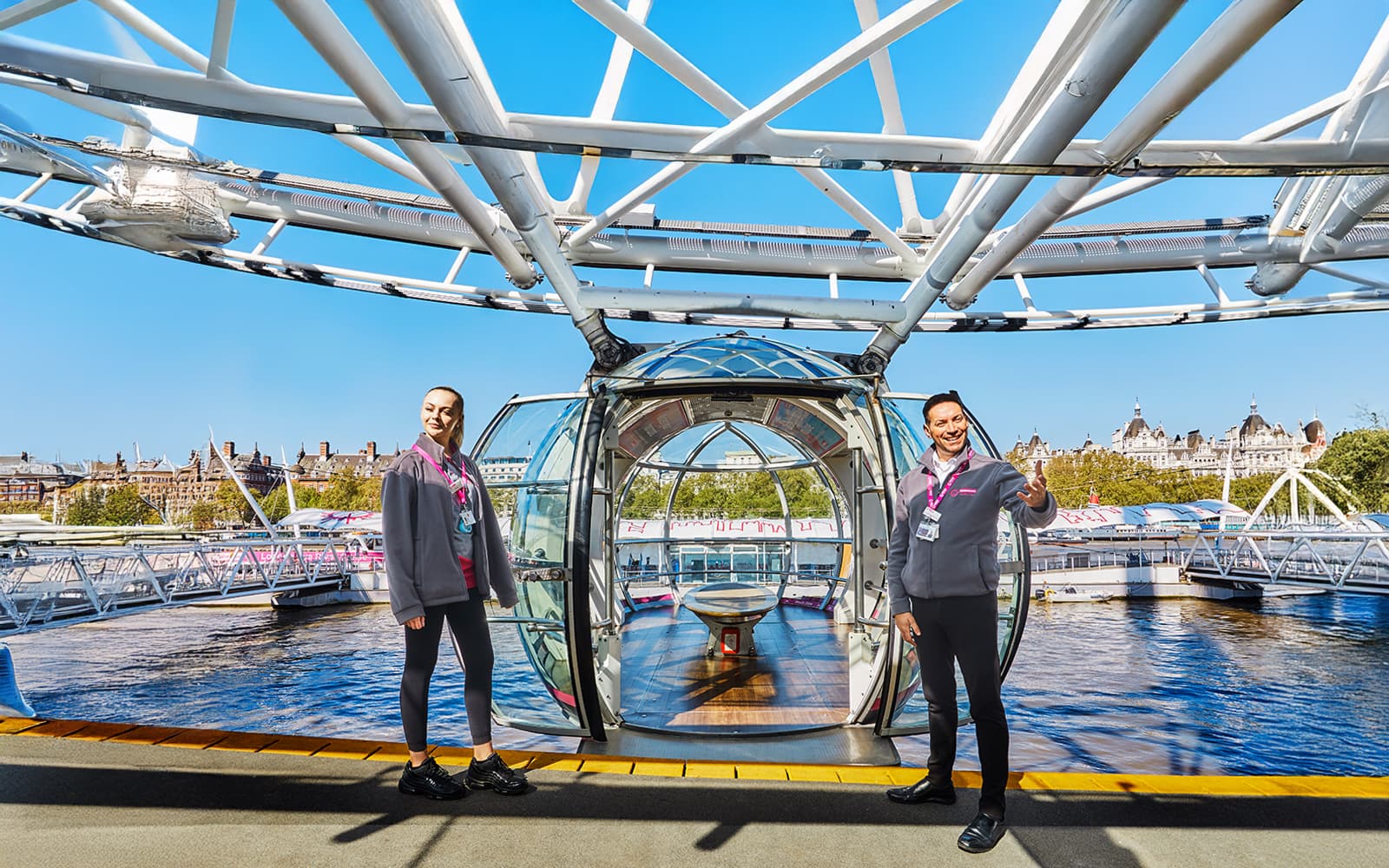
- The London Eye: standard from about £29–£33 (around $37–$42); Fast Track from about £44–£49 (around $56–$62). A 30-minute rotation, 135 metres up, directly opposite Big Ben.
- The View from The Shard: from about £32 (around $41); the highest viewpoint in Western Europe at 244 metres, with a champagne bar at the top.
- Sky Garden: free, but book a timed slot well ahead; the indoor garden and open-air terraces sit 35 floors up in the "Walkie-Talkie" building.
- St Paul's Cathedral dome: £27 (around $34); 528 steps to the Golden Gallery reward you with a 360-degree view and the Whispering Gallery on the way up.
Reality check: which viewpoint for whom
- Want the classic Westminster postcard? The Eye puts Big Ben and Parliament front and centre.
- Want the highest, most dramatic outlook and don't mind the price? The Shard wins on sheer altitude.
- Travelling on a richer return visit and want something quieter? Book Sky Garden at golden hour, or climb the St Paul's dome for the view few first-timers bother with.





World-class museums, most of them free
London's permanent museum collections are largely free, which makes them the best value among the things to see in London. Entry to the British Museum, the National Gallery, the Natural History Museum, the Victoria and Albert Museum and Tate Modern costs nothing — you only pay for special exhibitions and occasional timed shows.
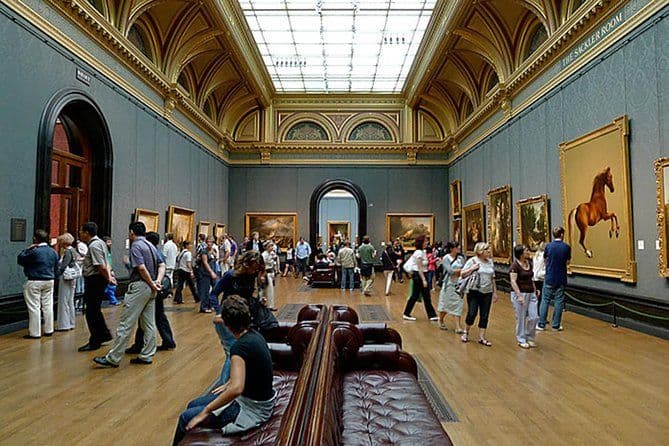
Each rewards a different mood. The British Museum holds the Rosetta Stone and the Parthenon sculptures across eight million objects; you could not see it all in a day, so pick two or three galleries. The National Gallery on Trafalgar Square runs from Van Eyck to Van Gogh in a single, manageable building. South Kensington clusters the Natural History Museum and the V&A within a few minutes' walk of each other, while Tate Modern faces St Paul's across the Millennium Bridge in a converted power station.
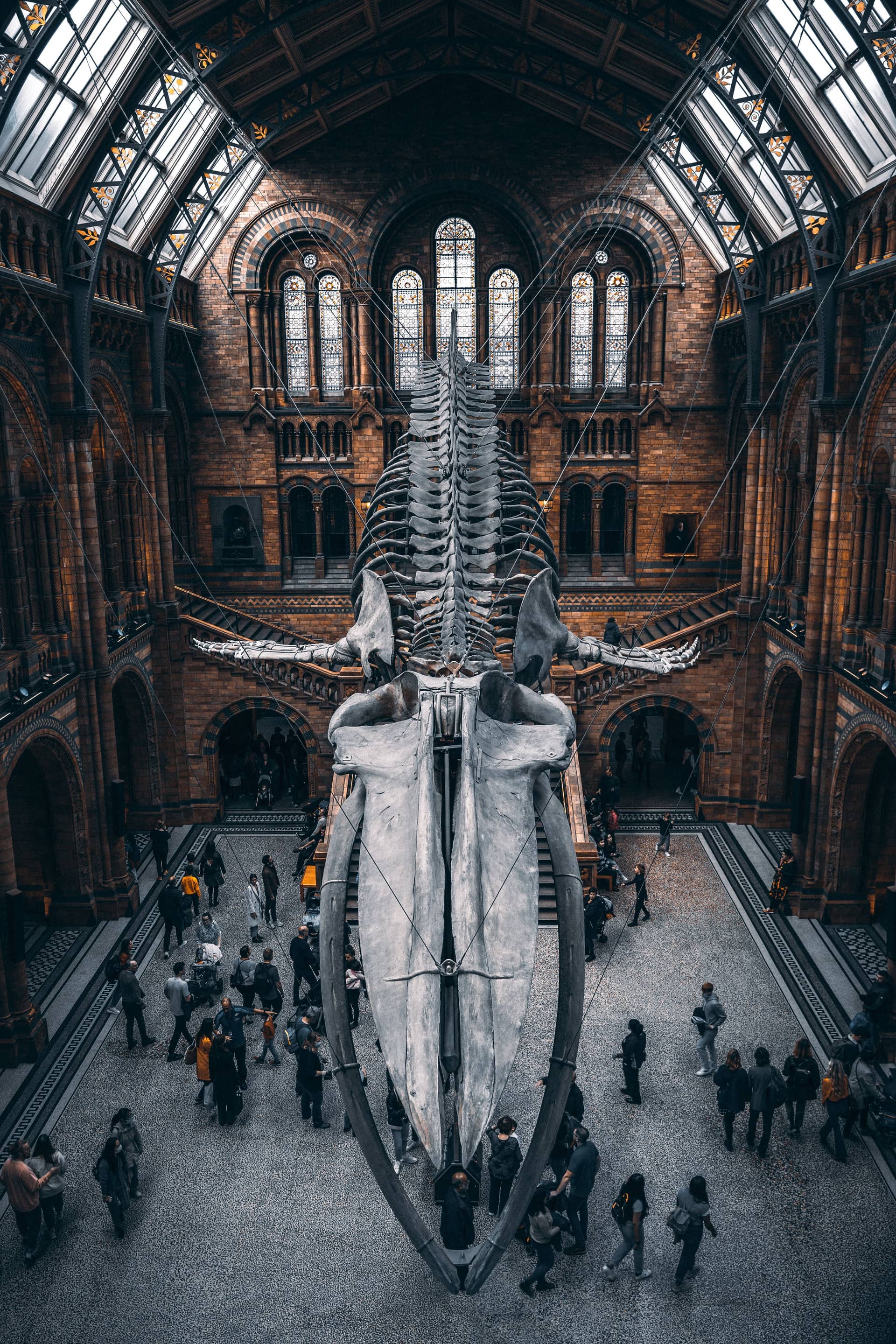
If you only have time for one, choose by interest rather than fame. The British Museum is the deepest dive into world history; the National Gallery is the easiest single hit of great painting; the Natural History Museum, with its Hintze Hall whale skeleton, is the surest bet with children; and Tate Modern is the one for contemporary art and the best free river view from its viewing levels. On a return visit, the V&A — design, fashion and decorative arts — is the one most first-timers miss and most repeat visitors rate highest.
How to use the free museums well
- Entry: free for permanent collections at all five; special exhibitions typically run £15–£25 (around $19–$32).
- Booking: the British Museum and the V&A recommend a free timed ticket at peak times, though walk-ins are usually fine off-season.
- New for 2026: V&A East in Stratford expands the V&A's footprint — the Storehouse opened in 2025, with the main museum following. Check opening status before you plan around it.
- Timing: late openings (often Friday evenings) are the quietest and most pleasant window.
Reality check: "free" has limits
- The big blockbuster exhibitions are ticketed and sell out — book those weeks ahead, not on the day.
- A suggested donation is exactly that; give what you like for the permanent galleries.
- Cloakrooms and large-bag rules slow entry at the British Museum — travel light if you are combining it with other stops.
Markets, neighbourhoods and green space
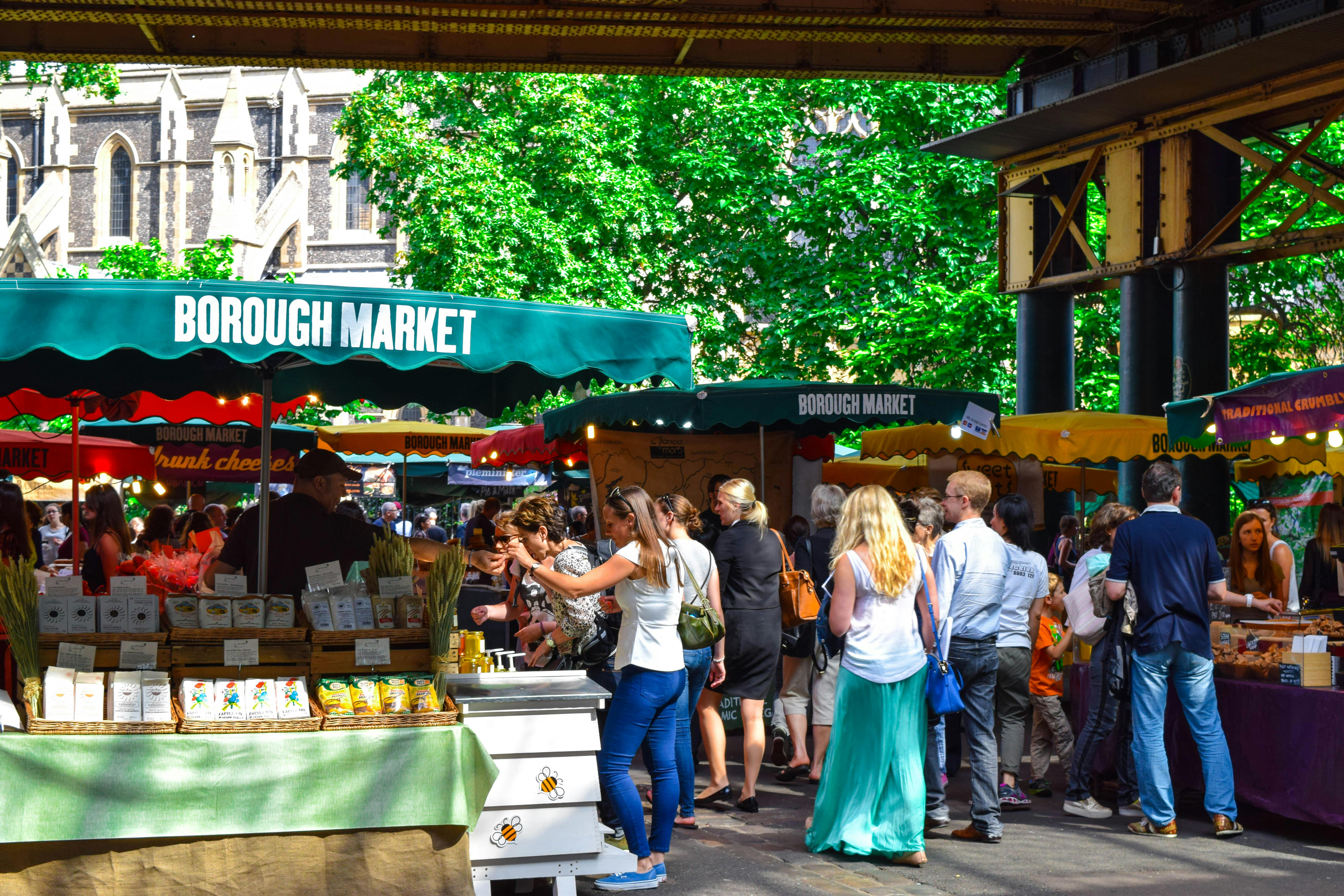
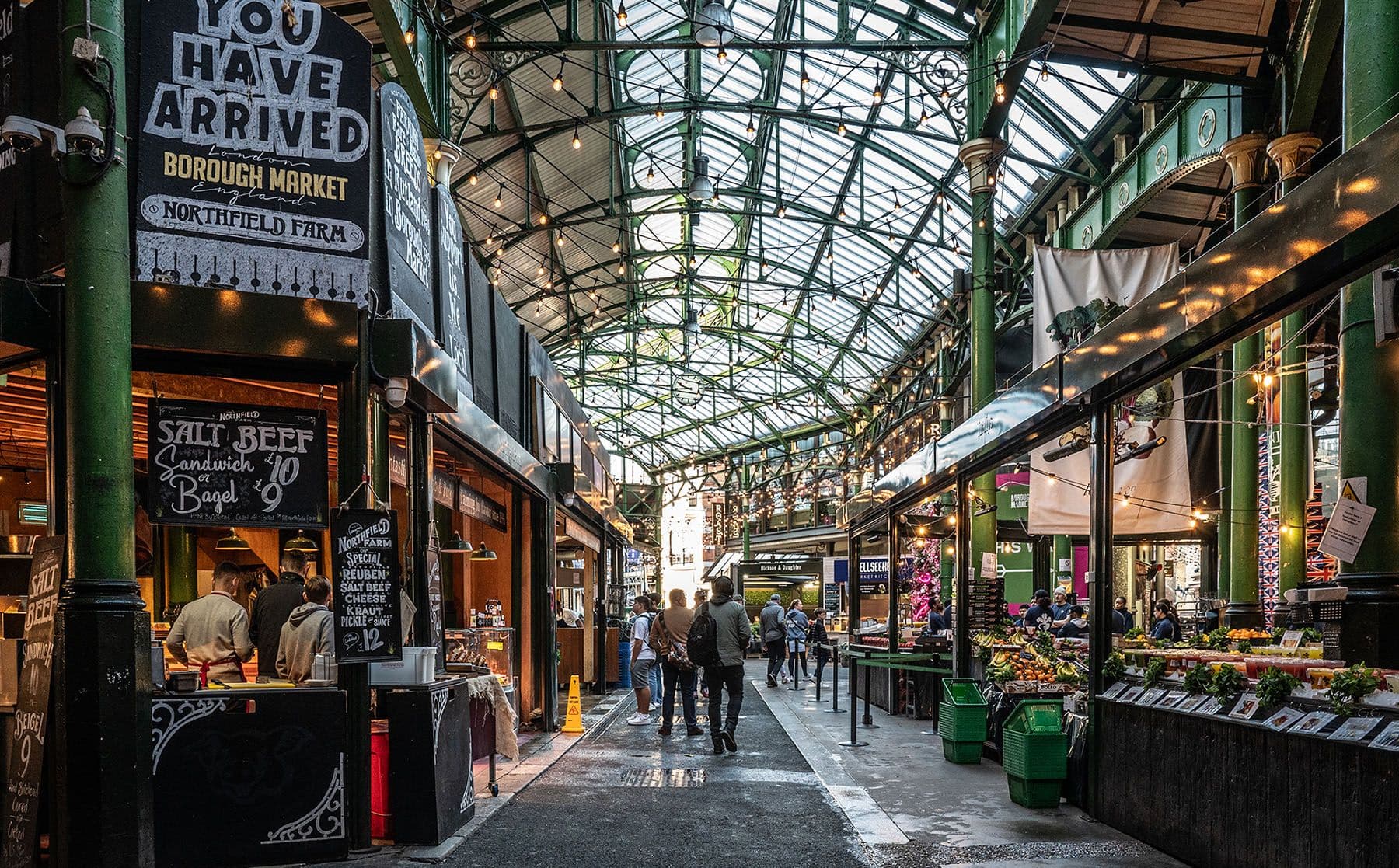
Beyond the landmarks, the things that make London feel like London are its markets, villages and parks. Spend a half-day here and the city stops being a checklist. Borough Market, under the railway arches near London Bridge, is the best single introduction to British and global food in one place. Covent Garden pairs street performers and the piazza with some of the West End's best people-watching.
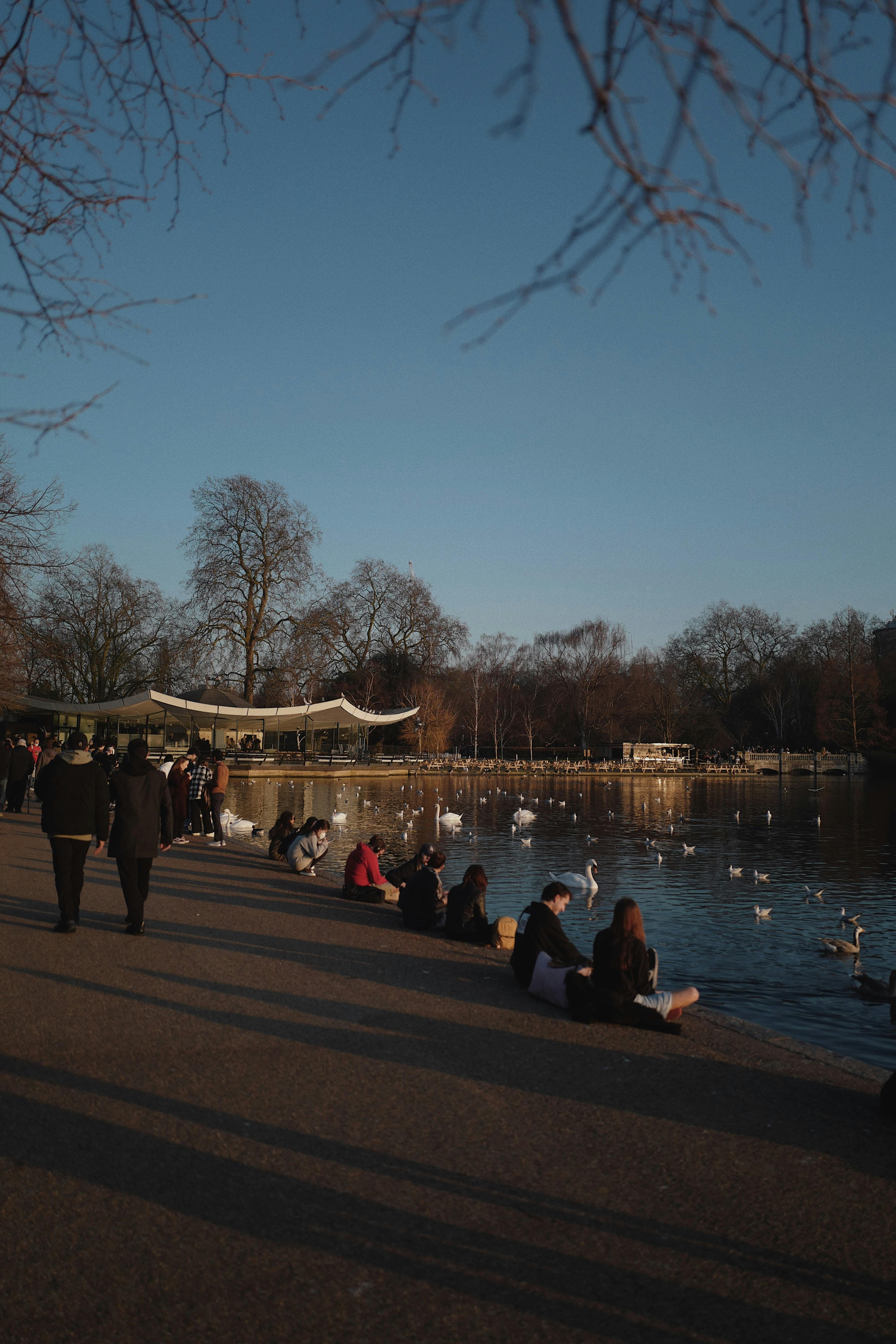
For air and space, the eight Royal Parks are the city's lungs. Hyde Park and Kensington Gardens run to nearly 250 hectares in the centre, with the Serpentine for swimming and boating. Out east, Greenwich Park climbs to the Royal Observatory and the Prime Meridian, with one of the finest views back over the river to Canary Wharf.
Worth the trip out of the centre
- Greenwich: the Cutty Sark, the Observatory and Greenwich Market in one half-day; reach it by Thames Clipper for the views.
- Hampton Court Palace: Henry VIII's Tudor palace and famous maze, from about £27 (around $34); roughly 35 minutes by train from Waterloo.
- Warner Bros. Studio Tour: the Making of Harry Potter, north-west of the city — pre-book well ahead, as it sells out.
Reality check: Borough Market timing
- The full market trades Tuesday to Saturday; Mondays are a limited "Borough Market Online" pickup day with far fewer stalls.
- Arrive before noon on a Saturday or you will queue for the popular stalls and lose the calm.
- Go hungry and graze rather than booking a sit-down lunch nearby — the point is the stalls.
How to plan it — by days and by traveller type
The best way to plan the things to see in London is to group sights by area and match the trip length to your interests. Two days covers the absolute icons; three adds museums and a neighbourhood; four or five lets you breathe and add a day trip. Every London experience on Travjoy is researched and approved by local experts, so the shortlist you book from is already filtered for what actually earns its place.
The marquee sights at a glance
| Sight | Time needed | 2026 price (adult) | Best for |
|---|---|---|---|
| Tower of London | 2.5–3 hrs | ~£37 / ~$47 | History, first-timers, families |
| Westminster Abbey | 1.5 hrs | ~£30 / ~$38 | History, royal heritage |
| London Eye | 45 mins | ~£29–£49 / ~$37–$62 | First visit, couples, families |
| The View from The Shard | 1–1.5 hrs | from ~£32 / ~$41 | Views, special occasions |
| British Museum | 2–3 hrs | Free | Culture, repeat visitors |
| Borough Market | 1–2 hrs | Free entry | Food, neighbourhood feel |
Which sights to prioritise
- If it's your first visit: Tower of London, Westminster Abbey, the London Eye and one free museum cover the headlines in two full days.
- If you're returning: skip the Eye for Sky Garden or the St Paul's dome, and trade the British Museum's main halls for the V&A or Greenwich.
- If you're travelling with children: the Natural History Museum, the Tower's ravens and a Thames Clipper ride pace a day well.
- If you're here for culture: stack two free museums in a day, add Tate Modern at its Friday late opening, and book a West End show for the evening.
- If you want the highlights ranked for you: our top 20 picks for London sequence the best of the city into one shortlist.
Plan your London trip
The best of the things to see in London rewards a plan rather than a checklist. Anchor each day on the Thames, group the icons by neighbourhood, and lean on the free museums to fill the gaps between paid landmarks. Book timed slots for the Tower, the London Eye and Westminster Abbey, keep a viewpoint for golden hour, and leave one half-day loose for a market or a park — that is usually the part people remember.
Start planning your trip to London on Travjoy, where every experience is researched and approved by local experts so you can book the right version with confidence.


.svg&w=1920&q=75)