



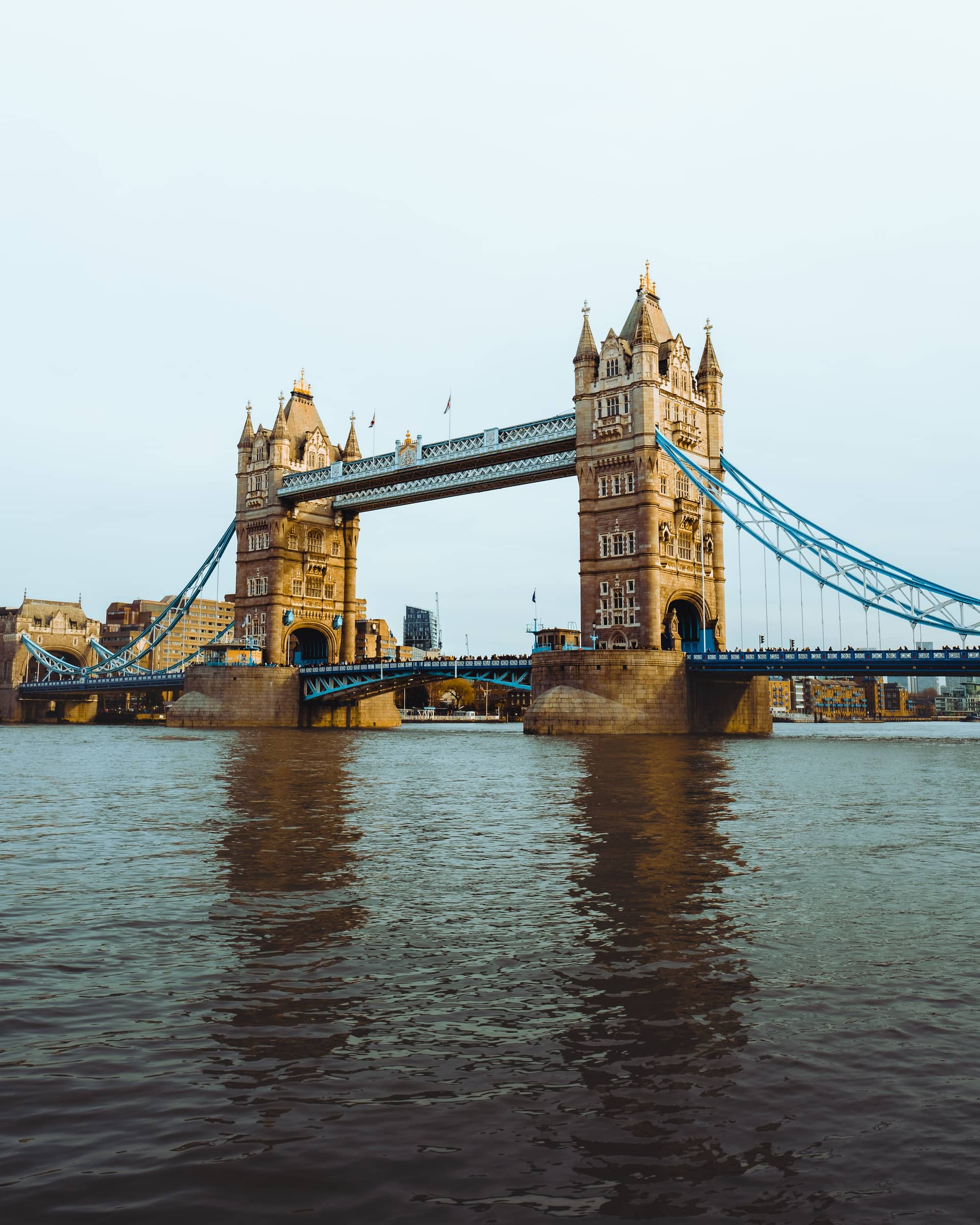
Things to Do in London: A Complete Guide for Discerning Travellers — Icons, Culture, Food and Day Trips
7 min read
Key Highlights
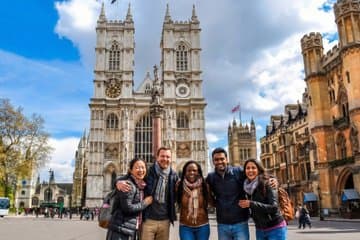
- Start with the icons done well — the Tower of London, Westminster Abbey and a turn on the London Eye — but book timed entry so you skip the longest queues.
- Some of the city's best culture is free: the National Gallery, Natural History Museum and Tate Modern charge nothing for their permanent collections.
- London rewards a second visit — trade the obvious for Borough Market mornings, a Soho cocktail bar, and the parks most visitors walk straight past.
- Afternoon tea, a West End show and a Thames cruise are the three experiences worth reserving weeks ahead, especially in peak season.
- A day trip to Windsor, Stonehenge or the Cotswolds turns a city break into a fuller picture of England.
The best things to do in London fall into five buckets: the royal and riverside icons (the Tower of London, Buckingham Palace, the London Eye), a set of world-class museums that are free to enter, markets and afternoon tea, the West End and its after-dark scene, and a handful of day trips within an hour or two of the centre. Most of the headline sights now use timed-entry tickets, so the single most useful move is to book the few that matter before you arrive. Everything below is organised so you can decide what is worth your time — and what to skip on a return trip.
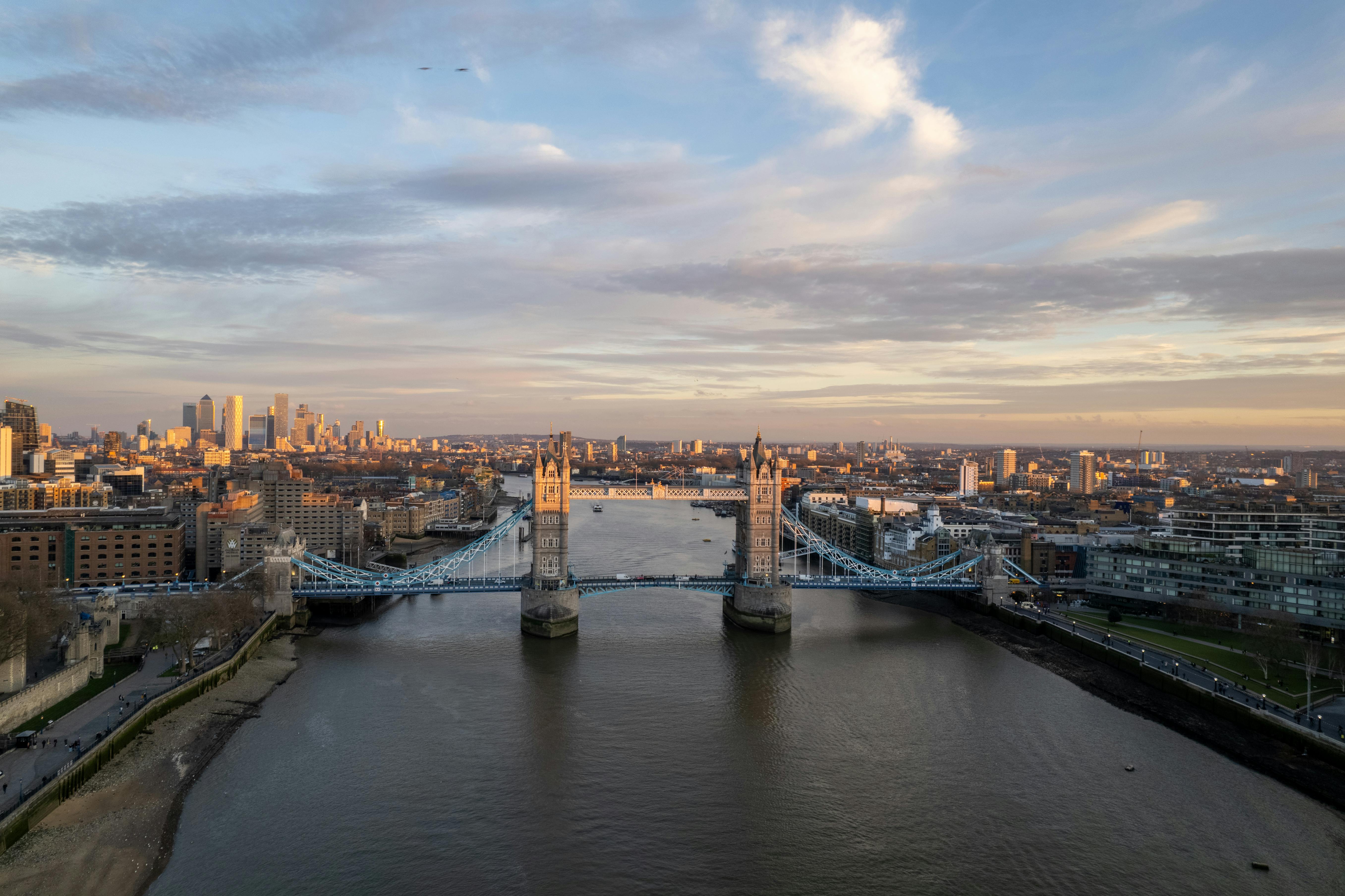
London does not lack for choice — it overwhelms you with it. On a first trip the problem is fitting the headline sights into a few days; on a third trip it is finding the version of the city you have not already seen. This guide is built for both. It names the experiences worth your time, says plainly what each costs and how long it takes, and flags the ones worth booking ahead so a tight itinerary does not unravel at a ticket queue.
Prices below are 2026 adult rates, shown in pounds with an approximate US dollar figure at around $1.30 to the pound. Every option Travjoy lists for the city has been researched and approved by local experts, so you can plan around what is worth your time rather than second-guessing a long list of search results.
London's Icons, and How to Do Them Without the Queues
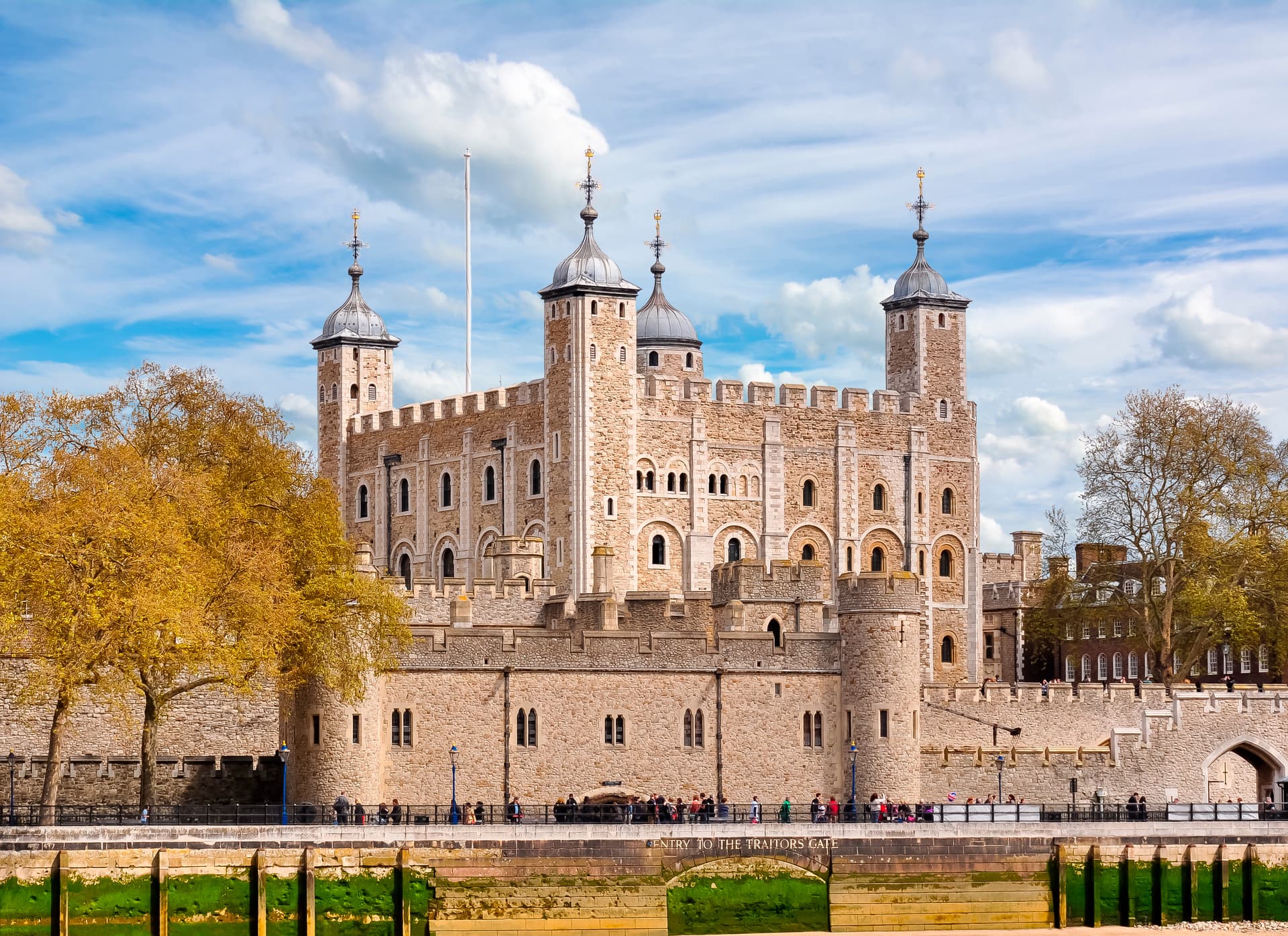
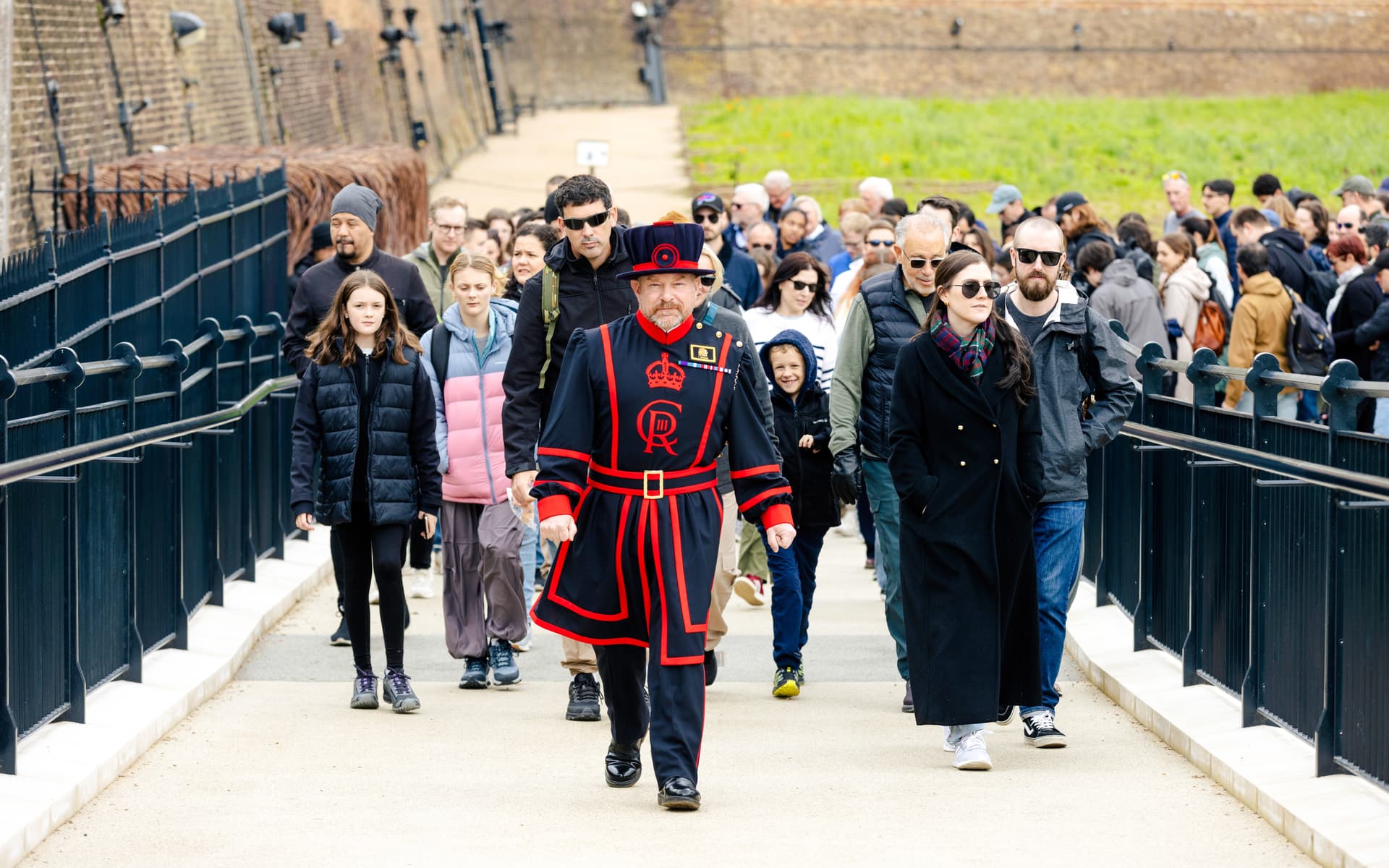
If this is a first visit, build day one around the cluster of icons between Westminster and the Tower. The Tower of London is the one to prioritise: nearly a thousand years of history, the Crown Jewels, and the Yeoman Warder tours included with entry. Tickets are timed and there is no re-entry, so arrive close to opening and see the Jewels first, before the coach groups land.
The Tower, the Abbey and the Palace
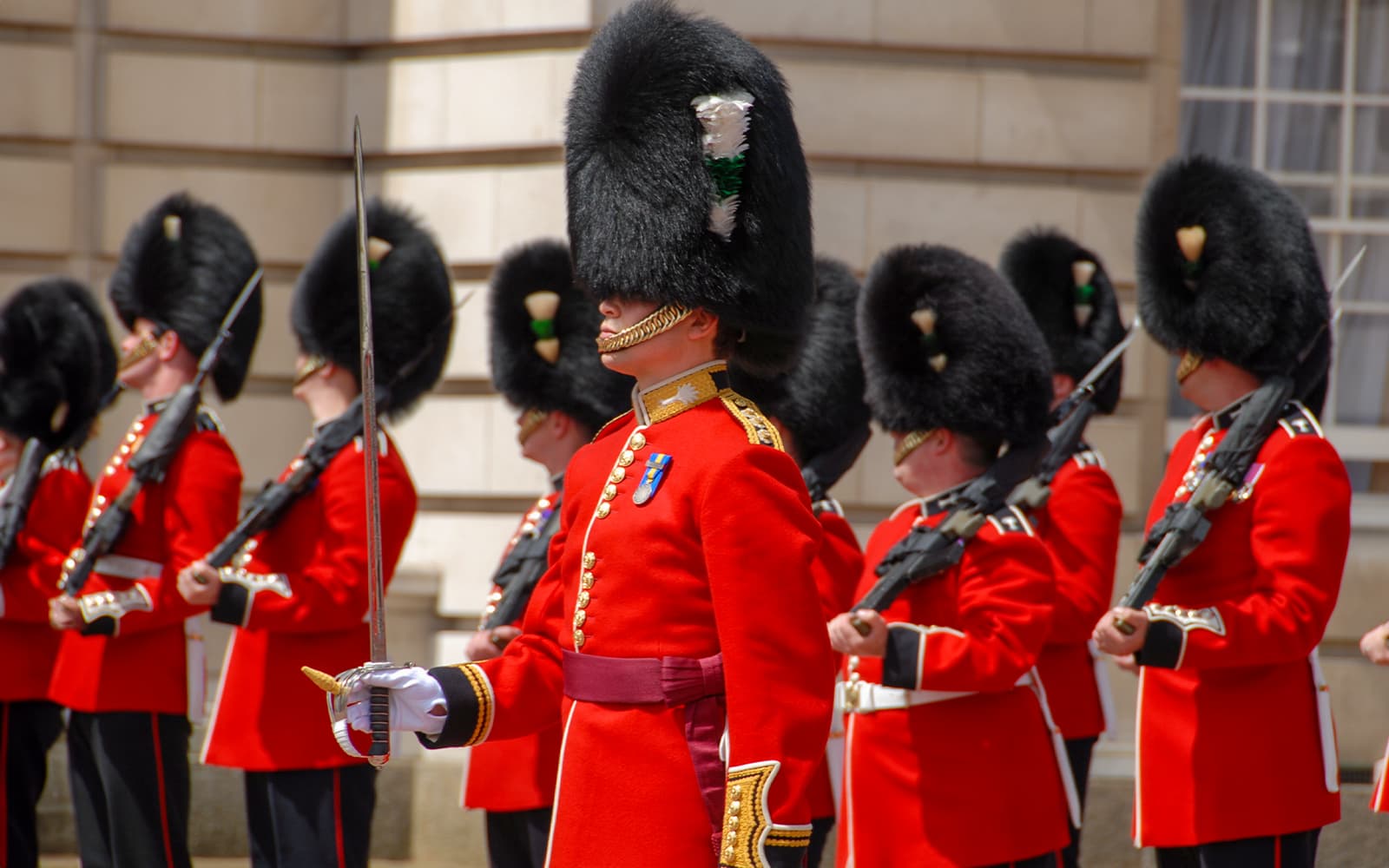
These three anchor the historic core, and each rewards a little planning. The Tower needs three to four hours to do properly; Westminster Abbey, the coronation church, takes about ninety minutes and is quieter late morning midweek. Buckingham Palace is free to admire from the railings, and the Changing the Guard ceremony costs nothing to watch — but it does not run every day, so check the schedule before you build a morning around it.
- Tower of London: from £37 (about $48); allow 3–4 hours; book a timed slot and arrive at opening.
- Westminster Abbey: around £30 (about $39); allow 1.5 hours; quietest midweek before noon.
- Buckingham Palace State Rooms: open in late summer only, from around £33 (about $43); the exterior and Changing the Guard are free year-round.
The London Eye and the river view
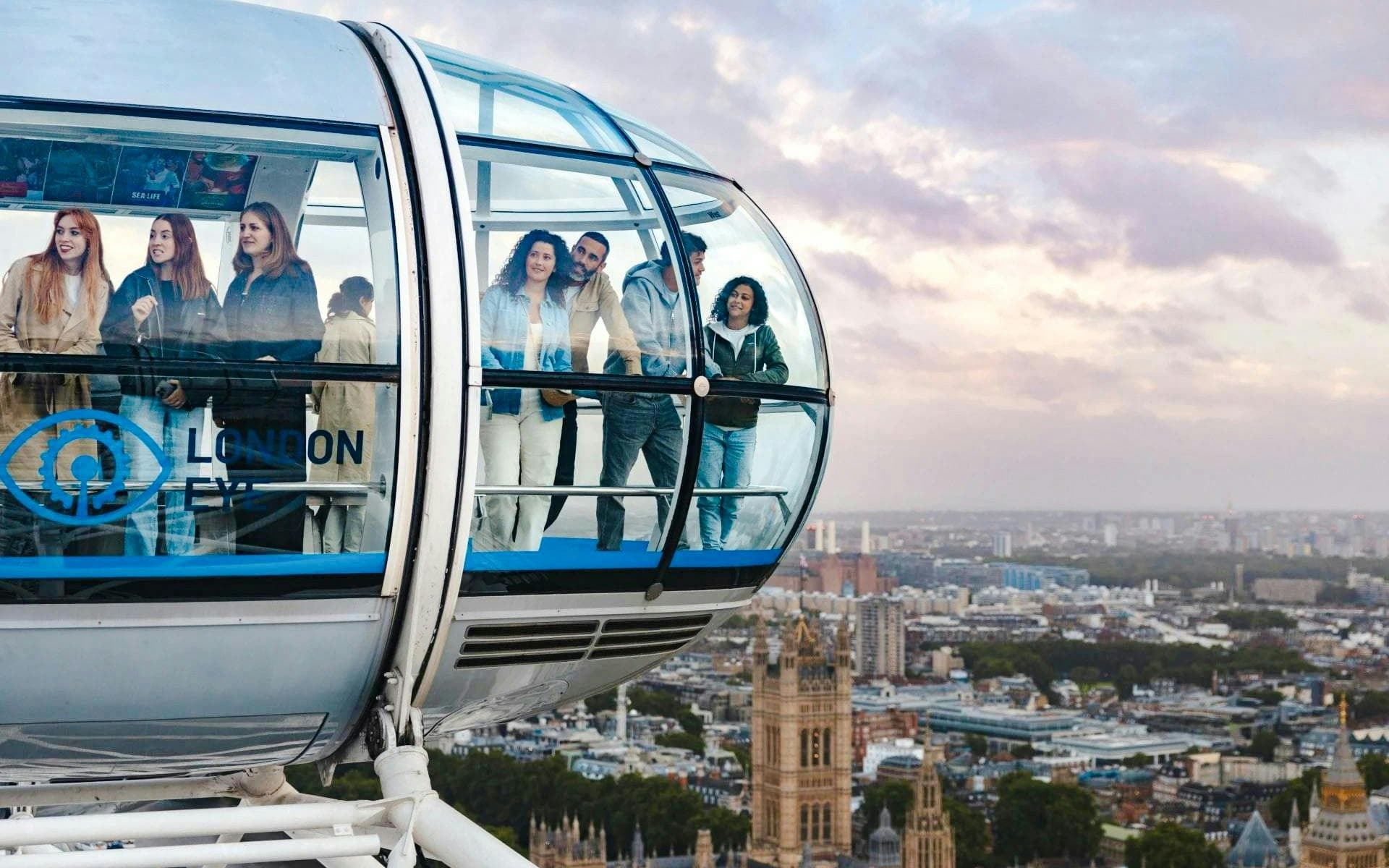
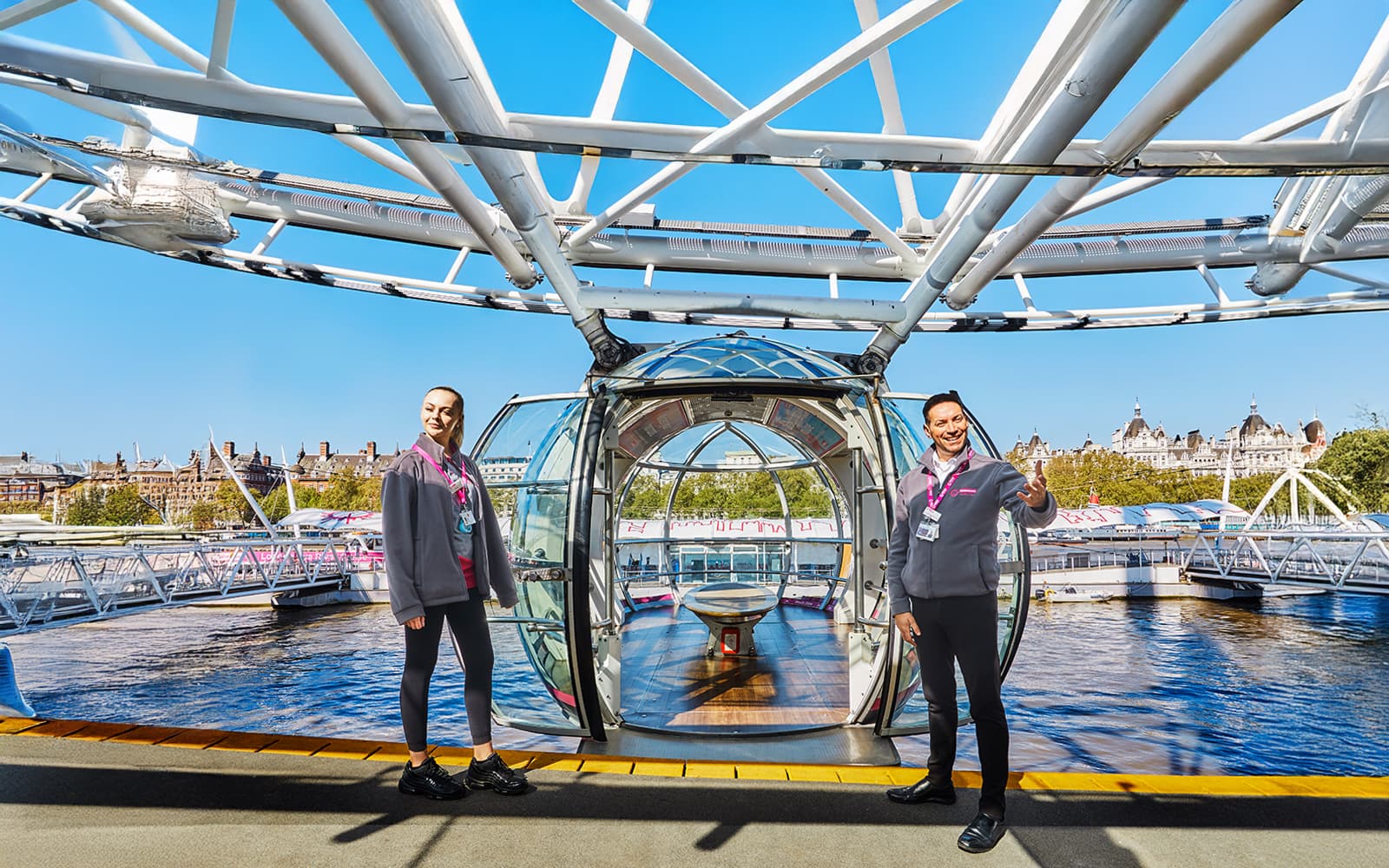
A rotation on the London Eye is the easiest way to read the city's geography in half an hour, and it remains the most visited paid attraction in the country. The capsule moves continuously through a single 30-minute turn, lifting you 135 metres above the South Bank with Big Ben directly opposite and the Thames unspooling east to the Shard and Tower Bridge. Standard tickets run from about £29–£33 (roughly $38–$43); the Fast Track lane costs more, from about £44–£49, and is worth it only on a busy afternoon when the standard queue tips past forty minutes.
London icons at a glance
| Attraction | Time needed | Adult price (2026, GBP / USD) | Best for |
|---|---|---|---|
| Tower of London | 3–4 hours | From £37 / ~$48 | History, families, first visits |
| Westminster Abbey | 1.5 hours | ~£30 / ~$39 | Royal history, architecture |
| London Eye | 30 minutes | £29–£33 / ~$38–$43 | Couples, first-time orientation |
| The View from The Shard | 1 hour | From £32 / ~$42 | Skyline photography, sunset |
| Buckingham Palace (exterior + Changing the Guard) | 45 minutes | Free | Ceremony, first visits |
Reality check: timed entry and no re-entry
- Most major sights now sell timed-entry tickets — turning up without one can mean a long wait or a sold-out slot in peak season.
- The Tower of London allows no re-entry, so do not plan to pop out for lunch and return on the same ticket.
- Gate prices are higher than online prices at several attractions, and advance booking usually secures the slot you actually want.
World-Class Museums and Galleries (Most of Them Free)
London's great museums are free to enter, which makes them the best value of any major capital — not a budget compromise but a genuine luxury you can dip into for an hour or lose a whole afternoon in. The National Gallery on Trafalgar Square, the British Museum in Bloomsbury, the Natural History Museum in South Kensington and Tate Modern on the South Bank all charge nothing for their permanent collections. The trade-off is crowds, so the move on a return visit is to go early or late and target one or two rooms rather than the whole building.
Which museum suits you
Choose by what you actually want to see rather than trying to cover them all. The British Museum is the one for antiquities and the sweep of human history; the National Gallery for European painting from the medieval to the post-Impressionists; the Natural History Museum for families and its Hintze Hall whale; Tate Modern for twentieth-century and contemporary art with a top-floor view across the river thrown in.
- Permanent collections: free at the British Museum, National Gallery, Natural History Museum, V&A and Tate Modern.
- Special exhibitions: ticketed, usually £15–£25 (about $20–$33), and the popular ones sell out weeks ahead.
- Best time: the first hour after opening or the last two before closing; late openings on selected evenings are calmer still.
Reality check: free entry, ticketed exhibitions
- Free admission covers the permanent galleries only — the headline temporary shows are paid and often booked out, so reserve before you travel.
- A suggested donation at the door is exactly that; there is no obligation, and your spend is better directed at a special exhibition or a guided highlights tour.
The Thames, the Parks and the Best City Views
The clearest way to understand London is from above and from the water, and you have several ways to do both. For height, the View from The Shard puts you 244 metres up the tallest building in western Europe, from about £32 (around $42); Sky Garden, three towers along, offers a planted public viewing deck for free but must be pre-booked. For the water, a Thames sightseeing cruise threads the landmarks from Westminster to Greenwich and is the most relaxed hour you will spend in the city.
Green space worth the detour
London is one of the greenest capitals in Europe, and its parks are where locals actually spend their weekends. Hyde Park and the adjoining Kensington Gardens give you 250 hectares in the centre of town; Greenwich Park climbs to the Royal Observatory and the Prime Meridian with one of the finest views back over the city. On a fair afternoon, an hour in a deckchair does more for a jet-lagged second-day than another museum.
For a single, well-judged shortlist of the city's headline experiences, our top 20 things to do in London pulls the strongest options into one place.








Where to Eat, Drink and Take Afternoon Tea
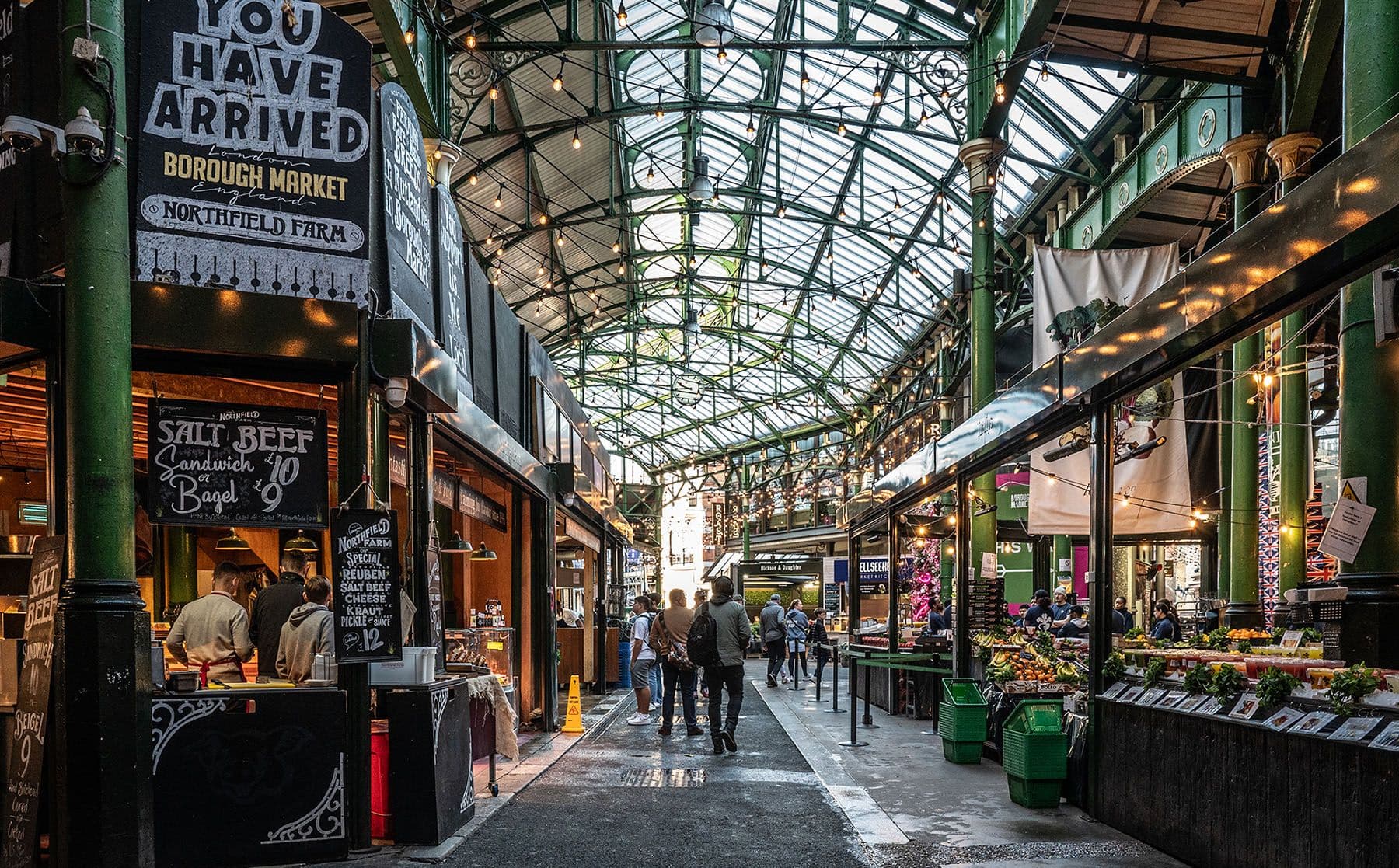
London has become one of the world's serious dining cities, and eating well is itself one of the best things to do in London. Start at Borough Market, the city's oldest food market, where you can graze through British cheeses, fresh oysters and a salt-beef bagel in a single morning. From there the spectrum runs all the way to the tasting menus of Mayfair and Marylebone, where many of the country's best kitchens hold their Michelin stars.
Afternoon tea, done properly
Afternoon tea is the one ritual worth building an afternoon around, and the grand hotels do it best. The Ritz serves it in the gilded Palm Court to a strict dress code; Fortnum & Mason pours in its Diamond Jubilee Tea Salon above the famous food hall; and Sketch sets it in a blush-pink room that has become one of the most photographed in the city. All three book out weeks ahead, so reserve before you arrive rather than hoping for a table.
- The Ritz: from around £75 per person (about $98); jacket and tie required for men.
- Fortnum & Mason: from around £70 per person (about $91); pairs well with a wander through the food hall below.
- Sketch: from around £70 per person (about $91); the room is the draw as much as the tea.
Beyond the obvious table
On a return trip, skip the safe choices and eat where Londoners do. A guided food tour through Borough or the East End is the most efficient way to taste widely in an afternoon; an experiential dining room or a Thames dinner cruise turns a meal into the evening itself. These are exactly the options Travjoy's local experts vet, so a booking lands you somewhere worthwhile rather than merely well-marketed.
Markets, Neighbourhoods and Shopping
London is a city of villages, and choosing the right neighbourhood to base yourself in shapes the whole trip. Each district has its own character: Mayfair and St James's for old-money calm and the best shopping; Soho and Covent Garden for theatre, restaurants and noise; Notting Hill for pastel terraces and the Saturday Portobello market; and Shoreditch and the East End for galleries, street art and a younger edge.
The markets worth your morning
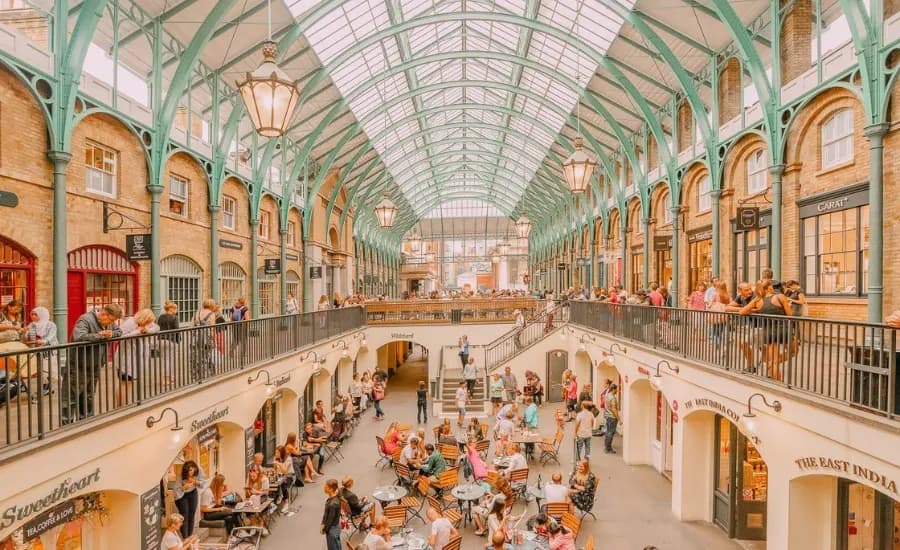
London's markets are where the city's neighbourhoods show their true colour, and each has a distinct draw. Covent Garden pairs its covered piazza with street performers and the Royal Opera House; Camden Market sprawls along the canal with food stalls and vintage; and Portobello Road in Notting Hill is the one for antiques on a Saturday. Go in the morning before the crowds thicken, and treat the food stalls as lunch.
- Borough Market: Southwark; best Wednesday to Saturday; produce, cheese and street food.
- Covent Garden: West End; open daily; crafts, boutiques and performers.
- Portobello Road: Notting Hill; Saturdays for antiques; pastel-house backdrop.
Where to shop
For shopping, the choice is between the grand department stores and the quieter arcades. Fortnum & Mason and the Burlington Arcade off Piccadilly are the elegant end; Bond Street holds the international luxury houses; and Marylebone High Street offers the same quality at a gentler pace. If you want one stop that doubles as a sight, Fortnum's food hall is hard to beat.
Theatre, Live Music and London After Dark
An evening in the West End is one of the defining things to do in London, and the choice runs from long-running musicals to new drama with film-star casts. The Lion King, Les Misérables and Mamma Mia! have run for years for good reason, while ABBA Voyage in the purpose-built arena at Stratford has become a phenomenon of its own. Book through official channels well ahead for the popular shows, and ignore the touts outside the theatres.
After the curtain
London's after-dark scene reaches well beyond the theatre. Soho remains the heart of it, with cocktail bars, jazz cellars and late dining within a few streets; the City and the South Bank offer rooftop bars with the skyline as the backdrop; and a Thames dinner cruise combines the two. For a quieter night, an immersive cocktail experience or a hotel bar like the American Bar at the Savoy is the more refined call.
- West End shows: from around £30 (about $39) for restricted-view seats to £150+ (about $195) for premium stalls.
- ABBA Voyage: from around £45 (about $59); the Stratford arena, not central London.
- Best for: couples and groups; book dinner for after the show, not before, to avoid the curtain-up rush.
Day Trips Worth Leaving London For
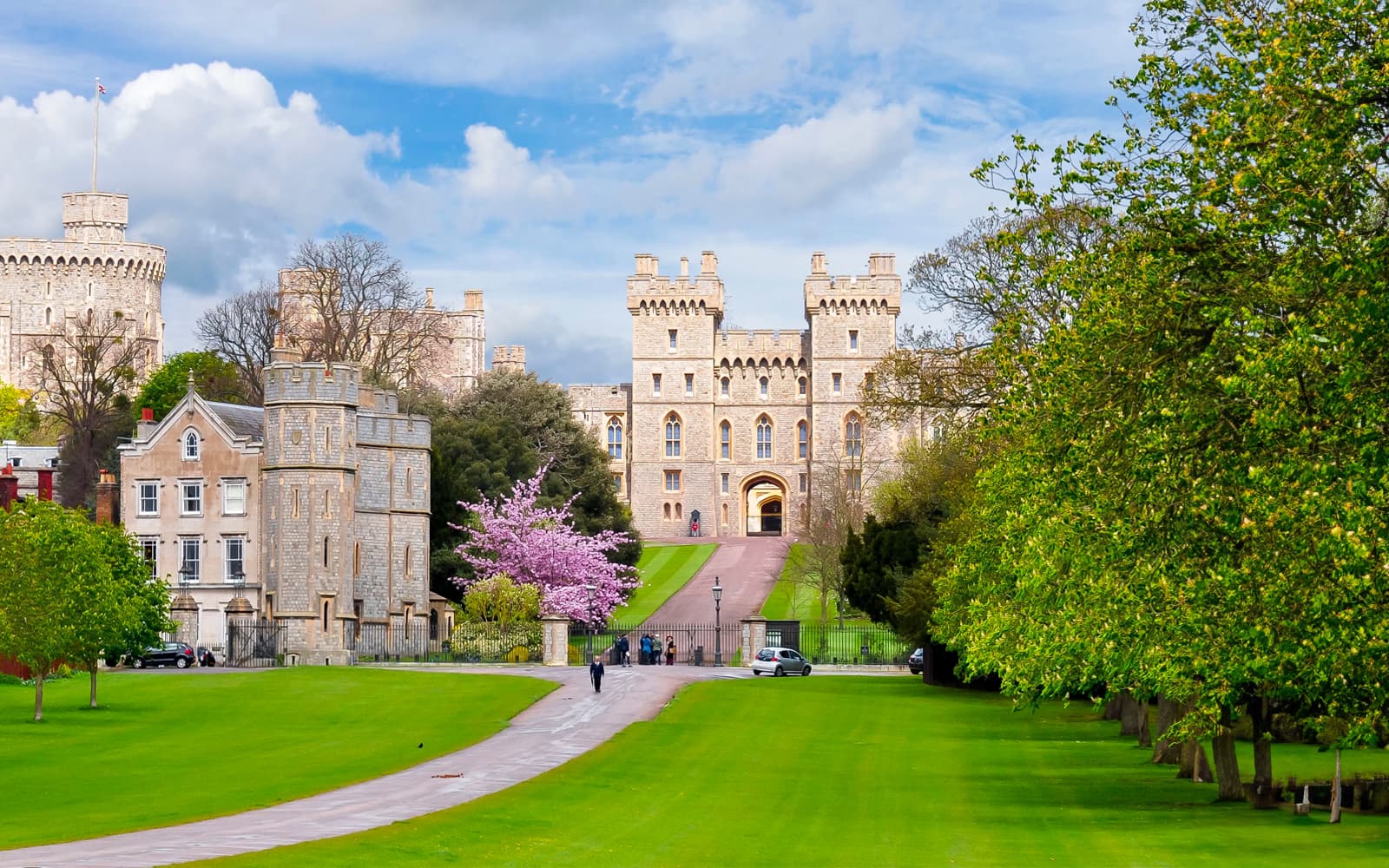
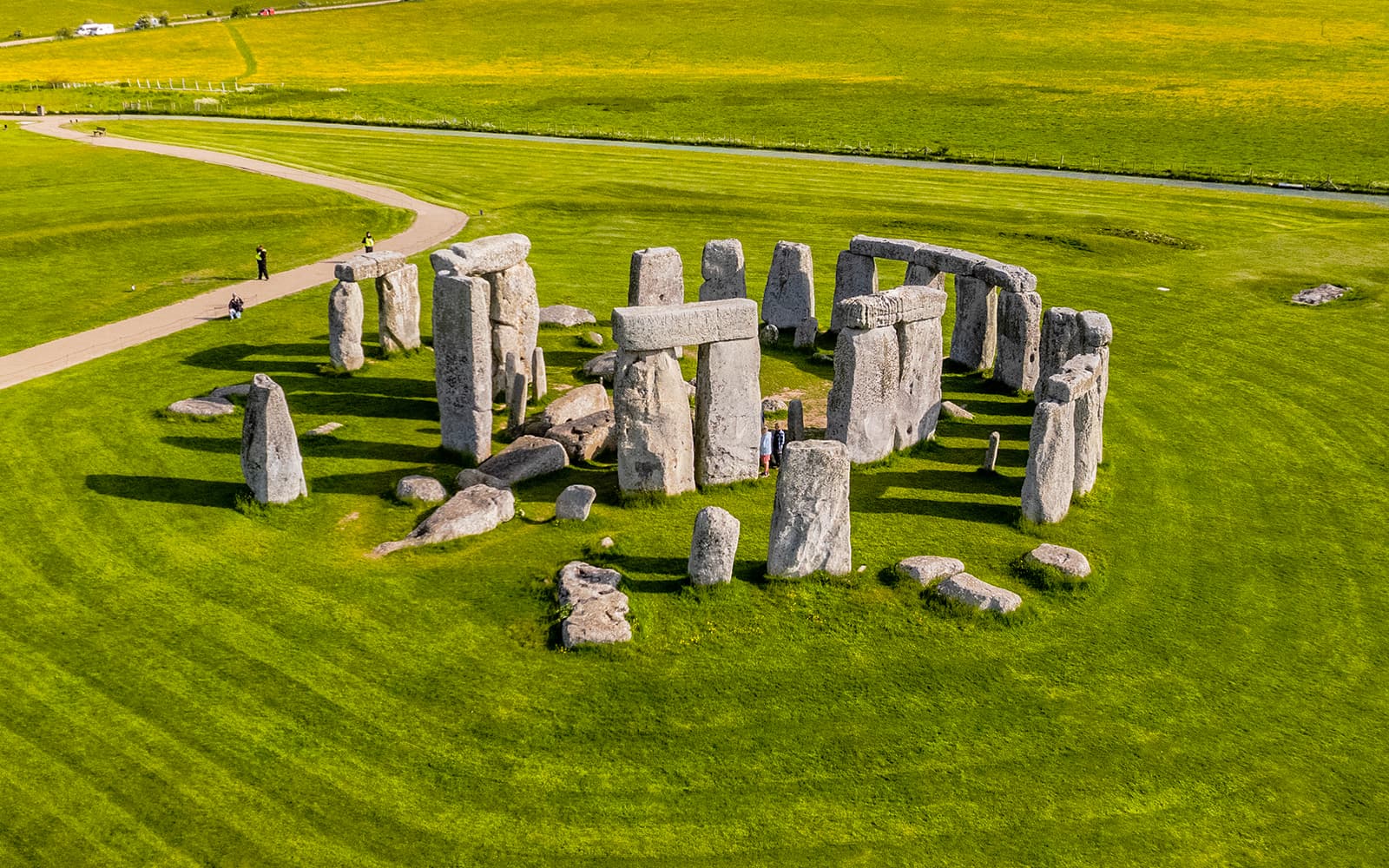
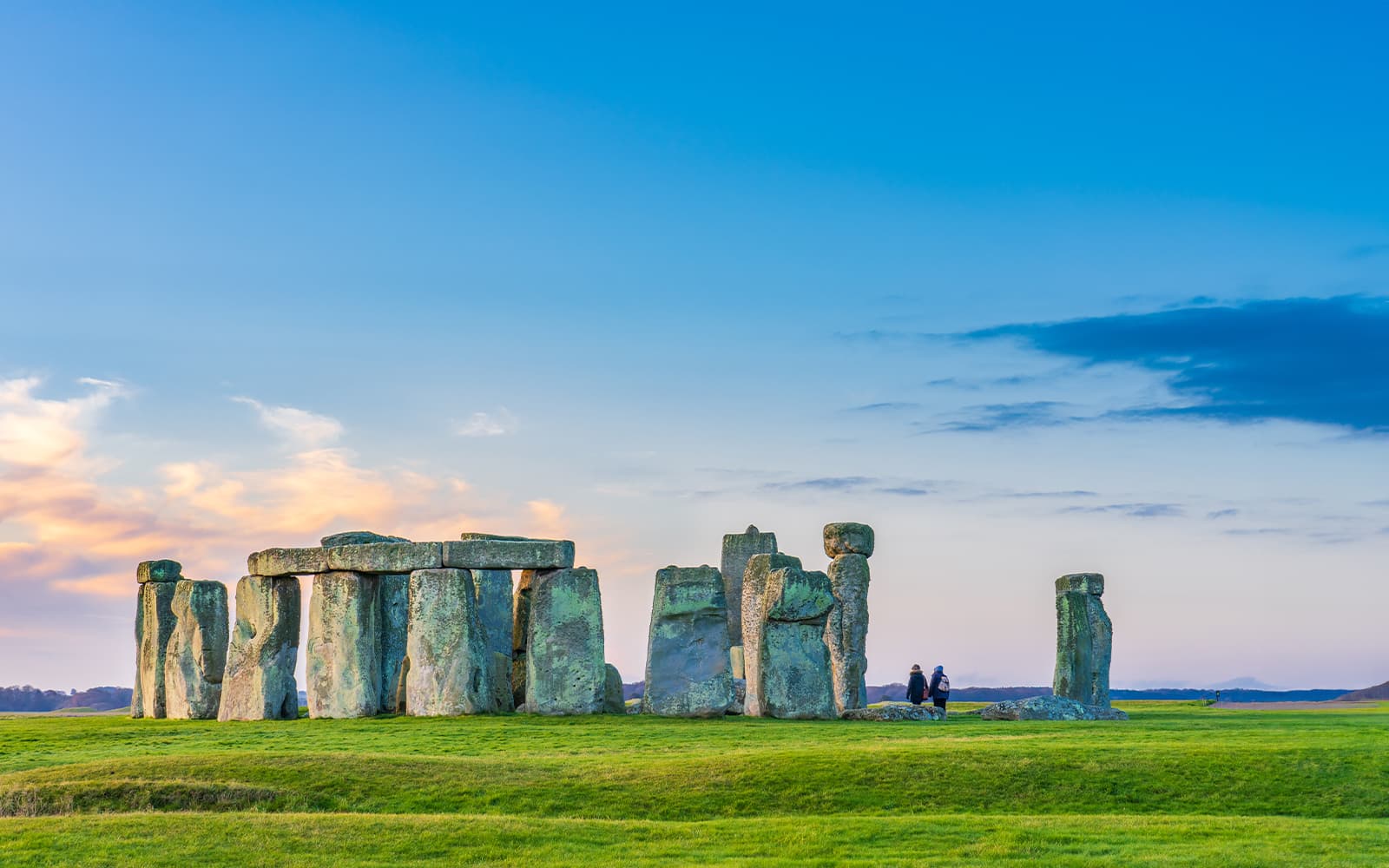
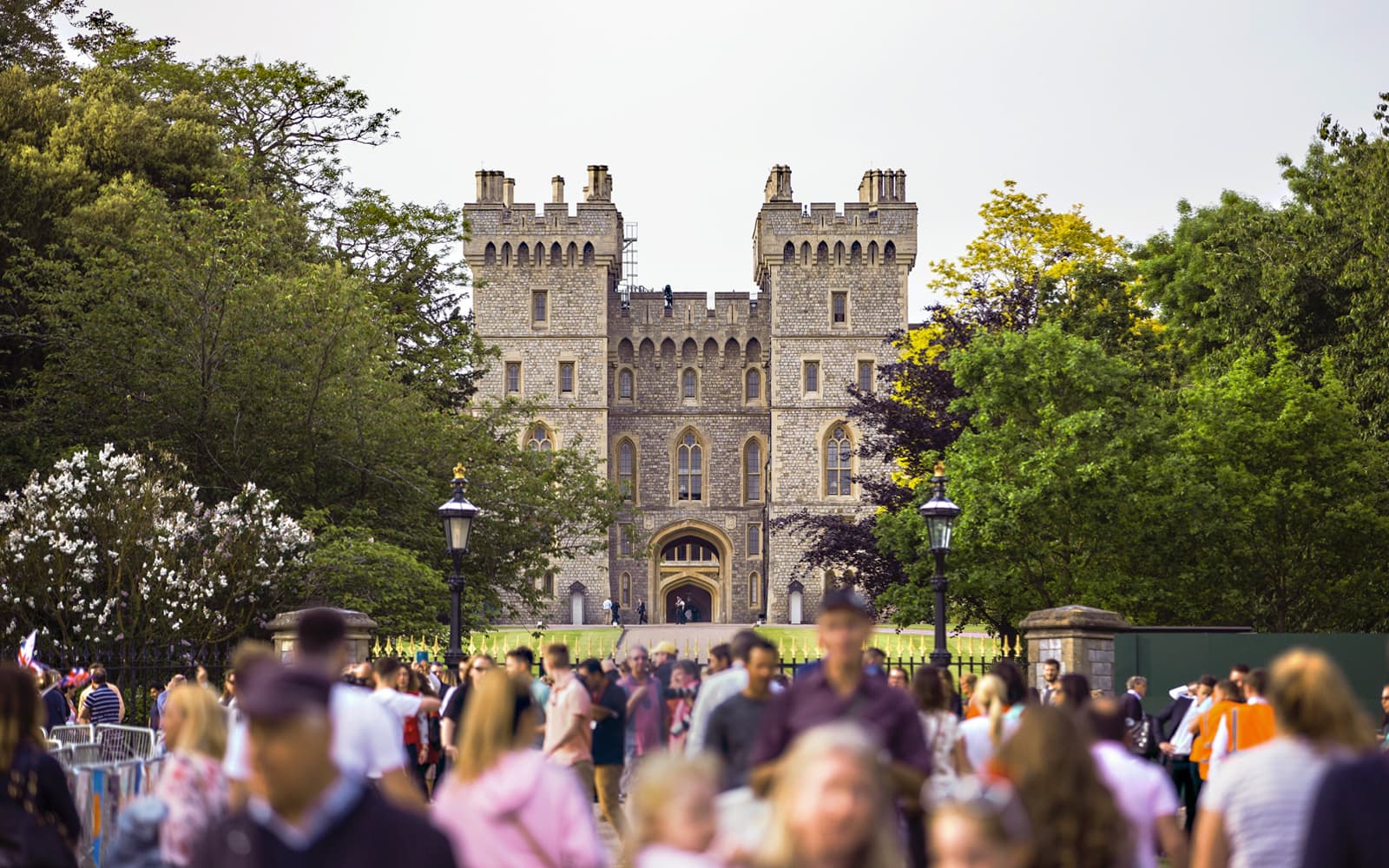
London sits within easy reach of some of England's finest sights, and a single day trip rounds out a city break. Windsor Castle, the oldest occupied castle in the world and a working royal residence, is under an hour out and pairs neatly with a walk through the town or nearby Eton. Stonehenge on Salisbury Plain is the most famous prehistoric monument in Europe and is usually combined with the cathedral city of Salisbury or the Georgian streets of Bath.
Choosing your day out
Pick your day trip by the kind of day you want. Choose Windsor or Hampton Court Palace if you want royal history with the least travel; choose Stonehenge and Bath for ancient sites and Georgian architecture; and choose the Cotswolds, Oxford or Cambridge if you want honey-stone villages or college quadrangles. Each works as a guided day tour with transport handled, which is the easiest way to fit a far-flung sight into a tight schedule.
- Windsor Castle: ~40 minutes by train; from around £30 (about $39) entry; allow half a day.
- Stonehenge: ~2 hours each way; often a full-day guided tour with Bath or Salisbury.
- Hampton Court Palace: ~35 minutes by train; from around £28 (about $36); Tudor history and famous gardens.
Reality check: how many days you need
- Three full days covers the icons, one or two museums and an evening show without rushing.
- Add a fourth and fifth day for a market morning, a neighbourhood you choose, and one day trip out of the city.
- Distances within central London are walkable, but the Underground saves time across zones — a contactless card or phone is all you need to tap in.
Plan Your Trip to London
The best things to do in London reward a little forethought: book the timed-entry icons and your afternoon tea ahead, lean on the free museums for the city's best value, and leave room for a market morning, a West End night and one day trip beyond the centre. Whether it is a first visit or a fifth, the city always has a layer you have not reached yet. When you are ready to turn this into a plan, explore more of London on Travjoy — every experience is researched and approved by local experts, so you can book the worthwhile and spend your days enjoying the city rather than second-guessing it.


.svg&w=1920&q=75)