


London: Stonehenge
Operating Hours:Daily (Summer): 09:30 - 19:00. Daily (Winter): 09:30 - 17:00
The Vibe:A ring of stones, still keeping its own time.
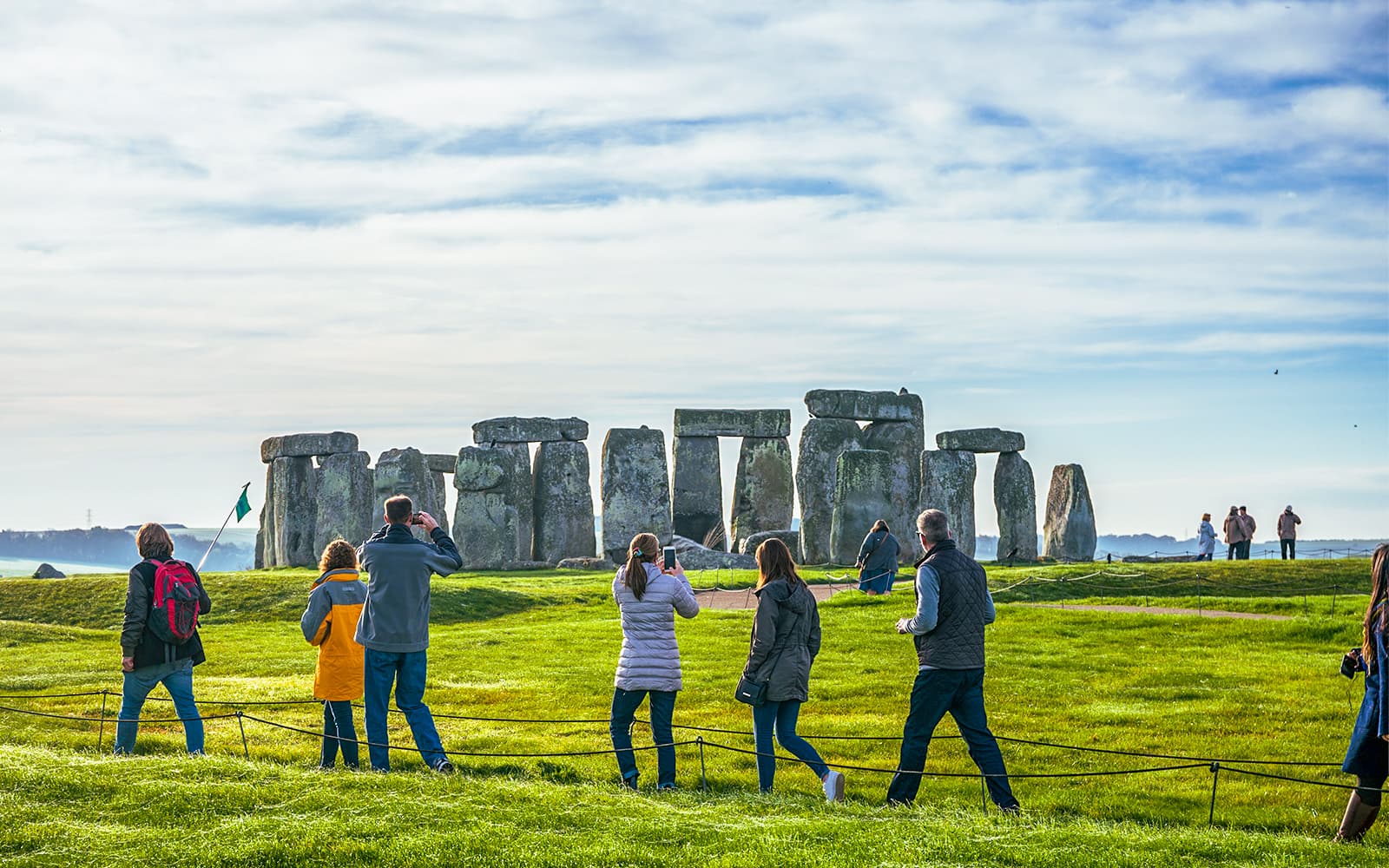
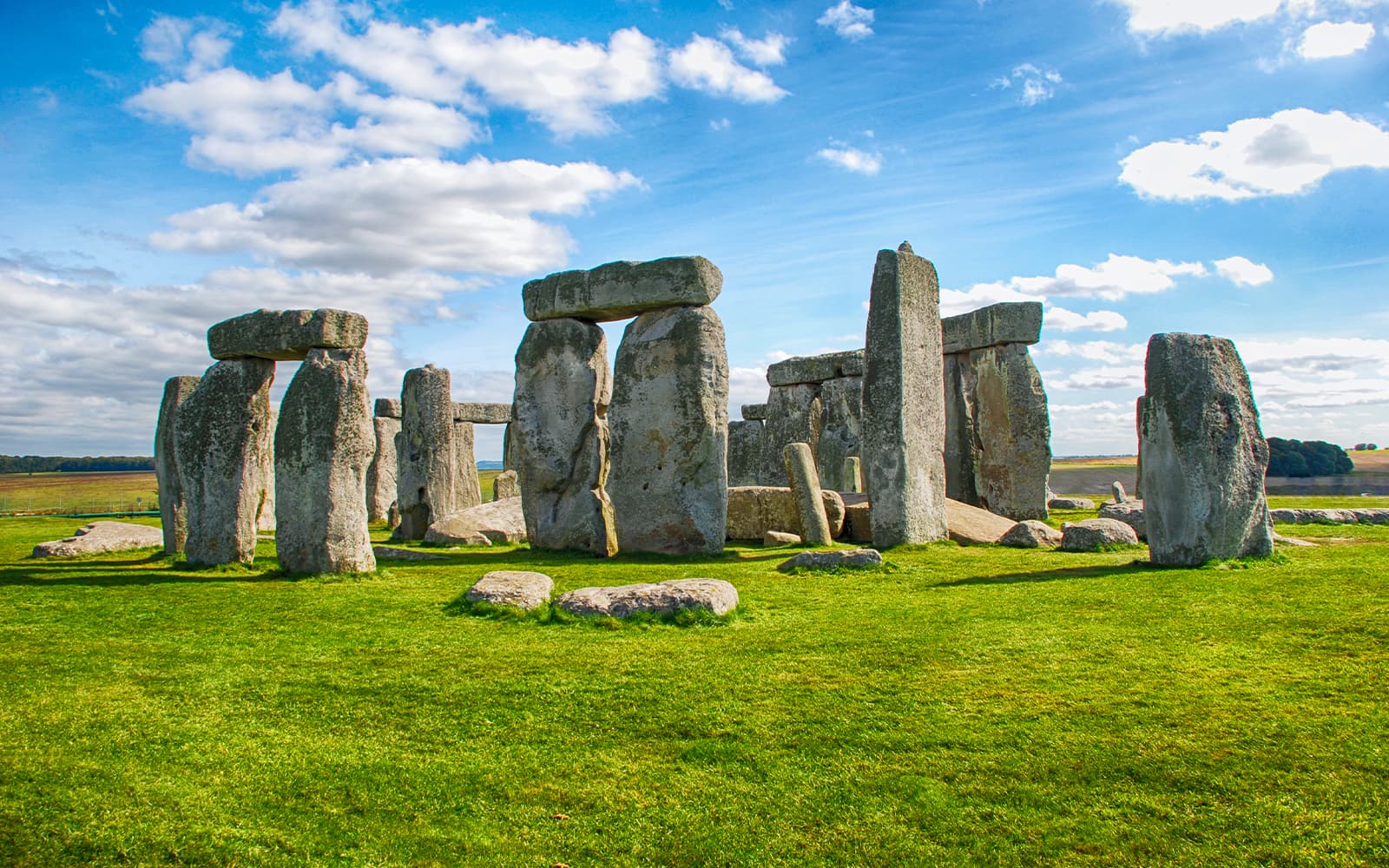
Rising from Salisbury Plain about two hours west of London, this 5,000-year-old stone circle remains one of the most studied and least understood prehistoric monuments. Its builders, purpose and methods remain partly speculative to this day.
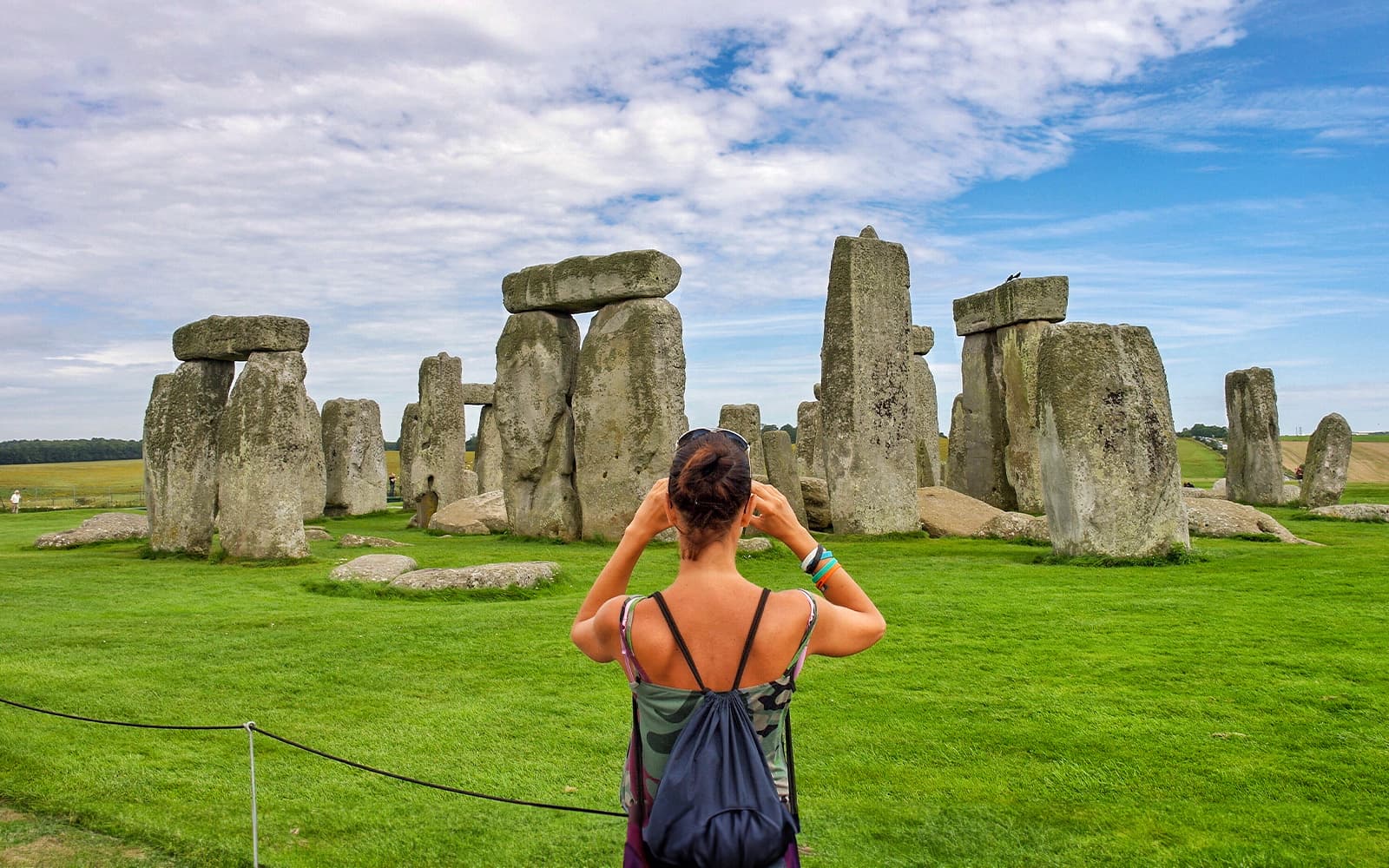
Wind sweeps across open chalk downland unchecked; the stones cast long shadows at low sun. Skylarks trill overhead; the sense of antiquity settles the moment you step off the visitor shuttle.
- • UNESCO World Heritage Site since 1986
- • Built over 1,500 years between roughly 3000 and 1500 BCE
- • Stones aligned to the summer and winter solstices with extraordinary precision
- • Around 1.5 million visitors annually, one of Britain's top-ten paid attractions
Persona Fit
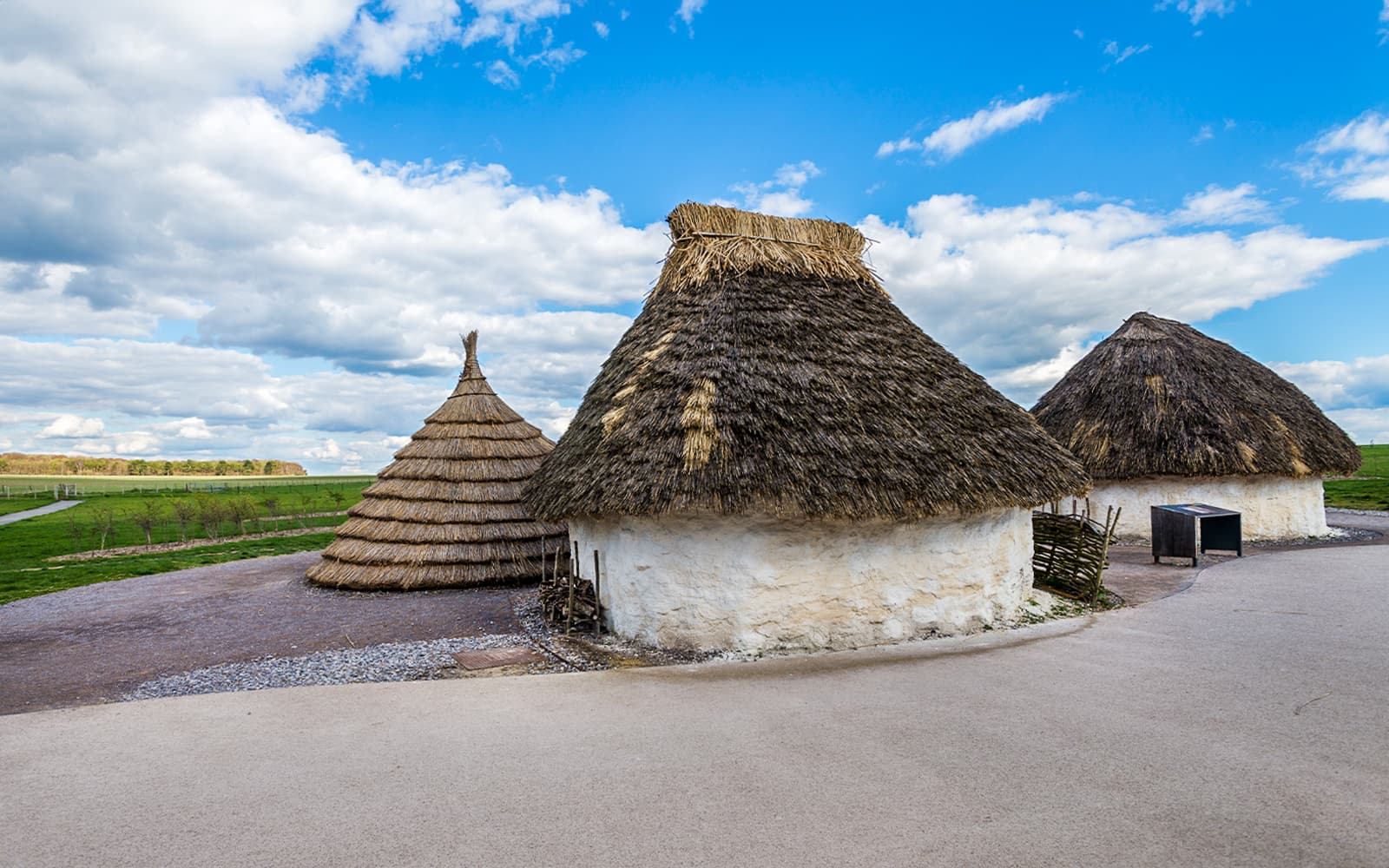
- 👨👩👧 Families: Neolithic house replicas let kids handle Stone Age tools
- 💕 Couples: Summer-solstice sunrise access (pre-booked) is memorable
- 👵 Seniors: Shuttle bus connects visitor centre to the stones; step-free paths
- 📸 Photographers: Winter light is the best — low angle, long shadows, fewer crowds
Highlights
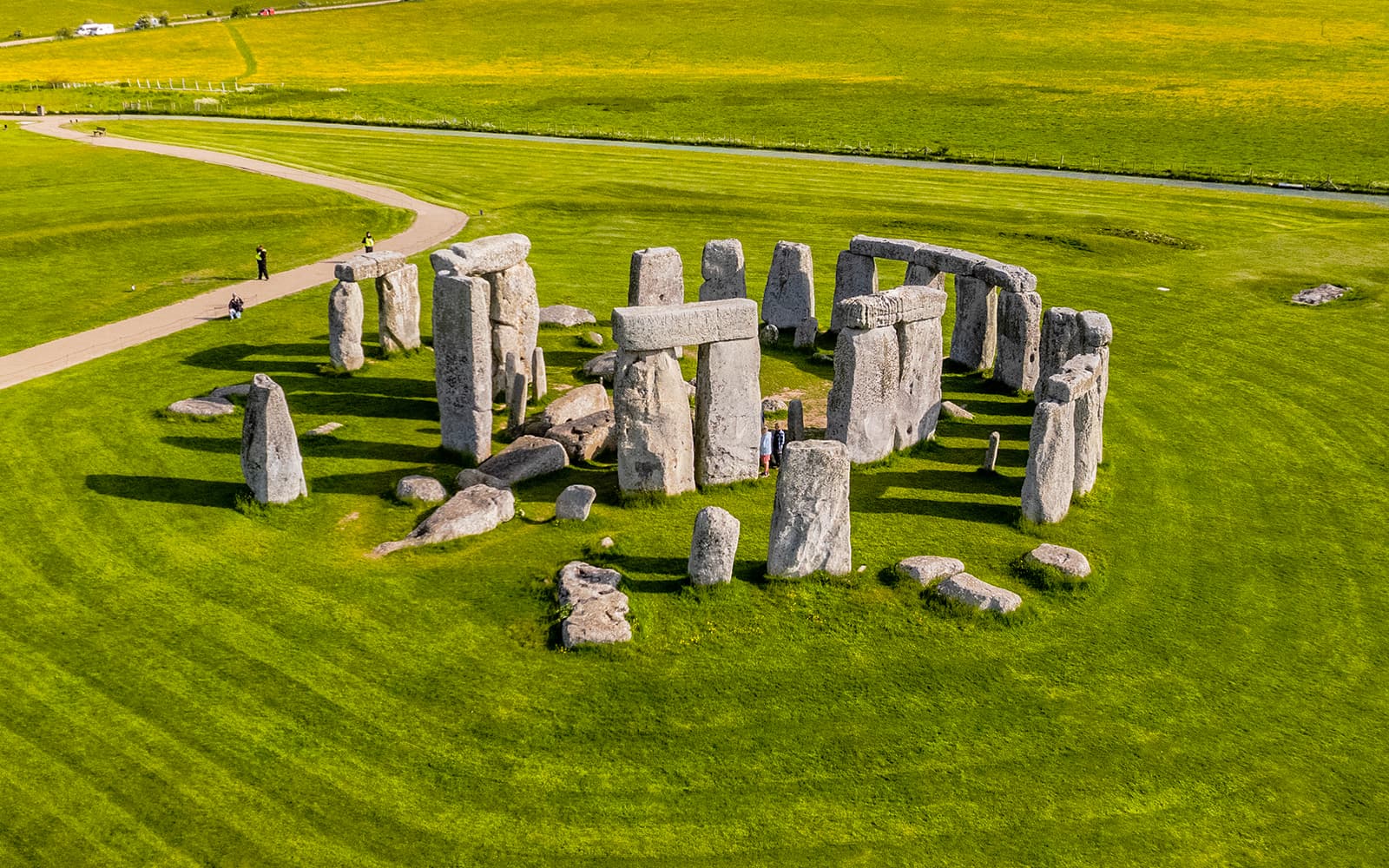
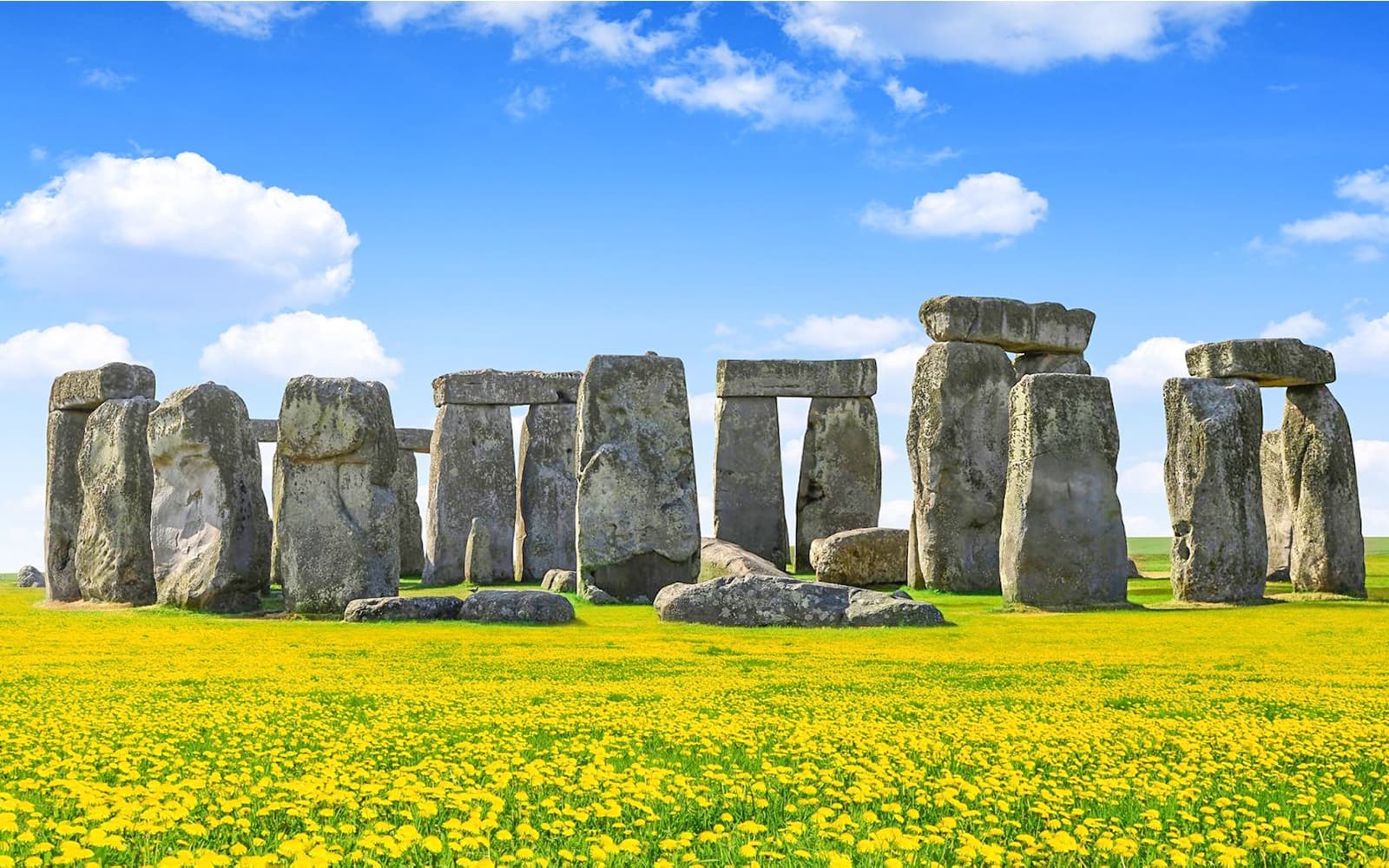
- The stone circle — sarsens, bluestones and trilithons in concentric rings
- Visitor Centre — 250 archaeological finds and a facial reconstruction of a 5,000-year-old man
- Neolithic houses — five reconstructed huts with daily hands-on demonstrations
- Audio tour — 40-minute commentary on archaeology, alignment and mythology
- Heel Stone — solitary leaning sarsen aligned with the summer solstice sunrise
- Stonehenge Avenue — ancient processional route leading from the stones to the River Avon — Hidden Gem
4 Curated Booking Options
Starts From
(Per Person)

Sarah Riches
Our London Local Expert
Table of Contents
Things To Do Nearby
Salisbury Cathedral — 13th-century Gothic masterpiece nine miles south, with one of four Magna Carta copies
Old Sarum — Iron Age hillfort and the first Salisbury Cathedral site, five miles away
Avebury — larger, less-visited stone circle, 25 miles north — free admission
Lacock Village — Harry Potter filming location, 20 miles north
Salisbury Cathedral — 13th-century Gothic masterpiece nine miles south, with one of four Magna Carta copies
Old Sarum — Iron Age hillfort and the first Salisbury Cathedral site, five miles away
Avebury — larger, less-visited stone circle, 25 miles north — free admission
Lacock Village — Harry Potter filming location, 20 miles north
TJ's Guide - Stonehenge
Know Before You Go
Insider Tips
Best Time: Winter solstice for low-angle light and aligned sunrise shots — far fewer visitors than summer
Hack: Book Special Access for inner-circle entry before or after standard opening hours
Hidden Gem: Walk back from the stones rather than taking the shuttle — 1.5 miles across open downland
Pre-book timed tickets — on-the-day admission is often impossible in peak season
Allow time for the Visitor Centre exhibition — it adds essential context
Best Time: Winter solstice for low-angle light and aligned sunrise shots — far fewer visitors than summer
Hack: Book Special Access for inner-circle entry before or after standard opening hours
Hidden Gem: Walk back from the stones rather than taking the shuttle — 1.5 miles across open downland
Pre-book timed tickets — on-the-day admission is often impossible in peak season
Allow time for the Visitor Centre exhibition — it adds essential context
Know Your Facts
- From London: Direct coach tours (4-10 hours round-trip), or train to Salisbury then local bus
- By car: 90 minutes from London via M3 and A303
- Shuttle bus runs continuously from the Visitor Centre to the stones (included in admission)
- First-time tip: The Visitor Centre and the stones are 1.5 miles apart — factor the shuttle into timings
Once You Reach
Internal Navigation
Visitor Centre first: Exhibition, ticket collection and shuttle departure
Shuttle to stones: Ten-minute ride across the A303 landscape
Stone circle: Single marked path circles the monument at a respectful distance
Accessibility: Step-free throughout; Land Rover service for limited-mobility visitors
Efficient route: Allow 2-3 hours covering exhibition, stones and Neolithic houses
Food & Coffee Shops
Visitor Centre Café: Sandwiches, hot drinks and light meals
The Red Lion (Avebury, 25 miles north): Traditional pub on another stone circle if combining sites
Salisbury centre (10 miles south): Wider dining options for a longer day
Visitor Centre Café: Sandwiches, hot drinks and light meals
The Red Lion (Avebury, 25 miles north): Traditional pub on another stone circle if combining sites
Salisbury centre (10 miles south): Wider dining options for a longer day
Photography Tips
No tripods beside the stone circle; visitor centre permits them
Winter dawn and solstice-aligned angles produce the most atmospheric compositions
Landscape lenses (24-70mm) work best; telephoto compresses the circle unnaturally
Golden hour on cloudless days gives warm stone against cool sky
No tripods beside the stone circle; visitor centre permits them
Winter dawn and solstice-aligned angles produce the most atmospheric compositions
Landscape lenses (24-70mm) work best; telephoto compresses the circle unnaturally
Golden hour on cloudless days gives warm stone against cool sky
Explore Deeper
Stonehenge was constructed in stages between roughly 3000 and 1500 BCE. The larger sarsen stones came from 25 miles north; the smaller bluestones were transported 180 miles from the Preseli Hills in Wales — a feat still not fully understood.
The monument is aligned to the summer solstice sunrise and winter solstice sunset — the most precise astronomical alignment of any Neolithic site in Britain
Recent excavations revealed Stonehenge and nearby Durrington Walls were connected by a ceremonial avenue, suggesting a larger ritual landscape
The Altar Stone, long thought to be from Wales, was traced in 2024 to northern Scotland — 700 miles away
Stonehenge was continuously modified for over 1,500 years; the stones visible today represent the final phase
The monument is aligned to the summer solstice sunrise and winter solstice sunset — the most precise astronomical alignment of any Neolithic site in Britain
Recent excavations revealed Stonehenge and nearby Durrington Walls were connected by a ceremonial avenue, suggesting a larger ritual landscape
The Altar Stone, long thought to be from Wales, was traced in 2024 to northern Scotland — 700 miles away
Stonehenge was continuously modified for over 1,500 years; the stones visible today represent the final phase
Did You Know?
Visitor count — Around 1.5 million people visit each year, making it one of Britain's top-ten paid attractions
Druid tradition — Modern druid solstice ceremonies date only to the 18th century, not to the original builders
Stone weight — The largest sarsens weigh up to 25 tonnes each, transported from 25 miles away
Hidden features — Ground-penetrating radar has revealed hundreds of buried features around the visible monument