




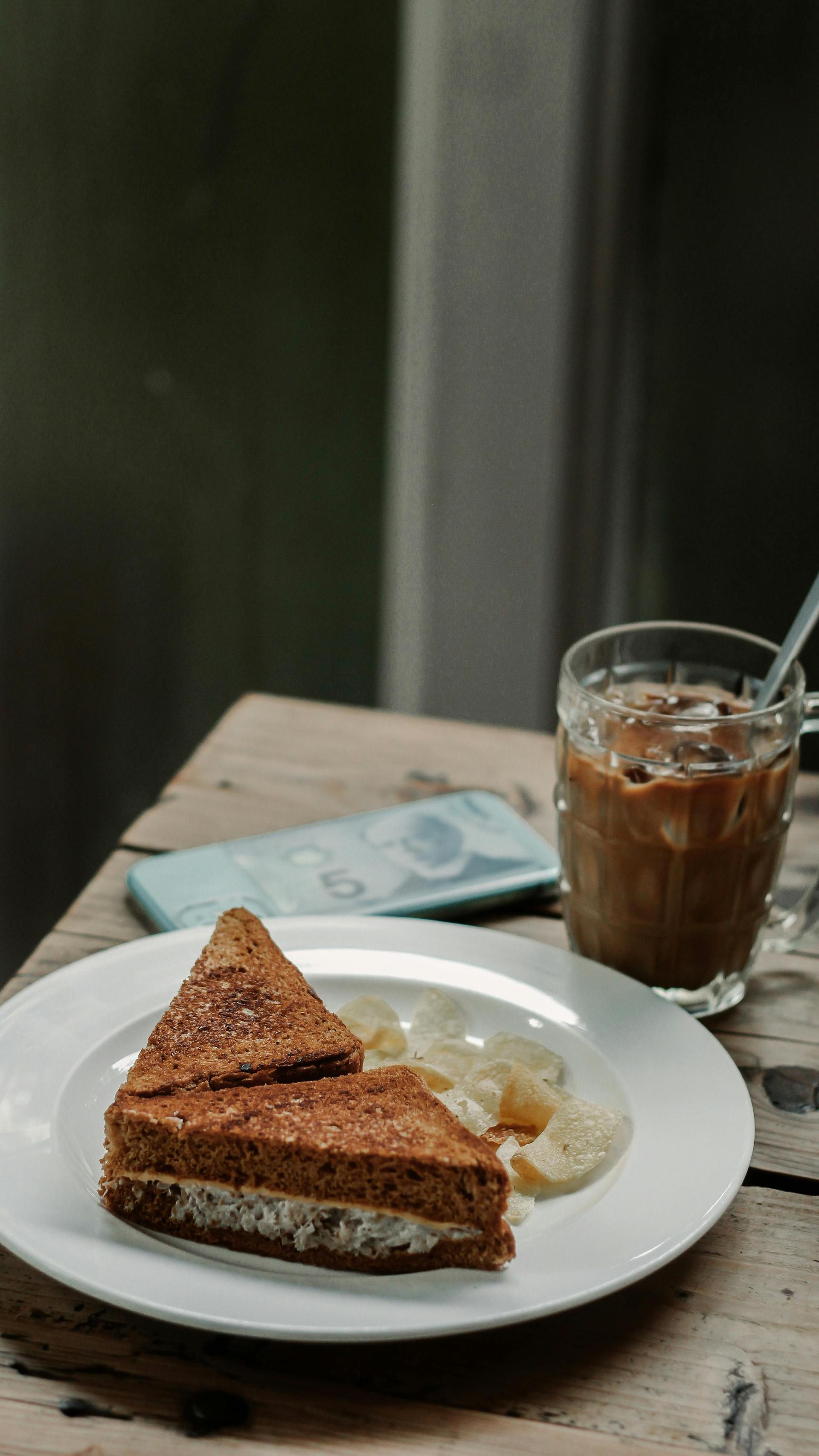
Kaya Toast & Kopitiam: Singapore's Iconic Breakfast Experience
11 min read

Pratima Alvares
Author
SHARE BLOG
TABLE OF CONTENTS
- Key Takeaways
- What Is Kaya Toast — And Why Does It Matter?
- The History Behind the Breakfast — Hainanese Roots and Kopitiam Culture
- How to Order Kopi Like a Local — The Complete Cheat Sheet
Key Takeaways
- Kaya toast with soft-boiled eggs and kopi is Singapore's definitive morning meal, available from SGD 3–8 (USD 2–6) at hawker centres and kopitiams across the city.
- Two kaya styles exist — green pandan-infused Nyonya kaya and brown caramelised Hainanese kaya — and most stalls serve one or the other.
- Kopitiam kopi has its own ordering language; knowing terms like "kopi C siew dai" and "peng" unlocks the full menu without pointing at pictures.
- The best neighbourhoods for an authentic kopitiam breakfast: Chinatown, Keong Saik Road, Tiong Bahru, and Katong — each with its own character and signature stalls.
Kaya toast in Singapore is a breakfast of charcoal-grilled bread spread with coconut-egg jam (kaya) and cold butter, served alongside soft-boiled eggs seasoned with dark soy sauce and white pepper, and a cup of traditional kopi brewed through a cloth sock filter. A standard breakfast set costs SGD 3–8 (USD 2–6) at hawker centres and kopitiams island-wide, and it remains one of the most affordable and culturally rich food experiences available to visitors.
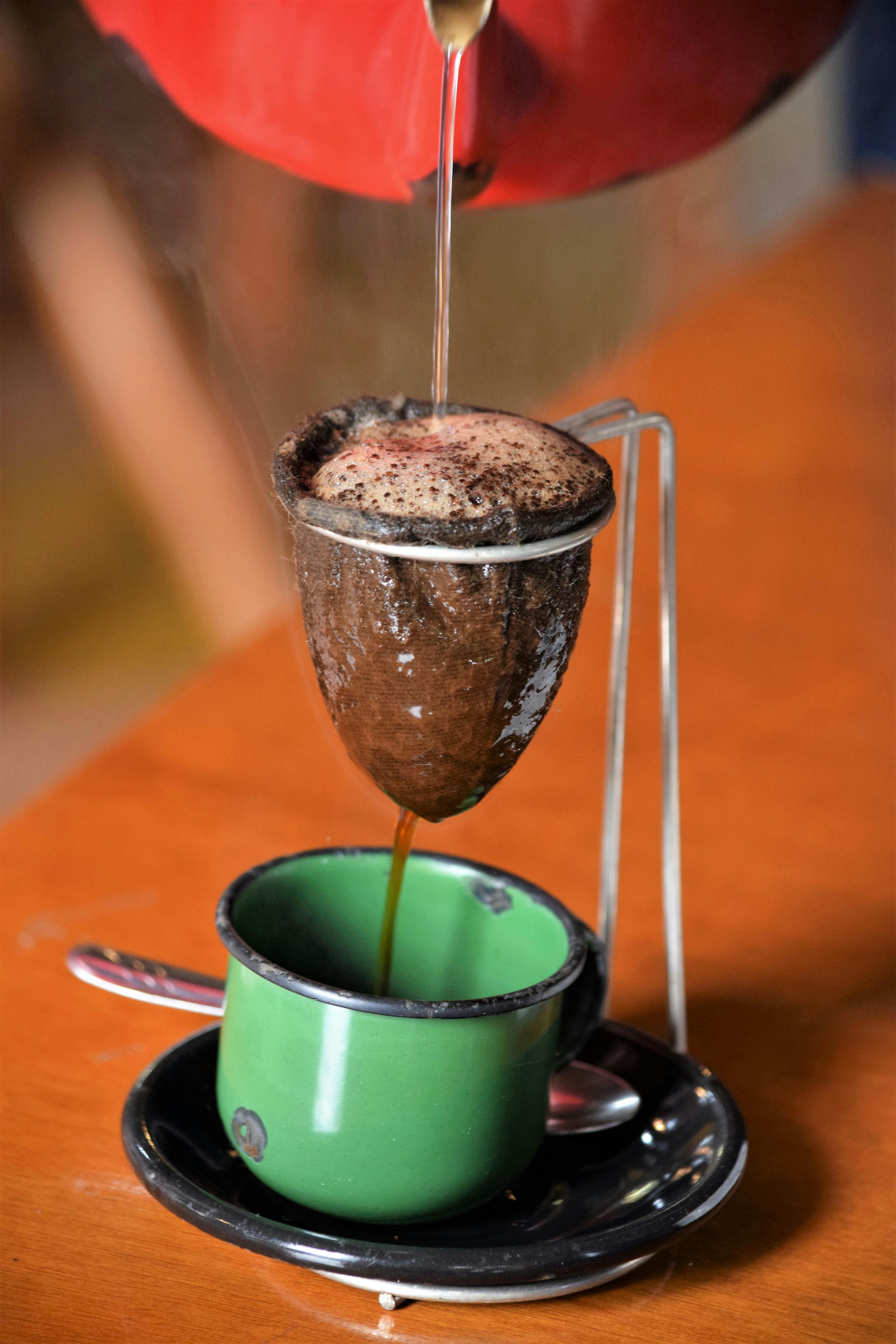
At 7 a.m. in a Chinatown kopitiam, the marble-top tables are already filling. A man in a white undershirt cracks two eggs into a saucer and stirs them with the handle of his spoon. Behind the counter, a woman pours kopi through a cloth sock in one fluid motion — the dark liquid hits the cup with a sound that has started mornings here for decades. Beside her, sliced bread toasts over a charcoal grill, and a jar of brown kaya sits within arm's reach.
This is Singapore's kaya toast breakfast — three components that have barely changed since Hainanese immigrants first assembled them in the 1940s. It is not a dish that tries to impress. There are no plating theatrics, no truffle shavings, no Instagram angles that do it justice. But for the roughly five million people who call this island home, and the growing number of travellers who now seek it out, the kaya toast set is where Singapore's food identity begins.
This guide covers everything: what kaya toast is and how to eat it, the Hainanese history that created kopitiam culture, a full breakdown of the kopi ordering system, the best stalls and neighbourhoods to visit, and the practical details — costs, timing, and etiquette — you need to walk into any kopitiam with confidence. Whether you are building your first Singapore local food itinerary or returning for a deeper dive, this is where to start.
What Is Kaya Toast — And Why Does It Matter?
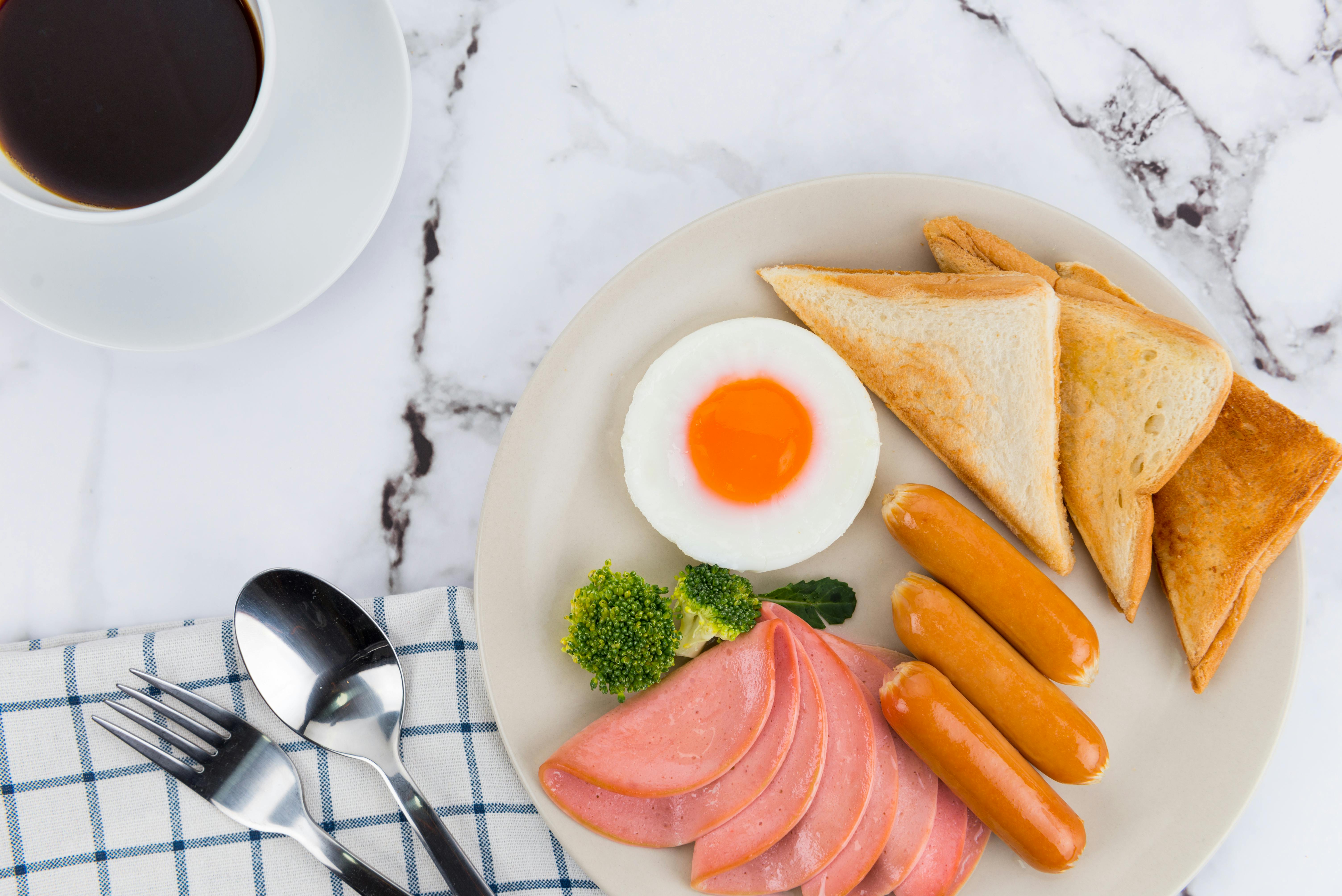
Kaya toast is a breakfast sandwich of thinly sliced, crisp-toasted bread filled with coconut-egg jam (kaya) and a slab of cold salted butter. It is always served as part of a set — alongside two soft-boiled eggs and a cup of kopi or teh — and the combination is considered Singapore's national breakfast. The set costs between SGD 3 and SGD 8 (USD 2–6) depending on whether you order at a hawker centre stall or a branded chain outlet.
The Anatomy of the Set — Toast, Eggs, Kopi
Every kaya toast set has three fixed elements, and each one plays a specific role in the meal:
- The toast: Two slices of white bread, traditionally toasted over a charcoal grill until the edges char slightly. The bread is thin — closer to a rusk than what most Western visitors expect from toast. After toasting, a generous layer of kaya is spread on one slice, cold butter on the other, and they are pressed together and cut into rectangular fingers or triangular halves.
- The eggs: Two soft-boiled eggs, cooked until the whites are barely set and the yolks remain completely runny. They are cracked into a shallow saucer, seasoned with a splash of dark soy sauce and a pinch of white pepper, and then stirred into a loose, golden mixture.
- The kopi: Traditional Nanyang-style coffee, brewed by pouring boiling water through finely ground beans held in a cloth sock filter. The beans are roasted with sugar and margarine, which gives kopi its distinctive caramel depth and thick body. The default cup comes with sweetened condensed milk.
Two Types of Kaya — Nyonya vs Hainanese
Not all kaya tastes the same. Two distinct styles dominate, and most stalls commit to one:
- Nyonya (Peranakan) kaya: Green in colour, infused with pandan leaves that give it a fragrant, floral sweetness. The texture is smoother and lighter. You will find this style more often at Katong and east-side stalls with Peranakan roots.
- Hainanese kaya: Brown in colour, with a deeper caramel flavour from slow-cooked sugar. The texture is thicker and richer, with a more pronounced egg taste. This is the style served at most heritage kopitiams and chains like Ya Kun and Killiney Kopitiam.
Both are made from a base of eggs, coconut cream, and sugar. The difference comes down to whether pandan leaf or caramelised sugar leads the flavour profile. If you have time, try one of each — the contrast tells you more about Singapore's layered food heritage than any museum label.
How to Eat It — The Egg-Dipping Ritual
There is a right way to do this, and it involves getting your fingers slightly sticky. Crack the eggs into the saucer yourself — a teaspoon tapped sharply against the shell is the standard technique. Add a dash of dark soy sauce (not light) and a pinch of white pepper. Stir until the yolk and white form a loose, golden pool.
Now take a finger of kaya toast and dip it into the egg mixture. The contrast is the point: sweet and coconut-rich from the kaya, salty and savoury from the egg and soy, and crisp-to-soft from the toast absorbing the liquid. Wash it down with a sip of hot kopi. That is the full sensory loop, and Singaporeans have been repeating it every morning for the better part of a century.
First-Timer Tip
- Try one bite of kaya toast on its own before dipping — it lets you taste the kaya and butter balance without the egg and soy competing for attention.
- If the runny eggs look daunting, ask for them slightly more cooked — most stalls will accommodate you.
- Dark soy sauce is the traditional choice. Light soy makes the eggs too salty.
The History Behind the Breakfast — Hainanese Roots and Kopitiam Culture
Kaya toast did not emerge from a test kitchen or a celebrity chef's imagination. It was built by Hainanese immigrants working as cooks and domestic servants for British colonial households in Singapore during the late 1800s and early 1900s, and it carries the DNA of both cultures in every bite.
From British Ships to Hainanese Coffee Shops
The Hainanese were among the last major Chinese dialect groups to arrive in Singapore. Earlier waves of Hokkien, Teochew, and Cantonese immigrants had already claimed positions in trade and commerce, which pushed many Hainanese into the service sector — cooking for British families, working in hotels, and serving on colonial ships.
On those ships, they encountered Western-style breakfasts: toast with fruit jam, eggs, and coffee. They adapted the concept using local ingredients, replacing expensive imported jam with a spread made from coconut cream, eggs, and sugar — what we now call kaya. The word itself comes from Malay, part of a broader family of egg-based coconut confections called serikaya.
After World War II, many Hainanese opened their own coffee shops — kopitiams — using the culinary skills they had developed in colonial service. These small, neighbourhood-facing establishments became the birthplace of Singapore's morning food culture. The toast-eggs-kopi combination crystallised here, and it has not fundamentally changed since.
How Kopitiams Shaped Singapore's Morning Identity
A kopitiam is more than a coffee shop. It is a neighbourhood anchor — the place where retirees read the morning paper, where office workers grab a quick set before the commute, and where families gather on weekend mornings. The word combines "kopi" (Malay for coffee) and "tiam" (Hokkien for shop), and the hybrid language reflects the hybrid culture that created it.
The earliest kopitiams were spare and functional: marble-top tables, wooden stools, tiled walls, and a glass display case of bread and cakes. Many of the surviving heritage kopitiams still look this way. The charm is not retro — it is simply unchanged. Killiney Kopitiam on Killiney Road, originally founded in 1919 as Kheng Hoe Heng Coffeeshop, is one of the oldest still operating. Tong Ah Eating House on Keong Saik Road has been run by the same family for four generations since 1939.
UNESCO Recognition — Hawker Culture's National Significance
In 2020, Singapore's hawker culture — the ecosystem of street food stalls, kopitiam counters, and food centres — was inscribed on UNESCO's Representative List of Intangible Cultural Heritage. The following year, the Monetary Authority of Singapore issued commemorative coins featuring local dishes, including kaya toast. These are not just ceremonial gestures. They reflect a national consensus that kopitiam breakfast culture is central to Singaporean identity — not a tourist attraction, but a daily practice worth protecting.
How to Order Kopi Like a Local — The Complete Cheat Sheet
The kopi ordering system is the part that trips up most first-time visitors. It looks complicated from the outside, but it runs on a simple logic: a base word plus one or two modifiers. Once you understand the building blocks, you can construct any drink on the menu without pointing at a board or reverting to English.
The Base Terms — Kopi, Kopi O, Kopi C
Every order starts with one of three bases. The default is "kopi," which means coffee with sweetened condensed milk — thick, rich, and noticeably sweet. If that is too heavy, the two alternatives adjust the milk and sugar:
| Order | What You Get | Taste Profile |
|---|---|---|
| Kopi | Coffee + condensed milk | Rich, sweet, creamy |
| Kopi O | Black coffee + sugar (no milk) | Strong, less creamy, moderate sweetness |
| Kopi C | Coffee + evaporated milk + sugar | Lighter, silkier, less sweet |
| Kopi O Kosong | Black coffee, no milk, no sugar | Bold, bitter, pure coffee |
The "C" in Kopi C is said to come from the Carnation brand of evaporated milk that was once standard in kopitiams. The "O" comes from the Hokkien word for black.
The Modifiers — Siew Dai, Kosong, Gao, Po, Peng
After choosing your base, add modifiers to fine-tune the sweetness, strength, and temperature:
- Siew dai — less sugar. The most popular modifier among locals watching their intake.
- Kosong — no sugar at all. Pair with "Kopi O" for a completely unsweetened black coffee.
- Gao — extra strong. More coffee grounds, less water, bolder flavour.
- Po — extra weak. A thinner, milder brew for those who prefer a gentle cup.
- Peng — iced. Add this to the end of any order for the cold version.
- Di lo — extra thick. Concentrated enough to cut through melting ice without diluting.
Building Your Order — "Kopi C Siew Dai Peng" Demystified
The system is modular. Stack the terms and you have a custom order:
- Kopi C siew dai peng = coffee + evaporated milk + less sugar + iced
- Kopi O kosong = black coffee + no sugar
- Kopi gao = strong coffee + condensed milk
- Kopi gu you = coffee with a slab of butter melted in (yes, butter — and it adds a toffee-like richness)
If you are new to the system, start with "Kopi C siew dai" — it is lighter and less sweet than the default, and it gives you a clear sense of the roast character without being overwhelmed by condensed milk. From there, adjust up or down.

Teh Works the Same Way — Swap Kopi for Teh
If you prefer tea, the entire system applies. Replace "kopi" with "teh" and every modifier works identically. Teh = tea with condensed milk. Teh O = black tea with sugar. Teh C siew dai peng = iced tea with evaporated milk and less sugar. The logic is the same; only the base ingredient changes.
Ordering Etiquette
- Speak clearly and say your order in one go — "kopi C siew dai" — without pausing between terms.
- Do not worry about perfect pronunciation. Kopitiam staff serve tourists daily and will understand you.
- For takeaway, add "da bao" at the end. Your drink may arrive in a thin plastic bag tied with a rubber band — this is normal and traditional.
Best Quality Experiences for Singapore




View more Experiences

Where to Eat Kaya Toast in Singapore — Stalls Worth the Morning
Singapore has hundreds of places serving kaya toast, from hawker centre counters that open before dawn to air-conditioned chain outlets inside shopping malls. The difference is not just in the toast — it is in the atmosphere, the kaya recipe, and whether the bread meets a charcoal grill or an electric toaster. Here is where to go depending on what kind of morning you want.
Heritage Kopitiams — The Originals
These are the places that have been making kaya toast in Singapore long before it became a tourist talking point. Each one has its own kaya recipe, its own toasting method, and a regular crowd that treats the morning set like a daily contract.
- Ya Kun Kaya Toast (Far East Square flagship): Founded in 1944 by Hainanese immigrant Loi Ah Koon. The flagship still toasts bread over charcoal, producing wafer-thin slices with a rusk-like crunch. Their Hainanese kaya — brown, rich, caramel-forward — is the benchmark. Set A (toast + eggs + kopi) costs around SGD 6.30 (USD 4.70). Over 100 outlets across Singapore, but the charcoal method is mostly limited to select locations.
- Killiney Kopitiam (67 Killiney Road): Originally opened in 1919 as Kheng Hoe Heng Coffeeshop, making it one of the oldest kaya toast purveyors in the country. The original shop sits just behind Somerset MRT station. Toast is evenly golden with a soft interior, and the kaya-to-butter ratio is well balanced. Open 6 a.m. to 6 p.m. daily.
- Tong Ah Eating House (35 Keong Saik Road): Four generations of the same family since 1939. Their crispy toast is triple-toasted — charred edges are scraped off with a condensed milk can lid — and sliced paper-thin. The Hainanese kaya is made in-house with a pronounced egg richness. Try the steamed bread with kaya for a softer alternative. Open 7 a.m. to 10 p.m.
- Chin Mee Chin Confectionery (204 East Coast Road): A Katong institution since the 1950s. Closed in 2018, reopened in 2021 to considerable local excitement. Serves kaya on round buns instead of sliced bread — crispy outside, soft inside. The renovated interior preserves the heritage feel.
Hawker Centre Picks — Morning at the Food Centres
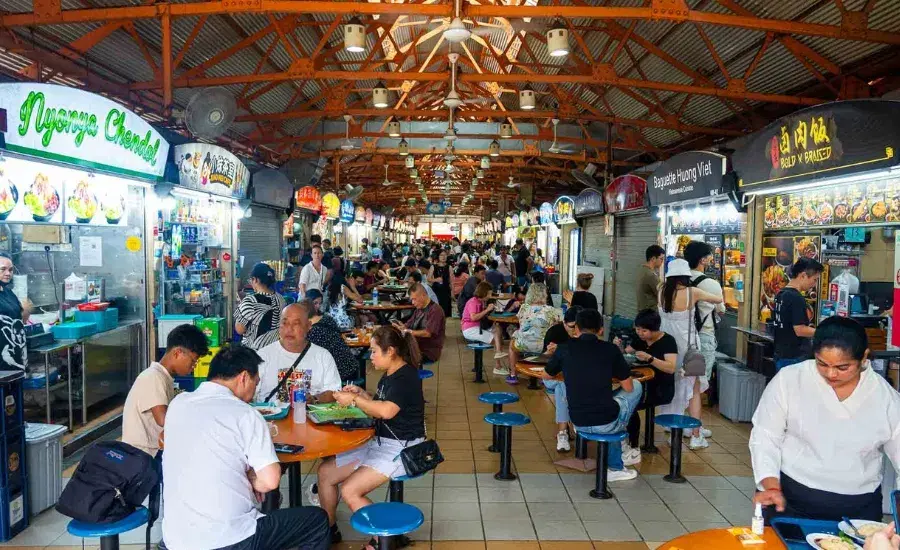
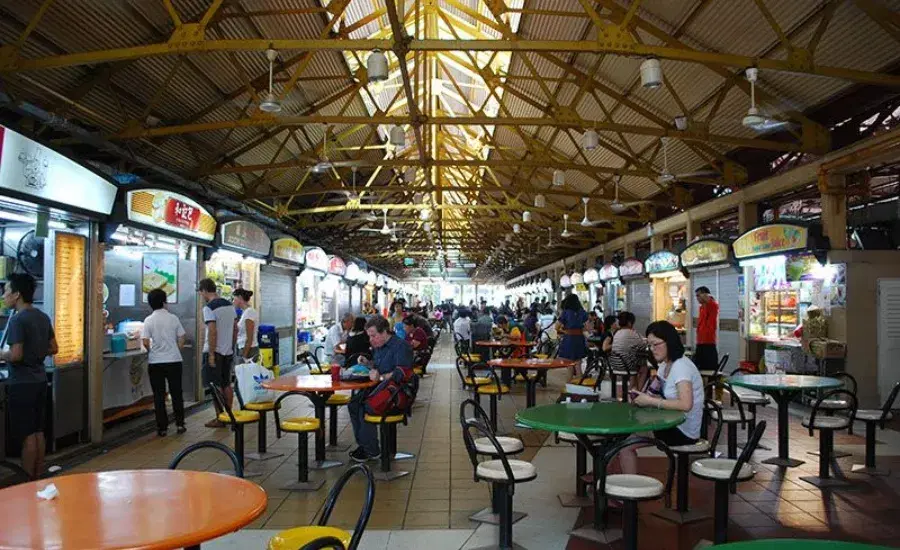
If you want the full hawker experience — shared tables, low prices, and a rotating cast of regulars — head to a food centre. The kaya toast stalls inside them tend to be cheaper and more no-frills than the standalone kopitiams.
- Maxwell Food Centre: Home to Coffee Queen, one of the better-value kaya toast stalls in the CBD. A full set comes in under SGD 4 (USD 3). Also a five-minute walk from Chinatown Complex Food Centre, where The 1950s Coffee — the only local breakfast stall listed in the Michelin Guide — serves kaya toast from SGD 1.20 per portion.
- Tiong Bahru Market: A favourite morning stop in one of Singapore's most walkable heritage neighbourhoods. Pair your kaya toast with a wander through Tiong Bahru's art deco shophouses and independent cafés.
Chains vs Independents — What to Expect
Chain outlets like Ya Kun, Toast Box, Killiney Kopitiam, and Heavenly Wang are found in most shopping malls and MRT station areas. They offer air conditioning, consistent quality, and slightly higher prices (SGD 5–8 / USD 3.70–6 for a set). They are convenient, and the kaya and kopi are reliable.
Independent kopitiams and hawker stalls cost less (SGD 3–5 / USD 2–3.70 for a set) and offer more character — charcoal grills, handmade kaya, and the ambient noise of a neighbourhood waking up. The trade-off is that hours can be irregular, queues form early at popular stalls, and seating is shared and unshaded.
For a first visit, a heritage kopitiam like Tong Ah or the original Killiney Kopitiam gives you the fullest experience. For convenience, any Ya Kun outlet delivers a solid set.
Planning Your Kopitiam Morning — Timing, Cost, and Etiquette
A kopitiam breakfast is one of the simplest food experiences to plan in Singapore, but a few practical details will help you avoid queues, budget accurately, and avoid the one social misstep that gets noticed.
Best Time to Go
Arrive between 7 a.m. and 9 a.m. for peak freshness. This is when the charcoal grills are at their hottest, the eggs are cooked to order in continuous batches, and the kopi is brewed most frequently. After 10 a.m., some independent stalls slow down or close — heritage kopitiams often wrap up by early afternoon. Chain outlets keep longer hours (typically 7:30 a.m. to 9 p.m.), but the morning atmosphere is part of the experience.
What a Set Costs
- Hawker centre stalls: SGD 3–4.50 (USD 2–3.40) for a full set (toast + eggs + kopi)
- Independent heritage kopitiams: SGD 4–6 (USD 3–4.50)
- Chain outlets (Ya Kun, Toast Box, Killiney): SGD 5.50–8 (USD 4.10–6). Marina Bay Sands and airport outlets sit at the top of this range
- Individual kaya toast (no set): SGD 1.20–3 (USD 0.90–2.25)
Prices reflect 2025–2026 ranges and may vary by outlet location. Mall-based and tourist-zone outlets skew higher. Hawker centre stalls remain the most affordable option across the board.
Kopitiam Etiquette — What to Know Before You Sit Down
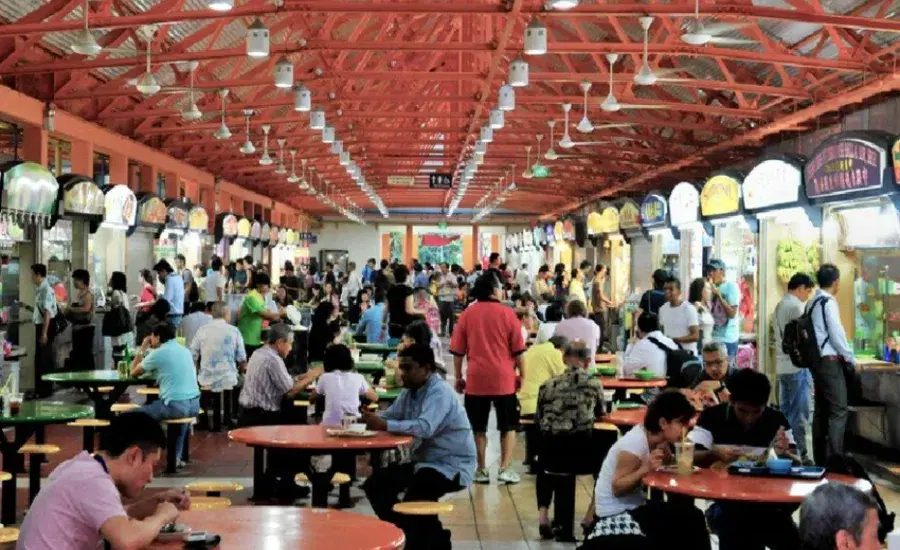
Kopitiams and hawker centres operate on a self-service model. You walk to the counter, place your order, pay in cash or by card (most stalls now accept PayNow and contactless payment), and wait at your table for the food to arrive — or collect it when your number is called.
The one cultural practice to know: tissue-packet seat reservation. If you see a small packet of tissues on a table, it means someone has claimed that seat. Do not move the tissues and sit down — this is the unwritten rule of hawker centre dining, and it is taken seriously. Simply find another table, place your own packet of tissues, and then go order.
Shared tables are standard. If the centre is busy and there are empty chairs at an occupied table, it is perfectly acceptable to ask "Can I sit here?" and join. Nobody expects conversation — it is a practical arrangement, not a social one.
Quick-Reference: Your First Kopitiam Order
- Walk to the drink stall and say: "Kopi C siew dai" (or just "kopi" to keep it simple)
- Walk to the toast counter and ask for: "Set A" — this is the standard toast-eggs-kopi combination at most stalls
- Pay at the counter (cash or contactless)
- Sit, crack your eggs, stir in dark soy and white pepper, dip your toast, repeat
Beyond the Toast — Modern Takes and Where Kaya Goes Next
Kaya toast's core format has not changed in decades, and most Singaporeans would argue it should not. But the ingredient — kaya itself — has found its way into a growing number of contemporary formats, especially in Singapore's specialty café scene and as a take-home souvenir for travellers.
Café-Style Variations
A handful of cafés and bakeries now serve kaya in non-traditional formats: kaya spread on sourdough, kaya-filled croissants, kaya-swirl brioche, and even pandan kaya ice cream. These are not replacements for the kopitiam original — they are reinterpretations that appeal to a younger crowd and to visitors who want to experience the flavour in a more familiar setting. Tiong Bahru, with its mix of heritage kopitiams and modern cafés, is the best neighbourhood to compare both styles side by side.
Bringing It Home — Kaya Jam as a Souvenir
Jars of kaya jam are sold at most supermarkets (FairPrice, Cold Storage) and at the branded chain outlets. Ya Kun and Killiney both sell their house-recipe kaya in retail jars — typically SGD 5–10 (USD 3.70–7.50) per jar. These make a practical, flavourful souvenir that packs flat and survives a checked bag. If you want to recreate the full set at home, pick up a jar of kaya, a pack of white sandwich bread, and a can of condensed milk for the kopi. The charcoal grill is the one thing you cannot take with you.
If you are looking to go deeper into Singapore's kaya toast and kopitiam breakfast culture beyond a single morning meal, consider joining one of Travjoy's guided food tours — the options are selected after extensive local research and reviewed by on-the-ground experts, so you spend your time eating rather than navigating.
Start Your Singapore Morning Right
Kaya toast is Singapore at its most honest — a breakfast that has not needed reinvention because the original combination of charcoal-grilled bread, coconut jam, cold butter, runny eggs, and thick kopi already works. It is cheap, it is fast, and it connects you to a food tradition that has outlasted every trend that has passed through the city.
If you only have one morning in Singapore, spend it at a kopitiam. Order a Set A, crack your eggs, learn to say "kopi C siew dai," and watch the neighbourhood wake up around you. It is the most Singaporean thing you can do before 9 a.m.
Start building your food itinerary and explore more of what Singapore offers — from hawker centres to waterfront dining — on Travjoy's Singapore guide. For a broader view of the city's top experiences, check out the top 20 things to do in Singapore.
Best Quality Experiences for Singapore











View more Experiences
Plan Your Visit (FAQ's)
.svg&w=1920&q=75)



POWERED BY REAL EXPERTS
Adeline Ee
Local Expert -

Planning Your Singapore trip? TravJoy Recommends the Best for You


