


Galungan and Kuningan: What Is Bali's Most Important Festival?
7 min read

Raj Varma
Author
Travel & Tourism Expert Ex-Thomas Cook, Kuoni, Times of India & Travel Triangle.
SHARE BLOG
TABLE OF CONTENTS
- Key Takeaways
- What Are Galungan and Kuningan?
- Galungan and Kuningan 2026: The Full Calendar
Key Takeaways
- Galungan and Kuningan are a single ten-day Balinese Hindu festival cycle marking the victory of dharma (good) over adharma (evil).
- In 2026 they fall on Wednesday 17 June (Galungan) and Saturday 27 June (Kuningan) — and 2026 is a rare year with only one Galungan.
- Galungan welcomes ancestral spirits back to family homes; Kuningan, ten days later, sees them off again.
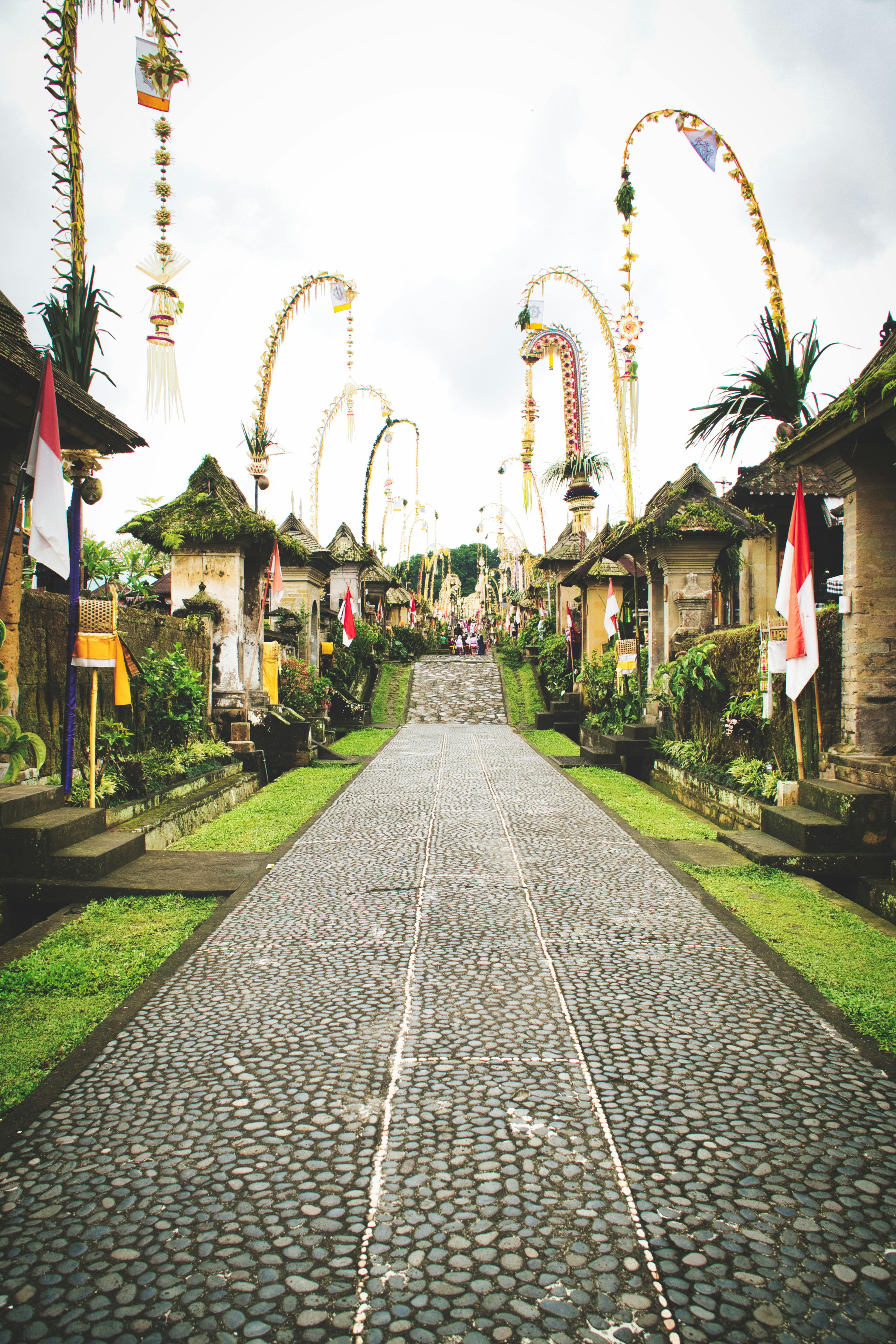
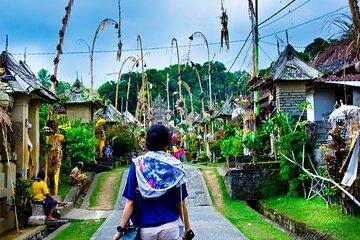
- Tall decorated bamboo poles called penjor line every village street — the festival's most recognisable sight.
- Bali stays open during the festival, unlike the Nyepi shutdown, so a respectful visit is entirely possible.
Galungan and Kuningan are Bali's most important Hindu festival cycle, celebrating the triumph of dharma over adharma and the return of ancestral spirits to their family homes. In 2026, Galungan falls on Wednesday 17 June and Kuningan ten days later on Saturday 27 June. Unlike Nyepi, the island stays open throughout, so visitors can watch the penjor-lined streets and temple ceremonies unfold as long as they observe respectfully.
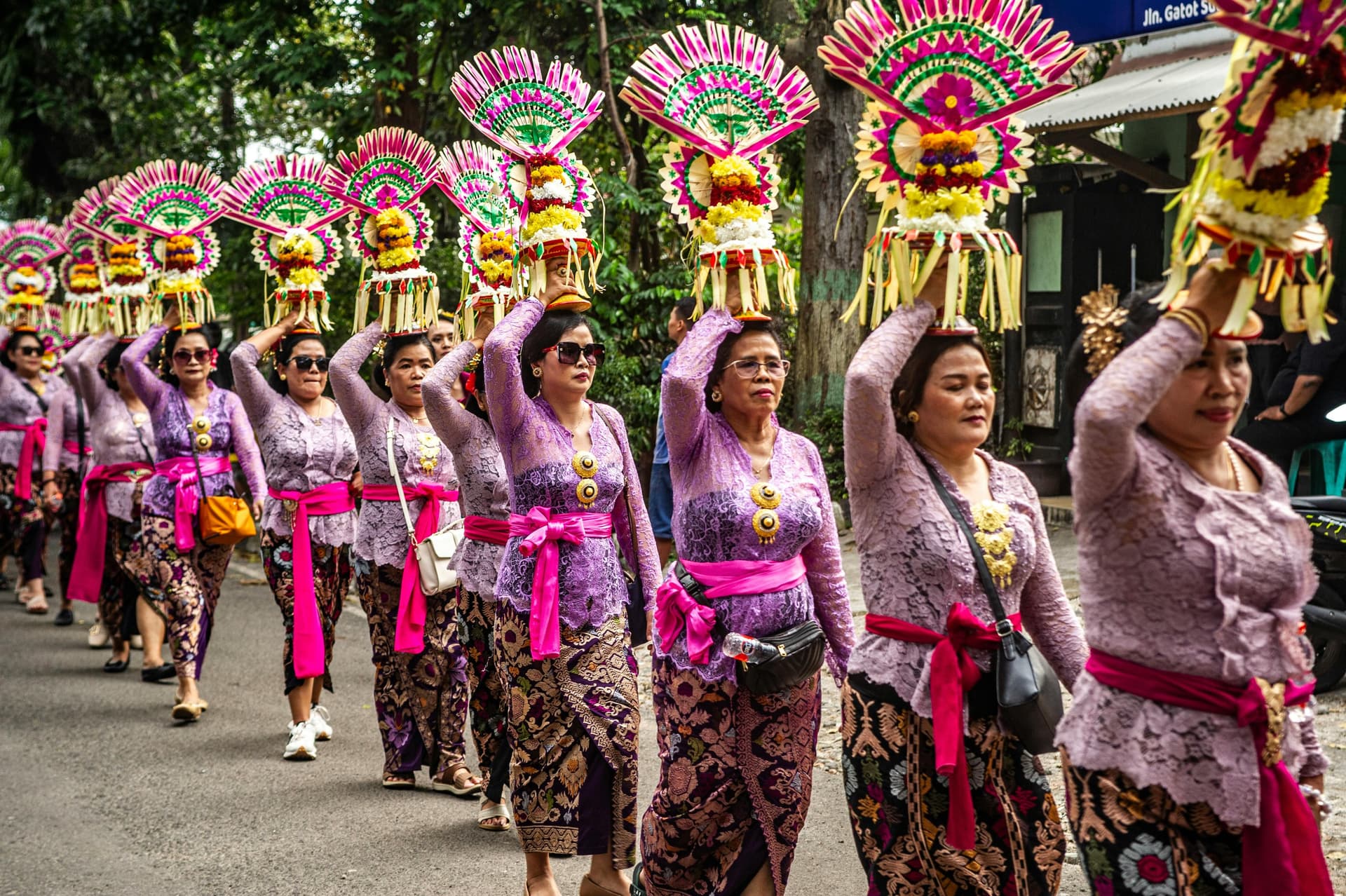
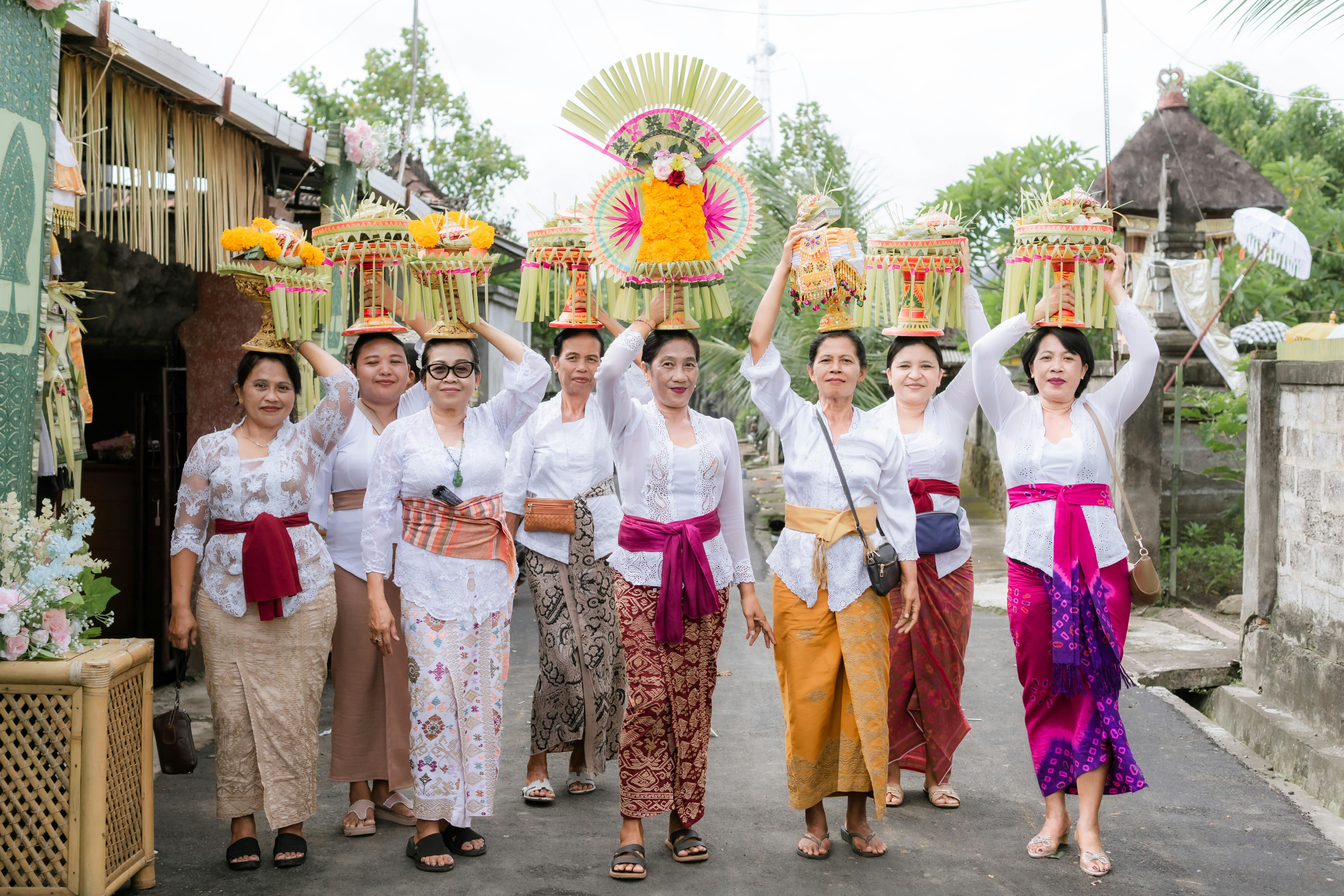
Overnight, the streets change. Tall bamboo poles arc over village roads, each one tipped with a swaying ornament of coconut leaf, rice, and flowers. Family compounds fill with the smell of palm sugar and roasting pork. Women walk to the temple balancing towers of fruit on their heads, dressed in white and gold. This is Bali in the days around Galungan and Kuningan, the festival cycle that, more than any other, shows you the island's spiritual life in full flow.
For travellers, the timing in 2026 is worth knowing. Because the Balinese ritual calendar runs on a 210-day cycle rather than a 365-day year, Galungan usually lands twice in a Gregorian year. In 2026 it lands only once — the previous Galungan fell in late November 2025 and the next arrives in early January 2027 — which leaves June 2026 standing alone as the island's single Galungan of the year.
This guide explains what the two festivals mean, gives you the full 2026 calendar day by day, decodes the penjor you will see everywhere, and helps you decide whether to plan your trip around the celebration or work gently around it.
What Are Galungan and Kuningan?
Galungan and Kuningan are two linked holy days that bookend a single ten-day period in the Balinese Hindu calendar. Galungan opens the period and Kuningan closes it. Together they celebrate the victory of dharma — order and righteousness — over adharma, the forces of chaos. It is the most widely observed religious cycle on the island, marked in every village from the coast to the highlands.
Dharma over adharma — the core meaning
At its heart, the festival is about cosmic balance. Balinese Hindus believe Galungan marks the time when the supreme god created the world's order and good triumphed over evil. The ten days are treated as a period of spiritual renewal: homes and family temples are cleaned, debts and quarrels are set aside, and offerings are made to express gratitude and keep the balance between the seen world and the unseen one.
Galungan and Kuningan — the ten-day arc
The two days play different roles. Galungan is the day the ancestral spirits descend to visit their former homes; families prepare to receive them with offerings, prayers, and a feast. Kuningan, ten days later, is the day those spirits return to the heavens. The mood shifts across the period — Galungan is the festive peak, while Kuningan is quieter and more reflective, a respectful send-off rather than a welcome.
| Aspect | Galungan | Kuningan |
|---|---|---|
| 2026 date | Wednesday 17 June | Saturday 27 June |
| Meaning | Ancestral spirits return to earth | Spirits return to the heavens |
| Mood | Festive peak — feasts, processions | Quieter, reflective farewell |
| Signature food | Lawar and babi guling (roast pork) | Nasi kuning (yellow rice) |
| Key sight | Penjor go up; Barong appears | Yellow offerings; penjor come down after |
Why it runs on the 210-day Pawukon calendar
Galungan does not have a fixed date in the Western calendar because it is set by the Pawukon, the 210-day Balinese ritual calendar. Galungan always falls on the day named Buda Kliwon Dungulan within that cycle, and Kuningan on Saniscara Kliwon Kuningan ten days later. Because 210 days is shorter than a Gregorian year, the dates drift earlier each year and the festival usually appears twice in twelve months — which is exactly why 2026, with its single occurrence in June, is unusual.
Galungan and Kuningan 2026: The Full Calendar
The festival is far more than two single days. A run of named preparation days leads into Galungan, and a shorter run leads into Kuningan, each with its own ritual purpose. Here is the 2026 sequence, mapped to Gregorian dates so you can see exactly when the island shifts into ceremonial mode.
- Sugihan Bali — Friday 12 June: a purification day for body and surroundings ahead of the festival.
- Penyekeban — Sunday 14 June: families begin ripening green bananas in clay pots for offerings.
- Penyajaan — Monday 15 June: traditional jaja rice cakes are made, often coloured and fried.
- Penampahan — Tuesday 16 June: the busiest preparation day — pigs and chickens are slaughtered, festive dishes are cooked, and penjor are raised.
- Galungan — Wednesday 17 June: the main day; temple visits, family prayers, and the welcoming of ancestral spirits.
- Umanis Galungan — Thursday 18 June: the day after, for visiting relatives and friends and enjoying the relaxed mood.
- Penampahan Kuningan — Friday 26 June: final preparations and cooking before the closing day.
- Kuningan — Saturday 27 June: the closing day; yellow rice offerings are made and the spirits are seen home, traditionally before midday.
Galungan and Kuningan 2026 at a glance
- Galungan: Wednesday 17 June 2026
- Kuningan: Saturday 27 June 2026
- Festival window: roughly 12–27 June, peaking 16–18 June
- One Galungan only in 2026 — the next falls in early January 2027
- Penjor are usually taken down a day or two after Kuningan
What is a penjor — and what its parts mean
The penjor is the festival's signature sight: a tall, gracefully curved bamboo pole planted to the right of each family compound entrance. It is an offering of thanks, and its arc is said to represent Mount Agung, the island's sacred peak, and the body of the dragon Anantaboga that symbolises prosperity. Each part carries meaning:
- The curved bamboo stem: stands for the mountain and the flow of life.
- Coconut leaf, rice stalks, and fruit: the earth's produce, offered in gratitude.
- The sampian at the tip: a hanging woven ornament holding a small offering.
- The base shrine: a small structure where daily offerings are placed during the festival.
Down a single street you will see dozens of them, each made by a different household, leaning over the road in a long ceremonial canopy. They are among the most photographed images of Galungan and Kuningan, and a key reason the festival period looks so distinct from the rest of the year.






What Happens During the Festival — Day by Day
The festival builds slowly, peaks on Galungan, and winds down by Kuningan. Most of the activity happens inside family compounds and village temples rather than in public squares, so what a visitor sees is the texture of the island getting ready: smoke from kitchens, processions of people in white, and streets lined with offerings.
The lead-up — kitchens, cakes, and the Penampahan feast
The three days before Galungan are the busiest. On Penyekeban, families set green bananas to ripen for offerings. On Penyajaan, they make jaja, the coloured rice-flour cakes used in ceremonies and shared between neighbours. Penampahan, the day before Galungan, is the most intense: pigs and chickens are prepared and the festive dishes are cooked. Expect to see and smell:
- Lawar — minced meat tossed with grated coconut, vegetables, and spices.
- Babi guling — Bali's famous spit-roast suckling pig, central to the Penampahan feast.
- Urab — a salad of vegetables and seasoned grated coconut.
Penampahan is also when the penjor go up and temple decorations are finished, so by the evening before Galungan the whole village looks transformed.
Galungan day — temples, family, and the Barong
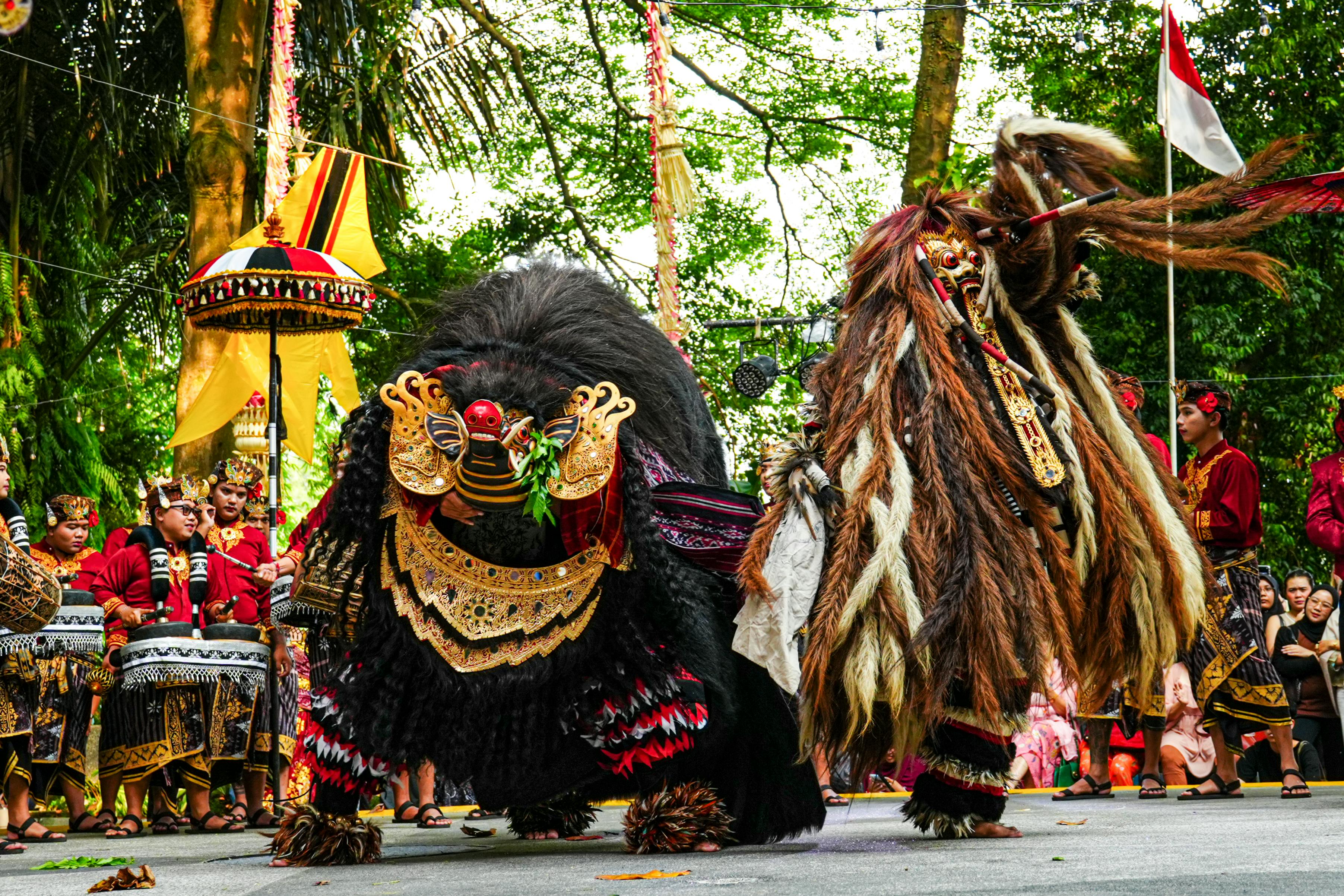
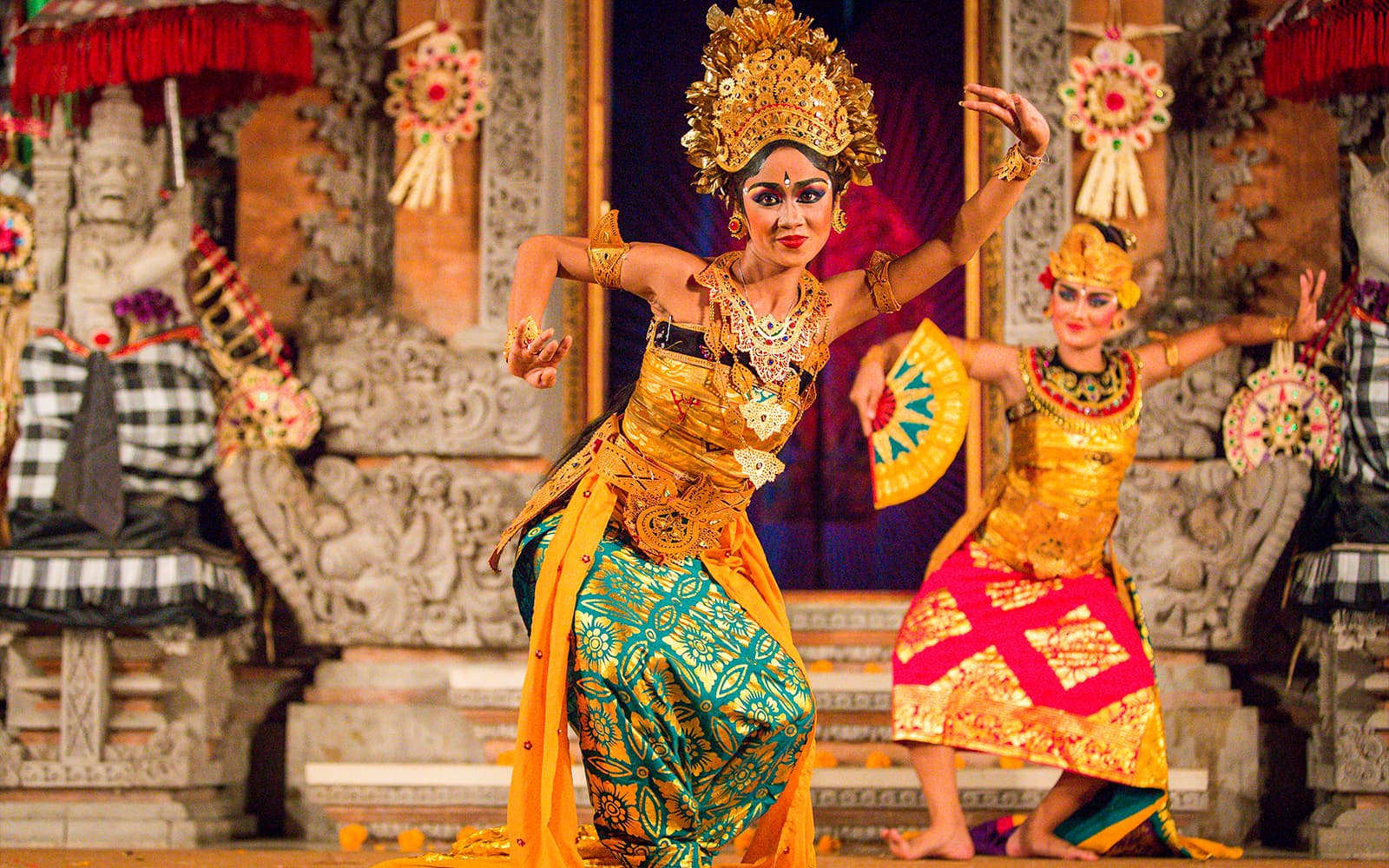
On Galungan itself, families dress in ceremonial white and gold and visit their family temple and ancestral shrines to pray and present offerings. The mood is warm and domestic rather than performative — this is a homecoming. In many villages a Barong, the lion-like guardian figure, is led from house to house by dancers and a gamelan troupe to bless each home and drive away negative energy, with children trailing behind. If your driver has to detour around a slow procession of costumed villagers, that is the day working exactly as it should.
Kuningan — yellow rice and the farewell
Kuningan, ten days later, closes the cycle. Its signature is nasi kuning, rice cooked yellow with turmeric — the word kuning means yellow, and the colour stands for prosperity and gratitude. Offerings are made in the morning because the ancestral spirits are believed to depart around midday, so Kuningan rituals are traditionally completed before noon. The atmosphere is gentler than Galungan: a quiet thank-you and send-off rather than a celebration. Within a day or two, the penjor come down and the island returns to its ordinary rhythm.
Where to Witness Galungan and Kuningan as a Visitor
You do not need an invitation to experience the festival — the penjor, the processions, and the temple activity are all around you. The best vantage points are the major temples on the key days and the traditional villages where ceremony still shapes daily life.
Temples on the key days
Bali's important temples fill with worshippers during the festival, and seeing one in full ceremonial use is very different from a quiet sightseeing visit. Worth knowing:
- Besakih, the Mother Temple on the slopes of Mount Agung is the island's holiest site and a focal point of large ceremonies.
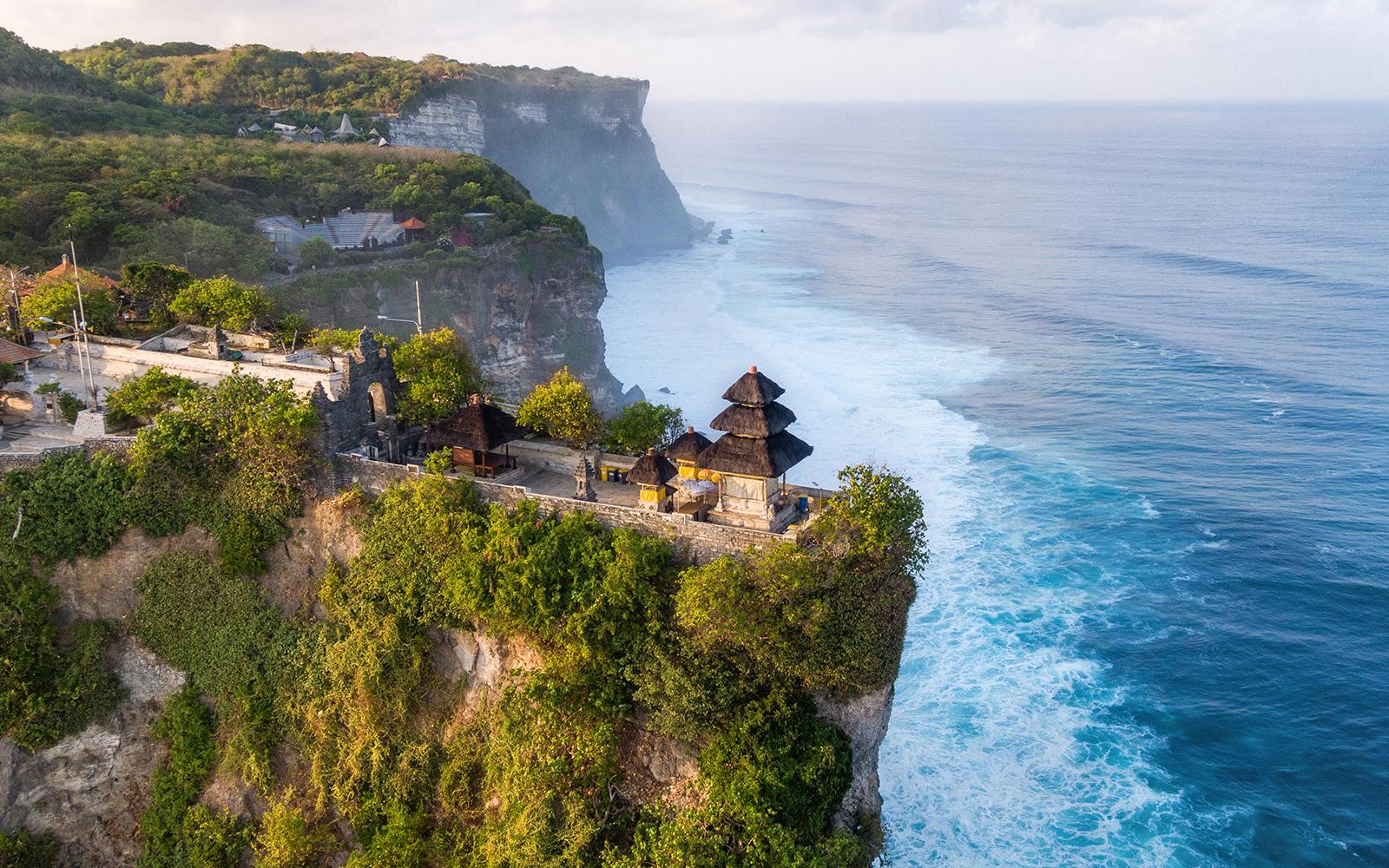
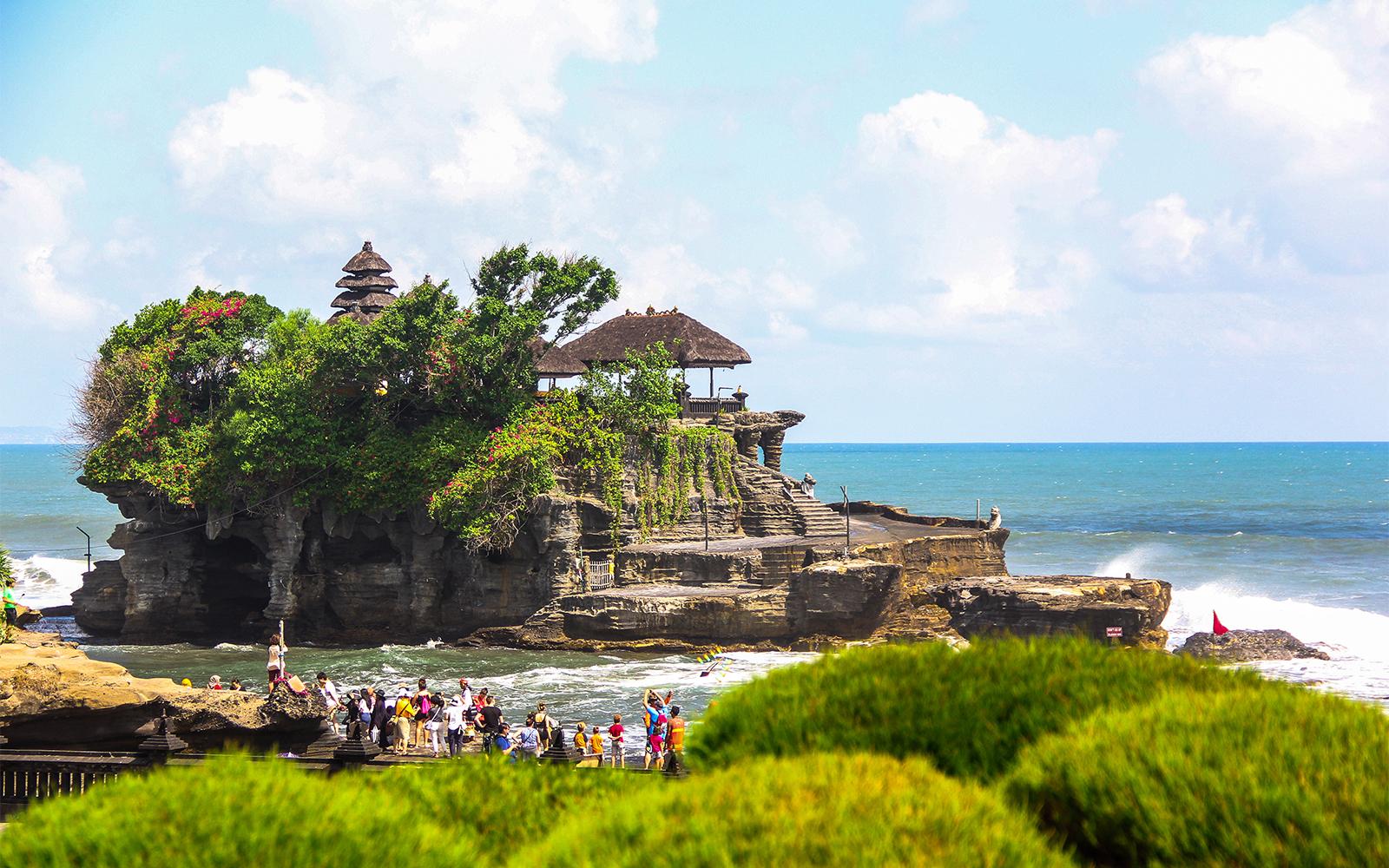
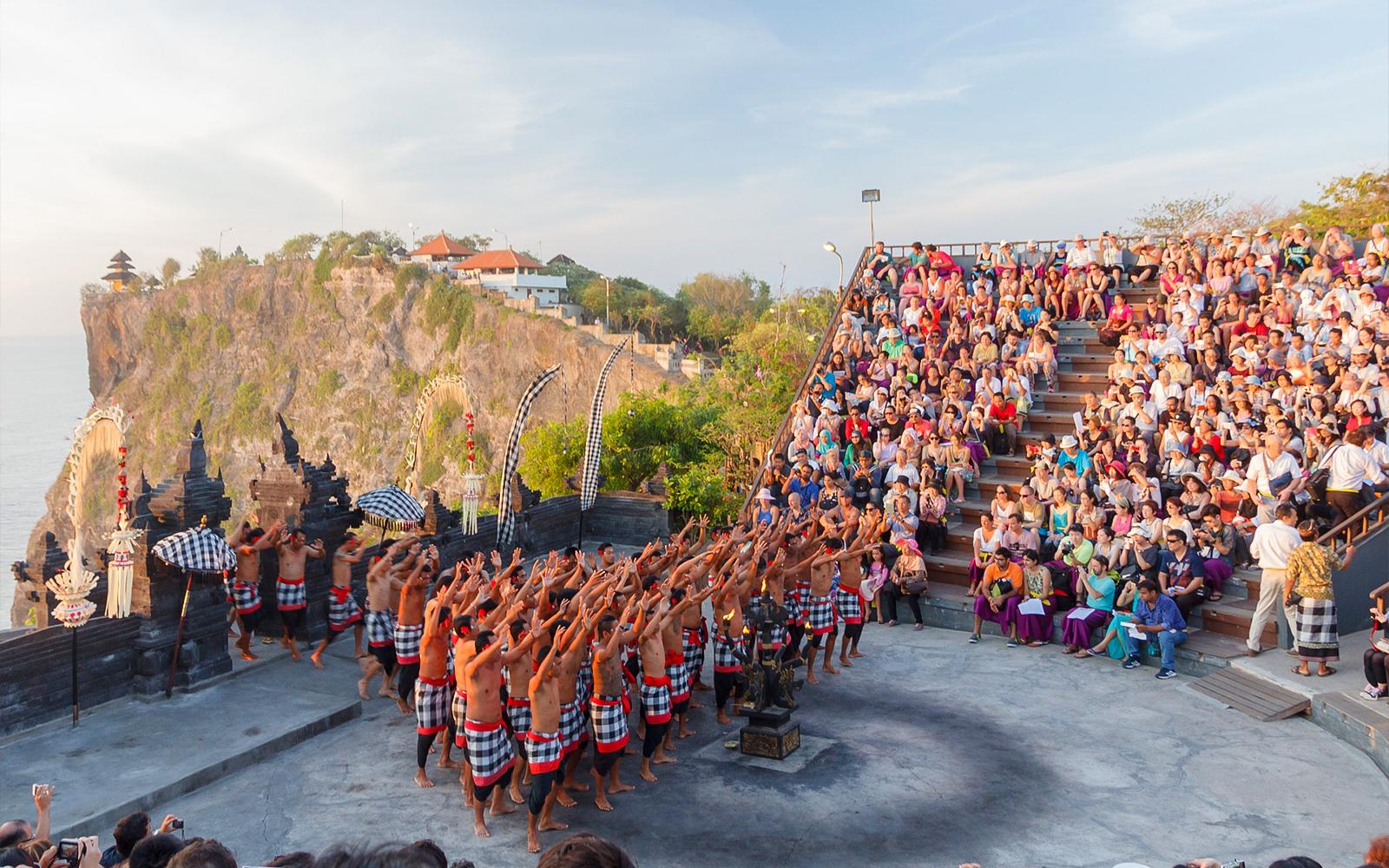
- Tanah Lot and the cliff temple at Uluwatu draw both worshippers and visitors, and look especially atmospheric when decorated for the festival.
- Arrive early, dress in a sarong and sash, and stay to the edges so you do not block prayer.
Villages — where the penjor canopy is at its best
For the full visual effect, head to villages and inland towns where households still raise elaborate penjor. Ubud and the Gianyar villages around it are easy to reach; the Sidemen valley in the east and Pererenan near Canggu are quieter alternatives. Penglipuran Village, one of Bali's best-kept traditional villages, is a particularly good place to see ceremonial life and penjor-lined lanes up close. You will find more highlights in our top 20 Bali experiences.
Visitor etiquette during Galungan and Kuningan
The festival is a sacred time, and the Balinese are welcoming to visitors who observe with care. A few rules keep you on the right side of things:
- Dress modestly: a sarong and sash are required at temples and ceremonies.
- Mind the offerings: small woven trays sit on pavements, doorways, and even scooters — step around them, never on them.
- Never walk in front of someone praying, and keep your head lower than the priest where you can.
- Ask before photographing people or rituals up close, and never use flash inside a temple.
- Keep noise down near prayer, and observe from the side rather than the centre of the action.
Should You Plan Your Trip Around Galungan and Kuningan?
For many travellers, timing a Bali trip to the festival is well worth it — it is the clearest window into the island's living religion you will find. But it is not for everyone, and it helps to be honest about the trade-offs before you book.
- Visit during it if you want to see ceremony rather than just scenery, you are happy to plan around occasional road closures, and you like the idea of June 2026's lighter crowds compared with July and August.
- Work around it if you want every shop, warung, and service running normally, quiet roads, and a purely beach-and-pool holiday without ceremonial disruption.
Crucially, Bali is not closed during Galungan and Kuningan the way it is during Nyepi, the Day of Silence. Life slows rather than stops. A few practical points:
- Many shops, restaurants, and offices close on Galungan and Kuningan days, or run reduced hours, as staff observe the festival with family.
- Domestic flights get busier as Balinese working elsewhere in Indonesia return home — book internal travel early.
- Roads near temples and processions can be slow or briefly blocked, so build in extra time.
- A private driver booked ahead is the easiest way to move around; guides can also explain what you are seeing and keep you to respectful distances.
This is where a little planning pays off. Travjoy's Bali tours and temple experiences are researched and approved by local experts, so the timing, routing, and driver arrangements are set up to work around the ceremony days rather than collide with them — letting you enjoy the festival without guessing at what is open or where to stand.
Experiencing Galungan and Kuningan
Galungan and Kuningan are the festivals that show Bali at its most itself — an island pausing its daily routine to clean its temples, raise its penjor, and welcome its ancestors home. Remember the three things that matter most: the 2026 dates of 17 and 27 June and the fact that this is the year's only Galungan; that the festival is a homecoming best observed quietly from the side; and that Bali stays open throughout, so a respectful visit is easy to arrange. Time it right and you will leave with a far deeper sense of what the island believes. Start planning your Bali trip on Travjoy.




.svg&w=1920&q=75)