


Canggu Bali: The Expat and Digital Nomad's Guide to the Hippest Area
7 min read

Sandeepa K
Author
Long-term traveller and AI Expert.
SHARE BLOG
TABLE OF CONTENTS
- Key Takeaways
- Why Canggu became Bali's digital nomad capital
- The three faces of Canggu — Berawa, Batu Bolong & Pererenan
Key Takeaways
- Canggu is Bali's busiest base for remote workers — a run of grey-sand surf beaches, rice-field lanes, and café-lined streets between Seminyak and the Tanah Lot coast.
- A comfortable solo budget runs roughly USD 1,500–2,500 a month in 2026; budget nomads manage on USD 900–1,200.
- The legal route for working remotely long-term is Indonesia's E33G Remote Worker Visa (KITAS), which needs proof of about USD 60,000 a year in foreign income.
- The area splits into three working neighbourhoods — Berawa (polished, beach clubs and gyms), Batu Bolong (the social epicentre), and Pererenan (quieter, cheaper, rice fields).
- The trade-off is real: fast café WiFi and an easy social scene come with heavy traffic, rising rents, and over-tourism.
Canggu is one of the best places in the world for remote work, pairing fast café WiFi of 60–85 Mbps with dozens of coworking spaces and an instant social scene. A comfortable month costs around USD 1,500–2,500, and the legal long-stay route for remote work is Indonesia's E33G Remote Worker Visa. This Canggu digital nomad guide walks through the real costs, where to live within the area, where to work, and the downsides most lifestyle blogs skip.
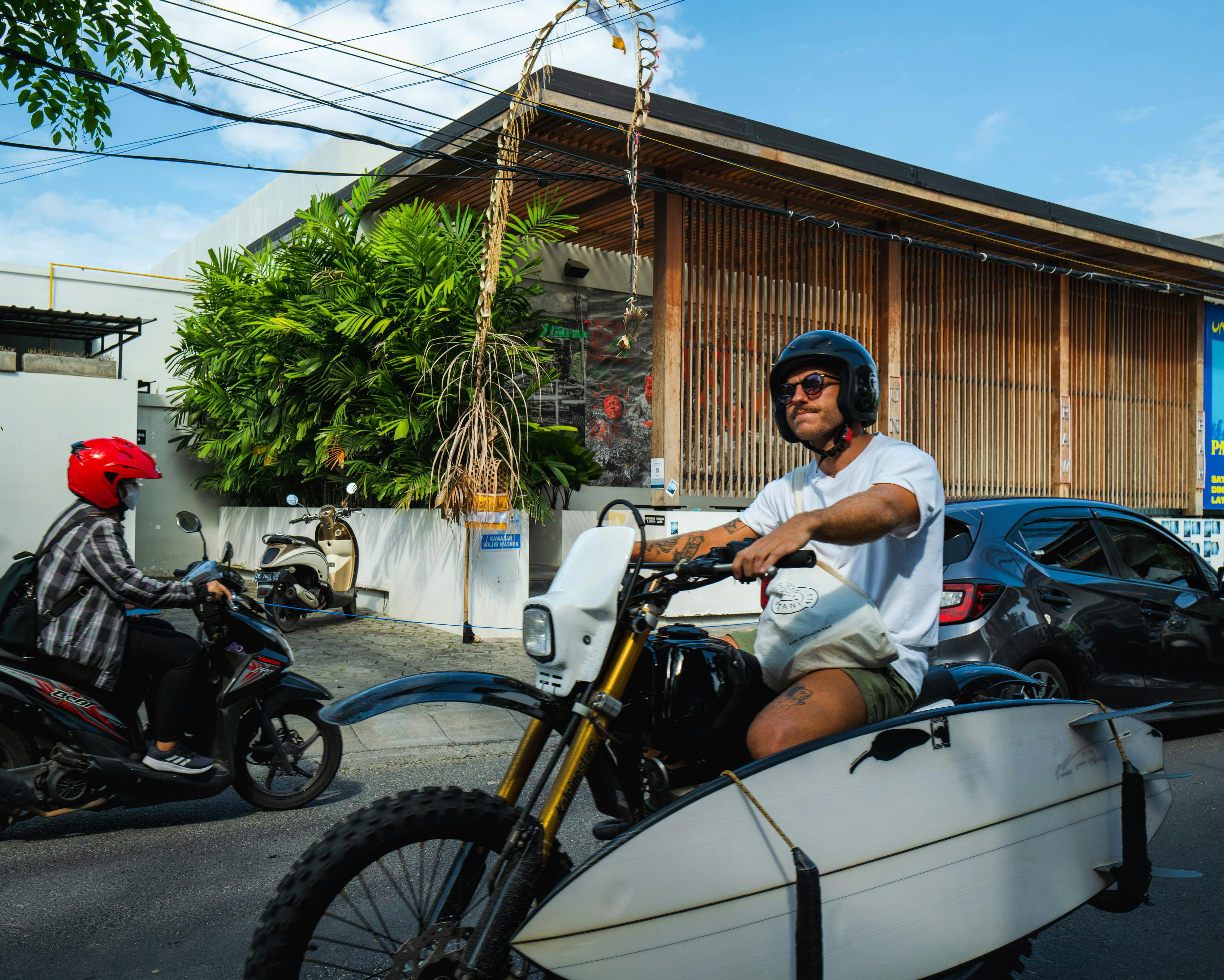
Picture a normal Canggu workday: a dawn surf at Batu Bolong, a flat white and three hours of focused work at an open-air coworking desk, then a scooter ride down a rice-field lane to a sunset beer at Echo Beach. That rhythm is why thousands of remote workers and expats have made this stretch of Bali's southwest coast their base. It is also why the roads are clogged by 4 pm and a one-bedroom villa now costs nearly double what it did five years ago.
Canggu rewards people who come with a plan and frustrates those who don't. This guide is written for the digital nomad in Canggu who wants the honest version — what it costs in 2026, which neighbourhood fits your working style, where the WiFi actually holds up, and what visa keeps you here legally. By the end you'll know whether to book a one-way flight or split your time elsewhere on the island.
Why Canggu became Bali's digital nomad capital
Canggu earned its reputation by combining three things few places offer at once: a surfable coastline, reliable infrastructure for remote work, and a dense international community you can plug into within days. A decade ago it was a handful of gravel roads and warungs behind the beach. Today it is the centre of gravity for remote workers across Southeast Asia.
The pull is practical, not just aesthetic. You can rent a villa with a pool, ride five minutes to a coworking space with enterprise-grade WiFi, find a gym and a yoga studio on the same street, and meet a dozen other founders and freelancers before the week is out. For anyone running a business across time zones, that mix of lifestyle and function is hard to beat at Canggu's price point.
What makes it work for remote workers
The fundamentals that matter to a working nomad are all here and reliably good for the region:
- Connectivity: Café and coworking WiFi typically runs 60–85 Mbps download, fast enough for video calls and large uploads. A local eSIM is an easy backup.
- Community: Coliving spaces, coworking hubs, surf line-ups, and yoga classes make it one of the easiest places anywhere to build a social circle from scratch.
- Cost: A comfortable lifestyle that would cost USD 5,000+ a month in a Western city sits closer to USD 1,500–2,500 here.
- Lifestyle on tap: Surf at sunrise, work mid-morning, gym or sauna in the afternoon, beach club at sunset — all within a few kilometres.
Who Canggu is not for
Canggu is a poor fit for some travellers, and it's worth being honest about that up front. If you want quiet, polished, low-stimulation surroundings, the constant scooter noise and construction will wear on you. If you can't ride a scooter confidently, daily life gets expensive and slow, because traffic makes car trips painful and walkable distances are limited.
It also isn't the place for a culturally immersive Bali. The area is international to the point of feeling detached from traditional Balinese life — for temples, ceremony, and rice-terrace calm you'll be taking day trips to Uluwatu or inland to Ubud rather than finding it on your doorstep. If those things matter more than surf and a built-in social scene, base elsewhere and visit Canggu for a long weekend.
The three faces of Canggu — Berawa, Batu Bolong & Pererenan
Canggu is not one place but three connected micro-neighbourhoods, and which one you pick shapes your daily life more than any other decision. Berawa is the polished, amenity-heavy zone; Batu Bolong is the social and surf epicentre; Pererenan (and neighbouring Echo Beach) is the quieter, cheaper, rice-field edge. The wider Canggu area links them along a few congested roads.
Berawa — comfort, beach clubs and gyms
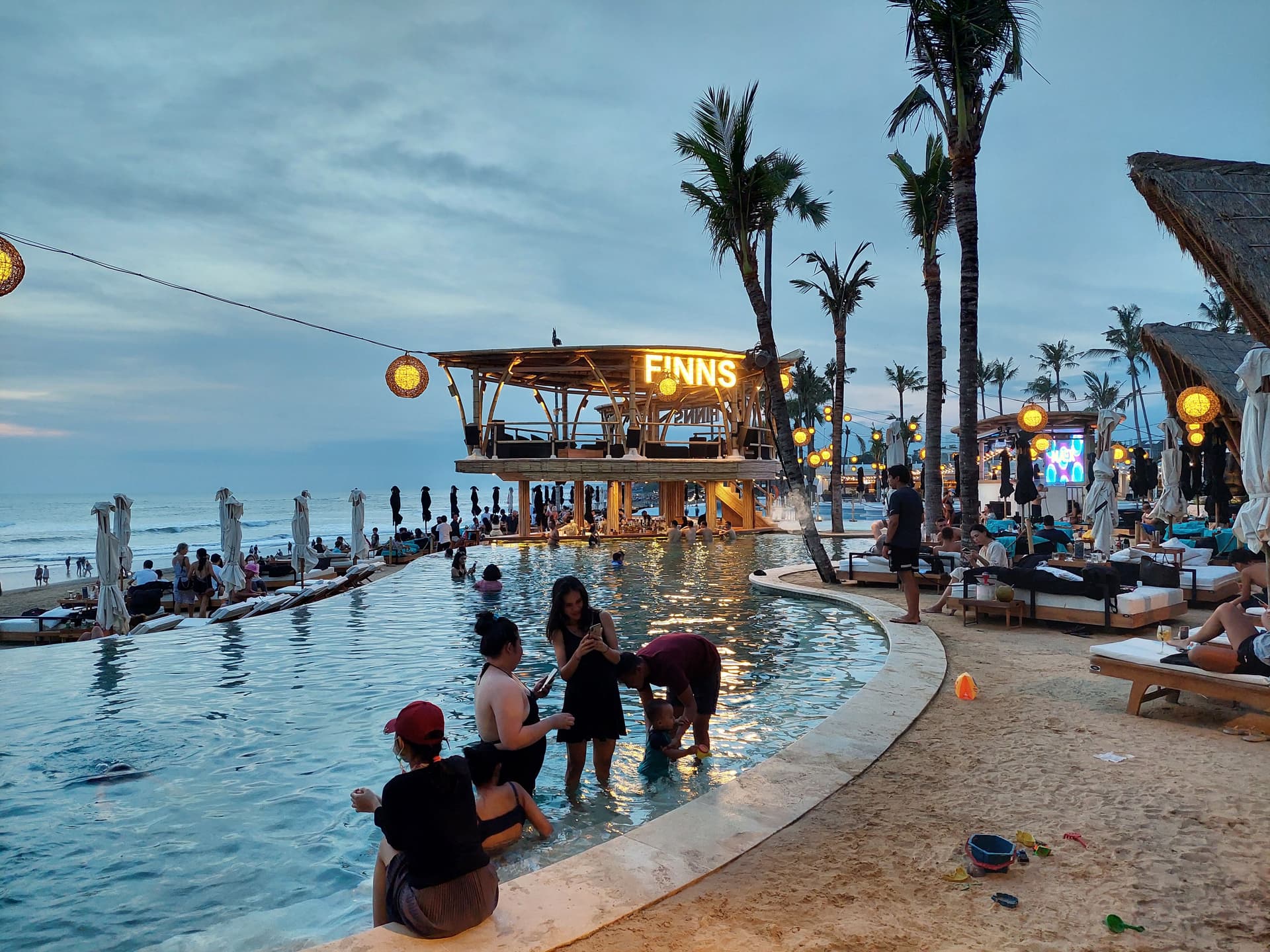
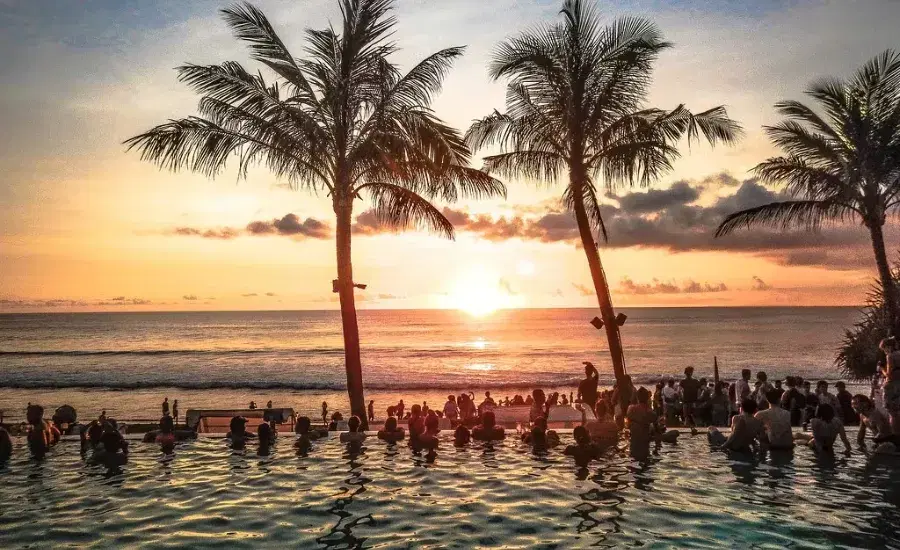
Berawa is where most well-funded nomads and expats land. It has the highest concentration of beach clubs (Finns, Atlas), serious gyms, international restaurants, and the area's best-equipped coworking spaces. Rents are the highest of the three, but you trade money for convenience: most of what you need is a short ride away, and the beach is close.
Batu Bolong — the social and surf epicentre
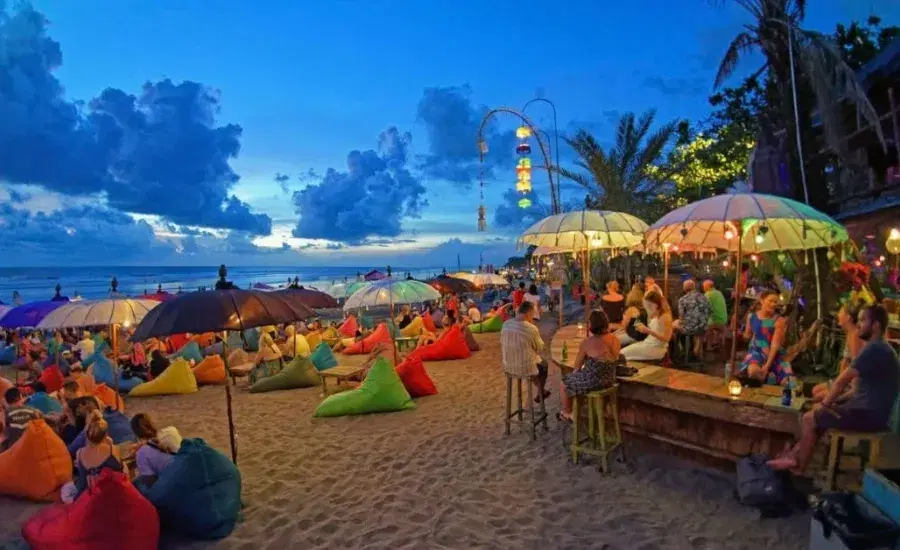
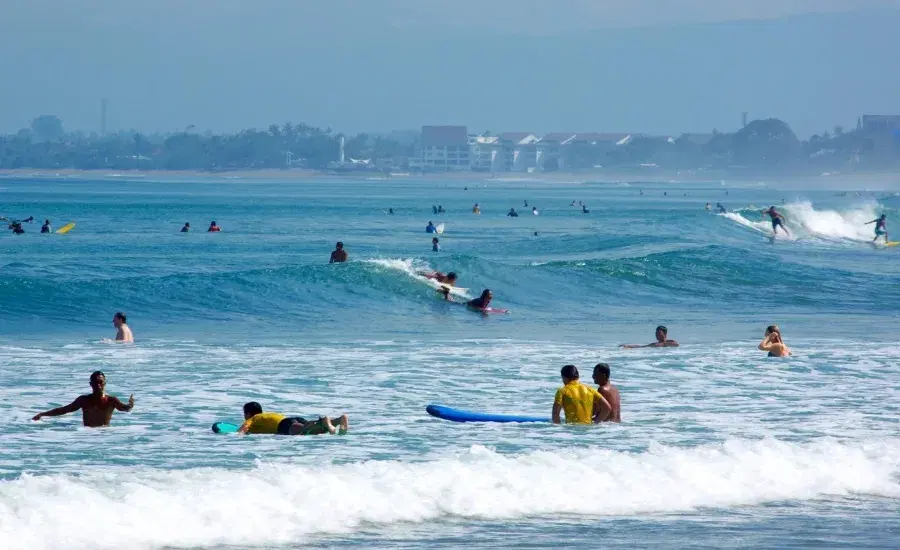
Batu Bolong is the heart of Canggu and the most beginner-friendly stretch of surf. The famous café strip, Old Man's bar, and the densest cluster of laptop-friendly cafes are all here. It's the easiest place to feel the buzz on arrival — and the worst for traffic, which can approach gridlock on Jalan Pantai Batu Bolong by late afternoon.
Pererenan and Echo Beach — quieter and cheaper
Pererenan is what Canggu was a few years ago: rice fields, lower rents, and a calmer pace, with the surf and sunsets of Echo Beach a short ride away. It now has its own coworking and coliving scene, so you can base here for focus and lower costs while still being ten minutes from the action. It's building fast, so the quiet may not last — but for 2026 it's the value pick for longer stays.
| Neighbourhood | Vibe | 1BR villa (per month) | Coworking nearby | Traffic | Best for |
|---|---|---|---|---|---|
| Berawa | Polished; beach clubs and gyms | IDR 15–20M / ~USD 950–1,270 | Outpost, B Work, Karya | Heavy on Jl. Pantai Berawa | Nomads who want comfort and a built-in scene |
| Batu Bolong | Social epicentre; surf and cafes | IDR 13–18M / ~USD 820–1,140 | Short ride to most spaces | Worst — daily near-gridlock | First-timers who want to be in the thick of it |
| Pererenan / Echo | Quieter; rice fields, newer builds | IDR 11–16M / ~USD 700–1,010 | Tribal, Tropical Nomad | Lighter, but building fast | Longer stays, focus, lower rent |
If you're arriving for the first time and unsure, base in Batu Bolong or Berawa for your first month to find your feet socially, then move to Pererenan if you want more quiet and a lower rent for a longer stint. Asking rents climbed roughly 18% year-on-year into 2026, and most landlords now want two months upfront — budget for that before you arrive.



What it really costs to live in Canggu in 2026
Most digital nomads spend USD 1,500–2,500 a month for a comfortable life in Canggu, while a leaner setup runs USD 900–1,200 and a premium lifestyle climbs past USD 3,000. The single biggest variable is housing, which is also where Canggu has become noticeably more expensive. With the rupiah sitting around IDR 15,800 to the dollar in early 2026, the dual-currency picture looks like this.
| Budget tier | Monthly (USD) | Typical housing | Lifestyle |
|---|---|---|---|
| Budget | USD 900–1,200 | Shared villa room or homestay (from IDR 5M) | Local warungs, scooter, café working |
| Comfortable | USD 1,500–2,500 | Private 1BR villa with pool (IDR 12–18M) | Local plus Western meals, gym, coworking membership |
| Premium | USD 3,000–5,000+ | Larger or beachfront villa, part-time driver | Restaurants, regular beach clubs, weekend travel |
The line items that matter
Beyond rent, your monthly spend in Canggu breaks down into a predictable set of costs. These are the 2026 figures most long-stayers report:
- Rent (1BR villa with pool): IDR 12–18M / ~USD 760–1,140 per month; a room in a shared villa or co-living from IDR 5M / ~USD 315
- Co-living packages: USD 475–1,400 per month, often bundling a workspace, events, and amenities
- Local meal at a warung: IDR 15,000–50,000 / ~USD 1–3
- Trendy café meal with coffee: IDR 70,000–100,000 / ~USD 4.50–7.50
- Scooter rental: roughly IDR 800,000–1,500,000 / ~USD 50–95 per month, cheaper on long leases
- Local eSIM (Telkomsel or XL): a few dollars for a generous monthly data plan
- Travel and health insurance: around USD 60–80 per month for nomad-focused cover
One cost surprise catches newcomers out: deposits. Most Canggu landlords now ask for two months upfront — one as a deposit, one as the first month — with six- or twelve-month leases standard, and month-to-month flexibility adding around 20% to the rate. The cheap-month figures you see online assume you've already secured a long lease, not a flexible Airbnb. The practical move is to book short-term accommodation for your first week, then sign a longer lease once you've seen places in person.
Working from Canggu — coworking, cafes & WiFi
Canggu has some of the best remote-work infrastructure in Southeast Asia, with reliable WiFi across cafes and a handful of well-run coworking spaces. Café and coworking speeds consistently land in the 60–85 Mbps download range, which handles video calls and large file transfers without drama. Carry a local eSIM as a backup for outages and scooter days, and you'll rarely lose a working hour.
The coworking spaces worth knowing
Each space has a distinct character, so match it to how you work:
- Outpost (Berawa): The long-running favourite, open 24/7, with a pool, café, and a strong events calendar. Day passes start around USD 15, a 25-hour monthly pass around USD 49–54, and unlimited monthly access around USD 195, with a dedicated desk from roughly USD 210–232.
- B Work Bali (Berawa): The most polished space in the area, with multiple quiet floors, private conference booths, and even a recording studio — best for those who take a lot of calls or produce content.
- Tropical Nomad (Pererenan side): Surrounded by rice fields, with a fitness centre and surf racks so you can paddle out straight after work. A calmer, more focused setting.
- Karya (Berawa): Stylish and business-oriented, suited to people running a company rather than freelancing.
- Tribal (Pererenan): Combines coliving and coworking with no membership — order from the café and you can stay and work, which is ideal for short stints.
For café days, the reliable laptop-friendly names include The Slow, SatuSatu, Two Faces, Miel, and Lusa by Suka — all with fast WiFi, plenty of outlets, and good coffee. Whichever you choose, the experiences and stays listed on Travjoy are researched and vetted by local experts, so you can lock in the right base and activities without second-guessing.
Insider tips for working in Canggu
- Schedule important calls before noon — afternoon storms in the wet season can briefly knock out power and WiFi.
- If your work is call-heavy, pay for a space with private booths (B Work, Outpost) rather than relying on open café tables.
- Buy a Telkomsel eSIM on arrival; it has the widest coverage if you ride out to quieter beaches to work.
- Test a coworking space with a day pass before buying a month — popularity means some get crowded and noisy at peak hours.
Visas, the honest downsides & weekend escapes
The legal way to work remotely from Canggu long-term is Indonesia's E33G Remote Worker Visa, a one-year limited-stay permit (KITAS) for people earning foreign income from companies or clients outside Indonesia. Indonesia does not have a visa literally called a "digital nomad visa" — the E33G is the de-facto one, and the headline requirement is proof of around USD 60,000 a year in foreign income.
E33G versus the B211A visit visa
The two routes suit different people, and choosing the right one keeps you on the right side of the law:
- E33G Remote Worker Visa (KITAS): Valid one year. Needs proof of ~USD 60,000 annual foreign income and a bank balance of about USD 2,000. You must apply from outside Indonesia and enter within 90 days of issuance. Government fees run around IDR 7M for the visa plus roughly IDR 2.7M on arrival for the KITAS card and re-entry permit.
- B211A Visit Visa: Designed for visits and short stays of up to around 180 days with extensions — suitable for trying Canggu out, not for long-term remote work, which it does not authorise. Enforcement of work rules tightened in 2026, so don't treat it as a workaround.
On tax: spending more than 183 days in Indonesia in a year can make you a tax resident, though E33G holders' foreign income is generally treated favourably. The rules are evolving and depend on your home country, so confirm current requirements on Indonesia's official immigration portal and speak to a qualified visa or tax adviser before committing — this guide is general information, not legal or tax advice.
The downsides nobody puts on Instagram
Canggu's popularity is also its biggest problem, and you should weigh the downsides honestly before committing to a long stay. The headline issue is traffic: narrow single-lane roads were never built for this volume, and Jalan Pantai Berawa and Batu Bolong clog daily, turning a two-kilometre dinner trip into a 30-minute crawl. Add constant construction noise, patchy air and water hygiene that makes "Bali Belly" common, and rents that jumped roughly 18% in a year, and the picture is less idyllic than the feeds suggest.
None of this is a reason to avoid Canggu — it's a reason to go in clear-eyed. Ride a scooter, pick your neighbourhood for the trade-off you can live with, drink filtered water, and the daily friction becomes manageable rather than miserable.
Weekend escapes from Canggu
One of Canggu's underrated advantages is how easy it is to leave for a reset. When the buzz gets too much, the rest of Bali is within reach for a day or weekend:


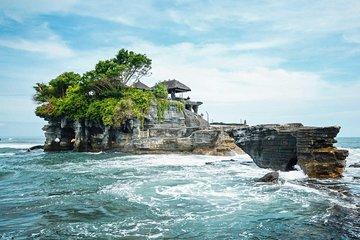
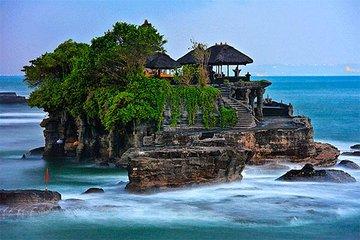
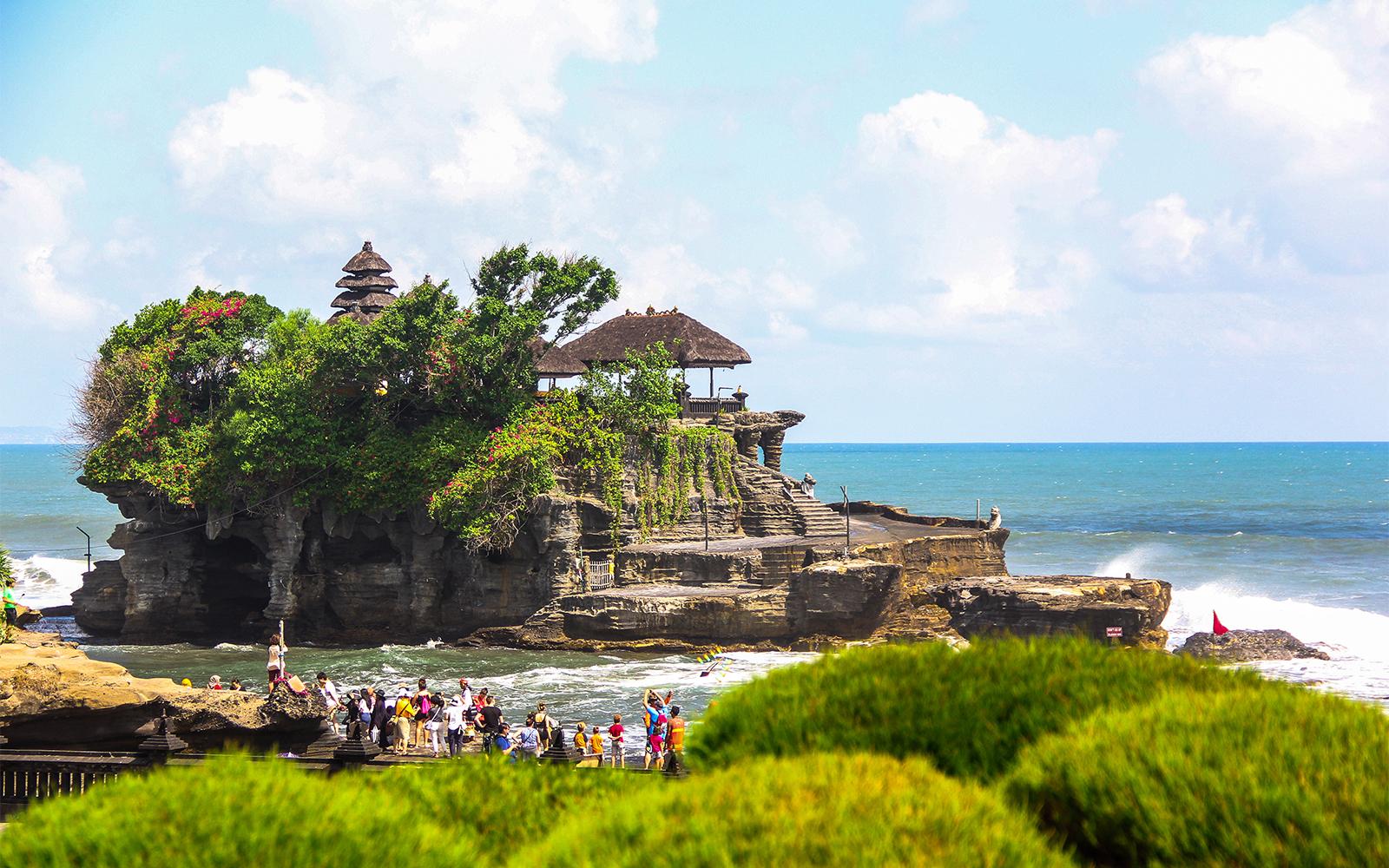
- Tanah Lot Temple: A 15–20 minute drive up the coast, best at sunset when the sea temple sits dark against an orange sky.
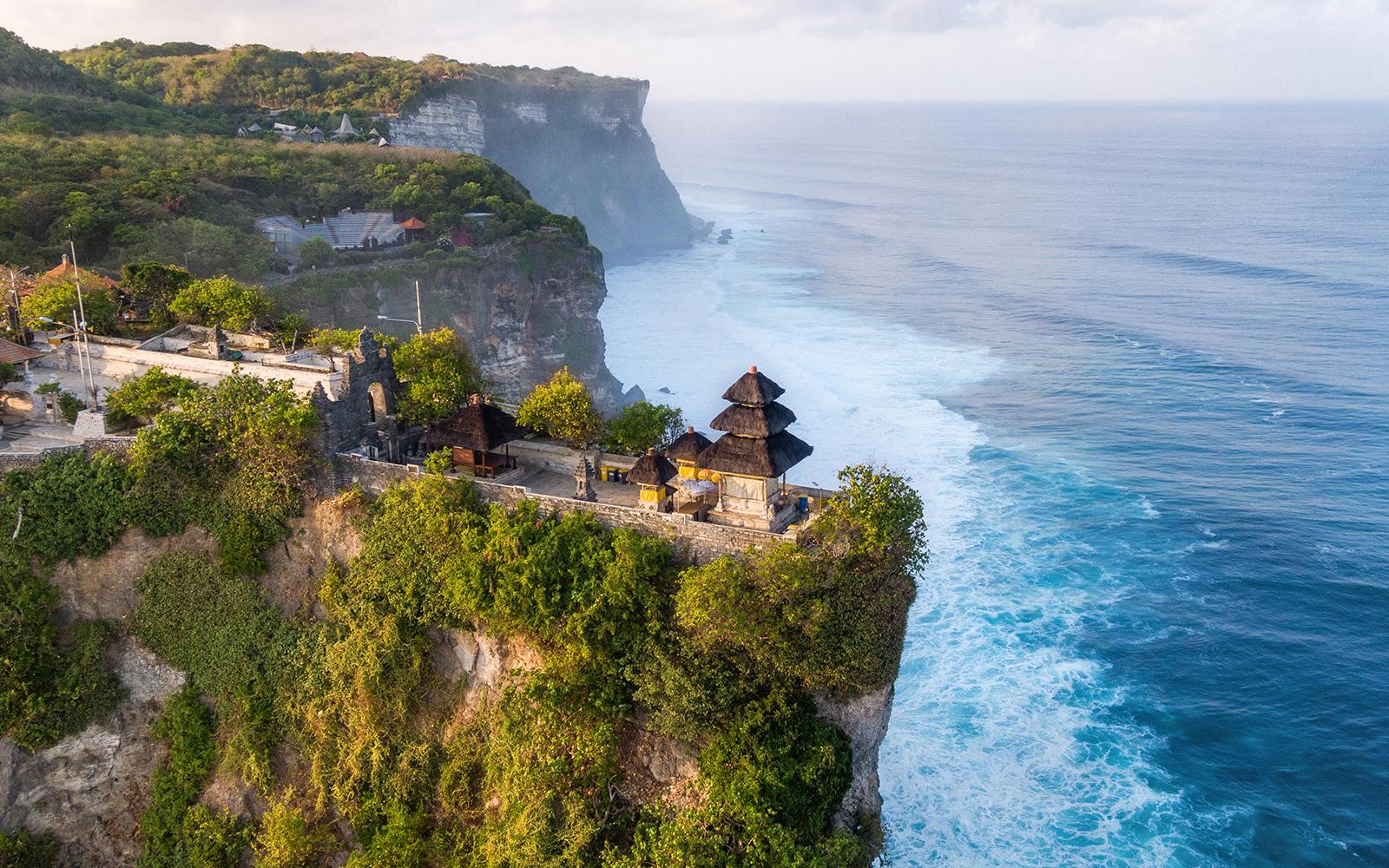
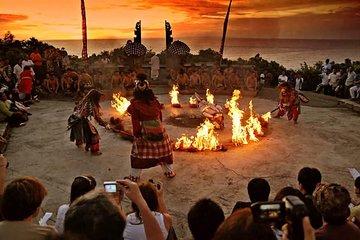
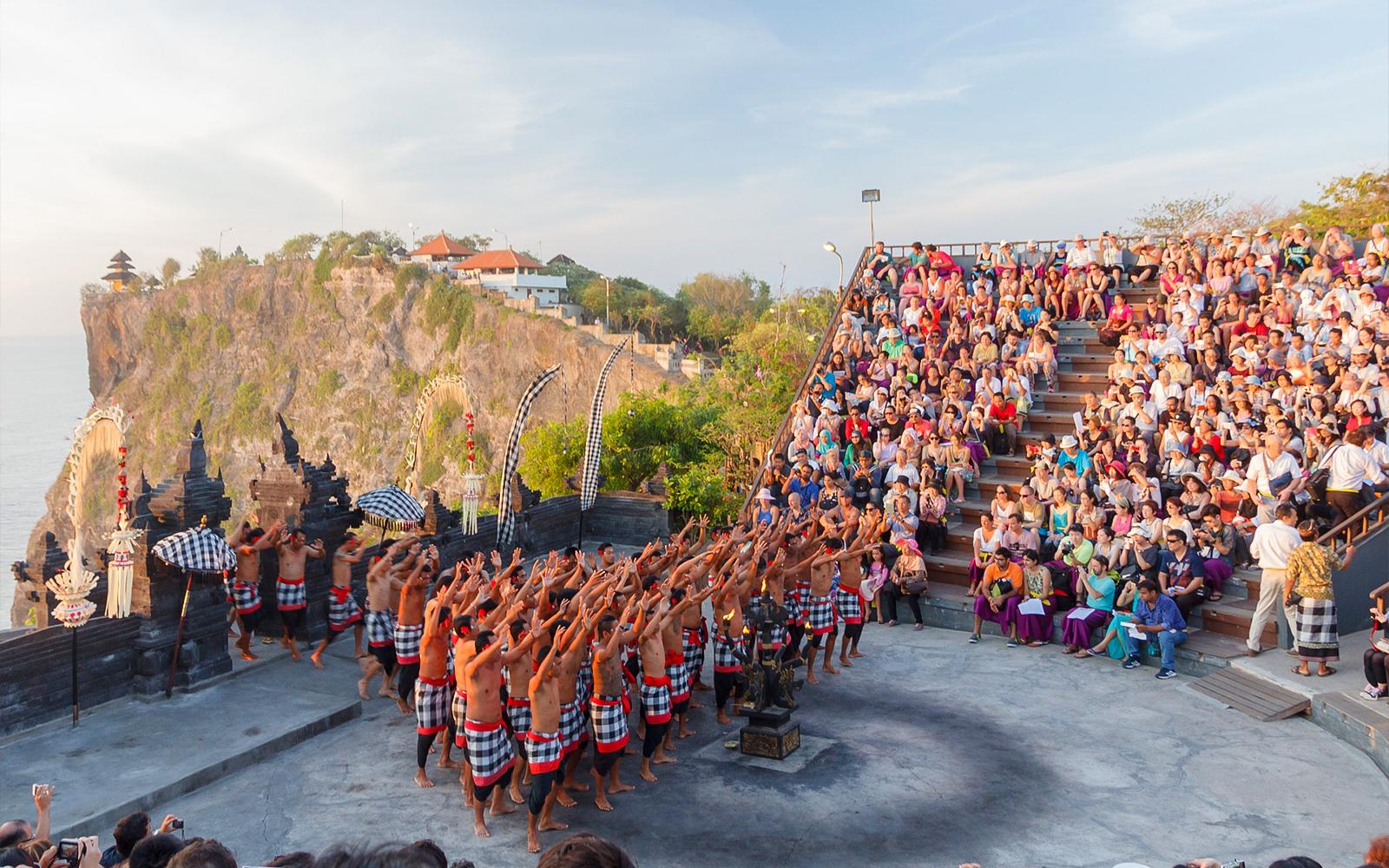
- Uluwatu: About an hour south for clifftop temples, dramatic surf, and the day-trip favourite of the area's expats.
- Ubud and the Tegallalang rice terraces: Around 60–90 minutes inland for jungle, waterfalls, and a slower, more cultural pace.
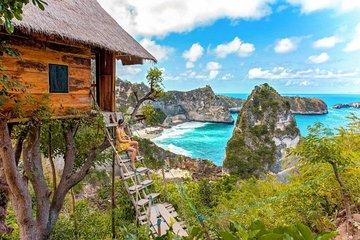
- Nusa Penida: A fast boat from Sanur opens up Bali's most dramatic cliff-and-beach scenery for a weekend away.
The dry season, roughly April to October, is the most comfortable stretch to be based in Canggu, with cleaner surf and fewer afternoon storms; the wet season from November to March brings rain and more debris on the west-coast beaches.
Is Canggu right for you?
Canggu remains the most practical base in Bali for a digital nomad in Canggu who wants surf, fast WiFi, and an instant community without paying Western prices. Plan for USD 1,500–2,500 a month for a comfortable setup, sort out the E33G visa if you're staying long-term, and pick your neighbourhood by the trade-off you can live with — Berawa for comfort, Batu Bolong for the scene, Pererenan for quiet and value.
Go in with realistic expectations about traffic and rising rents, and Canggu delivers a working life that's hard to replicate elsewhere. When you're ready to map out your base, surf days, and weekend escapes, start planning your move with experiences across Bali on Travjoy — researched and vetted so you can spend less time second-guessing and more time settling in.


.svg&w=1920&q=75)