




(8 Experiences)













Shopping in Bali: Where to Go, What to Buy, and How to Bargain
Quick Takeaways about Shopping in Bali
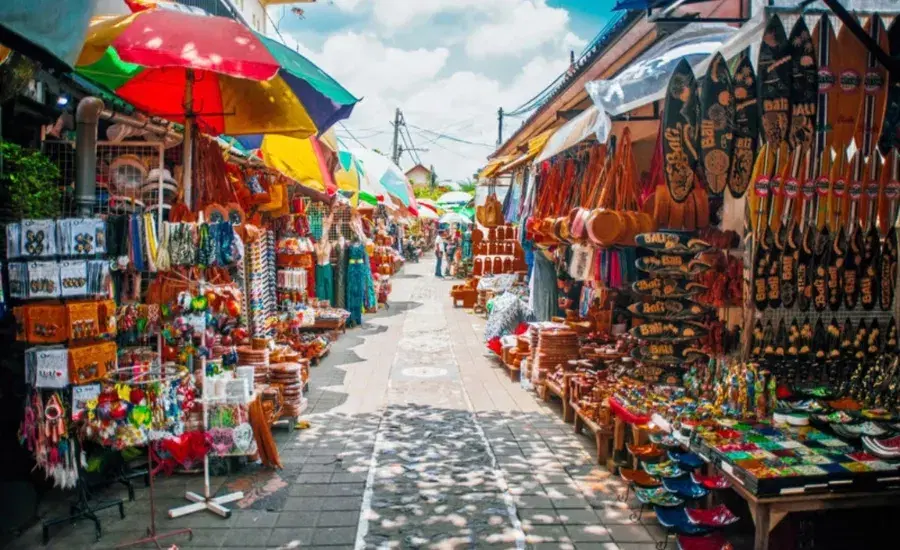
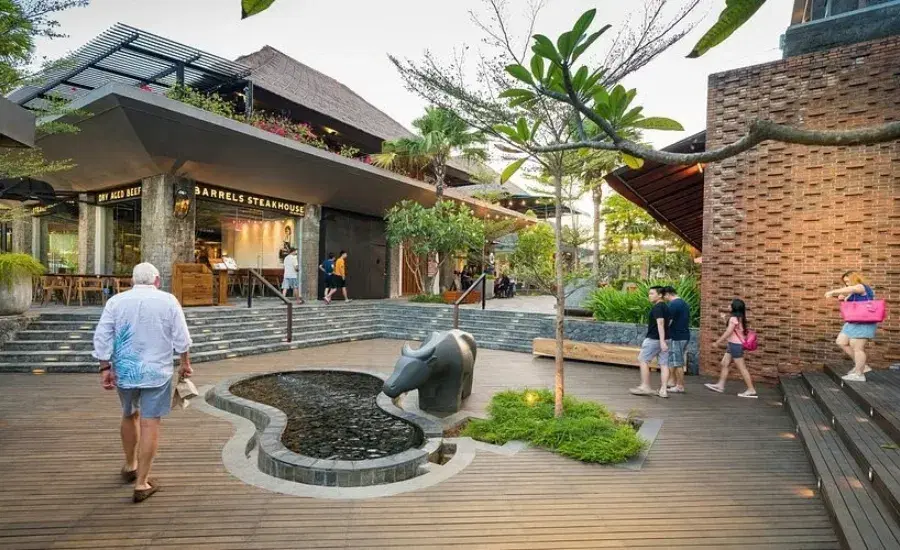
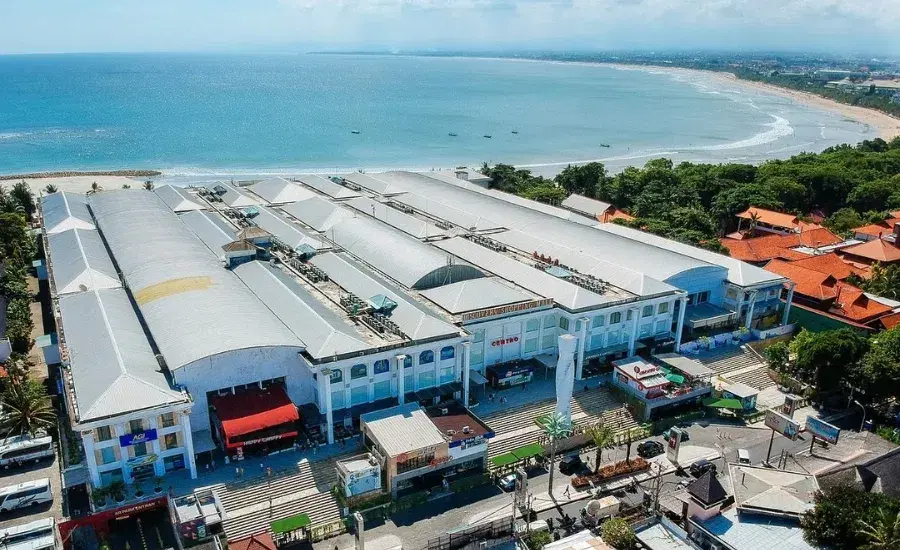
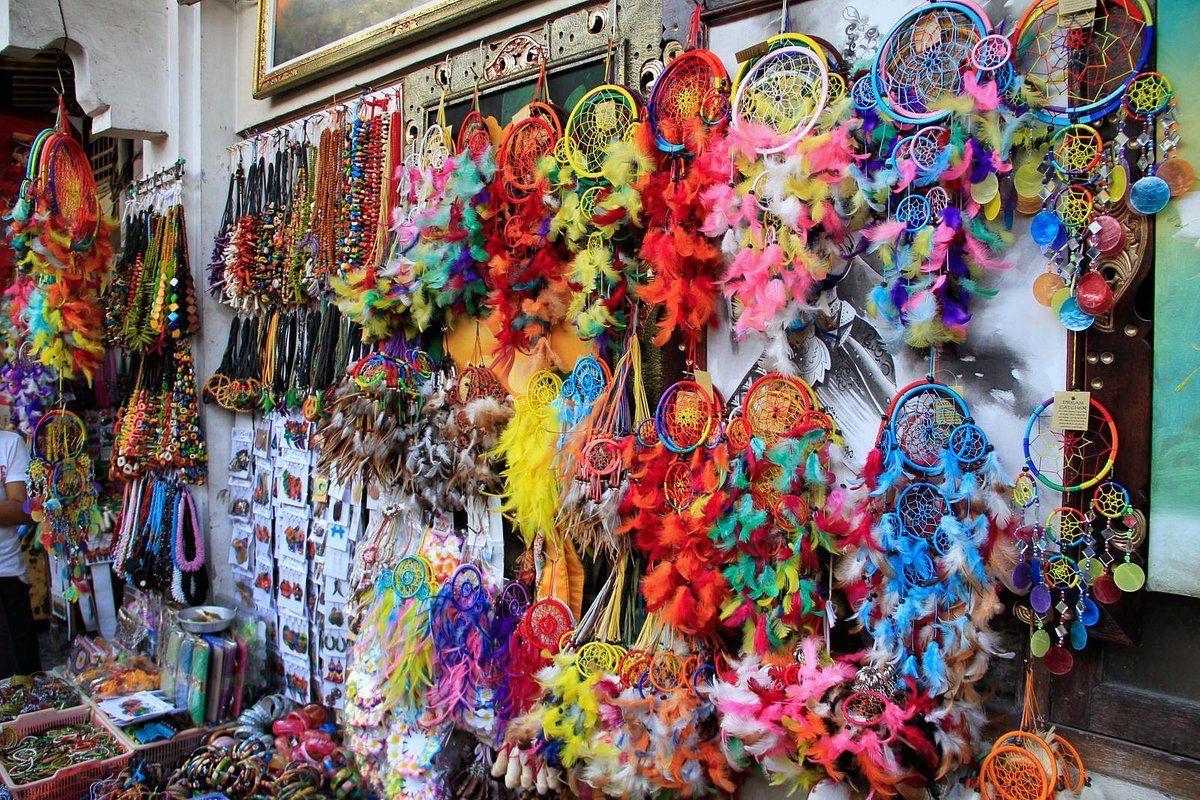
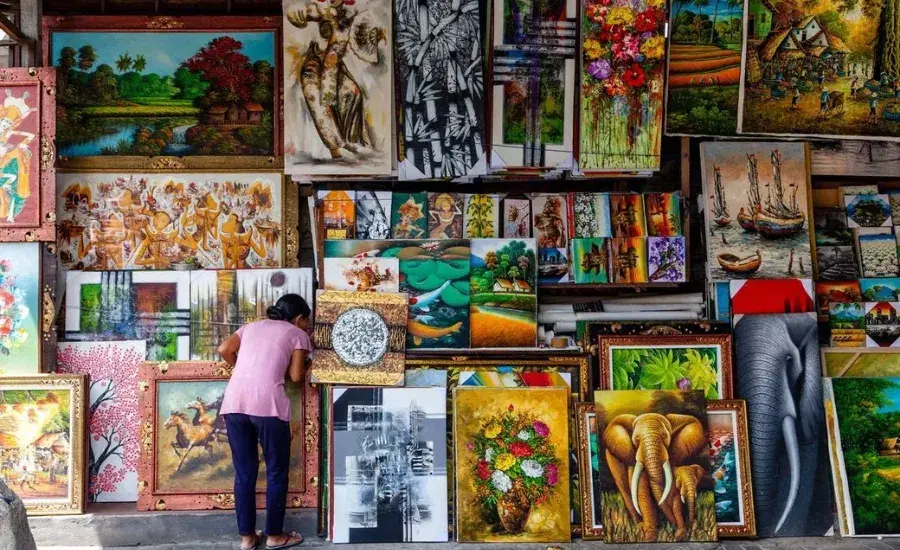
- Ubud is for handmade crafts, Seminyak for boutiques, Canggu for eco-fashion, Kuta and Denpasar for budget souvenirs and malls.
- Start bargaining at roughly 50% of the asking price in art markets — the final price usually lands around 60–70% with a smile.
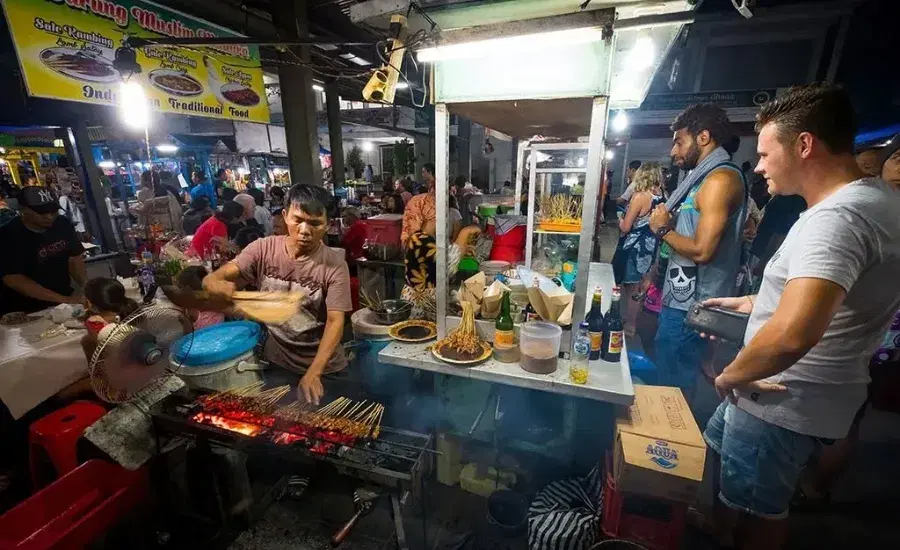
- Most traditional markets and small stalls are cash-only; carry small IDR notes and skip the back-alley money changers.
- Signature buys: hand-hammered silver from Celuk village, batik fabric, woodcarving from Mas, and Balinese coffee from IDR 60,000–250,000 per 100g (USD 4–16, 2026).
- Mornings between 8 and 10am are the smartest shopping window — cooler weather, better selection, and Balinese vendors treat the first sale of the day as good luck.
Shopping in Bali: A Practical Map of Where to Go and What You'll Find
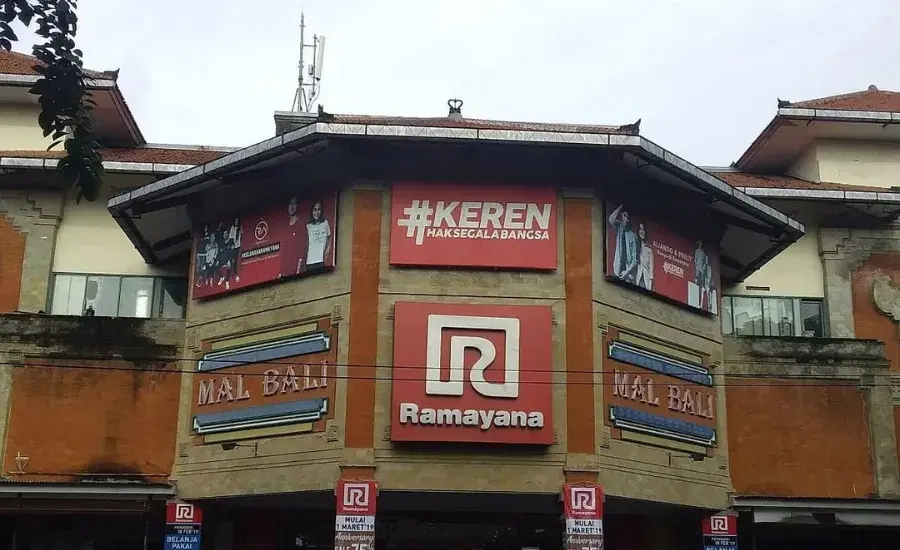
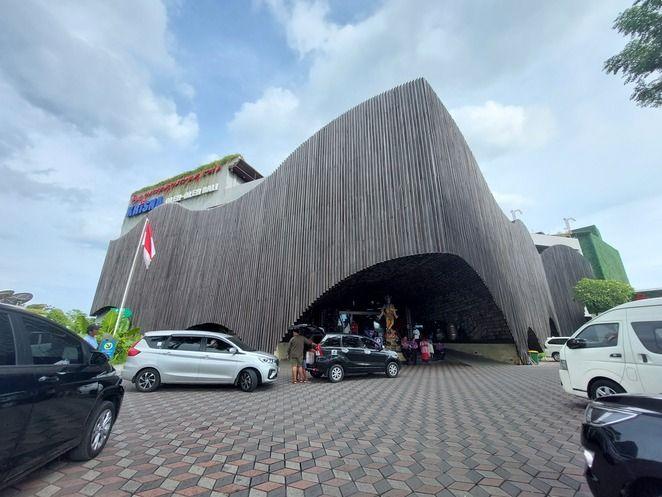
Shopping in Bali rewards travellers who pick the area first and the item second. The island's retail map breaks into four working zones. Ubud and the inland craft villages handle handmade work straight from the artisan. Seminyak, Canggu and Petitenget run on boutique fashion and concept stores at fixed prices. Kuta, Legian and Denpasar cover affordable souvenirs and full-scale malls. Sukawati functions as a wholesale-style art market where locals also shop. Match the zone to the kind of afternoon you want, and the experience shifts more than the price tag.
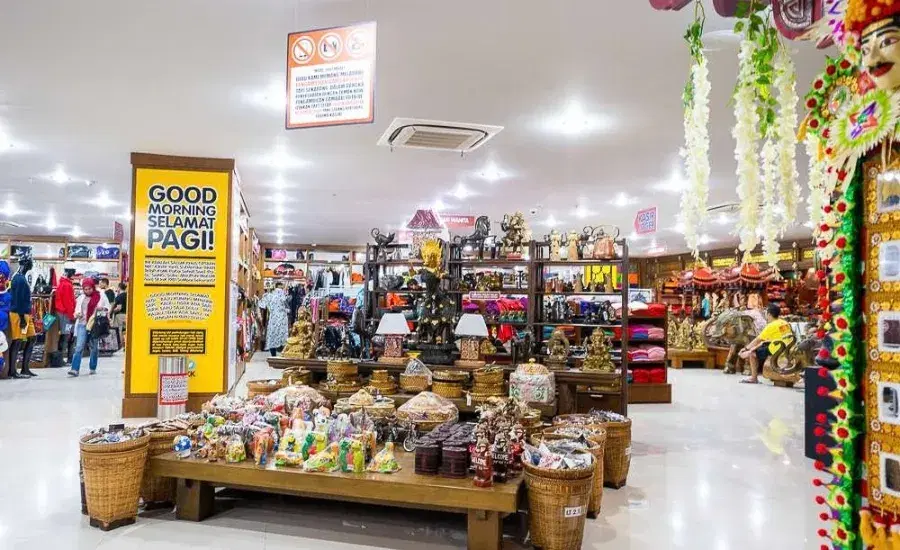
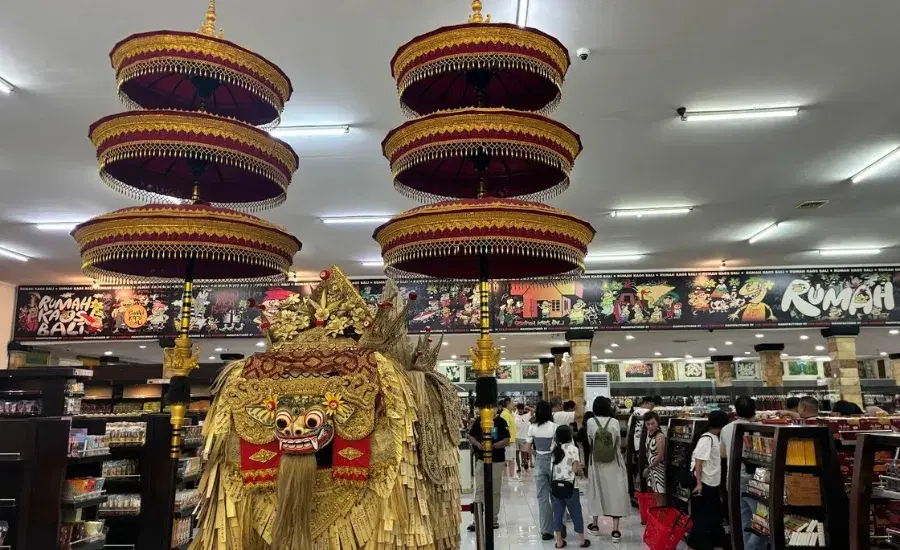
The bigger practical divide is bargainable versus fixed-price. Traditional art markets, beachfront stalls and most souvenir shops run on negotiation. A posted price is the opening line, not the answer. Boutiques in Seminyak and Canggu, factory outlets in Kuta, and every mall in the south stay firm on price. Card terminals and gift wrapping are the norm there. Knowing which kind of shop you're walking into saves time and stops the awkward attempt to haggle at a ticketed boutique.
What makes shopping in Bali distinctive isn't the volume — it's the proximity to where things are made. Drive 30 minutes from Ubud and you're in Celuk, where silversmiths still hammer rings to order. Fifteen minutes further south is Mas village, where workshops smell of fresh teak and chisels carve from morning to dusk. Even the coffee on the supermarket shelf has a traceable village behind it. That direct line between buyer and maker is what most travellers remember long after the sarong has faded.
Best Time to Shop, How to Bargain, and What's Actually Worth Buying
Insider Tips for Smarter Shopping in Bali
Frequently Asked Questions
Putting Your Bali Shopping Day Together
The simplest way to plan shopping in Bali is to match the day to the area. A morning at Ubud Art Market with a half-day craft-village loop through Celuk and Mas. An afternoon of Seminyak and Canggu boutiques on a fixed-price browse. A rainy hour at Beachwalk or Discovery Mall. A last-minute Kuta Art Market run before the airport. Bargain where it's expected, accept tickets where they're firm, and carry IDR in small notes.
The experience cards above are reviewed by destination experts before they reach the platform, so each option is already filtered through people who know which workshops, markets and shopping tours actually deliver. Browse the picks above, or explore the wider Bali destination page on Travjoy to layer shopping into a full island plan.
