


Nature & Parks Guide


Last Rainforest Island • Ethical Elephant Sanctuaries • Hands-Off Observation • Khao Phra Thaeo Trails • Gibbon Rehabilitation • Free-Roaming Herds • Waterfall Pools • Half-Day Jungle Visits • Conservation-Led Tourism

Phuket's nature is "rescue-first, hands-off": The island's Nature & Parks scene revolves around ethical wildlife sanctuaries and one protected rainforest, where you observe rather than touch and leave knowing your ticket funded a rescue.
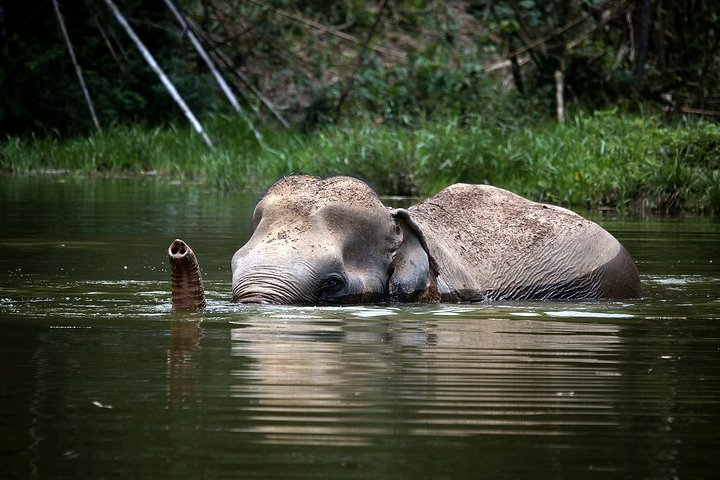
Phuket isn't a destination for big-park nature — it's an island whose protected forest fits in 22 square kilometres, where the real wildlife story lives inside ethical sanctuaries. Khao Phra Thaeo is the last remaining evergreen rainforest on the island, holding the Gibbon Rehabilitation Project, hornbills and slow loris, and the Bang Pae and Ton Sai waterfalls. Beyond that one reserve, Phuket's Nature & Parks identity is built around rescue centres for elephants and gibbons retired from logging, riding camps and the illegal pet trade — all of them now operating on a no-riding, no-bathing, no-contact model.
One half-day sanctuary visit plus a Khao Phra Thaeo morning is a realistic full day; trying to stack two sanctuaries back-to-back will feel rushed. November to March is the cleanest window — dry, cooler, and easier on jungle trails. May to October is the monsoon, when rainforest scenes are at their lushest but trails go muddy and afternoon downpours are routine; mornings usually stay clear. All sanctuaries cap visitor numbers per session, so booking 2–3 days ahead is the difference between a slot and a missed trip.