


Key Information Guide



Introduction
Phuket is a sprawling island with no metro and no rail network.
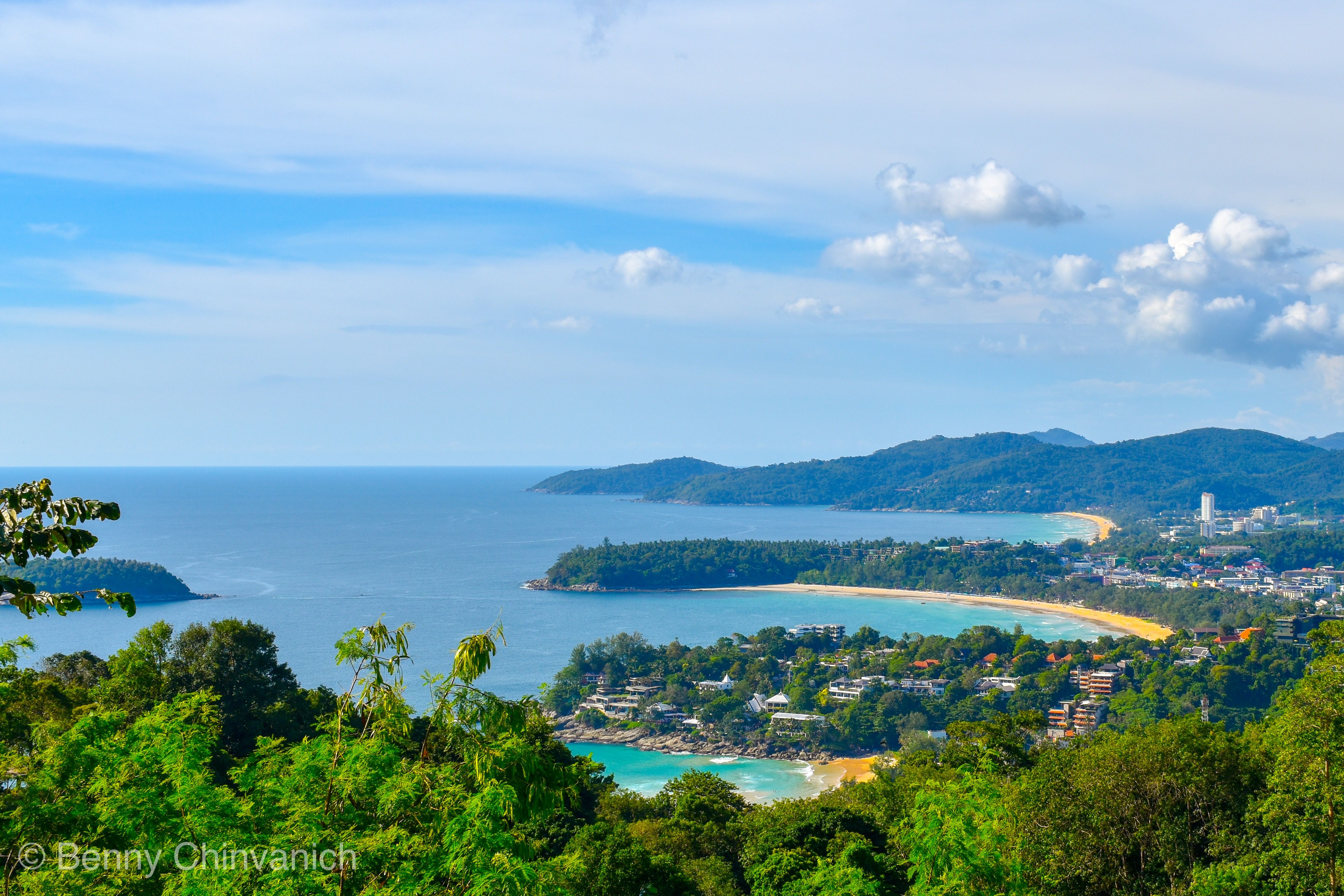
Beaches line the west coast, Phuket Town sits in the southeast, and the airport anchors the north. Distances between areas feel short on a map but take longer on the road — hills, single-lane stretches, and seasonal traffic make a 20-kilometre drive a 40-minute affair.
The island works well for travellers who pick a base and explore outward in day trips, rather than switching hotels every night.
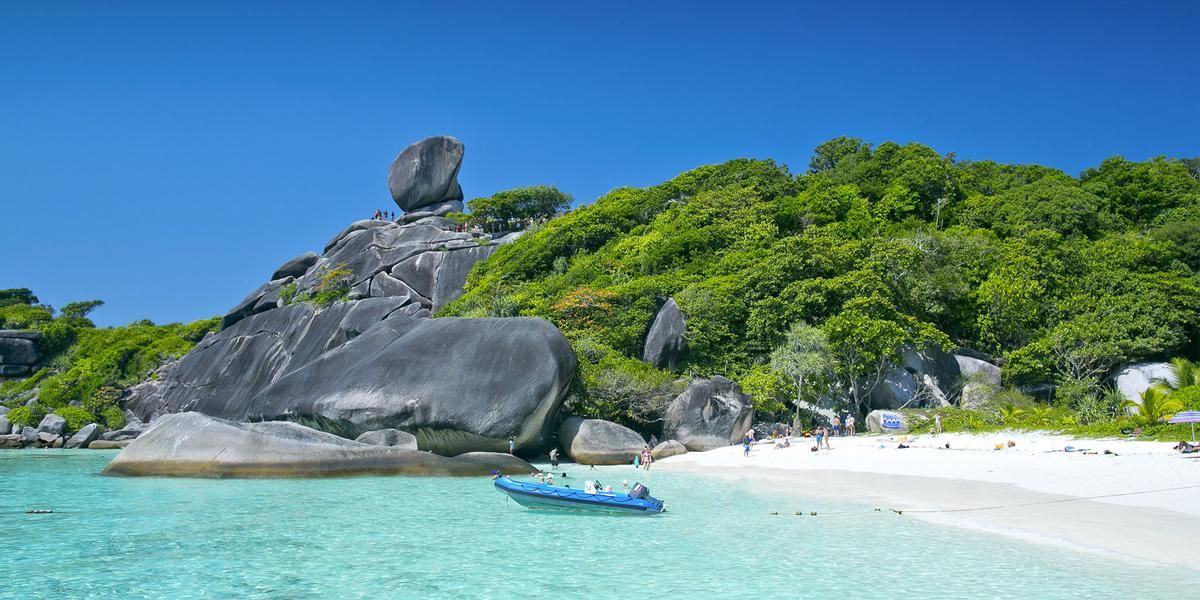
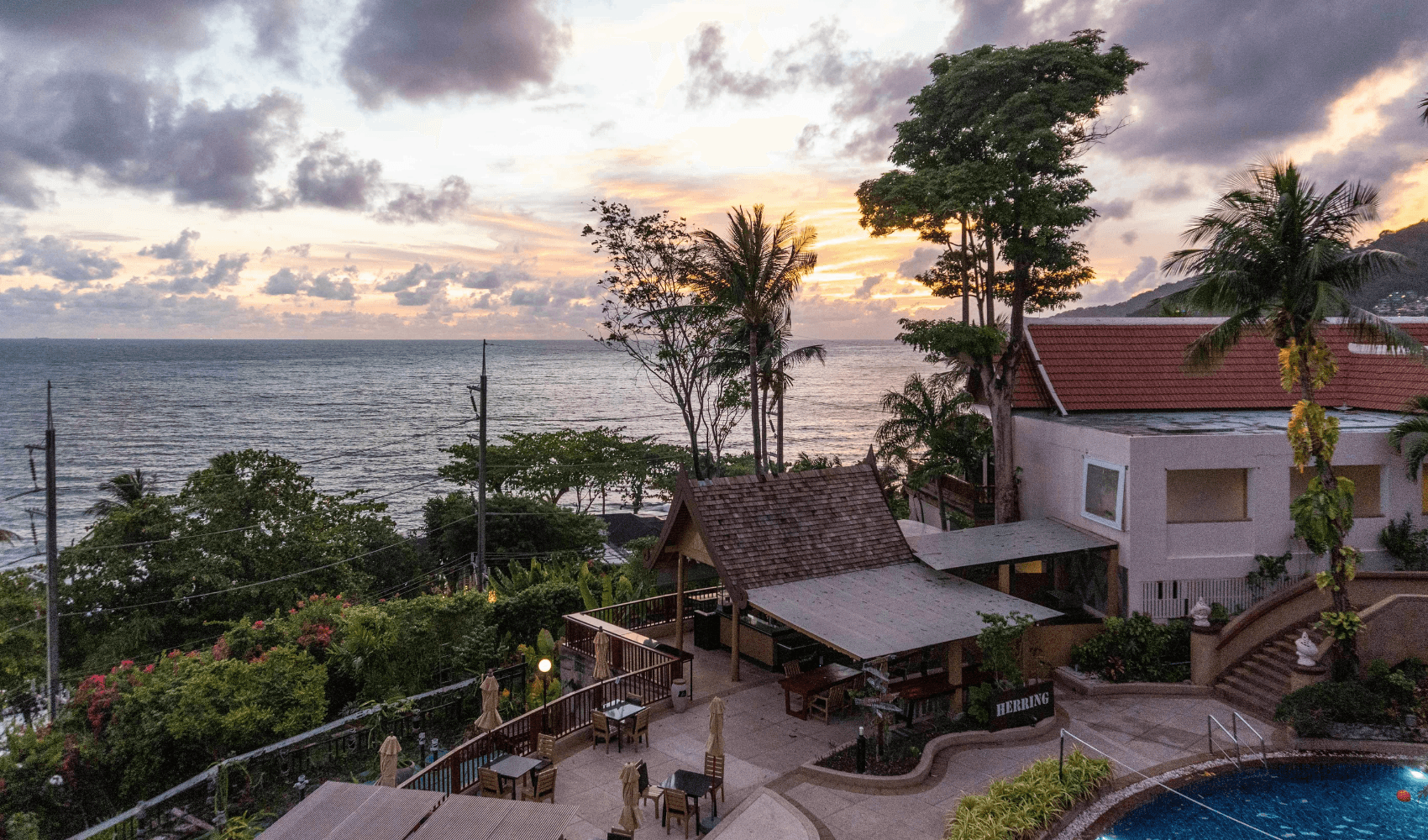
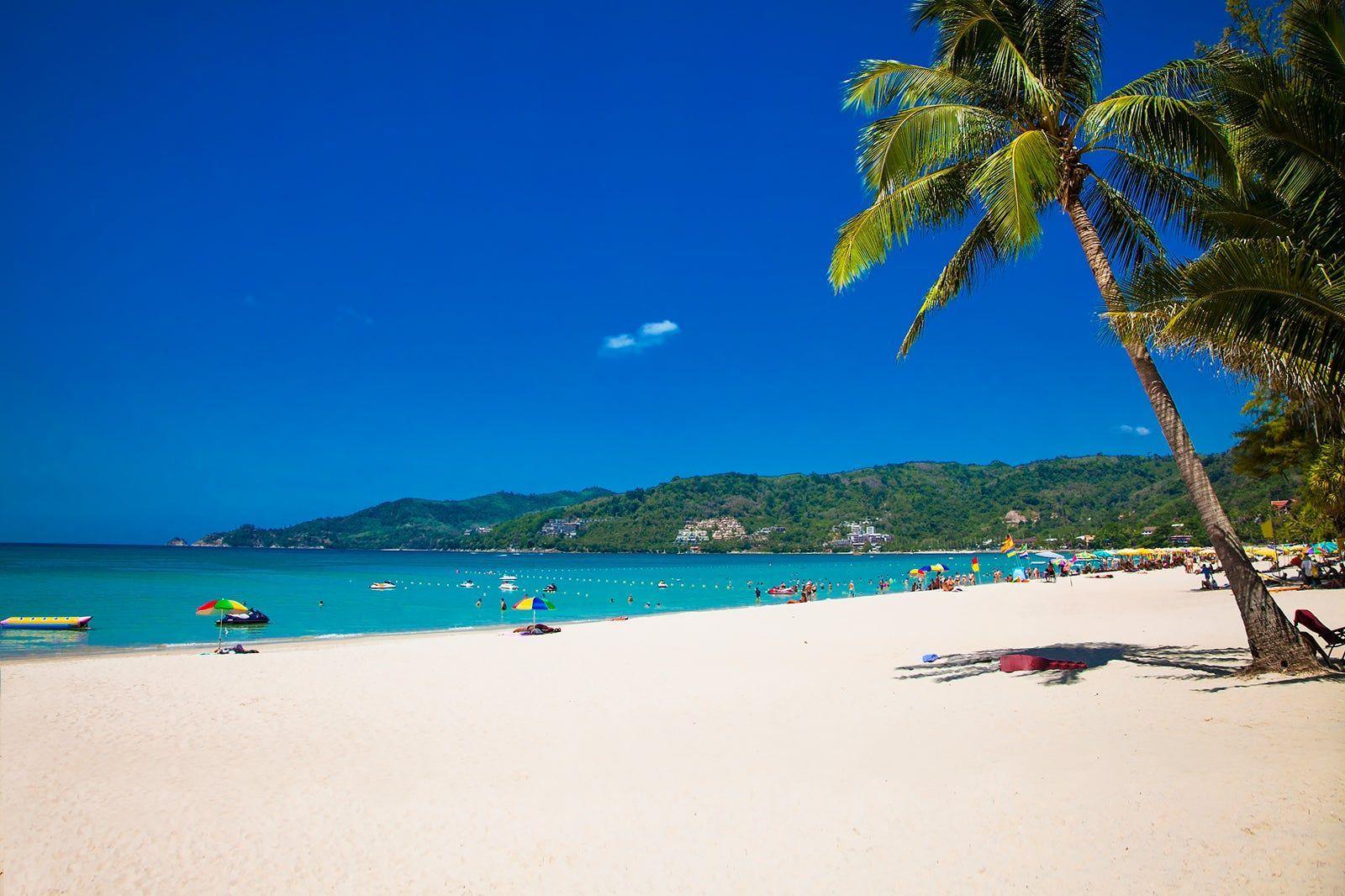
Plan your days around geography. Use the west coast for beaches, sunsets, and resort dining. Use Phuket Town for food, markets, and Sino-Portuguese architecture. Use the south for quieter coves and viewpoints.
Ride-hailing apps connect these zones without the stress of negotiating fares, and the Smart Bus links the airport to the main west coast beaches.
For island-hopping days to Phi Phi or Phang Nga Bay, most tours include hotel transfers.


Getting There

Local Transport
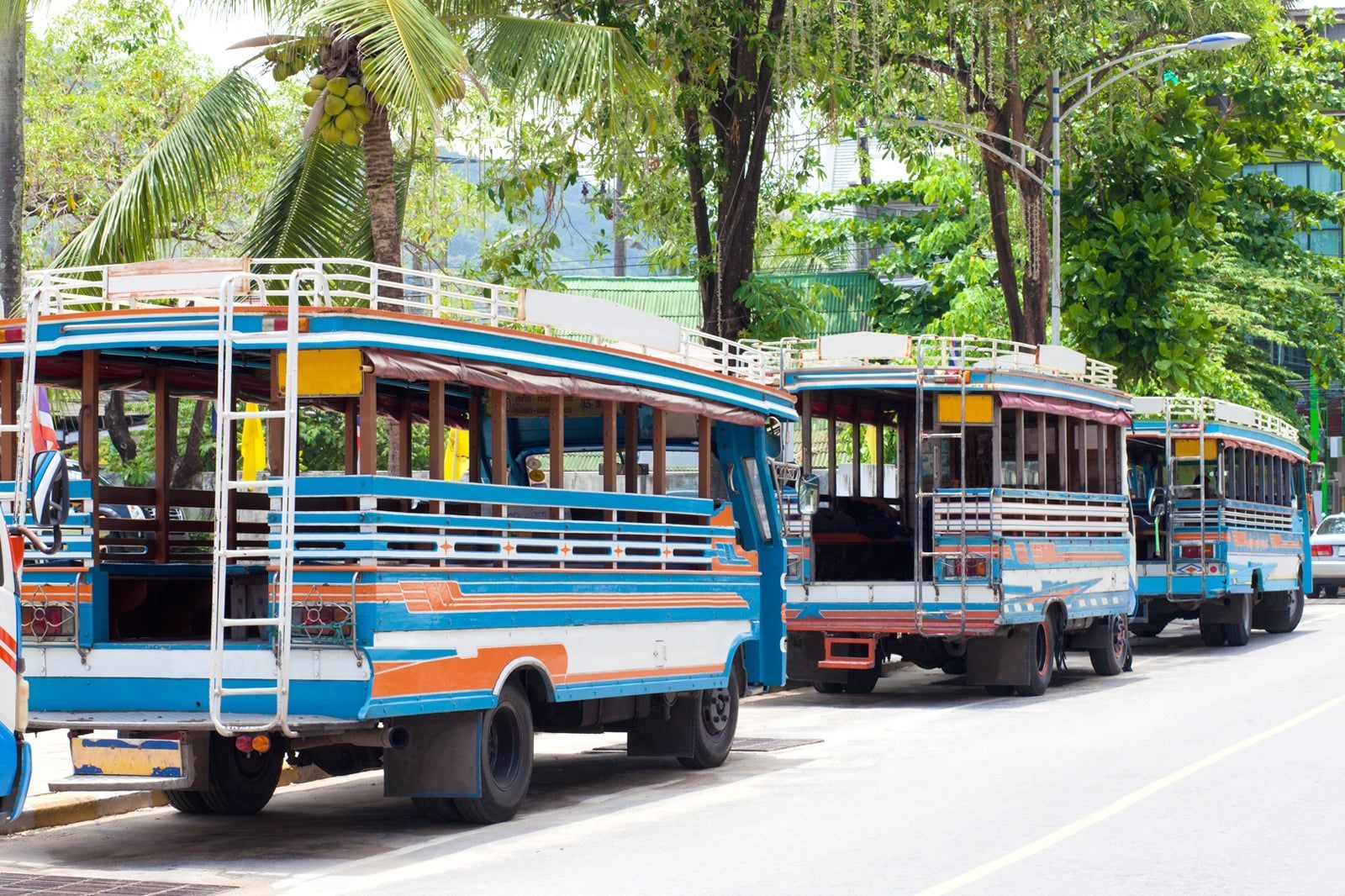
- Songthaews (Blue Buses)
Open-air converted trucks with two bench seats, running fixed routes between Phuket Town and the main beaches (Patong, Kata, Karon, Kamala). Fares are 30–50 Baht. They operate roughly 6:30 AM to 6:00 PM with no fixed timetable — flag one down from the roadside and press the buzzer to stop. Destinations are written in English on the side. They do not run between beaches; you route through Phuket Town. - Phuket Smart Bus
Air-conditioned buses running from Phuket Airport along the west coast to Rawai Beach, stopping at Surin, Kamala, Patong, Karon, and Kata. Fares are 50–170 Baht depending on distance. Payment is via a reloadable Rabbit card — cash is not accepted onboard. Day passes (300 Baht), 3-day passes (499 Baht), and 10-day passes (1,000 Baht) are available. - Tuk-Tuks
Red or yellow four-wheeled mini trucks found across all tourist areas. Useful for short hops but unmetered — always agree on the fare before boarding. Short rides within a beach area cost 100–200 Baht; cross-beach trips run 400–600 Baht. Decline any offers to stop at shops or "special temples" along the way. - Old Town Electric Shuttle
A free electric shuttle loops through Phuket Old Town with 16 stops, running every 15 minutes from 10:00 AM to 9:00 PM. Useful for exploring the historic centre without walking in the heat.