


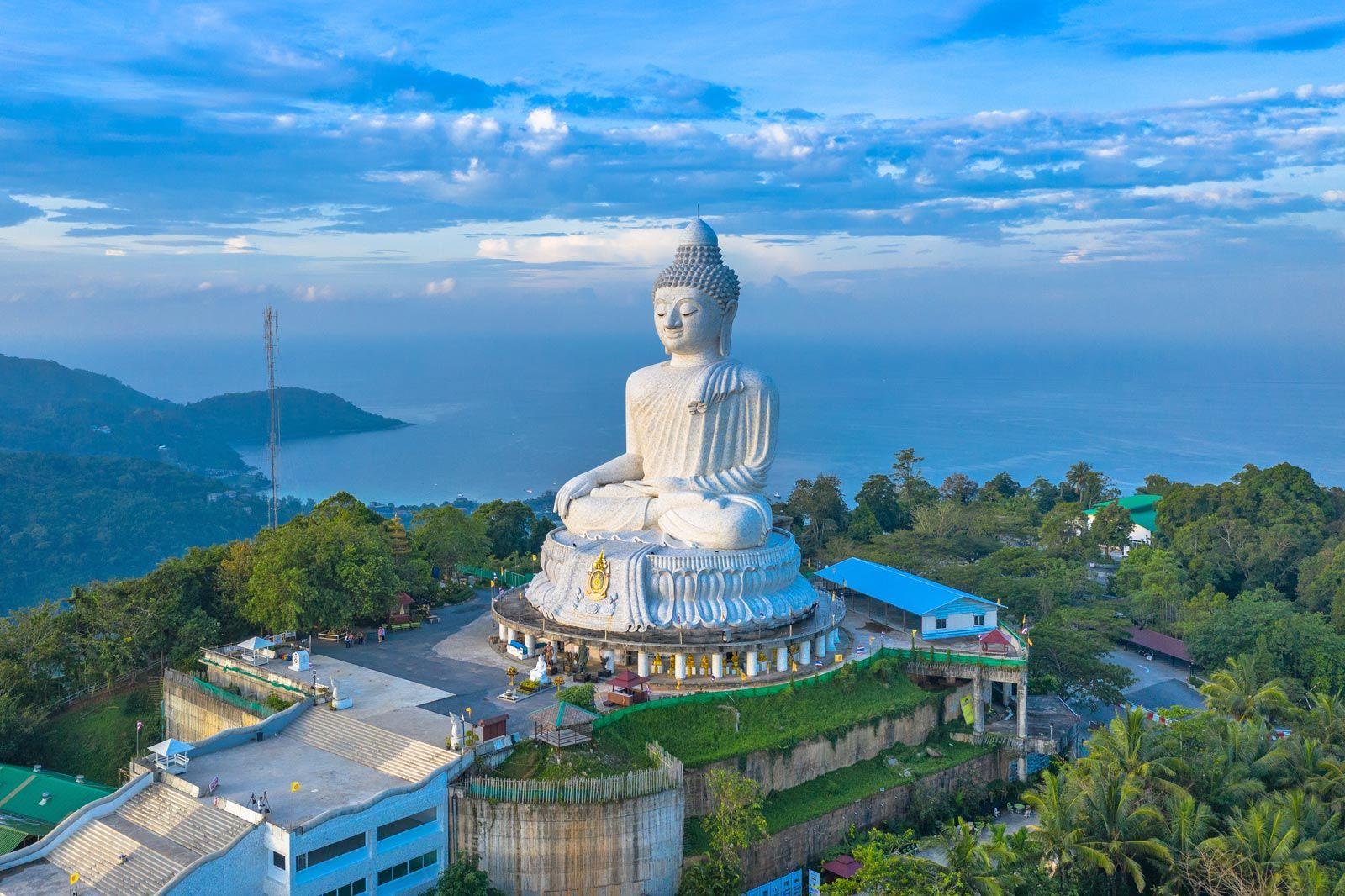
Culture and Heritage Guide to Phuket


Sino-Portuguese Shophouses • Tin-Baron Mansions • Baba-Yaya Heritage • Temple Incense • Thalang Heroines • Street Art Lanes • Peranakan Kitchens • Taoist Processions • Old Town Tiles



KEY DATES IN
Phuket'S History
Portuguese traders set up tin warehouses in Thalang, putting Phuket on the global trade map and kickstarting centuries of cultural exchange.
Sisters Chan and Mook rallied local women disguised as soldiers to repel a Burmese invasion. They remain Phuket's most celebrated heroines.
Chinese miners from Fujian flooded the island during the tin boom. Their marriages to local women created the Baba-Yaya culture that still defines Phuket.
Tin barons built grand Sino-Portuguese mansions across Old Town. These pastel-coloured shophouses are now the island's most recognisable architectural signature.
The Sarasin Bridge connected Phuket to the mainland for the first time, ending centuries of island isolation and reshaping the economy.
EVERYDAY Phuket QUIRKS
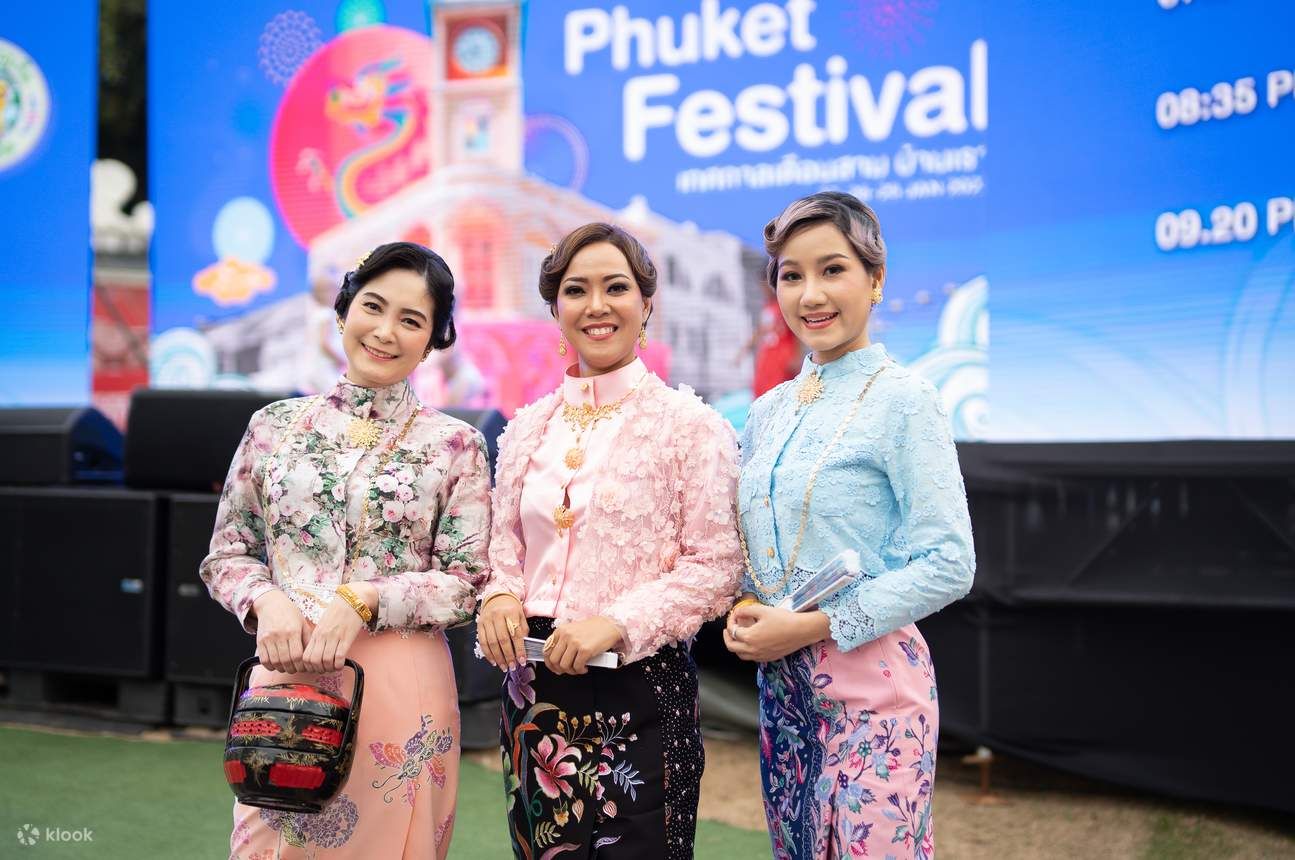

👘 Kebaya on the Street: Baba-Yaya women still wear lacey kebaya blouses and batik sarongs around Old Town — not for tourists, just daily life. Phuket's kebaya style is noticeably lacier than its Penang or Malacca cousins.
🧨 Temple Firecrackers at Wat Chalong: Visitors hear loud pops all day — devotees light firecrackers in a brick oven to thank the gods when prayers are answered. Staff help with the big ones.
🏮 Yellow Flags in October: During the Vegetarian Festival, the entire island goes vegan for nine days. Yellow-and-red flags mark every food stall serving "jia chai" (clean food). Locals wear all white.
🔤 Baba-Yaya, Not Baba-Nyonya: Unlike Singapore and Malaysia, Phuket's Peranakan women are called "Yaya," not "Nyonya." The culture blends Chinese with Thai — not Malay — making it one of a kind.
🏘️ Five-Foot Ways: Old Town shophouses have covered walkways out front — exactly five feet wide — originally designed to shelter pedestrians from monsoon rain and tropical sun. You'll still walk through them today.
🎭 Spirit Mediums Walk the Streets: During the Vegetarian Festival, Ma Song mediums pierce their cheeks with swords and skewers in public processions. They believe the Nine Emperor Gods possess them and protect them from pain.