


London: British Museum
Operating Hours:Saturday - Thursday: 10:00 - 17:00. Friday: 10:00 - 20:30
The Vibe:Two million years of humanity under one roof.
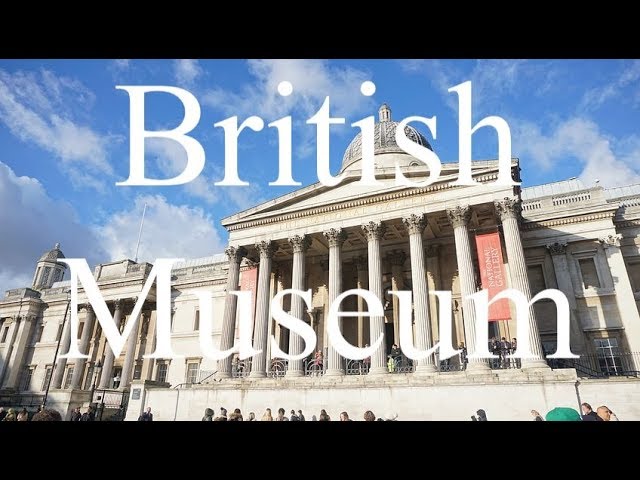
Founded in 1753 as the world's first national public museum, the British Museum holds 8 million objects from every continent and era of human civilisation. Entry is free to a collection rivalled only by the Louvre.
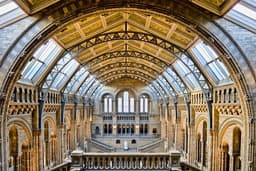
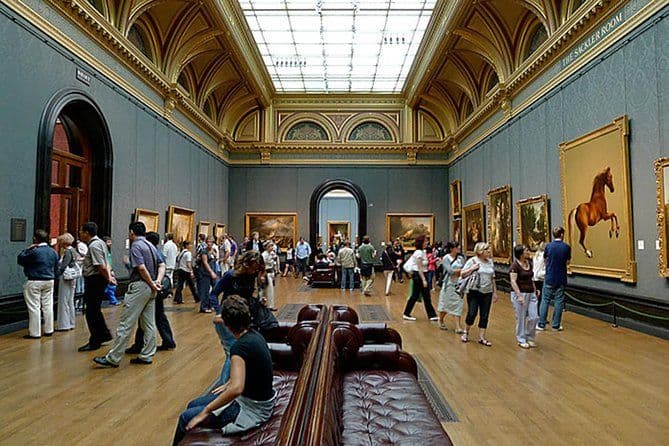
Light floods through Norman Foster's glass Great Court; visitors pause to photograph the Rosetta Stone. Marble footsteps echo through Egyptian galleries; whispered group-tour commentary ripples between rooms.
- • Founded in 1753 — the world's first national public museum
- • Holds around 8 million objects spanning two million years of human history
- • Free admission to permanent galleries, one of the world's largest free-entry museums
- • The Great Court, designed by Norman Foster in 2000, is Europe's largest covered public square
Persona Fit
- 👨👩👧 Families: Kids gravitate to Egyptian mummies and Assyrian reliefs
- 💕 Couples: Friday late openings with restaurant dining in the Great Court
- 👵 Seniors: Step-free via lifts throughout; seated benches in most galleries
- 📸 Photographers: Great Court glass roof against the Reading Room dome
Highlights
- Rosetta Stone — the trilingual slab that unlocked hieroglyphs, displayed since 1802
- Parthenon Sculptures (Elgin Marbles) — Phidias-carved frieze from Athens' Acropolis
- Egyptian mummies — the largest collection outside Cairo
- Sutton Hoo helmet — Anglo-Saxon ship burial treasure from 7th-century Suffolk
- Assyrian reliefs — carved narrative panels from Nineveh and Nimrud
- Enlightenment Gallery — original 18th-century cabinet of curiosities setting — Hidden Gem

Sarah Riches
Our London Local Expert
Table of Contents
Things To Do Nearby
Russell Square — leafy garden square three minutes east, with benches and a café
British Library — UK's national library, 15 minutes' walk north
Sir John Soane's Museum — eccentric free museum at Lincoln's Inn, 15 minutes southeast
Bloomsbury — literary London district with independent bookshops
Russell Square — leafy garden square three minutes east, with benches and a café
British Library — UK's national library, 15 minutes' walk north
Sir John Soane's Museum — eccentric free museum at Lincoln's Inn, 15 minutes southeast
Bloomsbury — literary London district with independent bookshops
TJ's Guide - British Museum
Know Before You Go
Insider Tips
Best Time: Friday late opening until 20:30 — fewer crowds and Great Court bar open
Hack: Pre-book timed entry even though it's free — walk-up queues can exceed an hour in peak
Hidden Gem: The Enlightenment Gallery shows the original 18th-century museum layout
Pick 4-5 galleries in advance — attempting everything leads to museum fatigue
The free 'eye-opener' tours focus on one gallery — excellent depth for 40 minutes
Best Time: Friday late opening until 20:30 — fewer crowds and Great Court bar open
Hack: Pre-book timed entry even though it's free — walk-up queues can exceed an hour in peak
Hidden Gem: The Enlightenment Gallery shows the original 18th-century museum layout
Pick 4-5 galleries in advance — attempting everything leads to museum fatigue
The free 'eye-opener' tours focus on one gallery — excellent depth for 40 minutes
Know Your Facts
- Closest Tube: Tottenham Court Road (Central, Northern, Elizabeth) or Russell Square (Piccadilly)
- Main entrance on Great Russell Street; alternative entrance at Montague Place for shorter queues
- Bag checks at each entrance; large bags must be checked
- First-time tip: The museum is huge — collect a free map at entry
Once You Reach
Internal Navigation
Ground floor: Egyptian, Greek, Roman, Assyrian galleries
Upper floors: Japan, China, Islamic world, Sutton Hoo, Enlightenment Gallery
Venue map: Free at entry; the British Museum app is essential for room-level search
Accessibility: Lifts to all floors; step-free throughout
Efficient route: Rosetta Stone then Parthenon then Egyptian then upper floor for pick of galleries
Food & Coffee Shops
Great Court Restaurant: Fine dining beneath the Foster glass roof
Court Café: Casual lunches in the Great Court centre
Pied à Terre (Charlotte Street): Michelin-starred option five minutes north
Great Court Restaurant: Fine dining beneath the Foster glass roof
Court Café: Casual lunches in the Great Court centre
Pied à Terre (Charlotte Street): Michelin-starred option five minutes north
Photography Tips
Photography permitted in permanent galleries; no flash, no tripods
Temporary exhibitions often prohibit photography — check signage at entry
Great Court glass roof works best with wide-angle from the centre
Rosetta Stone is behind glass — use a polarising filter to reduce reflections
Photography permitted in permanent galleries; no flash, no tripods
Temporary exhibitions often prohibit photography — check signage at entry
Great Court glass roof works best with wide-angle from the centre
Rosetta Stone is behind glass — use a polarising filter to reduce reflections
Explore Deeper
The museum was founded when Sir Hans Sloane bequeathed his collection of 71,000 objects to the nation in 1753. Parliament purchased it for £20,000, built Montague House to house it, and opened the world's first free public museum in 1759. The current Greek-Revival building dates from 1852.
The Rosetta Stone, captured from Napoleon's army in Egypt, was the key to deciphering hieroglyphs — Jean-François Champollion cracked the code in 1822
The Parthenon Sculptures were removed by Lord Elgin between 1801 and 1805 with permission from the Ottoman occupiers of Greece; ownership remains diplomatically contested
The Reading Room — a domed library within the Great Court — was where Karl Marx wrote Das Kapital and Gandhi studied law
Norman Foster's glass-roofed Great Court opened in 2000, covering the former museum courtyard — Europe's largest covered public square
The Rosetta Stone, captured from Napoleon's army in Egypt, was the key to deciphering hieroglyphs — Jean-François Champollion cracked the code in 1822
The Parthenon Sculptures were removed by Lord Elgin between 1801 and 1805 with permission from the Ottoman occupiers of Greece; ownership remains diplomatically contested
The Reading Room — a domed library within the Great Court — was where Karl Marx wrote Das Kapital and Gandhi studied law
Norman Foster's glass-roofed Great Court opened in 2000, covering the former museum courtyard — Europe's largest covered public square
Did You Know?
Collection growth — The museum has grown from 71,000 objects in 1753 to around 8 million today
Free since day one — Free admission has been a founding principle since the museum opened in 1759
Visitor count — Around 6 million people visit annually, making it one of the world's most-visited museums
Great Court — Queen Elizabeth II formally reopened the transformed Great Court in 2000