



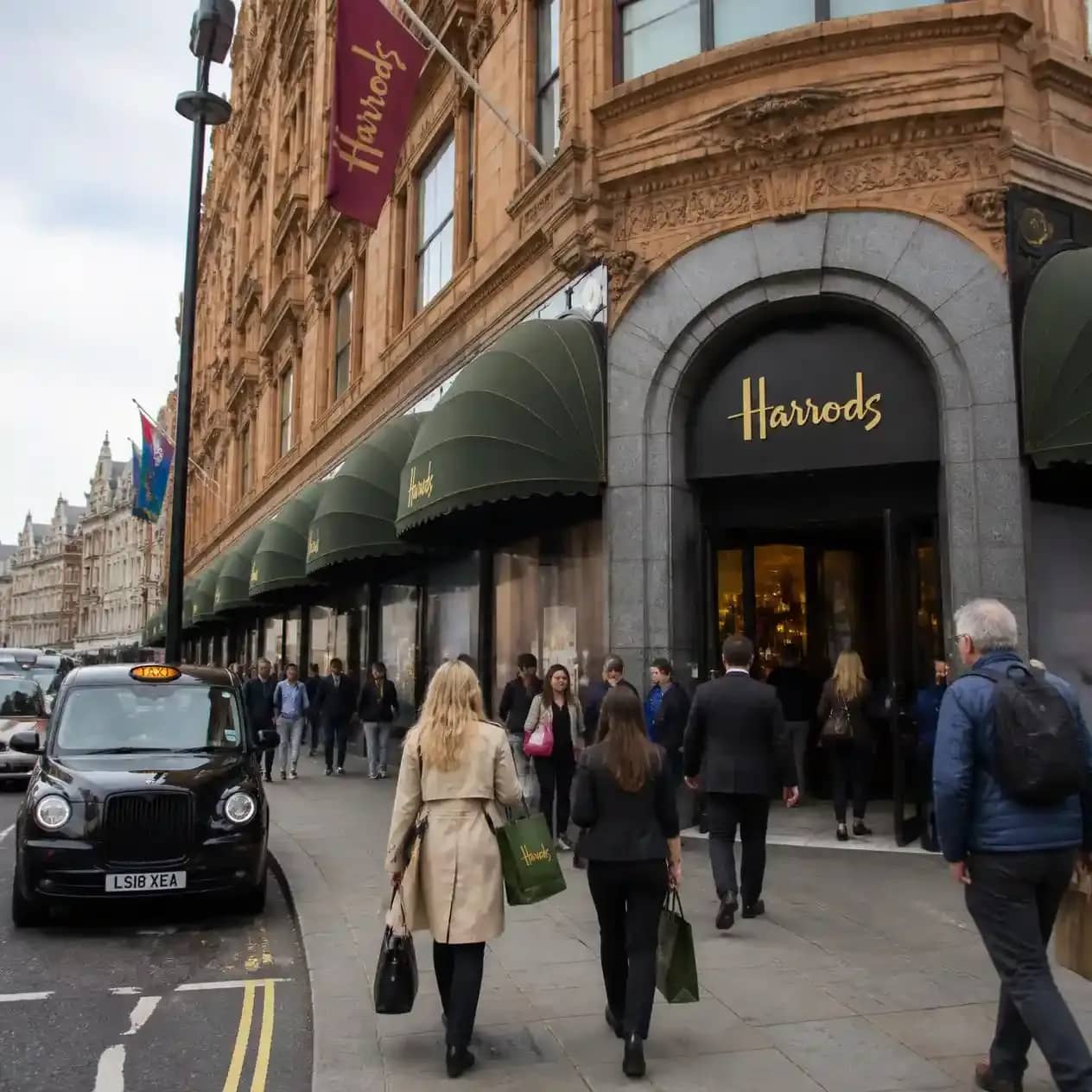
Visiting Harrods: A Complete Guide to Knightsbridge's Landmark Department Store — Food Halls, Dining and What to See
6 min read
Key Highlights
- Harrods spans seven floors and around 330 departments in Knightsbridge, making it the largest department store in Europe — and it is free to walk into.
- The ground-floor Food Halls are the single most rewarding stop, set in Grade II*-listed rooms with hand-painted tiling by William James Neatby.
- Afternoon tea now runs at The Georgian on the fourth floor, from around £87 / $110 per person, and booking well ahead is essential.
- The nearest tube is Knightsbridge on the Piccadilly line, about two minutes away; large bags and suitcases are refused at the door.
Visiting Harrods is free: the Knightsbridge store is open to walk into, and most people come for the Food Halls, the Egyptian escalator and the sheer scale of the building rather than to buy anything. Plan on one to three hours, arrive via Knightsbridge tube, and book ahead if you want afternoon tea at The Georgian. The store opens 10am to 9pm Monday to Saturday and 11.30am to 6pm on Sunday.
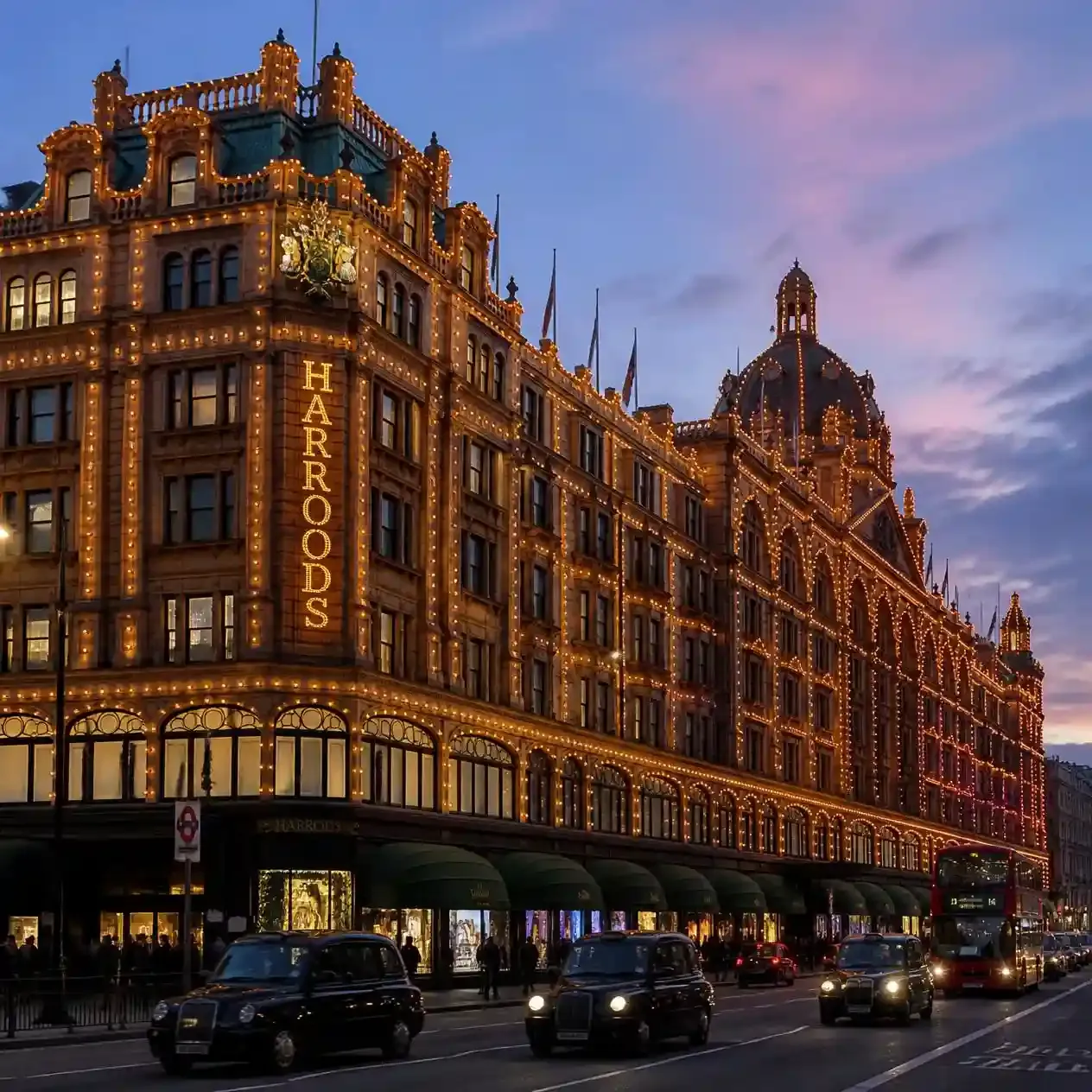
Most people walk into Harrods expecting a shop and leave describing a building. The Egyptian escalator, the tiled Food Halls, the scale of seven floors and roughly 330 departments — it lands more like a landmark than a department store, which is exactly why visiting Harrods works even if you never reach for your wallet.
Harrods has anchored Knightsbridge for more than a century and a half, and it earns its place on a London itinerary alongside the museums a few minutes' walk away. But the store rewards a plan. Knowing which floors are worth your time, where afternoon tea moved to and when, and the bag and dress rules that catch people out will save you an hour of aimless wandering.
This guide covers the history and the architecture, the Food Halls and the luxury floors floor by floor, where to eat and how to book afternoon tea, and the practical detail — hours, transport, etiquette — that makes a visit run smoothly. Every experience featured on Travjoy has been researched and approved by local experts, so you can plan around the parts that are worth your time.
Why Harrods Is Worth Visiting, Even If You Don't Shop
Harrods is worth visiting for the building as much as the retail. It is free to enter, open seven days a week, and the interior — the Egyptian escalator, the Grade II*-listed Food Halls, the domed ceilings — is a sight in its own right. Around 15 million people pass through each year, and a good share of them never buy a thing.
- Seven floors and roughly 330 departments across about 1.1 million square feet — the largest department store in Europe.
- Around 15 million visitors a year, with up to 300,000 on the busiest days.
- Free to walk in; you only spend if you choose to shop, eat or book a service.
From a grocery counter to a Knightsbridge landmark
Harrods began in the 1830s as a small grocery and tea business run by Charles Henry Harrod, who took on premises facing Brompton Road around 1849. His son, Charles Digby Harrod, grew it into a full department store from the 1860s, adding department after department. An earlier store on the site was destroyed by fire in the 1880s, and the present terracotta landmark, designed by C. W. Stephens, opened in 1905.
Harrods installed England's first "moving staircase" in 1898 — an early escalator that so unsettled shoppers that staff reportedly offered brandy at the top to steady their nerves. The building has been Grade II* listed since 1969. Ownership has changed hands several times: the House of Fraser group in 1959, the Fayed family in 1985, and since 2010 the Qatar Investment Authority. The motto above the door, Omnia Omnibus Ubique — "all things for all people, everywhere" — still sets the tone.
The architecture: the Egyptian escalator and the Food Halls
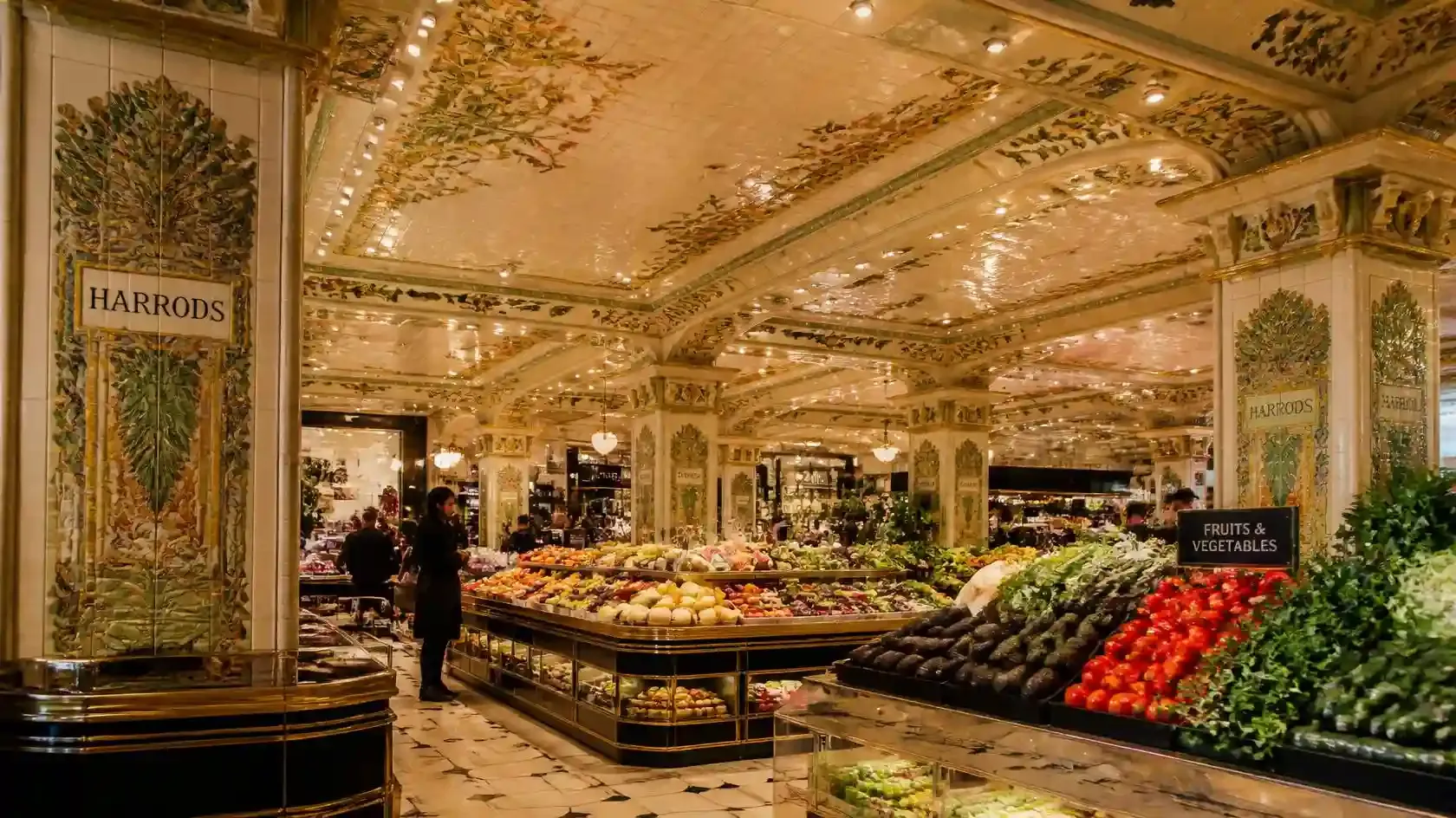
The interior is the reason to look up. The Egyptian Hall and Egyptian escalator, added in the late 1990s, run through the centre of the store with sphinxes, hieroglyph-style detailing and gilded ceilings. The ground-floor Food Halls are the architectural highlight: rooms lined with hand-painted art nouveau tiling and roundels by the ceramicist William James Neatby, produced by Doulton and in place for well over a century. Even on a quick visit, these rooms are worth ten unhurried minutes.
The Food Halls and What to See Floor by Floor
If you only have an hour, spend it in the ground-floor Food Halls and one luxury floor above. The Food Halls carry Harrods' own teas, chocolate, patisserie and hampers — the most portable souvenirs in the store — while the upper floors hold the designer, jewellery and fragrance departments that give the place its reputation. This mix is the reason most people find visiting Harrods worthwhile even without a shopping list.
The Food Halls (ground and lower-ground floor)
Recently reworked as part of a major, multi-year restoration, the Harrods Food Halls now run as a set of connected rooms — a roastery and bake hall, a fresh market hall, a chocolate hall and the tiled Dining Hall — spread across the ground and lower-ground floors.
- Tea, coffee and chocolate counters, an in-house bakery and patisserie, plus fresh meat, fish and seasonal produce.
- A fine wine and spirits room on the lower ground floor, with well over 1,000 wines and hundreds of spirits.
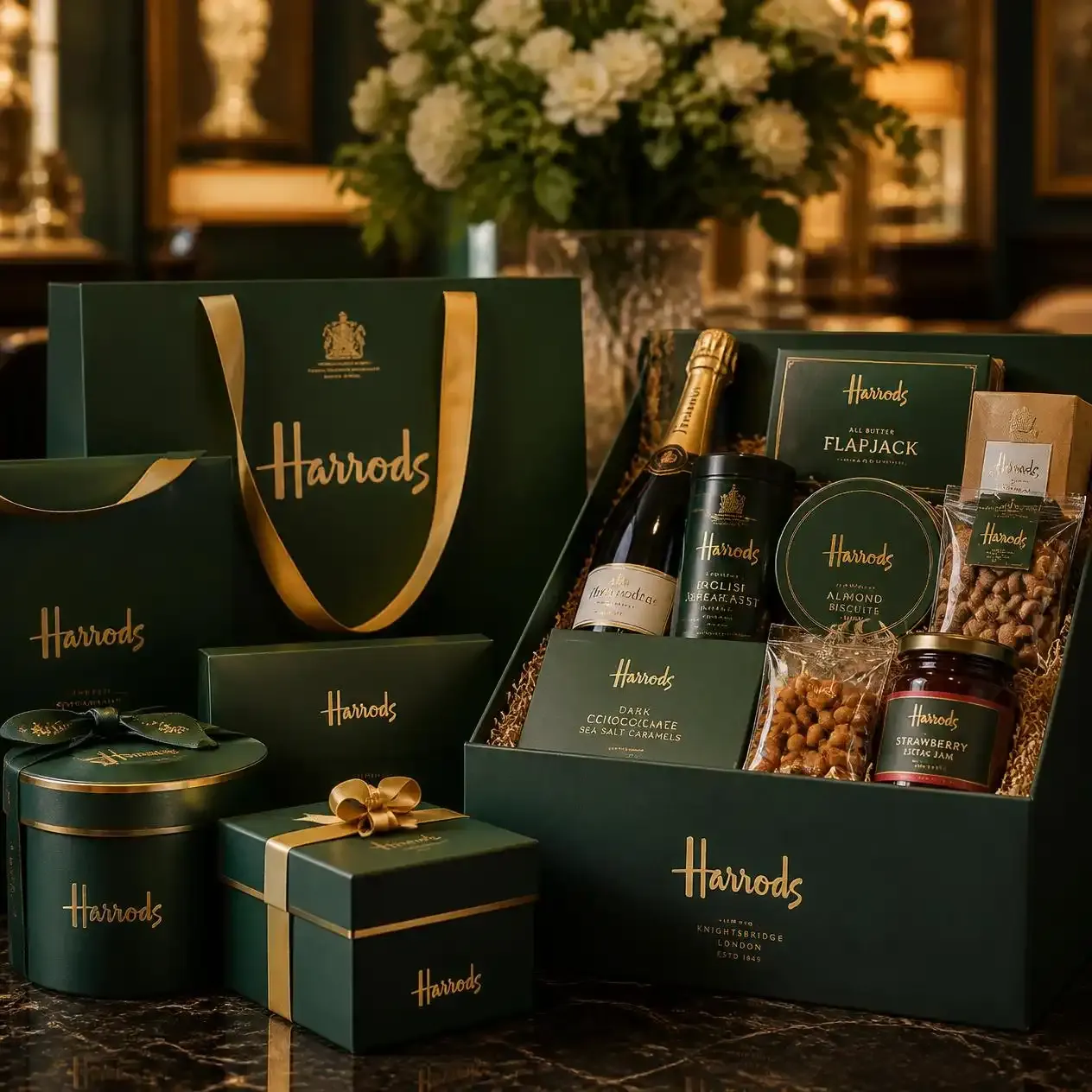
- Harrods-branded teas, biscuits, chocolate and the signature hampers make the easiest gifts to carry home; small tins start well under £20 / $25.
The luxury floors: designer, jewellery and fragrance
Above the Food Halls, the store climbs through beauty, fashion, jewellery and homeware. You don't need to see all of it — pick the floor that matches your interest and skip the rest.
- Ground floor: fine jewellery and watches — Cartier, Bvlgari, Rolex and others — alongside the beauty halls.
- First floor: Superbrands, the designer heart of the store, with Gucci, Prada, Dior, Louis Vuitton and more under one roof.
- Sixth floor: the Salon de Parfums, a dedicated fragrance floor with niche houses and in-store perfume experts.
- The toy department is a long-standing fixture and worth a look even without children in tow.
If you're short on time
- Start in the ground-floor Food Halls — the tiled rooms are the highlight of the whole store.
- Ride the Egyptian escalator up a floor or two just to see the central atrium.
- Pick one luxury floor — Superbrands on the first, or the Salon de Parfums on the sixth — and leave the rest.
- Buy a tin of Harrods tea or a box of chocolate on the way out; it is the simplest souvenir to carry.


Dining and Afternoon Tea at Harrods
Harrods has more than 20 restaurants, cafés and bars spread across its floors, so you rarely need to leave the store to eat well. The headline experience is afternoon tea, which now runs at The Georgian on the fourth floor rather than the old Harrods Tea Rooms. If dining is part of your plan, it is the one thing worth booking before you arrive.
Afternoon tea at The Georgian
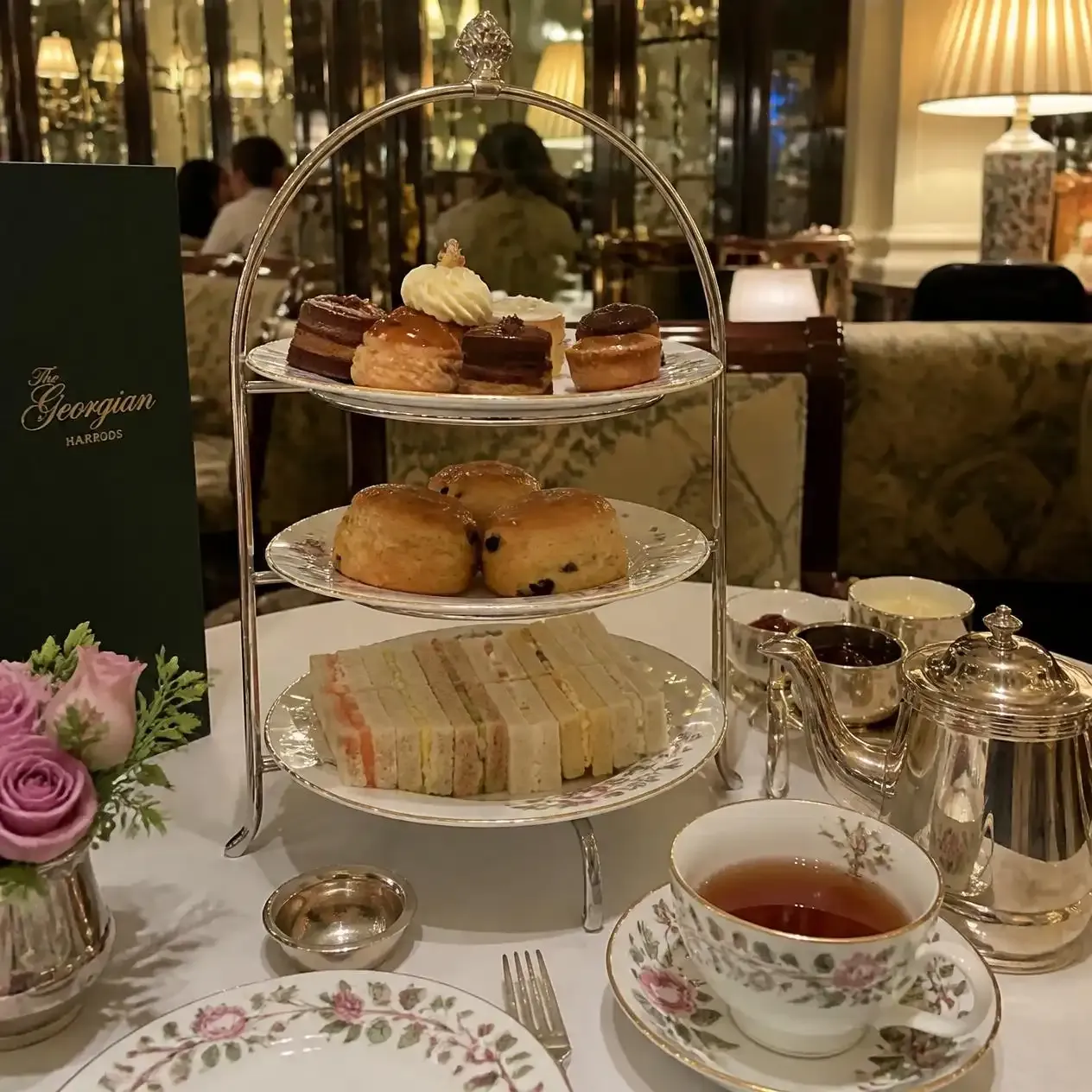
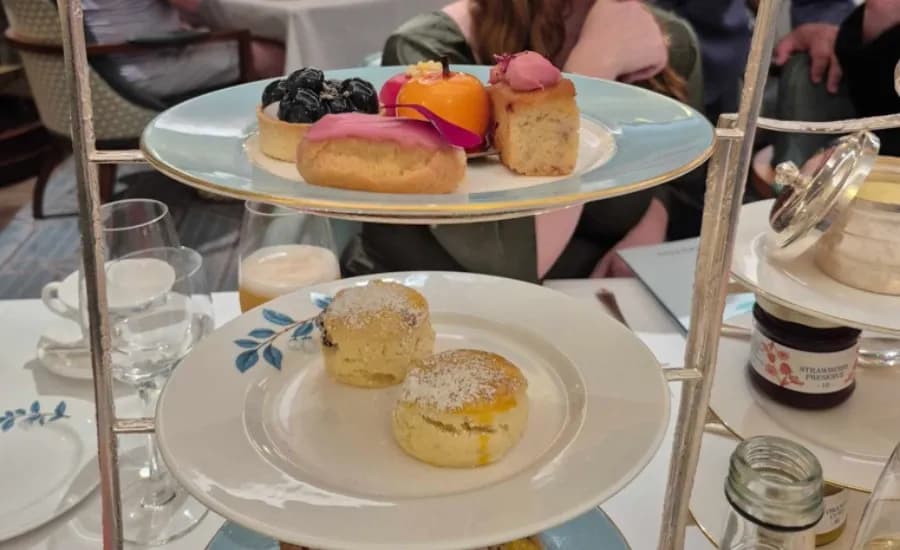
Harrods has served afternoon tea since 1896. Since a 2024 restoration it has been served at The Georgian, a grand fourth-floor room styled after the 1920s and 30s, with a live pianist and tableside service that turns a break from shopping into an event in itself.
- Traditional afternoon tea: from around £87 / $110 per person.
- Champagne and children's menus are available, with vegetarian, vegan and gluten-free options on request.
- Booking is essential — walk-ups are routinely turned away, and popular dates fill weeks ahead.
- Smart-casual dress is expected: no sportswear, beachwear or flip-flops.
Where else to eat in the store
If you want something quicker or less formal, the store's other restaurants cover most moods and budgets. Several sit inside the tiled Dining Hall, so you eat surrounded by the same art nouveau ceramics you came to see.
- The Grill for steaks and British classics, and Pasta Evangelists for fresh Italian.
- A caviar house, a seafood and oyster bar, and a sushi counter for lighter plates.
- Kama by Vineet, modern regional Indian cooking from a Michelin-starred chef.
- A champagne terrace for a glass and a sharing platter, and the Tiffany Blue Box Café for a stylish, photogenic stop.
Planning Your Visit: Hours, Getting There and Etiquette
Visiting Harrods takes a little planning mostly because of two things people get wrong: the bag rules and the Sunday hours. The store is a two-minute walk from Knightsbridge tube, free to enter, and open seven days a week — but large luggage is refused at the door, and Sunday trading is legally capped at six hours.
Opening hours and getting there
Harrods keeps standard department-store hours through the week, with shorter Sunday trading. Check the store's own plan your visit page before a public holiday, when times can change, and see Visit London for how it sits alongside nearby sights.
- Monday to Saturday: 10am to 9pm.
- Sunday: 11.30am to 6pm, capped under the Sunday Trading Act.
- Nearest tube: Knightsbridge (Piccadilly line), about two minutes on foot; Sloane Square and South Kensington are roughly 15 minutes away.
- Buses 9, 14, 19, 22, 52, 74 and 137 stop nearby; there is no visitor car park, so public transport is easiest.
- Address: 87–135 Brompton Road, Knightsbridge, London SW1X 7XL.
What to know before you go
A handful of rules catch visitors out, and none of them appear on most itineraries. Get these right and the visit runs smoothly.
- Large bags and suitcases are not allowed inside, and there is no left-luggage service — don't try to visit on the way to or from the airport.
- Wheeled devices other than mobility aids, vaping devices, swimwear and bare feet are all refused at the door.
- There is no formal published dress code for the store as of 2026, but tidy, respectable clothing is expected; the restaurants set their own smart-casual rules.
- Photography is fine across most of the store but not in the fine-jewellery halls.
- Harrods By Appointment, the personal-shopping service, gives you a stylist and a private room; it is worth arranging ahead if you are shopping seriously.
- Overseas visitors can no longer reclaim VAT at the airport; the one tax-free route is asking the store to ship your purchase directly abroad, which removes the 20% VAT.
When to visit
Timing changes the experience more than you would expect, both for crowds and for atmosphere.
- Weekday mornings are the quietest; Saturdays and school holidays are the busiest, with up to 300,000 visitors on peak days.
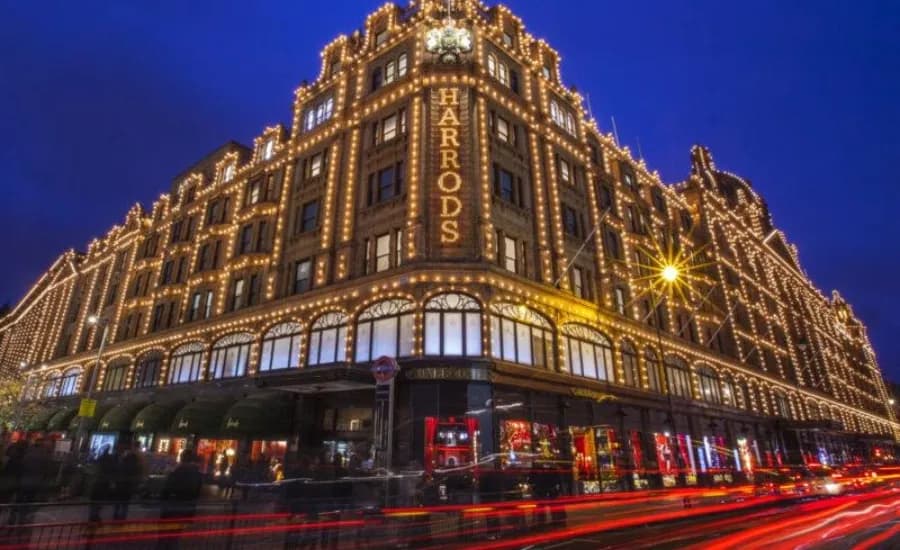
- Christmas is the store at its most theatrical — decorated Brompton Road windows and a Father Christmas grotto — but also its most crowded.
- The two big sale windows are the winter sale from Boxing Day (26 December) and the summer sale from late June.
Beyond Harrods: Knightsbridge and London's Other Landmark Stores
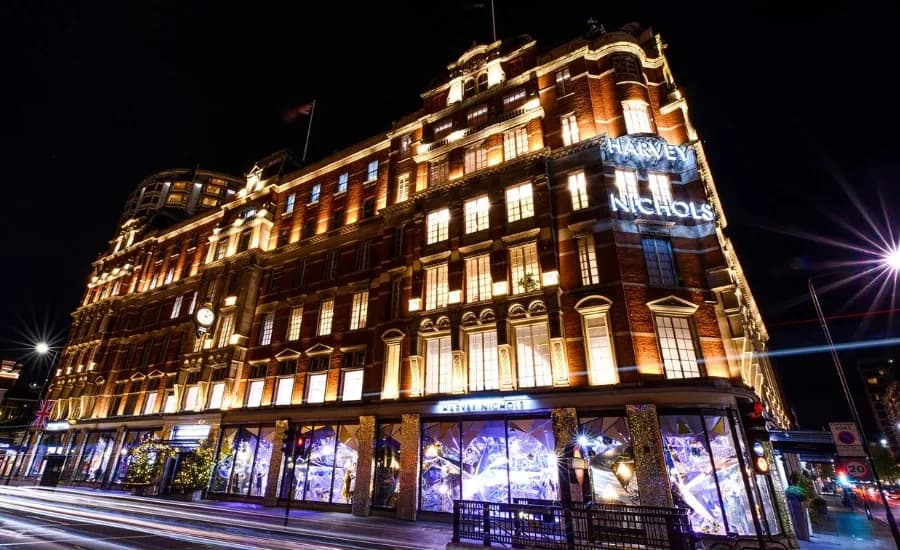
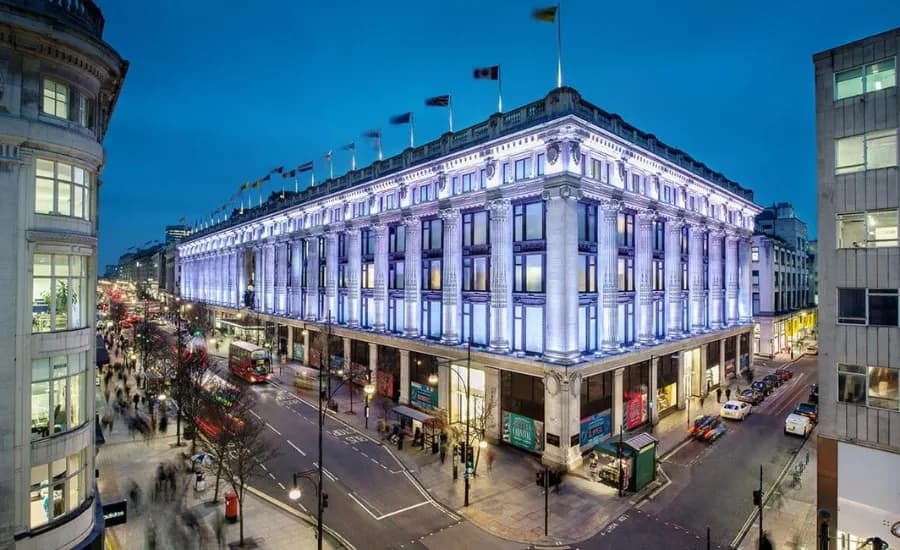
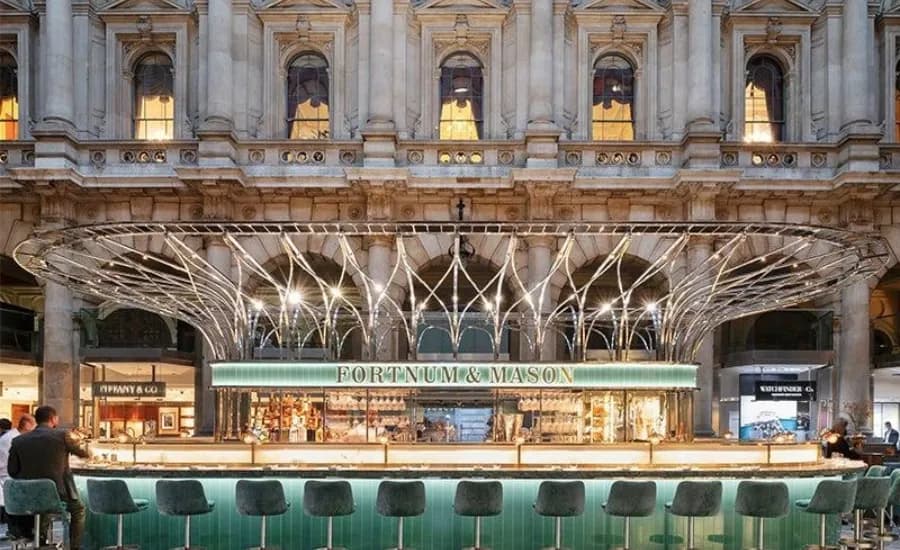
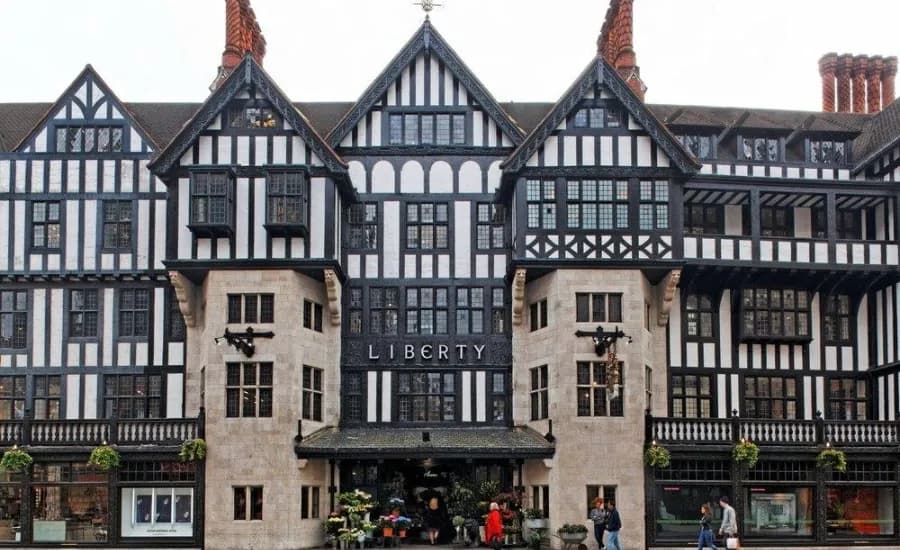
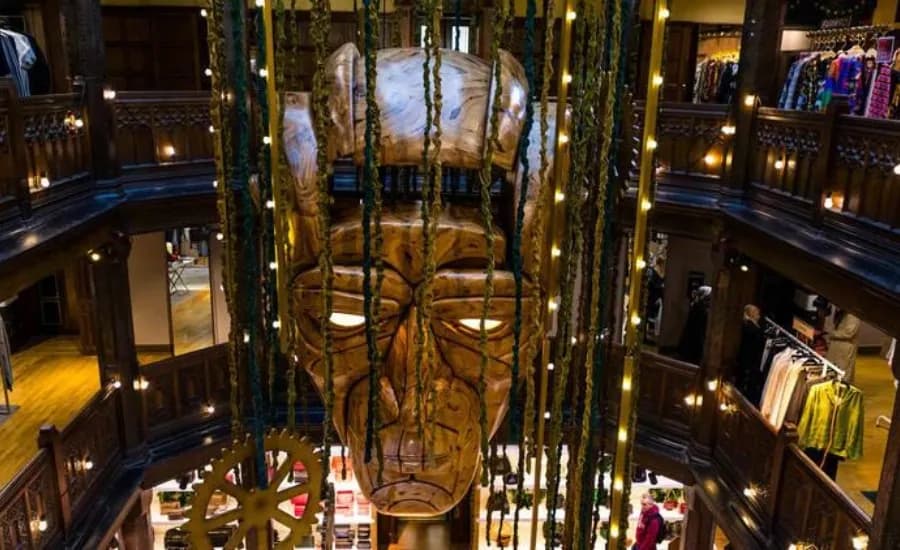
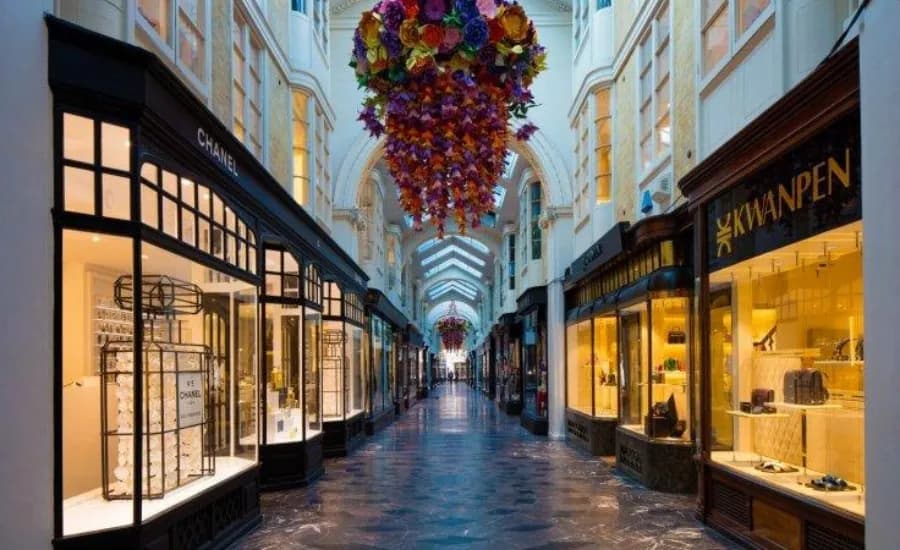
If Harrods leaves you wanting more, you don't have to go far. Harvey Nichols sits a short walk away on the same Knightsbridge corner — more fashion-led, and usually calmer. Across the West End, Selfridges leads on designer and beauty, Liberty is the place for fabrics and homeware inside its mock-Tudor building, and Fortnum & Mason is the heritage grocer known for tea, hampers and its own celebrated afternoon tea. For the full run of the city's landmark stores and where to start, see our guide to shopping in London, and walk on to Burlington Arcade in Mayfair for tailoring, jewellery and old-world browsing.
Making the Most of Your Visit
Visiting Harrods rewards a little planning more than most London sights. Treat it as a landmark first and a shop second: start in the tiled Food Halls, ride the Egyptian escalator, pick one luxury floor, and book The Georgian ahead if afternoon tea is the plan. Get to Knightsbridge tube for opening, leave the big bags at your hotel, and you will see the best of the store in a couple of unhurried hours. Whether it is your first trip to London or your fifth, Harrods still earns its afternoon. Start planning your London trip on Travjoy, where every experience is researched and approved by local experts.

.svg&w=1920&q=75)