



Singapore Travel Tips: 25 Things I Wish I Knew Before I Went
16 min read

Author
SHARE BLOG
TABLE OF CONTENTS
- Singapore's MRT is fast, affordable, and covers almost every major attraction — an EZ-Link card is the one purchase you should make at the airport.
- Fines here are real: littering, eating on the MRT, and vaping can each cost you hundreds of Singapore dollars.
- Hawker centres serve some of the best food in the city — skip the tourist-facing restaurants and eat where locals eat.
- Tap water is safe to drink throughout Singapore; there is no need to buy bottled water.
- Book high-demand attractions (Night Safari, Universal Studios Singapore, Gardens by the Bay conservatories) before you leave home — they regularly sell out.
Singapore travel tips in brief: Singapore rewards prepared travellers. Get an EZ-Link card at the airport, download Grab before your flight, carry some cash for hawker centres, dress modestly at temples, and pre-book any ticketed attractions you don't want to miss. The city is clean, safe, efficient, and genuinely easy to navigate — but a few specifics catch first-timers off-guard every time.
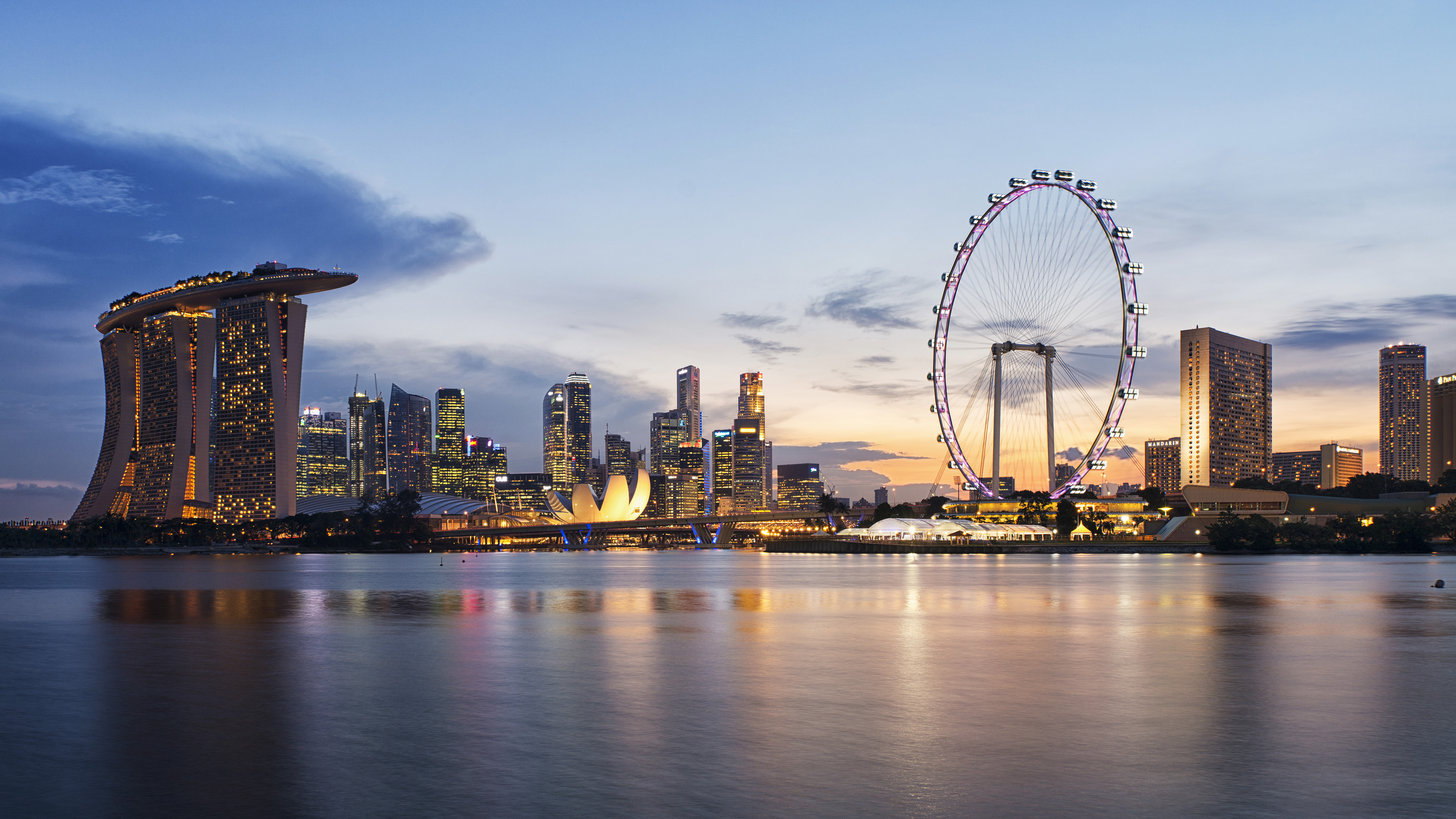
Singapore doesn't need much defence as a destination. It is clean, well-connected, and packed with more to do than most visitors have time for. But it does have rules — some obvious, some less so — and a set of logistics that work very differently from the rest of Southeast Asia. The travellers who get the most out of it are the ones who arrive knowing how the city works: how to move, what to eat, where to spend and where to save, and which tickets to lock in before the flight.
These 25 Singapore travel tips are organised by theme so you can read ahead to what matters most for your trip.
Getting Around Singapore
Singapore's transport network is one of the most efficient in the world. The MRT covers the island's main districts, buses reach every neighbourhood, and app-based cars fill the gaps. You don't need to rent a car — and given the cost of driving in Singapore, most travellers are better off without one.
Tip 1: Get an EZ-Link Card at the Airport
The EZ-Link card is a stored-value transit card that works across the MRT, public buses, the Sentosa Express monorail, and river taxis. You can buy one at the MRT customer service counters inside Changi Airport before you even reach the city. Top up at any MRT station or through the EZ-Link app. Single-journey tickets are available but cost more per ride — over several days, the difference adds up.
If you're planning very heavy transport use over 1–3 days, the Singapore Tourist Pass (SGD 10–20/day depending on duration) gives unlimited MRT and bus travel. For most 4–7 day itineraries, the EZ-Link card with a pre-loaded SGD 20–30 is the better option.
Tip 2: Download Grab Before You Arrive
Grab is Singapore's dominant ride-hailing app and the direct replacement for Uber, which no longer operates here. Set it up at home with your payment method linked — the app works seamlessly from the moment you land. Grab is especially useful late at night, for journeys between districts not well-served by MRT, and for travelling with luggage. Fares are fixed and displayed upfront; tipping is not required.
Traditional taxis are still common and metered, but flag-fall charges and surcharges (peak hours, ERP zones, airport fees) can make them pricier than a Grab ride for the same route.
Tip 3: The MRT Runs Until Midnight (Mostly)
The MRT typically runs from around 5:30am to midnight on weekdays, with slightly later last trains on weekends. If you're planning a late night out — particularly around Clarke Quay or Marina Bay — check the last train time for your specific line and station. Missing the last train means Grab, and surge pricing applies after midnight on weekends.
Tip 4: ERP Charges Apply to Taxis and Private Cars
Singapore operates an Electronic Road Pricing (ERP) system that charges vehicles entering high-traffic zones at peak times. These charges are passed directly to taxi and Grab passengers. If you're travelling in or out of the CBD during morning or evening rush hours, expect a small surcharge on top of your metered or app fare — factor this in if you're timing a departure or airport run.

Singapore's Laws and Rules: Read These Before You Go
Singapore enforces its rules. Fines are not symbolic amounts — they are significant, and enforcement is consistent. Most visitors comply instinctively because the city is genuinely well-ordered, but a few specific rules catch travellers off guard.
Tip 5: Do Not Eat or Drink on the MRT
Eating and drinking — including water — on the MRT or buses is prohibited and carries a fine of up to SGD 500. The rule is strictly observed. Finish your coffee before the platform, not on the train.
Tip 6: Littering Is a Fineable Offence
Littering in public carries a fine starting at SGD 300 for a first offence. Repeat offenders can face higher fines and compulsory corrective work orders. The streets are clean because the rule is enforced — keep it simple and use the bins, which are plentiful and well-placed throughout the city.
Tip 7: Chewing Gum Is Banned (With One Exception)
Importing or selling chewing gum is prohibited in Singapore. The only legal exception is sugar-free dental gum, available from pharmacies with a prescription. Don't pack gum in your suitcase and don't attempt to bring it in — customs does check, and the fine can reach SGD 100,000 for deliberate importation. For most travellers, this is a simple rule: leave the gum at home.
Tip 8: Vaping is Illegal
Vapes and e-cigarettes are entirely prohibited in Singapore. It is illegal to possess, purchase, or use them — not just to vape in public. Customs officers confiscate vaping devices on arrival. If you vape regularly, plan accordingly: don't bring your device into the country. Repeat offences or possession of etomidate vapes carry severe penalties including deportation.
Tip 9: Drug Laws Are Extremely Serious
Singapore maintains some of the most stringent drug laws in the world. Authorities can conduct urine or hair follicle tests at the border, including on travellers who consumed drugs legally elsewhere before travelling. A positive result can lead to denial of entry, detention, or prosecution regardless of where consumption took place. There are no exceptions for tourists and no diplomatic wriggle room.
Tip 10: Public Displays of Affection Are Frowned Upon
Singapore is not uniquely conservative, but overt public displays of affection are considered inappropriate — particularly in Malay and Indian cultural areas. Brief contact is fine. Extended physical affection draws attention and is best kept private. The same applies in places of worship across all religious sites.
Singapore Laws: Quick Reference
- No eating or drinking on MRT or buses — fine up to SGD 500
- Littering — fine from SGD 300
- Chewing gum — import prohibited
- Vaping — possession is illegal; devices confiscated at customs
- Drugs — zero tolerance; drug tests possible at border entry
- Jaywalking more than 50m from a crossing — fineable offence
- Smoking — only in designated outdoor areas; not in shopping malls, hawker centres, or covered spaces
Food in Singapore: How to Eat Well Without Overspending
Singapore is one of Asia's great food cities — and uniquely, its best meals are not found in restaurants with tablecloths. The hawker centre system means that outstanding local food is available across the city for SGD 3–8 a dish. Knowing where and how to eat is arguably the most important Singapore travel tip of all.
Tip 11: Eat at Hawker Centres, Not Hawker-Themed Restaurants
Singapore's hawker centres are government-managed open-air food courts where individual stalls specialise in one or two dishes. The quality is high — some stalls have been awarded Michelin Bib Gourmand recognition — and the prices are genuinely low. A plate of chicken rice at Maxwell Food Centre costs around SGD 4–5. A similar dish at a tourist-facing restaurant in the same neighbourhood costs three to four times that, and is rarely as good.
Other hawker centres worth visiting include Chinatown Complex Food Centre — the largest in Singapore — Newton Food Centre, Tiong Bahru Market, and Old Airport Road Food Centre in Geylang.
Tip 12: Know the Hawker Centre Etiquette
Order and pay directly at the stall counter, not at a central cashier. Some hawker centres have drink stalls that serve the whole area — order your drinks there and they'll be brought to your table. If you see tissue packets, name cards, or a small umbrella placed on a table, it's reserved — this "chope" system is universally understood and respected. Find another table.
Cash is the norm at most stalls, though PayNow QR codes are increasingly common. Keep small notes (SGD 2, SGD 5) for hawker payments.
Tip 13: Understand Basic Dining Etiquette
Singapore's dining culture reflects its multicultural makeup. A few practical points:
- At Chinese and Southeast Asian tables, place chopsticks on the rest when you pause eating — leaving them upright in rice is a funeral custom
- At Indian and Malay tables, use your right hand if eating with your hands; the left hand is considered unclean in these traditions
- Tipping is not customary and not expected — it is appreciated at sit-down restaurants but never required at hawker stalls or food courts
- At sit-down restaurants, check whether a service charge (typically 10%) has been added to the bill before adding your own

Money and Budgeting in Singapore
Singapore is expensive by Southeast Asian standards but comparable to major European capitals for accommodation and dining out. The key is knowing which spending is unavoidable, which is optional, and where you can make meaningful savings without compromising the experience.
Tip 14: Carry Cash for Hawkers and Markets
Major hotels, restaurants, shopping malls, and most mid-to-large attractions accept credit cards and contactless payments. But hawker stalls, wet markets, Chinatown Street Market, and many smaller shops still run on cash. Withdraw SGD at the airport — exchange rates at Changi are reasonable — and keep SGD 50–100 in small notes for day-to-day spending. Avoid changing large amounts at hotel desks, where rates are typically poor.
Tip 15: Claim Your GST Tourist Refund
Singapore charges 9% Goods and Services Tax (GST) on retail purchases. Foreign visitors can claim a refund on qualifying purchases of SGD 100 or more (before GST) at participating retail stores. Request a GST refund receipt at the point of purchase, keep it with your goods, and process the refund at Changi Airport's automated refund kiosks before you check in for your flight. Participating stores include most major retailers — look for the "Tourist Refund Scheme" logo in shop windows.
Tip 16: Happy Hours Are Worth Planning Around
Alcohol in Singapore is heavily taxed. A beer at a bar typically costs SGD 12–18; cocktails run SGD 20–28 and up at rooftop venues. Most bars in Clarke Quay, Tanjong Pagar, and Duxton Hill offer happy hour pricing from around 5pm to 8pm — often two-for-one or significantly reduced rates. If you're planning an evening out, arriving at happy hour start time cuts your drinks bill substantially.
Tip 17: Many of Singapore's Best Experiences Are Free
- Gardens by the Bay — the outdoor Supertree Grove and OCBC Skyway walkway are free; only the Flower Dome and Cloud Forest conservatories require tickets
- Singapore Botanic Gardens — free entry (except the National Orchid Garden)
- Merlion Park — free, good base for Marina Bay photography
- Spectra light-and-water show at Marina Bay — runs nightly at 8pm and 9pm, free
- Fort Canning Park — free, good for a morning walk with city views
- Ethnic neighbourhood walks — Chinatown, Little India, and Kampong Glam can each fill half a day without spending anything
Packing and Weather: What to Expect
Singapore sits 1.3 degrees north of the equator. There is no winter, no cool season, and no dry month. Plan your packing accordingly — the goal is to stay comfortable in constant heat and humidity while being ready for tropical rain at any time of day.
Tip 18: Pack Light, Breathable Clothing
Temperatures in Singapore hover between 25°C and 33°C year-round, with humidity typically above 80%. Linen, cotton, and technical fabrics dry quickly and feel far more comfortable than synthetics in this climate. Pack light colours where possible. The one exception: Singapore's malls and restaurants are aggressively air-conditioned — carry a light layer for hours spent indoors, especially for children or anyone who feels the cold.
Tip 19: Carry a Small Umbrella Every Day
Singapore receives rain in every calendar month, and tropical downpours can arrive with very little warning. A compact folding umbrella in your daypack costs almost nothing and saves you from a thorough soaking when the sky opens. Ponchos work too if you prefer them. Don't rely on awnings — the rain often comes in sideways.
Tip 20: November to January Brings the Heaviest Rain
Singapore doesn't have a "rainy season" in the conventional sense — it rains throughout the year — but the northeast monsoon from November to January brings more frequent and sustained rainfall. If you're visiting then, build flexibility into your itinerary. February to early April typically sees more settled weather and is generally the most comfortable time to visit for outdoor sightseeing.
Tip 21: Dress Modestly at Temples and Mosques
Places of worship in Singapore — Hindu temples, mosques, and Buddhist temples — expect covered shoulders and knees for entry. Many sites provide sarongs or cover-up cloths at the entrance, but it's easier to arrive prepared. A light scarf or pair of loose trousers solves the problem and is comfortable in the heat anyway. Remove shoes at temple entrances.
Packing Checklist for Singapore
- Light, breathable clothing (cotton or linen) — several changes per day in high humidity
- One light layer (cardigan, light jacket) for air-conditioned interiors
- Compact umbrella or packable rain poncho
- Comfortable walking shoes — you will cover significant ground on foot
- Scarf or light cover-up for temple visits
- Universal power adapter (Singapore uses UK-style Type G plugs)
- Reef-safe sunscreen — Singapore's UV index regularly exceeds 10
- No chewing gum, no vaping devices
Planning Your Time in Singapore
Singapore is small — the main island is roughly 50km east to west — but it packs more into that space than many cities several times its size. The risk is under-budgeting time for each area and ending up rushing. These tips help you structure your days well.
Tip 22: Pre-Book Ticketed Attractions
Several of Singapore's most popular attractions regularly sell out, especially on weekends and public holidays. Book online before you travel for:
- Night Safari Singapore — one of the world's only nocturnal wildlife parks; very popular, especially Friday and Saturday nights
- Universal Studios Singapore — peak days see long waits; Express Passes sell out early
- Gardens by the Bay conservatories — timed-entry tickets available online, cheaper than walk-up
- Marina Bay Sands SkyPark Observation Deck — book in advance if you want a specific time slot
- Singapore Zoo — weekend mornings get very crowded; early entry slots clear faster online
Travjoy's Singapore Top 20 curates the city's best experiences across all categories — useful for shortlisting what deserves a slot in your itinerary before booking.
Tip 23: Allocate a Full Day to Sentosa
Sentosa Island sits just off the southern coast and is connected to the mainland by cable car, bus, and the Sentosa Express monorail. It deserves its own full day rather than a rushed half-day add-on. Between Universal Studios, the cable car, S.E.A. Aquarium, the southern beaches, and the various outdoor activities, you'll find more than enough to fill eight or nine hours. Accommodation on Sentosa (Resorts World, Capella, The Barracks Hotel) tends to be a level up in price but saves significant travel time if you're spending multiple days in the area.
Tip 24: Spend Time in Singapore's Ethnic Enclaves
Singapore's multicultural make-up is not a theme park exercise — Chinatown, Little India, and Kampong Glam (the Arab Quarter around Haji Lane) are genuine cultural districts where the food, architecture, and community life are distinctly different from each other and from the CBD. Each repays at least two to three hours of unhurried walking. Haji Lane is worth its own visit: independent boutiques and cafés during the day, outdoor bars and live music by night.
Tip 25: Consider a Day Trip to Pulau Ubin
For a complete break from the city, Pulau Ubin — a small island off Singapore's northeastern coast — runs on a different tempo. The island has no 24-hour electricity, many residents still fetch water from wells, and the main mode of transport is a rented bicycle. Bumboats depart from Changi Point Ferry Terminal when enough passengers are ready (no fixed schedule, no advance booking needed). The crossing takes around 10 minutes and costs SGD 4. Bring cash, water, and comfortable shoes. It's one of the most disarmingly different experiences available within Singapore's borders.

Essential Singapore Travel Tips: Final Checks
Singapore runs on systems that work. Learn the EZ-Link card before your first commute, keep small notes in your wallet for hawker centres, and give yourself permission to slow down in the ethnic enclaves — these neighbourhoods reward time, not ticking off. The city's well-earned reputation for efficiency can make visitors feel they need to optimise every minute. You don't. Some of the best Singapore experiences happen when you stop at a plastic stool hawker table and order the dish you don't recognise.
For a complete picture of what Singapore has to offer — from night wildlife parks to riverside cruises to heritage museum trails — explore the full range of Singapore experiences on Travjoy, where everything has been curated by local experts so you can plan with confidence and book without second-guessing.

.svg&w=1920&q=75)