



Singapore Laws for Tourists: What You Need to Know Before You Go
17 min read

Author
SHARE BLOG
TABLE OF CONTENTS
- Vaping and e-cigarettes are completely banned in Singapore — possession alone can get you fined SGD 700 and, if you re-offend, banned from re-entering the country
- Singapore's drug laws apply even if you consumed substances legally abroad — traces in your bloodstream count on arrival
- You can be fined for littering a cigarette butt, jaywalking, or failing to flush a public toilet
- Chewing gum is not sold in Singapore; importing it is a criminal offence carrying fines of up to SGD 10,000
- Drinking alcohol in public spaces is illegal after 10:30 pm, with additional restrictions in Geylang and Little India all weekend
Singapore is often called the Fine City — and yes, that's a pun. Fines here are specific, meaningful, and regularly collected. The laws aren't hidden or arbitrary; they're posted at bus stops, printed on MRT seats, and enforced by officers who don't issue warnings first. What makes Singapore unusual isn't the existence of these rules — most countries have similar ones on paper — it's that they're applied consistently, to locals and tourists alike.
Most travellers who run into trouble in Singapore don't do so deliberately. They bring a vape from home not realising it's fully banned, or they sip a beer in a park after 10:30 pm without knowing the cutoff. This guide covers the Singapore laws for tourists that actually affect day-to-day travel — not the obscure ones designed to generate headlines, but the ones you might accidentally break on your second night there. Know these, and your trip stays exactly as it should: straightforward and enjoyable.
At the Airport — What You Declare and What You Cannot Bring In
Singapore's customs rules at Changi are clear, and officers at the Immigration and Checkpoints Authority (ICA) checkpoints do check bags. Getting the basics right before you land saves you from a fine on the first hour of your trip.
Tobacco: Zero Duty-Free Allowance
Unlike alcohol, Singapore gives you no duty-free allowance for tobacco products — not even a single cigarette. Every stick you bring in must be declared and the relevant duty paid. This applies to cigarettes, cigars, and loose tobacco alike.
- Duty on cigarettes: SGD 0.427 per stick (approximately SGD 85 per carton of 200)
- Travellers who fail to declare tobacco face fines of up to SGD 10,000 or imprisonment under the Customs Act
- Cigarettes without a Singapore duty-paid stamp may be confiscated at the checkpoint
Alcohol: The Duty-Free Allowance
Alcohol has a more generous allowance, but only if you are not arriving from Malaysia (the land border crossing carries its own restrictions).
- General allowance: up to 2 litres of alcohol products (e.g. 1 litre of spirits + 1 litre of wine)
- Only available to travellers aged 18 and above
- You must have been away from Singapore for at least 48 hours
- Anything above the allowance must be declared and duty paid
Chewing Gum — an Import Offence
The gum ban is real and it applies to tourists. Singapore has banned the sale and import of chewing gum since 1992 under the Regulation of Imports and Exports Act. You cannot buy it in any supermarket or convenience store in the country. Bringing it in is an offence, not just a minor inconvenience.
- First offence: fine of up to SGD 10,000 or imprisonment up to 2 years
- Second offence: fine of up to SGD 200,000 or imprisonment up to 10 years
- Exemption: medically or dentally prescribed gum with a valid prescription
In practice, a tourist carrying a single pack of gum is unlikely to face the maximum penalty, but customs officers have the right to confiscate it and question you. Leave it at home.
Prescription Medication — Carry the Documentation
Singapore has strict rules on controlled substances, and some medications that are legal in your home country may be restricted or require advance approval here. Carry the original prescription from your doctor for any medication, particularly opioids, benzodiazepines, sleeping pills, and ADHD medication. A letter from your doctor on clinic letterhead is the clearest form of documentation.
Customs Checklist for Changi Arrival
- Declare all tobacco — no exceptions, no duty-free allowance
- Check your alcohol quantity against the 2-litre limit
- Remove any chewing gum from your bags before flying
- Carry a doctor's letter for all prescription medication
- New goods worth over SGD 500 are subject to 9% GST — declare them
Singapore Drug Laws for Tourists — What You Need to Understand
Singapore's drug laws for tourists are among the strictest in the world, and they apply without exception based on nationality or tourist status. The Misuse of Drugs Act operates on a zero-tolerance basis, and the penalties scale sharply with quantity.
Trafficking Carries a Mandatory Death Penalty
Trafficking in Singapore carries a mandatory death penalty above certain quantity thresholds — for example, 15 grams of heroin or 500 grams of cannabis. Below these thresholds, trafficking still carries lengthy imprisonment. This is not a deterrent; it is a sentence that is carried out.
- Heroin (diamorphine): trafficking more than 15g → mandatory death penalty
- Cannabis: trafficking more than 500g → mandatory death penalty
- Cocaine: trafficking more than 30g → mandatory death penalty
- Possession (smaller quantities): imprisonment up to 10 years, fines up to SGD 20,000, or both
The Pre-Trip Consumption Trap
This is the rule most tourists don't know. If you consumed cannabis or another controlled substance legally in a country where it is permitted — say, in Canada, the Netherlands, or a US state — and traces remain in your bloodstream when you enter Singapore, you can be tested and prosecuted under Singapore law. The fact that consumption happened legally elsewhere is not a defence.
Singapore authorities can require a urine test without a warrant. If a controlled substance is detected, you are treated as having consumed drugs in Singapore — regardless of where or when it actually happened. The practical advice from every legal advisory is the same: allow enough time for your system to clear before travelling to Singapore. For cannabis, this typically means several weeks for regular users.
Never Carry a Package for a Stranger
This matters enough to say plainly: never agree to carry luggage, a parcel, or any item through Singapore for someone you met recently — even if they seem credible, even if the bag looks ordinary. You are personally responsible for every item in your possession under Singapore law. Claiming you did not know what was inside is not a legal defence for drug trafficking charges.

Vaping, Smoking, and Alcohol — the Rules That Catch Nightlife Visitors Out
Three of the most common areas where tourists inadvertently break the law in Singapore involve vaping, cigarettes, and alcohol. Each has specific rules that go beyond what most visitors expect.
Vaping and E-Cigarettes — Completely Banned
Singapore banned e-cigarettes and vaporisers in 2018 and has since intensified its enforcement. There is no personal-use exemption, no airport exception, and no allowance for bringing devices in for your own consumption. Vaping is illegal in Singapore at every level: possession, use, purchase, and import are all offences.
From September 2025, the penalty structure for tourists and foreign visitors is:
- First offence (possession, use, or purchase): your device is seized and you are issued a fine of SGD 700
- Re-offending tourists on a short-term visit pass: banned from re-entering Singapore upon departure
- Prosecution for third-time offenders: fine up to SGD 2,000
- Drug-laced vapes (Kpods containing etomidate): classified as Class C drugs from September 2025; separate, harsher penalties including potential deportation and re-entry ban
The ICA actively checks for vaping devices at Changi Airport. Border operation data from 2024–2025 shows over 100 travellers caught with e-vaporisers during joint checkpoint operations in a single 15-month period. Dispose of your vape before you fly to Singapore — do not assume it will go unnoticed in your luggage.
Cigarettes — Only in Designated Smoking Zones
Traditional cigarettes are legal in Singapore but subject to strict location rules. Smoking is prohibited in most indoor spaces and in much of the outdoor public realm.
- Smoking is banned within 5 metres of a building entrance or bus stop
- No smoking in shopping malls, hawker centres, parks, beaches, or covered walkways
- Orchard Road operates as a full No Smoking Zone — the 5-metre rule does not apply; no smoking anywhere in the precinct
- Designated smoking corners exist in some areas — look for the yellow marked zones
- Fine for smoking outside a designated zone: from SGD 200 for a first offence
Alcohol — the 10:30 pm Public Rule and the Liquor Control Zones
Singapore permits alcohol in licensed restaurants, bars, and clubs, but restricts public drinking sharply. Under the Liquor Control Act, it is illegal to drink alcohol in a public place between 10:30 pm and 7:00 am.
- Fine for drinking in public outside permitted hours: up to SGD 1,000
- Drunk and disorderly conduct: fine up to SGD 1,000 or imprisonment
- Liquor Control Zones (Geylang and Little India): drinking in public is prohibited all weekend, on public holidays, and the day before public holidays — at any time of day
- Minimum drinking age: 18 years
This rule applies to cracking open a can in a park or on a bench outside a convenience store after 10:30 pm — not just to disruptive behaviour. If you are heading to Clarke Quay for a night out, move inside a licensed venue once the cutoff approaches.
Out on the Streets — Fines Most Tourists Do Not Expect
Singapore's public order rules cover a wide range of behaviours that feel casual elsewhere. Enforcement is consistent, and officers do issue on-the-spot fines rather than warnings. The following are the rules most likely to catch an unaware tourist.
Littering
Singapore's cleanliness is the product of genuine and regular enforcement. Littering includes dropping a cigarette butt, a candy wrapper, or a straw. There is no threshold below which it becomes acceptable.
- First offence fine: up to SGD 2,000
- Repeat offences: compulsory corrective work orders (community clean-up in a high-visibility vest)
- What counts as littering: cigarette butts, food packaging, even apple cores
Jaywalking
Use the designated pedestrian crossings, even on streets that appear empty. Police officers and traffic enforcement cameras monitor crossing points, and on-the-spot fines are issued. Traffic signals in Singapore include countdown timers so you know exactly how long you have to cross.
- Fine for jaywalking: SGD 50 for a first offence
- Repeat offenders may be summoned to court
Not Flushing a Public Toilet
Singapore actively enforces toilet hygiene in public facilities. Notices in most public toilets remind users of the rule and the fine. Enforcement officers do patrol public facilities, particularly at hawker centres and MRT stations.
- Fine for failing to flush: SGD 150
Feeding Wildlife and Pigeons
It may feel harmless to toss a piece of bread at pigeons near Merlion Park or to share food with monkeys in nature areas, but both are offences. Feeding pigeons in public is prohibited under National Environment Agency rules; feeding wildlife in parks and nature reserves carries heavier penalties.
- Feeding pigeons and other wildlife in public spaces: fine up to SGD 1,000
- Feeding wildlife in national parks and nature reserves (such as Bukit Timah or MacRitchie): fine up to SGD 50,000 under the National Parks Act
The rules around wildlife in Singapore's green spaces are designed to protect ecosystems that take years to restore. At Gardens by the Bay, for instance, clear signage asks visitors not to interact with the animals in the grounds. Follow it.
Playing an Instrument in Public Without a Permit
Under the Miscellaneous Offences (Public Order and Nuisances) Act, performing music in a public place without a licence is illegal. Buskers in Singapore must hold a valid permit issued by the relevant authority.
- Fine for unlicensed public performance: up to SGD 1,000
The 5 Things Most Likely to Fine a Tourist in Singapore
- Bringing a vape to Singapore — device seized, SGD 700 fine, potential re-entry ban on a second offence
- Smoking outside a designated zone — from SGD 200; the 5-metre rule is strictly enforced
- Drinking in public after 10:30 pm — up to SGD 1,000; applies to a can on a bench, not just disorderly behaviour
- Dropping a cigarette butt — counts as littering; up to SGD 2,000 for a first offence
- Crossing mid-block — SGD 50 jaywalking fine, issued on the spot
Social and Cultural Rules Worth Knowing
Beyond the laws with specific financial penalties, Singapore has several social and legal norms that affect how you interact with the city, its people, and its digital infrastructure.
Photography Restrictions
Singapore is one of the most photogenic cities in Asia, and photography is broadly permitted and encouraged. There are, however, specific restrictions.
- Military installations, government security facilities, and certain infrastructure (water treatment plants, MRT technical areas) may not be photographed
- Look for signage — restricted areas are clearly marked
- Taking photographs of women without consent in a way that could be considered harassing or intrusive falls under the Protection from Harassment Act — offenders can face fines or imprisonment
- Photographing or filming court proceedings is prohibited
Harassment and Public Behaviour
Singapore's Protection from Harassment Act covers a wide range of behaviour — not just physical contact. Sending unwanted messages, making offensive comments directed at a person, or taking inappropriate photographs of women can all lead to prosecution. The law is gender neutral for physical offences but applies specific provisions for conduct directed at women.
- Insulting the modesty of a woman (inappropriate comments, unwanted photographs): imprisonment up to 1 year and/or a fine
- Outrage of modesty (unwanted physical contact): up to 2 years imprisonment and/or a fine; with aggravating factors, up to 3 years and caning
LGBTQ+ Travel Context
Singapore's legal landscape on LGBTQ+ rights has shifted meaningfully. Section 377A, which criminalised sex between men, was repealed in November 2022 — a significant change after decades of advocacy. Same-sex marriage remains illegal as of 2025, and Singapore's Constitution was amended to define marriage as between a man and woman.
Public displays of affection between same-sex couples may draw attention in more traditional parts of the city, but Singapore is a cosmopolitan, internationally connected city where LGBTQ+ travellers are generally welcomed without issue. The practical picture is that Singapore is safe, professional, and accustomed to international visitors of all backgrounds. Being aware of local norms — particularly in more conservative neighbourhoods — helps your trip go smoothly.
Using Someone Else's Wi-Fi
This one surprises many travellers. Under Singapore's Computer Misuse Act, accessing someone else's wireless network without authorisation — even an unsecured one — is technically classified as unauthorised access to a computer system. Penalties include fines and imprisonment. Use your own data plan or a properly purchased SIM card or eSIM for connectivity.
Short-Term Rentals and Airbnb
Most private homes in Singapore cannot legally be rented out for short-stay holidays. Private condominiums carry a minimum rental period of 3 months; HDB (public housing) flats require a minimum of 6 months. This means the majority of Airbnb-style listings for Singapore are operating in a legal grey zone or outright illegally.
As a guest, you are not typically prosecuted — but your accommodation can be disrupted if the host is investigated. Stay in a licensed hotel, serviced apartment, or short-stay property that holds the relevant authorisations. Check that any listing explicitly states its licensing before booking.
Practical Guidance by Traveller Type
Singapore's laws affect different kinds of travellers in different ways. Here is where the rules become most practically relevant depending on how you travel.
For Nightlife Visitors: Clarke Quay, Marina Bay, and Beyond
Singapore's bar and club scene is lively and well-run. The rules to keep front of mind are the public drinking cutoff (10:30 pm — move into a licensed venue), the zero-tolerance position on vaping (do not bring your device), and the importance of maintaining composure. Drunk and disorderly conduct attracts enforcement; there is no local tradition of police looking the other way at boisterous tourist behaviour. Singapore's nightlife reputation is built on a clean, safe environment — the rules exist to maintain it.
Explore the full range of what Singapore's evenings offer through Travjoy's Singapore Top 20, where every option has been reviewed and approved by local experts so you spend your night enjoying the city, not second-guessing your choices.
For Families Visiting Nature Areas
If you're visiting parks, nature reserves, or Sentosa with children, the main rules to note are the wildlife feeding ban (this includes squirrels, monkeys, and birds — not just pigeons) and the requirement to keep dogs leashed at all times in public spaces. Sentosa has its own rules around pool and beach behaviour, posted at the relevant entrances. Nature reserves like Bukit Timah require visitors to stay on marked trails — off-trail walking can carry fines as well.
For Solo Women Travellers
Singapore ranks among the safest cities in Asia for solo women. The legal protections against harassment are clear and enforced. What the law cannot fully account for, however, the culture supplements: Singapore is a rule-respecting society where public harassment is genuinely unusual. If you do experience unwanted behaviour, the Singapore Police Force emergency line is 999. The Chinatown Street Market, hawker centres, and transport hubs are all well-monitored and safe at any time of day.
For All First-Time Visitors
Carry your passport at all times, or at a minimum a clear photograph of the main page on your phone. Singapore Police have the right to ask for identification, and being unable to produce it can lead to you being brought in for questioning. Store the Singapore Police emergency number (999) and the non-emergency helpline (1800-255-0000) in your phone before you arrive. The tourism helpline is 1800-736-2000.
Quick Reference — Emergency and Useful Numbers
- Police emergency: 999
- Ambulance / Fire: 995
- Singapore Police non-emergency: 1800-255-0000
- Singapore Tourism Board helpline: 1800-736-2000
- Tourist assistance at Changi Airport: available at all Terminal information counters
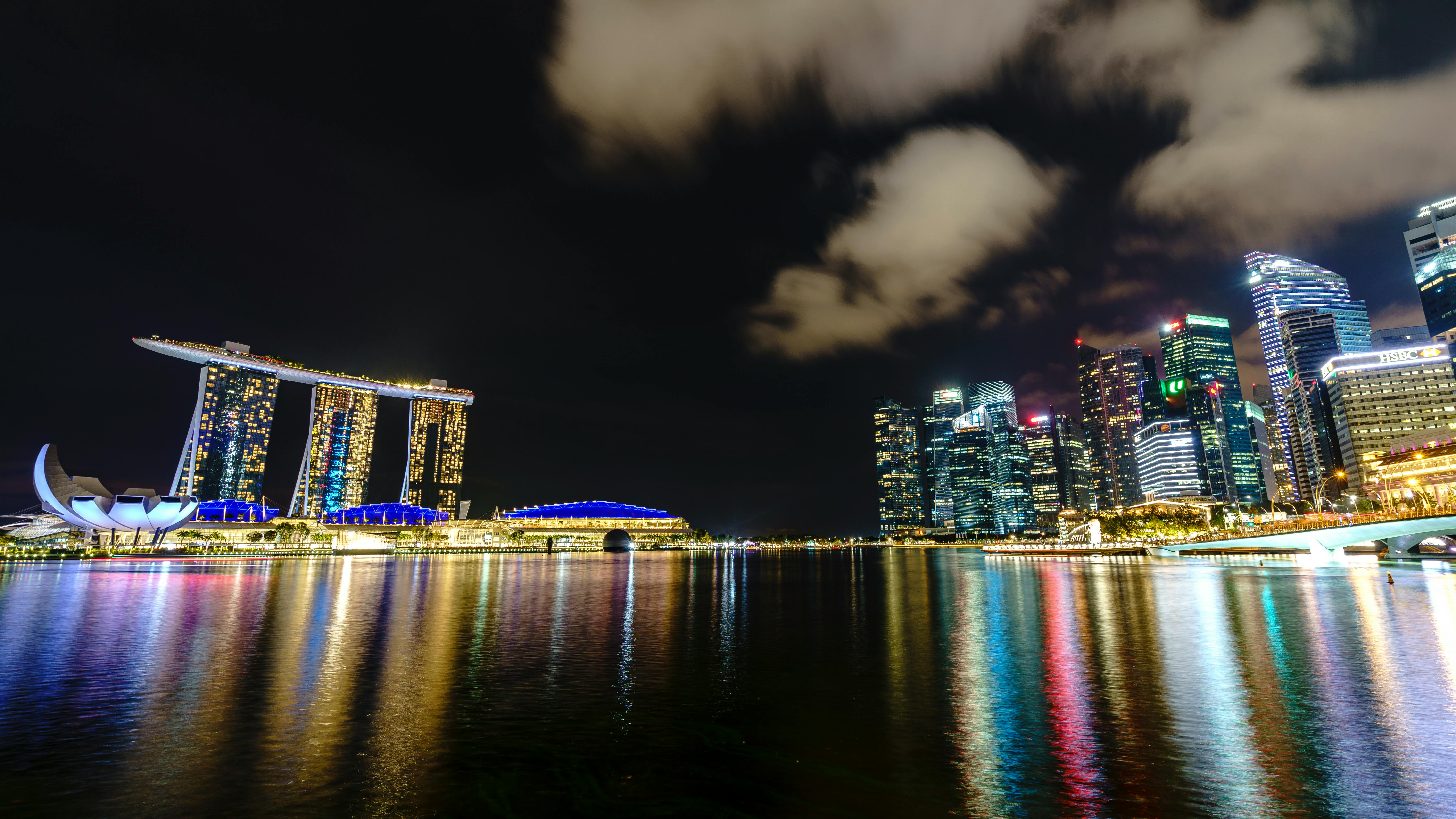
The Bigger Picture — Why Singapore Works the Way It Does
It is easy to read a list of fines and conclude that Singapore is a difficult place to visit. The opposite is true. Singapore is one of the most straightforward, safe, and well-organised travel destinations in Asia precisely because these rules are applied and respected.
The city's cleanliness is not the result of endless street-cleaning — it is the result of people not littering. The safety of its streets at midnight is not luck — it is the product of consistent public order enforcement. The clarity of its public transport, its food courts, its airport, its pedestrian crossings — all of it reflects a social contract that most visitors find, once they understand it, genuinely pleasant to live inside for a few days.
Singapore does not ask you to give up much. It asks you to use the crossing, keep the street clean, put the vape away, and not drink on the bench at midnight. In exchange, it offers one of the most efficient, comfortable, and safe urban experiences in the world. Most travellers — including those reading this — are not going to find these rules remotely restrictive in practice. They are simply different from the norms of home, and knowing them before you go means you can spend your time on what actually matters: the food, the neighbourhoods, the waterfront, and the experiences that make Singapore worth the flight.
Start planning your Singapore trip with Travjoy's curated selection of Singapore experiences — reviewed and approved by local experts so you know exactly what you're booking before you arrive.

.svg&w=1920&q=75)