



The Best Museums in London: A Complete Guide for Discerning Travellers — Free Entry, 2026 Exhibitions and How to Plan Your Visits
7 min read
Key Highlights
- General admission to the British Museum, National Gallery, Natural History Museum, V&A and Tate is free — you pay only for ticketed special exhibitions.
- London's major museums fall into three walkable clusters — South Kensington, Trafalgar Square and Greenwich — so it pays to plan by area, not by name.
- The headline draw of 2026 is the Bayeux Tapestry arriving at the British Museum for the first time in more than 900 years.
- Plan two to three museums per trip rather than ten — depth beats a checklist, especially on a return visit.
- Late openings on selected evenings give you the quietest galleries and the most comfortable visits.
The best museums in London include the British Museum, the National Gallery, the Natural History Museum, the V&A and Tate Modern — all with free general admission, charging only for special exhibitions. The smartest way to plan is by area: South Kensington, Trafalgar Square and Greenwich each hold several world-class collections within walking distance of one another. For 2026, the British Museum's loan of the Bayeux Tapestry is the single best reason to build a visit around it.

London has more than 170 museums, which is precisely the problem. Three or four days will not stretch across the British Museum, the V&A, both Tates, Greenwich and the specialist collections, and trying to see everything is the surest way to enjoy none of it properly. The harder question is not what to put on the list — it is what to leave off.
This guide is built to answer that. It groups the best museums in London by area so each one slots into a half-day rather than a separate cross-town trip, flags what is free and what is worth paying for, and points to the 2026 exhibitions that reward a return visit. Whether this is your first time or your fourth, the aim is the same: a short, deliberate shortlist that leaves you time to actually look.
Are London's museums free? What your money actually buys
Yes — general admission to most of London's flagship museums is free, a policy that covers the British Museum, the National Gallery, the Natural History Museum, the Victoria and Albert Museum, both Tate galleries and more. You pay only for the big ticketed special exhibitions and for a handful of independent collections. That free-entry layer is what makes London unusual: you can walk in, spend an hour with two or three rooms, and leave without feeling you owe the place a full day.
Where paying earns its place is the temporary blockbuster — the show with a hard run-out date and timed entry — and the smaller private collections that charge a modest fee. Book those ahead, because the popular ones sell their best slots well in advance.
- Free general admission: British Museum, National Gallery, Natural History Museum, V&A, Tate Modern, Tate Britain, National Portrait Gallery, Imperial War Museum, Science Museum and the National Maritime Museum.
- Ticketed special exhibitions (at the otherwise-free museums): roughly £15–£26 each (about $19–$33), depending on the show.
- Courtauld Gallery: around £11–£13 (about $14–$17).
- Moco Museum: from about £21 (about $27).
- Royal Observatory, Greenwich: around £24 (about $30).
When a paid ticket is worth it
- The exhibition has a fixed run and you can't see it anywhere else — the Bayeux Tapestry at the British Museum is the 2026 example.
- You want a guided highlights route through a vast collection so you see the best of it in two hours rather than wandering for five.
- The collection itself is privately held and small — the Courtauld and Sir John Soane's reward the entry fee with concentration, not scale.
The museums you plan a trip around
Four institutions carry enough weight to anchor an entire day, and most first-rate London itineraries are built around two of them. The British Museum, the National Gallery, the Natural History Museum and the V&A are the ones returning visitors come back to, because each is too big to finish in a single visit. The trick is to treat them as places you dip into for a focused hour or two, not marathons.
British Museum
The British Museum holds one of the world's largest collections of human history and art, free to enter, in Bloomsbury. The Rosetta Stone, the Parthenon sculptures and the Egyptian mummies are the headline draws, set under Norman Foster's glass-roofed Great Court — itself worth the walk in. For 2026 the museum hosts the Bayeux Tapestry, on loan from France for the first time in over 900 years; check current dates and book, as this will be the most contested ticket in the city.
- Where: Great Russell Street, Bloomsbury (nearest stations Holborn, Tottenham Court Road, Russell Square).
- Cost: free general admission; some special exhibitions ticketed.
- Time needed: 2–3 hours for the highlights; a full day if you want depth.
National Gallery
The National Gallery is London's main art collection, free to enter, on the north side of Trafalgar Square. It holds more than 2,300 Western European paintings from the 13th to the early 20th century, including Van Gogh's Sunflowers, works by Leonardo, Rembrandt, Turner and Caravaggio. Arrive when it opens to have the most famous rooms to yourself for the first half-hour.
Natural History Museum
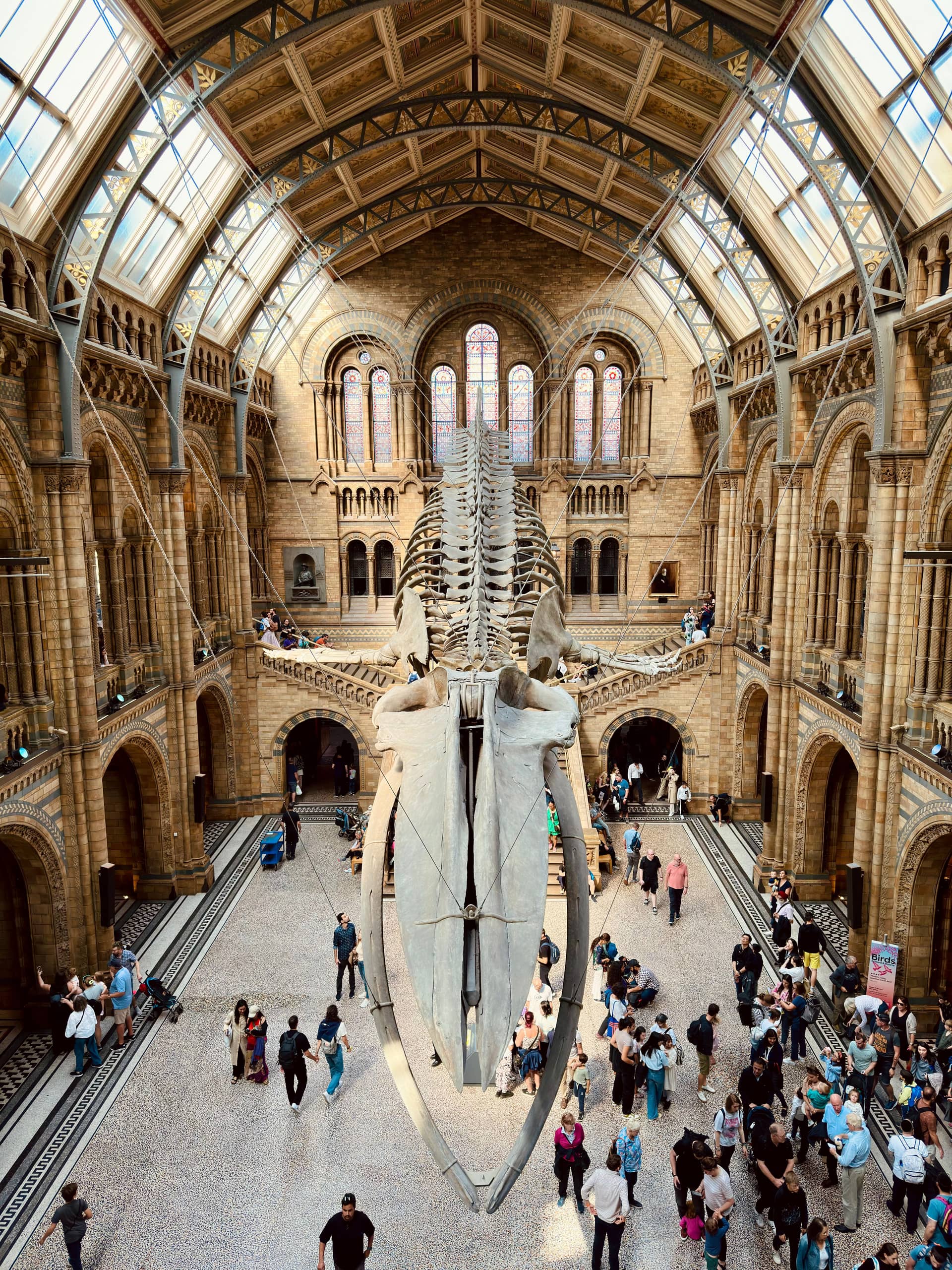
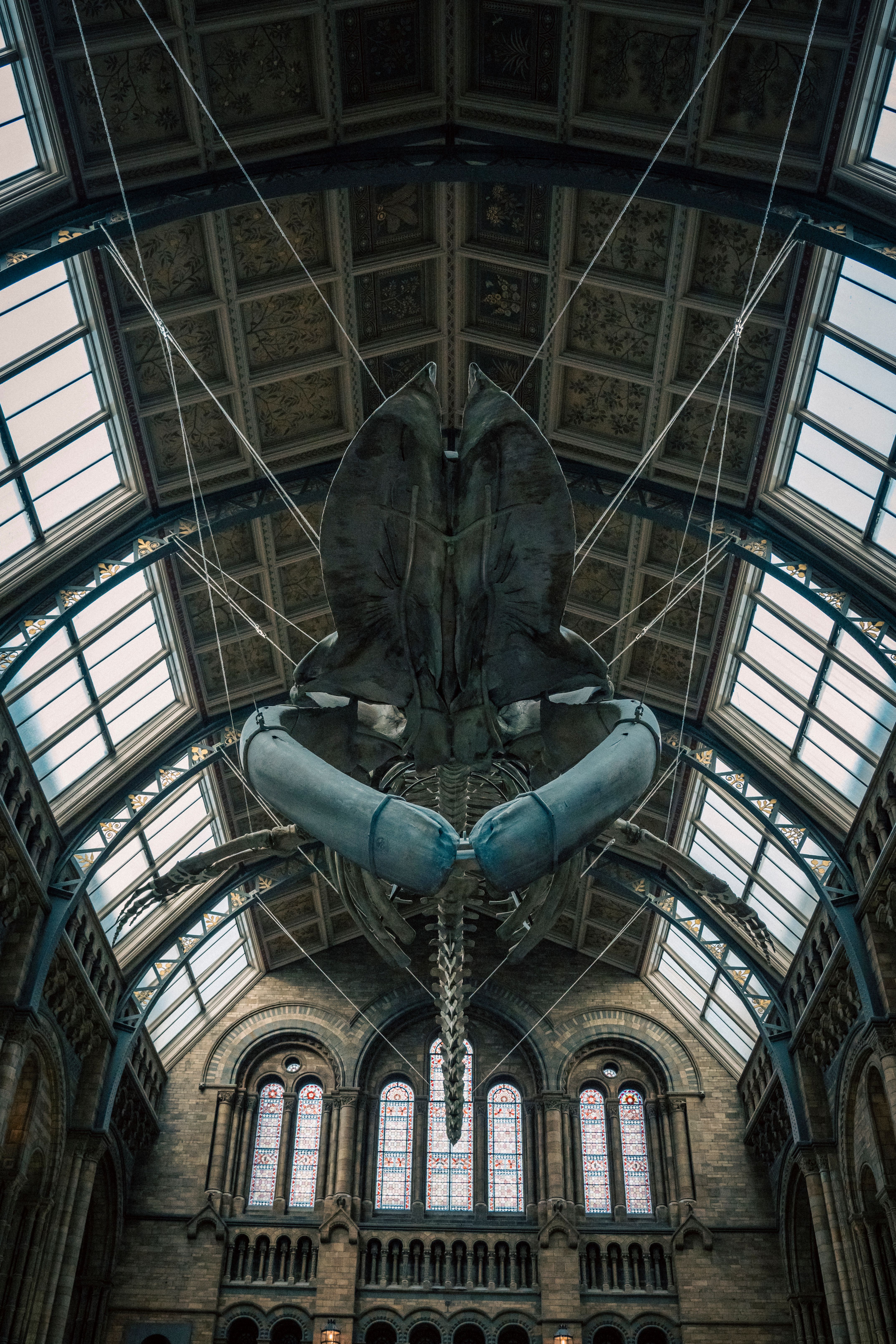
The Natural History Museum in South Kensington is free and built like a cathedral, with the blue whale skeleton suspended in the soaring Hintze Hall as its centrepiece. Beyond the dinosaurs, the mineral vault, the earthquake gallery and the Wildlife Photographer of the Year display give it range well beyond a family day out. It is one of the busiest museums in the city, so a timed-entry slot smooths the arrival.
Victoria and Albert Museum
The V&A is the world's leading museum of art, design and decorative arts, free to enter, a short walk from the Natural History Museum. Its collections run across 5,000 years and more than two million objects — fashion, ceramics, jewellery, sculpture, photography — and its temporary shows are among the most popular in London. If you only have an hour, the cast courts and the fashion gallery are the most rewarding starts.
South Kensington and Trafalgar Square: two clusters, two half-days
The single most useful planning move in London is to group museums by area, and two clusters do most of the work. South Kensington puts the Natural History Museum, the V&A and the Science Museum within five minutes of each other, while Trafalgar Square pairs the National Gallery and the National Portrait Gallery under one square. Each cluster is a comfortable half-day; together they cover most of what people come to London's museums to see.
The South Kensington trio
Three major free museums sit almost shoulder to shoulder, which makes this the most efficient museum quarter in the city. Pick one to go deep on and treat the other two as shorter visits rather than trying to finish all three.
- Natural History Museum — dinosaurs, the blue whale, minerals; best for families and first visits.
- V&A — design, fashion, decorative arts; best for a second look at London or an art-and-design focus.
- Science Museum — free general admission, strong on engineering and space; interactive galleries for children.
The Trafalgar Square pair
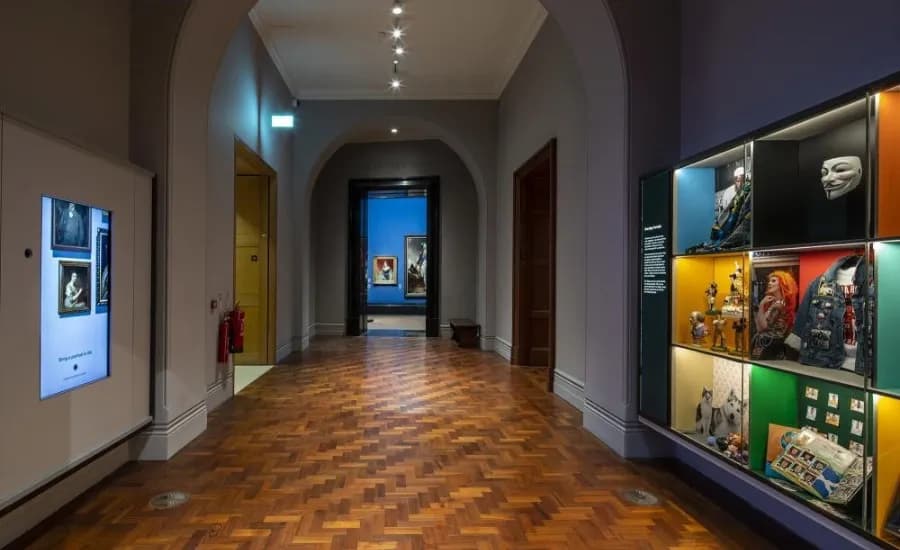
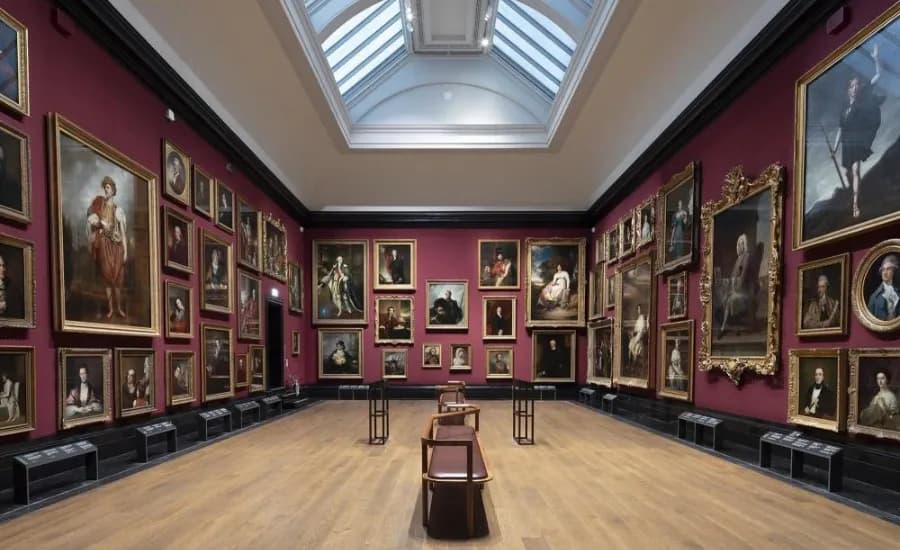
The National Gallery and the National Portrait Gallery share a corner of Trafalgar Square, so you can move from old-master paintings to British faces across five centuries without crossing a road. The Portrait Gallery reopened in 2023 after a major refurbishment and now runs late on Friday and Saturday evenings — the calmest, most civilised time to visit. For a wider sweep of the city's culture beyond these two squares, the full range of art and heritage experiences in London maps out what else sits nearby.
Many of these museums run late openings on selected evenings — check each calendar before you go. An evening visit trades the midday crowds for near-empty galleries, and pairs neatly with dinner afterwards.




London's best art galleries, from old masters to the Turbine Hall
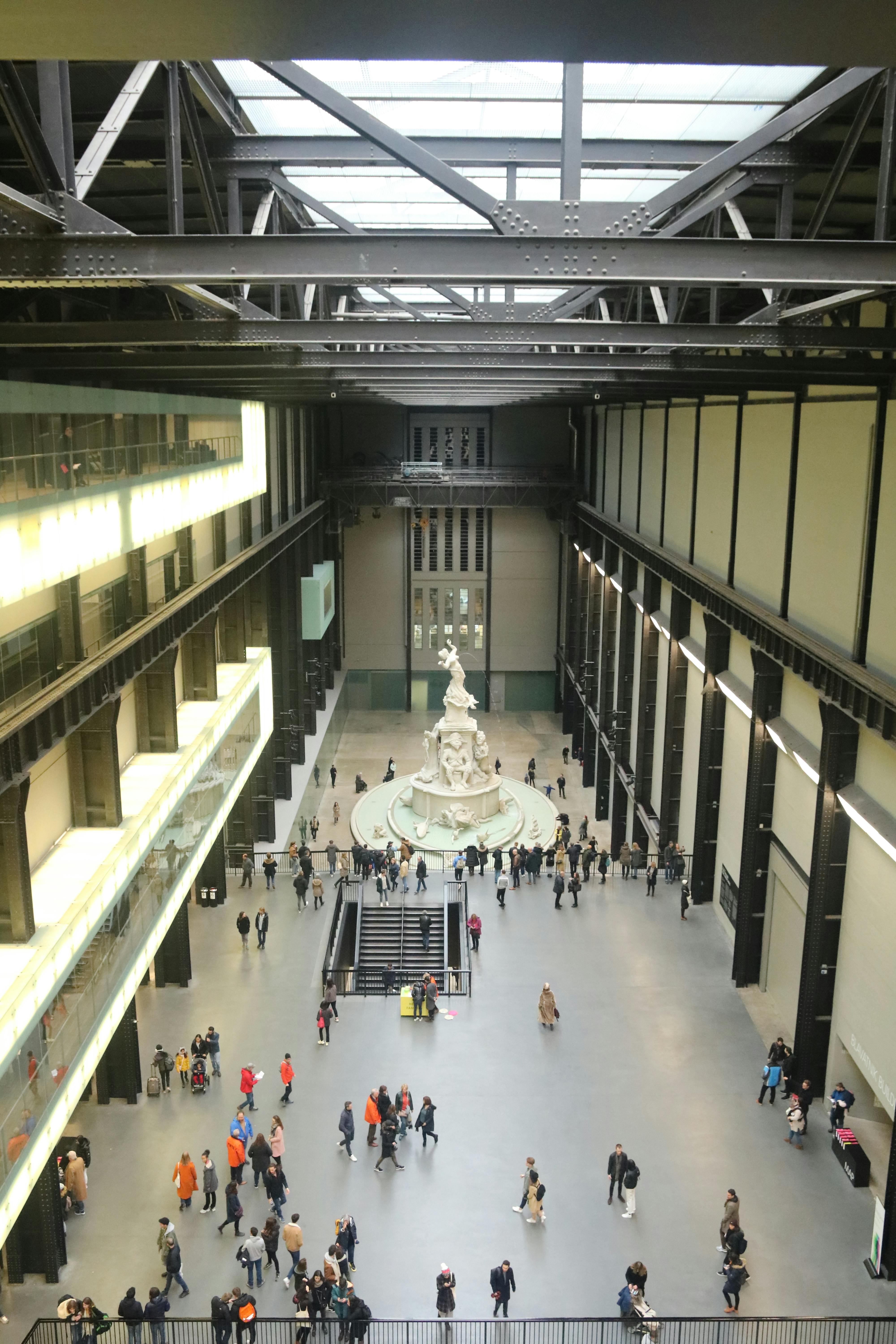
London's art galleries split cleanly between the historic and the contemporary, and the best plan picks one of each rather than four of the same. Tate Modern on Bankside and Tate Britain at Millbank are both free and sit a short river-boat hop apart, while the smaller Courtauld Gallery rewards a focused hour. Between them they cover six centuries of painting and the most talked-about contemporary shows in the city.
Tate Modern
Tate Modern is London's home of modern and contemporary art, free to enter, housed in the former Bankside Power Station across the river from St Paul's. The vast Turbine Hall stages a rotating headline installation, and the upper-floor viewing level gives one of the best free panoramas in the city. It draws a younger crowd and stays busy, so a weekday morning or a late opening is the quieter window.
Tate Britain
Tate Britain holds 500 years of British art at Millbank, free to enter and noticeably calmer than its Bankside sibling. The Clore Gallery's Turner collection is the reason most people come, alongside works by Hogarth, Constable, Bacon and Hockney. The Tate-to-Tate boat along the Thames links the two galleries directly if you want both in a day.
Courtauld Gallery and the Royal Academy
For Impressionist and Post-Impressionist painting in a compact setting, the Courtauld Gallery at Somerset House is the connoisseur's choice — Manet's A Bar at the Folies-Bergère, Cézanne and a Van Gogh self-portrait, all in a building you can see properly in ninety minutes. The Royal Academy of Arts on Piccadilly runs a strong programme of ticketed exhibitions and the long-running Summer Exhibition, where the walls are hung floor to ceiling with submitted work.
Greenwich: a museum day by the river
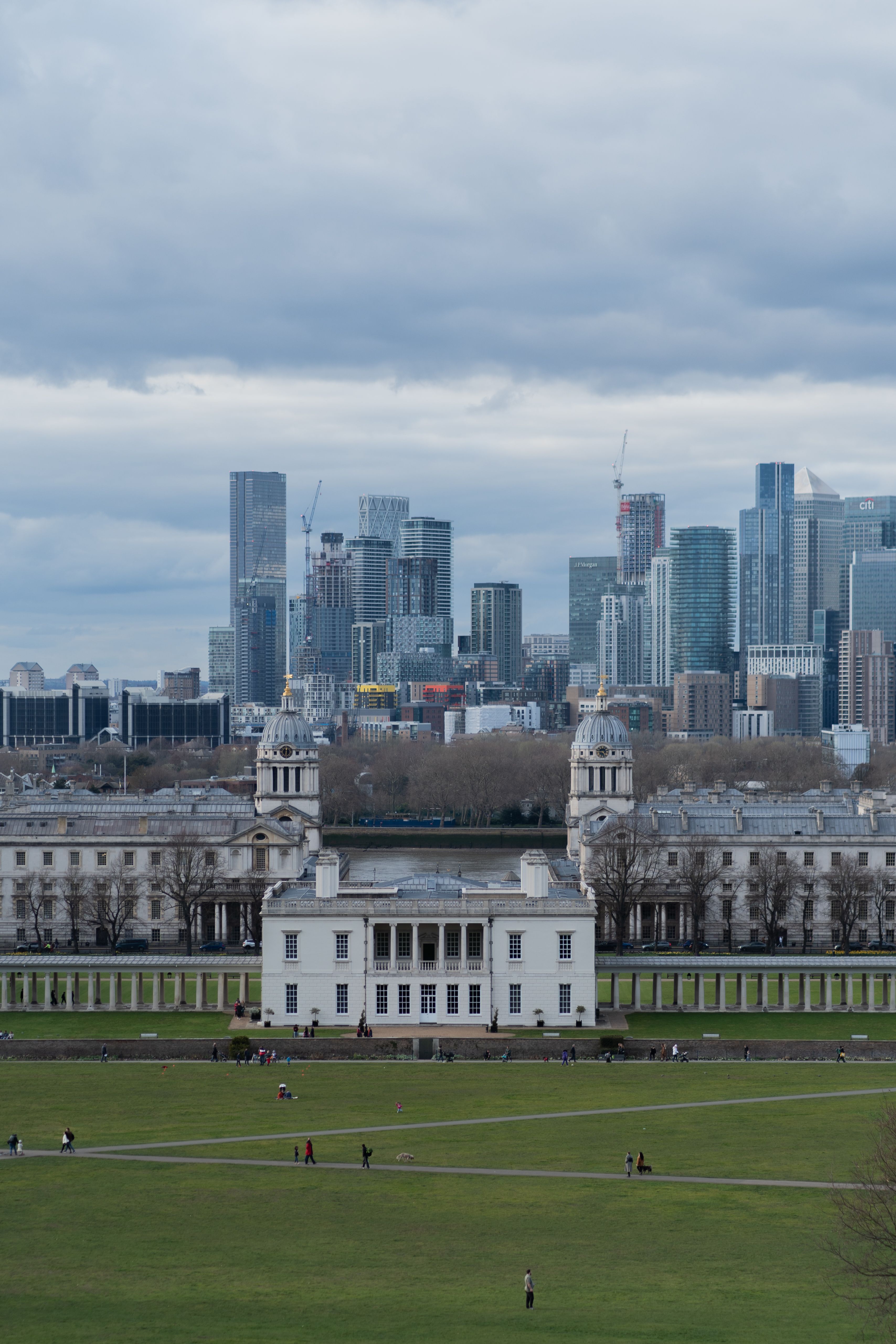
Greenwich packs several of London's best collections into one riverside village, and arriving by boat makes it a day out rather than a museum stop. The National Maritime Museum is free and anchors the cluster, with the Royal Observatory, the Queen's House and the Cutty Sark all within the same park. Take a Thames Clipper down the river from the centre — the approach past Canary Wharf is half the appeal.
The cluster works as a loop you can walk in an afternoon, with a clear order that saves backtracking up the hill.
- National Maritime Museum — free; Britain's seafaring story, strong for families and history readers.
- Queen's House — free; a 17th-century royal villa with a fine art collection and the famous Tulip Stairs.
- Royal Observatory — ticketed (around £24 / about $30); stand on the Prime Meridian and see the historic timekeeping galleries.
- Cutty Sark — ticketed; the last surviving tea clipper, dry-docked and walkable bow to stern.
Specialist and quieter collections worth the detour
Once the headline museums are covered, London's smaller and specialist collections are where a return visit gets interesting. These are quieter, more personal, and often more memorable than another vast gallery — and several are free. Build one of them into a day rather than stacking two flagships back to back.
For history and design
- Imperial War Museum — free; powerful permanent galleries on 20th- and 21st-century conflict, including the Holocaust Galleries (not recommended for under-14s).
- Sir John Soane's Museum — free; the architect's own house at Lincoln's Inn Fields, crammed with antiquities, Hogarth's A Rake's Progress and an Egyptian sarcophagus. There is nowhere else like it.
- Design Museum — free general displays in Kensington, with strong ticketed exhibitions on contemporary design and culture.
For something different
- Horniman Museum & Gardens — free; an eccentric anthropology and natural-history collection in Forest Hill, with an aquarium, gardens and skyline views.
- Moco Museum — ticketed (from about £21 / about $27); pop, street and digital art near Marble Arch, with Banksy, Warhol and Hirst.
How to plan your museum days: which to choose, and how many
Choose two to three museums per trip and group them by area — that single rule produces better days than any list of twenty. London's collections are too large and too good to rush, and the visitors who enjoy them most go deep on a few rather than ticking off many. Use the clusters to your advantage, and let traveller type decide the shortlist.
- If you're travelling with children: the Natural History Museum and the Science Museum in South Kensington, plus Greenwich for the ships.
- If you're here for art: pair the National Gallery with Tate Modern, then add the Courtauld for a quieter third.
- If history is the draw: the British Museum and the Imperial War Museum, with Sir John Soane's as a short, unusual finish.
- If you've been to London before: skip the obvious and spend a day in Greenwich or on the specialist collections you missed first time.
For the quietest visits, aim for opening time or a late evening, and book timed slots for the busiest free museums and any special exhibition. The experiences on Travjoy are researched and approved by local experts, so you can shortlist with confidence rather than second-guessing which version of a visit is worth booking. If you want a wider sense of how the museums sit alongside the rest of the city, the top 20 things to do in London shows where they fit into a full itinerary.
Plan your museum days in London
The best museums in London are not a list to complete but a set of choices to make well. Keep it to two or three per trip, lean on the South Kensington, Trafalgar Square and Greenwich clusters, and remember that nearly all the flagships are free — your only real spend is the special exhibition you actually want to see. For 2026, that exhibition is almost certainly the Bayeux Tapestry, so plan around it early.
Pick a couple of collections that match how you like to travel, leave room to sit with what you see, and let the rest wait for next time. Start planning your museum days in London on Travjoy.




.svg&w=1920&q=75)