



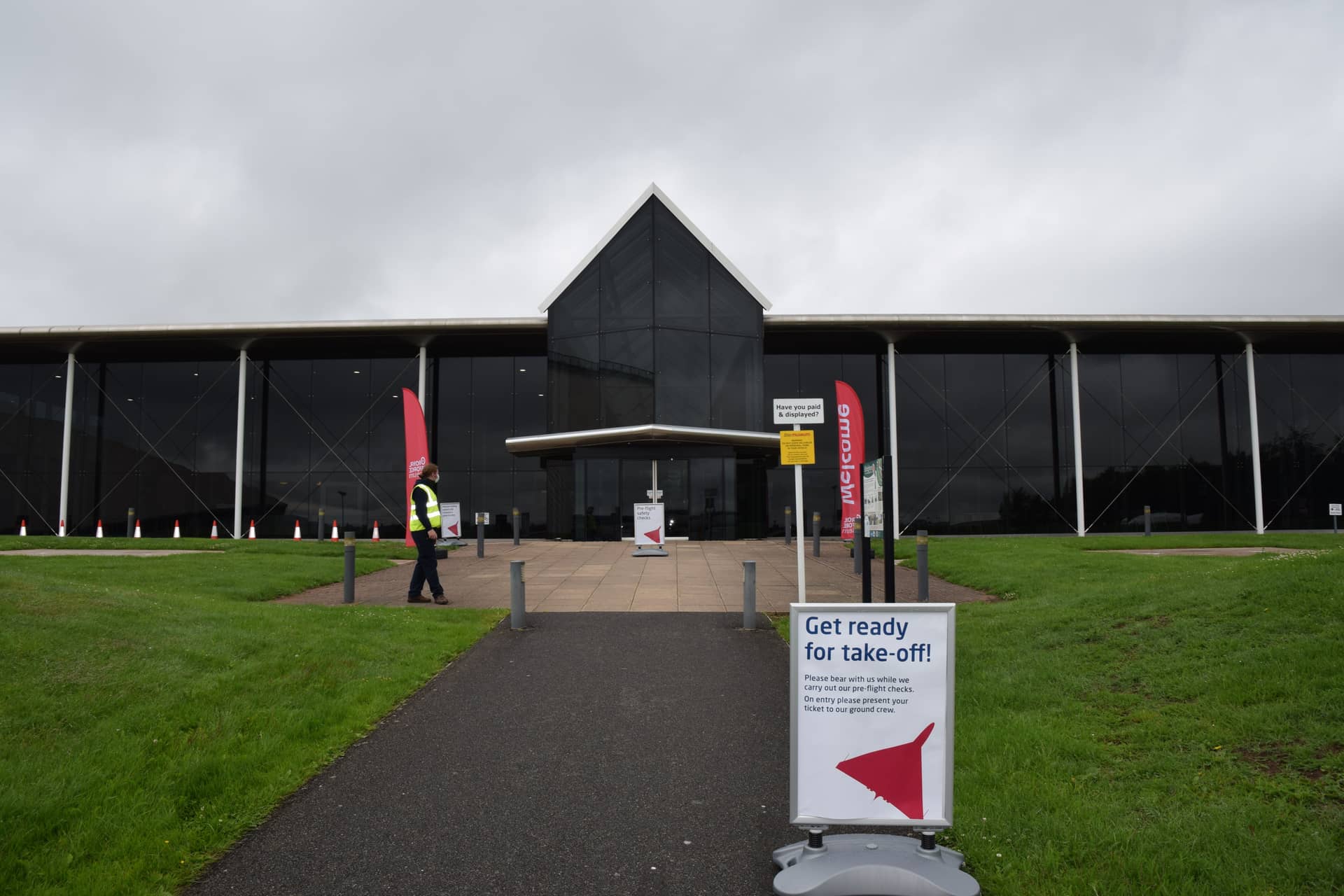
RAF Museum London: A Complete Guide for Discerning Travellers — Hangars, Aircraft and Planning Your Visit
8 min read
Key Highlights
- Admission to the RAF Museum London is free, and the site is open daily from 10am, with last entry at 4.30pm.
- Six aircraft hangars hold more than 130 aircraft, from First World War biplanes to a full-scale F-35 stealth fighter.
- The museum sits in Colindale, North London (Zone 4) — alight at Colindale Underground, not Hendon Central.
- Budget two to four hours; aviation-minded visitors comfortably fill a half-day.
- Entry is free but timed — reserve your slot online before you travel, and pre-book parking if you drive.
The RAF Museum London is a free national museum in Colindale, set across six hangars on the former Hendon Aerodrome, and it is open daily from 10am with last entry at 4.30pm. It tells the story of the Royal Air Force from the earliest days of flight to the present, displaying over 130 aircraft. Reserve a free timed-entry ticket online, allow two to four hours, and arrive via Colindale on the Northern line.
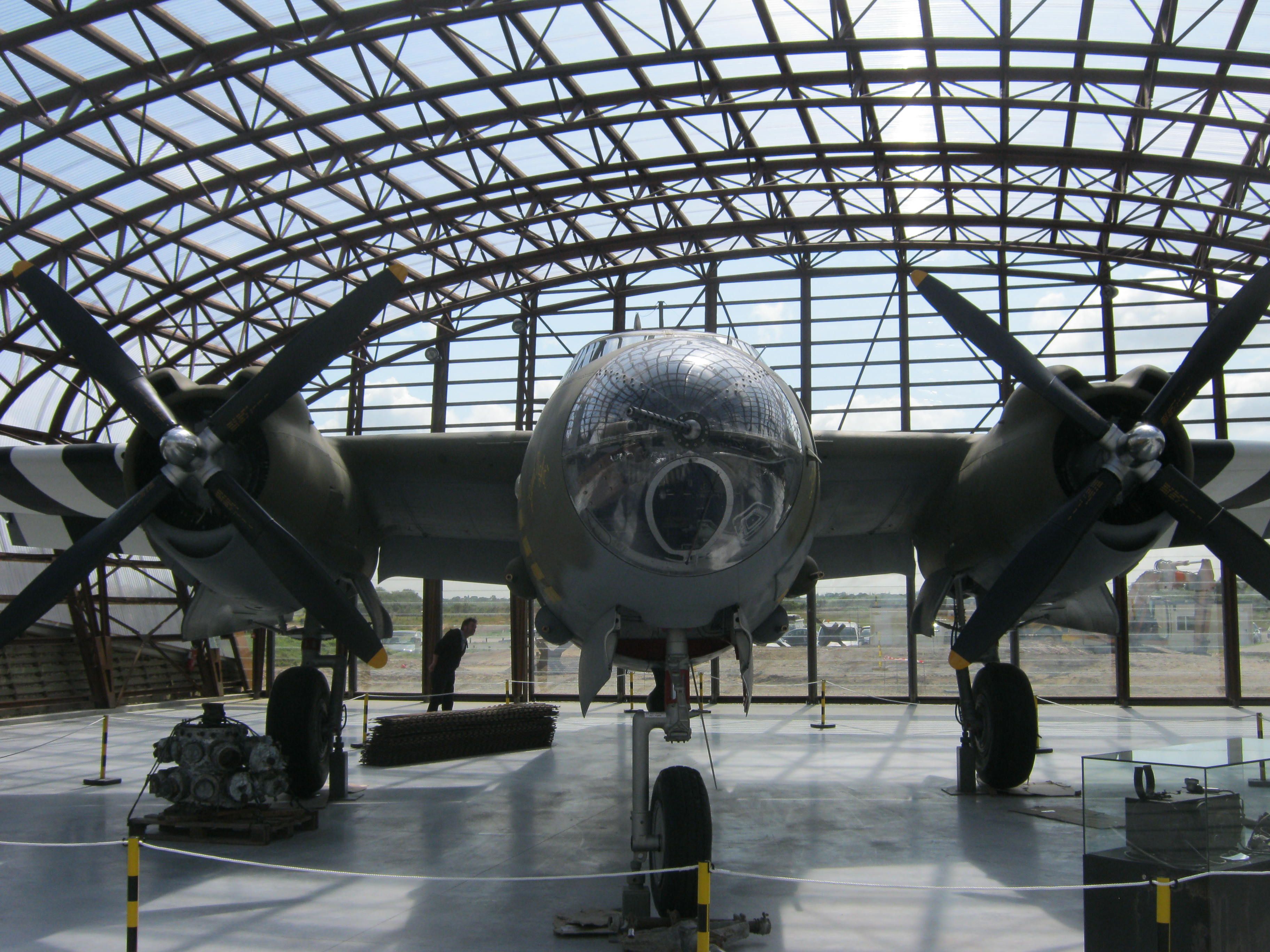
Most visitors spend their first London days inside Zone 1, moving between the Tower, the South Bank and the big South Kensington museums. The Royal Air Force Museum asks something different of you: a 30-minute run north to Colindale, to a site that was a working aerodrome before it was a museum. That slightly awkward location is exactly why it rewards the returning visitor — it is the aviation collection you save for a second or third trip, once the headline sights are behind you.
What you get for the effort is one of the most complete aircraft collections in Europe, told across six hangars, with original Battle of Britain fighters, a Lancaster that survived 137 night sorties, and captured Luftwaffe machines parked a few metres apart. Admission costs nothing, which changes how you visit — there is no pressure to see everything in one push, and no turnstile maths to do at the door.
This guide maps the site the way a well-briefed local would: which hangars deserve your time, the aircraft worth standing in front of, where the paid experiences are actually worth it, how the museum works for families, and the precise logistics of reaching a corner of North London that catches a lot of visitors out.
Is the RAF Museum London worth the trip?
Yes — if you have any interest in aviation, twentieth-century history, or engineering, the RAF Museum London earns its place on a second London itinerary. It is free, it is properly large, and the quality of the collection holds up against any aviation museum in the country. The main caveat is the location: this is a Zone 4 day out, not a quick detour between central sights.
Who it suits
The museum lands hardest with history-minded travellers, families with curious children, and anyone who has already worked through the central London icons and wants something with more depth. If you remember the Battle of Britain from books and documentaries, standing in front of the actual Hurricane and Messerschmitt changes the scale of it. Cold War enthusiasts get the Vulcan and a Phantom; First World War readers get a hangar built around 1914–1918 aircraft that almost nowhere else displays.
Who might skip it
If your trip is short and Zone 1-focused, or aviation simply is not your subject, the travel time is hard to justify against the Imperial War Museum or the science and transport collections closer to the centre. The museum is also spread out and reading-heavy in places, so visitors who prefer a compact, two-room gallery may find it large. The honest read: this is a destination in itself, best treated as a half-day with intent, not a 40-minute drop-in.
The quick verdict
- Worth it if: you care about aviation or modern history, you are travelling with children, or you have time beyond the central icons.
- Less worth it if: you have a single packed day in Zone 1 and limited interest in aircraft.
- Time needed: two hours for the highlights, a half-day to do it properly.
For broader planning beyond aviation, it is worth seeing how the museum fits alongside London's art and heritage attractions — the city's military and maritime story runs through several collections, and the RAF Museum is one node in a much larger network.
The six hangars, decoded
The RAF Museum London is organised across six hangars, each covering a different era or theme, so the smartest way to visit is to decide which periods matter to you rather than walking every aisle in order. The site opened in 1972 on the former Hendon Aerodrome, a place with its own aviation pedigree, and the buildings range from purpose-built modern galleries to converted heritage hangars.
Hangar 1 — RAF Stories: The First 100 Years
This is your entry point and the museum's narrative spine, tracing the RAF from its formation in 1918 as the world's first independent air force through to the present day. It leans on human stories — log books, maps, survival rations, personal accounts — alongside the aircraft, and it is the most interactive space on site, with reaction-time tests and an operations table that work well for younger visitors. Start here to get the through-line, then branch out.
Hangar 2 — The First World War in the Air
The award-winning First World War galleries are one of the museum's strongest cards, because complete 1914–1918 aircraft are rare almost anywhere. The hangar shows how aircraft moved from fragile reconnaissance machines — the army's "eyes in the sky" — to fighting and bombing platforms in barely four years. It is also where the site's own history sits: Hendon was a pioneering aerodrome from 1911, used for the first airmail and early night flights.
Hangars 3, 4 and 5 — Second World War and the Cold War
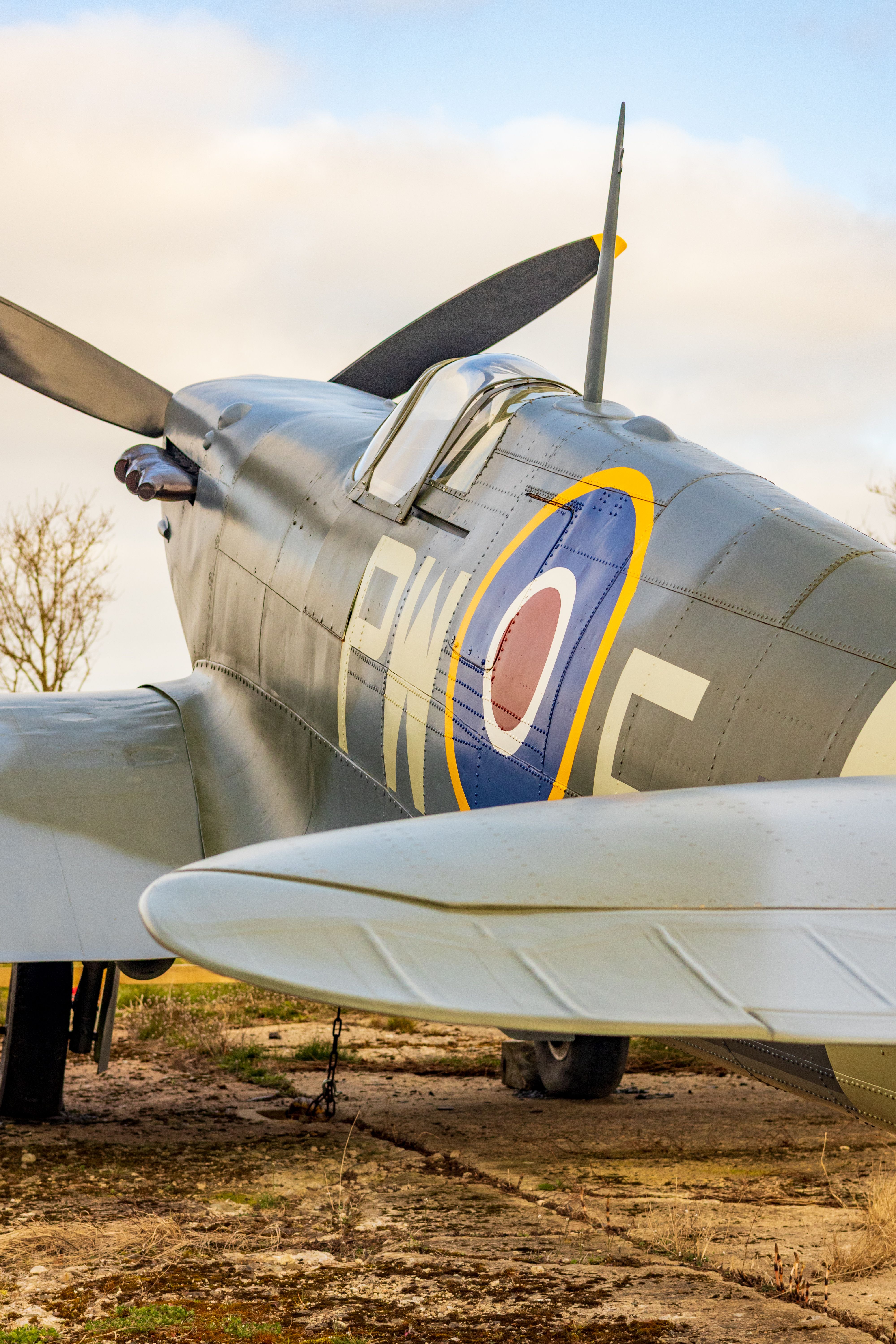
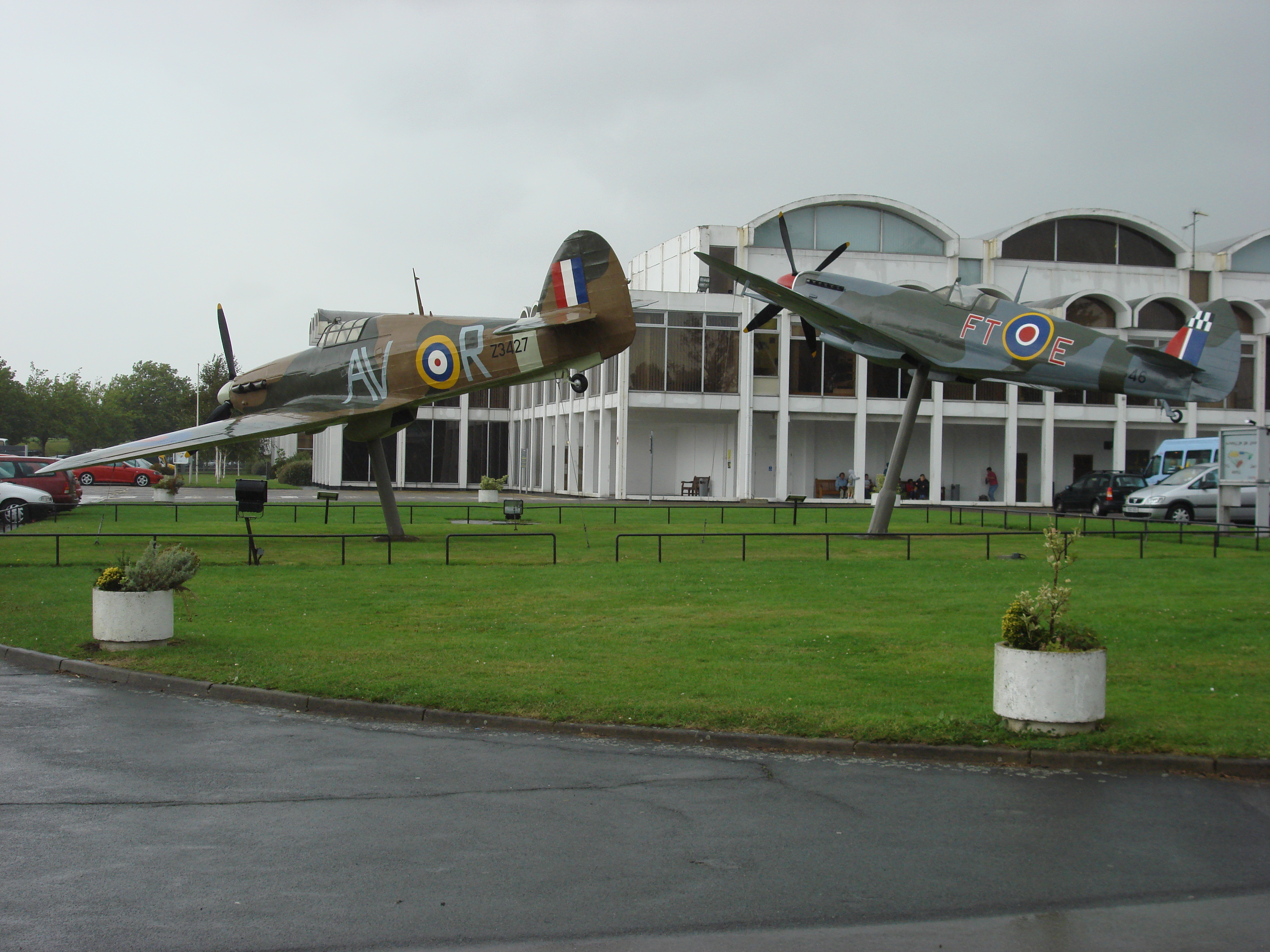
This is the heart of the collection for most visitors. Here you will find original Battle of Britain fighters — the Spitfire, the Hawker Hurricane, and the captured Messerschmitt Bf 109 — alongside Luftwaffe bombers, helicopters, and Cold War jets. Bomber Command is told through aircraft including types associated with the Dam Busters raid, and the Marine Craft Collection covers the RAF's air-sea rescue boats, a side of the service most people never think about.
Hangar 6 — The Age of Uncertainty, 1980 to today
The newest era, set in a hangar often used for events, gives you split-level viewing of suspended aircraft and the technology the RAF has flown since 1980. It is where you hear from personnel who served in recent decades and see how the service adapted through rapid political and technological change. If you want the modern RAF rather than the wartime story, start at the far end and work back.
Treated together, the six hangars give you a single, walkable century of aviation. If you only have two hours, prioritise Hangars 2, 3, 4 and 5 — the First World War galleries and the wartime fighters are what most visitors travel for.
The aircraft worth standing in front of
With more than 130 aircraft on site, the trick is knowing which ones reward a proper pause rather than a passing glance. A handful are historically significant — historically important, rare, or simply enormous in person — and they are spread across the hangars rather than clustered in one place. These are the machines to seek out:
- Avro Lancaster 'S for Sugar' — a true survivor that flew 137 night sorties over occupied Europe; standing beneath its wingspan is the single most quoted moment of most visits.
- Supermarine Spitfire and Hawker Hurricane — the two fighters of the Battle of Britain, displayed alongside the German aircraft they faced.
- Captured Luftwaffe types — the Messerschmitt Bf 109, Junkers Ju 87 Stuka dive-bomber, and Heinkel He 111, rare to see in original condition.
- The only complete Hawker Typhoon — a ground-attack aircraft that survives nowhere else in one piece.
- Avro Vulcan B2 — the delta-wing Cold War bomber, unmistakable and vast.
- Westland Sea King — a search-and-rescue helicopter once flown by Prince William.
- F-35 Lightning II mock-up — a full-scale stand-in for the RAF's current stealth fighter, added for the 2018 centenary.
If your time is tight, build your visit around the Lancaster and the Battle of Britain line-up, then add the Typhoon and the Vulcan if you have the energy. The aircraft are well labelled, and the volunteers stationed around the hangars are worth engaging — many have service backgrounds and will tell you things no label can. The options Travjoy surfaces for London are researched and approved by local experts, so you can slot a visit like this into a wider itinerary with confidence rather than guesswork.



Paid experiences and what's actually included
Admission to the RAF Museum London is free, but a handful of hands-on experiences carry a small charge — and they are optional add-ons, not gatekeepers to the main collection. You can spend a full, satisfying half-day without paying for anything beyond a coffee. The extras are worth booking when you are visiting with children, or when you want a more immersive moment than walking the hangars allows.
The Spitfire cockpit experience
The standout paid extra lets you climb into the cockpit of a Spitfire Mk XVI in Hangar 3 and take the pilot's seat — a rare, personal connection to the aircraft. It runs daily, roughly 11am to 4pm, and booking on arrival is recommended. Note that it is a single-person session and not wheelchair accessible, so plan accordingly if that matters to your group.
Simulators and the 4D Theatre
The motion simulators and the 4D Theatre are the obvious draws for families and thrill-seekers. Pricing is modest and clearly structured:
- Flight / Typhoon Simulator — around £5 (roughly $6.50) per person per ride, or a family ticket for up to four people at about £16 (roughly $20). A high-motion ride over the Lake District from a fighter pilot's seat.
- 4D Theatre (Red Arrows / wartime mission films) — around £5 (roughly $6.50) per person, or about £16 (roughly $20) for a family of four. Short films of about five minutes, combining 3D animation with moving seats and effects.
- Carers go free on all experiences; recommended minimum age is 4+.
- Tickets are bought at the experience itself (Hangars 3 and 4), not in advance — check availability on arrival before committing your afternoon to it.
Pricing is current for 2026 and set by the museum; treat the figures as a planning guide rather than a quote, since experience prices can change. If you are weighing the museum against other London options, our London museums collection is a useful way to see how the paid-extra model here compares with the city's other major institutions.
Visiting with family
The RAF Museum London is one of the strongest free family days out in the capital, built around the simple appeal of standing under real aircraft. Between the interactive galleries, the outdoor play area, and the picnic lawns, it holds the attention of children who would wilt in a quieter gallery — and the free admission removes the sting if a younger child runs out of steam early.
What keeps children engaged
- Aero Play — a themed outdoor playground for under-11s, with mini-aircraft to climb on.
- Interactive exhibits in Hangar 1 — pilot reaction-time tests and a wartime operations table that reward hands-on visitors.
- The simulators and 4D Theatre — the paid extras above, which land especially well with older children.
- Open lawns — grassed picnic areas reflecting the old Hendon airfield, ideal for letting off steam between hangars.

Food, facilities and access
The Hendon Kitchen restaurant occupies a 1931 heritage building from the original RAF Hendon and serves hot and cold meals; the Sunderland Café in Hangar 1 sits beneath a flying boat and runs at weekends and holidays. You are welcome to picnic on the lawns, which keeps a family day low-cost. The site is step-free throughout, with wide hangar aisles, free-loan wheelchairs and mobility scooters at the Hangar 1 check-in desk, and a downloadable autism-friendly trail. Baby-changing is available in every hangar except Hangar 2. For more ideas on structuring a trip around younger visitors, browse Travjoy's London experiences for kids.
Getting there, opening hours and planning your day
The single most important piece of planning for the RAF Museum London is the journey: it is in Colindale, Zone 4, and the most common mistake is getting off at the wrong station. Take the Northern line to Colindale — not Hendon Central — and the museum is about a 10-minute walk. From central London the whole trip runs around 30 minutes.
By public transport
- Underground: Northern line (Edgware branch) to Colindale, Zone 4 — confirm your train is heading to Edgware, not High Barnet or Mill Hill East. Exit, turn left, and walk roughly 10 minutes.
- Bus: the 303 stops directly outside the museum's main entrance, picking up near Colindale station.
- Rail: Mill Hill Broadway on the Thameslink line (King's Cross / Luton route) is about a 20-minute walk away.
By car and parking
The museum is roughly 30 minutes from central London by car, near Junction 4 of the M1, at Grahame Park Way, NW9 5LL. Parking is on-site but paid — the one cost that catches "free museum" visitors off guard:
- Up to 3 hours: around £8.00–£8.50 (roughly $10–$11).
- Over 3 hours: around £11.50 (roughly $14.50).
- Booking parking online in advance is cheaper than paying on the day, and you will be asked for your registration plate.
At a glance
- Address: Grahame Park Way, London NW9 5LL
- Opening hours: daily from 10am; last entry 4.30pm (closes 5pm)
- Admission: free, timed entry — pre-book online
- Nearest tube: Colindale (Northern line, Zone 4) — not Hendon Central
- Time needed: 2 hours for highlights, half a day to do it justice
If you are pairing the museum with the rest of a North or East London day, it sits naturally alongside other history-led visits — the National Maritime Museum in Greenwich makes a strong companion if you are building a military and maritime theme across your trip, even if you split them across two days. Whatever you pair it with, pre-booking your free RAF Museum slot keeps the day on rails.
Plan your visit to the RAF Museum London
The RAF Museum London is the rare combination of free, substantial, and well worth the travel — a six-hangar collection that turns names from history books into aircraft you can stand beneath. Treat it as a half-day with intent: prioritise the First World War galleries and the Battle of Britain fighters, add the Spitfire cockpit or a simulator if you are travelling with children, and get the journey right by alighting at Colindale rather than Hendon Central. Reserve your free timed slot before you go, pre-book parking if you drive, and you have one of the most rewarding non-central days out in the capital. Start planning your London itinerary on Travjoy's London hub.







.svg&w=1920&q=75)