



London Landmarks: A Complete Guide to the City's Icons for Discerning Travellers
7 min read
Key Highlights
- The core London landmarks — Tower of London, Westminster Abbey, Buckingham Palace, Big Ben, St Paul's, Tower Bridge and the London Eye — sit in two tight clusters either side of the Thames.
- Group them by geography, not by fame: one day for royal and Westminster London, one for the City and the Tower, and you cover the headline sights without crossing the city twice.
- Most exteriors and squares are free; interiors run roughly £13–£37 (US$17–47) as of 2026, so the worth-it question is about access, not entry.
- A London sightseeing pass pays off only if you go inside three or more paid attractions in a day — otherwise individual timed tickets give you more control.
- On a return trip, the rewarding move is to step past the obvious — Hampton Court, Greenwich and Windsor carry as much history as the centre with a fraction of the queue.
The defining London landmarks are easier to see than most first plans assume, because the icons cluster rather than scatter. Buckingham Palace, Big Ben, Westminster Abbey and the London Eye sit within a short walk of each other around Westminster, while the Tower of London, Tower Bridge and St Paul's anchor the City a couple of miles east. Plan around those two clusters — one day each — and you cover the headline sights without zig-zagging across the capital.
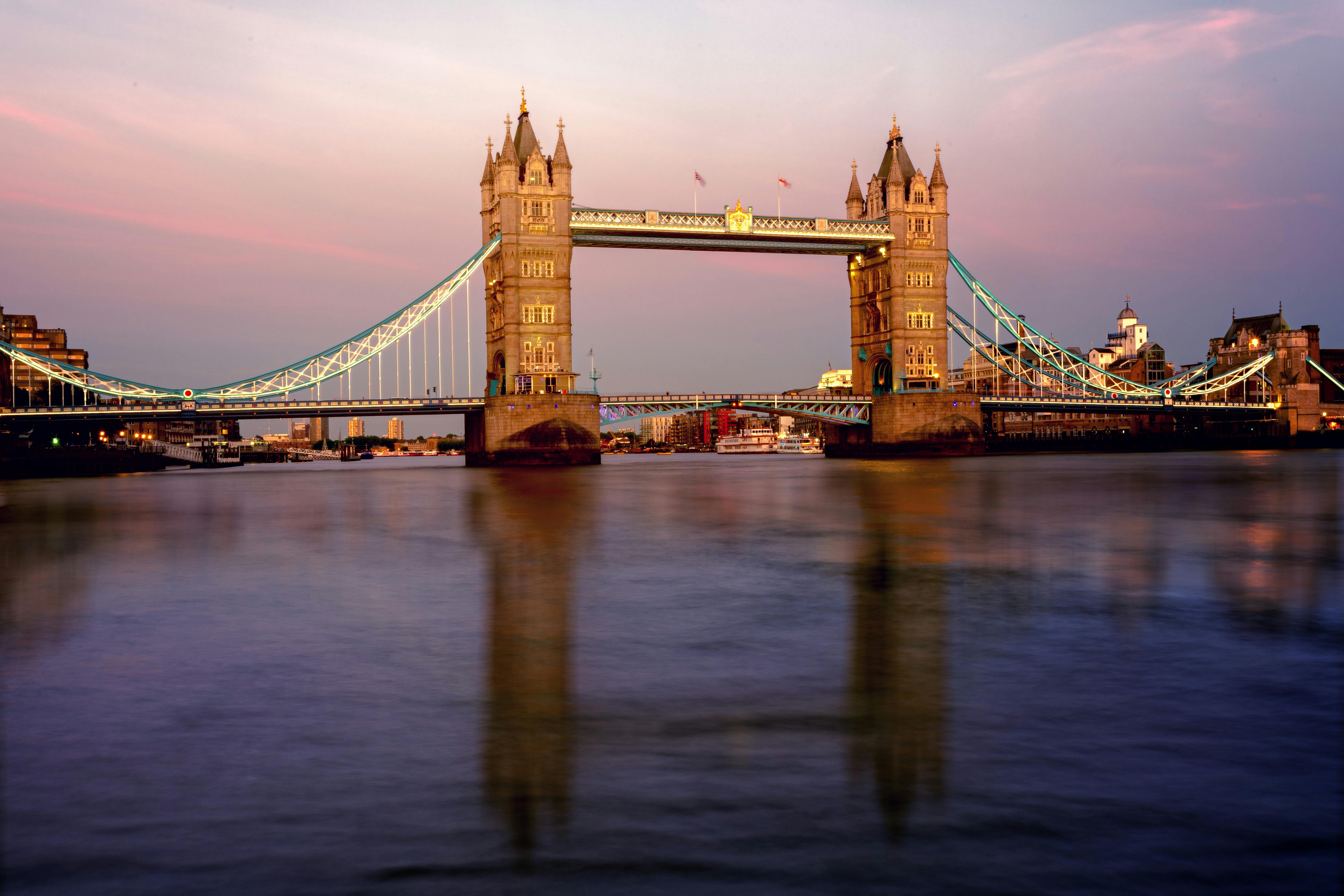
London wears its history in its skyline. A single view from Waterloo Bridge takes in a Norman fortress, a Wren cathedral, a Victorian river crossing and a 21st-century glass spire — nine centuries of the city in one glance. That density is the point: the famous London landmarks aren't isolated monuments to tick off but a connected story you can read on foot.
This guide covers the icons worth your time, the history that makes them matter, and the practical detail — prices, timings, and how to cluster them — that the standard list-of-25 articles skip. It rewards a first visit and gives a returning traveller the layer beyond the obvious. Where a specific sight is worth booking ahead, you'll find it linked to its Travjoy page, where the options have been researched and approved by local experts so you can choose with confidence rather than guesswork.
The royal heart: Buckingham Palace and ceremonial London
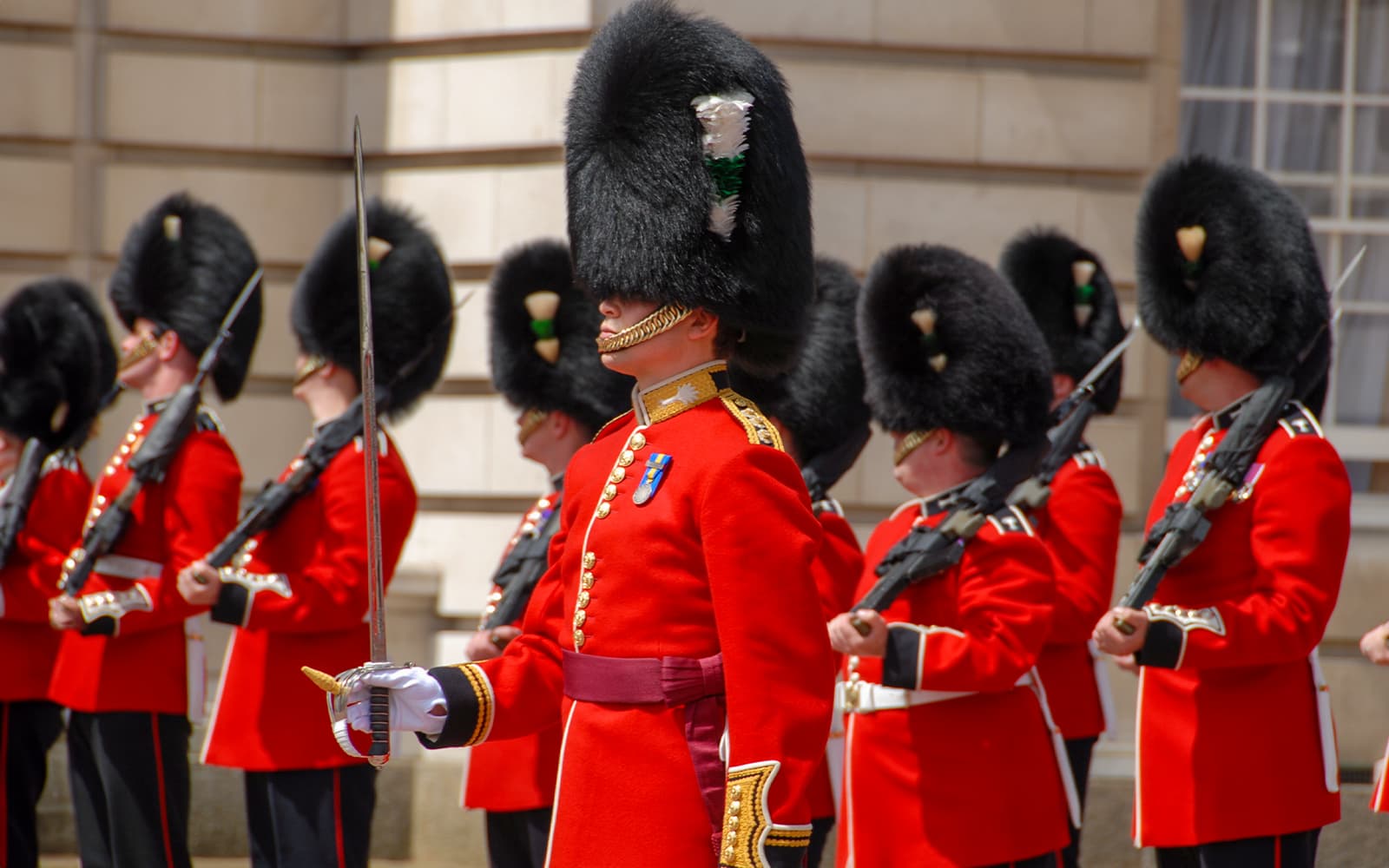
Buckingham Palace is the working headquarters of the British monarchy and the natural starting point for royal London. The forecourt and the Changing of the Guard are free to watch; the interior opens only in summer, when the State Rooms become one of the more rewarding paid visits in the city. If you want the ceremony without the interior, you lose nothing by treating the palace as an exterior landmark and spending your ticket budget elsewhere.
Changing of the Guard
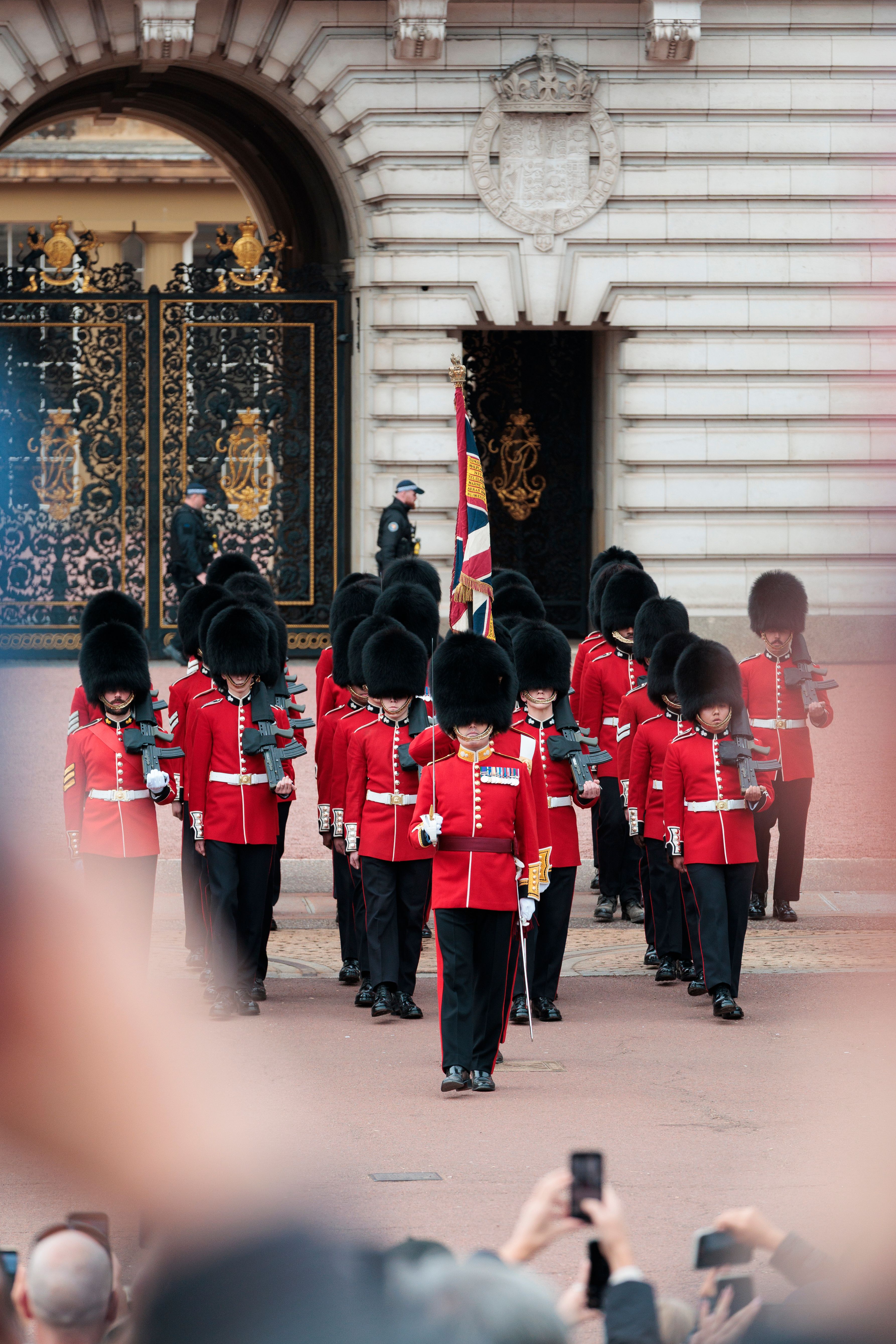
The Changing of the Guard is the free set-piece most visitors come for. It is also the most crowd-dependent, so the planning matters more than the spectacle itself.
- When: Typically 11:00, on selected days — usually Monday, Wednesday, Friday and Sunday, though the schedule shifts with weather and state events. Check the official calendar the night before.
- Where to stand: The Victoria Memorial steps give the widest view; the palace railings fill 45 minutes ahead in summer.
- Cost: Free.
- Time needed: Allow around 45 minutes including the wait.
The State Rooms
When the royal family decamps to Scotland each summer, the State Rooms open to visitors — the throne room, the picture gallery, and the gardens included on a self-guided route. A morning slot before the day fills is the elevated way to do it.
- Open: Roughly mid-July to late September only.
- Price: Around £33 (US$42) for adults, as of 2026.
- Time needed: 2 to 2.5 hours.
From the palace, St James's Park unfurls east toward Westminster — one of the prettiest ten-minute walks in central London, with the pelicans, the lake, and a postcard view back to the palace from the bridge. You can book a Buckingham Palace visit and the surrounding ceremonial route through Travjoy.
Westminster's riverside icons: Big Ben, Parliament and the Abbey
Westminster is the densest cluster of historic London landmarks in the city — the seat of government, a coronation church, and the most photographed clock tower in the world, all within a few hundred metres. If you only have a half day for landmarks, spend it here.
Big Ben and the Houses of Parliament
Big Ben is technically the bell, not the tower — the tower is the Elizabeth Tower, and the bell has tolled since 1859. After a five-year restoration completed in 2022, the clock faces and gilding are the brightest they have been in a generation. The Houses of Parliament beside it, properly the Palace of Westminster, are a UNESCO World Heritage Site, and UK residents can arrange tower climbs through their MP while overseas visitors can book guided tours of the building when Parliament is in recess.
- Best view: Westminster Bridge for the full tower-and-river frame, or the South Bank for the clock against the sky.
- Cost: Free to view; guided building tours are paid and seasonal.
Westminster Abbey
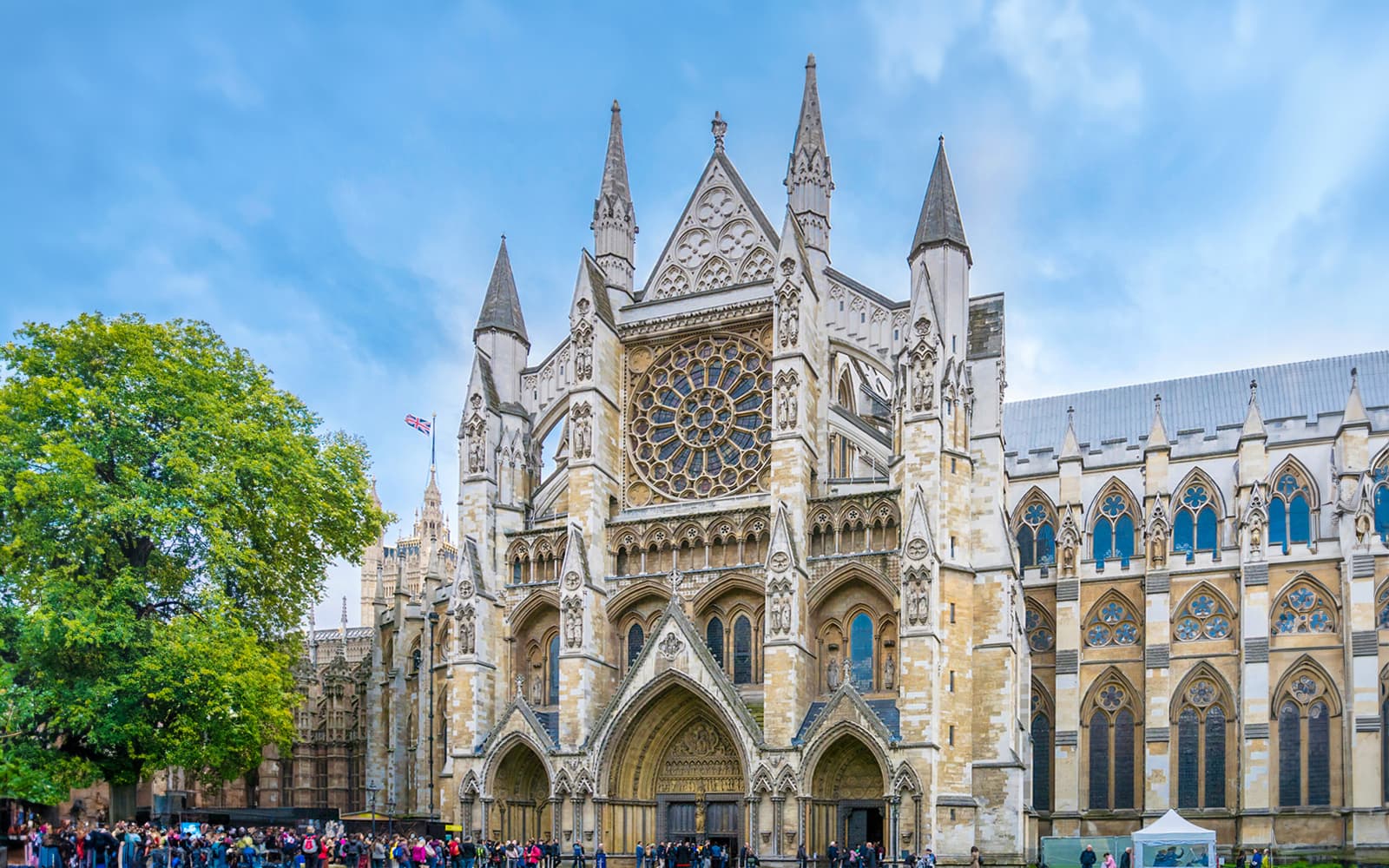
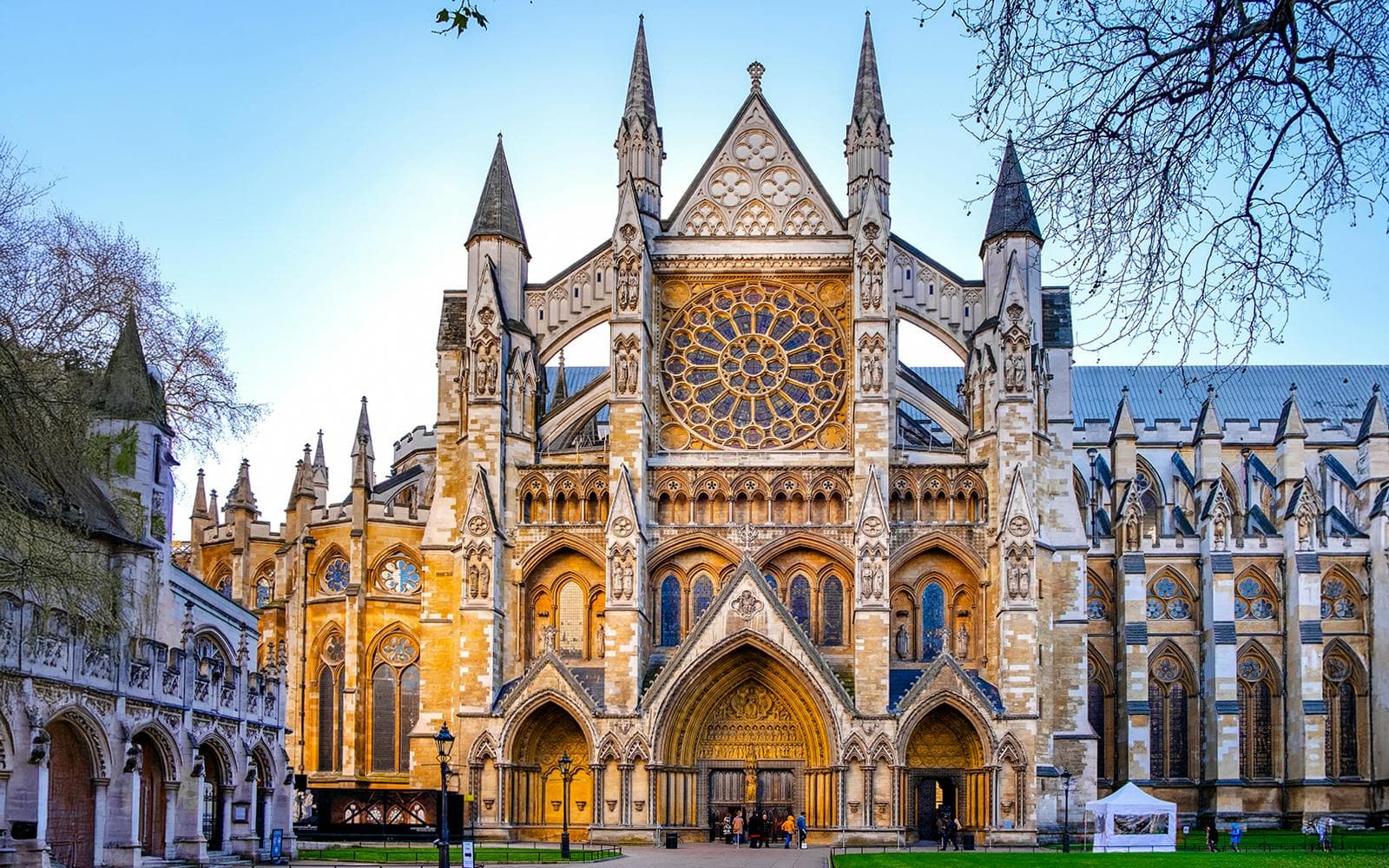
Westminster Abbey has crowned and buried English monarchs for nearly a thousand years, and it remains a working church rather than a museum. Every coronation since 1066 has happened here; Poets' Corner holds Chaucer, Dickens and Hardy; and the nave's fan vaulting is among the finest Gothic work in Britain. Go early — the Abbey is quietest in the first hour, and a verger-led tour adds the context the audio guide skims.
- Price: Around £30 (US$38) for adults booked online, as of 2026.
- Time needed: 90 minutes to 2 hours.
- Worth knowing: Attending a service (Evensong is free) lets you experience the building without a sightseeing ticket — though you won't be able to roam.
Book entry to Westminster Abbey ahead in summer; timed slots sell out and the on-the-day queue is the longest of any Westminster landmark.
The South Bank view: the London Eye and the Thames panorama
The London Eye is the youngest of the marquee London landmarks and the one that reframes all the others. At 135 metres it was the world's tallest cantilevered observation wheel when it opened for the millennium, and a single 30-minute rotation lays the whole city out — Westminster below, the City to the east, the parks rolling west. It is the most efficient orientation you can buy on a first day in London.
- Price: From around £29 (US$37) booked online in advance, as of 2026; fast-track and private capsules cost more.
- Best time: Sunset, when the city shifts from gold to lit — though it is also the busiest and priciest slot.
- Time needed: 30-minute rotation; allow an hour with boarding.
The South Bank stroll either side of the wheel is half the value — a riverside walk past the Southbank Centre and street performers, with the Houses of Parliament framed across the water. Book a London Eye slot for early evening and you get the orientation and the sunset in one. For a wider shortlist of the city's headline sights, the Travjoy London Top 20 is a useful cross-check against your own list.







The Tower cluster: the Tower of London, Tower Bridge and St Paul's
Two miles east of Westminster, the City of London holds the oldest and the grandest of the historic London landmarks in a walkable triangle. The Tower of London, Tower Bridge and St Paul's Cathedral can be done in a single full day, and the riverside walk between them — across the Millennium Bridge, along the Thames Path — is one of the best free experiences in the city.
The Tower of London
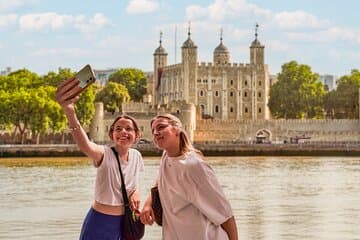
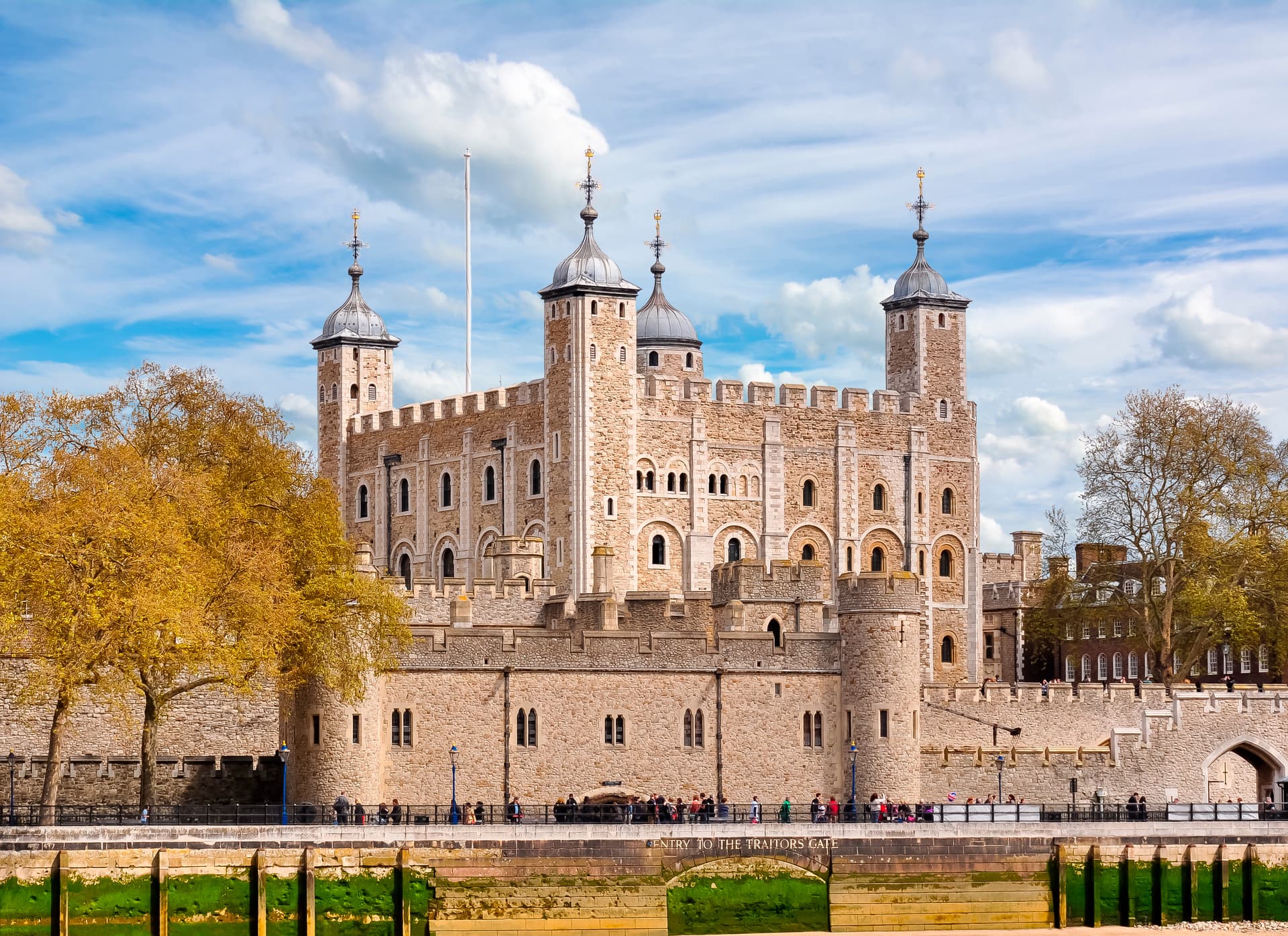
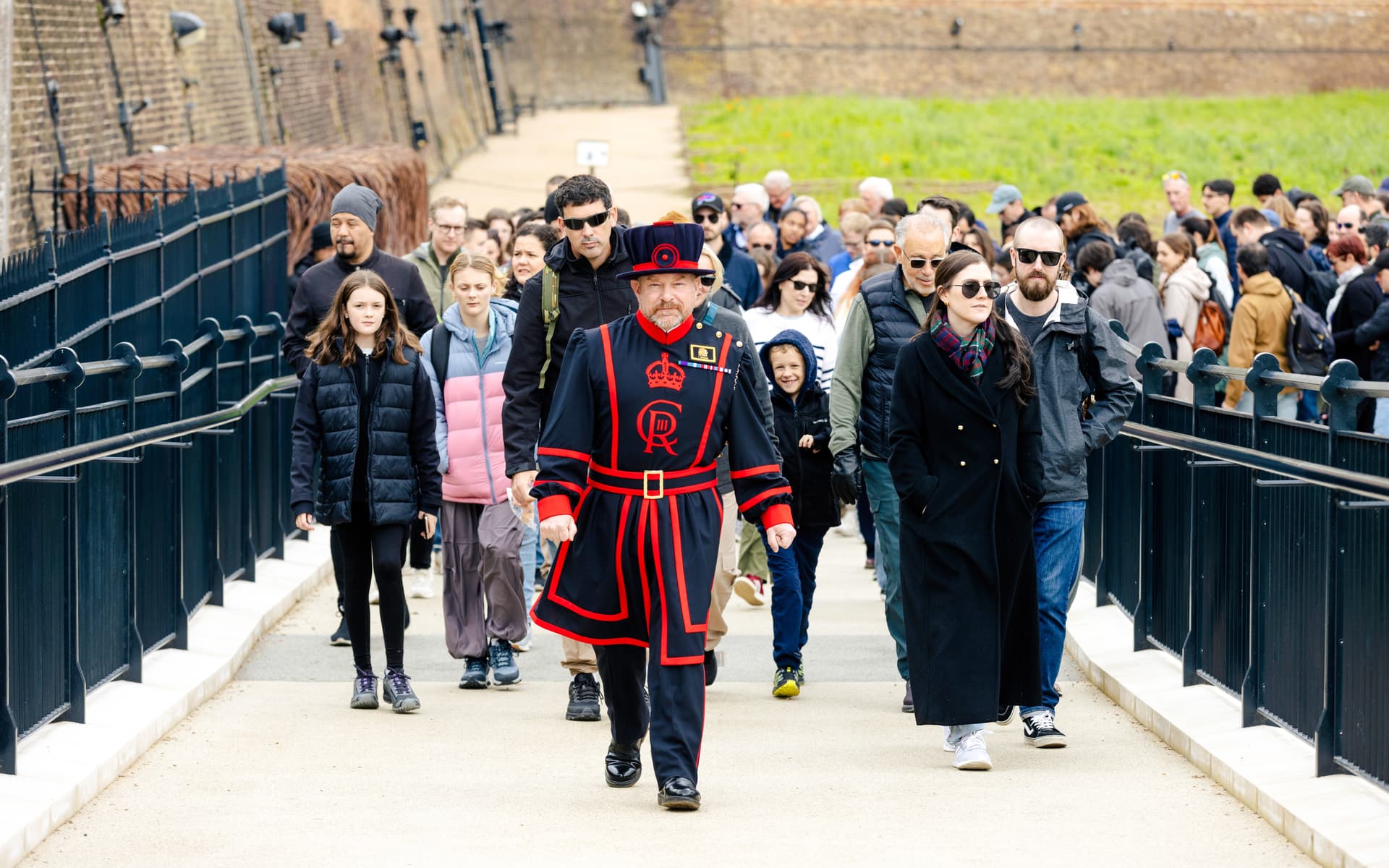
The Tower of London is the headline act: a 900-year-old fortress begun by William the Conqueror in 1078 that has served as royal palace, prison, mint and menagerie. The Crown Jewels are the obvious draw, but the Yeoman Warder (Beefeater) tours are what turn a visit from sightseeing into storytelling — included free with entry, running every half hour, and led by guides who live on site. Go at opening to reach the Jewels before the coach groups arrive.
- Price: From around £37 (US$47) for adults booked online, as of 2026.
- Time needed: 2.5 to 3 hours — the most of any single landmark on this list.
- Don't miss: The Beefeater tour, the ravens, and the medieval White Tower.
Secure your Tower of London tickets for an opening slot — it is the one landmark where arriving late truly costs you, in queue time and crowd density at the Jewels.
Tower Bridge
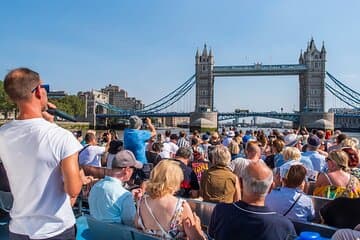
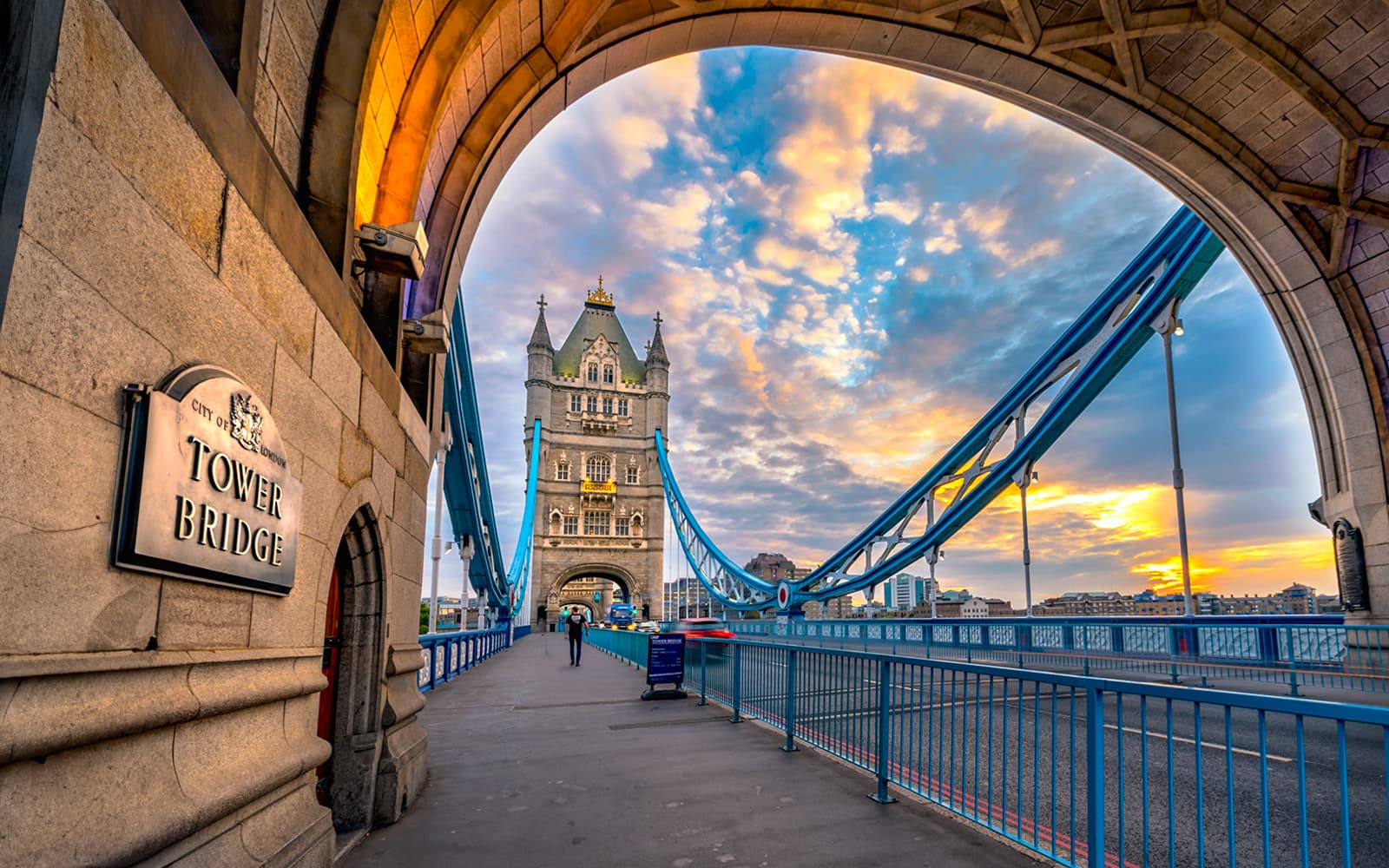
Tower Bridge is the one everyone pictures as "London Bridge" and almost no one calls by its right name. Built between 1886 and 1894, this Victorian bascule bridge still lifts for tall vessels around 800 times a year, and the high-level glass-floored walkways 42 metres above the Thames give you a vertiginous look straight down at the traffic and the river. The Victorian engine rooms below explain the steam machinery that once raised the roadway.
- Price: Around £13.40 (US$17) for adults, as of 2026 — the best value interior on this list.
- Time needed: 45 to 75 minutes.
- Free version: Crossing the bridge on foot costs nothing and gives you the classic photograph.
Entry to the Tower Bridge walkways pairs naturally with the Tower of London next door — the two sit a five-minute walk apart on the same bank.
St Paul's Cathedral
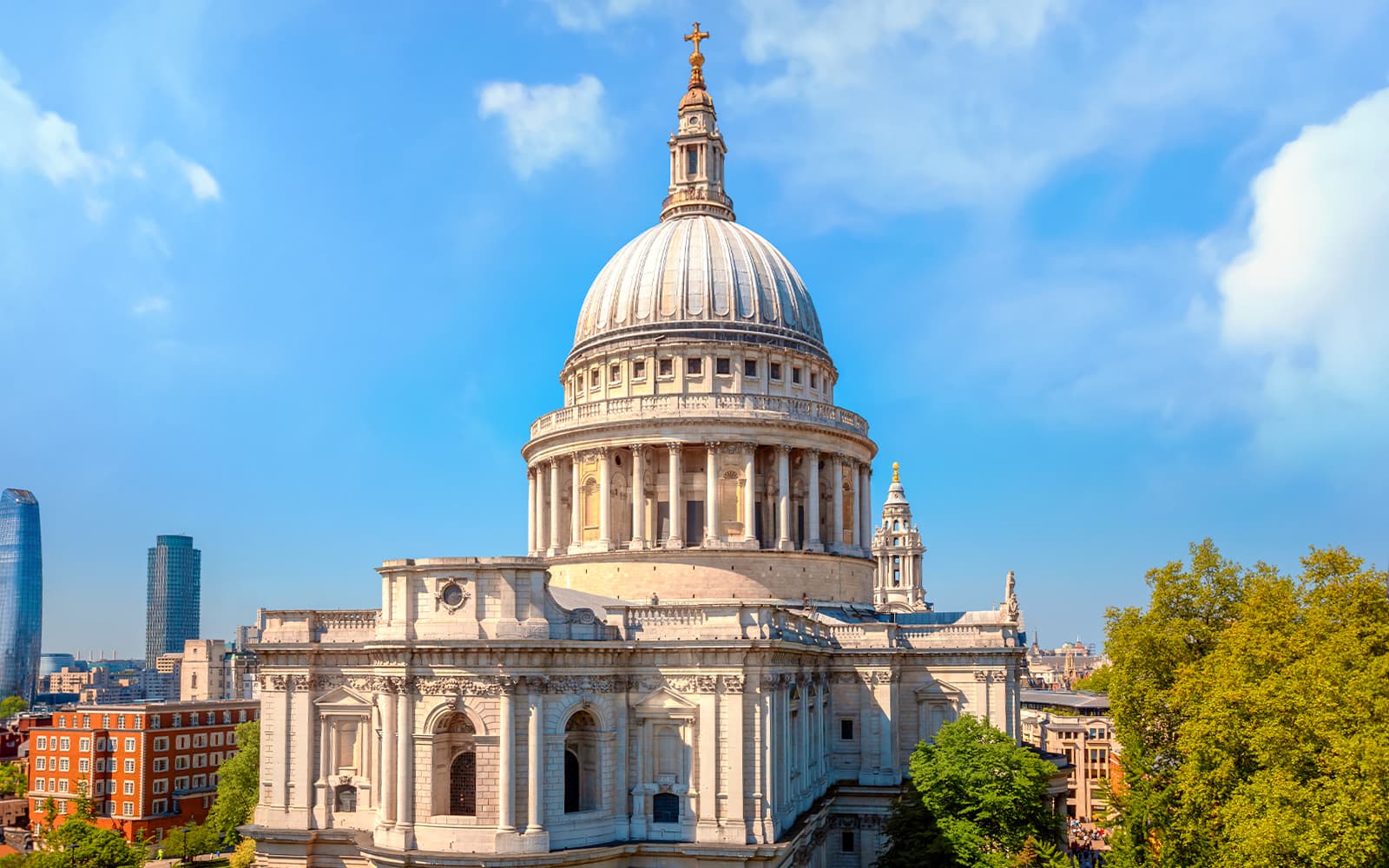
St Paul's is Christopher Wren's masterpiece, completed in 1711 after the Great Fire and crowned by a dome that defined the London skyline for 250 years. The climb is the reason to go inside: 257 steps to the Whispering Gallery, where a murmur carries around the curved wall, then on to the Stone and Golden Galleries for the finest free-standing view in central London. It remains a working cathedral, so access is free during worship even when sightseeing tickets aren't.
- Price: Around £26 (US$33) for adults booked online, as of 2026.
- Time needed: 90 minutes to 2 hours with the dome climb.
- Worth knowing: The climb is steep and not step-free; the crypt and cathedral floor are accessible.
Book St Paul's Cathedral for a midday slot — unlike the Tower, it handles crowds well and the light through the dome is best in the middle of the day.
Here is how the paid interiors compare at a glance, so you can decide where the ticket budget earns its place:
| Landmark | What you go in for | Time needed | Adult price (2026) | Best time |
|---|---|---|---|---|
| Tower of London | Crown Jewels, Beefeater tour, White Tower | 2.5–3 hrs | From £37 / US$47 | At opening |
| St Paul's Cathedral | Dome climb, Whispering Gallery, crypt | 1.5–2 hrs | ~£26 / US$33 | Midday |
| Westminster Abbey | Coronation church, Poets' Corner | 1.5–2 hrs | ~£30 / US$38 | First hour |
| Tower Bridge | Glass walkway, engine rooms | 45–75 min | ~£13.40 / US$17 | Any time |
| London Eye | 360° orientation rotation | 30–60 min | From £29 / US$37 | Sunset |
| Buckingham Palace (State Rooms) | Throne room, gallery, gardens | 2–2.5 hrs | ~£33 / US$42 (summer only) | Morning |
The modern skyline: the Shard, the Gherkin and contemporary icons
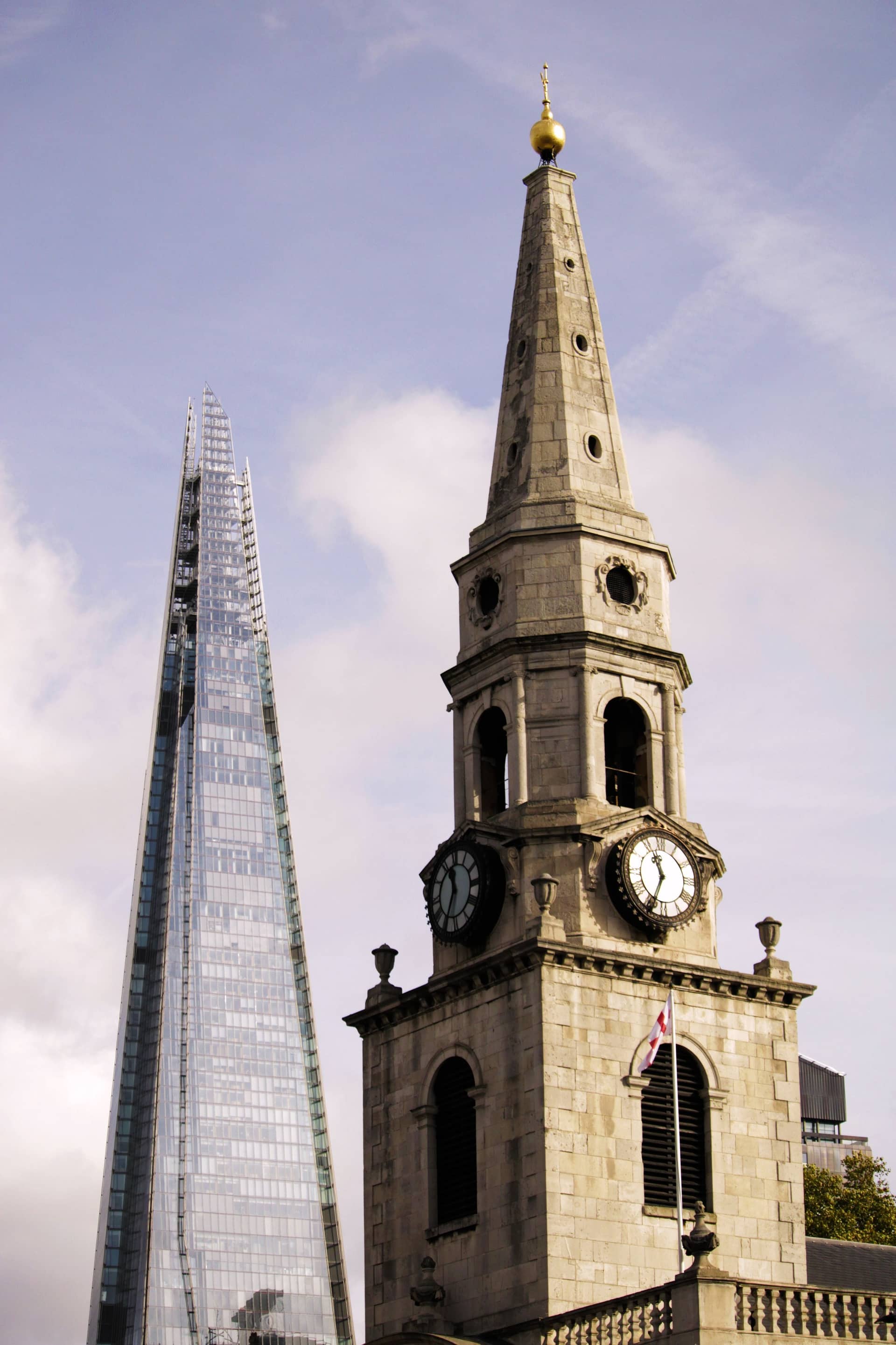
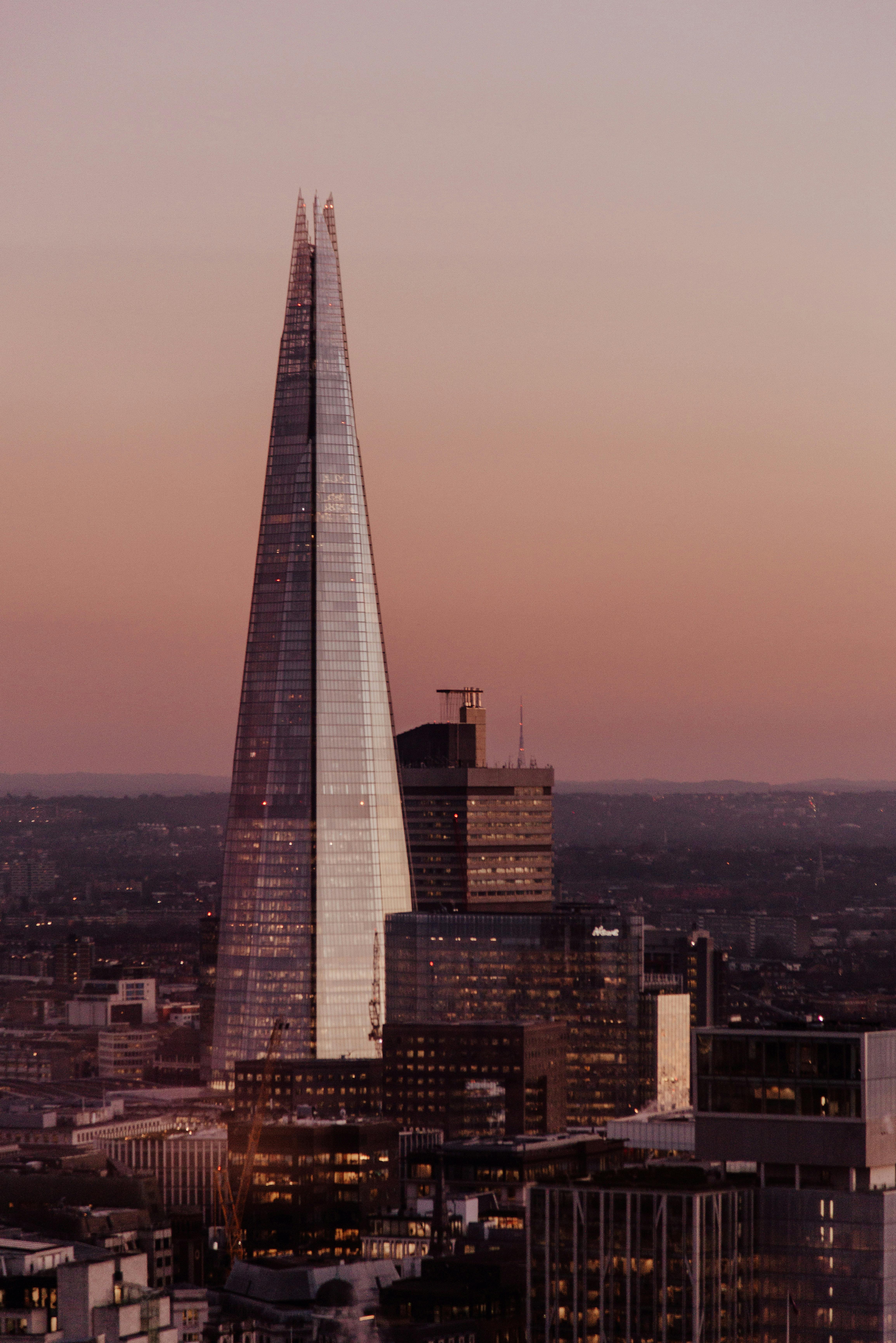
London's newest London landmarks are vertical, and they have changed the skyline more in twenty years than the previous two centuries managed. The Shard, completed in 2012, is the tallest building in Western Europe at 310 metres; its View from the Shard observation deck on the 69th to 72nd floors gives a higher, glassier panorama than the London Eye, with restaurants and bars for those who'd rather drink the view than queue for it.
Where the skyline is best read
- The Shard: The View deck runs around £32 (US$41) as of 2026; a drink at one of the bars can cost less than a ticket and comes with the same outlook.
- The Gherkin (30 St Mary Axe): Not publicly accessible inside, but its pickle silhouette is the City's most recognisable modern shape, best seen from Leadenhall Market.
- Sky Garden (20 Fenchurch Street): A free public garden at the top of the "Walkie-Talkie" tower — book a complimentary timed slot ahead for a skyline view that costs nothing.
The contrast is the appeal. Stand on the Millennium Bridge and you have Tate Modern's brick power-station bulk on one bank, Wren's dome on the other, and the glass towers of the City rising behind — old and new London landmarks in a single frame.

Beyond the centre: Windsor, Hampton Court and Greenwich
The reward for a second or third trip is the cluster of major London landmarks that sit beyond the central two days — every one of them a headline sight in its own right, and most far quieter than the centre. These are the visits that separate a returning traveller's itinerary from a first-timer's.
Hampton Court Palace
Hampton Court was Henry VIII's favourite residence, and it splits cleanly in two: the Tudor palace of the kitchens and the Great Hall, and the baroque palace William and Mary added later. The famous maze, the riverside gardens, and the Tudor cooking demonstrations make it the most family-rewarding of the royal palaces. It sits on the Thames in southwest London, around 35 minutes by direct train from Waterloo.
- Time needed: Half a day, including the gardens.
- Worth knowing: Far less crowded than the Tower for comparable Tudor history.
A Hampton Court Palace visit is the easiest of these to fold into a London stay — close enough for a relaxed half-day, far enough to feel like a genuine excursion.
Windsor Castle
Windsor is the oldest and largest occupied castle in the world, a royal residence for nearly a thousand years and the final resting place of Elizabeth II. The State Apartments, St George's Chapel and its own Changing of the Guard make it a full day, and it pairs well with Eton across the river. It is around an hour from central London by train via Slough or Windsor & Eton Riverside.
Plan a Windsor Castle day around the Guard ceremony and a chapel visit, and check ahead — the State Apartments close for official events.
Greenwich
Greenwich packs maritime history, royal architecture and a free landmark into one riverside village: the Royal Observatory and the Prime Meridian, the Cutty Sark tea clipper, the Old Royal Naval College's painted hall, and a hilltop view back across the Thames to Canary Wharf. The Thames Clipper river bus from central London is the way to arrive — the journey is part of the day.
Are London sightseeing passes worth it?
- Worth it if: you plan to go inside three or more paid attractions in a single day — the maths tips in your favour quickly across the Tower, St Paul's and a third sight.
- Not ideal if: you mostly want exteriors, squares and walks, or you prefer fixed timed entry to each sight at your own pace.
- The catch: passes reward a packed pace; if your style is two unhurried landmarks a day, individual tickets cost less and stress less.
Compare the options on the Travjoy London sightseeing passes page, where the choices are researched and approved by local experts rather than left to guesswork.
Planning your landmark days: clustering, timing and pace
The single most useful planning principle for the famous London landmarks is to cluster by geography and let the river do the navigating. Two well-built days cover every headline sight without backtracking.
A two-day landmark framework
- Day 1 — Royal & Westminster: Changing of the Guard at Buckingham Palace, walk through St James's Park, Westminster Abbey, Big Ben and Parliament Square, finish with a sunset London Eye rotation across the river.
- Day 2 — The City & the Tower: Tower of London at opening, Tower Bridge walkways next door, then the riverside walk west to St Paul's and across the Millennium Bridge to Tate Modern and the South Bank.
- Add a Day 3: one of Hampton Court, Windsor or Greenwich for the beyond-the-centre layer.
Best time to visit
- Time of day: Interiors at opening or in the last two hours; exteriors and views at sunset.
- Season: Late spring and early autumn balance daylight and crowds; the State Rooms at Buckingham Palace open only in summer.
- Day of week: Weekday mornings are markedly quieter than weekends at every paid landmark.
For the full picture of where these sights sit and what surrounds them, the Travjoy London icons collection groups the city's signature experiences in one place.
Plan your landmark trip
The famous London landmarks reward a little structure more than almost any city's: cluster them by river bank, give the Tower and the Abbey their early slots, save the views for the end of the day, and leave the beyond-the-centre palaces for a return trip when you have the time to do them justice. Most exteriors cost nothing; the paid interiors earn their place when access — the Crown Jewels, the dome climb, a coronation church — is the thing you're there for.
Start planning your London trip on Travjoy, where each landmark, tour and pass has been researched and approved by local experts so you can book the right version with confidence and spend your days seeing the city rather than second-guessing it.



.svg&w=1920&q=75)