



London Attractions: A Complete Guide for Discerning Travellers — What to See, Skip and Book Ahead
7 min read
Key Highlights
- London's headline attractions cluster into walkable groups — plan by area and you'll see twice as much without crossing the city twice.
- Major museums and galleries — the National Gallery, Tate Modern, the V&A, the Natural History Museum — are free; the spend goes on the royal palaces, towers and viewpoints.
- The Changing of the Guard is free and runs on selected mornings (usually Monday, Wednesday and Friday at 11:00, daily in June and July) — check the schedule the day before.
- The London Pass pays off only on a tightly packed paid-attraction itinerary; if your trip leans on the free museums, it rarely makes sense.
- For 2026, two new openings are worth a returning visitor's attention: the Alexandra Palace Summit roof walk and V&A East.
The best London attractions fall into three tiers: the royal-and-historic icons worth building a trip around, the world-class museums that cost nothing, and the skyline viewpoints. The smartest way to see them is to group them by area — Westminster and the South Bank, the City, South Kensington — so your days flow on foot rather than zig-zagging across the Underground. Book the ticketed sights (Tower of London, Westminster Abbey, the viewpoints) in advance; leave the free museums and the Changing of the Guard for the gaps.
London rewards the visitor who plans the geography, not just the list. The city's most famous sights sit within a few defined pockets, and the difference between a good day and a frustrating one is usually whether you grouped them sensibly or chased them at random across nine zones.
This guide is built for that — and for the traveller on a second or third visit who has already ticked off the obvious. You'll find what each headline attraction actually delivers, how to arrange them by area, where the views are worth the lift queue, and the practical layer most listicles skip: which tickets to book ahead, what's free, and whether a pass earns its price.
Every experience referenced here sits on Travjoy's London collection, researched and approved by local experts — so you can book with confidence rather than second-guessing a dozen reseller tabs.
The London Attractions Worth Building a Trip Around
If you only have time for a handful, these are the London attractions that justify the planning. They are the royal, historic and riverside icons — and each delivers something specific, so it's worth knowing what you're actually paying for before you book.
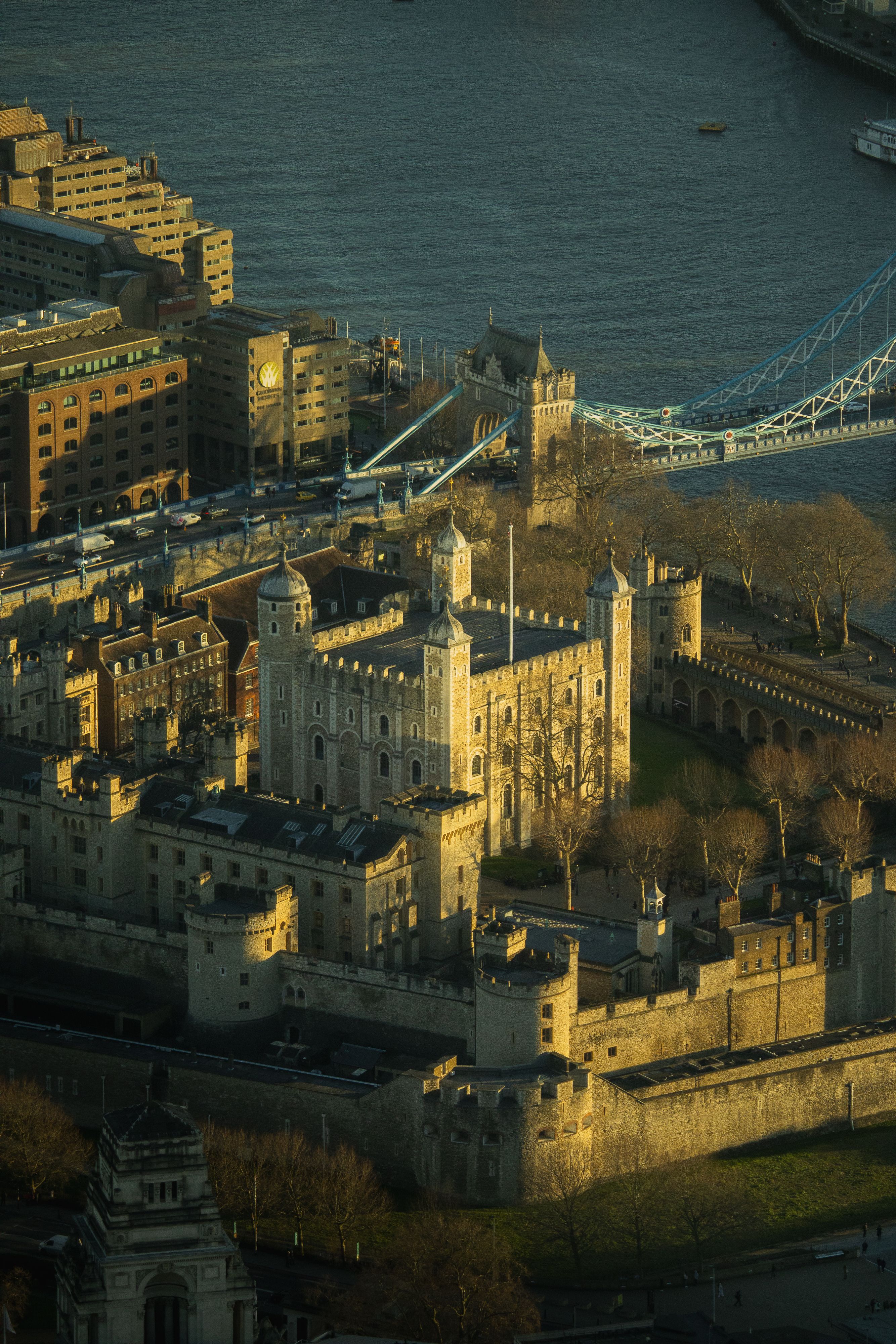
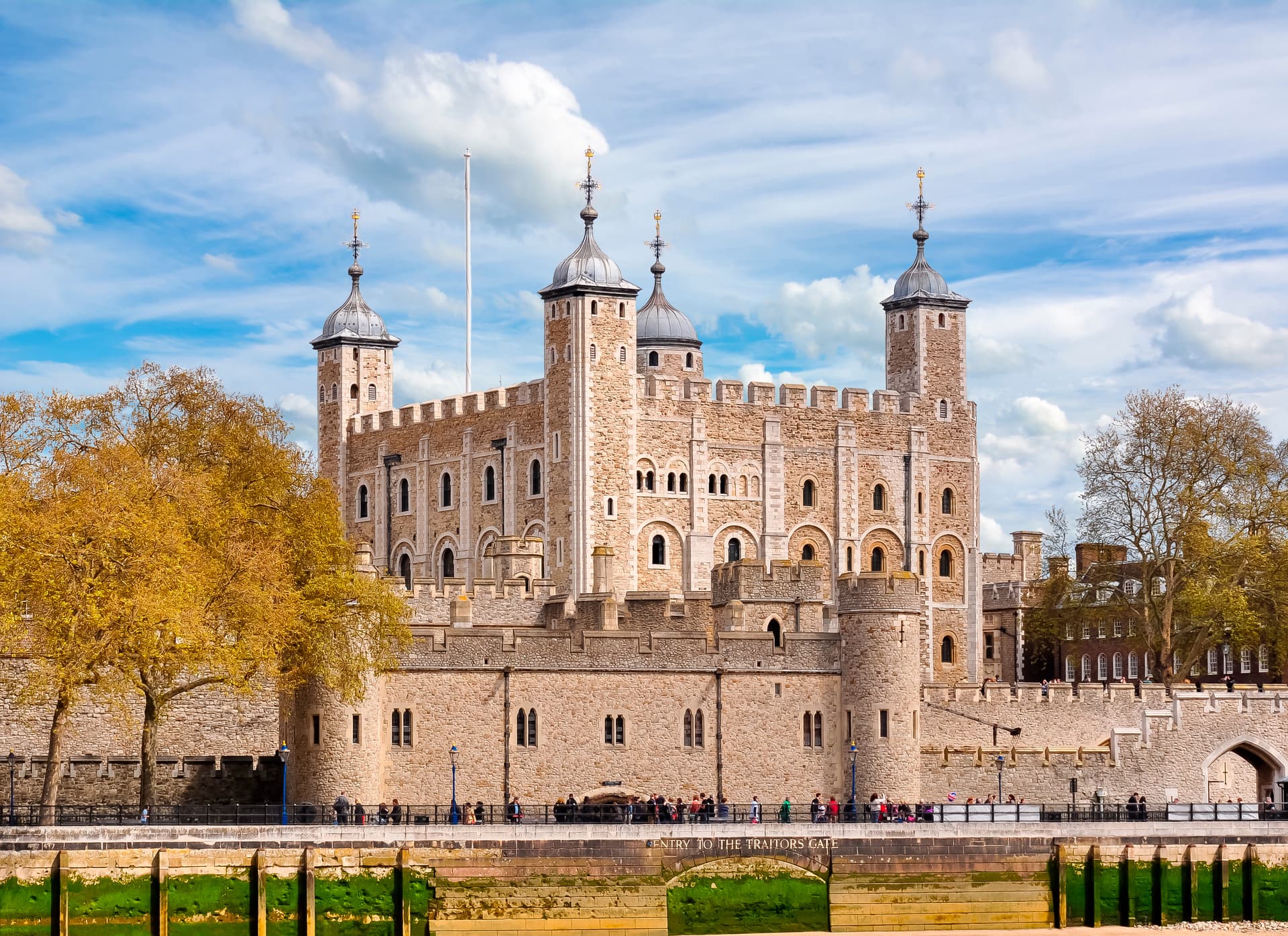
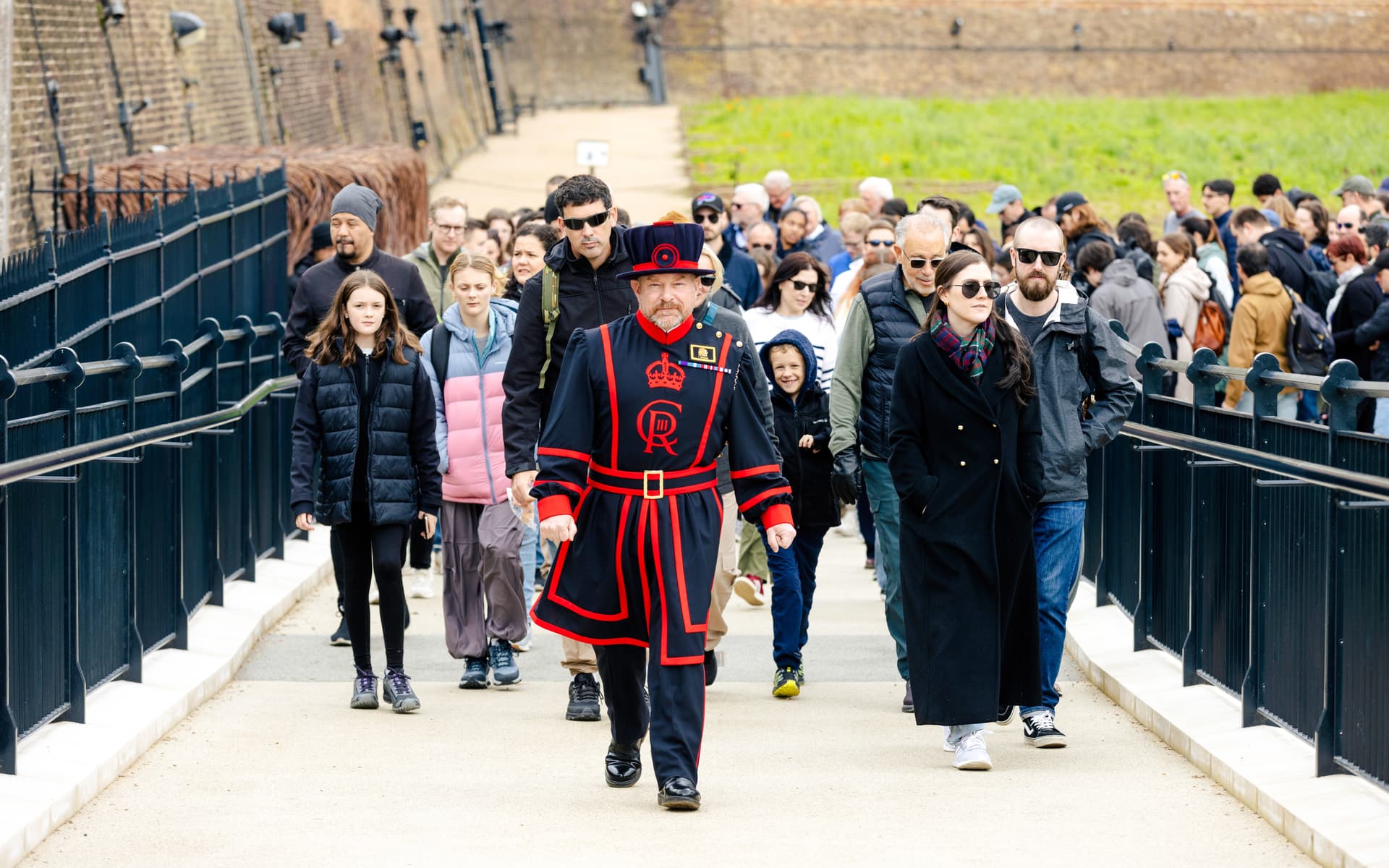
The Tower of London is the one to prioritise. Nearly a thousand years of history sit inside the walls: the Crown Jewels, the ravens, and Yeoman Warders who run the best free tour included in your ticket. Arrive at opening to reach the Jewel House before the queues build.
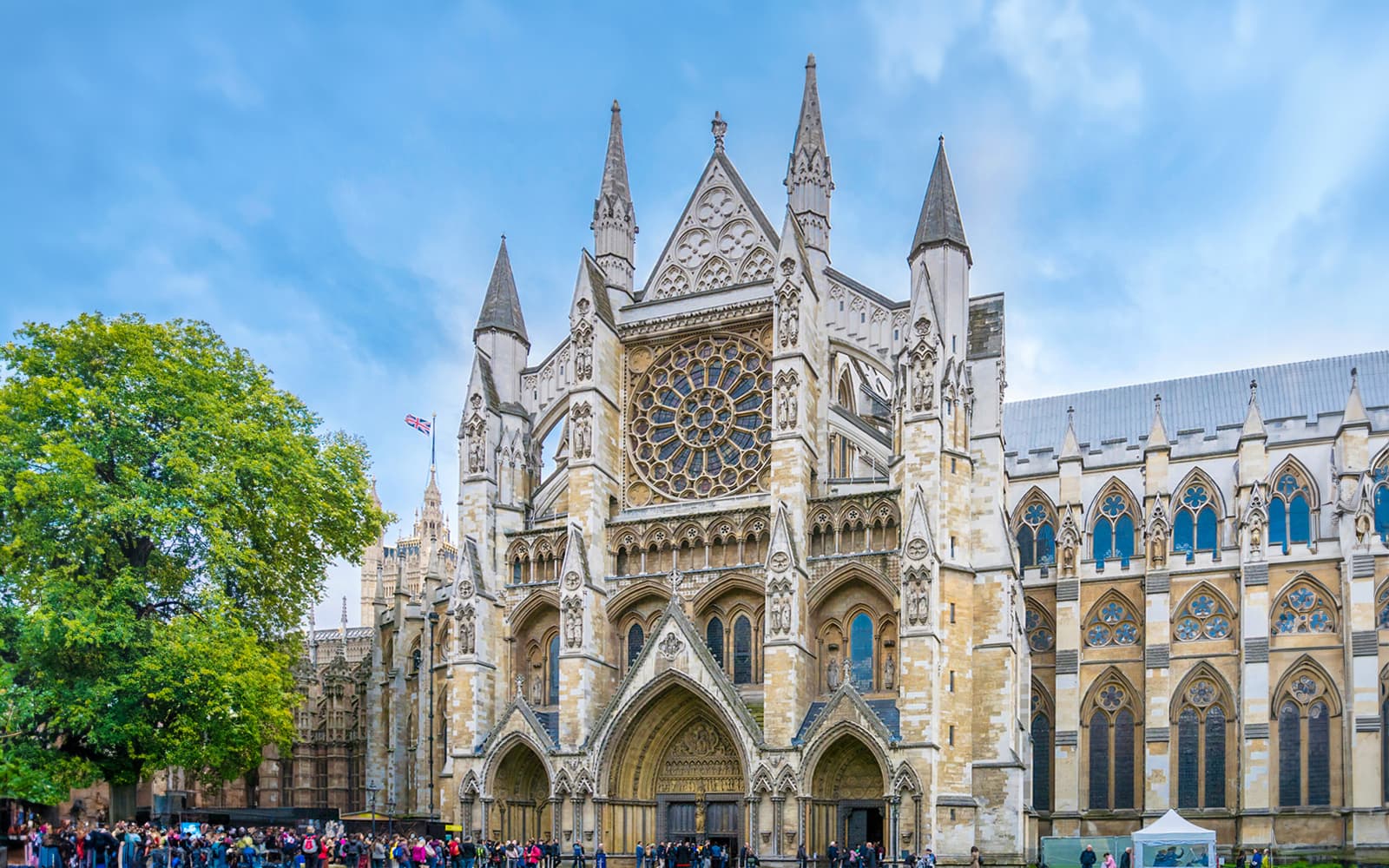
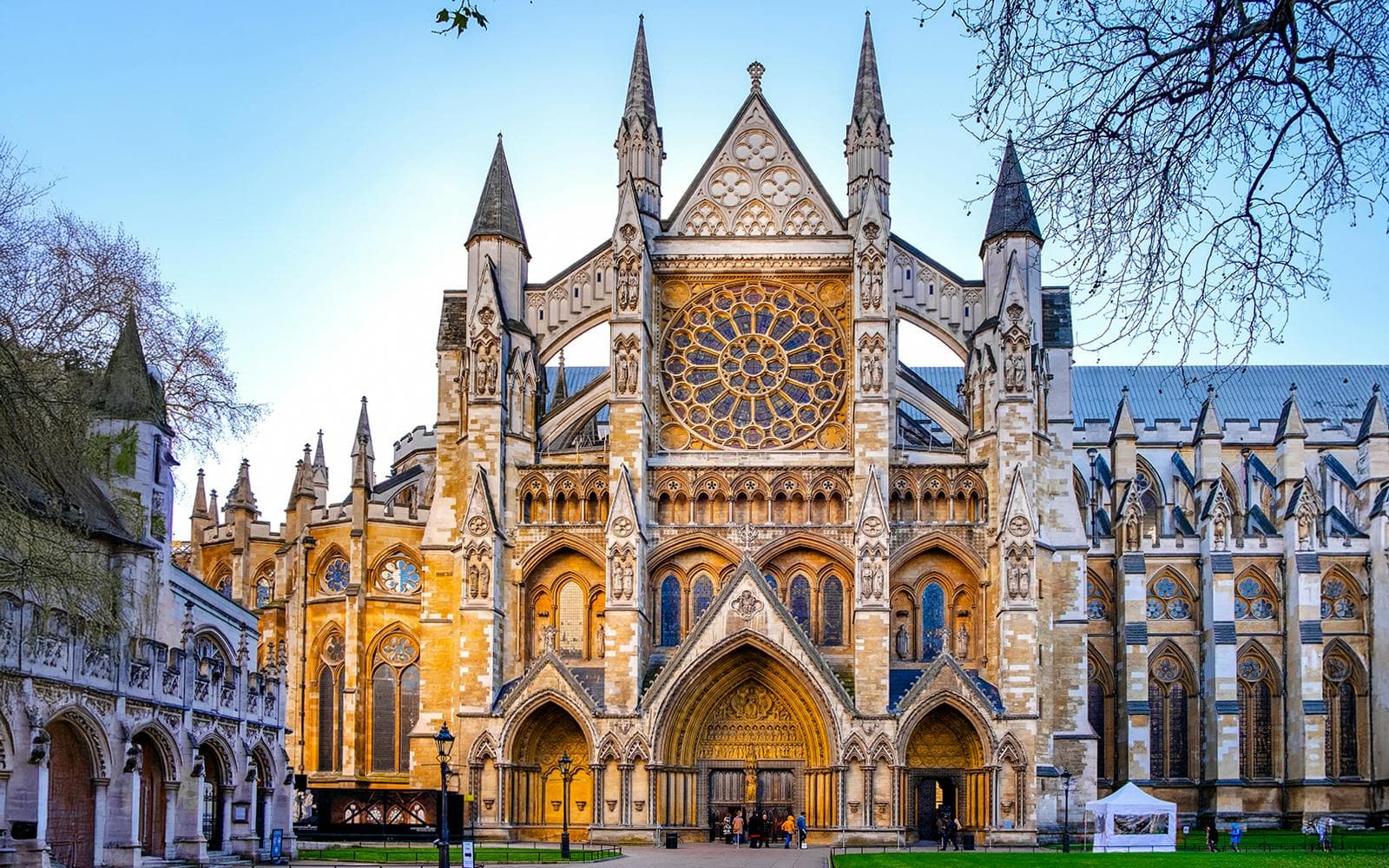
Westminster Abbey is the coronation church and a working place of worship, so it closes to sightseers on Sundays and during services. The Queen's Diamond Jubilee Galleries, high in the medieval triforium, are the part most day-trippers miss and the reason to go beyond the nave.
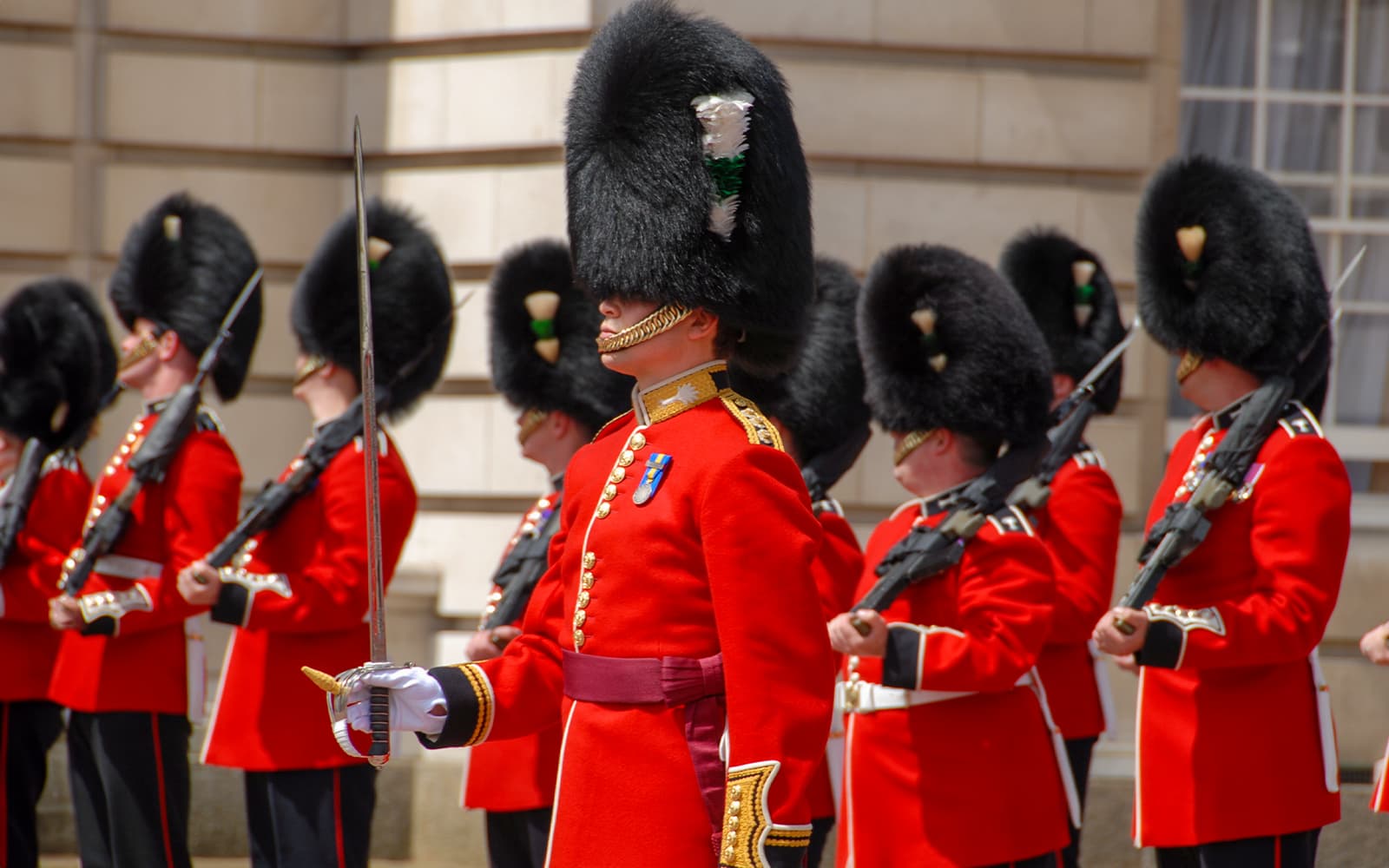
At Buckingham Palace, the State Rooms open only in summer — 9 July to 27 September in 2026 — while the Changing of the Guard plays out front for free on selected mornings. The two don't overlap neatly, so see the ceremony first and book a later State Rooms slot if you want both in a day.
What each icon actually costs in 2026
London's marquee sights are individually priced, and the totals add up quickly — which is exactly why the ticket strategy later in this guide matters. Advance online prices for 2026:
- Tower of London — from about £35 / US$44 advance (£37 / US$47 at the gate)
- Westminster Abbey — around £29–31 / US$37–39
- St Paul's Cathedral — around £27 / US$34
- Tower Bridge Exhibition — around £18 / US$23
- Windsor Castle — around £32 / US$41 advance
- Changing of the Guard — free, no ticket required
The riverside trio of St Paul's Cathedral, Tower Bridge and the Tower of London can be done in a single City-of-London day on foot, which is the kind of grouping that turns a scattered list into a coherent itinerary.
Changing of the Guard — the practical version
- Usually Monday, Wednesday and Friday at 11:00; daily in June and July. The schedule changes, so confirm the day before.
- The forecourt fills 45–60 minutes ahead. For a calmer view, watch the New Guard detachment arrive at St James's Palace around 11:43, where there are no railings.
- On non-ceremony days, the 15:00 Captain's Inspection is a shorter, far quieter alternative most guides don't mention.
Attractions by Area: Group Them So You're Not Crossing the City Twice
The single biggest planning win in London is geographic, not chronological. The top London attractions sit in a few tight clusters, and building each day around one cluster means more time inside the sights and less on the Tube. Here's how the map actually breaks down.
Westminster and the South Bank
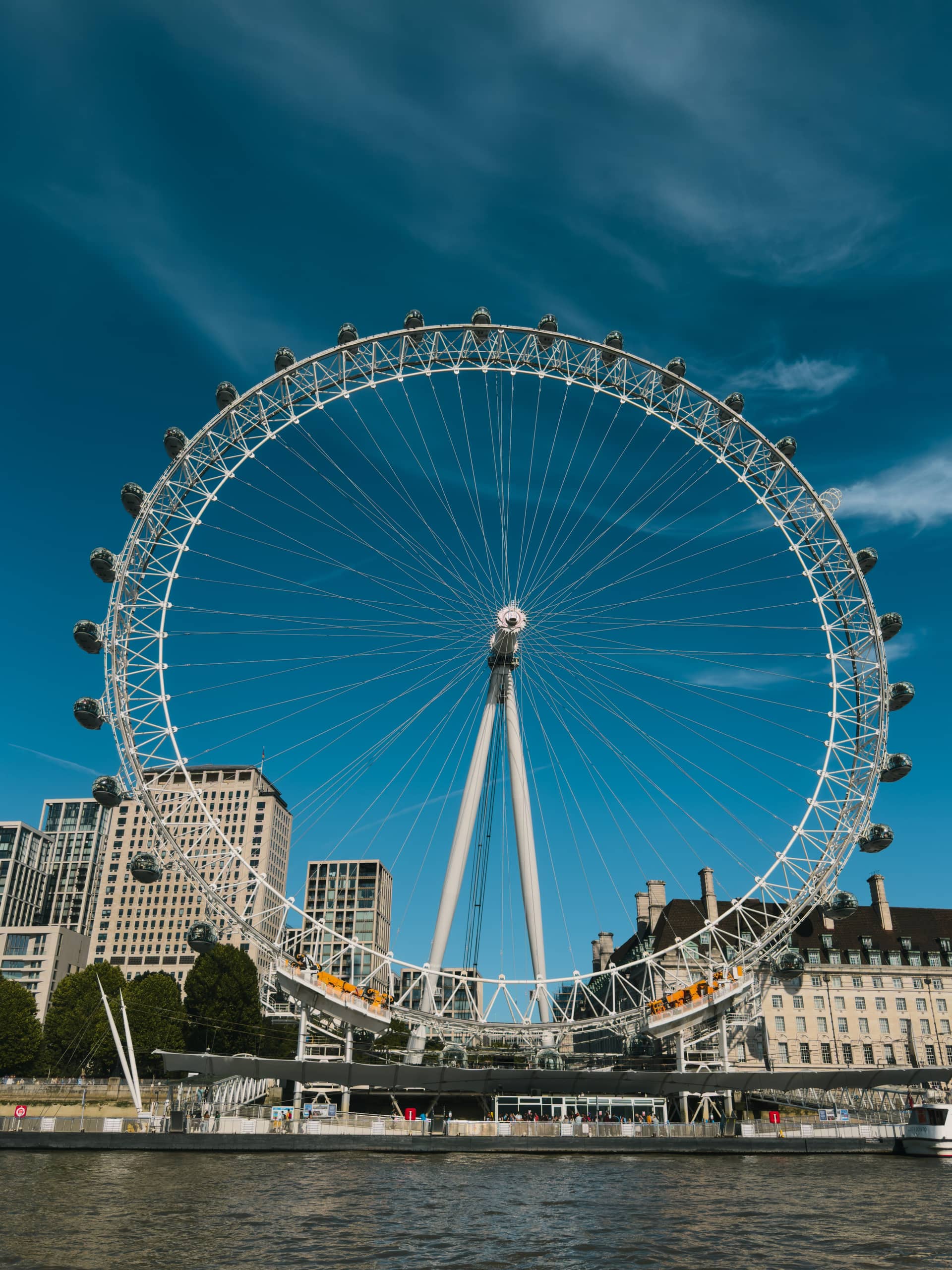
This is the postcard stretch and the easiest half-day on foot. Big Ben, Westminster Abbey and the Houses of Parliament sit on one bank; cross Westminster Bridge for the London Eye, then walk the riverside path east past the Southbank Centre towards Tate Modern. It's a flat, continuous walk with the river on one side the whole way.
The City of London
London's ancient core packs three icons into a compact triangle: the Tower of London, Tower Bridge and St Paul's Cathedral, linked by the Millennium Bridge. Add Borough Market just across the river for lunch and you have a full, walkable day without a single change of train.
South Kensington's museum quarter
Three of the country's great museums — the Natural History Museum, the Science Museum and the V&A — stand within a few minutes of each other. All three are free, so this cluster is the easiest place to spend a rainy afternoon without touching your budget. The new V&A East, opening in 2026 over in Stratford, extends the collection for anyone who has already done the South Kensington original.

The View From the Top: London's Skyline Attractions
London's high-up London attractions trade on the same thing — a view — so the choice comes down to height, atmosphere and price rather than which is "best". Here's how the main options compare.
- The Shard — Western Europe's tallest viewpoint at 244m / 800ft; around £32 / US$41. The most expansive panorama, best at dusk.
- The London Eye — a 30-minute rotation over the river; gentler, lower, and the most family-friendly.
- Up at The O2 — a guided climb over the dome's fabric roof; an activity as much as a view.
- Alexandra Palace Summit — new for February 2026, the UK's highest roof walk at 130m, with a 25-mile panorama north of the river.
If you want the classic skyline, The Shard delivers the widest sweep. If you'd rather do something than simply look, the Alexandra Palace Summit roof walk and Up at The O2 turn the view into an experience — and both are the kind of fresh angle a returning visitor appreciates. For a no-ticket skyline, the Sky Garden near Fenchurch Street is free with advance booking — one of the few London attractions where the best view costs nothing.









Beyond the Icons: Attractions for a Second or Third Visit
Once the headline sights are done, London's depth opens up — and these are the London attractions that reward a returning visitor who already knows the postcard views. They trade crowds for character, and most sit a short ride beyond the centre.
The royal palace the day-trippers skip
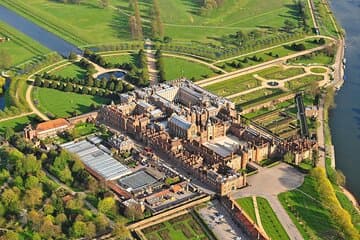
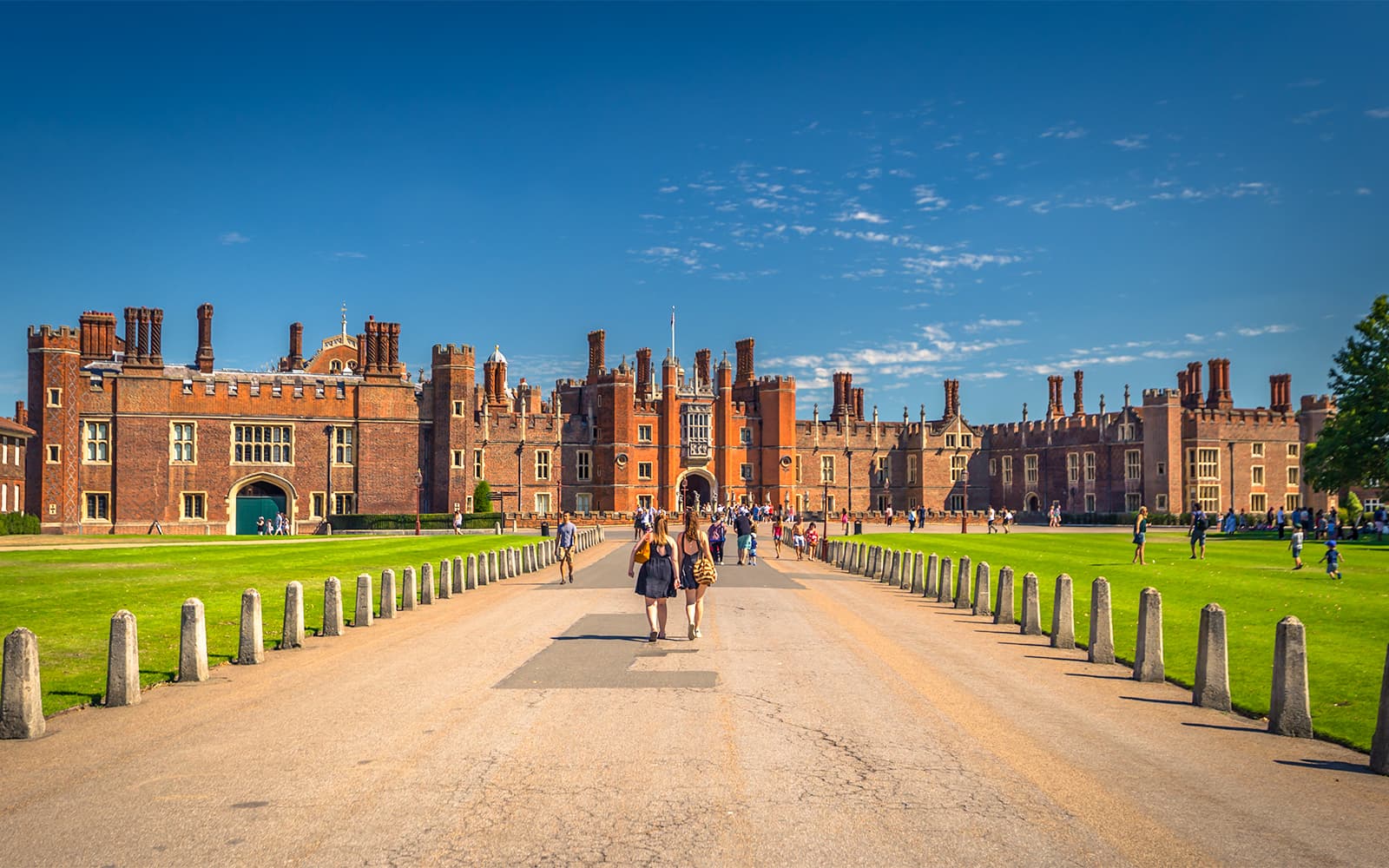
Hampton Court Palace is the one to add on a second visit. Henry VIII's riverside Tudor palace comes with the famous maze, the Great Hall and a kitchen garden, around £27 / US$34, and far fewer crowds than the central icons because it sits out towards Richmond. The train from Waterloo takes about 35 minutes and runs along the Thames for part of the way.
Markets with a sense of place
Some of the most rewarding London attractions aren't sights at all — they're markets, each with a distinct character:
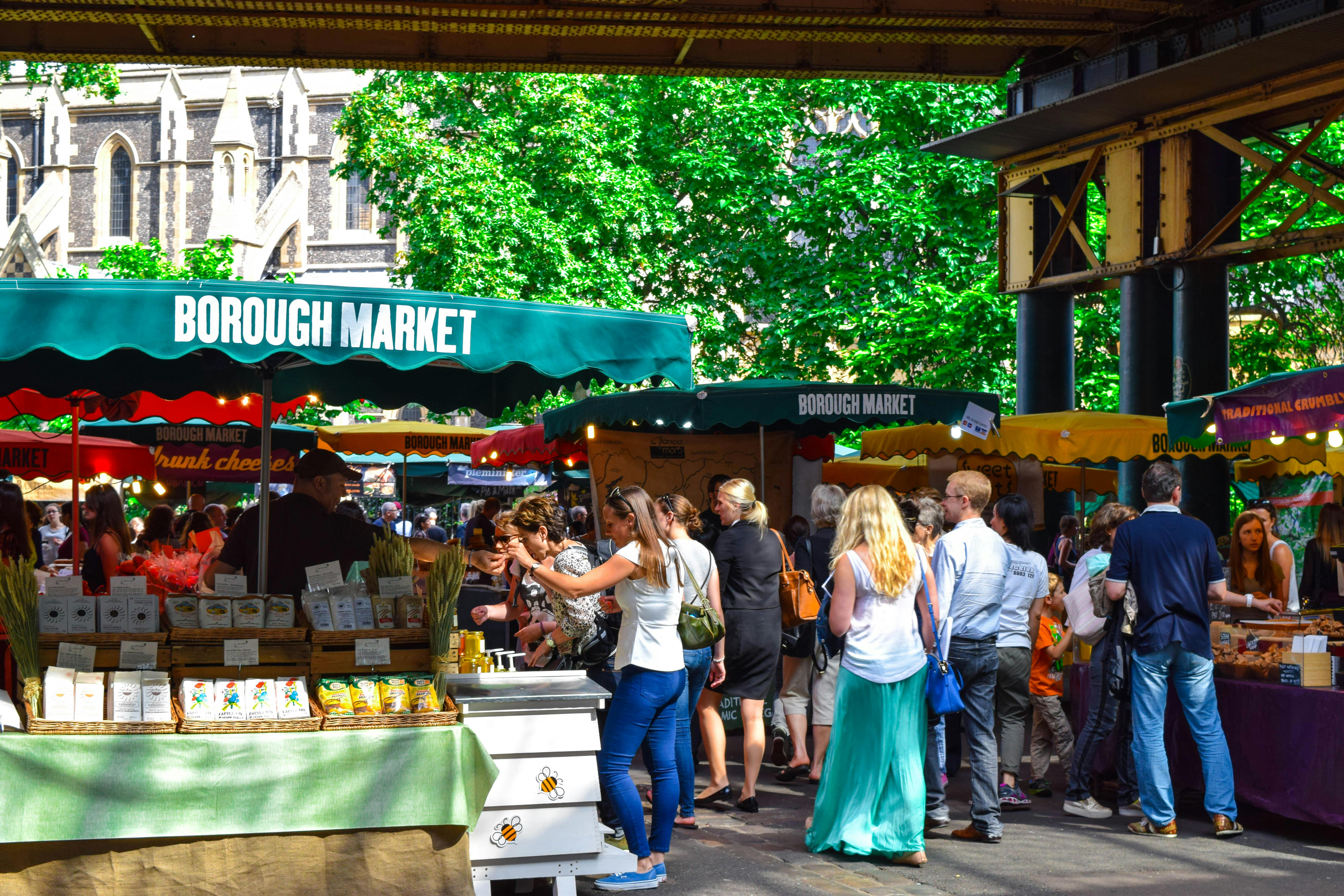
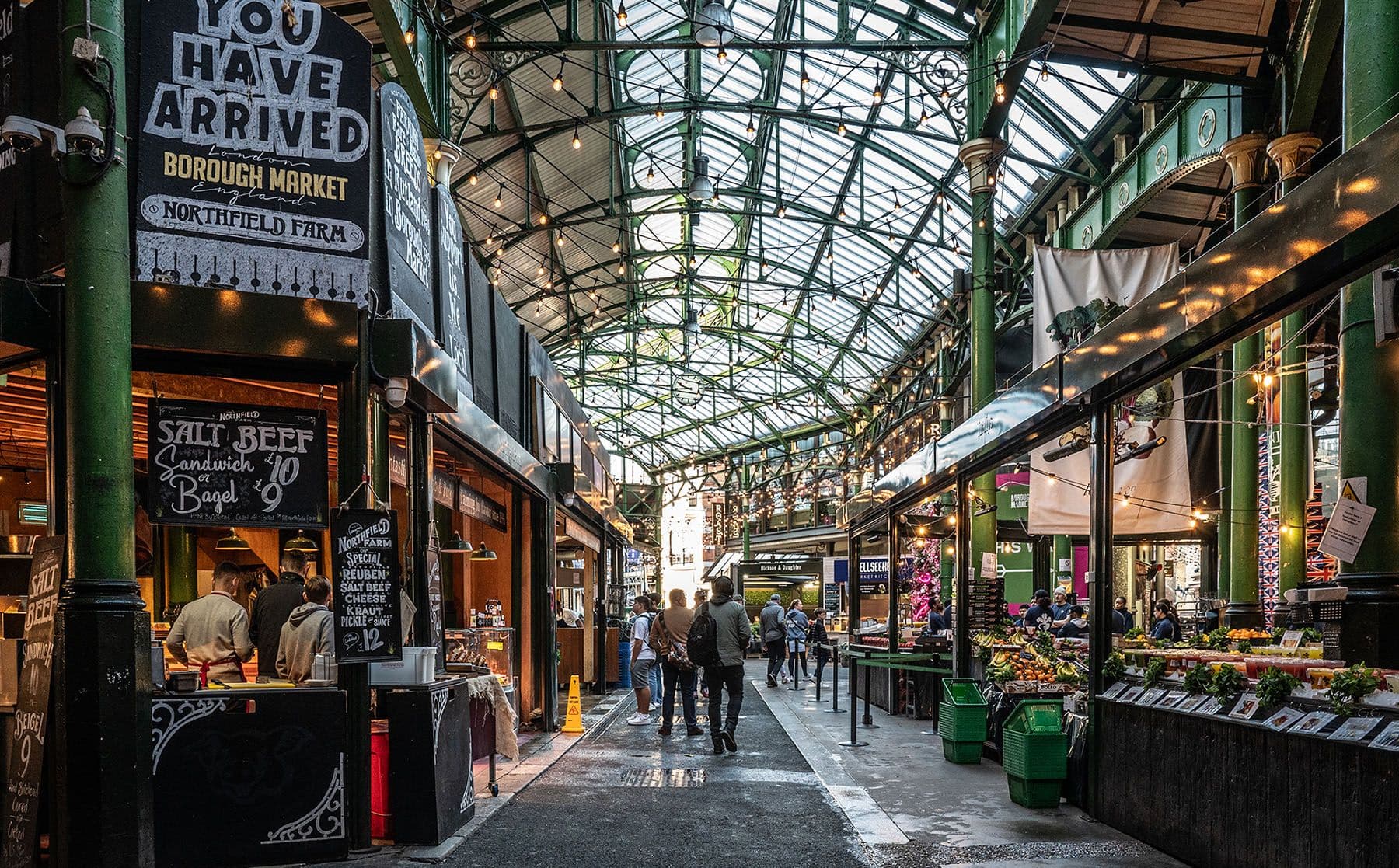
- Borough Market — the food market, best mid-morning on a weekday before the lunch rush
- Columbia Road Flower Market — Sundays only, a wall of colour and birdsong off Brick Lane
- Old Spitalfields — covered, year-round, strong on design and vintage
- Greenwich Market — crafts and street food, paired neatly with the Royal Observatory
A late morning at Borough Market — a coffee, a few stalls, an early lunch — is one of the most enjoyable hours in the city, and it sits a two-minute walk from The Shard.
Quieter cultural corners
The Wellcome Collection near Euston (free, and one of London's most original museums), the village walks of Hampstead and Highgate, and a properly booked afternoon tea — at The Ritz, Claridge's or Fortnum & Mason — round out a second-visit itinerary with texture the icons can't provide. These are the experiences Travjoy's local experts flag for travellers who want more than the checklist.
London's Free Attractions That Rival the Paid Ones
Some of the best London attractions cost nothing — and these aren't consolation prizes, they're world-class institutions that happen to be free to enter. For a discerning visitor, they're often the highlight, not the filler.
London's national museums and galleries carry no admission charge:
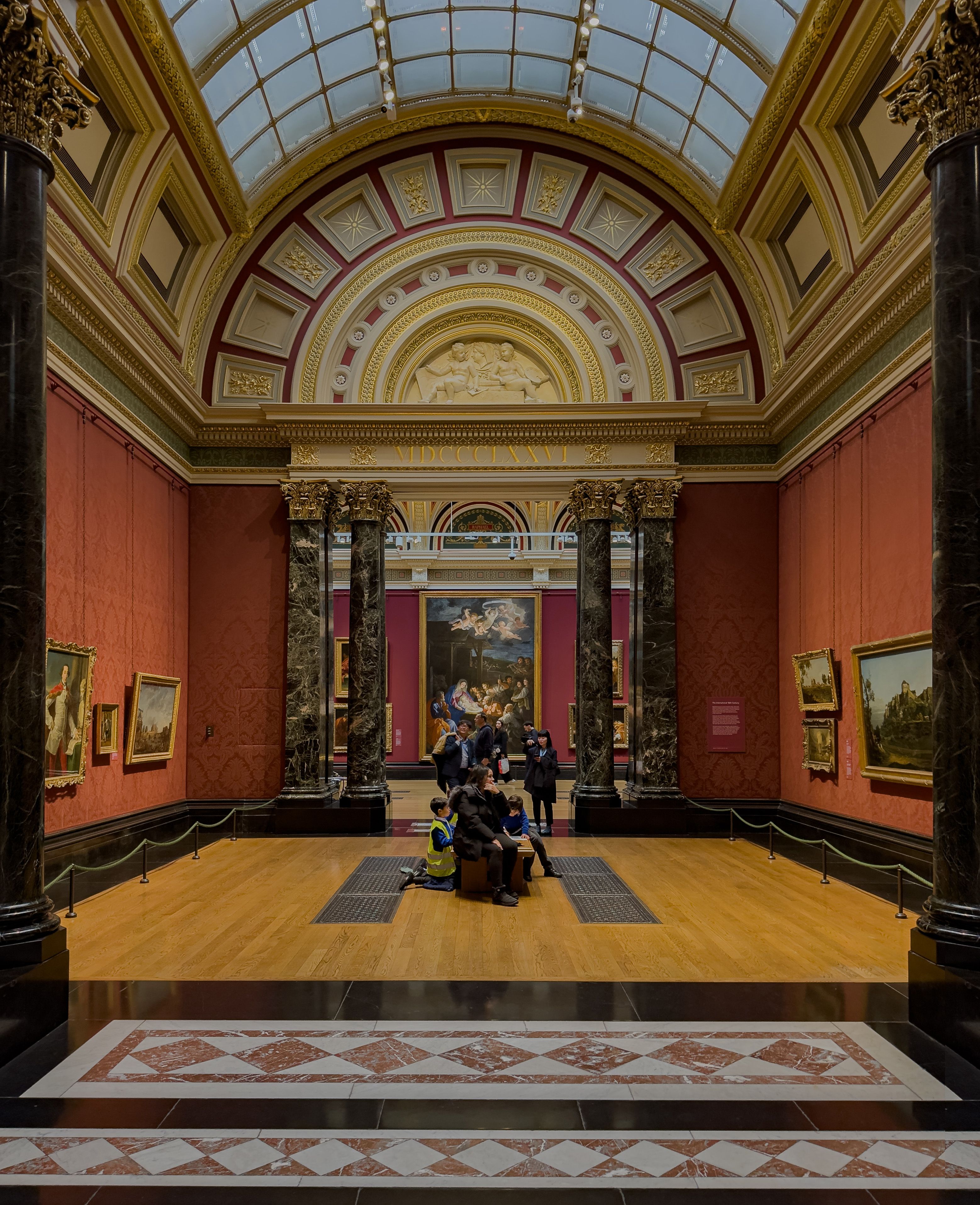
- The National Gallery — Trafalgar Square; Van Gogh, Turner, Vermeer in one free hall
- Tate Modern — modern and contemporary art in a former power station on the South Bank
- The British Museum — the Rosetta Stone and a global collection (timed entry, still free)
- The V&A — the world's leading museum of art, design and performance
- The Natural History Museum — the great Hintze Hall and the dinosaur galleries
The National Gallery alone justifies an afternoon, and because entry is free you can dip in for a single wing rather than feeling obliged to see everything. Add the Changing of the Guard, a wander through the Royal Parks — Hyde Park, St James's Park and Regent's Park — and a riverside walk, and a full London day can cost very little beyond lunch.
This free layer is also why a sightseeing pass isn't automatically worth it, which brings us to the part of the trip most worth getting right.
Tickets, Passes and Timing: Getting Into London's Attractions Without the Friction
The friction in visiting London attractions is rarely the sights themselves — it's the ticketing. Get the pass maths and the booking windows right and the whole trip runs smoother. Here's the decision framework.
Is the London Pass worth it?
The London Pass bundles entry to 80-plus paid attractions on consecutive days. For 2026, adult prices run roughly:
- 1-day — about £99 / US$126
- 2-day — about £139 / US$177
- 3-day — about £169 / US$215
The maths is simple. A 1-day pass breaks even at roughly three major paid attractions in one day — Tower of London, Westminster Abbey and The Shard, say, would just clear it. Choose the pass if your days are built around paid landmarks and you can move quickly. Skip it if your trip leans on the free museums, since the pass can't discount what already costs nothing.
When a membership beats a pass
If your itinerary is royal-palace heavy, Historic Royal Palaces membership — about £60 / US$76 for one adult, £105 / US$133 for two adults plus children — covers the Tower of London, Hampton Court, Kensington Palace and more for a year, and pays for itself in roughly three visits. For a couple planning the Tower, Hampton Court and Kensington, it usually beats individual tickets and a pass alike.
Booking windows and the best time to go
- Book ahead: the Tower of London, Westminster Abbey, the viewpoints and Windsor Castle release timed slots that sell out in peak season — secure these online before you travel.
- Walk in: the free museums (timed entry aside), the Royal Parks and the Changing of the Guard need no advance ticket.
- Best season: late spring (May) and early autumn (September) bring mild weather and lighter queues than the July–August and December peaks.
Travjoy's London experiences are researched and approved by local experts, so the version you book is the one worth booking — no sifting through reseller tabs to work out which ticket actually includes what. Browse the full range on the London icons collection or the Top 20 London picks.
Planning Your London Attractions, the Smart Way
London is best seen in clusters: build each day around one area, book the ticketed icons in advance, and let the free museums, parks and the Changing of the Guard fill the gaps. Prioritise the Tower of London if you see only one paid sight, lean on the free national museums without guilt, and run the pass maths against your own list before buying. On a second or third visit, trade the postcard views for Hampton Court, the markets and the quieter cultural corners. Start planning your trip and book the best London attractions on Travjoy's London collection.



.svg&w=1920&q=75)