



Cultural Sites in London: A Complete Guide to the City's Cultural Quarters
8 min read
Key Highlights
- London's cultural sites cluster into walkable quarters — Westminster, the City, the South Bank, South Kensington, and the living-culture districts of the East End, Brixton and Greenwich.
- The major national museums and galleries — the British Museum, National Gallery, V&A, Tate Modern and Tate Britain — are free to enter; only special exhibitions and ticketed heritage sites carry a charge.
- Ticketed landmarks such as Westminster Abbey (around £31 / $40) and St Paul's Cathedral (around £27 / $35) reward advance booking, especially for timed morning slots.
- The City holds London's oldest layer — a Roman amphitheatre, the reconstructed Temple of Mithras and the round Temple Church — which most itineraries walk straight past.
- On a return visit, the reward shifts from the headline institutions to the living-culture quarters: Brick Lane, Brixton, Bloomsbury and Maritime Greenwich.
The best cultural sites in London group into a handful of walkable quarters: Westminster (Westminster Abbey, the National Gallery, Tate Britain), the City (St Paul's Cathedral and London's Roman layer), the South Bank (Tate Modern, Shakespeare's Globe, the National Theatre) and South Kensington (the V&A and the Natural History Museum). Most national museums are free; ticketed heritage sites such as Westminster Abbey and the Tower of London are worth booking ahead. Planning by quarter, rather than chasing scattered names across the map, is how you see more in less time.
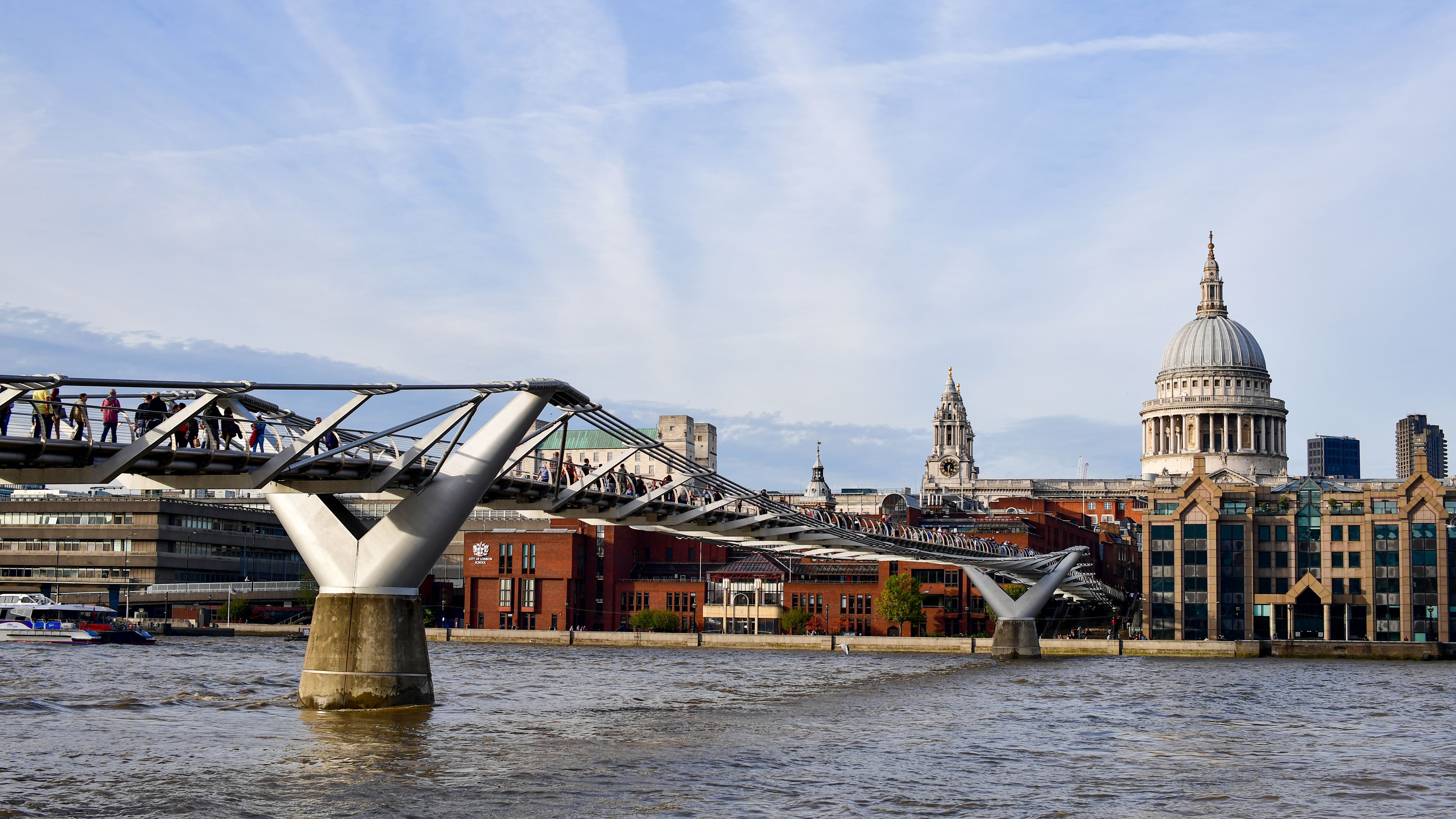
Cross the Millennium Bridge on a clear morning and the argument for the city makes itself: St Paul's dome behind you, Tate Modern's brick chimney ahead, Shakespeare's Globe a short walk downriver. Three institutions, four centuries apart, inside ten minutes on foot. That density is the thing to understand about cultural sites in London — they don't sit in one museum district but cluster into distinct neighbourhoods, each with its own era and character.
This guide maps those clusters rather than ranking a top ten. For a first visit, it points you to the essential sites in each quarter and tells you what's free, what to book, and how long to allow. For a second or third, it opens the layer most guides skip — the Roman city beneath the modern one, the immigrant food streets of the East End, the maritime heritage downriver at Greenwich.
Every site here has been researched and approved by local experts, so the version you plan around is the one worth your time. Work through it quarter by quarter and a sprawling city starts to feel navigable.
Planning Your Cultural Sites in London: Free, Ticketed and by Quarter
Start with one fact that shapes every itinerary: London's national museums are free to enter. Permanent collections at the British Museum, the National Gallery, the V&A, the Natural History Museum, Tate Modern and Tate Britain cost nothing, with tickets needed only for major temporary exhibitions. The planning question is therefore less about admission and more about which ticketed heritage sites earn a place on your days.
The free national collections include:
- British Museum — world history and antiquities, Bloomsbury
- National Gallery — Western painting to 1900, Trafalgar Square
- Victoria and Albert Museum — art and design, South Kensington
- Natural History Museum and the Science Museum — South Kensington
- Tate Modern (South Bank) and Tate Britain (Millbank) — modern and British art
The sites worth booking ahead are the ticketed ones, where timed morning slots sell out in peak season. Indicative 2026 adult prices (verify current rates before you travel):
- Westminster Abbey — around £31 / $40, timed entry, closed Sundays for sightseeing
- St Paul's Cathedral — around £27 / $35, including the crypt and dome galleries
- Tower of London — from around £35 / $45, allow a half-day for the Crown Jewels and White Tower
One 2026 note worth planning around: under the UK government's Great British Summer Savings scheme, VAT on full-price admission drops to five per cent between late June and early September, which trims the cost of ticketed sites over the summer.
How to plan by quarter
- One quarter per half-day. Westminster, the City, the South Bank and South Kensington each hold several sites within walking distance — build each block of time around one area.
- Pair a free morning with a ticketed afternoon. A free gallery early, a booked heritage site later, keeps the pace comfortable and the queues short.
- Allow realistic time. Two to three hours for a major museum; a half-day for the Tower of London or Maritime Greenwich.
If you'd rather browse by theme than by map, the art and heritage experiences in London collection gathers the museums, galleries and heritage sites in one place.
Westminster: The Royal and National Core
Westminster is where London's royal and national institutions sit shoulder to shoulder. Within a ten-minute walk you have the coronation church, the national collection of Western painting, and the national portrait collection — a concentration of history that rewards a full, unhurried morning.
Westminster Abbey
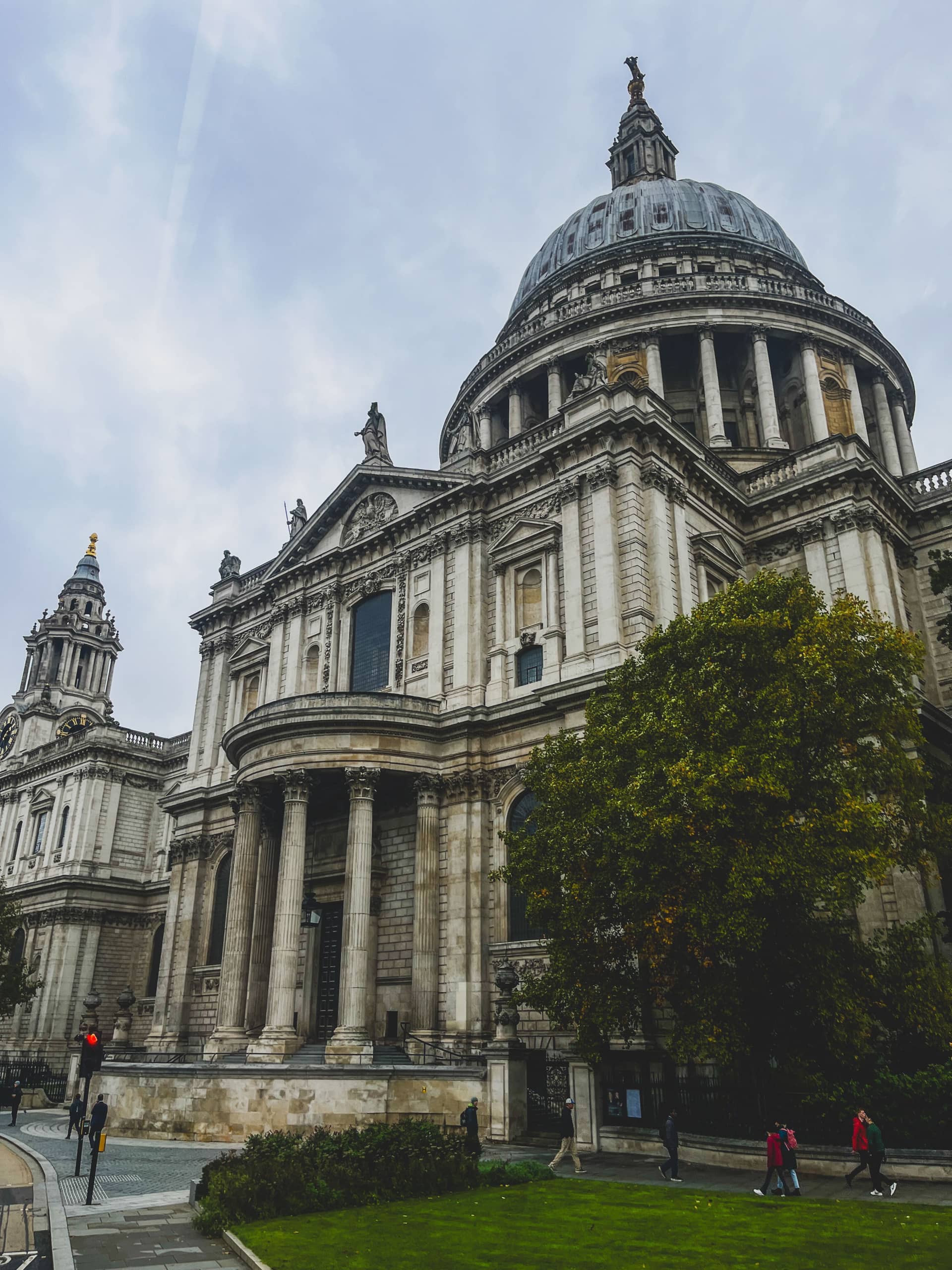
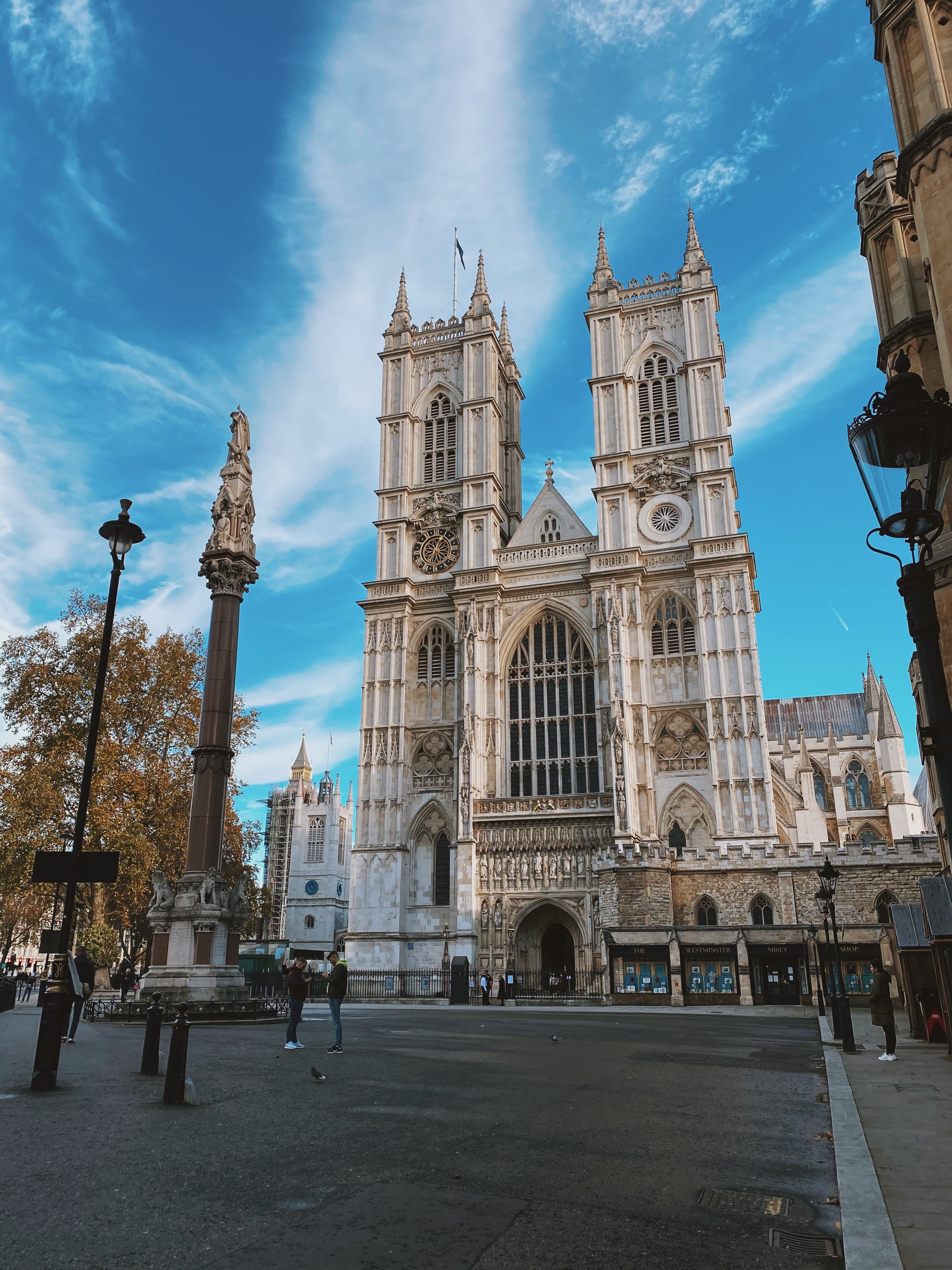
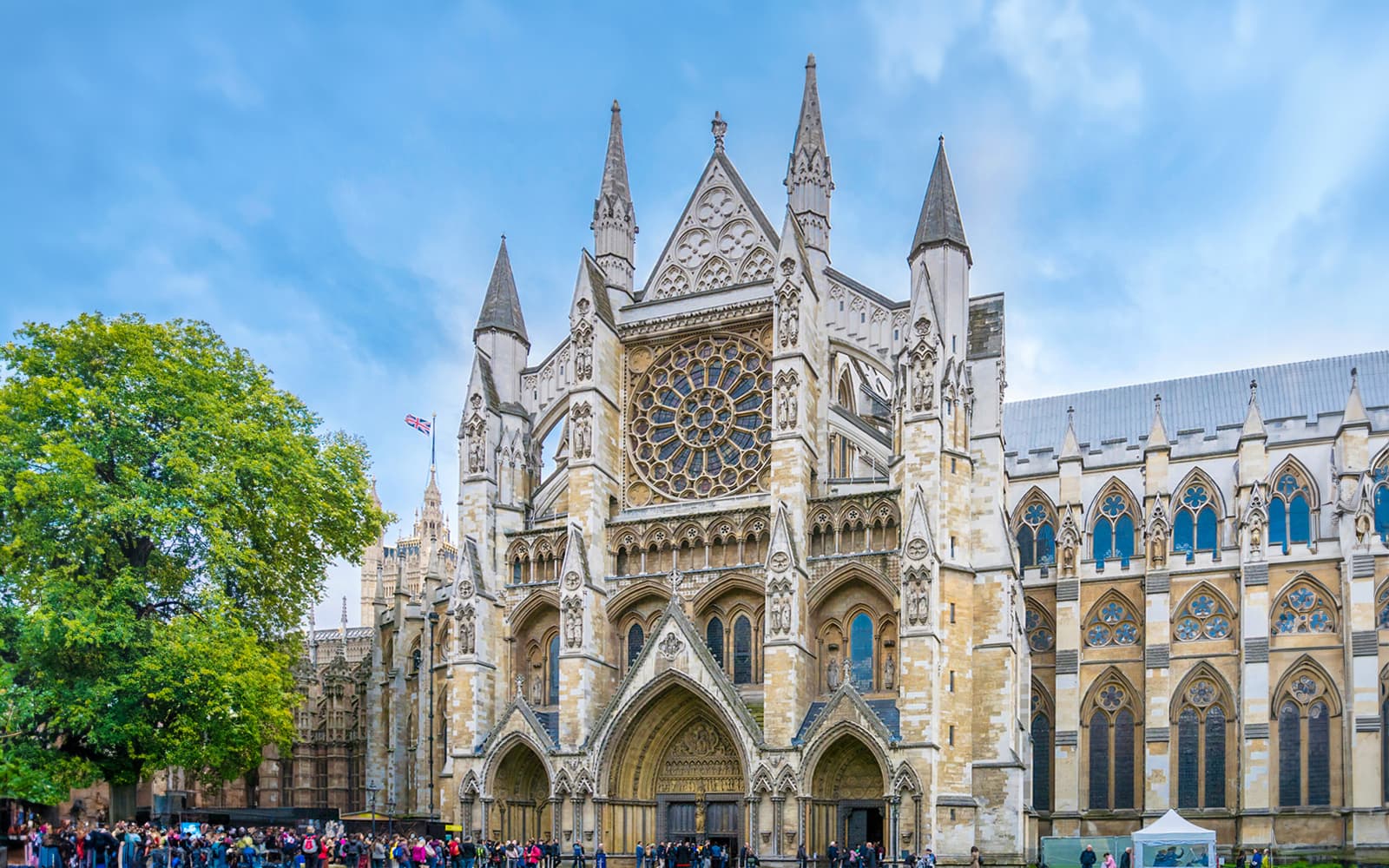
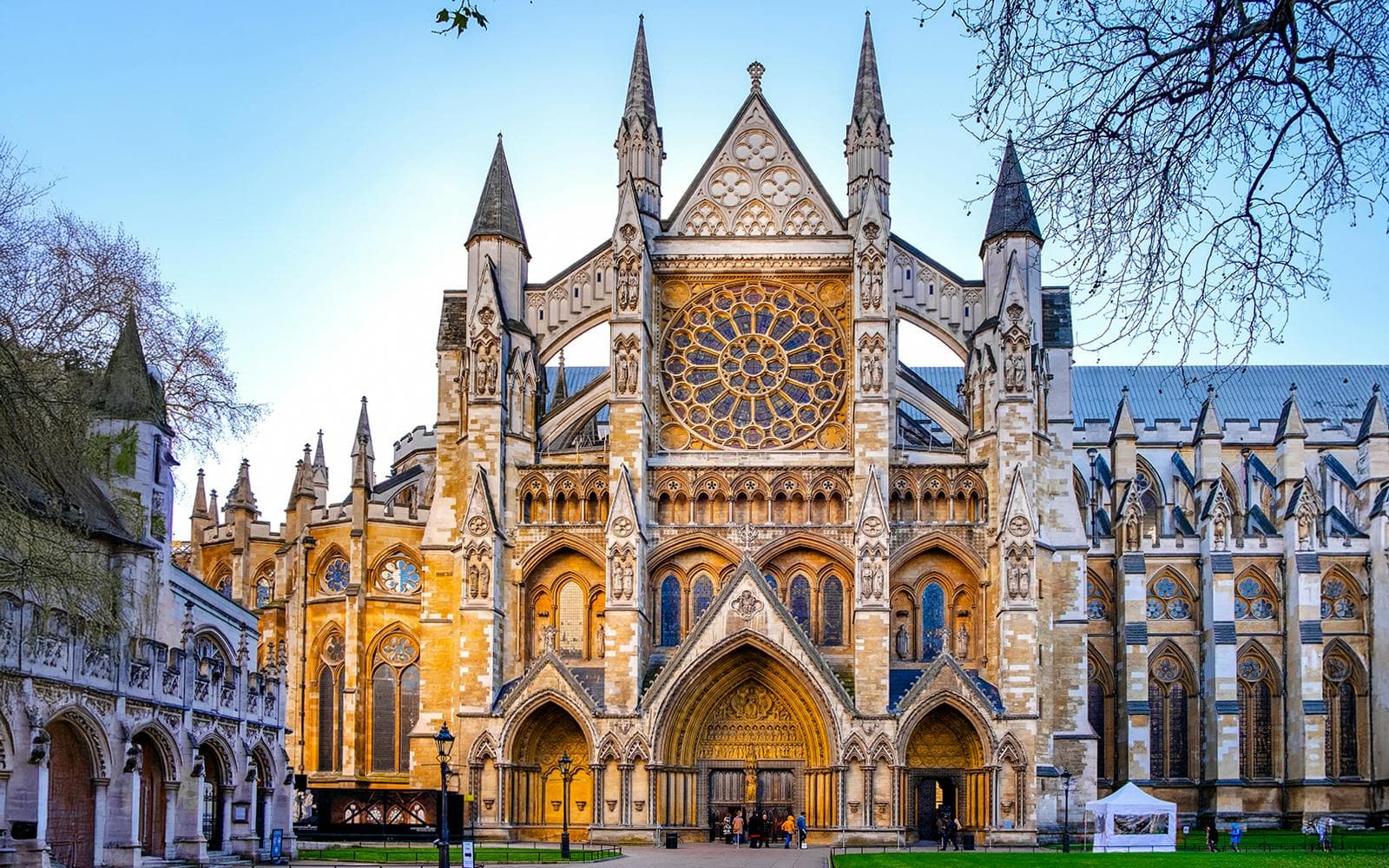
Westminster Abbey has crowned every English and British monarch since 1066 and holds the tombs and memorials of more than 3,000 figures, from Isaac Newton and Charles Darwin to the poets and writers of Poets' Corner. Allow around ninety minutes for the nave, the royal chapels, the Cloisters and the Chapter House.
- Adult entry around £31 / $40 (2026); book a timed slot two to three weeks ahead for peak dates
- Closed to sightseeing on Sundays, when it opens for worship only
- Evensong and daily services are open to all at no charge — a quieter way to experience the building, though sightseeing isn't permitted during services
The National Gallery and National Portrait Gallery
On Trafalgar Square, the National Gallery covers Western painting from the medieval period to the Impressionists — Van Gogh's Sunflowers, Turner, Vermeer and Botticelli among them — and entry to the permanent collection is free. Steps away, the National Portrait Gallery reopened after a major refurbishment and traces British history through faces, from Tudor monarchs to living sitters.
Tate Britain and St Martin-in-the-Fields
Upstream at Millbank, Tate Britain holds the national collection of British art and the Turner bequest, and is usually calmer than its South Bank sibling. For living culture rather than collections, St Martin-in-the-Fields on the square runs regular lunchtime and candlelit concerts in a working church — a reminder that some of the best cultural sites in London are also active, everyday spaces.
The City: London's Ancient and Sacred Layer
The City — London's original square mile — holds the oldest layer of the city, and it's the part most cultural itineraries walk straight past. Beneath the glass towers sit a Roman amphitheatre, a reconstructed Roman temple, a 12th-century round church and one of the finest cathedrals in Europe, all within a compact grid.
St Paul's Cathedral
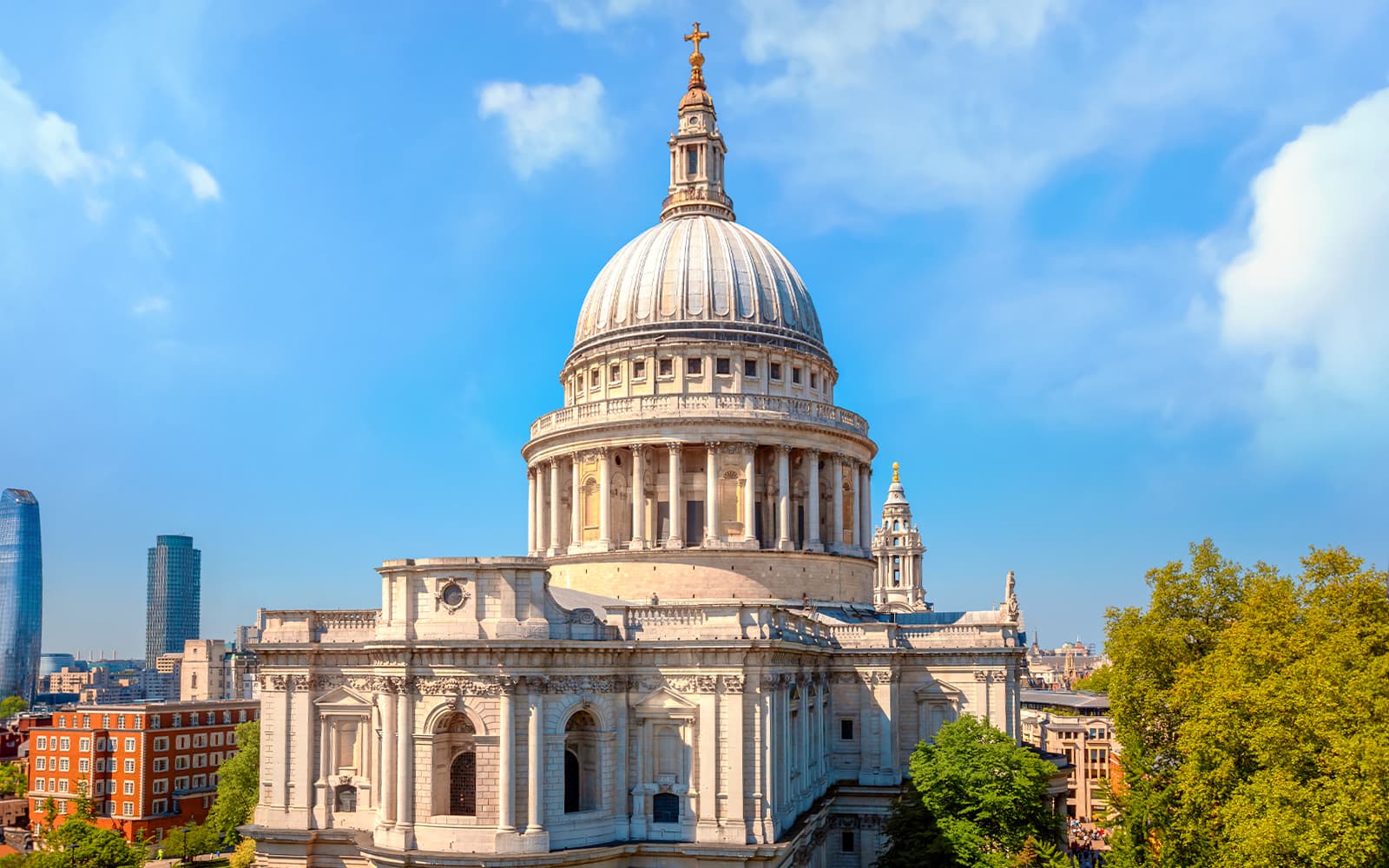
Sir Christopher Wren's masterpiece has defined the skyline since 1710 and survived the Blitz to become a symbol of the city. Entry covers the cathedral floor, the crypt — where Wren, Nelson and Wellington are buried — and the three dome galleries; the climb to the Golden Gallery is 528 steps for one of the best views in London.
- Adult entry around £27 / $35 (2026), including the crypt and dome galleries
- Open Monday to Saturday from 8:30am (10am on Wednesdays), last entry mid-afternoon; Sundays are for worship
- A new exhibition marking the 500th anniversary of the Tyndale New Testament runs through 2026
Temple Church and the Roman layer
Tucked between Fleet Street and the river, Temple Church is a rare round church built by the Knights Templar in the 12th century, its stone effigies of medieval knights worn smooth by 800 years. A short walk north, the London Mithraeum displays a reconstructed 3rd-century Roman temple in the basement of the Bloomberg building, while the remains of London's Roman amphitheatre sit beneath the Guildhall Art Gallery and stretches of the old London Wall survive near Tower Hill.
Leadenhall Market
For living heritage rather than a museum piece, Leadenhall Market is a covered Victorian arcade of ornate ironwork and glass, dating from the 1880s and standing on the site of a Roman forum. It's a working market and a short detour that ties the City's ancient and modern layers together in a single street.




The South Bank: Art, Theatre and the River
The South Bank is London's arts riverfront, a walkable mile that packs a world-class gallery, a reconstructed Elizabethan playhouse, the national theatre and a food market into a single stretch of the Thames. It's the easiest quarter to explore on foot, and much of it is free to enter.
Tate Modern
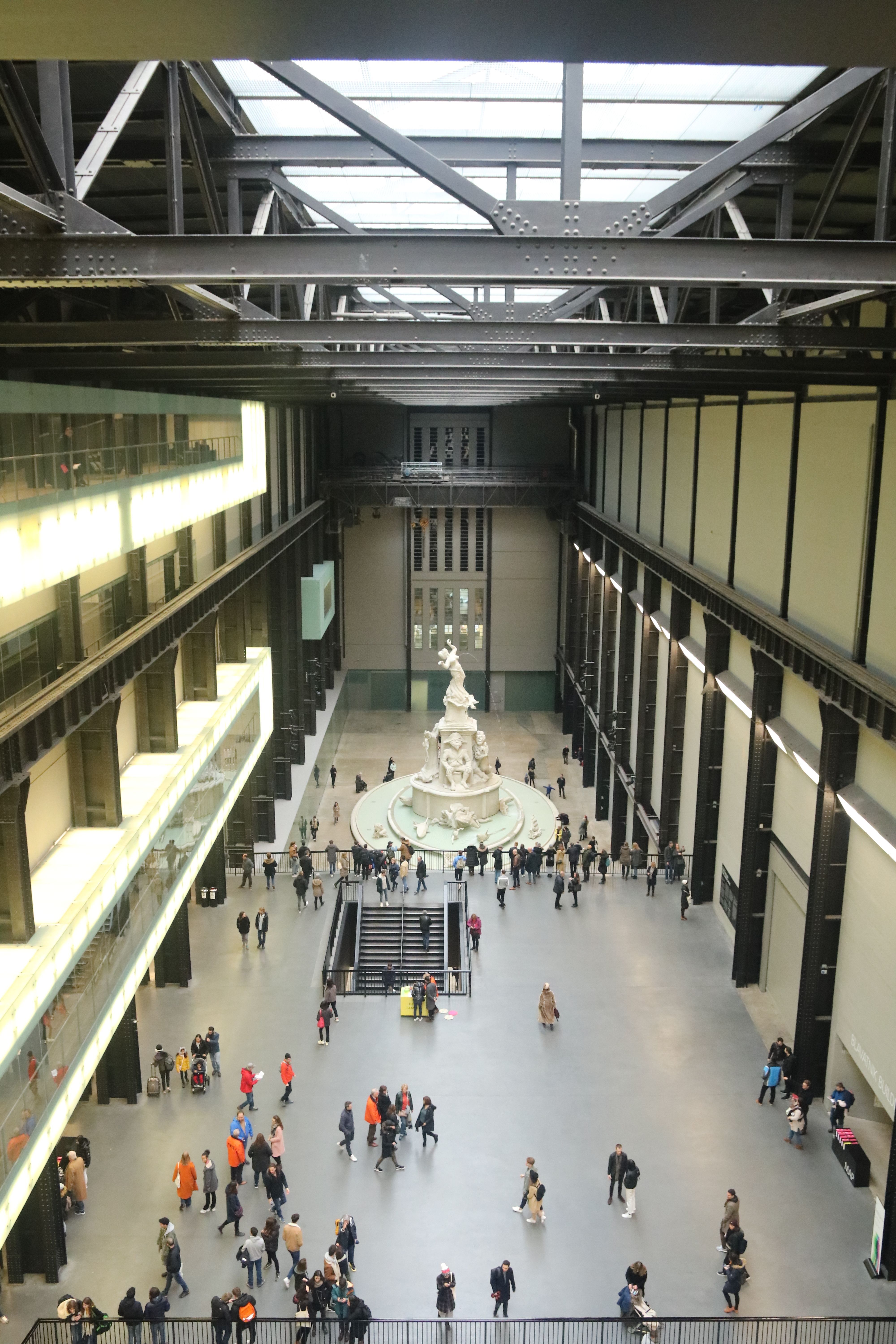
Tate Modern occupies a former power station, its cavernous Turbine Hall hosting large-scale installations that have ranged from Olafur Eliasson's artificial sun to a slow crack across the floor. The permanent collection spans modern and contemporary art — Picasso, Rothko, Hockney — and entry is free, with the tenth-floor viewing level giving a clear panorama across the river to St Paul's.
Shakespeare's Globe and the National Theatre
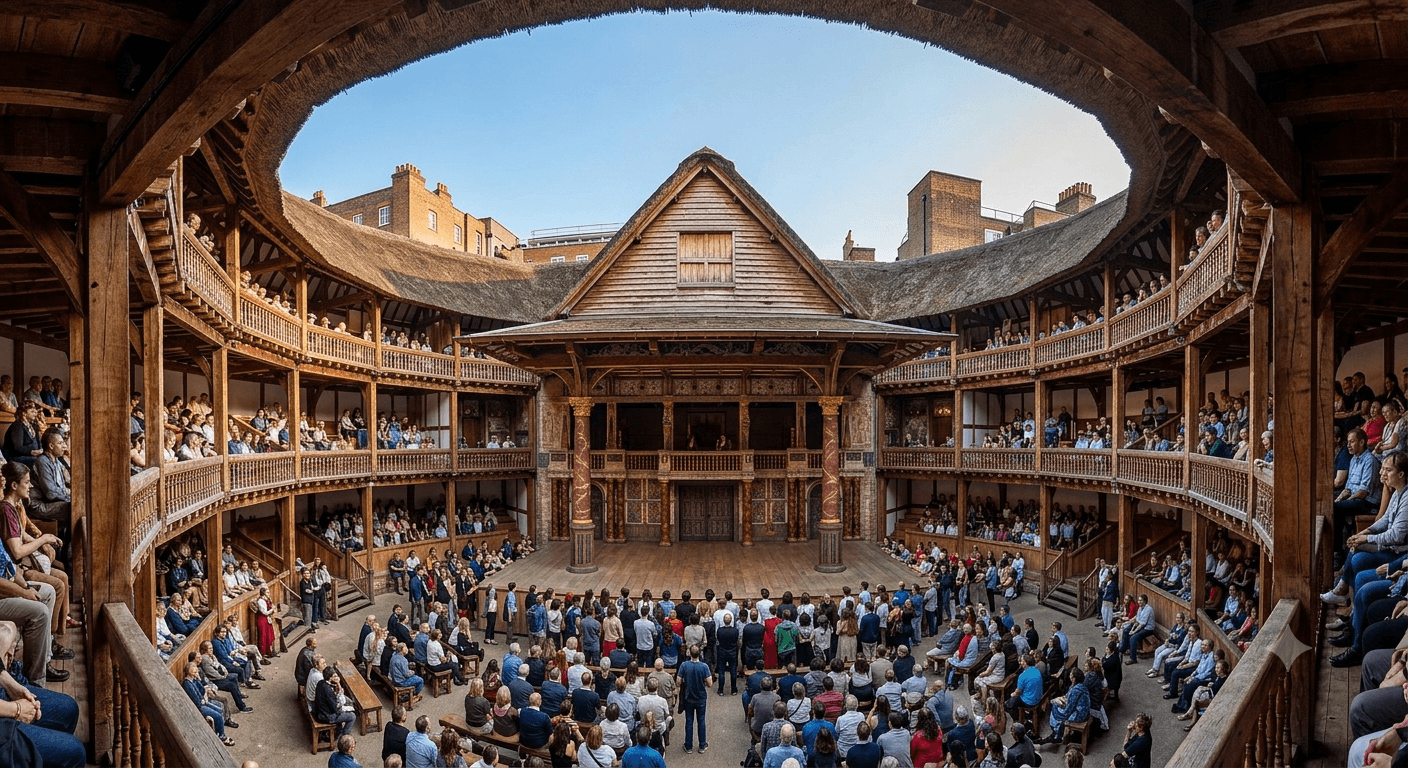
A short walk downriver, Shakespeare's Globe is a faithful reconstruction of the open-air playhouse where the Bard's plays were first staged, alongside the candle-lit indoor Sam Wanamaker Playhouse. The standing "yard" tickets are among the most characterful seats in London theatre — you watch from the pit as Elizabethan audiences did. Further along, the Southbank Centre and the concrete terraces of the National Theatre anchor London's performing-arts scene year-round.
Borough Market
Where the South Bank meets the City, Borough Market has traded food on the same site for centuries. It's less a sight than a working part of the city's culture — cheesemongers, bakers and street-food stalls under a Victorian roof — and a natural lunch stop between Tate Modern and the Tower.
South Kensington: London's Museum Quarter
South Kensington holds three national museums on one street, all free to enter, laid out in a row of grand Victorian buildings funded by the profits of the 1851 Great Exhibition. It's the most concentrated cluster of cultural sites in London, and easily a full day if you let it be.
The Victoria and Albert Museum
The Victoria and Albert Museum is the national collection of art and design, holding some 2.3 million objects across 5,000 years — fashion, ceramics, sculpture, jewellery and metalwork. Its Cast Courts, with a full-height plaster cast of Michelangelo's David, are worth the visit on their own. Allow at least a half-day; the building is large enough to lose an afternoon in.
The Natural History Museum and Science Museum
Next door, the Natural History Museum draws families to Hintze Hall, where a blue whale skeleton hangs beneath a cathedral-like ceiling, and to its dinosaur galleries. The Science Museum, a few steps further, covers everything from the space race to the history of medicine. Both are free, both get busy at weekends, and both reward an early start.
The Royal Albert Hall
Across from the museums, the Royal Albert Hall is a Victorian concert hall best known for the summer season of Proms concerts. A daytime tour of the auditorium is one option; catching a concert under its great dome is the better one if the schedule allows. Together with the museums, it makes South Kensington a cultural quarter you can plan an entire day around.
The Living-Culture Quarters: East London, Greenwich and Beyond
Beyond the institutions, some of the most rewarding cultural sites in London are neighbourhoods rather than buildings — the quarters where the city's living culture, immigrant heritage and music history play out on the street. This is the layer that rewards a return visit, once the headline museums are behind you.
The East End: Brick Lane, Spitalfields and the Barbican
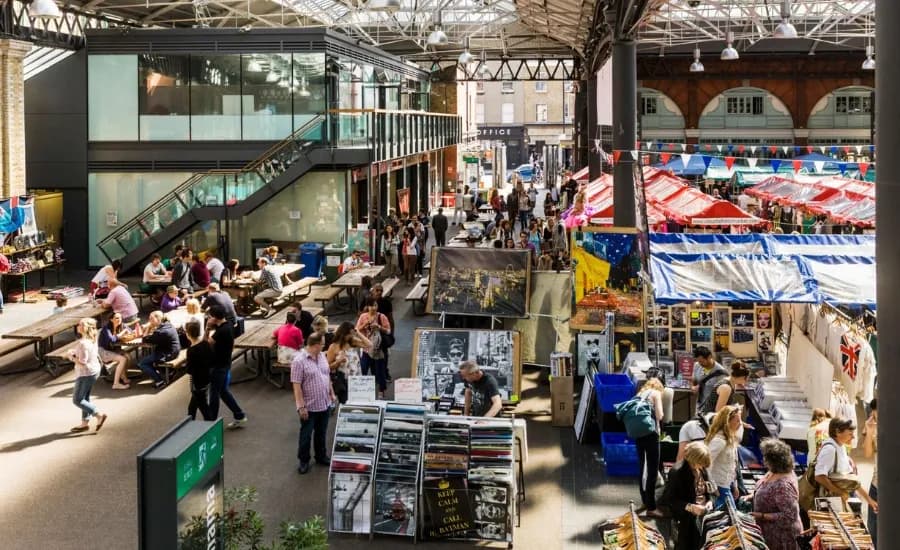
East London wears its layers of migration openly. Brick Lane runs through Banglatown, the heart of the Bangladeshi community, past curry houses, the Old Truman Brewery's street art and a Sunday market; the same building on the corner has been a Huguenot chapel, a synagogue and a mosque in turn — a single wall telling three centuries of the city's story. Nearby, Old Spitalfields Market trades under a Victorian canopy, and the Whitechapel Gallery has shown cutting-edge contemporary art for over a century. To the west, the Barbican Centre — a Brutalist arts complex of concrete walkways — programmes classical music, film, theatre and exhibitions across one vast estate.
Bloomsbury and Brixton
Bloomsbury is London's literary quarter, its garden squares once home to Virginia Woolf and the Bloomsbury Group, and still lined with bookshops and the British Museum at its centre. South of the river, Brixton tells a different cultural story: the centre of London's Afro-Caribbean community, with Brixton Village's market arcades, a live-music heritage that runs from reggae to David Bowie's birthplace, and a food scene that draws Londoners across the city.
Maritime Greenwich
Downriver, Maritime Greenwich is a UNESCO World Heritage Site that bundles several cultural sites into one riverside cluster. The National Maritime Museum is the largest of its kind in the world and free to enter; alongside it sit the Queen's House gallery, the Royal Observatory on the meridian line, and the restored tea clipper Cutty Sark. Reach it by riverboat from central London and the journey becomes part of the day.
Planning Your Cultural Sites in London, by Quarter
London's culture doesn't reward a scattergun approach. Build each day around one quarter, book the ticketed heritage sites — Westminster Abbey, St Paul's, the Tower — a few weeks ahead, and lean on the free national museums without a second thought. On a first visit, the essentials in each quarter are more than enough. On a second or third, trade the headline names for the living-culture quarters: the ancient City, the East End's food streets, Maritime Greenwich, Brixton after dark.
Travjoy's London experiences are researched and approved by local experts, so the version you book is the one worth booking — no sifting through reseller tabs to work out which ticket includes what. Start planning your cultural days across the city on Travjoy's London hub.



.svg&w=1920&q=75)