



Bali Trip Checklist: Everything to Do Before You Fly
9 min read

Sandeepa K
Author
Long-term traveller and AI Expert.
SHARE BLOG
TABLE OF CONTENTS
Key Takeaways
- Your passport must be valid for at least 6 months from arrival and have one blank page, or you'll be denied boarding.
- Three separate digital steps are required for 2026 entry: e-VOA (IDR 500,000 / ~USD 35), the Bali Tourism Levy (IDR 150,000 / ~USD 9.50), and the All Indonesia Arrival Card.
- Start vaccines 6–8 weeks before departure — Hepatitis A and Typhoid are recommended for every traveller.
- Pre-book signature day trips (Nusa Penida, Mount Batur sunrise) but leave warungs, beach clubs, and spa treatments for arrival.
- Pack for tropical humidity, temple modesty rules, scooter helmets, and sudden downpours — not for a generic beach holiday.
A complete Bali trip checklist for 2026 covers three pre-arrival digital steps (e-VOA, Bali Tourism Levy, All Indonesia Arrival Card), recommended vaccines, money and eSIM setup, and a short list of experiences worth pre-booking. Most arrival problems come from missing one of the digital steps or assuming you can sort it on the ground.
Most Bali trips don't unravel because of bad weather or food poisoning. They unravel at the immigration counter, where a traveller realises they never paid the Tourism Levy, can't find their e-VOA QR code, or have an expired All Indonesia Arrival Card from a previous trip on their phone. The fix is simple — every one of these steps is a 10-minute form online — but only if you know they exist before you fly.
This Bali trip checklist walks you through what to do in the eight weeks before departure, the documents and digital forms that matter in 2026, the vaccines worth getting, how to set up money and connectivity, what to pre-book versus arrange on the ground, and the packing rules that first-timers consistently miss. Read it once now and again the week before you fly.

Your 8-Week Bali Countdown (Start Here)
Plan your Bali pre-trip checklist as a countdown rather than a single to-do list. Some tasks need weeks of lead time (vaccines, visa appointments if you're not eligible for VOA, refundable flight tickets), while others have to wait until the last 72 hours (the All Indonesia Arrival Card, eSIM activation). Working backwards from your departure date prevents the most common mistake — leaving everything to the final week and then panicking when a vaccine takes ten days to take effect.
8 weeks out — Foundations
- Check your passport — at least 6 months validity from your Bali arrival date plus one blank page.
- Book a travel doctor appointment for vaccines (Hepatitis A and Typhoid take 2–4 weeks to take effect).
- Buy travel insurance that covers scooter accidents, dengue, and medical evacuation — most standard policies exclude motorbike riding.
- Lock in flights, especially for July–August and December–January peak windows.
4 weeks out — Bookings
- Confirm accommodation for at least the first 3 nights (a tired arrival is a bad time to figure out logistics).
- Pre-book signature day trips that sell out — Nusa Penida boat trips, Mount Batur sunrise treks, and sunrise visits to Tegallalang.
- Arrange airport pickup so you're not negotiating taxi fares jet-lagged.
- If you want to ride a scooter, apply for an International Driving Permit at home — it cannot be issued in Indonesia.
2 weeks out — Digital paperwork
- Apply for your e-VOA at the official portal (evisa.imigrasi.go.id) — processing takes around 3 working days.
- Pay the Bali Tourism Levy at lovebali.baliprov.go.id and save the QR code.
- Order your eSIM so it's ready to activate on landing.
- Photocopy and digitise your passport, visa QR code, levy QR code, insurance certificate, and accommodation confirmations.
72 hours out — Final steps
- Complete the All Indonesia Arrival Card online — mandatory since October 2025, valid within 3 days of arrival.
- Withdraw a small amount of Indonesian rupiah (IDR 500,000–1,000,000) for the airport taxi and first night.
- Download offline Google Maps for Bali, the Grab and Gojek apps, and your accommodation booking PDFs.
- Charge a power bank — scooter rides and long beach days drain phones fast.
Sanity check before you sleep on departure night
- Passport, e-VOA QR, Tourism Levy QR, Arrival Card confirmation — printed and saved offline.
- Travel insurance certificate accessible offline.
- Hotel confirmation with the address in case immigration asks for it.
- Some IDR cash in your wallet, eSIM installed but not activated.
Documents, Visa & the Three Digital Steps for 2026
Bali entry in 2026 hinges on three separate online steps — none of them difficult, but each has its own portal, fee, and timing window. Miss one and you'll either be sent to a paper queue at the airport or denied boarding by the airline. This is the single most-overlooked part of any Bali trip checklist.
Passport rule
Indonesia requires your passport to be valid for at least six months from your arrival date and to have at least one blank page for the entry stamp. Damaged passports — torn pages, water-stained covers — can also be refused. If you're within 8 months of expiry, renew before booking flights.
e-VOA (Visa on Arrival, IDR 500,000 / ~USD 35)
Citizens of around 97 countries — including the US, UK, Australia, Singapore, Japan, and most of Europe — qualify for the 30-day Visa on Arrival. The fee is IDR 500,000 (approximately USD 35) and the visa can be extended once for another 30 days, giving a maximum stay of 60 days. Apply online at evisa.imigrasi.go.id at least a week before flying. Approval typically takes around three working days. You'll receive a QR code that lets you use the autogates at Ngurah Rai International Airport — usually clearing immigration in under a minute.
You can still buy the VOA at the airport counter on arrival, but expect a longer queue, and the card readers at the counter are known to go offline during peak overnight arrivals from Australia, Singapore, and KL. Pre-arranging the e-VOA is the safer call. If you do pay at the airport, bring USD or IDR cash as backup.
Bali Tourism Levy (IDR 150,000 / ~USD 9.50)
Bali introduced a provincial tourism levy in 2024 to fund cultural preservation and environmental work across the island. Every foreign visitor pays IDR 150,000 (approximately USD 9.50) per arrival, separate from the visa fee. Pay online at the official portal lovebali.baliprov.go.id before you fly and save the QR code on your phone. Immigration officers or random inspectors may ask to see it, particularly at major temples and during random checks at tourist sites.
All Indonesia Arrival Card
Since October 2025, every international traveller entering Indonesia must complete a digital arrival card that combines immigration, customs, health, and quarantine declarations into one form. Complete it within 3 days of arrival via the All Indonesia app or web portal (allindonesia.imigrasi.go.id) and show the QR code at the border. If you've travelled to Indonesia before, make sure you're filling out a new card for this trip — old QR codes won't scan.
What an immigration officer may ask for
- Passport (6 months validity, one blank page)
- e-VOA or VOA approval QR code
- Bali Tourism Levy QR code
- All Indonesia Arrival Card QR code
- Proof of onward or return flight
- Accommodation booking confirmation
Health, Vaccines & Travel Insurance
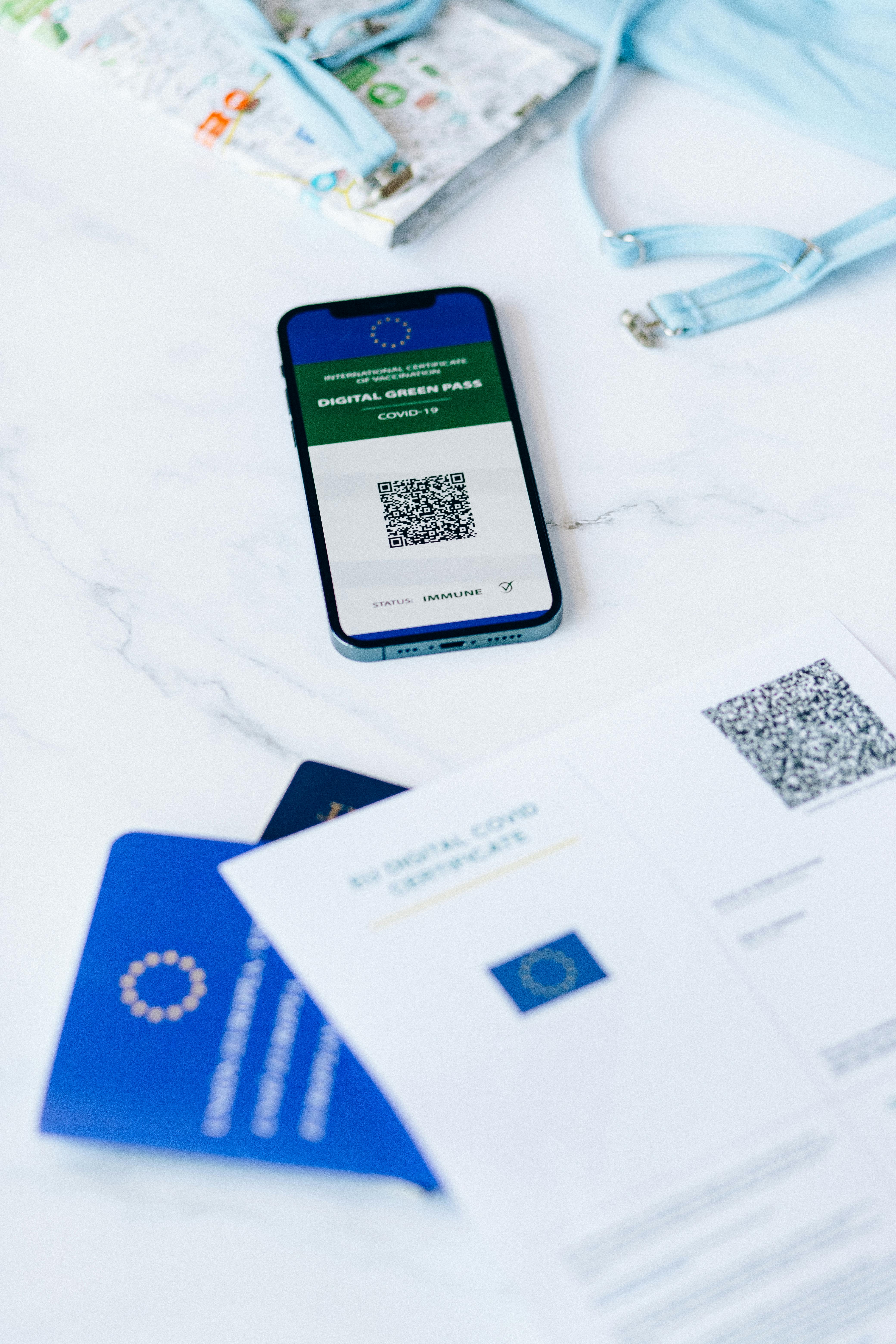
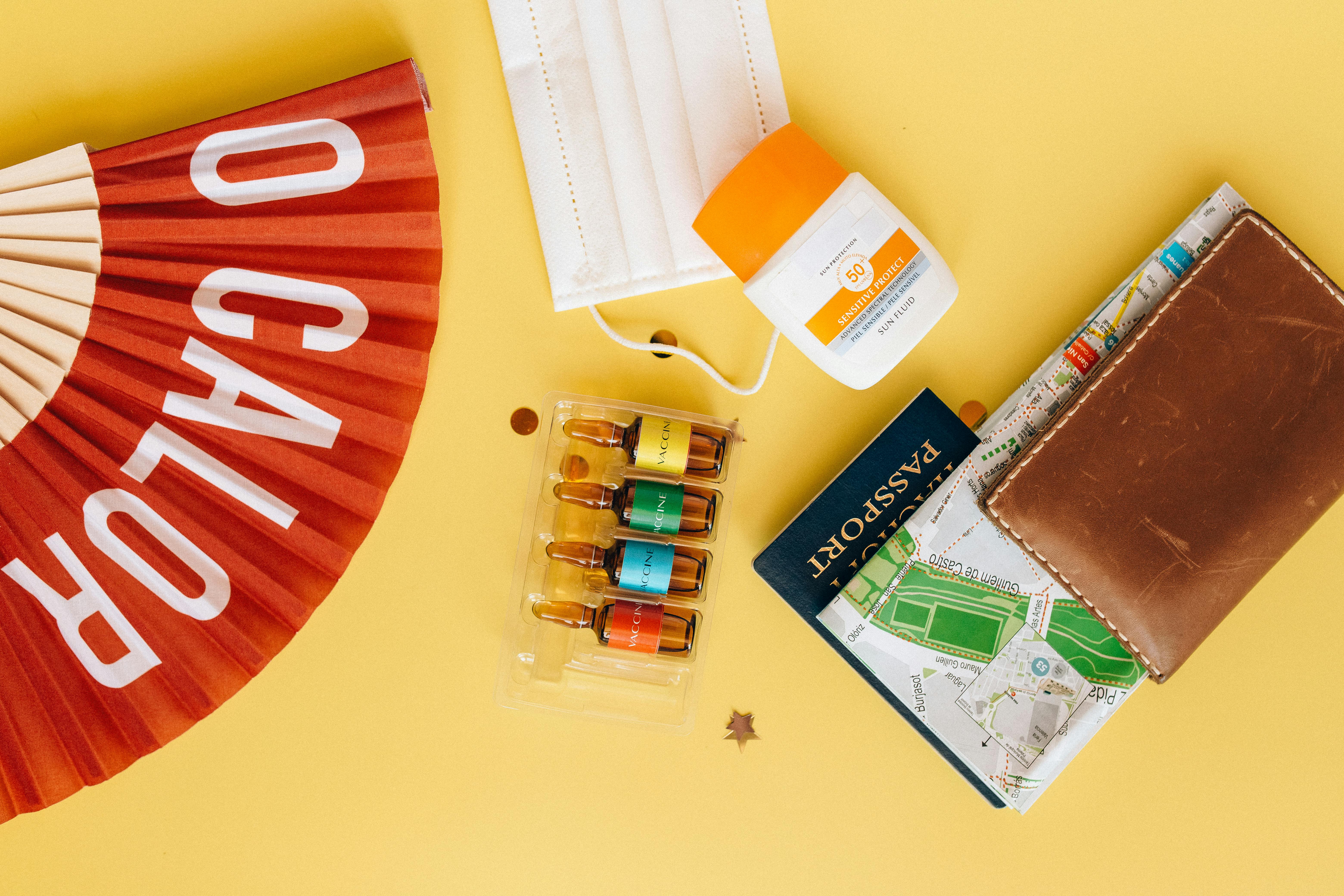
No vaccines are legally required to enter Bali from most countries — the only exception is Yellow Fever for travellers arriving from a country with active transmission. That said, several vaccines are strongly recommended for your own protection, and the time to start is 6–8 weeks before departure, not the week of. A travel doctor consultation can tailor the list to your itinerary, length of stay, and personal health history.
Absolute — Routine plus Hepatitis A and Typhoid
- Routine vaccines — confirm MMR (measles, mumps, rubella), Tdap (tetanus, diphtheria, pertussis), polio, and varicella are up to date.
- Hepatitis A — recommended for all travellers; spreads through contaminated food and water.
- Typhoid — recommended if you plan to eat at warungs, street stalls, or travel outside the main tourist areas. The shot lasts 2 years; the oral course lasts 5 years.
Consider — based on activity and length of stay
- Hepatitis B — worth the booster if you might need medical procedures, get tattoos, or stay longer than two weeks.
- Rabies — discuss with a travel doctor if you'll be near dogs, monkeys, or in rural areas. Bali has had rabies outbreaks in the past, and the monkeys at Ubud and Uluwatu have a habit of biting.
- Japanese Encephalitis — recommended for longer rural stays, particularly during the wet season.
Bali Belly — the illness almost no vaccine prevents
The most common illness travellers pick up isn't anything dramatic — it's traveller's diarrhoea, locally called Bali Belly. It comes from contaminated food, ice, or water. Stick to bottled or boiled water, ask for drinks without ice at smaller stalls, avoid raw salads at street level, and be careful with shellfish. Pack rehydration sachets and a basic anti-diarrhoeal. If symptoms last beyond 72 hours or you have a fever, visit a clinic.
Travel insurance — what to look for
- Scooter cover — most standard policies exclude motorbike accidents unless you hold a valid licence and wear a helmet. Read the fine print before assuming you're covered.
- Medical evacuation — Bali's hospitals are good for routine care, but serious cases get airlifted to Singapore. Coverage of USD 100,000+ is sensible.
- Dengue coverage — Bali sits in a dengue zone; confirm your policy covers it.
- Upfront payment — some Bali hospitals demand payment before treating you. A policy with direct billing or a reliable reimbursement record helps.
Prescription medication — read this carefully
Indonesia has strict drug laws and some medicines legal at home are illegal in Bali. All cannabis-derived products are banned, including CBD oil, hemp products, and medical marijuana. ADHD medications including amphetamines are tightly controlled. If you take any controlled medication, bring a doctor's letter and the prescription in original packaging — and check the latest Indonesian customs list before you fly.




Money, eSIM & Connectivity Setup
Bali runs on a mix of cash and card, and getting this wrong in the first 24 hours is one of the easier ways to start the trip badly. Most warungs, temple entries, parking attendants, and smaller drivers want cash. Beach clubs, hotels, larger restaurants, and most experiences take cards. The cleanest setup is some IDR on landing plus a no-foreign-fee card and an eSIM ready to go.
How much cash to land with
- IDR 500,000–1,000,000 (~USD 32–65) is enough for the airport taxi, dinner, and any tips on your first day.
- Withdraw at a bank-branded ATM rather than a standalone machine — skimming is a known issue at unattended ATMs. BCA, Mandiri, and BNI are reliable.
- USD is widely accepted at money changers, but rates vary. Avoid kiosks offering rates that look too generous — they almost always involve sleight-of-hand math.
Cards and payments
Bring a debit card and a credit card from different networks (Visa + Mastercard) so a frozen card doesn't strand you. Notify your bank you'll be in Indonesia. Most international cards work at hotels and bigger restaurants, but a 2–3% foreign transaction fee adds up over a fortnight. A travel-friendly card (Wise, Revolut, Charles Schwab) saves real money over a two-week trip.
eSIM vs local SIM
An eSIM is the simplest way to land connected. Buy it before you fly, install the QR code in advance, and it activates the moment you connect to an Indonesian network at Ngurah Rai. No queues, no paperwork, no SIM card swap.
- International eSIMs — Airalo plans start around USD 4.79 for 1 GB; larger bundles run USD 12–30 for a two-week trip. Saily, Holafly, and Nomad work similarly.
- Local tourist eSIMs — Telkomsel's Pralayar tourist plans start from around IDR 100,000 (~USD 6.50) for 10 GB over 30 days. Strong coverage island-wide.
- Where coverage drops — central Ubud and the south coast are excellent, but parts of Nusa Penida, the east coast around Amed, and the deep north can be patchy.
What to Pre-Book vs. Arrange on the Ground
The single biggest planning question for a Bali trip is what to lock in before you fly and what to leave open. Pre-book too much and you'll feel boxed in. Pre-book too little and you'll spend the first three days hunting for drivers, missing sunrise treks because they're booked out, and queueing for boats to Nusa Penida that sold last week. The framework below is what we work to.
Travjoy's Bali options are checked and approved by local specialists before they appear on the site, so the experiences you're choosing between are the ones worth booking — not the random listings that crowd the SERPs.
Always pre-book — these sell out or sour your trip if mishandled
- Airport pickup — the difference between a calm start and a 45-minute taxi negotiation at 11pm.
- First 2–3 nights of accommodation — pick the area (Seminyak, Canggu, Ubud, Uluwatu) deliberately based on your priorities; you can move later.
- Signature day trips — Nusa Penida boat trips, Mount Batur sunrise treks, and Tegallalang Rice Terrace at golden hour all run on limited seats or weather windows. Booking the week of your arrival is too late in high season.
- Sunset Kecak fire dance at Uluwatu — tickets sell out by mid-afternoon in peak months.
Worth pre-booking once you arrive
- Full-day driver — IDR 600,000–900,000 (~USD 38–58) for 10 hours, with fuel. Book through your hotel or a vetted operator rather than flagging one on the street.
- Cooking classes and wellness retreats — easy to slot in once you've felt out the days.
- Spa treatments at well-known places — most can be booked 1–2 days out.
Fine to leave for arrival
- Warungs, casual restaurants, and beach clubs (other than the ones with strict reservation policies).
- Last-minute massages.
- Scooter rental — sort it through your accommodation, not at the airport.
For a starting view of what's worth your time, see Travjoy's Bali destination page and the Bali Top 20 picks — useful for putting together a first draft of your itinerary.
Packing, Cultural Rules & the Final 48 Hours
Bali packing is less about volume and more about the small items that prevent friction once you arrive — a sarong for temples, a power adapter for the European-style sockets, reef-safe sunscreen because the airport prices are absurd, and clothes that dry overnight in humidity.
Clothing — light, breathable, modest where it matters
- Cotton or linen tops and bottoms — quick-dry sportswear performs better than cotton if you sweat a lot.
- One outfit that covers shoulders and knees for temple visits (a sarong is provided at most major temples, but bringing your own avoids the rental queue).
- A light rain jacket or poncho — Bali gets sudden tropical downpours even in the dry season.
- One layer for cold ferries, freezing taxis, and the Mount Batur summit at 4am (it sits at around 10°C up there).
- Swimwear — bring two sets so one is always dry.
Footwear
- Walking sandals or hiking-style trainers for temples and waterfall trails.
- Flip-flops for the beach, pool, and rough villa floors.
- Closed shoes are required for any volcano trek and most rafting outfits.
The small things that matter most
- Universal travel adapter — Bali uses European-style two-round-pin plugs (Type C/F) at 230V.
- Reef-safe sunscreen (regular sunscreen is sold everywhere but at a 2–3x markup; reef-safe versions are harder to find locally).
- DEET-based mosquito repellent — dengue is the practical concern, not malaria.
- Basic first-aid pack: paracetamol, anti-diarrhoeal, rehydration sachets, plasters, antiseptic cream, motion-sickness tablets for boats.
- Power bank for long temple-and-rice-terrace days.
- Filtered water bottle (LifeStraw, Grayl) — tap water isn't drinkable, but a filter cuts plastic waste over a two-week trip.
Temple dress code — non-negotiable
Bali's temples are active places of worship, not just photo spots. Shoulders and knees must be covered, women on their period are traditionally asked not to enter the inner courtyards, and a sash or sarong is required. Most major temples (Tanah Lot, Uluwatu, Besakih) provide sashes at the entrance — donations are expected and reasonable. Behave the way you would in a working church or mosque: voices down, no climbing on shrines, no flash photography during ceremonies.
Scooter rules — the one that gets travellers in trouble
If you plan to ride a scooter, you need an International Driving Permit (IDP) endorsed for motorbikes, plus your home licence. Police checks on tourist riders have stepped up since 2023, and fines for riding without an IDP are routine. Wear a helmet at all times — a recent provincial campaign has made helmet fines standard. If you don't ride confidently, hire a driver. Bali's traffic is not the place to learn.
5 things first-timers always forget
- An offline copy of accommodation addresses and phone numbers in case eSIM activation fails.
- Small denomination IDR notes for parking attendants and temple donations.
- A photocopy of the passport main page to leave at the hotel (and to show, not the original, if asked on the street).
- A reusable shopping bag — Bali has banned single-use plastic bags.
- Mosquito-repellent wristbands for kids if you're travelling with family.
The final 48 hours
- Reconfirm the All Indonesia Arrival Card was submitted and screenshot the QR code.
- Download offline Google Maps for Bali and your eSIM provider's app.
- Install Grab, Gojek (ride-hailing), and Bluebird Taxi.
- Notify your bank of the trip dates.
- Pack a carry-on with passport, e-VOA QR, Tourism Levy QR, Arrival Card QR, insurance certificate, a day's medication, and a change of clothes in case checked baggage is delayed.
Plan Your Bali Trip with Confidence
A well-prepared Bali trip is the one where the airport feels like a formality rather than a problem to solve. Get the three digital steps done two weeks before you fly. Lock in the experiences that sell out — the Nusa Penida boats, the Batur sunrise, the Uluwatu Kecak — and leave the rest to instinct once you've felt the island for a day or two. Pack for humidity, temples, and the occasional 4am volcano, not for a generic beach holiday.
Once the paperwork is sorted, planning a Bali trip becomes the enjoyable bit. Browse Travjoy's Bali experiences to put together a trip that hits the temples, beaches, and treks worth the journey — every experience checked and approved by local specialists before it makes the list.



.svg&w=1920&q=75)