


Bali: ARMA (Agung Rai Museum of Art)
Operating Hours:Monday - Sunday: 09:00 - 18:00
The Vibe:Art, gardens, and gamelan in harmony
Opened in 1996 by art collector Agung Rai, this museum and cultural campus in Pengosekan is as much about living Balinese tradition — dance rehearsals, gamelan practice, painting workshops — as it is about the canvases on the walls.
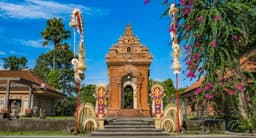
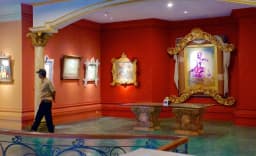
Gamelan notes drift across manicured gardens where artists carve under open pavilions. Inside, candlelit Kamasan paintings glow beside modern abstracts, all held together by the scent of frangipani.
- • Lonely Planet's top museum pick in Ubud
- • Regular traditional dance and gamelan performances four times a week
- • Visitors highlight the lush gardens and chance to meet founder Agung Rai in person
Persona Fit
- 🎨 Art Lovers: Walter Spies originals, classical Kamasan paintings, and contemporary works in one campus.
- 🎓 Culture Enthusiasts: Live dance rehearsals, painting classes, and cultural workshops on the grounds.
- 💕 Couples: Verdant garden paths, rice-field views, and included café vouchers make for a relaxing date.
- 📸 Photographers: Lush tropical gardens, artists at work, and atmospheric gallery interiors.
Highlights
- Walter Spies Collection — Rare works by the German artist who transformed Balinese painting in the 1930s.
- Classical Kamasan Paintings — Intricately detailed narrative panels from Bali's oldest continuous painting tradition.
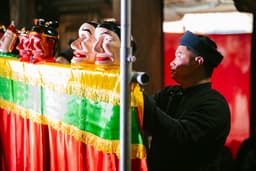
- Live Cultural Performances — Balinese dance and gamelan sessions held regularly on the museum stage.
- Garden Campus — Expansive grounds with rice fields, fountains, and working artists creating pieces in real time.
- Cartoon Gallery — A witty, lesser-known room where local artists comment on tourism and modern Bali — Hidden Gem.
1 Curated Booking Option
Starts From
(Per Person)
Aura Salsa Dila
Our Bali Local Expert
Table of Contents
Things To Do Nearby
Sacred Monkey Forest Sanctuary — About 10 minutes on foot, Ubud's iconic wildlife reserve.
Ubud Palace — A 15-minute walk north, the historical royal compound with nightly dance shows.
Goa Gajah (Elephant Cave) — An archaeological site with 9th-century rock carvings, a short drive south-east.
Sacred Monkey Forest Sanctuary — About 10 minutes on foot, Ubud's iconic wildlife reserve.
Ubud Palace — A 15-minute walk north, the historical royal compound with nightly dance shows.
Goa Gajah (Elephant Cave) — An archaeological site with 9th-century rock carvings, a short drive south-east.
TJ's Guide - ARMA (Agung Rai Museum of Art)
Know Before You Go
Insider Tips
Best Time: Visit in the morning for cool temperatures and an empty museum. Afternoons can be warm in the non-air-conditioned galleries.
Hack: Ask at the front desk if children's dance or gamelan practice is happening — watching young Balinese students rehearse is a highlight.
Hidden Gem: Walk through the gardens to the rear rice fields for a quiet moment away from the art — few visitors venture this far.
Hack: Combine your visit with an evening dance performance at ARMA's open-air stage.
Best Time: Visit in the morning for cool temperatures and an empty museum. Afternoons can be warm in the non-air-conditioned galleries.
Hack: Ask at the front desk if children's dance or gamelan practice is happening — watching young Balinese students rehearse is a highlight.
Hidden Gem: Walk through the gardens to the rear rice fields for a quiet moment away from the art — few visitors venture this far.
Hack: Combine your visit with an evening dance performance at ARMA's open-air stage.
Know Your Facts
- Located on Jalan Raya Pengosekan, within walking distance of central Ubud (about 15 minutes south).
- Signposted on the main road; parking is available on-site for cars and motorbikes.
- Grab/Gojek drop-offs are easy; alternatively, walk from Monkey Forest road in about 10 minutes.
- First-time tip: Collect the informational booklet at the ticket desk — it provides context for each gallery room.
Once You Reach
Internal Navigation
Layout: Two main gallery buildings plus outdoor pavilions set within a landscaped garden campus.
Gallery Flow: Traditional Art Gallery first (Kamasan, Ubud, Batuan styles) → Modern Art Gallery (contemporary works) → outdoor studios.
Signage: Each work has an English-language description card. The informational booklet adds further context.
Wheelchair/Stroller: Flat garden paths but gallery buildings have entrance steps.
Time Tip: Allow 30–45 minutes for galleries, then additional time for gardens, café, and any live performances.
Food & Coffee Shops
Kafe ARMA: Open-air seating with Indonesian and Western dishes, included drink voucher makes it a natural rest stop.
ARMA Thai Restaurant: A more formal option on the grounds if you want a sit-down meal during your visit.
Kafe ARMA: Open-air seating with Indonesian and Western dishes, included drink voucher makes it a natural rest stop.
ARMA Thai Restaurant: A more formal option on the grounds if you want a sit-down meal during your visit.
Photography Tips
Photography is allowed in galleries but without flash. Best gallery light is near the open windows.
The garden path between the gallery buildings offers tropical-frame shots with frangipani and pond reflections.
Capture artists at work in the outdoor pavilions — they are accustomed to visitors and happy to be photographed.
Photography is allowed in galleries but without flash. Best gallery light is near the open windows.
The garden path between the gallery buildings offers tropical-frame shots with frangipani and pond reflections.
Capture artists at work in the outdoor pavilions — they are accustomed to visitors and happy to be photographed.
Explore Deeper
ARMA is not just a gallery — it is a cultural ecosystem where traditional painting, dance, music, and garden design express the Balinese belief that art is inseparable from daily life and spiritual practice.
Agung Rai began collecting in the 1970s after realising that many of Bali's finest paintings were being sold to foreign tourists and leaving the island permanently.
The museum holds originals by Walter Spies, the German artist whose collaboration with Balinese painters in the 1930s catalysed modern Ubud-style painting.
ARMA's cultural programme funds local children's dance and gamelan classes, ensuring traditional performing arts are passed to the next generation.
The campus design follows Balinese spatial principles, integrating temples, rice fields, and water features into a harmonious compound.
Agung Rai began collecting in the 1970s after realising that many of Bali's finest paintings were being sold to foreign tourists and leaving the island permanently.
The museum holds originals by Walter Spies, the German artist whose collaboration with Balinese painters in the 1930s catalysed modern Ubud-style painting.
ARMA's cultural programme funds local children's dance and gamelan classes, ensuring traditional performing arts are passed to the next generation.
The campus design follows Balinese spatial principles, integrating temples, rice fields, and water features into a harmonious compound.
Did You Know?
Founder's Mission — Agung Rai was one of the first Balinese dealers to lobby for keeping important paintings in Indonesia rather than letting them be exported.
Walter Spies Connection — The museum holds some of the few Walter Spies paintings remaining in Bali; Spies drowned in 1942 during a Japanese attack on an internment ship.
Living Art Campus — Artists and woodcarvers work on the grounds daily, and their in-progress pieces are often incorporated into future exhibitions.